Autologous Cultured Stem Cell Therapy for Skin Rejuvenation: A Guide for English-Speaking Patients in Tokyo
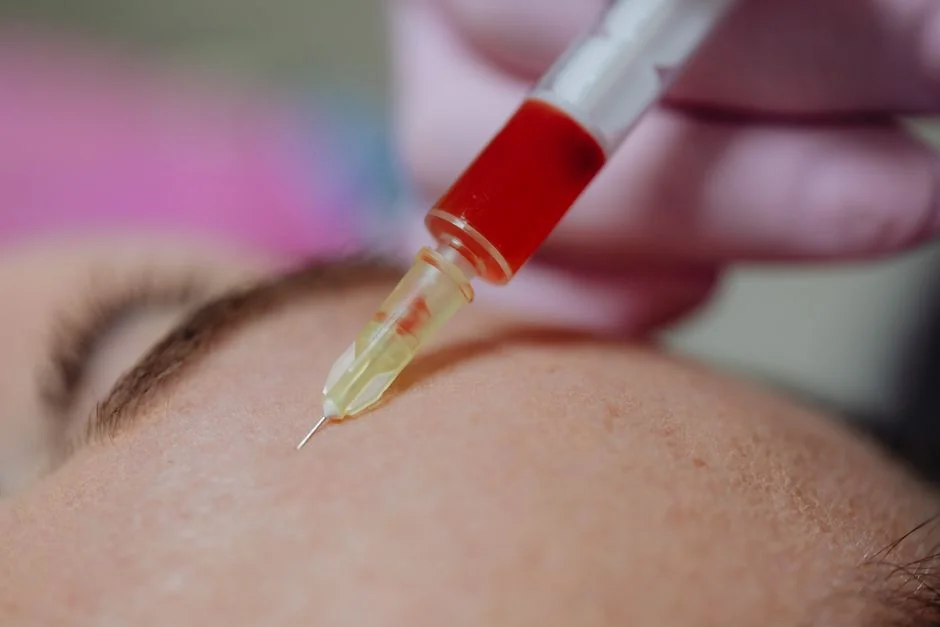
If you have been researching advanced skin rejuvenation options and come across the term “autologous cultured stem cell therapy,” you are not alone — many international patients arrive in Tokyo specifically seeking treatments that are not yet widely available in their home countries.
This guide explains clearly what autologous cultured stem cell therapy is, how it works, what results are realistic, and what you should know before considering it in Tokyo.
- What autologous cultured stem cell therapy is and how it differs from other rejuvenation treatments
- How the cell culture process works, step by step
- Realistic results and what clinical research currently supports
- Typical costs in Tokyo and key candidacy considerations
- Common misconceptions and important safety questions to ask your doctor
Have a question about this treatment?
Message us on LINE or WhatsApp — our English-speaking team usually replies the same day.
What Is Autologous Cultured Stem Cell Therapy?
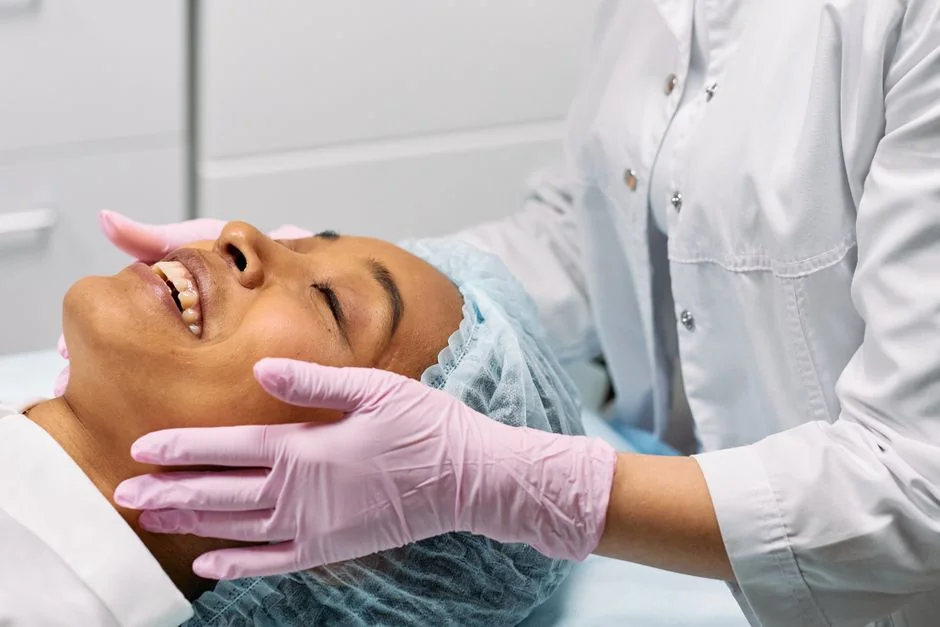
Autologous cultured stem cell therapy is a regenerative skin treatment in which cells are taken from the patient’s own body, expanded in a laboratory, and then reintroduced to improve skin quality, texture, and elasticity.
The word “autologous” simply means that the source material comes from you — eliminating the risk of immune rejection that arises with donor cells from another person.
The cells most commonly used in cosmetic applications are fibroblasts — the cells in the dermis (the deeper layer of your skin) responsible for producing collagen, elastin, and hyaluronic acid. Because fibroblast activity naturally declines with age, the premise of the therapy is to replenish this activity and encourage the skin to regenerate more as it did in youth.
It is worth noting that the term “stem cell therapy” is used loosely in the cosmetic industry. In many clinical programmes, the cells being cultured and reinjected are not true pluripotent stem cells but rather autologous fibroblasts or stromal cells. Patients should always ask their physician to clarify exactly which cell type is being used and what regulatory approvals apply.
How Does It Differ from Other Skin Boosters?
Unlike hyaluronic acid fillers or polynucleotide (PDRN) injections, which introduce external substances into the skin, autologous cell therapy works by reintroducing your own biological material.
The goal is not to fill volume artificially but to stimulate the skin’s own collagen and matrix production from within.
Energy-based devices such as HIFU or radiofrequency microneedling (for example, treatments like Morpheus8 available at BIOTOPE CLINIC) trigger collagen remodelling through controlled thermal injury. Autologous cell therapy, by contrast, is a biological approach — it does not rely on heat but on cellular signalling.
How Autologous Cultured Fibroblast Therapy Works: Step by Step
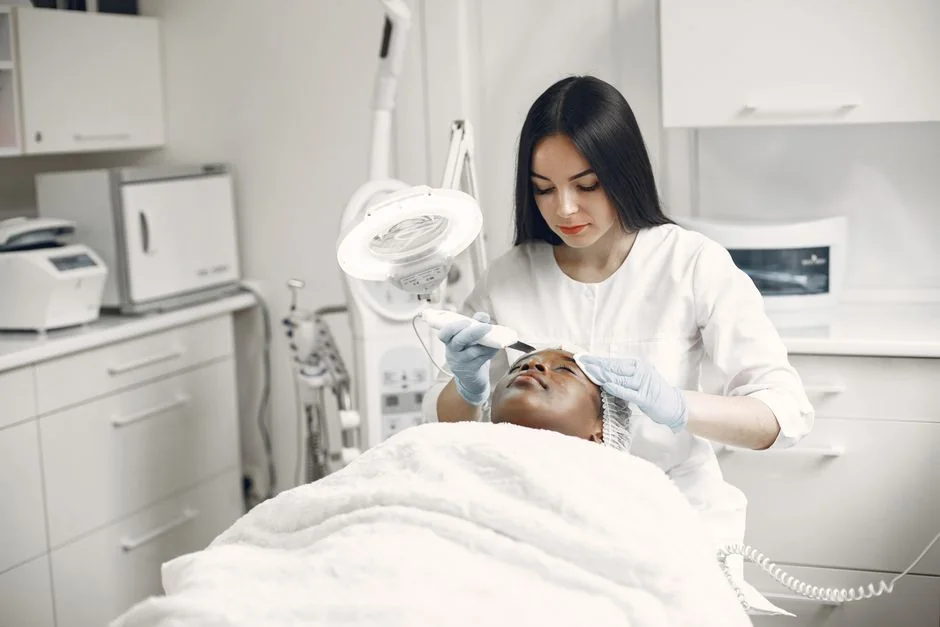
The process typically unfolds over several weeks and involves close coordination between the clinic, the patient, and a certified cell-processing laboratory.
- Biopsy collection: A small skin sample — usually 3 to 4 mm — is taken from an inconspicuous site, commonly behind the ear. This is performed under local anaesthesia and takes only a few minutes.
- Laboratory culture: The sample is sent to a specialist laboratory where fibroblasts are isolated and cultured in sterile conditions. Over approximately four to six weeks, the cell population is expanded to a therapeutically meaningful number — typically tens of millions of cells.
- Quality testing: Before release, the cultured cells undergo rigorous sterility and viability testing to confirm they are safe for reinjection.
- Reinjection: The expanded cells are returned to the patient and injected intradermally (into the skin) across treatment areas — most commonly the face, neck, and décolletage.
- Repeat sessions: Some protocols use a portion of the cultured cells per session and cryopreserve (freeze) the remainder, allowing additional treatments from a single biopsy over months or years.
Dr. Karibe’s Note
Many of our international patients are surprised by how straightforward the biopsy step is — it is far less involved than they expect. The longer part of the process is the laboratory culture phase, and that waiting period is something patients should factor into their planning, particularly if they are visiting Tokyo on a schedule. A thorough consultation before committing is essential, and it is an opportunity to discuss whether this approach is appropriate alongside other treatments, or whether an alternative collagen-stimulating protocol might achieve similar goals more efficiently for your particular skin concerns.
Expected Results and What the Research Suggests
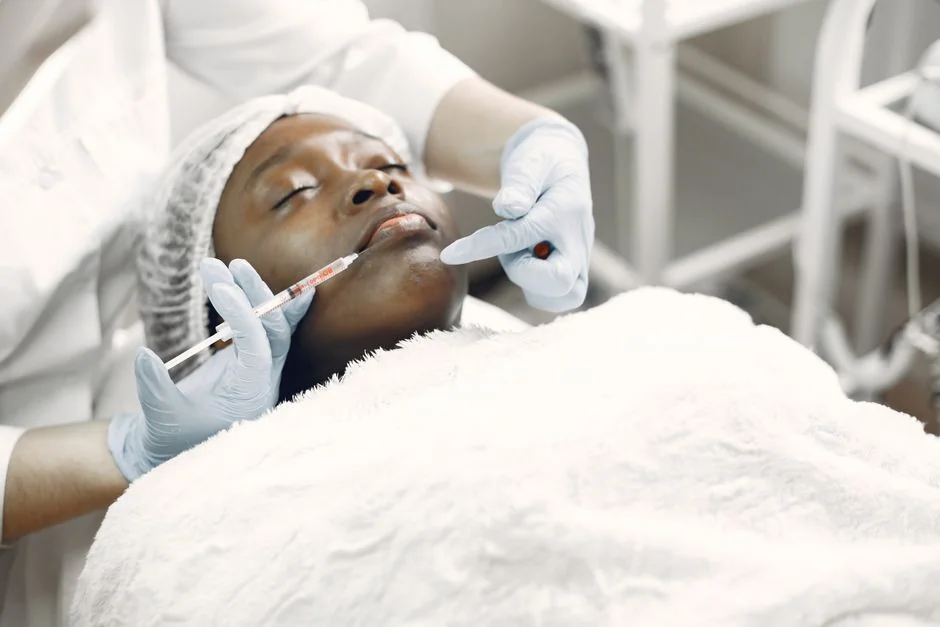
Clinical reports suggest that autologous fibroblast therapy can produce gradual, sustained improvements in skin texture, fine line depth, and overall luminosity. Because the mechanism is biological rather than mechanical, results develop progressively over three to six months as the reintroduced cells begin to influence local collagen synthesis.
A clinical study published in the Journal of Drugs in Dermatology examining autologous fibroblast injection for nasolabial folds found statistically significant improvements in wrinkle severity ratings at six and twelve months compared to placebo, with effects persisting beyond one year in a subset of patients.
A separate analysis of autologous dermal fibroblast therapy published in Plastic and Reconstructive Surgery indicated that greater than 70% of treated subjects showed measurable improvements in skin elasticity at the six-month assessment point, as rated by blinded independent evaluators. These findings are encouraging, though it is important to note that individual responses vary and that larger, long-term randomised controlled trials are still needed to fully establish the evidence base.
Improvements that patients and clinicians most commonly report include finer skin texture, a reduction in superficial lines, improved hydration and radiance, and a general “refreshed” quality to the skin. This therapy does not restore significant lost volume or lift sagging tissue — patients with those concerns may benefit more from complementary procedures.
Common Misconceptions About Autologous Stem Cell Therapy
Misconception 1: “Stem cell therapy” always means the same thing.
The cosmetic market uses this term broadly. Products labelled “stem cell” may contain plant-derived stem cell extracts (which cannot influence human cells biologically in any meaningful way), conditioned media (cell culture supernatant without live cells), or — as in true autologous therapy — your own living cultured cells. These are fundamentally different categories with different evidence levels. Always ask your physician specifically whether living autologous cells are being used.
Misconception 2: Results are immediate.
]Because the mechanism depends on cells integrating and influencing the tissue environment over time, results emerge gradually. Patients who expect dramatic change within two to three weeks are likely to be disappointed. The realistic timeline for visible improvement is three to six months, with optimal results often appearing closer to the six-to-twelve month mark.
Autologous Cell Therapy vs. Comparable Rejuvenation Approaches
| Treatment | Mechanism | Onset of Results | Duration | Downtime | Regulatory Status (Japan) |
|---|---|---|---|---|---|
| Autologous cultured fibroblast therapy | Biological — reintroduces patient’s own collagen-producing cells | 3–6 months | 12+ months; potentially longer with cryopreserved top-ups | Minimal (mild injection-site redness) | Regulated as advanced therapy medicinal product (ATMP); facility certification required |
| HIFU (e.g. Ultraformer) | Thermal — focused ultrasound tightens SMAS and dermis | 1–3 months | 12–18 months | Minimal to none | Medical device approval |
| RF Microneedling (e.g. Morpheus8) | Thermal + mechanical — radiofrequency energy delivered via microneedles | 4–8 weeks | 12–18 months | 3–5 days redness/swelling | Medical device approval |
| Polynucleotide / PDRN skin booster | Biochemical — DNA-derived growth factor stimulation | 4–8 weeks | 6–12 months | Minimal | Pharmaceutical product approval |
| Hyaluronic acid filler | Mechanical — volumising, immediate structure | Immediate | 9–18 months depending on product | Minimal (bruising possible) | Pharmaceutical product approval |
Cost of Autologous Cultured Stem Cell Therapy in Tokyo
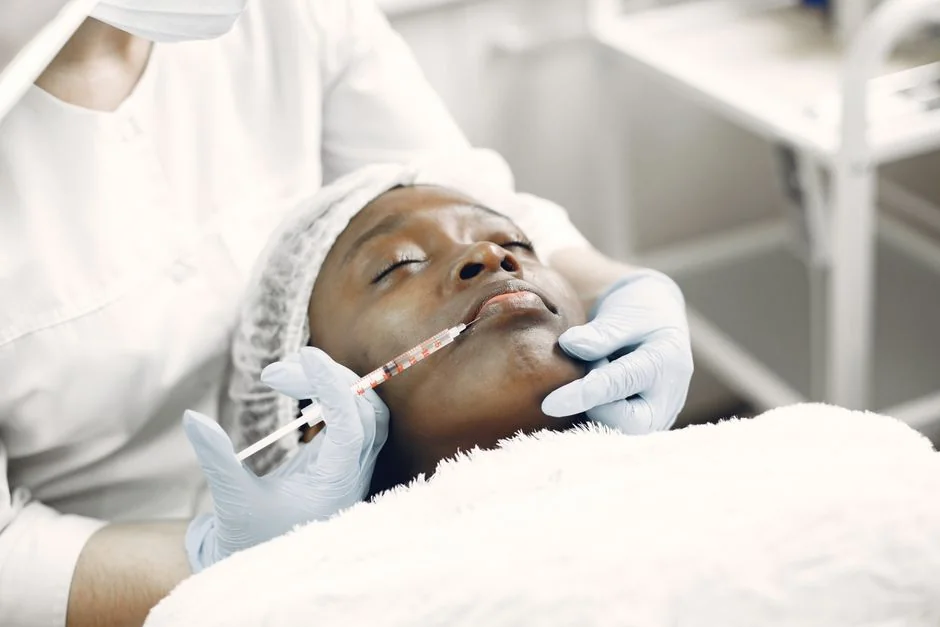
Autologous cultured stem cell therapy is among the more costly aesthetic interventions available, primarily because the cell culture process requires specialist laboratory facilities, rigorous quality control, and highly trained personnel. In Tokyo, programmes for autologous fibroblast treatment typically range from approximately ¥500,000 to ¥1,500,000 or more for a full course, depending on the number of treatment sessions, the volume of cells prepared, and whether cryopreservation for future sessions is included. Clinics operating under Japan’s advanced therapy regulatory framework may have additional compliance costs reflected in their pricing.
For context, other collagen-stimulating treatments at BIOTOPE CLINIC in Shirokanedai are priced as follows: HIFU from ¥25,000 to ¥110,000 per session; Dermapen from ¥9,800 to ¥220,000 depending on the area and protocol; and Volnewmer from ¥66,000 to ¥165,000. These treatments may also be discussed as part of a broader skin rejuvenation plan during your consultation.
An initial consultation at BIOTOPE CLINIC is ¥3,300, and a surgical consultation with Dr. Karibe is ¥2,200. For an accurate quote for any advanced therapy programme, we recommend booking a consultation.
Have a question about this treatment?
Message us on LINE or WhatsApp — our English-speaking team usually replies the same day.
Before, During, and After: What to Expect
Before Treatment
A thorough consultation is essential. The physician will assess your skin condition, medical history, and treatment goals to confirm you are an appropriate candidate. Blood-thinning medications and supplements (including aspirin, fish oil, and vitamin E) are usually paused in the days before the biopsy. Sun protection in the weeks prior is also recommended.
During the Biopsy and Injection Appointments
The biopsy appointment is brief — local anaesthetic is applied, and the small skin sample is taken from behind the ear or another discreet site. There is no general anaesthesia involved. The injection session, which takes place several weeks later once the cells are ready, typically takes 30 to 60 minutes depending on the number of areas treated. Topical anaesthetic cream is applied beforehand to maximise comfort.
After Treatment and Recovery
Post-injection, mild redness, slight swelling, or small injection-point marks may be visible for 24 to 48 hours. Most patients return to normal activities the same day or the following day. Strenuous exercise, direct sun exposure, and alcohol are typically avoided for 48 to 72 hours. Sun protection with SPF 50 is strongly recommended throughout the months following treatment, as newly stimulated skin can be more sensitive to UV damage.
Who Is a Good Candidate?
In Dr. Karibe’s clinical experience at BIOTOPE CLINIC, the patients who tend to see the most meaningful benefit from biological regenerative approaches are those in their mid-thirties to mid-sixties who have noticed a gradual decline in skin quality — reduced firmness, a dull or tired appearance, fine lines — but who do not have severe tissue laxity requiring surgical intervention. Those who prefer a gradual, natural-looking enhancement and wish to avoid synthetic fillers may also find this approach appealing.
Good candidates are generally in good overall health, non-smokers or light smokers (smoking impairs cell viability and wound healing), and have realistic expectations about the pace and degree of improvement.
Who Should Approach with Caution or Avoid the Treatment
- Individuals with active autoimmune conditions or those on immunosuppressive medications (the immune system may respond unpredictably to reintroduced cells)
- Those with a history of keloid scarring (the biopsy site could be at risk)
- Patients seeking rapid or dramatic volume restoration — this therapy is not a substitute for fillers or surgical lifting procedures
- Pregnant or breastfeeding individuals
- Those with active skin infections or inflammatory conditions in the treatment area
Where to Get Autologous Stem Cell Therapy Consultations in Tokyo
Within our clinic group, English-speaking consultations are handled at BIOTOPE CLINIC in Shirokanedai (Minato-ku, Tokyo) by Dr. Jun Karibe. Our sister clinic Kojimachi Dermatology & Plastic Surgery Clinic in Ichigaya handles Japanese-language insurance dermatology. Bookings and enquiries in English: LINE or WhatsApp.
BIOTOPE CLINIC is the English-speaking consultation hub for the group. Dr. Karibe, a board-certified plastic surgeon certified by the Japan Society of Plastic and Reconstructive Surgery, consults personally at the Shirokanedai location. Advanced regenerative treatments, energy-based devices, injectables, and surgical procedures are all available for discussion during an English-language appointment. Kojimachi Dermatology & Plastic Surgery Clinic, the group’s main office in Ichigaya (Chiyoda-ku), focuses on Japanese-language insurance-covered dermatology and operates as a sister clinic under the same medical group.
Frequently Asked Questions
- Q. Is autologous cultured fibroblast therapy approved and legal in Japan?
- Japan regulates cell and gene therapies under the Act on the Safety of Regenerative Medicine (再生医療等の安全性の確保等に関する法律), which came into effect in 2014. Clinics offering autologous cultured cell therapies must submit a notified plan to the relevant authority and operate to specific safety standards. Patients should always confirm that a prospective clinic holds the appropriate certification before proceeding.
- Q. How long do results last?
- Clinical data suggests that improvements can persist for twelve months or more after treatment, with some patients reporting benefit beyond two years. The longevity of results may be extended by follow-up sessions using cryopreserved cells from the original biopsy. Individual results vary and ongoing sun protection and skin care are important factors in maintaining outcomes.
- Q. Can autologous cell therapy be combined with other treatments?
- In many cases, yes. Physicians may recommend combining cell therapy with energy-based treatments (such as HIFU or radiofrequency) or skin quality treatments to address different aspects of ageing simultaneously. The timing and sequencing of treatments matters, and this is something to plan carefully in consultation with your physician — this is a treatment approach worth discussing at BIOTOPE CLINIC in Shirokanedai during your consultation with Dr. Karibe.
- Q. Is there any risk of the cells becoming cancerous?
- Autologous fibroblasts are differentiated somatic cells, not pluripotent stem cells, which significantly reduces the theoretical oncogenic risk associated with some stem cell types. Reputable laboratory programmes include chromosomal stability testing before cell release. This concern is reasonable to raise, and a thorough physician will address it directly during your consultation.
- Q. How many sessions are typically needed?
- Protocols vary between providers. Many programmes plan for two to three injection sessions using cells cultured from a single biopsy, with the remainder cryopreserved for later use. Some patients opt for a single course and reassess at twelve months. The appropriate protocol depends on your starting skin condition and goals, and will be discussed with you individually.
Have a question about this treatment?
Message us on LINE or WhatsApp — our English-speaking team usually replies the same day.
Summary
Autologous cultured stem cell (fibroblast) therapy represents a biologically grounded approach to skin rejuvenation — one that works with your own cellular biology rather than introducing external substances.
The process requires patience: the laboratory culture phase takes several weeks, and visible results emerge gradually over months.
Clinical studies suggest meaningful improvements in skin elasticity and fine line depth are achievable, though individual responses vary and this therapy is not a replacement for surgical lifting or volume restoration.
For English-speaking patients in Tokyo, understanding the regulatory landscape and choosing a qualified physician are the most important first steps. BIOTOPE CLINIC in Shirokanedai offers a range of skin rejuvenation approaches — from energy-based devices to injectables — and consultations with Dr. Karibe can help determine whether autologous cell therapy, an alternative treatment, or a combination approach is most appropriate for your goals.
If you have questions about autologous cultured stem cell therapy, English-speaking consultations are handled at BIOTOPE CLINIC in Shirokanedai (Minato-ku, Tokyo) by Dr. Karibe. Our sister clinic Kojimachi Dermatology & Plastic Surgery Clinic in Ichigaya (Chiyoda-ku) handles Japanese-language insurance dermatology. English enquiries: LINE or WhatsApp.
24/7 Consultation & Booking
Book a Consultation or Treatment
Our English-speaking team responds via LINE or WhatsApp — usually the same day.
References
- Weiss RA, Weiss MA, Beasley KL, Munavalli G. Autologous cultured fibroblast injection for facial contour deformities: a prospective, placebo-controlled, phase III clinical trial. Dermatologic Surgery. 2007.
- Smith SR, Munavalli G, Weiss R, et al. A multicenter, double-blind, placebo-controlled trial of autologous fibroblast therapy for the treatment of nasolabial fold wrinkles. Dermatologic Surgery. 2012.
- Maisel-Campbell AL, Ismail A, Reynolds KA, et al. A systematic review of the safety and effectiveness of platelet-rich plasma (PRP) for skin aging. Archives of Dermatological Research. 2020.
- Ministry of Health, Labour and Welfare (Japan). Act on the Safety of Regenerative Medicine. MHLW. 2014.
- Baumann L, Bernstein EF, Weiss AS, et al. Clinical relevance of skin fibroblasts in aesthetic medicine: current evidence and future directions. Journal of Drugs in Dermatology. 2021.
Related Articles
You may also find these articles useful.
SUPERVISED BY
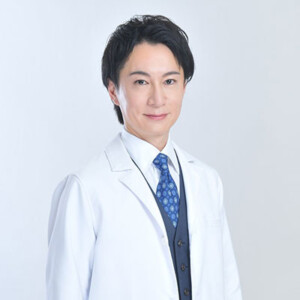
Dr. Jun Karibe
MD
Director
Education & Career
Certifications
Awards
MEDICAL REVIEW