
What Is Gut Microbiome Testing?
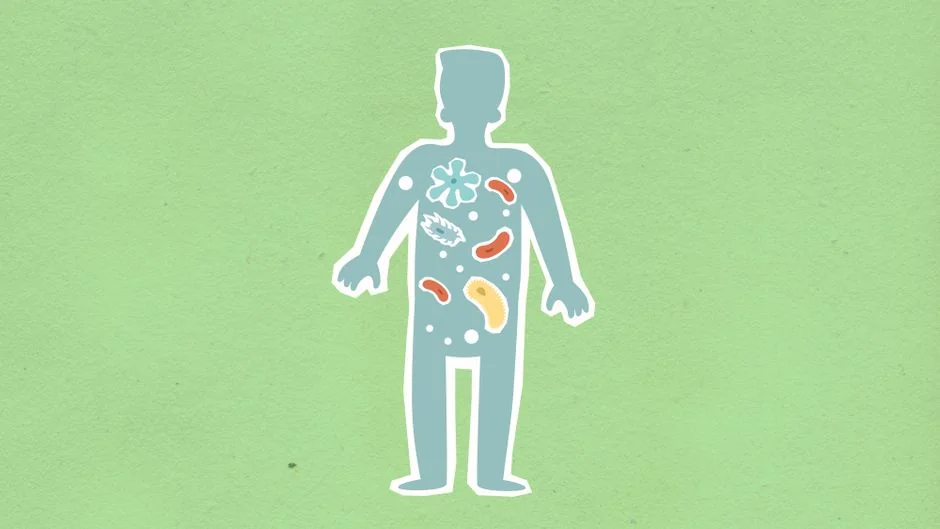
The human gut harbours an estimated 500 to 1,000 distinct bacterial species, collectively known as the gut microbiome.
These microorganisms are not passive residents: they produce vitamins, break down dietary fibre into short-chain fatty acids that nourish the gut lining, regulate immune responses, and modulate hormonal signalling across multiple organ systems. When this microbial community falls out of balance — a state known as dysbiosis — a range of health problems can follow.
A gut microbiome test analyses a small stool sample using DNA sequencing technology to identify which bacterial species are present, in what proportions, and how the overall composition compares to a reference population of healthy individuals.
The test is available in Japan as a self-pay preventive medicine service; it is not covered by national health insurance. Results are typically delivered as a digital report within two to four weeks of the laboratory receiving the sample, and are best interpreted alongside a clinical consultation rather than in isolation.
What Your Gut Microbiome Results Can Reveal

A well-structured microbiome report goes beyond listing bacteria. It places your microbial profile in clinical context — calculating diversity scores, identifying proportions of specific beneficial and potentially harmful taxa, and flagging patterns associated with particular health risks. The three main areas where gut microbiome data is most clinically informative are digestive health, metabolic function, and mental wellbeing.
Digestive Health and Dysbiosis
Results typically show the relative abundance of key microbial groups: probiotic species such as Bifidobacterium and Lactobacillus; short-chain fatty acid producers including Ruminococcus and Roseburia; and opportunistic or pathogenic organisms such as Clostridium difficile and Fusobacterium. Patterns of dysbiosis — for example, reduced butyrate-producing bacteria alongside elevated inflammatory species — have been associated in research with functional conditions including irritable bowel syndrome (IBS), functional constipation, and inflammatory bowel disease (IBD).
Crucially, a 2017 study published in PLoS One by Almonacid and colleagues established clinically grounded healthy reference ranges for 28 microbial taxa across a cohort of 897 healthy adults, enabling test providers to contextualise individual results rather than simply report raw proportions. This kind of reference framework is what separates a clinically meaningful result from a data list.
Metabolic and Cardiometabolic Health
Research suggests the gut microbiome plays a measurable role in lipid metabolism, including the regulation of HDL cholesterol and triglyceride levels. Clinical reports also indicate that the relative balance of certain bacterial groups influences how efficiently the body extracts energy from food, with implications for weight management and insulin sensitivity. Specific bacteria associated with butyrate production and equol synthesis are increasingly studied for their links to metabolic resilience, and their presence or absence is now routinely reported in clinical-grade microbiome panels.
Mood, Stress, and the Gut-Brain Axis
The gut-brain axis is a bidirectional communication network linking the gastrointestinal tract to the central nervous system via neurological, hormonal, immune, and metabolic pathways. Approximately 95% of the body’s serotonin — a key neurotransmitter involved in mood regulation — is synthesised in the gut, where its production is partly regulated by microbial metabolites. Studies suggest that dysbiosis in gut microbiota composition is associated with depressive disorders and altered stress responses, with short-chain fatty acid imbalances and elevated intestinal permeability implicated as underlying mechanisms. A 2015 clinical trial found that a multispecies probiotic intervention in 40 adults significantly reduced cognitive reactivity to depression, underscoring the potential of microbiome-targeted interventions for mental wellbeing — though this remains an active area of research requiring further large-scale trials.
How Gut Microbiome Testing Works
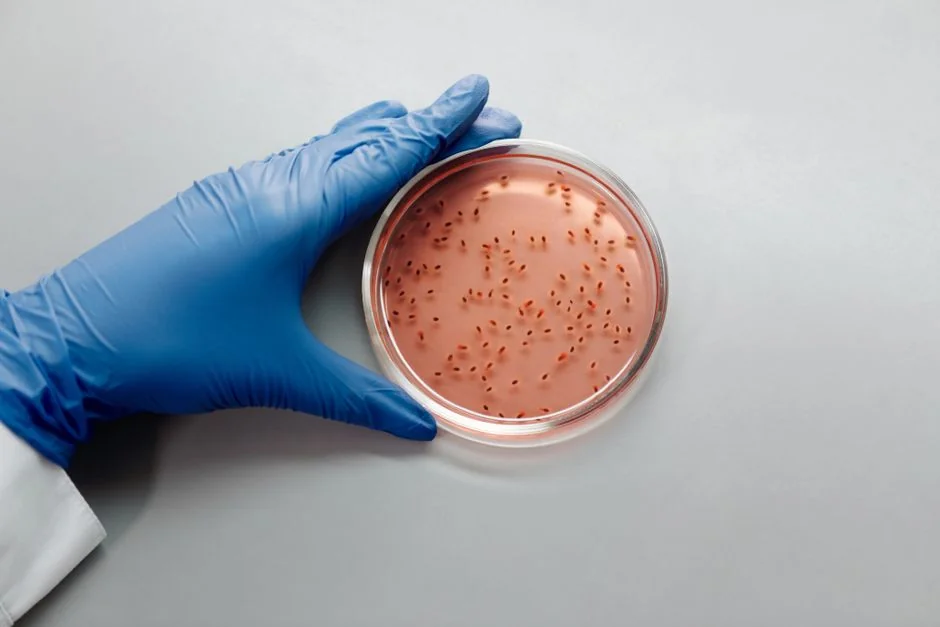
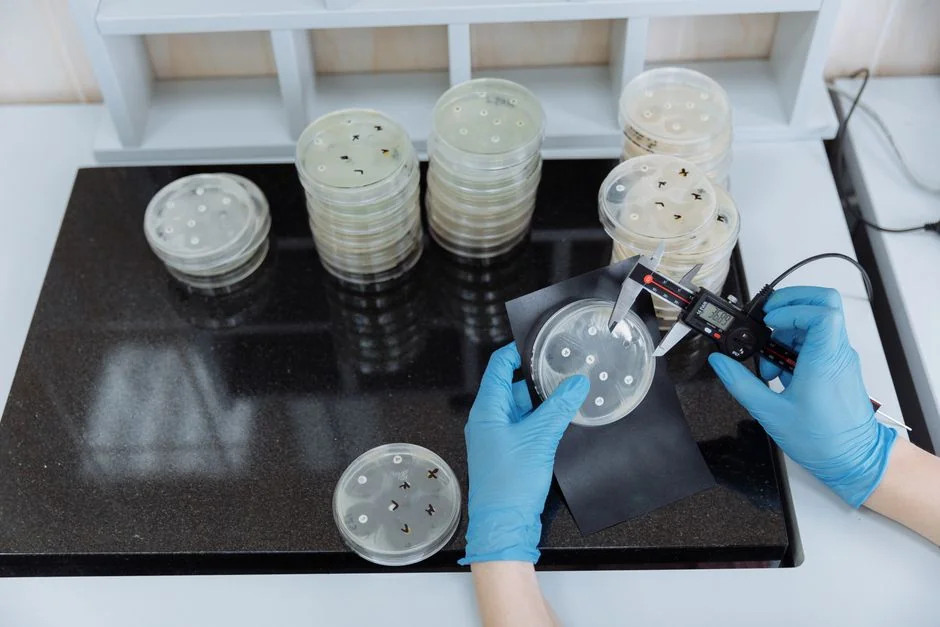
The laboratory process begins when you collect a small stool sample at home using a sterile swab or collection device included in the test kit. The sealed sample is then returned to the laboratory — either by post or directly to the clinic — where it undergoes DNA sequencing. The technology used determines both the cost and the depth of information you receive.
| Feature | 16S rRNA Amplicon Sequencing | Shotgun Metagenomic Sequencing |
|---|---|---|
| Core question answered | “Which bacteria are present?” | “Which bacteria are present, and what metabolic functions can they perform?” |
| What it detects | Bacterial genera and species via a universal genetic marker | All microbial DNA — bacteria, fungi, viruses — plus functional gene pathways |
| Typical cost | Lower; accessible for routine clinical use | Higher; primarily specialist or research settings |
| Typical turnaround | 2–4 weeks | 3–6 weeks |
| Best suited for | General wellness screening; monitoring change over time after dietary intervention | In-depth clinical investigation; research-level functional analysis |
Most clinical gut microbiome testing services available through medical institutions in Japan — including the Mykinso Pro platform used at over 1,500 clinics nationwide, with more than 250,000 specimens processed to date — are based on 16S rRNA amplicon sequencing. This method provides a reliable and clinically interpretable profile at an accessible cost point, and is appropriate for the majority of wellness and preventive medicine applications.
What People Often Get Wrong About Gut Microbiome Testing
Misconception: “A gut microbiome test can diagnose a disease”
A gut microbiome report identifies compositional patterns statistically associated with health risks — it does not constitute a medical diagnosis. A 2025 international consensus statement published in The Lancet Gastroenterology & Hepatology by a multidisciplinary expert panel noted that while commercial gut microbiome testing services are growing rapidly, clinical evidence supporting their use as standalone diagnostic tools remains limited. Results must be interpreted by a qualified clinician alongside other investigations, not treated as a definitive finding in isolation.
Misconception: “One test gives a permanent picture of your gut health”
The gut microbiome is not fixed. Research indicates that a significant proportion of bacterial taxa show more variability within a single individual over time than between different people, with meaningful compositional shifts occurring within weeks following dietary changes, antibiotic courses, or illness. A test result is a snapshot, not a stable biological fingerprint. Repeat testing after a targeted dietary or lifestyle intervention is often the most informative approach, allowing clinicians to track whether the microbiome is responding as expected.
Cost of Gut Microbiome Testing in Tokyo and Who It Suits
Gut microbiome analysis is a self-pay (jizen barai) service in Japan and is not covered by the national health insurance programme. It is available through preventive medicine consultations at private clinics. Specific pricing for gut microbiome testing at BIOTOPE CLINIC is listed on the clinic’s official price page or available on request — please see the official website or enquire via LINE or WhatsApp for a current quote. For an accurate figure tailored to your needs, please book a consultation.
Testing is likely to be informative if you:
- Experience persistent digestive symptoms — bloating, irregular bowel habits, IBS-type discomfort — despite normal endoscopy results
- Are managing weight, blood sugar, or cardiovascular risk factors and want to tailor your dietary approach with greater precision
- Notice persistent low mood, fatigue, or difficulty concentrating and want to explore gut-brain connections
- Have recently completed a course of antibiotics and wish to assess microbiome recovery
- Are interested in evidence-informed preventive medicine and personalised health optimisation
Testing is less informative or should be deferred if you:
- Are currently taking antibiotics — results will reflect antibiotic impact rather than your baseline microbiome
- Have an active gastrointestinal infection that requires treatment first
- Are expecting the test to produce a standalone medical diagnosis
Have a question about this treatment?
Message us on LINE or WhatsApp — our English-speaking team usually replies the same day.
Where to Get Gut Microbiome Testing in Tokyo

Within Dr. Jun Karibe’s clinic group, both BIOTOPE CLINIC (Shirokanedai, Minato-ku) and Kojimachi Dermatology & Plastic Surgery Clinic (Ichigaya, Chiyoda-ku) offer English-language consultation with Dr. Karibe’s team. Gut microbiome analysis is handled at BIOTOPE CLINIC in Shirokanedai, where it sits within the clinic’s preventive medicine and nutritional therapy programme. Bookings and English enquiries can be made via LINE or WhatsApp.
A gut microbiome consultation at BIOTOPE CLINIC typically includes a clinical review of your results in the context of your overall health history, along with personalised recommendations for dietary adjustments and supplementation. For patients who wish to build a more comprehensive preventive health picture, the clinic also offers orthomolecular nutritional therapy, genetic testing, NMN supplementation, and IV drip therapy (vitamin C, glutathione, and other formulations) — all available to discuss in the same consultation. English is spoken throughout.
Frequently Asked Questions

- Q. How do I collect the stool sample, and is it difficult?
- The test kit includes a sterile collection device. You collect a small amount of stool at home using a swab or miniature collection spoon, seal it in the provided container, and return it to the clinic or by post. The entire process takes under five minutes and requires no preparation beyond normal hygiene.
- Q. Do I need to change my diet or stop taking supplements before the test?
- Ideally, you should avoid taking antibiotics, antifungals, or probiotic supplements for at least two weeks before the test, as these can significantly alter results. If you are currently on any of these medications, discuss timing with your clinician before proceeding.
- Q. Will my results tell me which probiotic supplements to take?
- Your report will identify specific microbial deficiencies or imbalances, and the clinical team can make evidence-informed suggestions about dietary fibre sources, fermented foods, and targeted supplementation. However, probiotic recommendations must be tailored to your full health picture — there is no universal prescription.
- Q. Is gut microbiome testing suitable for children?
- Adult reference range databases are not calibrated for paediatric populations, so commercial adult testing services are not appropriate for children. If you have concerns about a child’s digestive or immune health, a paediatric gastroenterologist is the appropriate referral.
Have a question about this treatment?
Message us on LINE or WhatsApp — our English-speaking team usually replies the same day.
Summary
Gut microbiome testing offers a non-invasive, evidence-informed window into the bacterial ecosystem that underpins digestion, metabolism, immune function, and mood. While a single test cannot diagnose disease, it can surface patterns of dysbiosis that a clinician can use to guide personalised dietary, lifestyle, and supplementation recommendations. The 2025 international consensus statement in The Lancet Gastroenterology & Hepatology reflects the field’s direction: standardising how results are used in clinical practice so that patients receive actionable, well-contextualised information rather than uninterpreted raw data.
If you have questions about gut microbiome testing, both BIOTOPE CLINIC (Shirokanedai, Minato-ku) and Kojimachi Dermatology & Plastic Surgery Clinic (Ichigaya, Chiyoda-ku) offer English-language consultation with Dr. Karibe and his team. Gut microbiome analysis is primarily handled at BIOTOPE CLINIC in Shirokanedai. English enquiries: LINE or WhatsApp.
24/7 Consultation & Booking
Book a Consultation or Treatment
Our English-speaking team responds via LINE or WhatsApp — usually the same day.
References
- Almonacid DE, et al. 16S rRNA gene sequencing and healthy reference ranges for 28 clinically relevant microbial taxa from the human gut microbiome. PLoS One. 2017.
- International expert panel. International consensus statement on microbiome testing in clinical practice. The Lancet Gastroenterology & Hepatology. 2025;10(2):154–167.
- Appleton J. The gut-brain axis: influence of microbiota on mood and mental health. Integrative Medicine: A Clinician’s Journal. 2018;17(4).
Related Articles
You may also find these articles useful.
- Gut Microbiome Test in Japan: Doctor-Ordered Stool Panel for Expats
- Gut Microbiome Testing Tokyo: Health Insights
- Adult Acne and Rosacea in Tokyo: The Gut-Skin Connection
- Orthomolecular Nutrition Therapy in Tokyo: BIOTOPE Doctor-Supervised Program for Expats & Japanese Abroad
- Hashimoto’s Thyroiditis in Japan: Nutritional Support for Expats
SUPERVISED BY

Dr. Jun Karibe
MD
Director
Education & Career
Certifications
Awards
MEDICAL REVIEW