Belly Fat Reduction in Tokyo: A Guide to Non-Surgical Options for English Speakers
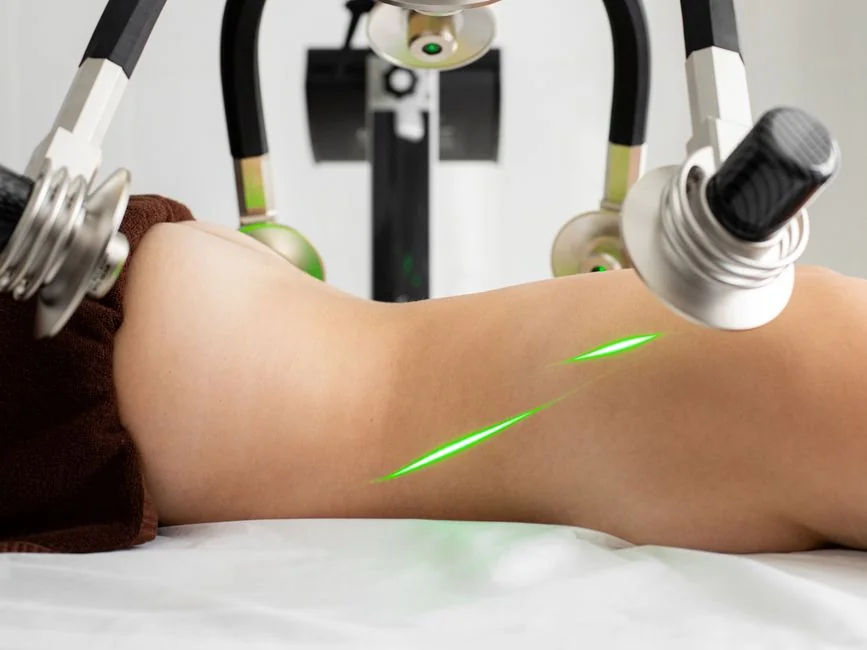
Stubborn abdominal fat is one of the most common cosmetic concerns among adults, and it does not always respond to diet or exercise alone. If you are living in or visiting Tokyo and exploring non-surgical ways to address belly fat, this guide explains what is realistically available, how each approach works, what results you can expect, and how to find English-speaking medical support in the city.
What you will learn in this article:
- The main non-surgical belly fat reduction technologies used in Tokyo clinics
- How each method works and how they compare
- Realistic results, downtime, and cost ranges in Tokyo
- Who is a suitable candidate and who should approach with caution
- Where to access English-speaking consultations in Tokyo
Have a question about this treatment?
Message us on LINE or WhatsApp — our English-speaking team usually replies the same day.
Understanding Non-Surgical Belly Fat Reduction
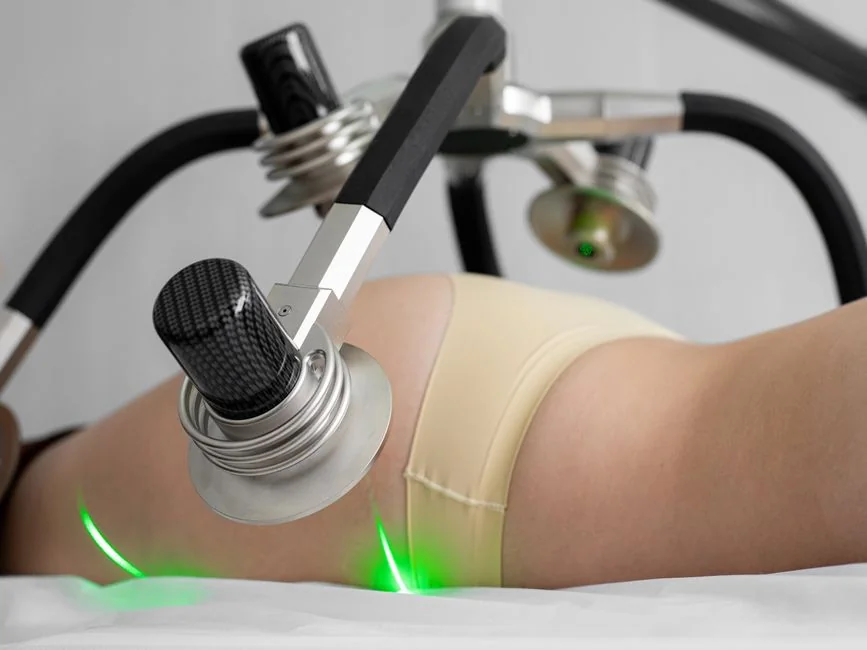
Non-surgical body contouring refers to a category of medical aesthetic treatments designed to reduce localised fat deposits without incisions, general anaesthesia, or significant recovery time. These procedures target the subcutaneous fat layer — the fat that sits just beneath the skin rather than the deeper visceral fat surrounding the organs.
It is important to understand from the outset that non-surgical treatments are best suited to people who are close to their target weight but have localised areas of fat that are resistant to lifestyle changes. They are not weight-loss treatments and are not intended to replace a healthy diet or regular physical activity.
Main Technologies Available for Non-Surgical Belly Fat Reduction
Cryolipolysis (Fat Freezing)
Cryolipolysis uses controlled cooling to crystallise and destroy fat cells in a targeted area. The treated fat cells undergo a natural cell-death process called apoptosis and are gradually cleared by the body’s lymphatic system over the weeks following treatment. Clinical reports indicate that a single session can reduce subcutaneous fat thickness in the treated area by approximately 20–25%, based on data published in peer-reviewed dermatology journals.
Sessions typically last 35–60 minutes per applicator placement. There is usually no downtime, though temporary redness, numbness, and mild bruising are commonly reported in the treated zone for several days.
High-Intensity Focused Ultrasound (HIFU) for Body
HIFU technology delivers focused ultrasound energy to precise depths within tissue, generating localised heat that disrupts fat cell membranes. When used on the body, HIFU can target the subcutaneous fat layer at defined depths without affecting the skin surface. Studies suggest that non-invasive ultrasound body-contouring devices can produce measurable reductions in waist circumference after a series of treatments.
HIFU for body contouring is different from facial HIFU, which is used primarily for skin lifting. Both involve focused ultrasound energy, but the depth of delivery and device settings differ significantly.
HIFU body treatments at BIOTOPE CLINIC in Shirokanedai are available for consultation with Dr. Karibe, who can assess whether your tissue profile is suitable for this approach.
Radiofrequency (RF) Body Treatments
Radiofrequency energy heats the deeper layers of fat and connective tissue. This heat disrupts fat cells and simultaneously stimulates collagen production in the skin, which can improve skin laxity in the treated area — a concern for some patients alongside fat reduction. RF-based treatments are often described as comfortable, with a warming sensation during the session and minimal post-treatment effects.
Embrace RF is one RF-based platform available at BIOTOPE CLINIC in Shirokanedai. This is a treatment you are welcome to ask about during a consultation with Dr. Karibe.
Fat-Dissolving Injections (Lipolytic Injections)
Fat-dissolving injections use compounds such as deoxycholic acid or phosphatidylcholine to chemically break down fat cells in small, targeted areas. They are typically used for defined pockets of fat such as the lower abdomen, flanks, or under the chin rather than broad surface areas. Multiple sessions spaced several weeks apart are usually required to achieve visible results.
This treatment involves a series of small injections into the fat layer. Swelling, tenderness, and bruising are expected after each session and may last one to two weeks. Fat-dissolving injections are available at BIOTOPE CLINIC — this is something patients can enquire about directly with Dr. Karibe’s team.
Surgical Liposuction: A Brief Note
While this guide focuses on non-surgical options, it is worth acknowledging that surgical liposuction remains the most direct method of removing subcutaneous fat. For patients whose volume of concern exceeds what non-surgical devices can address realistically, a consultation to discuss surgical options may be appropriate. Dr. Karibe performs liposuction procedures at BIOTOPE CLINIC and can advise on whether a non-surgical or surgical route better matches individual goals.
Comparing Non-Surgical Belly Fat Reduction Options
| Treatment | Mechanism | Sessions Typically Needed | Downtime | Skin Tightening Benefit | Best For |
|---|---|---|---|---|---|
| Cryolipolysis | Controlled cooling / fat cell apoptosis | 1–3 | Minimal (1–5 days sensitivity) | Limited | Defined fat pockets, good skin tone |
| HIFU (body) | Focused ultrasound heat | 2–4 | Minimal to none | Moderate | Mild-to-moderate fat with some laxity |
| Radiofrequency (RF) | RF heat, fat disruption + collagen | 3–6 | Minimal (mild redness) | Good | Fat reduction with skin tightening |
| Fat-dissolving injections | Chemical lipolysis | 2–5 | Moderate (swelling 1–2 weeks per session) | Minimal | Small, defined fat deposits |
| Liposuction (surgical) | Direct mechanical fat removal | 1 (surgical) | 1–4 weeks | Variable (technique-dependent) | Larger volumes, definitive result needed |
Cost of Non-Surgical Belly Fat Reduction in Tokyo
Pricing in Tokyo varies depending on the technology, the size of the treatment area, the number of sessions included, and the experience level of the medical team. Below are general cost orientations for English-speaking patients exploring non-surgical body contouring in Tokyo.
At BIOTOPE CLINIC, the following reference pricing applies to relevant treatments:
- HIFU (body applications): ¥25,000–¥110,000 per session depending on area and protocol
- Fat-dissolving injections: Pricing is discussed during consultation based on number of vials and target area
- Embrace RF: Pricing discussed at consultation based on area and protocol
- Liposuction (abdomen, surgical): Pricing assessed at surgical consultation; cheek/jawline liposuction is listed at ¥280,000 per area as a reference for the clinic’s surgical pricing structure
- Initial consultation fee: ¥3,300 / Dr. Karibe surgical consultation ¥2,200
For an accurate quote, we recommend booking a consultation. Costs depend on individual anatomy, the number of sessions planned, and whether combination protocols are appropriate for your goals.
Have a question about this treatment?
Message us on LINE or WhatsApp — our English-speaking team usually replies the same day.
What to Expect: Before, During, and After Treatment
Before Your Session
A thorough consultation is essential before beginning any body contouring treatment. During this appointment, your clinician will assess the distribution and character of your fat, your skin tone and laxity, your medical history, and your expectations. Realistic goal-setting at this stage is the foundation of a satisfying outcome.
Patients are generally advised to maintain stable body weight before beginning a course of treatment, as significant weight fluctuations during a course can affect results. Certain conditions — including active skin infections, implanted electrical devices, or pregnancy — may preclude specific treatment types.
During the Session
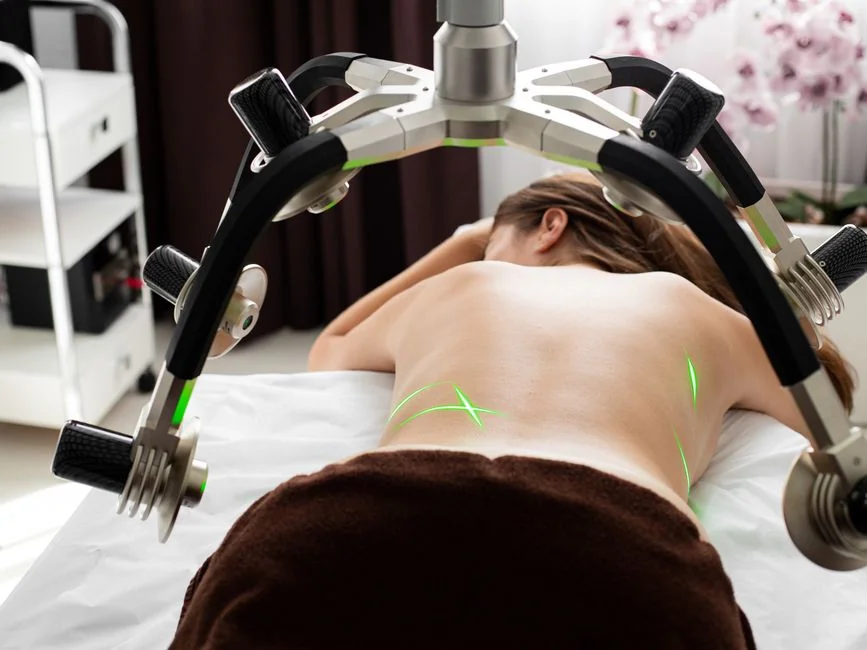
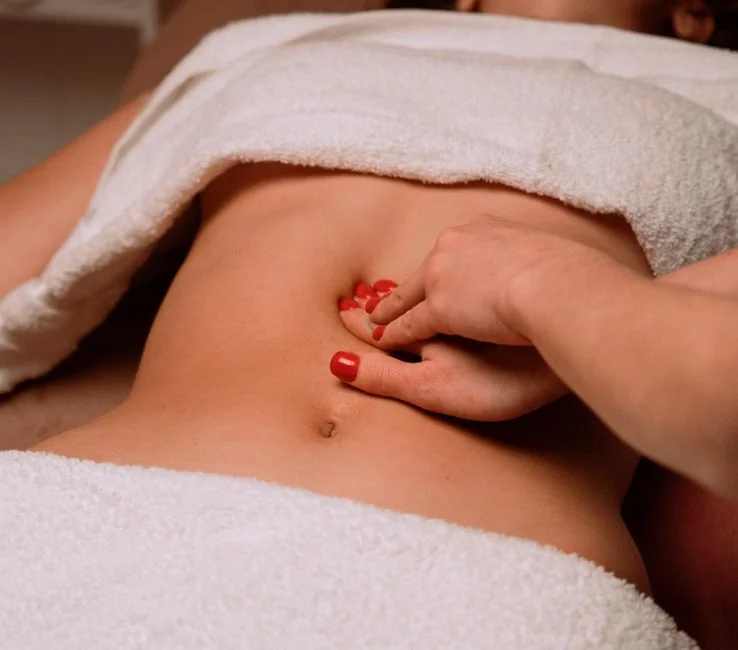
Most non-surgical belly fat treatments are performed with the patient lying comfortably. Sessions range from approximately 30 minutes to over an hour depending on the technology and the area being treated. Pain levels vary: cryolipolysis may feel intensely cold initially before the area becomes numb; HIFU and RF treatments produce a warming or mild heating sensation; injections involve brief discomfort at each insertion point.
After Treatment and Recovery
Non-surgical treatments are generally described as having low to minimal downtime. However, “no downtime” can be misleading — temporary side effects including redness, swelling, tenderness, and bruising are common and may be visible for several days to two weeks depending on the treatment. Results from energy-based devices such as HIFU and RF develop gradually over two to three months as the body processes treated fat cells and collagen remodelling occurs.
Dr. Karibe’s Note
Many of our international patients arrive expecting to see changes immediately after a single session. In practice, results from non-surgical fat reduction technologies develop over eight to twelve weeks as the body gradually processes treated cells.
A common question I receive is whether one session will be sufficient — the honest answer depends on the volume and location of fat being addressed and the specific technology used. A consultation allows us to give you a realistic projection based on your individual anatomy rather than a generalised estimate.
Who Is a Good Candidate?
Non-surgical belly fat reduction tends to produce the most satisfying results in patients who:
- Are within approximately 10–15 kg of their target body weight
- Have visible but pinchable subcutaneous fat rather than primarily hard visceral fat (which sits deep around the organs and cannot be addressed with surface devices)
- Have reasonable skin elasticity, so the skin can adapt after fat volume reduction
- Have stable weight and a sustainable lifestyle
- Hold realistic expectations — improvement rather than dramatic transformation
Patients who may not be well-suited to these treatments include those who are significantly overweight, who have predominantly visceral fat accumulation, who have loose or heavily stretched post-pregnancy skin requiring a surgical approach, or who have certain medical conditions affecting wound healing or heat sensitivity.
Common Misconceptions About Non-Surgical Fat Reduction
Misconception 1: Non-Surgical Means the Same Results as Surgery, Just Without the Knife
This is perhaps the most widespread misunderstanding in body contouring. Non-surgical technologies work best on moderate, localised fat deposits and typically achieve more subtle reductions than surgical liposuction. They are excellent options for the right candidate, but they are not equivalent to surgery in terms of the volume of fat that can be addressed or the immediacy of visible change.
Misconception 2: Once the Fat Cells Are Gone, the Result Is Permanent No Matter What
While treated fat cells are destroyed and do not regenerate, remaining fat cells in the body can still enlarge with weight gain. Patients who gain significant weight after treatment may see fat redistribute to nearby areas. Maintaining results depends on sustaining a healthy lifestyle following treatment — a point that is worth discussing honestly during consultation.
Where to Get Non-Surgical Belly Fat Reduction Advice in Tokyo (English-Speaking)
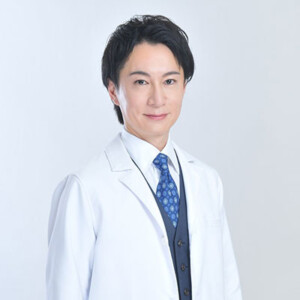
Within our clinic group, English-speaking consultations are handled at BIOTOPE CLINIC in Shirokanedai (Minato-ku, Tokyo) by Dr. Jun Karibe, a board-certified plastic surgeon certified by the Japan Society of Plastic and Reconstructive Surgery. Our sister clinic, Kojimachi Dermatology & Plastic Surgery Clinic in Ichigaya (Chiyoda-ku), serves as the group’s main office and focuses on Japanese-language, insurance-covered dermatology. Bookings and enquiries in English are handled at BIOTOPE via LINE or WhatsApp.
In Dr. Karibe’s clinical experience at BIOTOPE CLINIC, patients from outside Japan often appreciate having a detailed, unhurried English-language consultation before committing to any body contouring protocol. This allows for proper assessment of fat distribution, skin quality, and expectations — all of which significantly influence which treatment, if any, is the most appropriate choice.
Frequently Asked Questions
- Q. Can non-surgical belly fat treatments help with loose skin after pregnancy or weight loss?
- Non-surgical fat reduction devices are primarily designed to address subcutaneous fat rather than loose or excess skin. RF-based treatments do offer a degree of skin tightening through collagen stimulation, which may help mild laxity. However, significant skin laxity following pregnancy or major weight loss is typically better addressed through surgical consultation.
- Q. How many sessions will I need?
- The number of sessions depends on the technology chosen, the size and character of the target area, and your individual goals. Energy-based devices such as HIFU or RF typically require a series of two to six sessions spaced several weeks apart. Fat-dissolving injections also require multiple sessions. A clinician can provide a more specific estimate after assessing your anatomy at consultation.
- Q. Are these treatments safe for all skin types and ethnicities?
- Most non-surgical body contouring technologies are considered safe across different skin types, including darker skin tones, because they target the fat layer beneath the skin rather than the skin surface itself. Individual suitability should still be confirmed at consultation, particularly if you have a history of skin sensitivity or relevant medical conditions.
- Q. Is belly fat reduction with injections or devices painful?
- Discomfort levels vary by treatment type. Cryolipolysis involves an initial intense cold sensation; RF and HIFU produce a warming feeling that most patients describe as tolerable; fat-dissolving injections cause brief stinging at each injection point followed by swelling and tenderness. Topical anaesthetic cream can be applied before some treatments to improve comfort.
- Q. Will I need time off work after treatment?
- Most non-surgical body treatments require little to no work absence. Swelling or bruising may be visible depending on the treatment, particularly after fat-dissolving injections, and some patients prefer to schedule sessions ahead of a period when they can rest comfortably. Your clinician will advise on specific post-treatment care relevant to the technology used.
Have a question about this treatment?
Message us on LINE or WhatsApp — our English-speaking team usually replies the same day.
Summary
Non-surgical belly fat reduction in Tokyo encompasses several well-established technologies, including HIFU, radiofrequency devices, cryolipolysis, and fat-dissolving injections. Each works differently, carries different expectations for results and downtime, and suits different patient profiles.
None of these treatments are substitutes for a healthy lifestyle, and all work best in patients with localised subcutaneous fat and realistic expectations.
Choosing the right approach requires a proper medical consultation, not a menu-style selection. The quality of assessment — anatomy, skin laxity, fat distribution, and personal goals — determines whether results will be satisfying or disappointing.
If you have questions about belly fat reduction options, English-speaking consultations are handled at BIOTOPE CLINIC in Shirokanedai (Minato-ku, Tokyo) by Dr. Karibe. Our sister clinic Kojimachi Dermatology & Plastic Surgery Clinic in Ichigaya (Chiyoda-ku) handles Japanese-language insurance dermatology. English enquiries: LINE or WhatsApp.
24/7 Consultation & Booking
Book a Consultation or Treatment
Our English-speaking team responds via LINE or WhatsApp — usually the same day.
References
- Dierickx CC, Mazer JM, Sand M, Koenig S, Arigon V. Safety, Tolerance, and Patient Satisfaction With Noninvasive Cryolipolysis. Dermatologic Surgery. 2013.
- Shek SY, Chan NP, Chan HH. Non-invasive Cryolipolysis for Body Contouring in Chinese — a First Commercial Experience. Lasers in Surgery and Medicine. 2012.
- Moreno-Moraga J, Valero-Altés T, Riquelme AM, Isarria-Marcosy MI, de la Torre JR. Body Contouring by Non-invasive Transdermal Focused Ultrasound. Lasers in Surgery and Medicine. 2007.
- Mulholland RS, Paul MD, Chalfoun C. Noninvasive Body Contouring with Radiofrequency, Ultrasound, Cryolipolysis, and Low-Level Laser Therapy. Clinics in Plastic Surgery. 2011.
- Rotunda AM, Kolodney MS. Mesotherapy and Phosphatidylcholine Injections: Historical Clarification and Review. Dermatologic Surgery. 2006.
Related Articles
You may also find these articles useful.
- Liposuction Tightening Abdomen ,Thighs Tokyo Results using
- Liposuction with Skin Tightening: Recovery and Downtime
- Liposuction Tightening Tokyo: Long-Term Results Beyond One Year
SUPERVISED BY
Dr. Jun Karibe
MD
Director
Education & Career
Certifications
Awards
MEDICAL REVIEW