Dermal Fillers in Tokyo: What to Expect, How Much They Cost, and How to Book an English-Speaking Consultation

If you are living in Tokyo or visiting Japan and considering dermal fillers, navigating a foreign healthcare system — particularly when the language barrier is a real concern — can feel daunting.
This guide is written specifically for English-speaking patients who want straightforward, clinically accurate information about hyaluronic acid fillers in Tokyo, including realistic costs, what the procedure involves, and where to access an English-speaking doctor.
What you will learn in this article:
- What dermal fillers are and how they work
- Realistic price ranges for filler treatment at a Tokyo cosmetic clinic
- What to expect before, during, and after the procedure
- Who is a suitable candidate — and who should wait
- Common misconceptions about fillers that frequently mislead patients
Have a question about this treatment?
Message us on LINE or WhatsApp — our English-speaking team usually replies the same day.
What Are Dermal Fillers?
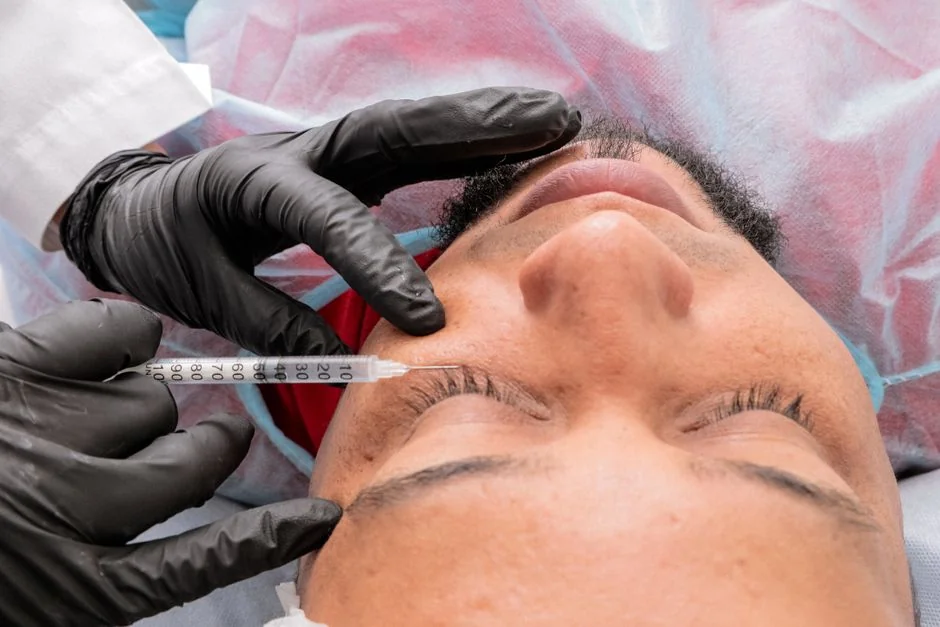
Dermal fillers are injectable gels placed beneath the skin to restore volume, smooth lines, or improve facial contour. The most widely used type contains hyaluronic acid (HA) — a naturally occurring substance found in the skin and connective tissue that attracts and retains moisture.
Unlike Botox, which temporarily relaxes muscles to reduce dynamic wrinkles (such as frown lines or crow’s feet), fillers physically add volume to an area. They are used to address static concerns: lines that are visible even when the face is at rest, hollowed areas under the eyes, flattened cheeks, thin lips, or a less defined jawline.
HA fillers are considered reversible. If a result is unsatisfactory or if complications arise, an enzyme called hyaluronidase can be injected to dissolve the filler relatively quickly. This reversibility is one of the reasons HA remains the most trusted filler material globally.
How Hyaluronic Acid Fillers Work
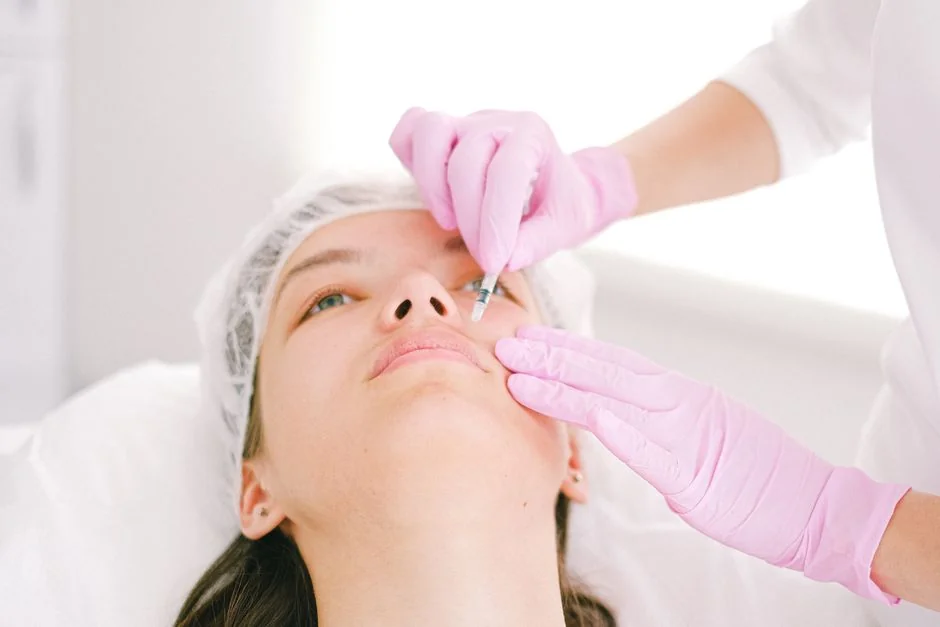
When injected, the HA gel integrates with surrounding tissue, immediately adding physical volume.
Over the following days, the gel also draws in water molecules, subtly enhancing the initial result. The consistency of the gel varies — thicker, more cohesive formulas are chosen for deep volume restoration or structural support (such as the chin or cheeks), while softer, more fluid formulas suit delicate areas such as the lips or tear troughs.
Clinical studies suggest that modern cross-linked HA fillers can persist in tissue for 9 to 18 months on average, depending on the product, the injection site, the patient’s metabolism, and the volume used.
A 2021 review published in Aesthetic Surgery Journal noted that lip fillers tend to metabolise faster than cheek or chin filler, often requiring earlier top-ups.
The injection technique matters significantly. Placement at the correct tissue plane — whether superficial dermis, subcutaneous fat, or periosteal level (just above the bone) — determines both the aesthetic outcome and the safety profile.
This is why treatment should always be performed by a trained medical professional, ideally a physician experienced in facial anatomy.
Common Treatment Areas
- Nasolabial folds (smile lines running from nose to mouth corners)
- Tear troughs (hollowing or dark circles under the eyes)
- Cheeks (volume restoration or contouring)
- Lips (definition, volume, or symmetry)
- Chin and jawline (structural support and definition)
- Temples (volume loss associated with aging)
- Marionette lines (lines from mouth corners downward)
Dermal Filler Cost in Tokyo
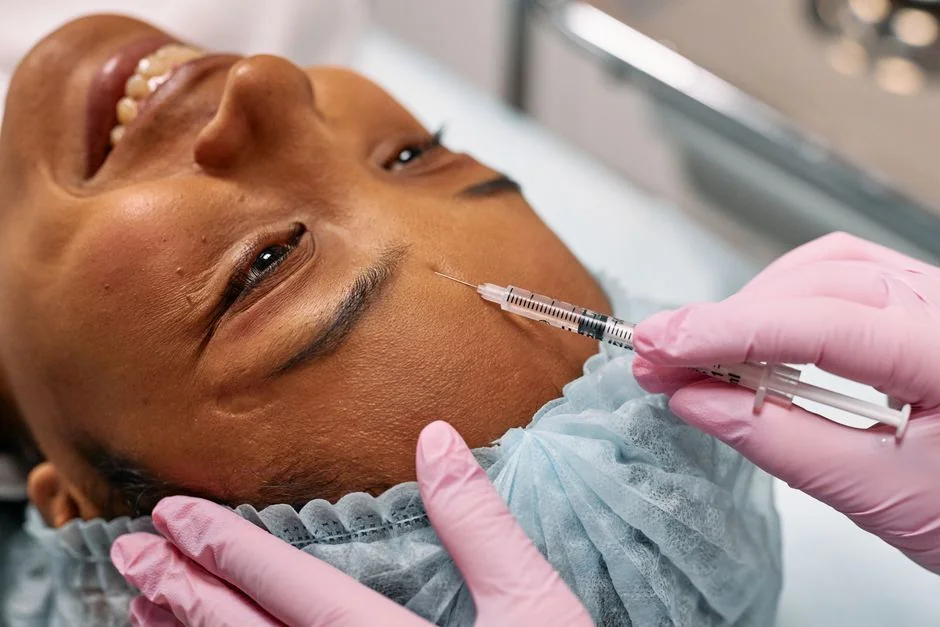
One of the most common questions from international patients is whether cosmetic procedures in Tokyo are more or less expensive than in their home country. The honest answer is that pricing varies considerably between clinics, and very low prices should prompt caution about the product being used and the injector’s qualifications.
At BIOTOPE CLINIC in Shirokanedai, hyaluronic acid filler is priced at ¥66,000 to ¥88,000 per syringe. This reflects the use of established, internationally recognised filler brands and administration by or under the supervision of a board-certified plastic surgeon.
Hyaluronidase (the dissolving agent used if correction is needed) is available at ¥11,000 to ¥22,000. An initial consultation is ¥3,300, and if you are booking a consultation directly with Dr. Karibe, his surgical consultation fee is ¥2,200.
| Item | Price Range (JPY, tax incl.) | Notes |
|---|---|---|
| Hyaluronic acid filler | ¥66,000 – ¥88,000 per syringe | Most treatment areas require 1–2 syringes |
| Hyaluronidase (dissolving) | ¥11,000 – ¥22,000 | Used only if reversal is required |
| Initial consultation | ¥3,300 | Required before first treatment |
| Dr. Karibe surgical consultation | ¥2,200 | For complex or surgical-adjunct cases |
| Botox (Allergan) — often combined | ¥22,000 – ¥148,000 | Frequently combined with filler for full-face renewal |
The number of syringes required depends on the treatment area and the degree of volume loss. A lip treatment may need only half to one syringe, while cheek volumisation or full-face restoration may require two or more. For an accurate quote, we recommend booking a consultation.
Have a question about this treatment?
Message us on LINE or WhatsApp — our English-speaking team usually replies the same day.
What to Expect: Before, During, and After

Before the Procedure
A thorough consultation is the essential first step. During this appointment, the doctor will review your medical history, assess facial anatomy, discuss your aesthetic goals, and advise on the most appropriate filler type and volume.
Patients are generally advised to avoid blood-thinning medications and supplements (such as aspirin, ibuprofen, fish oil, and vitamin E) for approximately one week before treatment to reduce bruising risk. Alcohol should be avoided for at least 24 hours prior.
During the Procedure
Topical numbing cream is usually applied 20 to 30 minutes before injection to improve comfort. Most modern HA fillers also contain lidocaine (a local anaesthetic) pre-mixed into the gel, which further reduces discomfort during injection. The procedure itself typically takes 20 to 45 minutes, depending on the number of areas treated. A series of small injections is made using a fine needle or a blunt-tipped cannula — the choice of instrument depends on the area and the injector’s technique.
After the Procedure
Some swelling and mild bruising at injection sites are normal and usually resolve within 3 to 7 days. Lips tend to swell more noticeably than other areas; this typically settles within 48 to 72 hours to reveal the true result. Patients are advised to avoid strenuous exercise, heat exposure (saunas, very hot showers), and lying flat for several hours post-treatment. Makeup can generally be worn the following day. Most patients return to normal social activities within one to two days.
Dr. Karibe’s Note
Many of our international patients at BIOTOPE CLINIC are surprised to find that fillers in Japan are administered in a conservative, natural-looking manner compared to the heavier volume trends they may have seen elsewhere.
The goal here is typically subtle refinement rather than dramatic transformation — though of course this is always tailored to what each individual patient is looking for. A common question I receive is: “Can I still look like myself?”
The short answer is yes — good filler work should be undetectable to others while making you feel refreshed.
Common Misconceptions About Dermal Fillers
Misconception 1: Fillers Are the Same as Botox
This is one of the most widespread confusions among patients new to cosmetic injectables.
Botox (botulinum toxin) relaxes overactive facial muscles, reducing wrinkles caused by movement.
Fillers add physical volume and are not neurotoxic in any way. They treat different concerns, work through entirely different mechanisms, and are often used together for complementary results — but they are not interchangeable terms.
Misconception 2: Filler Stretches or Permanently Damages the Skin
Concerns are occasionally raised that repeated filler use will cause the skin to “stretch out” or become dependent on injections. Clinical evidence does not support this. Hyaluronic acid is biocompatible and metabolises naturally over time.
Some research, including a 2019 study published in JAMA Facial Plastic Surgery, suggests that repeated HA filler treatments may actually stimulate endogenous collagen synthesis, potentially offering cumulative skin-quality benefits beyond simple volume replacement.
Patients are encouraged to discuss long-term treatment planning openly during their consultation.
Who Is a Good Candidate for Filler?

Fillers are suitable for adults in good general health who wish to address volume loss, fine lines, or contour concerns without surgery. Ideal candidates have realistic expectations and understand that fillers provide enhancement rather than transformation.
At BIOTOPE CLINIC in Shirokanedai, Dr. Karibe frequently sees patients combining filler with HIFU (high-intensity focused ultrasound for skin lifting and tightening) to address both tissue laxity and volume loss simultaneously — a pairing that can produce naturally balanced results. This is a treatment combination available at BIOTOPE CLINIC; feel free to ask about it during a consultation with Dr. Karibe.
Filler is generally not recommended for:
- Patients who are pregnant or breastfeeding
- Individuals with active skin infection or inflammation at the planned injection site
- Patients with a known allergy to hyaluronic acid or lidocaine
- Those with certain autoimmune conditions (discuss with your doctor)
- Patients who have had permanent filler previously at the same site (requires careful assessment)
Where to Get Dermal Fillers in Tokyo (English-Speaking Consultation)
Within our clinic group, English-speaking consultations are handled at BIOTOPE CLINIC in Shirokanedai (Minato-ku, Tokyo) by Dr. Jun Karibe. Our sister clinic, Kojimachi Dermatology and Plastic Surgery Clinic in Ichigaya (Chiyoda-ku), is the group’s main office and handles Japanese-language, insurance-covered dermatology. Bookings and enquiries in English: LINE or WhatsApp.
Dr. Karibe is a board-certified plastic surgeon certified by the Japan Society of Plastic and Reconstructive Surgery. All filler treatment at BIOTOPE CLINIC is conducted with full consultation, appropriate medical assessment, and access to hyaluronidase for reversal should it ever be required.
Frequently Asked Questions
- Q. How long do dermal fillers last in Tokyo’s climate?
- Climate itself has little direct effect on filler longevity. Duration depends primarily on the product used, the treatment area, and individual metabolism. Most HA fillers last between 9 and 18 months; lip fillers often metabolise more quickly, sometimes requiring a top-up at 6 to 12 months.
- Q. Is filler treatment in Japan safe for foreign nationals?
- Yes, provided the clinic uses approved, internationally recognised products and treatment is carried out by a qualified physician. Japan’s medical regulations require that injectable treatments be performed by licensed doctors. Always confirm the qualifications of your injector before proceeding.
- Q. Can I combine filler with other treatments during my visit to Tokyo?
- Many patients do combine fillers with Botox, HIFU, or laser treatments during the same visit or on the same day — but the appropriate combination and timing should be determined by your doctor in consultation. Some combinations are well-established; others may require spacing. Your doctor at BIOTOPE CLINIC can advise based on your specific goals.
- Q. Will I be able to communicate effectively if I do not speak Japanese?
- At BIOTOPE CLINIC in Shirokanedai, consultations with Dr. Karibe and the team are available in English. This is currently the only location in the clinic group offering English-language doctor consultations. Enquiries can be made in advance via LINE or WhatsApp.
- Q. What happens if I am unhappy with my filler result?
- If the result is not as expected, hyaluronidase can be injected to dissolve the HA filler. This is one of the key advantages of hyaluronic acid over other filler materials. The dissolving process is typically effective within 24 to 48 hours, though a follow-up assessment may be needed.
Have a question about this treatment?
Message us on LINE or WhatsApp — our English-speaking team usually replies the same day.
Summary
Dermal fillers — particularly hyaluronic acid-based injectables — are a well-established, reversible approach to addressing facial volume loss, static lines, and contour concerns. In Tokyo, treatment is available at a range of price points; at BIOTOPE CLINIC in Shirokanedai, hyaluronic acid filler is priced at ¥66,000 to ¥88,000 per syringe, administered under the supervision of a board-certified plastic surgeon.
Results are typically visible immediately, with full settling within one to two weeks after any initial swelling subsides. Longevity ranges from 9 to 18 months depending on the area and individual factors.
As with any medical aesthetic procedure, outcomes vary between individuals, and a thorough consultation is essential before treatment begins.
If you have questions about dermal fillers, English-speaking consultations are handled at BIOTOPE CLINIC in Shirokanedai (Minato-ku, Tokyo) by Dr. Karibe. Our sister clinic Kojimachi Dermatology and Plastic Surgery Clinic in Ichigaya (Chiyoda-ku) handles Japanese-language insurance dermatology. English enquiries: LINE or WhatsApp.
24/7 Consultation & Booking
Book a Consultation or Treatment
Our English-speaking team responds via LINE or WhatsApp — usually the same day.
References
- Funt D, Pavicic T. Dermal fillers in aesthetics: an overview of adverse events and treatment approaches. Clinical, Cosmetic and Investigational Dermatology. 2013.
- Humphrey S, Carruthers J, Carruthers A. Clinical experience with 11,460 mL of a 20-mg/mL, smooth, highly cohesive, viscous hyaluronic acid filler. Dermatologic Surgery. 2015.
- Pavicic T, Mohmand HM, Yankova M, et al. Influence of needle size and injection angle on the distribution of dermal filler. Journal of Cosmetic Dermatology. 2019.
- Lorenc ZP, Bank D, Kane M, et al. Validation of a four-point photographic scale for the assessment of midface volume loss and/or contour deficiency. Plastic and Reconstructive Surgery. 2012.
- Wollina U, Goldman A. Hyaluronic acid in aesthetics — collagen stimulation and possible cumulative effects. JAMA Facial Plastic Surgery. 2019.
Related Articles
You may also find these articles useful.
- Botox vs Dermal Fillers: Which Treatment Is Right for You?
- Volnewmer with Botox and Filler Tokyo Guide
- Anti-Aging Treatments Tokyo: Complete Guide for Expats
SUPERVISED BY

Dr. Jun Karibe
MD
Director
Education & Career
Certifications
Awards
MEDICAL REVIEW