Acne Treatment at a Tokyo Dermatologist: What to Expect
Dealing with acne in a country where you don’t speak the language can feel overwhelming — and finding a clinic that can explain your options clearly in English adds another layer of stress. Whether you’re an expatriate, a long-term resident, or visiting Tokyo for treatment, understanding what a dermatology or cosmetic clinic visit actually looks like is an important first step.
This guide explains the main acne treatments available in Tokyo, what the consultation process involves, realistic costs, and how to decide which approach may suit your skin. It also covers treatments for acne scarring, which many patients wish they had addressed sooner.
What you’ll learn in this article:
- The main types of acne and how Tokyo dermatologists typically assess them
- Medical and cosmetic treatment options — from prescriptions to laser and RF devices
- Realistic costs for acne and acne scar treatments in Tokyo
- What to expect before, during, and after your appointment
- Who is — and is not — a good candidate for each approach
Have a question about this treatment?
Message us on LINE or WhatsApp — our English-speaking team usually replies the same day.
Understanding Acne: What a Dermatologist Actually Looks For
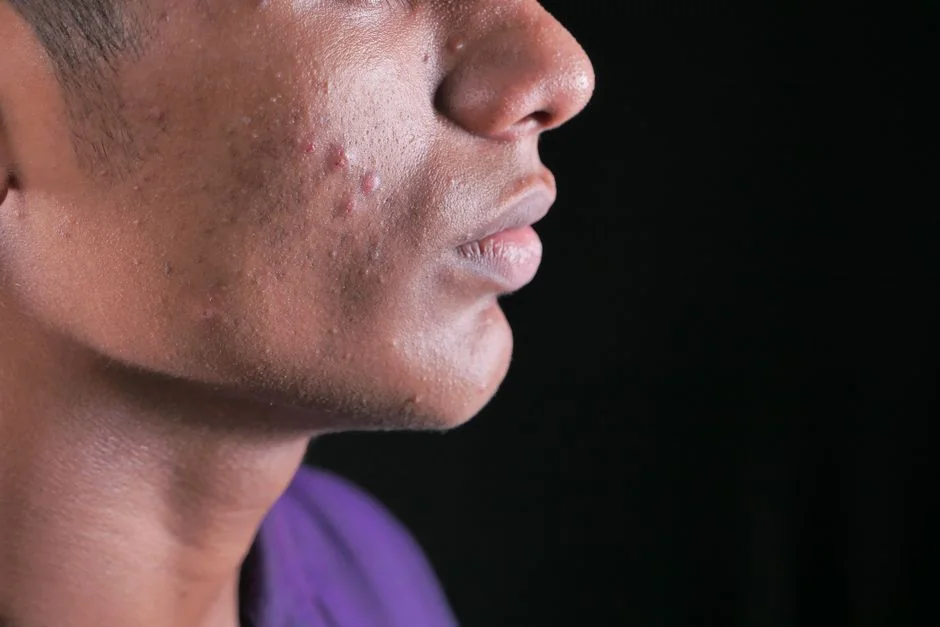
Acne (acne vulgaris) is a chronic inflammatory condition of the skin’s hair follicles and oil glands (sebaceous glands).
It is not caused simply by poor hygiene, and it does not always respond to over-the-counter skincare — a common misconception addressed later in this article.
A dermatologist will first classify your acne by type and severity before recommending any treatment. The main categories are:
- Non-inflammatory acne: open comedones (blackheads) and closed comedones (whiteheads), caused by blocked pores without significant bacterial involvement
- Inflammatory acne: papules (small, raised red spots), pustules (pus-filled spots), nodules, and cysts — all involve immune and bacterial activity within the follicle
- Hormonal acne: typically appears along the lower face, chin, and jawline, and often fluctuates with the menstrual cycle or stress
- Acne rosacea: a separate condition that can mimic acne but requires different treatment; your doctor will distinguish between the two
Severity is usually graded on a clinical scale — mild, moderate, or severe — and this determines the treatment pathway. A dermatologist may also assess contributing factors such as diet, stress, hormonal status, and skincare habits.
Treatment Options: From Prescriptions to Cosmetic Procedures
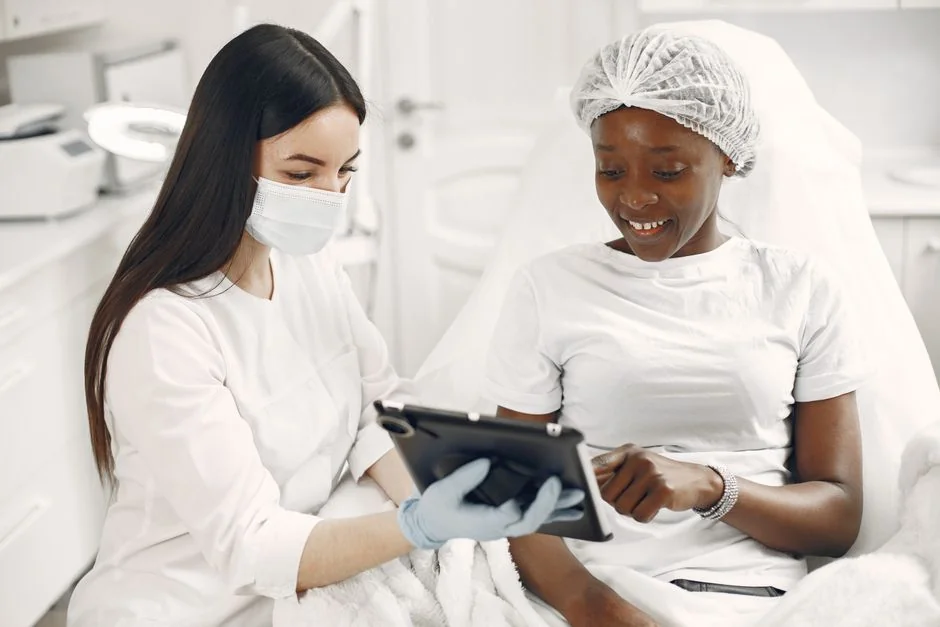
Tokyo clinics offer a broad range of treatments, and the appropriate plan depends on whether your acne is active, scarring, or both. In general, active acne is managed first before cosmetic scar treatments are introduced.
Prescription Medications
For mild to moderate acne, topical treatments are often the first line of care. These may include retinoids (vitamin A derivatives that regulate skin cell turnover), topical antibiotics such as clindamycin or erythromycin, and benzoyl peroxide preparations. In Japan, some of these require a physician’s prescription.
For moderate to severe inflammatory acne, oral antibiotics — such as doxycycline or minocycline — are commonly prescribed for a defined course. These are available at dermatology clinics on an insurance-covered basis when clinically indicated. Hormonal therapy may also be discussed where relevant.
Isotretinoin (the oral medication known widely under the brand name Roaccutane or Accutane) is available in Japan under strict prescribing guidelines and requires monitoring through regular blood tests. It is typically reserved for severe, treatment-resistant, or scarring acne. Studies suggest that a single course of isotretinoin achieves long-term remission in approximately 85% of patients, though individual responses vary considerably.
Chemical Peels
Salicylic acid peels are widely used for acne-prone skin. Salicylic acid is oil-soluble, which allows it to penetrate into blocked pores and help dissolve the debris that contributes to comedone formation. It also has mild anti-inflammatory properties. A course of peels is typically recommended rather than a single session.
At BIOTOPE CLINIC in Shirokanedai, salicylic acid peels are available at ¥11,000–¥308,000 depending on the area and number of sessions. Massage peels (also known as Jessner-type or combination peels) designed for more active sebaceous activity are priced at ¥17,600–¥79,200.
Laser and Energy-Based Treatments for Acne and Acne Scars
Once active acne is adequately controlled, or in cases where scarring is the primary concern, device-based treatments offer effective options.
CO2 Fractional Laser delivers microscopic columns of laser energy into the skin, stimulating collagen remodelling and improving the texture of atrophic (depressed) acne scars. Clinical reports indicate that fractional CO2 laser achieves clinically significant improvement in acne scar appearance in a majority of patients after two to four sessions, with continued remodelling occurring for up to six months post-treatment. At BIOTOPE CLINIC, CO2 fractional laser is priced at ¥11,000–¥66,000 per session depending on the area treated.
Pico laser (PicoWay) uses ultra-short laser pulses to target post-inflammatory hyperpigmentation (PIH) — the flat, dark marks that acne frequently leaves behind. This is a separate concern from scarring, and it responds well to picosecond laser technology. Pico laser treatment is priced at ¥11,000–¥98,000 at BIOTOPE CLINIC.
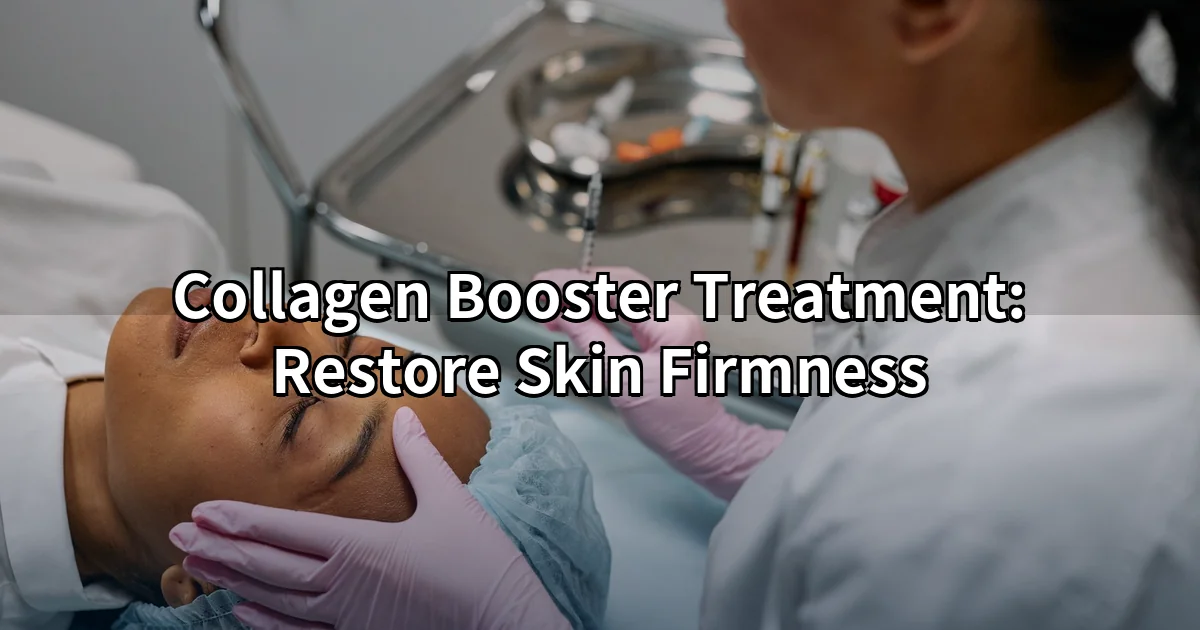
Dermapen (microneedling) uses fine needles to create controlled micro-injuries in the skin, stimulating collagen production without significant thermal heat. It is particularly suited to patients with darker skin tones (Fitzpatrick types III–V, common among many Asian and mixed-heritage patients) because the risk of post-inflammatory pigmentation is lower than with some laser modalities. Dermapen is available at ¥9,800–¥220,000 depending on the area and combination with additional serums or growth factors.
In Dr. Karibe’s clinical experience at BIOTOPE CLINIC, many international patients arrive having already tried multiple over-the-counter products without success, and are often unaware that a combination approach — prescription medication to control active acne alongside a planned course of device treatments for scarring — typically produces more satisfying results than any single intervention alone.
Acne Treatment Costs in Tokyo: What to Budget
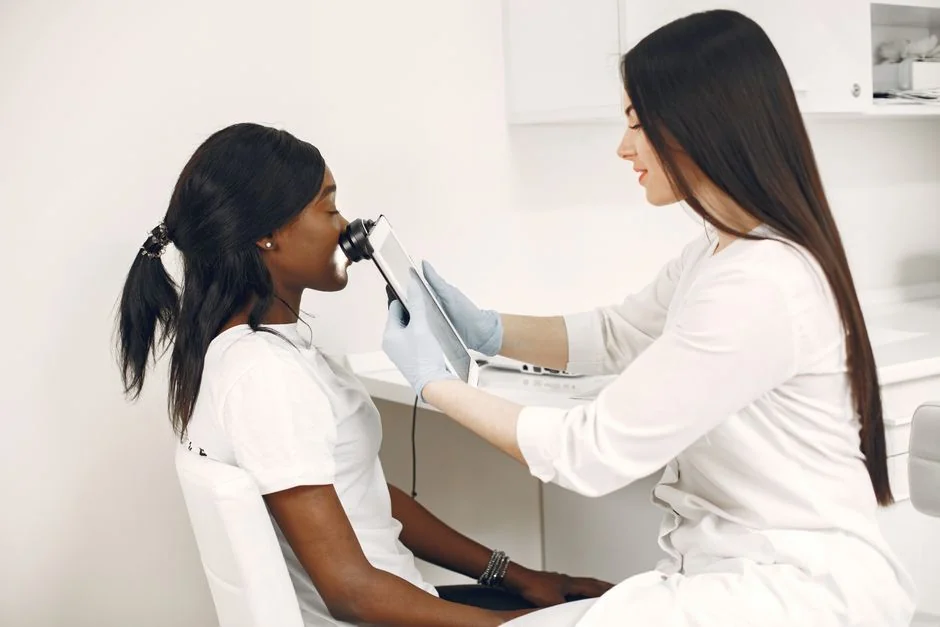
Costs vary depending on whether treatments are covered by Japanese national health insurance (koken hoken) or are cosmetic (self-pay). Insurance-covered dermatology consultations and prescriptions are accessible at significantly reduced out-of-pocket cost, but the clinic must be operating under the insurance system.
| Treatment | Coverage | Approximate Cost at BIOTOPE CLINIC |
|---|---|---|
| Initial consultation | Self-pay | ¥5,500 |
| Salicylic acid peel | Self-pay (cosmetic) | ¥11,000–¥308,000 |
| Massage peel | Self-pay (cosmetic) | ¥17,600–¥79,200 |
| CO2 fractional laser (acne scars) | Self-pay (cosmetic) | ¥11,000–¥66,000 per session |
| Pico laser (PIH / pigmentation) | Self-pay (cosmetic) | ¥11,000–¥98,000 |
| Dermapen (microneedling) | Self-pay (cosmetic) | ¥9,800–¥220,000 |
Note: Insurance-covered dermatology (for prescription medications and medically indicated consultation) is handled at our sister clinic, Kojimachi Dermatology & Plastic Surgery Clinic in Ichigaya, which operates in Japanese. All English-language consultations and cosmetic treatments are handled at BIOTOPE CLINIC.
For an accurate quote based on your individual skin assessment, we recommend booking a consultation.
Have a question about this treatment?
Message us on LINE or WhatsApp — our English-speaking team usually replies the same day.
What to Expect Before, During, and After Your Visit
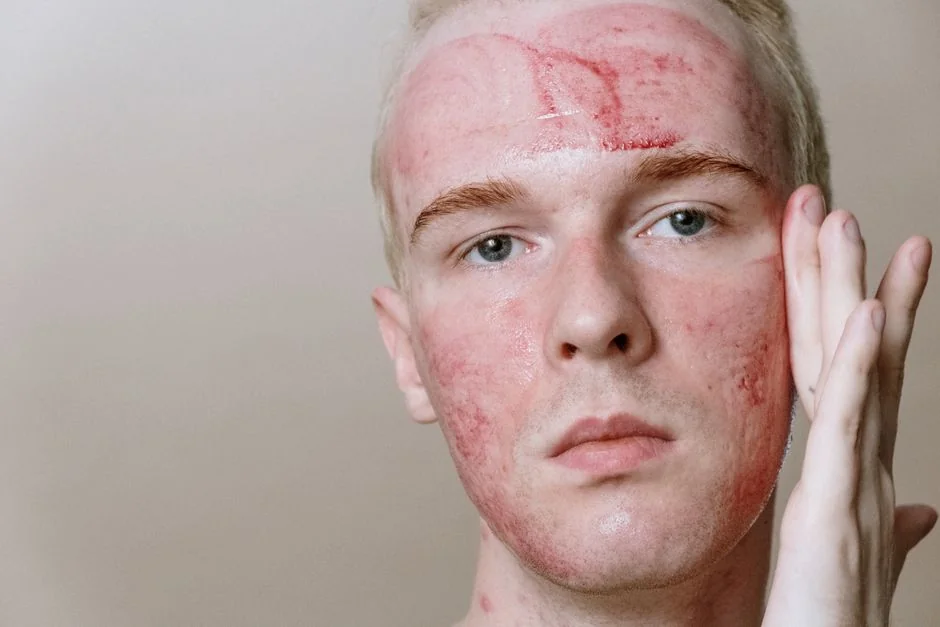
Before Your Appointment
Ahead of your first visit, compile a brief history of your acne: how long you have had it, what products or medications you have tried, and any known triggers. If you are taking any prescription medications, bring a list. Avoid using strong exfoliants or retinoids for several days before any laser or peel treatment.
During the Consultation
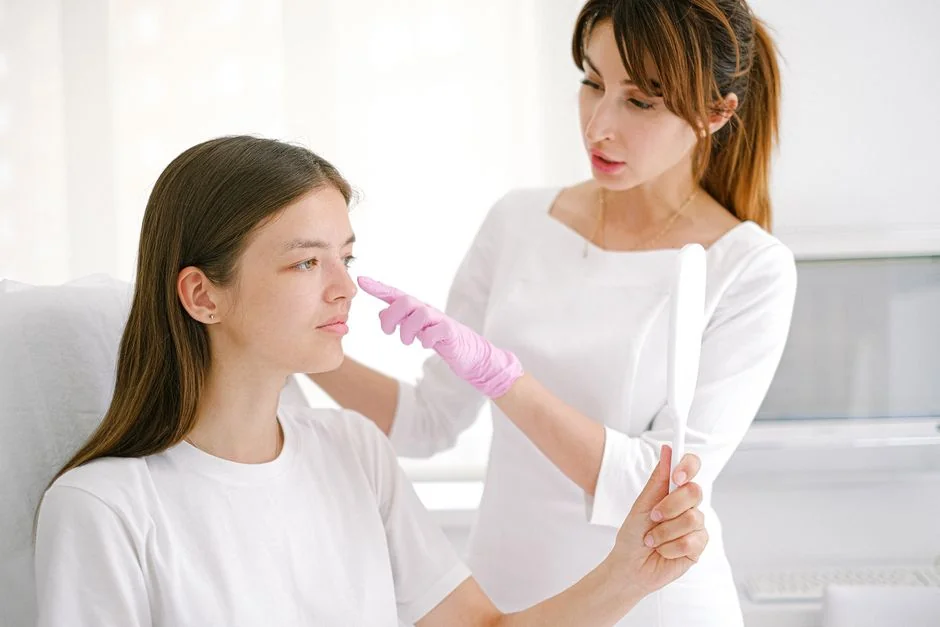
Your dermatologist will examine your skin — ideally without heavy makeup — and may photograph the affected areas for clinical records. You will be asked about your skincare routine, diet, stress levels, and hormonal history where relevant. The physician will then explain the recommended treatment plan, the expected timeline, and realistic outcomes.
At BIOTOPE CLINIC in Shirokanedai, consultations with Dr. Karibe are conducted in English. Our English-speaking team handles all enquiries and can help prepare you for what to bring and expect before you arrive.
During Treatment
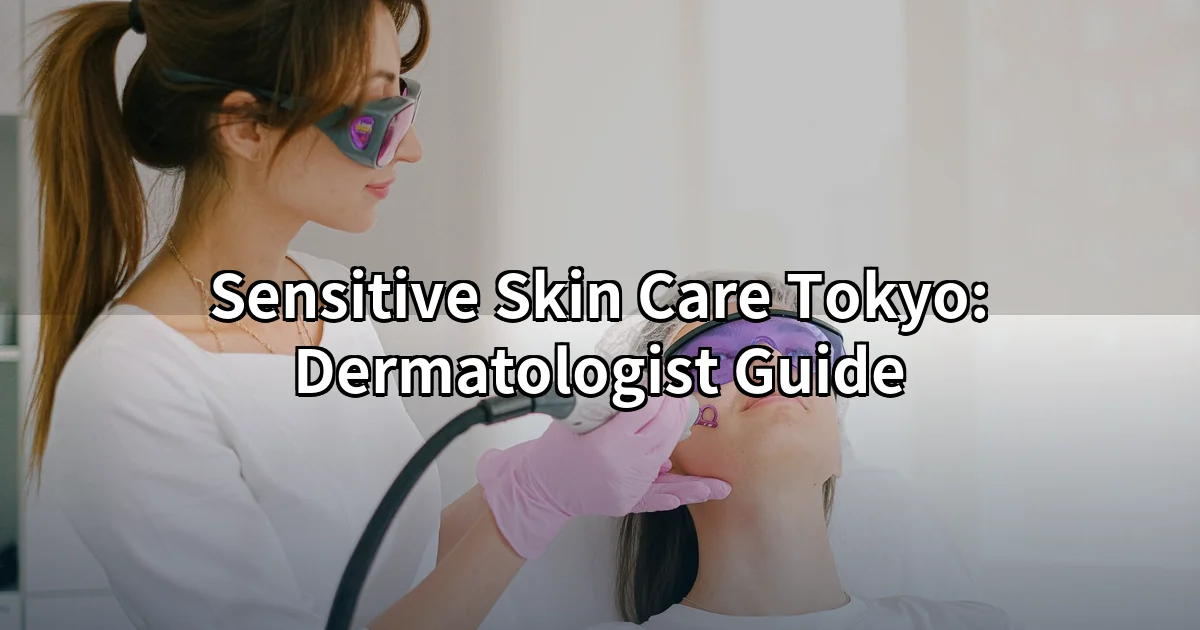
For peels, a solution is applied to the skin for a defined period, then neutralised or removed. There is typically a mild stinging or warming sensation. Laser sessions involve protective eyewear and a handpiece being moved across the treatment area; most patients describe the sensation as a snapping or pricking feeling. Topical numbing cream is commonly applied beforehand to improve comfort.
After Treatment and Downtime
Recovery varies by treatment type. Chemical peels may cause redness and superficial peeling for three to seven days. CO2 fractional laser typically involves more pronounced redness and skin flaking for five to ten days. Pico laser and Dermapen tend to involve milder, shorter downtime — usually one to three days of redness and mild swelling.
Sun protection is non-negotiable after any skin treatment. Broad-spectrum SPF 50 sunscreen should be applied daily, and direct sun exposure minimised during the healing phase.
What People Often Get Wrong About Acne Treatment
Misconception 1: Acne is caused by not washing your face enough. Acne is primarily an inflammatory and hormonal condition, not a hygiene problem. Over-cleansing or using harsh scrubs can actually strip the skin barrier, trigger excess oil production, and worsen breakouts. Gentle, non-comedogenic cleansing twice daily is generally sufficient.
Misconception 2: Cosmetic treatments alone will clear active acne. Laser, peels, and microneedling are highly effective tools — particularly for scarring and pigmentation — but they are not primary treatments for active inflammatory acne. Using devices on inflamed skin can risk spreading bacteria and triggering post-inflammatory hyperpigmentation. A good treatment plan sequences medical management of active acne first, followed by cosmetic procedures once the skin is more stable.
Who Is a Good Candidate?
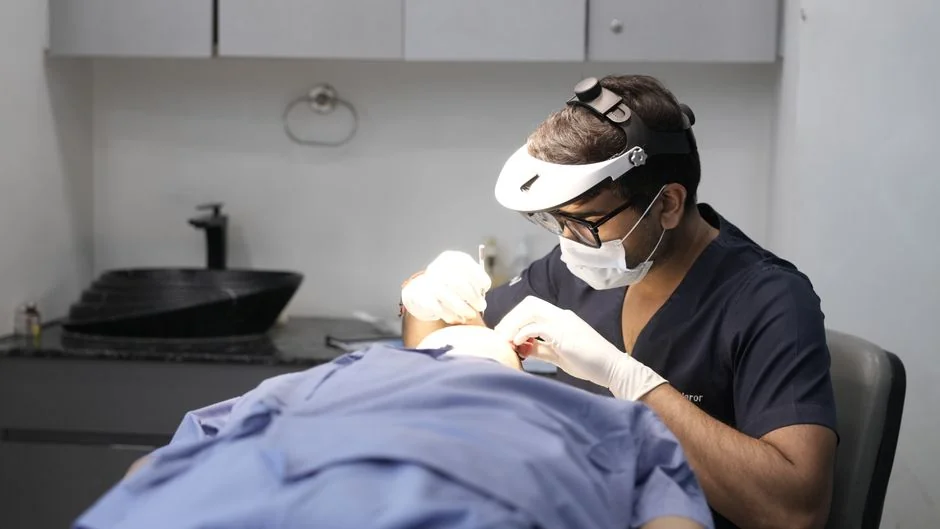
Most adults and older teenagers dealing with persistent acne — whether mild or severe — are appropriate candidates for some form of dermatological intervention. You may benefit from treatment if:
- Over-the-counter products have not produced satisfactory improvement after 8–12 weeks of consistent use
- Your acne is leaving scars, dark marks, or significantly affecting your skin texture
- You have hormonal or cystic acne that flares in cycles
- You are preparing for a significant event and want a structured, evidence-based skincare plan
Certain individuals should approach some treatments with caution or wait for medical clearance:
- Pregnant or breastfeeding patients should avoid isotretinoin, most chemical peels, and many laser treatments — discuss alternatives with your doctor
- Patients with active cold sores (herpes simplex) in the treatment area should postpone any laser or needling procedure until the outbreak has fully resolved
- Those with a history of keloid scarring should discuss risks with their physician before undertaking any resurfacing treatment
- Patients currently on photosensitising medications should inform their doctor before any laser or light-based treatment
Dr. Karibe’s Note
Many of our international patients are surprised to find that acne care in Japan — particularly at cosmetic clinics — can be quite comprehensive, combining prescription-level medical management with advanced device treatments under one roof.
A common question I receive is whether a patient needs to see a separate GP before seeing us. In most cases, they do not — a single consultation at BIOTOPE CLINIC allows us to assess the full picture and propose an integrated plan.
If your acne has a suspected hormonal component, we will advise on whether additional investigations are appropriate before proceeding with any cosmetic procedure.
Where to Get Acne Treatment in Tokyo (English-Speaking)
Within our clinic group, English-speaking consultations are handled at BIOTOPE CLINIC in Shirokanedai (Minato-ku, Tokyo) by Dr. Jun Karibe. Our sister clinic, Kojimachi Dermatology & Plastic Surgery Clinic in Ichigaya (Chiyoda-ku), handles Japanese-language insurance dermatology as the group’s main office for medically covered treatment. Bookings and enquiries in English: LINE or WhatsApp.
CO2 fractional laser for acne scarring, salicylic acid peels, pico laser for post-inflammatory pigmentation, and Dermapen microneedling are all treatments available at BIOTOPE CLINIC in Shirokanedai — feel free to ask about any of them during a consultation with Dr. Karibe.
Frequently Asked Questions
- Q. Can I get acne treatment covered by Japanese national health insurance?
- Prescription medications for acne — such as topical antibiotics, retinoids, and in some cases oral antibiotics — can be covered by Japanese national health insurance when prescribed at an insurance-registered clinic. Cosmetic procedures such as laser, peels, and microneedling are always self-pay. Our sister clinic, Kojimachi Dermatology & Plastic Surgery Clinic in Ichigaya, handles insurance-covered dermatology in Japanese. English-speaking patients seeking cosmetic acne treatment should book at BIOTOPE CLINIC.
- Q. How many sessions will I need for acne scarring?
- The number of sessions depends on the depth and type of scarring, your skin tone, and the treatment modality used. Most patients undergoing CO2 fractional laser or Dermapen for acne scars see progressive improvement over two to four sessions spaced four to six weeks apart. A realistic timeline for visible improvement is typically three to six months. Your physician will provide a more personalised estimate at consultation.
- Q. Is isotretinoin (Roaccutane) available in Tokyo?
- Yes, isotretinoin is available in Japan and can be prescribed by a dermatologist or physician. It requires regular blood monitoring and is prescribed under specific clinical criteria. If you are considering isotretinoin, discuss your full medical history — including any medications you are currently taking — at your consultation, as there are important contraindications, particularly regarding pregnancy.
- Q. Will acne treatments work on darker skin tones?
- Many treatments are safe and effective for patients with darker skin tones (Fitzpatrick types III–VI), but treatment parameters must be adjusted carefully to minimise the risk of post-inflammatory hyperpigmentation. Dermapen microneedling and certain peel formulations are generally considered lower-risk options for darker skin. Always inform your physician of your skin tone and any history of hyperpigmentation before starting any laser or resurfacing treatment.
- Q. How soon before an event can I have a peel or laser treatment?
- For chemical peels, allow at least 7–10 days before any important event to allow for redness and peeling to resolve. For CO2 fractional laser, a minimum of two weeks is advisable, and ideally four. Milder treatments such as Dermapen or pico laser for pigmentation carry less downtime — one to three days — but results are also more gradual. Planning a course well in advance of a target date is always recommended.
Have a question about this treatment?
Message us on LINE or WhatsApp — our English-speaking team usually replies the same day.
Summary
Acne is a complex, chronic condition that responds well to a structured, evidence-based approach — combining appropriate prescription management with cosmetic procedures where indicated. Tokyo offers a high standard of dermatological care, and English-speaking patients in particular now have access to well-qualified physicians who can explain options clearly and develop an individualised plan.
Key takeaways from this guide:
- Active inflammatory acne is typically addressed with prescription topicals, oral antibiotics, or isotretinoin before cosmetic procedures are introduced
- Chemical peels and microneedling are effective for ongoing maintenance and mild scarring; CO2 fractional laser and pico laser address more established scarring and pigmentation
- Costs for cosmetic acne treatments in Tokyo range from approximately ¥9,800 for an initial Dermapen session to ¥66,000 for CO2 fractional laser, with multiple sessions usually recommended
- Treatment selection must account for skin tone, active vs. healed acne, and any medical contraindications
If you have questions about acne treatment, English-speaking consultations are handled at BIOTOPE CLINIC in Shirokanedai (Minato-ku, Tokyo) by Dr. Karibe. Our sister clinic, Kojimachi Dermatology & Plastic Surgery Clinic in Ichigaya (Chiyoda-ku), handles Japanese-language insurance dermatology. English enquiries: LINE or WhatsApp.
24/7 Consultation & Booking
Book a Consultation or Treatment
Our English-speaking team responds via LINE or WhatsApp — usually the same day.
References
- Zaenglein AL, Pathy AL, Schlosser BJ, et al. Guidelines of care for the management of acne vulgaris. Journal of the American Academy of Dermatology. 2016;74(5):945–973.
- Goodman GJ. Postacne scarring: a review of its pathophysiology and treatment. Dermatologic Surgery. 2000;26(9):857–871.
- Layton AM, Knaggs H, Taylor J, Cunliffe WJ. Isotretinoin for acne vulgaris — 10 years later: a safe and successful treatment. British Journal of Dermatology. 1993;129(3):292–296.
- Chapas AM, Brightman L, Sukal S, et al. Successful treatment of acneiform scarring with CO2 ablative fractional resurfacing. Lasers in Surgery and Medicine. 2008;40(6):381–386.
- Fabbrocini G, Annunziata MC, D’Arco V, et al. Acne scars: pathogenesis, classification and treatment. Dermatology Research and Practice. 2010;2010:893080.
Related Articles
You may also find these articles useful.
- English-Speaking Dermatologist Tokyo: Acne Treatment Options
- Acne Treatment at Tokyo Dermatologist: What to Expect
- Sensitive Skin Care Tokyo: English-Speaking Dermatologist
- Melasma Treatment Tokyo: Causes and Solutions
- Laser Skin Treatment Tokyo: English-Speaking Clinic Guide
SUPERVISED BY
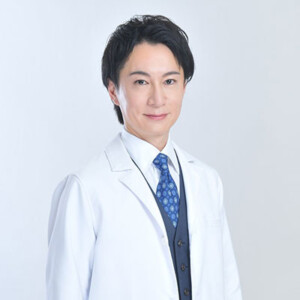
Dr. Jun Karibe
MD
Director
Education & Career
Certifications
Awards
MEDICAL REVIEW