Skincare Routine for Tokyo Weather: How to Protect Your Skin from Humidity and Pollution
Tokyo’s climate presents a genuine challenge for skin health — cycling through sticky, humid summers and dry, cold winters, all against a backdrop of urban air pollution that is rarely discussed in mainstream skincare guides. If your usual routine stopped working when you moved to or visited Tokyo, you are not imagining things: the environment here places specific, measurable demands on your skin barrier that standard Western routines were not designed to address.
This guide explains exactly what those demands are, how they affect different skin types, and how to adapt your daily routine — with input from clinical observations at BIOTOPE CLINIC in Shirokanedai.
- How Tokyo’s humidity, heat, and cold cycles affect the skin barrier
- How urban air pollution contributes to premature ageing and pigmentation
- A practical, season-by-season skincare routine for Tokyo residents
- Common misconceptions about “light” moisturisers and over-cleansing in humid weather
- When to consider in-clinic treatments if lifestyle skincare is not enough
Have a question about this treatment?
Message us on LINE or WhatsApp — our English-speaking team usually replies the same day.
How Tokyo’s Climate Affects Your Skin
Humidity and the skin barrier
Tokyo’s summers (June through September) bring relative humidity levels that regularly exceed 70–80%, with heat index values making outdoor exposure feel extreme. High ambient humidity can temporarily soften the skin surface and reduce transepidermal water loss (TEWL) — the rate at which moisture evaporates through the skin — but this does not mean the skin barrier is strengthened.
In fact, persistent exposure to heat and humidity encourages sebum overproduction, enlarges the appearance of pores, and creates conditions favourable for acne-causing bacteria such as Cutibacterium acnes and Malassezia yeast. Clinical reports indicate that acne prevalence increases significantly during high-humidity periods, particularly in individuals who do not adjust their cleansing frequency or moisturiser texture.
Dry winters and barrier damage
From November through February, indoor heating and cold, dry outdoor air combine to drive TEWL upward sharply. The skin’s natural moisturising factor (NMF) — the water-binding molecules within the outer skin layer — becomes depleted more quickly. Without adequate replenishment, the barrier cracks microscopically, allowing environmental irritants and allergens to penetrate more easily.
Many international residents in Tokyo notice that skin conditions they never experienced at home, such as eczema flares, perioral dermatitis, or sudden sensitivities, appear during their first Tokyo winter. This is a recognised pattern, not an anomaly.
Urban air pollution
Tokyo consistently ranks among the more heavily polluted major cities in East Asia for particulate matter (PM2.5 and PM10), ground-level ozone, and nitrogen dioxide — particularly in central wards such as Minato-ku and Chiyoda-ku. Studies suggest that daily PM2.5 exposure is associated with increased oxidative stress in skin cells, accelerated collagen degradation, and a measurable increase in pigmentation irregularities over time. A 2021 cross-sectional study published in the Journal of Investigative Dermatology found statistically significant associations between long-term particulate matter exposure and facial lentigines (flat, dark spots) in Asian women.
Pollution particles are small enough to deposit on the skin surface and, in some cases, penetrate the follicular opening, generating free radicals that damage lipid membranes and DNA in skin cells. Antioxidant protection is not a marketing term in this context — it is a functional necessity.
Building a Tokyo-Adapted Skincare Routine: Season by Season

Summer routine (June – September)
The priority in summer is gentle but thorough cleansing and lightweight, non-comedogenic (pore-blocking) hydration. Double cleansing — an oil-based cleanser followed by a water-based cleanser — is particularly relevant in Tokyo because it removes both sunscreen residue and pollution particles more effectively than a single cleanse.
Avoid rich occlusive creams (those containing petrolatum or heavy silicones) during daytime. Instead, choose a hydrating toner or essence containing hyaluronic acid or beta-glucan, followed by a gel moisturiser. Broad-spectrum SPF 50+ sunscreen is non-negotiable; UV index values in Tokyo frequently reach category 8–10 between May and August.
Autumn transition (October – November)
This is the period most people neglect. Humidity drops relatively quickly from October onward, but many residents continue using their summer (lighter) products out of habit. Begin layering: add a ceramide-containing moisturiser over your hydrating essence. Ceramides are lipid molecules that form part of the skin barrier; topical ceramides help pre-empt the barrier thinning that accelerates through winter.
Winter routine (December – February)
Switch to a cream-based or emollient moisturiser, applied morning and evening. Introduce a humidifier indoors if possible — studies suggest that maintaining indoor relative humidity above 40% significantly reduces TEWL and reduces itch severity in individuals with dry or atopic-prone skin. Reduce exfoliation frequency: once weekly with a mild chemical exfoliant (lactic acid or polyhydroxy acid) is generally sufficient; over-exfoliating in winter strips the barrier further.
Retinol and retinoid users should be particularly careful in winter, as barrier disruption from retinoids compounds cold-weather dryness. Introduce slowly, always buffer with moisturiser, and monitor for irritation.
Spring (March – May)
Spring in Tokyo brings cedar and cypress pollen, which affects the skin as well as the respiratory tract. Individuals with atopic tendencies may notice periorbital (around-the-eye) redness and itch during peak pollen season (February to April). Gentle, fragrance-free formulations are recommended during this period. Begin transitioning back to lighter textures as humidity climbs from April onward.
Core Ingredients Worth Including
| Ingredient | Primary Benefit | Best Season / Use |
|---|---|---|
| Hyaluronic acid | Draws water into the outer skin layer; hydration | Year-round; especially summer |
| Ceramides | Reinforces lipid barrier; reduces TEWL | Autumn through spring |
| Niacinamide (Vitamin B3) | Anti-inflammatory; reduces pigmentation; pore-minimising | Year-round; especially post-summer |
| Vitamin C (L-ascorbic acid) | Antioxidant; neutralises pollution-induced free radicals; brightening | Year-round; morning routine |
| Retinol / retinoids | Cell turnover; collagen stimulation; anti-ageing | Autumn–winter evenings; introduce slowly |
| Broad-spectrum SPF 50+ | UV protection; prevents pigmentation and barrier damage | Year-round; essential May–September |
| Beta-glucan / polyglutamic acid | Soothes irritation; enhances hydration retention | Winter; sensitive skin types |
What People Often Get Wrong About Tokyo Skincare
Misconception 1: “Humid weather means I don’t need moisturiser”
This is one of the most common errors observed among new arrivals. While it is true that high ambient humidity reduces the rate of moisture evaporation from the skin surface, the skin’s internal moisture reserves and barrier lipids are separate systems. Sebum, which increases in humidity, is not a moisturiser in the functional sense — it is an emollient that does not replace ceramides or water-binding molecules.
Skipping moisturiser entirely in summer typically leads to dehydrated skin with excess oiliness — a paradox that is genuinely confusing until the mechanism is understood. A lightweight, non-comedogenic hydrating gel is appropriate even for oily skin types in summer.
Misconception 2: “More cleansing = cleaner skin in a polluted city”
Over-cleansing is a frequently observed driver of barrier damage. Cleansing more than twice daily, or using harsh foaming cleansers, strips the skin of its natural lipid layer, triggering compensatory sebum production and increasing permeability to pollutants — the opposite of the intended effect.
Double cleansing in the evening is appropriate and recommended. A single gentle cleanse in the morning is generally sufficient. Micellar water used without rinsing can leave surfactant residues that irritate sensitive skin over time.
Dr. Karibe’s Note
Many of our international patients at BIOTOPE CLINIC arrive having tried three or four different Japanese skincare lines without improvement, and often the issue is not the products themselves but the timing of product changes — switching too quickly between formulations, or not allowing a full skin cycle (approximately 28 days) to assess results properly. Another frequent observation is that patients underestimate the cumulative effect of Tokyo pollution on pigmentation: sun avoidance alone is not sufficient. An antioxidant serum applied before sunscreen in the morning makes a meaningful practical difference over months of consistent use.
When Skincare Alone Is Not Sufficient: In-Clinic Options
For some individuals, a well-constructed home routine provides adequate maintenance, but cumulative sun damage, pollution-related pigmentation, or barrier dysfunction that has progressed to persistent sensitisation may benefit from in-clinic support.
PicoWay laser treatment — available at BIOTOPE CLINIC — uses ultra-short picosecond light pulses to target melanin deposits in the skin, addressing the flat brown spots and uneven tone that frequently develop after years of Tokyo sun and pollution exposure. Pricing at BIOTOPE CLINIC starts from ¥11,000, depending on the area and number of sessions required. This is a treatment available at BIOTOPE CLINIC in Shirokanedai — feel free to ask about it during a consultation with Dr. Karibe.
For patients experiencing enlarged pores, acne scarring from summer breakouts, or textural irregularities, CO2 fractional laser treatment can resurface the skin by stimulating controlled collagen remodelling. At BIOTOPE CLINIC, CO2 fractional laser treatment is priced from ¥11,000 to ¥66,000 depending on the area treated. For an accurate quote, we recommend booking a consultation.
The clinic also offers Zo Skin Health products — a medical-grade skincare range formulated to support barrier function, regulate sebum, and provide antioxidant protection — which can be integrated into a home routine following a dermatology consultation.
Have a question about this treatment?
Message us on LINE or WhatsApp — our English-speaking team usually replies the same day.
Where to Get Skincare Advice and Treatment in Tokyo
Within our clinic group, English-speaking consultations are handled at BIOTOPE CLINIC in Shirokanedai (Minato-ku, Tokyo) by Dr. Jun Karibe. Our sister clinic, Kojimachi Dermatology and Plastic Surgery Clinic in Ichigaya (Chiyoda-ku), handles Japanese-language insurance-covered dermatology and serves as the group’s main office. Bookings and enquiries in English: LINE or WhatsApp.
At BIOTOPE CLINIC in Shirokanedai, Dr. Karibe frequently sees patients who have been managing skin concerns without professional guidance for months or years, simply because language barriers made it difficult to access accurate dermatological advice in Tokyo. An initial consultation (¥3,300) provides an opportunity to assess your current routine, identify product interactions or gaps, and discuss whether any in-clinic treatment would be beneficial.
Frequently Asked Questions
- Q. Is Japanese tap water bad for skin? Many people say Tokyo water causes dryness.
- Tokyo’s tap water is treated and considered safe to drink, and its mineral content is relatively low (soft water). Some individuals with very sensitive or reactive skin notice mild irritation from chlorine used in water treatment, but clinical evidence for tap water as a primary driver of skin dryness in Tokyo is limited. The more significant factors are indoor heating, seasonal humidity changes, and UV exposure. If you notice redness or tightness immediately after washing, switching to a gentle, sulfate-free cleanser and patting rather than rubbing dry may help more than avoiding tap water.
- Q. Should I change my entire skincare routine when I move to Tokyo, or just add products?
- A full replacement is rarely necessary. A more practical approach is to audit your existing routine by texture and function: lightweight hydrating layers generally work year-round in Tokyo, while heavy occlusive creams are better reserved for winter evenings. The addition of a daily antioxidant serum (Vitamin C in the morning) and a broad-spectrum SPF 50+ is the most impactful change most new residents can make. If persistent skin concerns arise, a professional consultation can identify whether there are ingredient conflicts or gaps in your current regime.
- Q. Can pollution cause dark spots on the skin?
- Studies suggest that long-term exposure to PM2.5 particulate matter is independently associated with increased facial pigmentation, even when UV exposure is controlled for. The proposed mechanism involves free radical generation and inflammatory signalling that activates melanocytes — the pigment-producing cells in the skin. Regular use of antioxidant serums, thorough evening cleansing to remove surface deposits, and consistent sun protection form the practical foundation for limiting this effect.
- Q. I have atopic eczema — is Tokyo’s environment likely to worsen it?
- Tokyo’s seasonal extremes — particularly the rapid drop in humidity from autumn into winter, combined with heavy indoor heating — can trigger or worsen atopic dermatitis flares in predisposed individuals. Spring pollen is an additional irritant for many. Maintaining a consistent emollient routine, using a humidifier in winter, and avoiding hot baths (which disrupt the lipid barrier) are recommended measures. If flares are frequent or severe, a consultation with a dermatologist is advisable; prescription topical treatments may offer better control than over-the-counter options.
- Q. How often should I use a chemical exfoliant in Tokyo?
- Frequency depends on the season and your skin type. During summer, when the skin barrier is generally more robust, two to three times weekly with a mild acid (such as lactic acid or glycolic acid at low concentrations) is reasonable for most skin types. In winter, reducing to once weekly is sensible to avoid compounding barrier disruption from dry air and heating. AHAs increase photosensitivity, so consistent SPF use in the morning is particularly important when chemical exfoliants are in regular use.
Have a question about this treatment?
Message us on LINE or WhatsApp — our English-speaking team usually replies the same day.
Summary
Tokyo’s climate is genuinely demanding on skin, but the demands are predictable and manageable with a structured, season-aware approach.
The core principles are consistent barrier support (ceramides, hydration), daily antioxidant protection against pollution, thorough evening cleansing to remove particulate deposits, and year-round broad-spectrum sun protection. Adjusting product textures seasonally — lighter in summer, richer in winter — addresses the humidity cycle that catches many international residents off guard.
When a solid home routine is not providing adequate results, clinical treatments such as PicoWay laser for pigmentation or CO2 fractional laser,IPL for texture can address cumulative skin damage efficiently and safely under medical supervision.
If you have questions about skincare for Tokyo’s climate or would like a professional skin assessment, English-speaking consultations are handled at BIOTOPE CLINIC in Shirokanedai (Minato-ku, Tokyo) by Dr. Karibe. Our sister clinic, Kojimachi Dermatology and Plastic Surgery Clinic in Ichigaya (Chiyoda-ku), handles Japanese-language insurance-covered dermatology. English enquiries: LINE or WhatsApp.
24/7 Consultation & Booking
Book a Consultation or Treatment
Our English-speaking team responds via LINE or WhatsApp — usually the same day.
References
- Krutmann J, Liu W, Li L, et al. Pollution and skin: from epidemiological and mechanistic studies to clinical implications. Journal of Dermatological Science. 2014;76(3):163–168.
- Vierkötter A, Schikowski T, Ranft U, et al. Airborne particle exposure and extrinsic skin ageing. Journal of Investigative Dermatology. 2010;130(12):2719–2726.
- Elias PM. Stratum corneum defensive functions: an integrated view. Journal of Investigative Dermatology. 2005;125(2):183–200.
- Akamine K, Furukawa F, Ito T, et al. Association between long-term PM2.5 exposure and facial lentigines in Japanese women: a cross-sectional study. Journal of Investigative Dermatology. 2021.
- Fluhr JW, Darlenski R, Berardesca E. Transepidermal water loss and skin hydration measurement as surrogate endpoints for skin barrier function. In: Berardesca E, et al., eds. Non-Invasive Diagnostic Techniques in Clinical Dermatology. Springer; 2014.
Related Articles
You may also find these articles useful.
- Anti-Aging Treatments Tokyo: Complete Guide for Expats
- Acne Treatment at Tokyo Dermatologist: What to Expect
- Eczema Treatment Tokyo: Options for Foreigners
- Collagen Booster Treatment Tokyo: How It Works
SUPERVISED BY
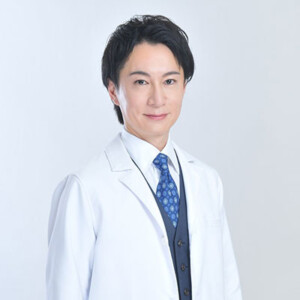
Dr. Jun Karibe
MD
Director
Education & Career
Certifications
Awards
MEDICAL REVIEW