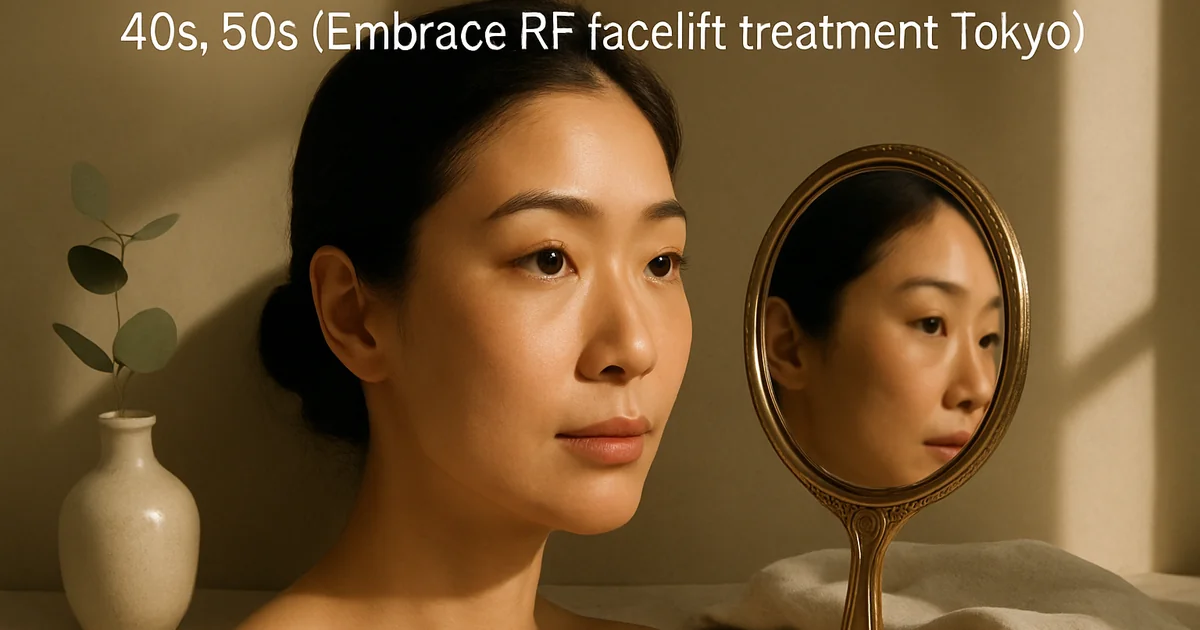
Non-Surgical Facelift in Tokyo: Is Embrace RF Right for You in Your 40s and 50s?
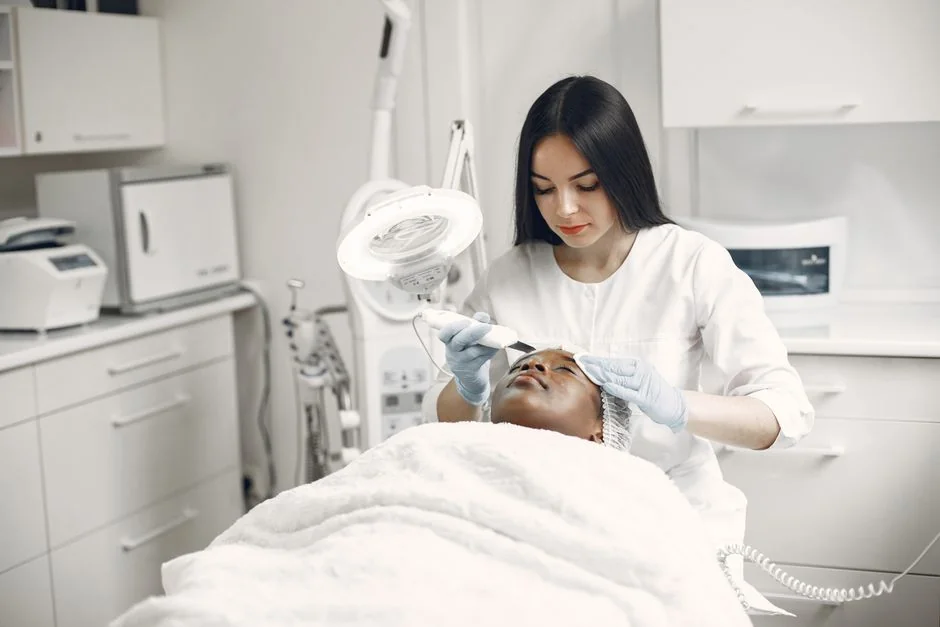
If you have noticed that your jawline has begun to soften, your skin feels less firm than it once did, or fine lines around the cheeks and neck seem more prominent with each passing year, you are not alone — these are among the most common concerns that bring patients in their 40s and 50s to seek professional advice.
This article explains what Embrace RF is, how it compares with other non-surgical lifting options available in Tokyo, what realistic results look like, and whether it may be appropriate for you.
- What Embrace RF is and how radiofrequency energy tightens skin
- How Embrace RF differs from HIFU, Morpheus8, and thread lifts
- Realistic results, downtime, and recovery expectations
- Cost of Embrace RF in Tokyo, including at BIOTPE CLINIC or Kojimachi Dermatology & Plastic Surgery Clinic
- Who is a suitable candidate and who should consider an alternative approach
Have a question about this treatment?
Message us on LINE or WhatsApp — our English-speaking team usually replies the same day.
What Is Embrace RF?
What Is Embrace RF?
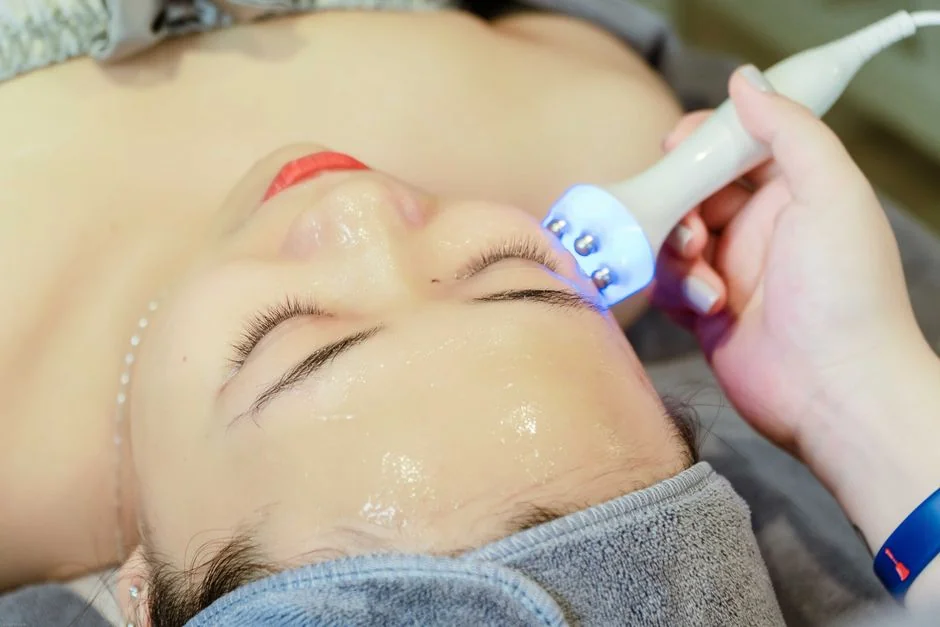
Embrace RF is a minimally invasive radiofrequency-assisted skin tightening and contouring platform developed by InMode.
The Embrace RF concept combines technologies such as:
- FaceTite
- AccuTite
- Morpheus8
to address facial and neck ageing at multiple tissue depths.
Unlike fully non-invasive treatments, Embrace RF uses a small subdermal cannula to deliver radiofrequency energy beneath the skin while simultaneously monitoring and heating tissue from the surface.
The goal is to stimulate collagen remodelling, improve skin contraction, and refine facial contours with less downtime than traditional facelift surgery.
How Embrace RF Differs from FaceTite
Many patients use the terms interchangeably.
Technically:
How Does Radiofrequency Tighten Skin?
Radiofrequency energy heats tissue to a controlled temperature — typically between 40°C and 70°C depending on the target layer. At these temperatures, existing collagen fibres contract immediately, and fibroblasts (the cells responsible for producing collagen) are stimulated to generate new collagen over a three-to-six month period. This process is called neocollagenesis, and it is the biological basis for the sustained tightening that patients often notice gradually after treatment rather than immediately.
Because Embrace RF delivers energy subdermally, the heat reaches the fibromuscular layer (the SMAS layer — the same layer that is surgically tightened in a traditional facelift) with greater precision than most surface-only devices. This allows for meaningful tissue contraction without the recovery time associated with surgical intervention.
How Embrace RF Compares with Other Non-Surgical Lifting Options
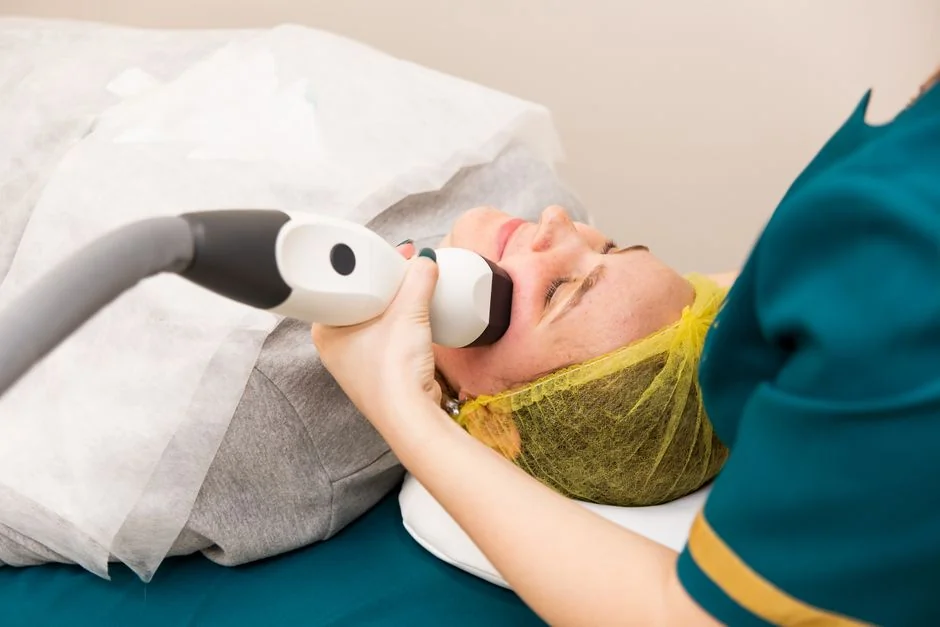
In our clinical experience at Kojimachi Dermatology & Plastic Surgery Clinic, patients in their 40s and 50s frequently arrive having already read about several different lifting technologies — HIFU, Morpheus8, thread lifts — and are understandably uncertain about which approach best matches their anatomy and lifestyle. The following table provides a straightforward comparison.
| Treatment | Technology | Depth of Action | Invasiveness | Downtime | Approx. Tokyo Price Range |
|---|---|---|---|---|---|
| Embrace RF | Subdermal + transcutaneous RF | Deep (subdermal / SMAS layer) | Minimally invasive (micro-cannula) | 3–7 days (swelling, bruising) | Enquire at consultation |
| HIFU (e.g. Ultherapy) | High-intensity focused ultrasound | Deep (SMAS layer, transcutaneous) | Non-invasive | Minimal to none | ¥25,000–¥110,000 |
| Morpheus8 | RF microneedling | Moderate (up to 4 mm via needles) | Minimally invasive (microneedles) | 2–5 days (redness, mild swelling) | Enquire at consultation |
| Thread Lift (Tesslift) | Absorbable sutures | Subdermal (mechanical lift) | Minimally invasive | 3–7 days | ¥48,000 per thread |
| Hyaluronic Acid Filler | Injectable volumiser | Subcutaneous / deep dermis | Minimally invasive (injection) | 1–3 days (bruising) | ¥66,000–¥88,000 per syringe |
Both HIFU and Morpheus8 are well-established alternatives available at the clinic, and in many cases a combination approach is discussed during consultation. HIFU works well for patients seeking a fully transcutaneous (no puncture) option, while Morpheus8 offers excellent skin texture improvement alongside tightening. Embrace RF is typically considered when a patient desires more substantial subdermal contraction than surface devices can reliably achieve, but wishes to avoid the recovery of open surgery.
What Areas Can Be Treated?
Embrace RF is commonly used for:
Jawline
- Early jowls
- Loss of mandibular definition
- Mild lower-face laxity
Neck
- Crepey neck skin
- Mild neck laxity
- Early “turkey neck” appearance
Under the Chin
- Double chin
- Submental fullness
- Poor cervicomental angle definition
Periorbital Region
When AccuTite is used:
- Lower eyelid laxity
- Fine crepey skin
- Mild hooding
How Much Tightening Is Realistic?
One of the biggest misconceptions is that Embrace RF is a “non-surgical facelift.”
It is not.
A more realistic description is:
Stronger than HIFU, less powerful than facelift surgery.
Patients with mild-to-moderate laxity often experience:
- Improved jawline definition
- Better neck contour
- Reduced jowling
- Firmer skin texture
However, severe skin excess generally requires surgery.
Clinical Evidence
Published studies of RF-assisted lipolysis technologies have demonstrated:
- Improvement in facial laxity
- Improved cervicomental angle
- Enhanced jawline definition
- High patient satisfaction rates
Several studies report visible improvement continuing for up to six months following treatment as collagen remodelling progresses.
Expected Timeline
Immediately
- Mild swelling
- Tightening sensation
Week 1
- Bruising and swelling improve
Month 1
- Early contour changes become visible
Months 3–6
- Peak collagen remodelling
- Most noticeable improvement
Year 1+
- Maintenance phase
Expected Results: What Embrace RF Can and Cannot Do
Clinical studies suggest that combined subdermal and transcutaneous radiofrequency treatments can produce measurable improvements in skin laxity and facial contouring. A peer-reviewed study published in Dermatologic Surgery reported that a majority of patients treated with a similar combined RF modality demonstrated visible improvement in jawline definition and submental (under-chin) tissue at three-month follow-up, with continued improvement noted at six months.
It is important to set realistic expectations. Embrace RF can meaningfully improve mild to moderate skin laxity — the soft, downward-shifting quality of skin that characterises the 40s and 50s. It is generally not a substitute for surgical correction when laxity is severe (significant jowling, heavy neck skin folds, or substantial excess skin). Patients with very thin skin, heavily sun-damaged tissue, or significant volume loss may find that combining Embrace RF with a Botox injection for facial muscle relaxation, or hyaluronic acid filler for volume restoration, produces a more balanced overall result.
When Do Results Appear?
Some immediate tightening may be visible due to acute collagen contraction, but the most meaningful results typically emerge gradually over eight to twelve weeks as new collagen remodelling progresses. Most patients report that colleagues and friends notice an improvement without being able to identify a specific procedure, which many find preferable to a more dramatically altered appearance.
Dr. Karibe’s Note
Many of our international patients are surprised to learn that Embrace RF involves a small entry point under local anaesthesia. Once I explain that the micro-cannula is thinner than a needle used for filler and that the procedure is performed with the patient comfortably numb, most feel reassured.
A common question I receive is whether one session is sufficient — in my clinical assessment, most patients in their 40s achieve a satisfying outcome from a single session, although those with more advanced laxity may benefit from combining the procedure with HIFU or a thread lift for a complementary effect.
What to Expect: Before, During, and After Treatment
Before the Procedure
A thorough consultation is the essential first step. The treating physician will assess skin quality, tissue thickness, degree of laxity, and medical history. Patients are generally advised to avoid blood-thinning medications (such as aspirin and non-steroidal anti-inflammatory drugs, unless prescribed for a medical condition) and alcohol for several days prior to treatment in order to minimise bruising.
During the Procedure
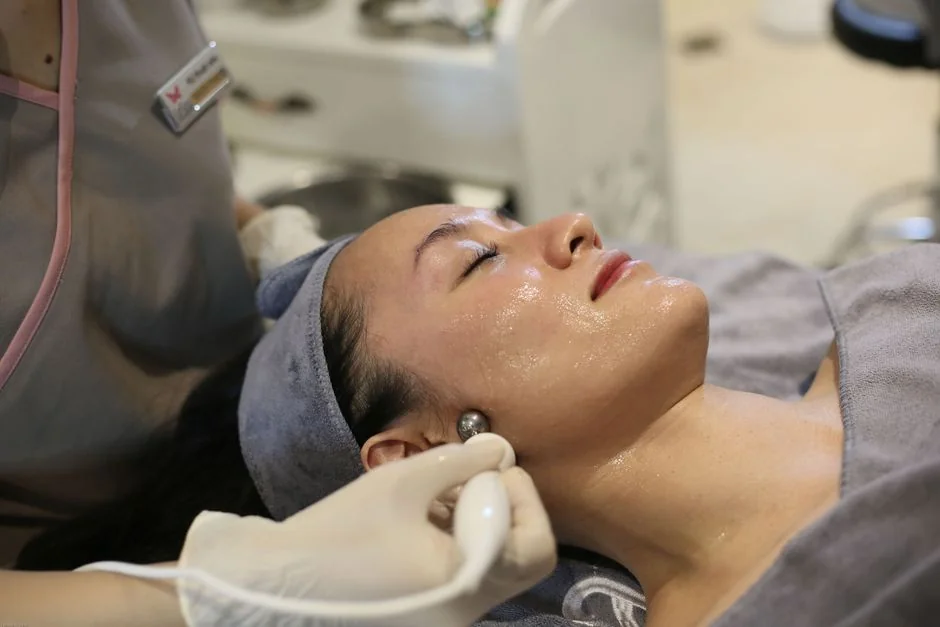
Local anaesthetic (tumescent solution) is injected into the treatment area to ensure comfort. A small entry point — typically 1–2 mm — is made, and the subdermal handpiece is inserted. The procedure for the lower face and neck typically takes 45 minutes to 90 minutes depending on the size of the treatment area. Most patients report feeling warmth and mild pressure but minimal discomfort once the anaesthetic has taken effect.
After the Procedure
Swelling and bruising are expected for approximately three to seven days. A compression garment may be recommended for the first 24–48 hours to support the tissue. Strenuous exercise and alcohol should be avoided for several days. Patients can typically return to desk work and light daily activities within a few days, though visible bruising may require concealment for up to a week.
Cost of Embrace RF in Tokyo
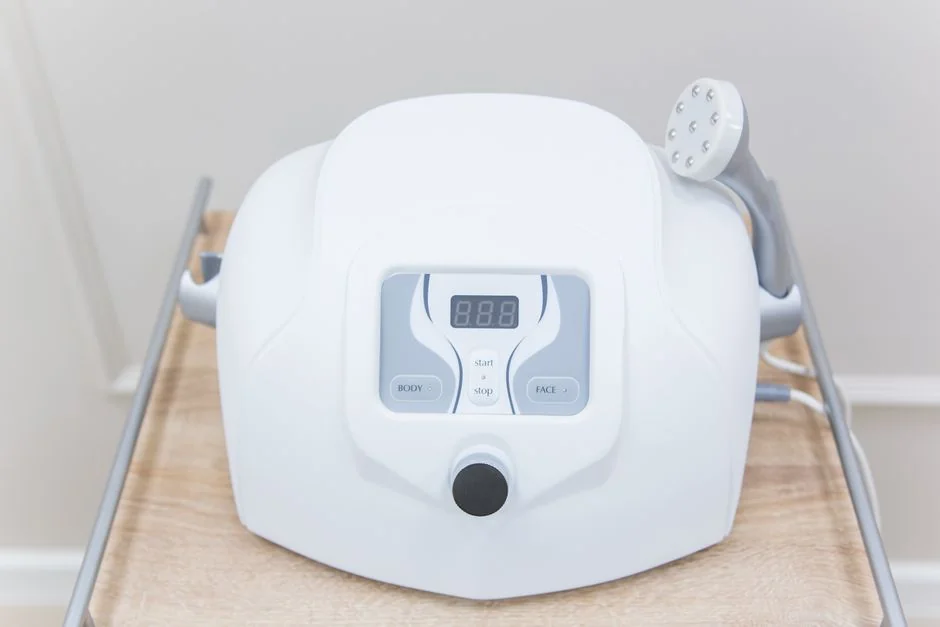
Pricing for Embrace RF in Tokyo varies depending on the treatment area (lower face only, full face, neck, submental region), the extent of laxity, and whether combination treatments are incorporated. At our BIOTOPE CLINIC or Kojimachi Dermatology & Plastic Surgery Clinic, a detailed cost breakdown is provided during the consultation once the physician has assessed the patient’s anatomy and discussed treatment goals.
For context, comparable energy-based treatments at the clinic are priced as follows: HIFU ranges from ¥25,000 to ¥110,000; Morpheus8 pricing is available upon consultation; and a thread lift (Tesslift) is priced from ¥48,000 per thread. An initial consultation costs ¥3,300, and a surgical consultation with Dr. Karibe is ¥2,200. For an accurate quote, we recommend booking a consultation.
Have a question about this treatment?
Message us on LINE or WhatsApp — our English-speaking team usually replies the same day.
Who Is a Good Candidate for Embrace RF?
Embrace RF is generally well suited to patients who:
- Are in their 40s or 50s and are noticing mild to moderate skin laxity along the jawline, jowls, or neck
- Wish to avoid the recovery time, anaesthesia, and risks associated with surgical facelift or neck lift
- Have realistic expectations and understand that results appear gradually over several weeks
- Are in good general health with no active skin infections in the treatment area
- Are non-smokers, or are prepared to abstain from smoking during the healing period (smoking significantly impairs collagen synthesis)
Who Should Consider an Alternative Approach
Embrace RF is not appropriate for all patients. Those with severe skin laxity — pronounced jowls, a heavily sagging neck, or significant excess skin — are more likely to achieve their goals through surgical options such as a thread lift combined with other modalities, or ultimately a surgical consultation regarding facelift or neck lift procedures.
Patients who are pregnant, have active autoimmune conditions, have implanted electronic devices (such as pacemakers), or have a history of poor wound healing should discuss these factors in detail with the physician before proceeding.
At our clinic in Tokyo, we frequently see patients who have been advised by other providers to proceed with open surgery when they would have preferred a more conservative approach. An honest consultation is essential to matching the right treatment — or combination of treatments — to the individual patient’s anatomy, concerns, and lifestyle.
Common Misconceptions About Embrace RF
Misconception 1: “It is the same as a surface RF treatment”
Surface-only RF devices deliver energy through the skin from the outside inward, which means the outer layers absorb a significant portion of the heat before it reaches deeper tissue. Embrace RF’s subdermal delivery bypasses this limitation, allowing the RF energy to reach the fibromuscular layer directly. This is a clinically meaningful distinction — not a marketing difference — and explains why Embrace RF is categorised as minimally invasive rather than fully non-invasive.
Misconception 2: “Results are immediate and dramatic”
Some patients expect to look visibly younger the day after treatment. In reality, the initial appearance may include mild swelling and bruising that temporarily obscures the outcome. The true result — progressive collagen remodelling — develops over two to three months. Clinical reports indicate that peak improvement is typically observed at the three-to-six month mark. Patients who judge the outcome too early may underestimate the procedure’s effect.
Frequently Asked Questions
- Q. How many sessions of Embrace RF will I need?
- For most patients in their 40s and 50s with mild to moderate laxity, a single session is often sufficient to achieve a noticeable improvement. Patients with more advanced laxity or those seeking greater correction may benefit from a follow-up session after six months, or from combining Embrace RF with a complementary treatment such as HIFU or Morpheus8. The treating physician will advise based on individual assessment.
- Q. Is Embrace RF painful?
- The procedure is performed under local anaesthesia (tumescent solution), which numbs the treatment area thoroughly before the subdermal handpiece is introduced. Most patients describe the sensation during the procedure as warmth or mild pressure rather than pain. Some discomfort may be felt during the injection of the local anaesthetic itself, which typically passes within a minute or two.
- Q. How long do the results last?
- Studies suggest that results from subdermal RF treatments can be sustained for one to two years in many patients, although the natural ageing process continues. Maintaining the outcome with good sun protection, a structured skincare routine (such as Zo Skin Health, available at the clinic), and periodic maintenance treatments is generally recommended. Individual results vary depending on skin quality, lifestyle, and age at the time of treatment.
- Q. Can Embrace RF be combined with Botox or filler on the same day?
- In many cases, Botox injections or hyaluronic acid filler can complement the results of Embrace RF by addressing dynamic wrinkles or volume loss that the RF treatment does not target. Whether these can be performed on the same day or should be staged separately is a clinical decision made during the consultation, based on the patient’s treatment goals and tissue condition.
- Q. Are consultations at the clinic available in English?
- Yes. Kojimachi Dermatology & Plastic Surgery Clinic in Ichigaya, Tokyo offers consultations in English. The initial consultation fee is ¥3,300, and a surgical consultation with Dr. Karibe is ¥2,200.
Have a question about this treatment?
Message us on LINE or WhatsApp — our English-speaking team usually replies the same day.
Book via LINE
Message on WhatsApp
Dr. Karibe’s Note
Many patients arrive having researched FaceTite, Embrace RF, HIFU, Morpheus8, or thread lifting online and are understandably trying to determine which technology is “best.”
In reality, the most important factor is not the device itself but the anatomy causing the ageing change.
Some patients primarily have volume loss.
Others have skin laxity.
Others have excess fat.
Each requires a different strategy.
The best outcomes occur when treatment selection follows anatomy rather than trends.
Dr. Jun Karibe
Board-Certified Plastic Surgeon
Kojimachi Dermatology & Plastic Surgery Clinic
Summary
Embrace RF is a minimally invasive radiofrequency-based facial rejuvenation treatment designed to improve jawline definition, neck contour, and mild-to-moderate facial laxity.
By delivering radiofrequency energy beneath the skin, it can produce stronger tissue contraction than many surface-only devices while avoiding the incisions and prolonged recovery associated with facelift surgery.
Patients typically experience:
- Progressive improvement over 3–6 months
- Enhanced jawline and neck definition
- Results lasting approximately 1–2 years
- Less downtime than surgical alternatives
For international patients seeking jawline tightening or non-surgical facelift options in Tokyo, Embrace RF represents an effective middle ground between traditional energy-based treatments and surgery.
If you are unsure whether Embrace RF, HIFU, Morpheus8, thread lifting, fillers, or surgery would be most appropriate, an English-language consultation at BIOTOPE CLINIC or Kojimachi Dermatology & Plastic Surgery Clinic in Ichigaya, Tokyo can help determine the most suitable treatment plan for your anatomy, lifestyle, and goals.
24/7 Consultation & Booking
Book a Consultation or Treatment
Our English-speaking team responds via LINE or WhatsApp — usually the same day.
References
- Duncan DI. Nonexcisional tissue tightening: creating skin surface area deficit with radiofrequency. Aesthetic Surgery Journal. 2013.
- Alexiades M, Berube D. Randomized, blinded, 3-armed clinical trial assessing optimal temperature and duration for treatment with minimally invasive fractional radiofrequency. Dermatologic Surgery. 2015.
- Theodorou SJ, Paresi RJ, Chia CT. Radiofrequency-assisted liposuction device for body contouring: 97 patients under local anesthesia. Aesthetic Plastic Surgery. 2012.
- Mulholland RS. Nonexcisional, minimally invasive rejuvenation of the neck. Clinics in Plastic Surgery. 2014.
- Sadick NS, Malerich SA, Nassar AH, Dorizas AS. Radiofrequency in aesthetic medicine: past, present, and future. Journal of Drugs in Dermatology. 2014.
Related Articles
You may also find these articles useful.
- Non-Surgical Facelift Tokyo for Foreigners: Full Guide
- Morpheus8 RF Microneedling Tokyo: Cost & Results
- Facial Sagging Treatment: HIFU vs RF Microneedling
- Skin Tightening Treatment Tokyo: Options and Cost
SUPERVISED BY
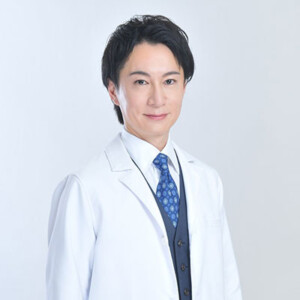
Dr. Jun Karibe
MD
Director
Education & Career
Certifications
Awards
MEDICAL REVIEW