What Is FaceTite? A Guide to RF-Assisted Lipolysis for Facial Contouring in Tokyo
Loosening skin along the jawline and excess fullness beneath the chin are among the most common concerns raised during aesthetic consultations in Tokyo — and among the most difficult to address with surface-only devices. Non-invasive treatments such as HIFU and thread lifts can help with mild, early-stage laxity, but they cannot reduce an accumulation of submental or lower-facial fat.
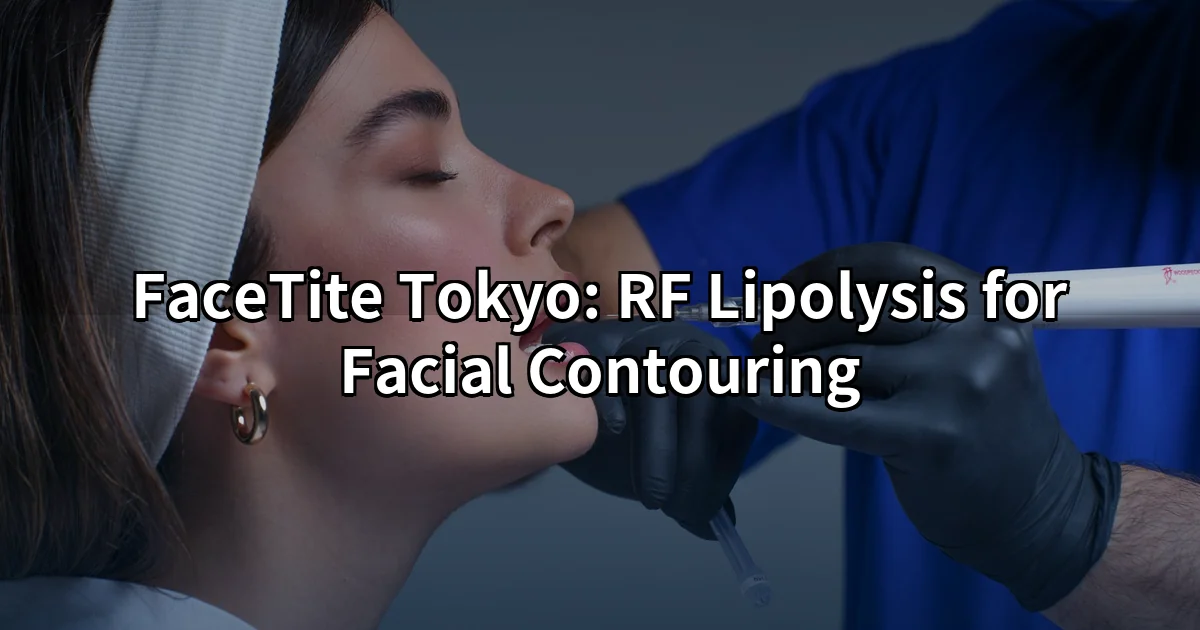
FaceTite, a minimally invasive radiofrequency-assisted lipolysis (RFAL) device manufactured by InMode, treats both tissue layers in a single session: energy delivered below the skin disrupts fat while simultaneously stimulating collagen contraction from within the dermis. This guide explains how the technology works, what the clinical evidence shows, who makes a realistic candidate, and where to access FaceTite with English-language care in Tokyo.
What you will learn in this article:
- What FaceTite is and how RFAL technology differs from surface-only tightening devices
- The clinical evidence behind skin contraction and patient satisfaction outcomes
- A step-by-step look at the procedure itself, recovery timeline, and what results to expect
- Who makes a strong candidate — and who would benefit more from a different approach
- How to access FaceTite with English-language consultation in Tokyo
Have a question about this treatment?
Message us on LINE or WhatsApp — our English-speaking team usually replies the same day.
What Is FaceTite?
FaceTite is a minimally invasive device that uses bipolar radiofrequency (RF) energy to reduce localised fat and tighten the overlying skin simultaneously. Unlike fully non-invasive devices that deliver energy through the skin surface, FaceTite places a thin metal probe beneath the skin through an entry point no wider than a needle. This allows RF energy to be concentrated precisely at the level of the subdermal fat and the underside of the dermis — the tissue plane where it is most effective — rather than being attenuated by multiple skin layers before it reaches the target.
The device belongs to the broader category of radiofrequency-assisted lipolysis (RFAL), which distinguishes it from laser lipolysis (photonic energy) and ultrasound-assisted fat removal. InMode’s RFAL platform uses continuous impedance monitoring and real-time temperature feedback to heat tissue within a defined therapeutic range, giving the treating physician precise control throughout the session.
FaceTite is marketed and available in Japan, where it is offered at select plastic surgery and cosmetic medicine clinics equipped with InMode’s technology platform, including BIOTOPE CLINIC in Shirokanedai, Tokyo.
How FaceTite Works

The Bipolar RF System
The FaceTite handpiece works through two elements operating simultaneously: an internal metal cannula introduced beneath the skin through a small entry point, and an external electrode that rests on the skin surface directly above it. Radiofrequency current travels between these two points in a bipolar circuit, heating the tissue sandwiched between them — primarily the subdermal fat and the fibrous connective tissue (septa) that tether fat to the dermis above.
This controlled thermal effect produces two distinct consequences. First, heat disrupts the membranes of fat cells (adipocytes), causing them to release their contents; this material is then aspirated through the cannula or cleared by the body’s natural metabolic processes in the weeks after treatment. Second, the controlled rise in temperature causes immediate contraction of collagen fibres already present in the dermis and triggers a sustained process of neocollagenesis — the production of new collagen — that continues for months following the procedure. It is this dual action — fat reduction combined with dermal collagen remodelling — that distinguishes RFAL from conventional liposuction, which removes fat but does not address the skin laxity that can follow.
Thermal Safety Controls
A defining safety feature of the FaceTite system is real-time temperature monitoring at both the internal probe and the external electrode. The physician reads a continuous numeric display reflecting tissue temperature throughout the procedure. When the external electrode approaches a pre-set safety threshold designed to protect the skin surface, the system alerts the operator, allowing immediate adjustment of energy delivery. This feedback mechanism substantially reduces the risk of unintended thermal injury compared with devices that deliver RF energy without continuous monitoring.
The entry points required to introduce the cannula are typically 1–2 mm in diameter — smaller than those used in conventional liposuction — and do not require sutures. They generally heal to near-invisible marks within several weeks, usually positioned in concealed locations such as behind the earlobe or within natural skin folds.
What to Expect: Before, During, and After FaceTite
Before the Procedure
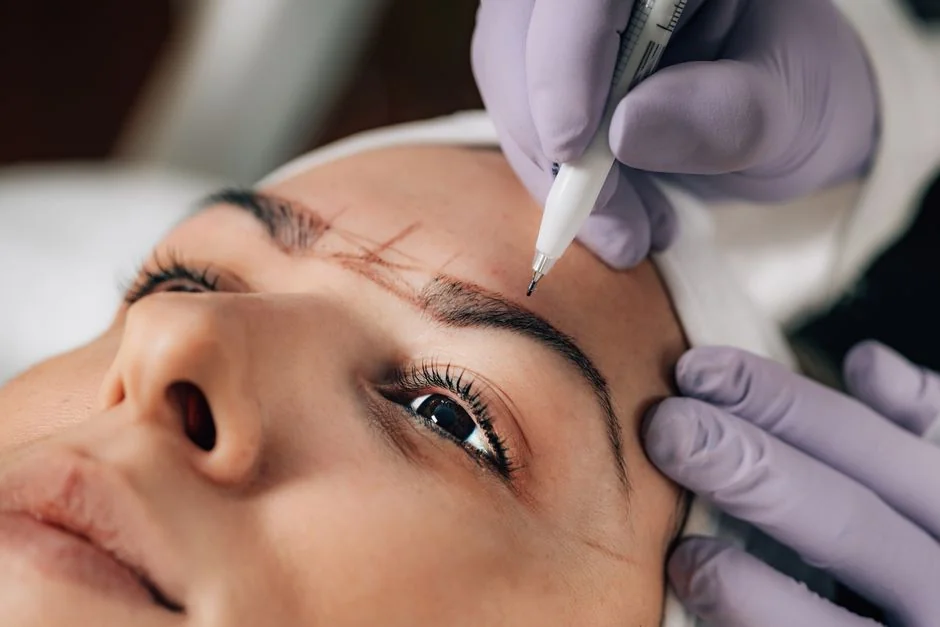
A thorough consultation is the essential first step. The physician assesses the distribution of fat, the degree and quality of skin laxity, and the overall tissue characteristics to determine whether FaceTite is the appropriate tool or whether another approach — surgical or otherwise — would achieve better results. Medical history, current medications (particularly anticoagulants and supplements that affect bleeding), and lifestyle factors such as smoking status are reviewed in detail.
Most patients undergo pre-operative blood tests to establish baseline health markers before any surgical procedure. Smokers are typically advised to stop well in advance of the session, as nicotine compromises circulation and impairs the collagen remodelling response on which a significant portion of FaceTite’s benefit depends. Patients taking blood-thinning medication may require a supervised pause in agreement with the prescribing physician.
During the Procedure
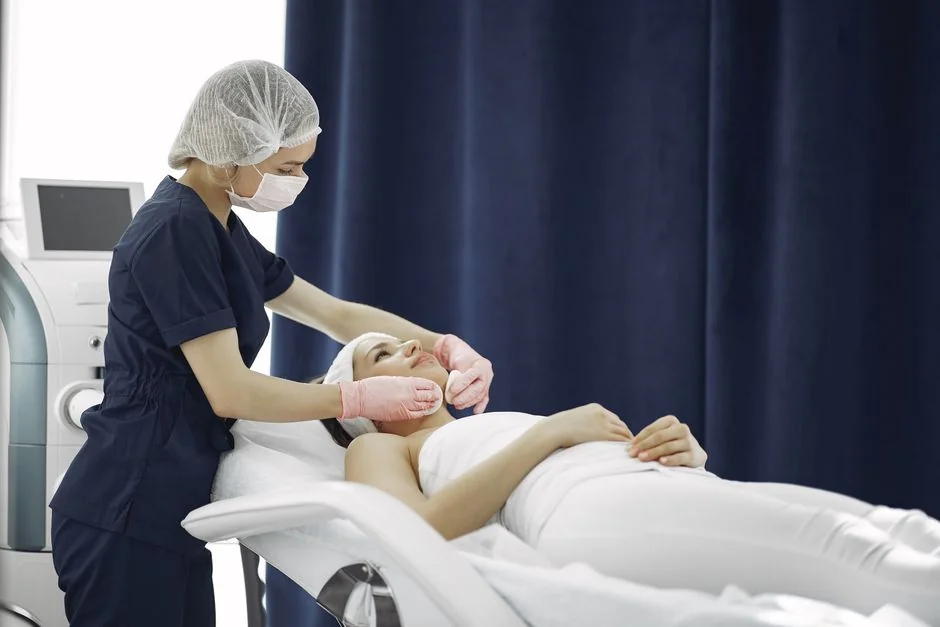
FaceTite is performed under local anaesthesia for most patients, with oral or intravenous sedation available for those who prefer a greater level of comfort. General anaesthesia is not required in the majority of cases, which means the procedure can be performed in a clinic surgical suite rather than a hospital operating theatre — reducing anaesthetic risk and simplifying logistics for the patient. A standard face-and-neck session typically takes between one and two hours depending on the number and size of areas treated.
Patients consulting at BIOTOPE CLINIC in Shirokanedai who are being treated for early jowling or submental fullness are often assessed for a same-session combination with Morpheus8, the clinic’s RF microneedling platform, which addresses surface skin texture and fine lines at a shallower tissue depth than FaceTite. The two devices complement each other well, treating different layers of the same area in a single appointment.
After the Procedure: Recovery Timeline
Recovery following FaceTite is meaningful but significantly shorter than that associated with a surgical facelift. The typical progression is as follows:
- Days 1–3: Moderate swelling, bruising, and a sensation of firmness or tightness in the treated area. Discomfort is usually manageable with standard analgesics.
- Days 4–7: Swelling begins to subside visibly. The majority of patients feel comfortable returning to desk-based work by day five to seven.
- Weeks 1–2: A compression garment — typically a chin wrap or facial support band — is worn continuously or during sleep to support the healing tissue and encourage even contraction. Some bruising may still be visible beneath the chin or along the jawline.
- Weeks 2–4: Restrictions on strenuous exercise are gradually lifted. The early outline of results becomes visible as oedema resolves.
- Months 3–6: The full benefit of collagen remodelling becomes apparent. Skin continues to tighten and refine during this phase as newly synthesised collagen matures and reorganises in the treated area.
Expected Results and Clinical Evidence
What Published Data Shows
A 2024 study published in Aesthetic Plastic Surgery by Tettamanzi and colleagues examined 80 patients (74 women and 6 men; median age 49 years) who underwent radiofrequency-assisted liposuction of the face and neck. At the six-month follow-up, the average reduction in submental length measured 23 mm, with 75% of that reduction achieved within the first month. Patient satisfaction rose from 22% at baseline to 94% at six months. In terms of adverse events, 5% of patients experienced transient hyperaesthesia (temporary altered skin sensation) that resolved within six months; 7.5% required a minor revision procedure for residual skin laxity at 12 months. No haematomas, seromas, or infections were reported.
A 2022 systematic review by Swanson, published in the Annals of Plastic Surgery, analysed 30 peer-reviewed studies of subsurface radiofrequency treatments in plastic surgery and found that InMode devices — including FaceTite — were used in 23 of the 30 studies (77%). The review noted that while RF-assisted lipolysis produces measurable skin contraction and is associated with patient satisfaction, physicians and patients should maintain realistic expectations: the degree of tightening achievable with RFAL is not equivalent to what can be accomplished through skin excision in surgery, and patients with significant skin redundancy are more appropriately managed with surgical approaches. These two bodies of evidence together reinforce that FaceTite performs well for the correctly selected patient — and that candidate selection is the most consequential variable in the outcome.
FaceTite Compared with Other Facial Contouring Options
The table below provides a broad comparison of FaceTite against the treatments most commonly considered for facial and jawline contouring. This is a general reference guide; individual suitability depends on clinical assessment.
| Treatment | Mechanism | Removes fat? | Skin tightening | Typical downtime | Longevity | Anaesthesia | Scarring |
|---|---|---|---|---|---|---|---|
| FaceTite (RFAL) | Bipolar RF below skin surface | Yes — aspirated | Moderate to significant | 5–10 days | 1–3 years | Local ± sedation | 1–2 mm entry points, typically hidden |
| Surgical facelift (rhytidectomy) | SMAS repositioning and skin excision | Partial (incidental) | Significant to maximal | 2–4 weeks | 7–10 years | General or deep sedation | Visible incision lines along hairline and ear |
| Thread lift (e.g. Tesslift) | Mechanical tissue suspension with absorbable threads | No | Mild to moderate | 1–5 days | 1–2 years | Local | Needle entry points only |
| HIFU (High-Intensity Focused Ultrasound) | Focused ultrasound — non-invasive | No | Mild | None to 1 day | 1–2 years per cycle | None | None |
| Morpheus8 (RF microneedling) | Fractional RF energy via micro-needles | No | Mild to moderate | 3–5 days | 1–2 years per cycle | Topical numbing cream | None (microchannels only) |
FaceTite Cost in Tokyo
Pricing for FaceTite in Tokyo varies based on the number of areas treated, whether the procedure is combined with complementary treatments such as Morpheus8, the complexity of the individual case, and the specific clinic’s fee structure. As a minimally invasive surgical procedure performed under anaesthesia by a board-certified plastic surgeon, FaceTite represents a greater investment than non-invasive surface treatments — but is generally a fraction of the total cost of a surgical facelift when anaesthetic fees, hospital charges, and the longer recovery period (including time off work) are factored in.
The procedure is self-pay (cosmetic) and not covered by Japanese national health insurance. For an accurate, personalised quote based on your anatomy and treatment goals, please see the clinic’s official fee schedule or book a consultation at BIOTOPE CLINIC. Contact is available in English via LINE or WhatsApp.
Have a question about this treatment?
Message us on LINE or WhatsApp — our English-speaking team usually replies the same day.
Who Is a Good Candidate for FaceTite?
Patients Who Tend to Benefit Most
FaceTite is best suited to adults — typically between the ages of 30 and 60 — who have localised fat accumulation in the submental region, along the jowls, or in the lower face and neck that has not responded to lifestyle measures, combined with early-to-moderate skin laxity.
A critical anatomical prerequisite is sufficient residual skin elasticity: the skin must retain enough structural integrity to contract meaningfully after the underlying fat is reduced. Patients near their stable, long-term goal weight tend to achieve the most consistent results, as significant future weight fluctuation can affect the durability of outcomes.
Individuals who underwent a surgical facelift some years earlier and are experiencing gradual re-laxity without significant new skin redundancy can also be good candidates for FaceTite as a maintenance or secondary rejuvenation option — RFAL can address early recurrence without the recovery burden of a repeat surgical procedure.
Patients for Whom FaceTite May Not Be the Most Suitable Option
Individuals with significant skin excess — where skin visibly hangs or folds independent of fat volume — require an excisional surgical approach; RF-assisted lipolysis cannot remove or reposition tissue, only tighten it. The gap between what RFAL can achieve and what surgery provides widens with increasing degrees of skin redundancy.
Active smokers face elevated risks of compromised wound healing and a diminished collagen remodelling response, both of which directly affect outcomes. Cessation for several weeks before and after the procedure is strongly recommended. Patients with active skin infections near the treatment area, poorly controlled systemic conditions (such as uncontrolled diabetes) that affect healing, or implanted electronic devices such as pacemakers or cochlear implants in proximity to the treatment field are typically not candidates and should discuss their circumstances with the physician at consultation.
Those seeking a result equivalent in magnitude to a full surgical facelift — meaning visible repositioning of the SMAS (the fibromuscular layer beneath the fat), platysmal band correction, or significant skin resection — are better served by a surgical consultation. The comparison table above provides a practical reference for matching the degree of correction needed to the appropriate tool.
Common Misconceptions About FaceTite
Misconception: FaceTite produces the same result as a surgical facelift.
FaceTite and a surgical facelift operate in fundamentally different tissue planes. A facelift repositions the SMAS — the fibromuscular structural layer beneath the fat — and excises redundant skin to achieve anatomical repositioning. FaceTite works in the subcutaneous fat layer and dermis, stimulating collagen but leaving deeper structures untouched. Swanson’s 2022 systematic review, which examined 30 published RF studies, explicitly noted that the degree of skin tightening achievable with subsurface RF treatments is not equivalent to that produced by excisional surgical techniques. FaceTite occupies an intermediate position between non-invasive surface devices and surgery: it is the appropriate choice for early-to-moderate laxity with a meaningful fat component, not a replacement for patients whose anatomy indicates surgical correction.
Misconception: Results appear immediately and last indefinitely.
The post-procedural swelling of the first one to two weeks can create a temporarily firm appearance, but the definitive result takes three to six months to develop as collagen remodelling reaches completion. Patients who assess their outcome at two or three weeks — still within the acute healing phase — may feel the result is underwhelming before it has fully matured. The 2024 Tettamanzi study, which tracked 80 patients to six months, found that satisfaction was substantially higher at the six-month point than in the immediate postoperative period, underscoring the importance of allowing the full timeline to elapse before drawing conclusions. As for longevity, clinical data describe RFAL results as typically lasting approximately one to three years before the natural ageing process becomes visible again. Non-invasive maintenance treatments — such as Morpheus8 RF microneedling or periodic HIFU sessions — can extend the period of improvement.
Where to Get FaceTite in Tokyo
Within our clinic group, both BIOTOPE CLINIC (Shirokanedai, Minato-ku) and Kojimachi Dermatology & Plastic Surgery Clinic (Ichigaya, Chiyoda-ku) offer English-language consultation with Dr. Jun Karibe’s team.
FaceTite and related minimally invasive cosmetic and plastic surgery procedures are handled at BIOTOPE CLINIC in Shirokanedai, where Dr. Karibe — a board-certified plastic surgeon certified by the Japan Society of Plastic and Reconstructive Surgery — personally consults. Bookings and enquiries in English are accepted via LINE or WhatsApp.
BIOTOPE CLINIC is located one minute on foot from Shirokanedai Station (Namboku and Mita lines, Exit 1) in Minato-ku, Tokyo. The clinic also offers Morpheus8 RF microneedling, HIFU skin lifting, thread lifts, and injectable treatments including Botox and hyaluronic acid filler — a full suite of cosmetic medicine options that can be discussed in the same consultation as FaceTite.
Kojimachi Dermatology & Plastic Surgery Clinic, located in Ichigaya, Chiyoda-ku, is the group’s main office, focused on insurance-covered dermatology and general plastic surgery — including blepharoplasty, mole and cyst removal, scar revision, and ingrown nail correction. Patients with skin concerns that may qualify for national health insurance coverage are welcomed at Kojimachi, where English-language consultation is also available.
Frequently Asked Questions
- Q. How many FaceTite sessions are typically needed?
- For most patients, a single session is sufficient to achieve the intended fat reduction and initial skin contraction in the treatment area. Because RFAL disrupts fat cells structurally, that component does not recur with the treated cells. The skin-tightening benefit continues to develop over three to six months and can be supplemented in subsequent years with non-invasive maintenance treatments as natural ageing continues.
- Q. Can FaceTite be combined with other treatments at the same appointment?
- Yes. FaceTite is commonly combined with Morpheus8 (RF microneedling) in the same session to address surface skin texture and fine lines while RFAL treats the deeper fat and subdermal layer. Thread lifts for additional structural lift and hyaluronic acid filler for volume restoration can also be discussed as complementary options during the consultation. The treating physician will advise on which combinations are appropriate for your anatomy.
- Q. Is FaceTite available in English in Tokyo?
- English-language consultation for FaceTite is available at BIOTOPE CLINIC in Shirokanedai, Minato-ku. The clinic is directed by Dr. Jun Karibe, a board-certified plastic surgeon, and enquiries can be made in English via LINE or WhatsApp prior to booking.
- Q. Does FaceTite leave visible scars?
- The entry points for the FaceTite cannula are typically 1–2 mm in diameter and do not require stitches. They are placed in naturally concealed positions — behind the earlobe, beneath the chin, or within natural skin creases — and generally heal to marks that are very difficult to detect once fully resolved, usually within several weeks to months.
- Q. Is the procedure painful?
- FaceTite is performed under local anaesthesia, so the treatment area is numbed before the cannula is introduced. During the procedure patients typically experience warmth, pressure, and mild discomfort rather than sharp pain. Postoperatively, soreness and tightness in the treated area are common for several days and are effectively managed with standard over-the-counter analgesics.
- Q. How does FaceTite differ from conventional liposuction?
- Conventional liposuction removes fat mechanically but does not tighten the overlying skin — in cases where skin elasticity is limited, liposuction alone can worsen the appearance of laxity. FaceTite delivers radiofrequency energy alongside fat aspiration to simultaneously contract and remodel the dermis. This makes it particularly well suited to the face and neck, where skin quality is a primary concern and the risks of inducing laxity from fat removal alone are higher than in the body.
Have a question about this treatment?
Message us on LINE or WhatsApp — our English-speaking team usually replies the same day.
Summary
FaceTite offers a clinically supported path to jawline definition and submental fat reduction for patients who want meaningful, visible results without the recovery burden and visible scarring of surgical intervention. Published evidence — including a 2024 study of 80 patients in Aesthetic Plastic Surgery reporting 94% satisfaction at six months and an average 23 mm reduction in submental length — supports its effectiveness when used in appropriately selected candidates. A 2022 systematic review of 30 RF studies provides an equally important reminder: FaceTite excels in an intermediate range of laxity and fat, not as a substitute for patients whose anatomy calls for surgical correction. Candidate selection, calibrated expectations, and patience through the full three-to-six-month collagen remodelling timeline are the factors that most consistently determine a satisfying outcome.
If you have questions about FaceTite, both BIOTOPE CLINIC (Shirokanedai, Minato-ku) and Kojimachi Dermatology & Plastic Surgery Clinic (Ichigaya, Chiyoda-ku) offer English-language consultation with Dr. Karibe and his team. FaceTite is primarily handled at BIOTOPE CLINIC in Shirokanedai. English enquiries: LINE or WhatsApp.
24/7 Consultation & Booking
Book a Consultation or Treatment
Our English-speaking team responds via LINE or WhatsApp — usually the same day.
References
- Tettamanzi M, Muratore G, Arrica G, Cuomo R, Beatrici E, Ginatempo I, Trignano C, Rubino C, Trignano E. Advancements in Face and Neck Contouring: Integrating Radiofrequency-Assisted Liposuction with FaceTite and Buccal Fat Pad Excision for Facial Slimming. Aesthetic Plastic Surgery. 2024 Jul.
- Swanson E. A Systematic Review of Subsurface Radiofrequency Treatments in Plastic Surgery. Annals of Plastic Surgery. 2022;89(3).
Related Articles
You may also find these articles useful.
- FaceTite vs Surgical Facelift Tokyo: Minimally Invasive
- FaceTite for Jawline and Neck Tokyo: Results, Downtime, Cost
- Embrace RF Tokyo: FaceTite Plus Morpheus8 Explained
- Embrace RF vs HIFU vs Deep Plane Facelift: Tokyo Guide
- Non-Surgical Facelift Tokyo: Embrace RF for Your 40s & 50s
SUPERVISED BY
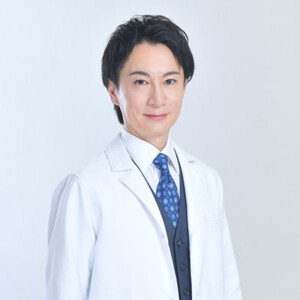
Dr. Jun Karibe
MD
Director
Education & Career
Certifications
Awards
MEDICAL REVIEW