Artmake vs Microblading vs Tattoo: What Is the Difference? (Tokyo Guide)
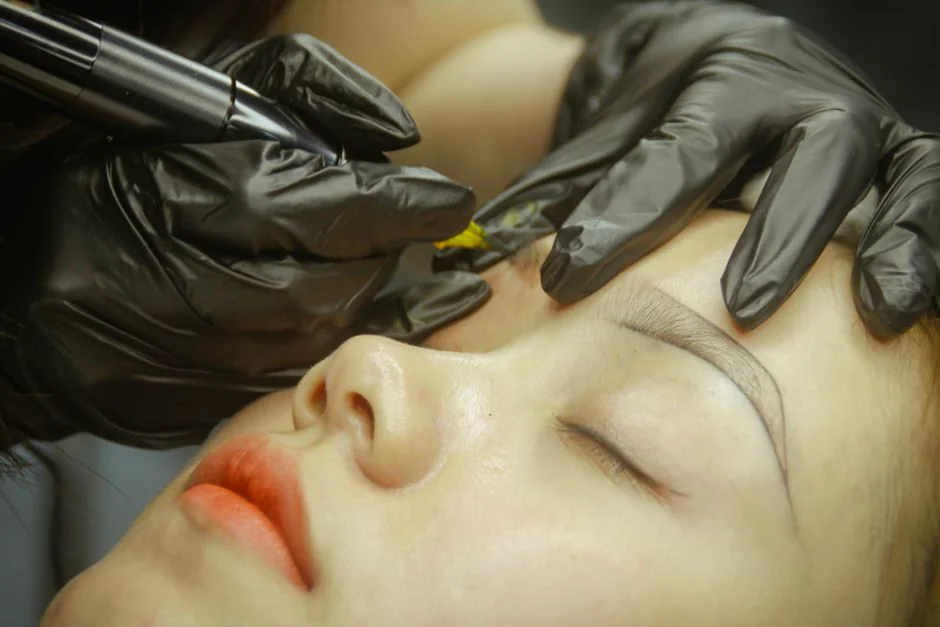
If you are researching brow or lip enhancement in Tokyo, the terms artmake, microblading and tattoo can seem to describe the same thing. They overlap more than many clinic websites admit. That makes it hard to know what you are actually agreeing to.
This guide explains how the three terms relate, where the real differences lie, and what to ask before booking. It is written for English-speaking residents and visitors in Tokyo.
What you’ll learn in this article:
- How artmake, microblading and tattooing are defined, and where the labels overlap
- A side-by-side comparison of the three approaches
- Two common misconceptions, checked against published sources
- What to expect from sessions, healing and risks
- Where artmake is offered within our clinic group
Have a question about this treatment?
Message us on LINE or WhatsApp — our English-speaking team usually replies the same day.
What Is Artmake?
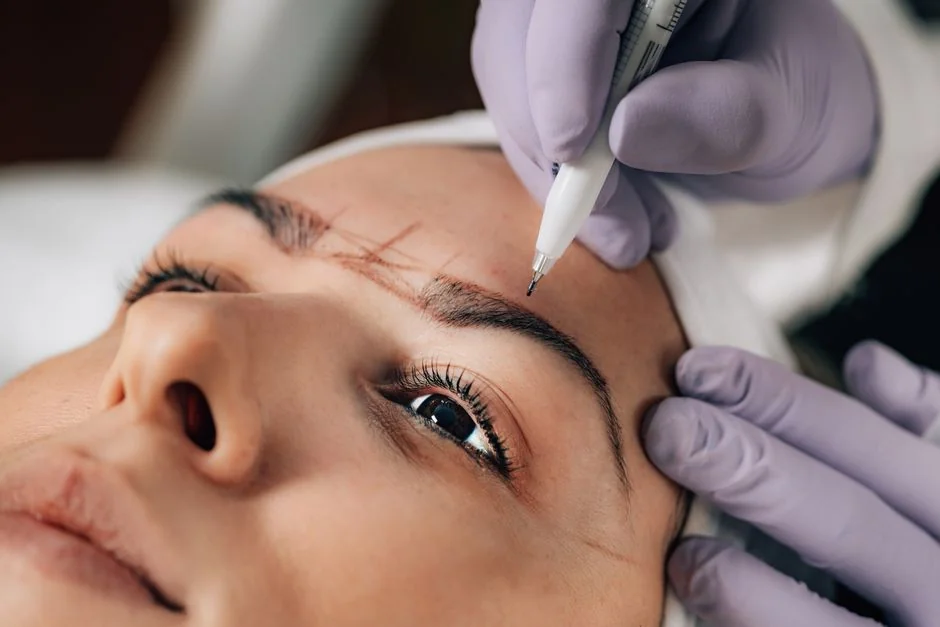
“Artmake” is the Japanese term for cosmetic pigmentation of the skin, most often eyebrows, lips, eyeliner or hairline. Fine needles place pigment into the skin so that the shape and colour stay in place without daily makeup. It does not wash off with water or sweat.
Our clinic group’s own guide to eyebrow artmake in Tokyo describes artmake as designed to fade gradually rather than remain indefinitely. It says the typical result lasts roughly one to three years, depending on skin type, sun exposure and skincare habits.
Microblading
Microblading is a manual technique. A hand tool holding a small group of fine needles draws hair-like strokes, mainly for eyebrows. The Society of Permanent Cosmetic Professionals (SPCP), a US professional body, notes that a true scalpel or cutting blade should not be used, and that the hand tool should be pre-sterilised and disposable.
Tattoo
The US Food and Drug Administration (FDA) treats permanent makeup and tattoos together in one fact sheet, last updated 15 October 2024. In regulatory and medical language, cosmetic pigmentation is closely related to tattooing. This is why the differences between the three terms are often smaller than the marketing suggests.
Comparison Table
| Feature | Artmake | Microblading | Conventional tattoo |
|---|---|---|---|
| Typical use | Brows, lips, eyeliner, hairline | Mainly brows | Any body area, any design |
| Tool | Specialised needle equipment (machine or hand method, depending on the clinic) | Manual hand tool with a group of fine needles | Usually a tattoo machine |
| Intended longevity | Designed to fade gradually; our group’s guide cites about 1 to 3 years | Fades over time; the SPCP says the timeframe cannot be predicted reliably | Intended to remain long term |
| Removal | Fades naturally; laser may be discussed if you want it removed sooner | Same considerations as artmake | FDA: removal is painstaking, usually needs several treatments and may not be possible without scarring |
| Typical sessions | Two sessions 4 to 8 weeks apart (our group’s guide) | Varies by provider | Varies by design |
Note: the table summarises general positions from the sources cited below. Individual providers and clinics may differ.
How Artmake Works
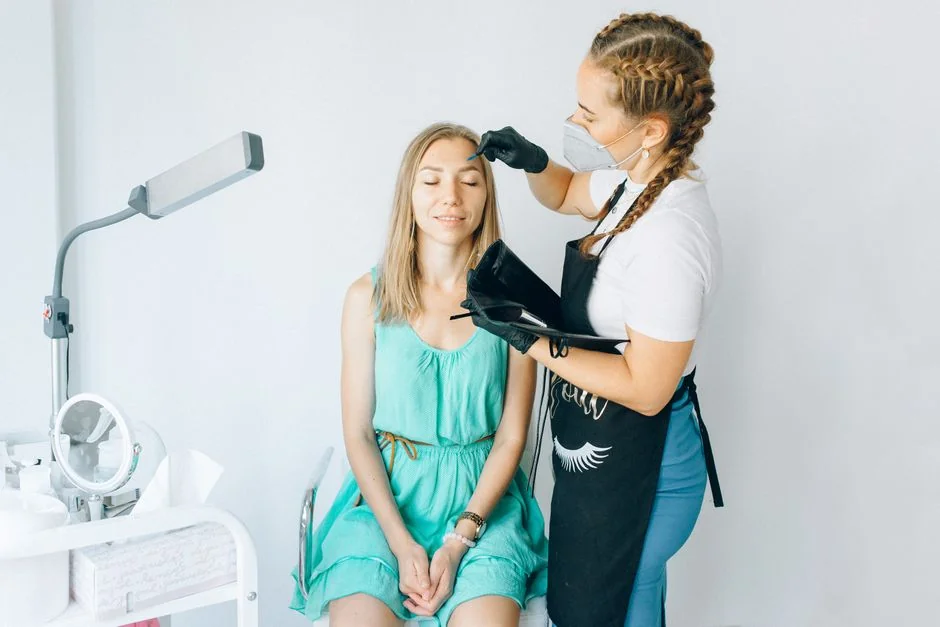
Your practitioner first discusses the shape, colour and density you want and draws the design on your skin. Numbing is applied before pigment is placed with fine needles. Our group’s guide says a single session generally takes 60 to 120 minutes including design and anaesthetic preparation.
Because the skin naturally expels some pigment during the first healing phase, two sessions spaced four to eight weeks apart are described as standard practice. The guide also notes that annual or biennial maintenance sessions are commonly recommended.
The Depth Question
Sources do not fully agree on how deep artmake and microblading pigment sits. Our group’s guide describes pigment in the upper layers of the dermis, the layer just below the surface. The SPCP fact sheet argues that by industry definition colour is placed in the dermis, and that pigment which stays only in the outer epidermis would disappear during normal skin renewal.
The practical point is that “superficial” does not mean “risk-free”. Ask any provider exactly how their method works, and be cautious of promises about how long the result will last.
Common Misconceptions
Misconception 1: “Microblading is not a tattoo”
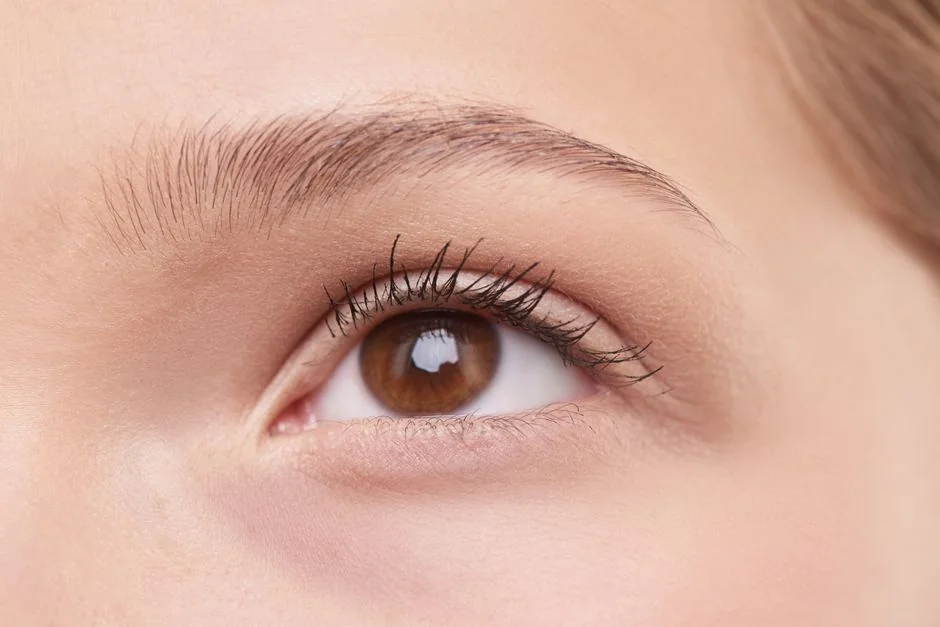
The SPCP fact sheet (February 2016) states that permanent cosmetics, microblading, eyebrow embroidery and similar terms are different names for cosmetic tattooing. It says that any time colour is placed into the skin with any device, it is a tattoo process. This matters if you have religious or personal reasons to avoid tattoos.
Misconception 2: “Semi-permanent means it will disappear on a schedule”
Fading varies. The SPCP states that it is impossible to predict with any consistency how much pigment will fade or how long it will take. Our group’s guide likewise frames the one-to-three-year figure as dependent on skin type, sun exposure and skincare. Treat any timeline as a rough expectation, not a promise.
Cost in Tokyo
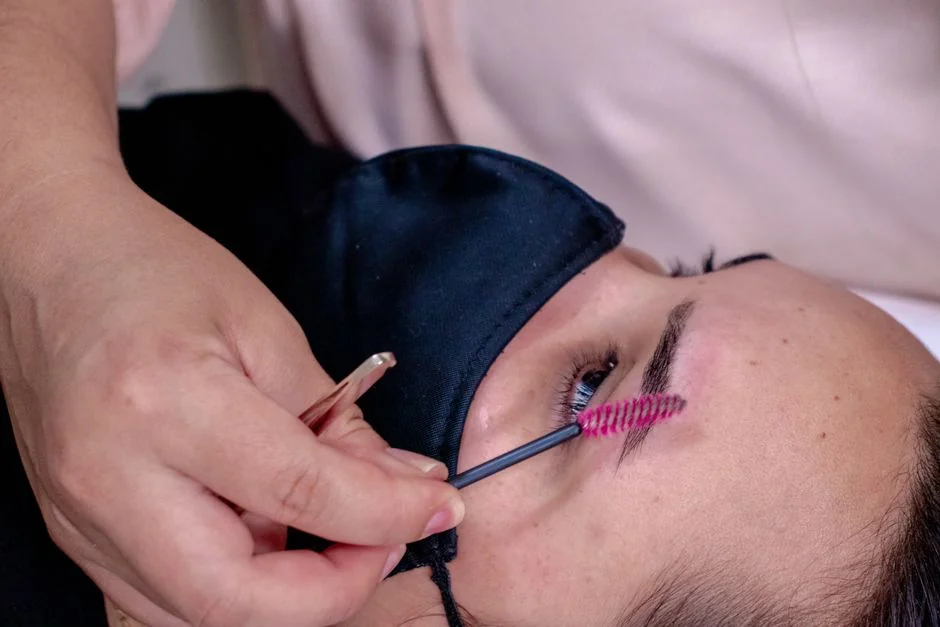
Prices depend on the treatment area, the technique, the number of sessions and the clinic. Artmake is a self-pay cosmetic treatment, and quotes may be given per session or as a course. Compare what each quote includes, such as design, anaesthetic, follow-up and touch-ups.
We have not confirmed a current BIOTOPE CLINIC price for artmake, so no yen figures are given here. Please see the BIOTOPE CLINIC official price page or contact us via LINE / WhatsApp for a current quote. Final pricing is confirmed at consultation.
To confirm the latest price yourself, book a consultation with BIOTOPE CLINIC.
Have a question about this treatment?
Message us on LINE or WhatsApp — our English-speaking team usually replies the same day.
Healing, Risks and Aftercare
Typical Healing Timeline
Our group’s guide describes the following pattern for eyebrow artmake:
- Days 1 to 3: the colour looks darkest.
- Days 4 to 7: flaking begins.
- Days 7 to 14: the colour looks lighter (sometimes called the “ghost phase”).
- Weeks 4 to 6: the true healed colour becomes visible.
Individual healing varies, so follow the aftercare instructions you are given at your own clinic.
Risks
The FDA fact sheet lists the risks of tattoos and permanent makeup:
- Infection: unsterile equipment and needles can transmit infectious diseases, and contaminated ink has also caused infections.
- Allergic reactions: the FDA has received reports of adverse reactions to certain ink shades in permanent makeup.
- Granulomas: nodules that can form around material the body treats as foreign, such as pigment particles.
- Scarring: keloids are a risk for people prone to them.
- MRI reactions: some people with tattoos or permanent makeup have reported swelling or burning in the area during MRI.
The FDA also notes that no tattoo ink is approved for injection into the skin. This US regulatory statement is not a statement about Japan. Ask your clinic which pigments it uses and how they are sourced.
Who Is a Good Candidate?
People who commonly consider artmake include those with sparse or uneven brows, faint lip colour, or a wish to reduce daily makeup. Before booking, tell the practitioner about:
- A history of keloids or unusual scarring
- Known allergies, including reactions to previous pigments or numbing agents
- Skin conditions or infections in the treatment area
- Any planned MRI scans
A consultation is the right place to decide whether treatment suits you. If you are unsure about long-term commitment, ask about how the result fades and what your options are if you want it changed.
Where to Get Artmake in Tokyo
Artmake is performed at BIOTOPE CLINIC in Shirokanedai (Minato-ku), directed by Dr. Jun Karibe. Our English-speaking team covers both clinics and handles all English enquiries.
Whichever provider you choose, ask about the technique, the pigments, hygiene practice, the number of sessions and what follow-up is included.
Frequently Asked Questions
- Q. Is artmake the same as a tattoo?
- They are closely related. The FDA covers tattoos and permanent makeup in one fact sheet, and the SPCP describes cosmetic pigmentation as tattooing. Artmake is generally intended to fade gradually, whereas a conventional tattoo is intended to remain.
- Q. How many sessions does artmake usually take?
- Our group’s guide describes two sessions spaced four to eight weeks apart as standard practice for eyebrows. Periodic maintenance is commonly recommended afterwards.
- Q. How long does artmake last?
- Our group’s guide cites roughly one to three years, depending on skin type, sun exposure and skincare habits. Actual results vary from person to person.
- Q. Can I get artmake removed?
- The FDA notes that removing a tattoo is painstaking, usually needs several treatments, and may not be possible without scarring. Discuss removal and revision options at consultation before you begin.
Have a question about this treatment?
Message us on LINE or WhatsApp — our English-speaking team usually replies the same day.
Summary
Artmake, microblading and tattooing share a core method: pigment placed into the skin with needles. The differences lie mainly in tools, design style, how much pigment is used and how quickly the result is intended to fade. Published sources disagree on exact depth, so ask providers to explain their method plainly.
Consider the risks listed by the FDA, tell your practitioner about your medical history, and treat any longevity claim as an estimate. If you would like to discuss artmake, BIOTOPE CLINIC in Shirokanedai can arrange an English-language consultation.
24/7 Consultation & Booking
Book a Consultation or Treatment
Our English-speaking team responds via LINE or WhatsApp — usually the same day.
References
- U.S. Food and Drug Administration. Tattoos & Permanent Makeup: Fact Sheet. FDA. Last updated 15 October 2024.
- Society of Permanent Cosmetic Professionals. Fact Sheet: Microblading. Is it tattooing? SPCP. February 2016.
- Kojimachi Dermatology & Plastic Surgery Clinic. Eyebrow Artmake Tokyo: Cost, Procedure & Clinic Guide. Clinic group website. 8 July 2026.
Related Articles
You may also find these articles useful.
- Eyebrow Artmake Tokyo: Cost, Procedure & Clinic Guide
- Artmake for Foreigners in Tokyo: English Clinic Guide
- Artmake Aftercare Guide: Healing Timeline & What to Avoid
- Artmake Pain, Safety & Side Effects Guide
- Artmake Removal Tokyo: Laser and Revision Options Guide
SUPERVISED BY
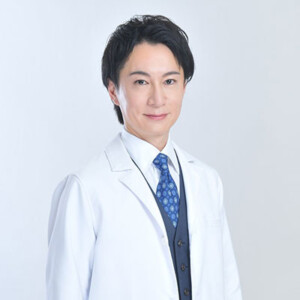
Dr. Jun Karibe
MD
Director
Education & Career
Certifications
Awards
MEDICAL REVIEW