Intracavernosal Injection (ICI) Therapy in Tokyo: A Complete Guide for English-Speaking Patients
Erectile dysfunction (ED) affects millions of men worldwide, and for those who have not responded adequately to oral medications, the search for effective alternatives can feel both frustrating and isolating — particularly when navigating a foreign healthcare system.
Intracavernosal injection (ICI) therapy is a well-established, physician-supervised treatment that delivers medication directly to the penile tissue, producing reliable erections in many men for whom tablets alone have proven insufficient. This guide explains what ICI therapy involves, how it works, what results are realistic, and how English-speaking patients in Tokyo can access it safely.
- What ICI therapy is and how it differs from oral ED medications
- Which medications are used (Trimix, Bimix) and how they work physiologically
- Realistic results and what clinical evidence suggests about effectiveness
- Expected costs for ICI therapy in Tokyo
- Who is a suitable candidate and who should exercise caution
Have a question about this treatment?
Message us on LINE or WhatsApp — our English-speaking team usually replies the same day.
What Is Intracavernosal Injection (ICI) Therapy?
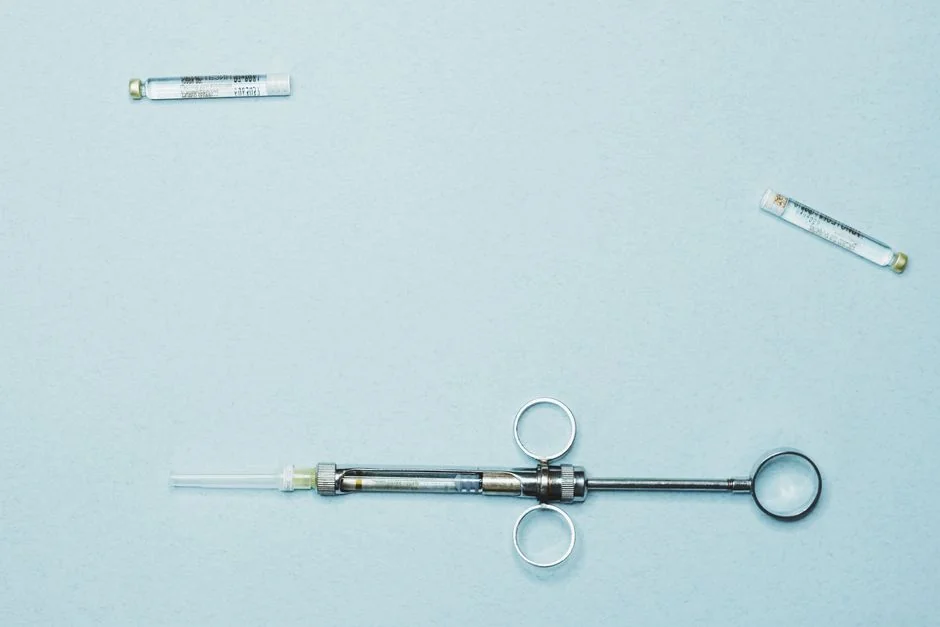
Intracavernosal injection therapy is a treatment for erectile dysfunction in which a small amount of vasoactive medication is injected directly into the corpus cavernosum — the sponge-like erectile tissue running along the shaft of the penis.
Unlike oral medications such as sildenafil (Viagra) or tadalafil (Cialis), which work indirectly via the nervous system and require sexual stimulation, ICI therapy triggers an erection through a direct pharmacological mechanism, independent of libido or arousal state.
The technique was first introduced into clinical practice in the 1980s and has since accumulated decades of real-world data. It is recommended in urology guidelines internationally as a second-line ED treatment — meaning it is typically considered when oral phosphodiesterase type 5 (PDE5) inhibitors have not produced satisfactory results, or when they are contraindicated.
Trimix and Bimix: What Are They?
Bimix is a two-drug compounded formulation typically combining papaverine (a smooth-muscle relaxant) and phentolamine (an alpha-adrenergic blocker). Trimix adds a third agent, alprostadil (a synthetic prostaglandin E1), which enhances vasodilation further. Trimix is generally considered more potent and is the more commonly prescribed formulation for patients with moderate-to-severe ED.
Both formulations are compounded to individual doses under physician supervision. The correct dose for each patient is determined through a careful titration process at the clinic — starting low and adjusting upward — to find the minimum effective dose that produces a natural-duration erection without over-response.
How ICI Therapy Works
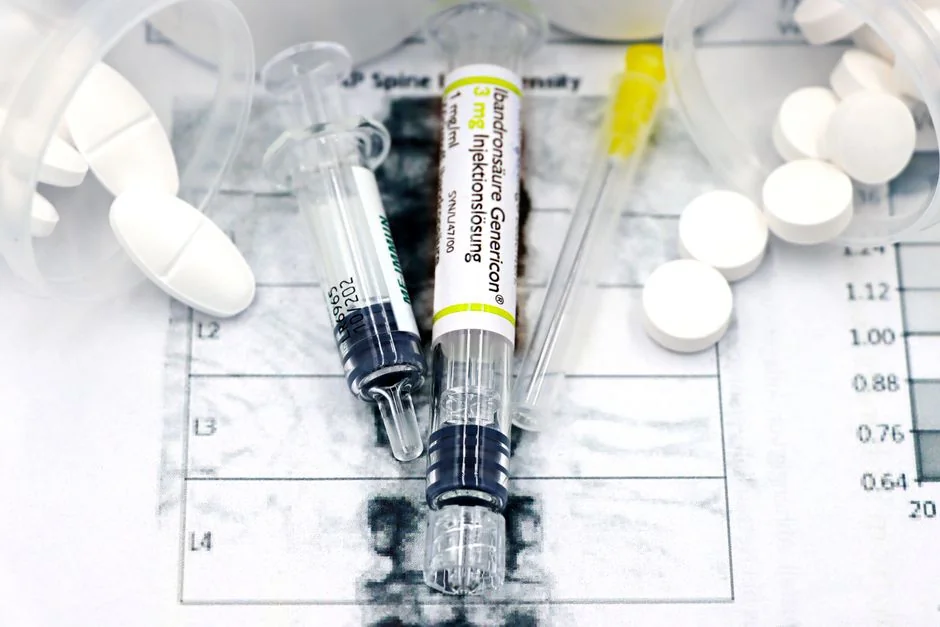
When the medication is injected into the erectile tissue, it causes relaxation of the smooth muscle within the cavernosal arteries and sinusoids. This allows blood to flow rapidly into the penis, producing tumescence (engorgement) and rigidity. The erection typically develops within 5 to 15 minutes of injection and, when dosed correctly, subsides naturally within 30 to 60 minutes.
Importantly, the injection is administered using an ultra-fine needle into the lateral aspect of the penile shaft — an area with relatively few nerve endings. Most patients report that, once trained, the injection itself causes minimal discomfort. The learning curve is real but manageable; clinical programmes teach patients to self-inject safely at home after an initial supervised demonstration at the clinic.
How It Differs from Oral PDE5 Inhibitors
| Feature | Oral PDE5 Inhibitors (e.g. sildenafil, tadalafil) | ICI Therapy (Trimix / Bimix) |
|---|---|---|
| Route of administration | Oral tablet | Self-injection into penile tissue |
| Requires sexual stimulation | Yes | No |
| Onset of action | 30–60 minutes | 5–15 minutes |
| Suitable for cardiovascular patients on nitrates | Contraindicated with nitrates | May be an option (assess individually) |
| Effectiveness in PDE5 non-responders | Limited | High — studies suggest 70–90% response rate |
| Self-administration at home | Yes | Yes, after clinic training |
What Results Can Patients Expect?
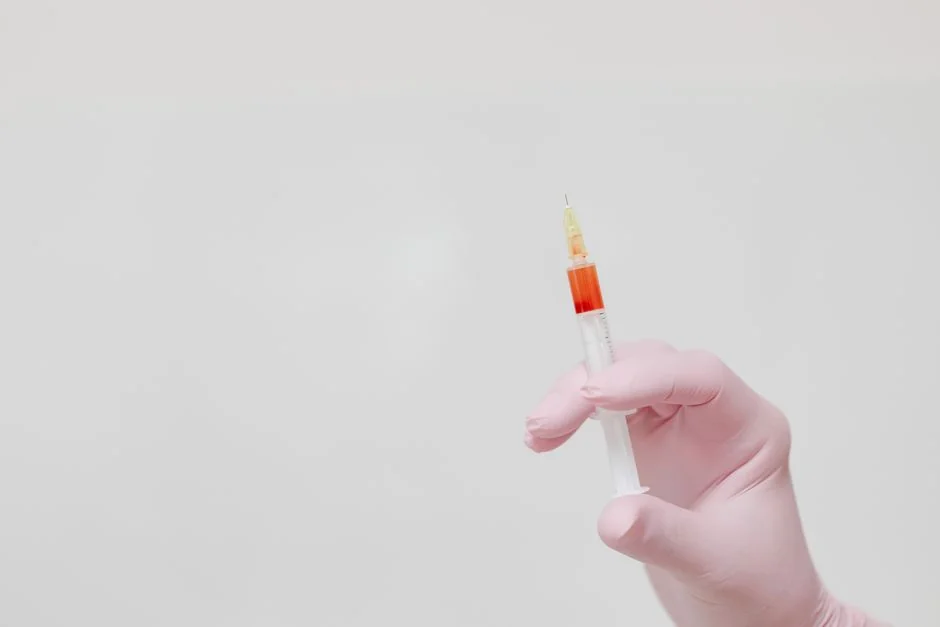
Clinical evidence for ICI therapy is robust by the standards of ED treatment research. Studies suggest response rates of approximately 70 to 90 percent across unselected ED populations, including men with psychogenic, neurogenic, vasculogenic, and post-prostatectomy ED. A frequently cited review published in the Journal of Urology reported long-term satisfaction rates exceeding 80 percent among patients who continued self-injection therapy, with many continuing for years without significant loss of efficacy.
Results, however, are dose-dependent and require proper titration. Underdosing produces a partial or unsatisfactory erection; overdosing carries the risk of priapism (a prolonged erection lasting more than four hours), which is a medical emergency requiring prompt treatment. This is precisely why the initial dosing phase must take place under physician supervision — not on the basis of information found online.
At BIOTOPE CLINIC in Shirokanedai, the clinical team sees a proportion of men’s health patients who arrive having tried oral PDE5 inhibitors with disappointing results. In Dr. Karibe’s clinical experience, many of these patients are unaware that ICI therapy exists as a well-validated next step, and that the self-injection technique is learnable by most men within one or two supervised sessions.
What to Expect: Before, During, and After
Before Treatment
An initial consultation is required to review medical history, current medications, and any contraindications. Basic cardiovascular health assessment is standard. The physician will discuss treatment goals, explain the injection technique, and outline the titration protocol. Patients should disclose all medications, particularly anticoagulants, as these affect bleeding risk at the injection site.
During the First Session
The first injection is administered at the clinic under physician supervision. The patient observes the technique and, where appropriate, performs subsequent injections themselves under guidance. Vital signs and erectile response are monitored. The session typically takes 30 to 60 minutes in total.
Ongoing Self-Injection at Home
Once trained and given a prescribed formulation and dose, patients self-inject as needed. Most protocols recommend no more than one injection per 24-hour period and no more than three injections per week to reduce the risk of fibrosis (scar tissue formation at the injection site over time). Regular follow-up appointments allow dose adjustments and monitoring for complications.
Common Side Effects
- Injection-site discomfort or bruising — mild and temporary in most cases
- Penile aching — particularly associated with alprostadil-containing formulations; usually subsides within 30 minutes
- Priapism — prolonged erection exceeding four hours; requires immediate medical attention. Risk is significantly reduced through proper dose titration
- Penile fibrosis — small nodules or curvature over time with frequent use; monitoring at follow-up appointments helps detect this early
What People Often Get Wrong About ICI Therapy
Misconception 1: “ICI therapy is only for elderly men or those with serious medical conditions.” In reality, ICI therapy is appropriate for men of any age whose ED has not responded to oral medication, regardless of whether the cause is psychological, neurological, or vascular. Younger men with psychogenic ED, or those who simply prefer a more immediate and reliable response than oral tablets provide, may also be candidates.
Misconception 2: “Self-injection must be painful and complicated.” The injection site — the lateral shaft — has a relatively sparse nerve supply. With correct technique and an ultra-fine needle, most patients describe the sensation as minimal. Clinical programmes consistently report high rates of technique acquisition; a 2019 review in Sexual Medicine Reviews noted that the majority of men who attempt ICI training successfully master self-injection within two supervised sessions.
Cost of ICI Therapy in Tokyo
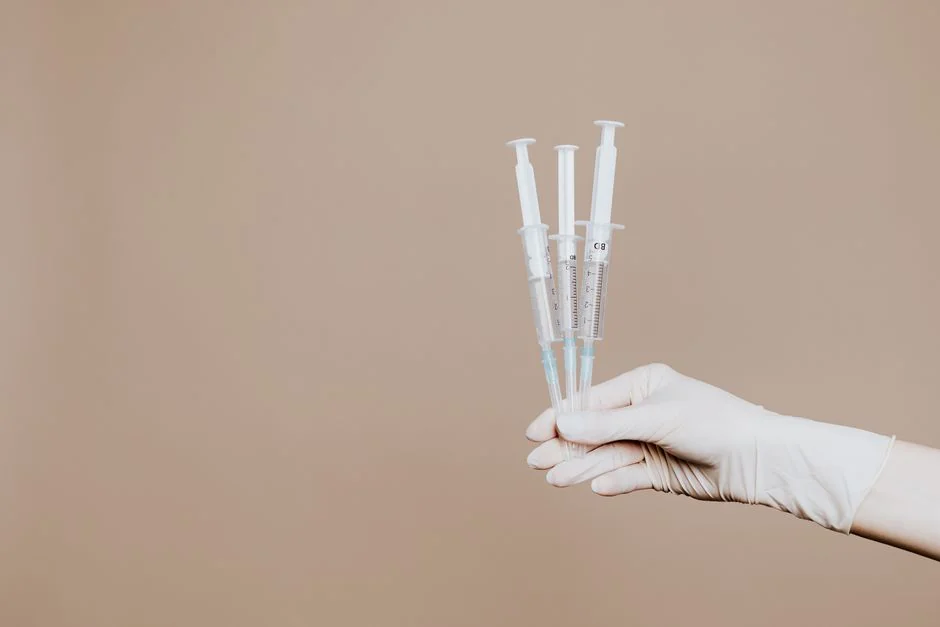
ICI therapy in Japan is generally provided on a self-pay (out-of-pocket) basis, as erectile dysfunction treatments are not covered under Japan’s public health insurance system for standard cases. Costs vary depending on the clinic, the formulation used, and the number of consultations required during the titration phase.
At BIOTOPE CLINIC, the initial consultation fee is ¥3,300. A consultation with Dr. Karibe for a surgical or specialist assessment is ¥2,200. Medication formulation costs and injection supply costs are discussed at consultation, as they depend on the prescribed concentration and volume. Patients should budget for the initial titration visit (which may take longer than a standard appointment), at least one follow-up visit, and the ongoing cost of the compounded formulation.
As a point of reference, oral PDE5 inhibitors such as sildenafil and tadalafil are also available at BIOTOPE CLINIC as a first-line or adjunct option for men who have not yet tried them, or who wish to explore combination approaches. For an accurate quote based on individual circumstances, booking a consultation is recommended.
Have a question about this treatment?
Message us on LINE or WhatsApp — our English-speaking team usually replies the same day.
Who Is a Good Candidate for ICI Therapy?
ICI therapy is generally suitable for men who:
- Have been diagnosed with erectile dysfunction and have not achieved satisfactory results with oral PDE5 inhibitors at appropriate doses
- Cannot take oral PDE5 inhibitors due to contraindications (e.g. concurrent nitrate use for cardiac conditions, or specific cardiovascular profiles)
- Have neurogenic ED — for example, following prostate surgery, spinal cord injury, or neurological disease — where the nerve pathways required for oral medication to work may be compromised
- Are comfortable learning a self-injection technique under physician guidance
- Do not have active penile infection, severe penile deformity (Peyronie’s disease with significant curvature), or conditions that predispose to priapism (e.g. sickle cell disease)
Who Should Exercise Caution or Avoid ICI Therapy
Men with bleeding disorders or who are on anticoagulation therapy require careful individual assessment. Those with a history of priapism, or with haematological conditions such as sickle cell anaemia, polycythaemia, or leukaemia, should discuss risk carefully with their physician before proceeding. Men with poor manual dexterity who cannot reliably perform self-injection safely may not be suitable for home-use programmes.
Dr. Karibe’s Note
Many of our international patients arrive at BIOTOPE CLINIC having assumed that nothing beyond the oral tablet they tried once — perhaps at a lower dose than optimal — was available to them in Japan. A common question I receive is whether compounded formulations like Trimix are accessible here.
They are, but they require physician oversight for safe use: dose titration, proper injection training, and a follow-up plan.
The consultation is the right starting point. Coming in with a history of what you have already tried, and at what dose, is genuinely helpful — it allows us to move directly to a practical discussion.
Where to Get ICI Therapy in Tokyo
Within our clinic group, English-speaking consultations are handled at BIOTOPE CLINIC in Shirokanedai (Minato-ku, Tokyo) by Dr. Jun Karibe, a board-certified plastic and reconstructive surgeon who also oversees the clinic’s men’s health programme. Our sister clinic, Kojimachi Dermatology & Plastic Surgery Clinic in Ichigaya (Chiyoda-ku), serves as the group’s main office and handles Japanese-language insurance-covered dermatology — it is not currently equipped for English-language consultations. Bookings and enquiries in English: LINE or WhatsApp.
ICI therapy — including Trimix and Bimix self-injection programmes under physician guidance — is available at BIOTOPE CLINIC in Shirokanedai. Oral PDE5 inhibitors (sildenafil, tadalafil) are also available for patients who prefer to begin with or continue first-line therapy. Feel free to ask about either option during a consultation with Dr. Karibe.
Frequently Asked Questions
- Q. I have tried sildenafil and it did not work well. Am I automatically a candidate for ICI therapy?
- Not automatically, but inadequate response to oral PDE5 inhibitors is one of the primary indications for ICI therapy. A consultation is needed to review dosing history, identify potential contributing factors, and determine whether ICI therapy or an adjusted oral regimen would be the better next step for your specific situation.
- Q. Is ICI therapy painful?
- Most patients report that the injection itself is far less uncomfortable than anticipated. The lateral penile shaft has relatively sparse nerve endings, and ultra-fine needles are used. Some patients experience a mild aching sensation from alprostadil-containing formulations (such as Trimix), which typically resolves within 30 minutes of erection onset.
- Q. How often can I use ICI therapy?
- Standard clinical guidance recommends no more than one injection per 24 hours and no more than three injections per week. Exceeding this frequency increases the risk of penile fibrosis — scar tissue formation — over time. Your physician will review your usage at follow-up appointments.
- Q. What do I do if the erection does not subside after two hours?
- An erection lasting longer than four hours (priapism) is a medical emergency. Patients are advised to proceed to the nearest emergency department if this occurs. Priapism risk is significantly reduced by careful dose titration under physician supervision — which is why the initial dosing session must take place at the clinic, not based on self-estimated doses.
- Q. Can I combine ICI therapy with oral ED medication?
- In some cases, physicians prescribe a combination approach, but this must be carefully managed to avoid hypotensive episodes or an excessive erectile response. Never combine treatments without explicit physician guidance.
Have a question about this treatment?
Message us on LINE or WhatsApp — our English-speaking team usually replies the same day.
Summary
Intracavernosal injection therapy is a clinically well-established, second-line treatment for erectile dysfunction that offers reliable results for many men who do not respond adequately to oral medications. Using compounded vasoactive formulations such as Trimix or Bimix, ICI therapy works directly on penile tissue to produce erections independent of sexual stimulation, with studies suggesting response rates of 70 to 90 percent in eligible patients. The technique requires physician-supervised dose titration, proper self-injection training, and ongoing follow-up — but the majority of patients who commit to the programme acquire reliable proficiency.
For English-speaking men in Tokyo — whether expatriates, medical tourists, or visitors — access to this level of men’s health care in English is limited. BIOTOPE CLINIC in Shirokanedai provides English-language consultations with Dr. Karibe, making it a practical and accessible option for those seeking a medically supervised ICI programme in Japan.
If you have questions about intracavernosal injection therapy or other ED treatment options, English-speaking consultations are handled at BIOTOPE CLINIC in Shirokanedai (Minato-ku, Tokyo) by Dr. Karibe. Our sister clinic, Kojimachi Dermatology & Plastic Surgery Clinic in Ichigaya (Chiyoda-ku), handles Japanese-language insurance dermatology. English enquiries: LINE or WhatsApp.
24/7 Consultation & Booking
Book a Consultation or Treatment
Our English-speaking team responds via LINE or WhatsApp — usually the same day.
References
- Porst H. The rationale for prostaglandin E1 in erectile failure: a survey of worldwide experience. Journal of Urology. 1996;155(3):802–815.
- Hatzimouratidis K, Eardley I, Giuliano F, et al. EAU Guidelines on Penile Curvature and Erectile Dysfunction. European Association of Urology. 2022.
- Bella AJ, Brant WO, Lue TF, Brock GB. Non-arteritic anterior ischemic optic neuropathy and PDE5 inhibitors: a review of the evidence. Journal of Sexual Medicine. 2006;3(6):966–975.
- Goldstein I, Lue TF, Padma-Nathan H, et al. Oral sildenafil in the treatment of erectile dysfunction. New England Journal of Medicine. 1998;338(20):1397–1404.
- Levine LA, Dimitriou RJ. Vacuum constriction and external erection devices in erectile dysfunction. Urologic Clinics of North America. 2001;28(2):335–341.
Related Articles
You may also find these articles useful.
- KYBELLA vs BNLS Tokyo: Double Chin Injection Comparison
- Fat Dissolving Injections Tokyo: Cost & English Guide
- BNLS Fat Dissolving Tokyo: Results, Sessions & Cost
SUPERVISED BY

Dr. Jun Karibe
MD
Director
Education & Career
Certifications
Awards
MEDICAL REVIEW