KYBELLA vs BNLS in Tokyo: Which Double Chin Injection Is Right for You?
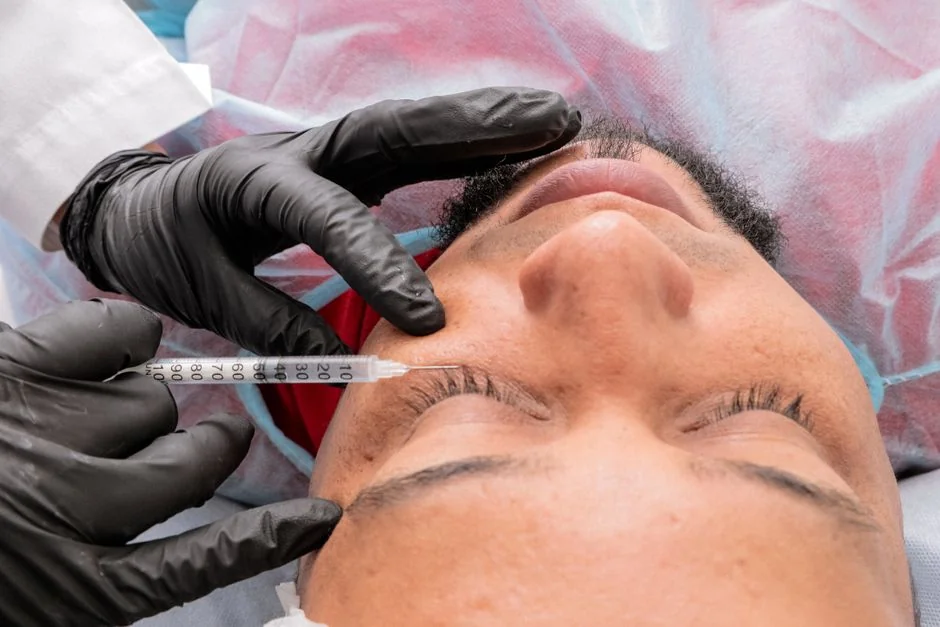
A persistent double chin is one of the most common cosmetic concerns among patients who maintain a healthy weight — and one of the most difficult to address through diet or exercise alone. If you have been researching non-surgical options in Tokyo, you have likely come across two injectable treatments: KYBELLA (deoxycholic acid) and BNLS (a plant-based fat-dissolving solution). Both are designed to reduce submental fat without surgery, but they work differently, carry different risk profiles, and suit different patients.
This article provides a thorough, clinically grounded comparison to help English-speaking patients in Tokyo make an informed decision.
What you will learn in this article:
- How KYBELLA and BNLS work, and the key differences between them
- What results to realistically expect from each treatment
- Approximate costs in Tokyo and how many sessions are typically required
- Recovery, downtime, and common side effects
- Who is a suitable candidate — and who should consider an alternative approach
Have a question about this treatment?
Message us on LINE or WhatsApp — our English-speaking team usually replies the same day.
What Are Fat-Dissolving Injections?
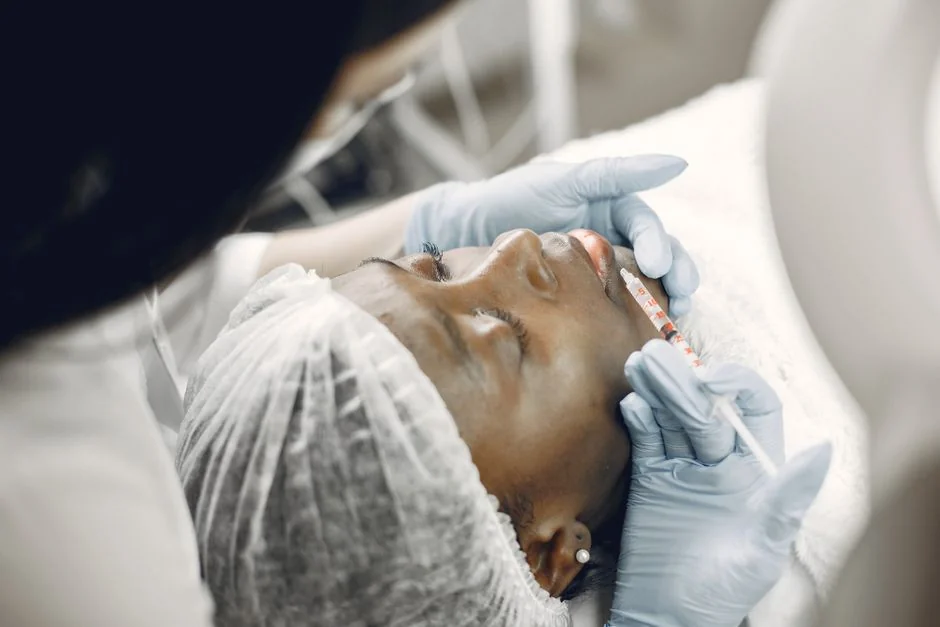
Fat-dissolving injections — also called lipolytic injections or mesotherapy for fat reduction — are injectable solutions that break down adipocyte (fat cell) membranes in a targeted area. Once the membrane is disrupted, the fat cell releases its contents, and the resulting debris is cleared by the body’s lymphatic system over several weeks.
Unlike surgical liposuction, these treatments do not remove fat cells mechanically. They initiate a biological process that, with sufficient treatment sessions, can meaningfully reduce localised fat deposits. The submental area (under the chin and along the jawline) is the most common treatment site, though both KYBELLA and BNLS may be used in other small areas depending on the product and practitioner.
KYBELLA vs BNLS: How Each Treatment Works

KYBELLA (Deoxycholic Acid)
KYBELLA is a prescription injectable containing synthetic deoxycholic acid — a molecule that occurs naturally in the body and aids in dietary fat absorption. When injected into subcutaneous fat, deoxycholic acid permanently destroys the cell membrane of adipocytes.
The U.S. Food and Drug Administration (FDA) approved KYBELLA specifically for submental fat reduction in 2015, making it the first and only injectable of its class with that regulatory designation.
Because the mechanism is cytolytic (it directly destroys cells), the inflammatory response is relatively pronounced. Swelling, firmness, and tenderness in the treated area are expected and are, in fact, evidence that the treatment is working. Clinical studies supporting the FDA approval reported that approximately 79% of treated patients experienced a meaningful reduction in submental fat after up to six treatment sessions, with 68% reporting improved satisfaction with their chin profile. (Kythera Biopharmaceuticals, pivotal Phase 3 trials published in Dermatologic Surgery, 2014–2015.)
BNLS (and BNLS Neo)
BNLS (an acronym for the brand name, originally developed in South Korea and widely used in Japan) is a plant-derived lipolytic cocktail. Its active ingredients typically include deoxycholic acid at a lower concentration alongside phosphatidylcholine, L-carnitine, and botanical extracts. BNLS Neo — the updated formulation — incorporates deoxycholic acid as a primary component, which accounts for its improved efficacy compared with the original BNLS formula.
BNLS is not FDA-approved but has a long safety track record in East Asian cosmetic practice, particularly in Japan and South Korea. Because the overall concentration of cytolytic agents is lower than in KYBELLA, the inflammatory response tends to be milder and the associated swelling less pronounced, though this also means more sessions are typically required to achieve comparable results.
Head-to-Head Comparison
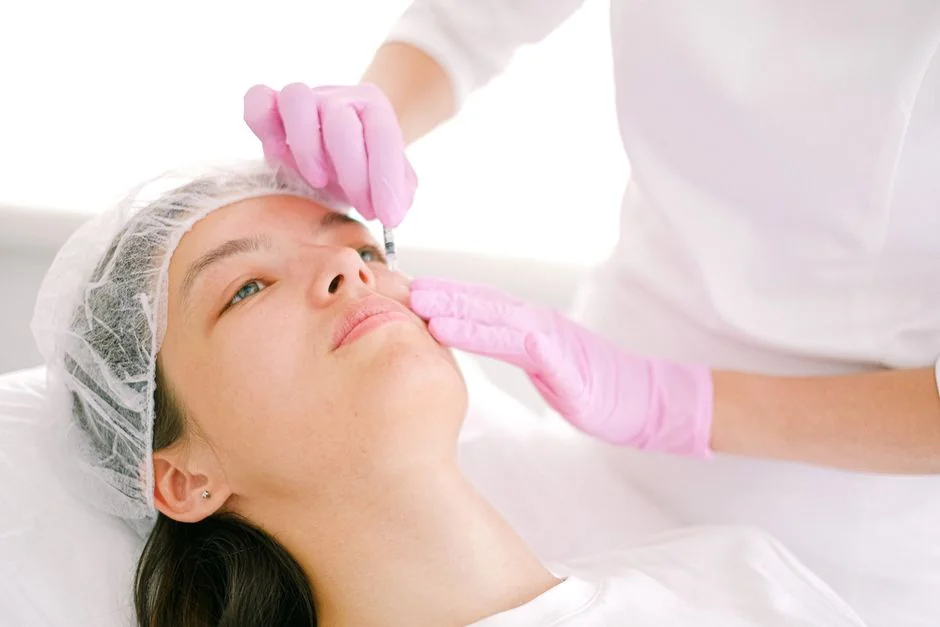
| Feature | KYBELLA | BNLS / BNLS Neo |
|---|---|---|
| Primary active ingredient | Synthetic deoxycholic acid (10 mg/mL) | Plant extracts + deoxycholic acid (lower concentration) |
| Regulatory status | FDA-approved (USA) for submental fat | Not FDA-approved; widely used in Japan/Korea |
| Mechanism | Direct adipocyte membrane lysis | Combined lipolysis + mild membrane disruption |
| Typical sessions required | 2–6 sessions (spaced 4–6 weeks apart) | 4–10 sessions (spaced 2–4 weeks apart) |
| Downtime / swelling | Moderate to significant (1–2 weeks) | Mild to moderate (3–7 days) |
| Permanence of results | Permanent fat cell destruction | Permanent fat cell destruction (when fully treated) |
| Pain level | Moderate (topical anaesthetic recommended) | Mild to moderate |
| Cost per session (Tokyo estimate) | Higher (imported pharmaceutical) | Generally lower per session |
| Best suited for | Patients with moderate to significant submental fat, seeking fewer sessions | Patients preferring less downtime, smaller or early-stage fat deposits |
What Results Can You Realistically Expect?
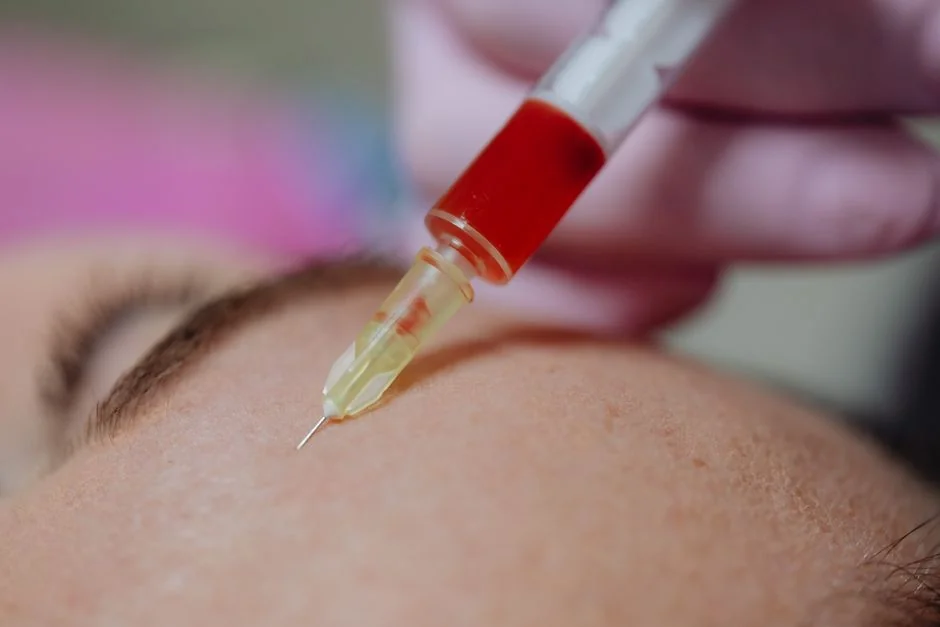
Both treatments can produce visible improvement in submental contour, but neither should be considered a replacement for surgical liposuction in cases of significant fat accumulation or significant skin laxity. Clinical reports indicate that results become visible approximately 4–8 weeks after each session, as the lymphatic system clears the processed fat cells. Full results are typically assessable around 12 weeks after the final session.
With KYBELLA, studies suggest that the majority of patients who complete the full course (up to six sessions) experience a clinically meaningful and lasting reduction in submental fat volume. Notably, once fat cells are destroyed, they do not regenerate — however, significant weight gain after treatment can cause remaining fat cells in the area to enlarge.
BNLS, while requiring more sessions, is associated with a more gradual and subtle transformation that some patients — particularly those concerned about colleagues or family noticing sudden changes — find preferable. At BIOTOPE CLINIC in Shirokanedai, Dr. Karibe frequently sees patients who have already completed a course of BNLS elsewhere and are seeking an assessment of whether further treatment or a complementary approach would be beneficial.
Cost in Tokyo
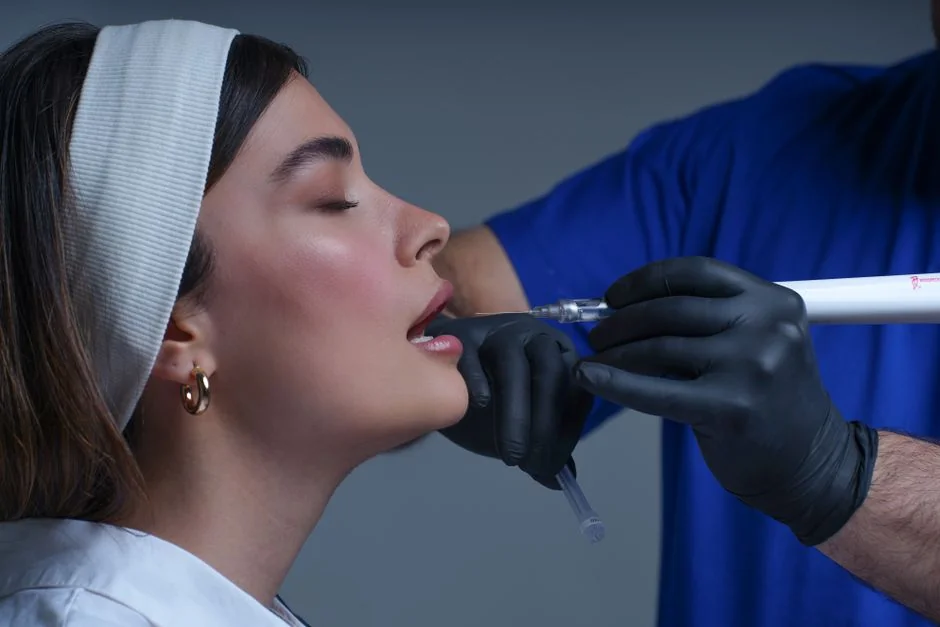
Fat-dissolving injections are not covered by Japanese public health insurance (they are classified as aesthetic treatments), so all costs are paid out of pocket.
KYBELLA pricing in Tokyo varies depending on the number of vials used per session. Because KYBELLA is an imported pharmaceutical, it tends to be priced higher per session than BNLS. BNLS and BNLS Neo are competitively priced in Japan’s cosmetic market, and per-session costs are generally lower — though the greater number of sessions required means the total investment may be comparable.
At BIOTOPE CLINIC, fat-dissolving injections are available as part of the cosmetic injectable menu. An initial consultation is ¥3,300, and a surgical or specialist consultation with Dr. Karibe is ¥2,200. These fees allow for a thorough assessment of your anatomy and expectations before any treatment is planned.
For patients in whom submental fat is accompanied by significant skin laxity or jowling, Dr. Karibe may discuss complementary options during consultation — for example, HIFU (from ¥25,000–¥110,000) for non-surgical skin tightening, or thread lifts (Tesslift, priced from ¥48,000 per thread) for jawline definition. Both treatments are available at BIOTOPE CLINIC in Shirokanedai.
For an accurate quote, we recommend booking a consultation.
Have a question about this treatment?
Message us on LINE or WhatsApp — our English-speaking team usually replies the same day.
What to Expect: Before, During and After Treatment
Before Treatment
A thorough consultation is essential. The treating physician will assess the thickness and distribution of submental fat, the degree of skin elasticity, and whether there are any contraindications (see candidacy section below). Photographs are typically taken for comparison. Patients are usually advised to avoid blood-thinning medications (aspirin, ibuprofen, certain supplements) for approximately one week prior, to minimise bruising risk.
During Treatment
A topical anaesthetic cream or ice packs are applied to the treatment area. For KYBELLA, injections are placed in a grid pattern across the submental fat. The procedure typically takes 15–30 minutes. BNLS injections follow a similar approach, though individual injection volumes may differ. Most patients describe a stinging or burning sensation during injection, which subsides within minutes.
After Treatment
Post-KYBELLA swelling can be quite pronounced in the first 24–72 hours and may persist for up to two weeks. This is a normal and expected consequence of the inflammatory process. Some patients describe the area as feeling numb, firm, or bruised. BNLS recovery is generally milder, with most patients presentable within 3–5 days. Ice packs and avoiding strenuous activity are standard post-treatment instructions for both.
Dr. Karibe’s Note
Many of our international patients at BIOTOPE CLINIC are surprised by the degree of swelling that follows a KYBELLA session — particularly if they have previously had BNLS with minimal downtime.
I find it helpful to set expectations clearly in advance: the swelling is not a sign that something has gone wrong; it is the inflammatory cascade doing its work. Patients planning treatment around a work trip or social commitment should build in at least 10–14 days of social downtime after a KYBELLA session, and at least 5–7 days after BNLS.
Who Is a Good Candidate?
Suitable Candidates
- Adults with moderate, localised submental or chin fat who are at or near their target weight
- Patients with reasonable skin elasticity in the submental area
- Those who prefer a non-surgical approach and are comfortable with multiple sessions
- Patients who have already addressed underlying weight concerns through lifestyle measures
Patients Who May Not Be Suitable
- Individuals with significant skin laxity — fat dissolution without tightening can increase visible sagging
- Those with very large submental fat deposits, for whom surgical liposuction may provide more reliable results
- Pregnant or breastfeeding patients
- Patients with active infection, inflammation, or scarring in the treatment area
- Those with a history of dysphagia (difficulty swallowing), relevant nerve conditions, or prior neck surgery — these require careful physician assessment
- Patients on anticoagulant therapy should discuss this with their physician prior to any injectable treatment
Common Misconceptions About Fat-Dissolving Injections
Misconception 1: “More sessions always mean better results”
There is a ceiling to what injectable lipolysis can achieve. Exceeding the recommended number of sessions does not produce proportionally greater fat reduction and can increase the risk of uneven contour, fibrosis (scar-like tissue formation), or damage to surrounding structures. A skilled physician will assess when the optimal result has been reached and advise accordingly, rather than simply scheduling additional sessions.
Misconception 2: “BNLS is a weaker, less legitimate version of KYBELLA”
KYBELLA’s FDA approval is specific to the United States regulatory framework and reflects rigorous clinical trial data for that product. It does not mean that BNLS — which has a well-established safety record in Japan and South Korea — is medically inferior for all patients. The two products occupy somewhat different niches: KYBELLA tends to be more potent per session with greater downtime; BNLS is gentler, more gradual, and often better tolerated by patients with lower downtime tolerance or smaller fat deposits. The “right” choice depends on the individual patient’s anatomy and priorities, not on regulatory origin alone.
Where to Get Double Chin Injections in Tokyo (English Consultations)
Within our clinic group, English-speaking consultations are handled at BIOTOPE CLINIC in Shirokanedai (Minato-ku, Tokyo) by Dr. Jun Karibe. Our sister clinic, Kojimachi Dermatology & Plastic Surgery Clinic in Ichigaya (Chiyoda-ku), handles Japanese-language insurance-covered dermatology and serves as the group’s main office. Bookings and enquiries in English: LINE or WhatsApp.
Dr. Karibe is a board-certified plastic surgeon certified by the Japan Society of Plastic and Reconstructive Surgery. At BIOTOPE CLINIC, consultations for fat-dissolving injections include a thorough anatomical assessment and, where appropriate, discussion of complementary treatments — such as HIFU for skin tightening or thread lifts for jawline definition — to ensure the treatment plan is appropriate to the patient’s actual anatomy rather than a one-size-fits-all protocol.
Frequently Asked Questions
- Q. Is KYBELLA available in Japan?
- KYBELLA is not approved by Japan’s Pharmaceuticals and Medical Devices Agency (PMDA) as a domestic product, but it may be offered at select clinics as an imported pharmaceutical under physician discretion. Patients should confirm availability and discuss the regulatory context with their physician during consultation. BNLS and BNLS Neo are widely available at Japanese cosmetic clinics and are commonly used for submental fat reduction.
- Q. How many sessions will I need, and how far apart should they be?
- This varies by the product used, the volume of fat, and how your body responds. KYBELLA is typically administered in two to six sessions spaced four to six weeks apart. BNLS usually requires four to ten sessions, spaced two to four weeks apart. A physician assessment is the only reliable way to estimate the number of sessions appropriate for your specific anatomy.
- Q. Will my double chin come back after treatment?
- Fat cells that have been destroyed by lipolytic injection do not regenerate. However, the remaining fat cells in the area can enlarge if you gain significant weight after treatment. Maintaining a stable weight helps preserve results long-term. For patients with underlying skin laxity concerns, complementary tightening treatments may help sustain the improved contour.
- Q. Are fat-dissolving injections painful?
- Most patients report a stinging or burning sensation during injection, which subsides quickly. Topical anaesthetic cream or ice is applied beforehand to improve comfort. KYBELLA injections are generally described as more uncomfortable than BNLS, consistent with the stronger inflammatory response they produce. Discomfort during the procedure is temporary and manageable for most patients.
- Q. Can I combine fat-dissolving injections with other treatments?
- In many cases, yes. For patients with both submental fat and skin laxity, combining lipolytic injections with HIFU or thread lifts may produce a more comprehensive result than either treatment alone. This should always be planned by a qualified physician who can assess the sequence and timing of treatments appropriately. At BIOTOPE CLINIC, Dr. Karibe offers combination planning as part of the consultation process.
Have a question about this treatment?
Message us on LINE or WhatsApp — our English-speaking team usually replies the same day.
Summary
Both KYBELLA and BNLS are evidence-supported options for non-surgical double chin reduction, and neither is universally superior. KYBELLA, with its FDA-approved deoxycholic acid formulation, tends to deliver more pronounced results per session but at the cost of greater swelling and downtime.
BNLS offers a gentler, more gradual approach that suits patients with less tolerance for visible recovery or smaller fat deposits. Total treatment investment — in time and cost — may be comparable across both when full courses are accounted for.
The most important factor in any lipolytic injection outcome is not the product itself, but the accuracy of patient selection and the precision of technique. Patients with significant skin laxity, large fat volumes, or complex anatomy should be assessed carefully before proceeding, as injectable lipolysis alone may not achieve the result they are seeking.
If you have questions about fat-dissolving injections or double chin treatment, English-speaking consultations are handled at BIOTOPE CLINIC in Shirokanedai (Minato-ku, Tokyo) by Dr. Karibe. Our sister clinic, Kojimachi Dermatology & Plastic Surgery Clinic in Ichigaya (Chiyoda-ku), handles Japanese-language insurance-covered dermatology. English enquiries: LINE or WhatsApp.
24/7 Consultation & Booking
Book a Consultation or Treatment
Our English-speaking team responds via LINE or WhatsApp — usually the same day.
References
- Rzany B, Griffiths T, Walker P, et al. Reduction of unwanted submental fat with ATX-101 (deoxycholic acid), an adipocytolytic injectable treatment: results from a phase III, randomized, placebo-controlled study. British Journal of Dermatology. 2014.
- Humphrey S, Sykes J, Kantor J, et al. ATX-101 for reduction of submental fat: a phase III randomized controlled trial. Journal of the American Academy of Dermatology. 2016.
- Dayan SH, Jones DH, Carruthers J, et al. A pooled analysis of the safety and efficacy results of the multicenter, double-blind, randomized, placebo-controlled phase 3 REFINE-1 and REFINE-2 trials of ATX-101, a submental contouring injectable drug for the treatment of submental fat. Dermatologic Surgery. 2015.
- Rotunda AM, Kolodney MS. Mesotherapy and phosphatidylcholine injections: historical clarification and review. Dermatologic Surgery. 2006.
- US Food and Drug Administration. FDA approves treatment for fat below the chin. FDA News Release. 2015. Available at: https://www.fda.gov/
Related Articles
You may also find these articles useful.
- English Speaking Plastic Surgeon Tokyo: Complete Guide
- Volnewmer for Men Tokyo: Jawline & Forehead Tightening
- Volnewmer with Botox and Filler Tokyo Guide
- Volnewmer Cost Tokyo 2026: Sessions, Pricing Guide
SUPERVISED BY

Dr. Jun Karibe
MD
Director
Education & Career
Certifications
Awards
MEDICAL REVIEW