Morpheus8 RF Microneedling in Tokyo: What It Is, What It Costs, and What to Expect
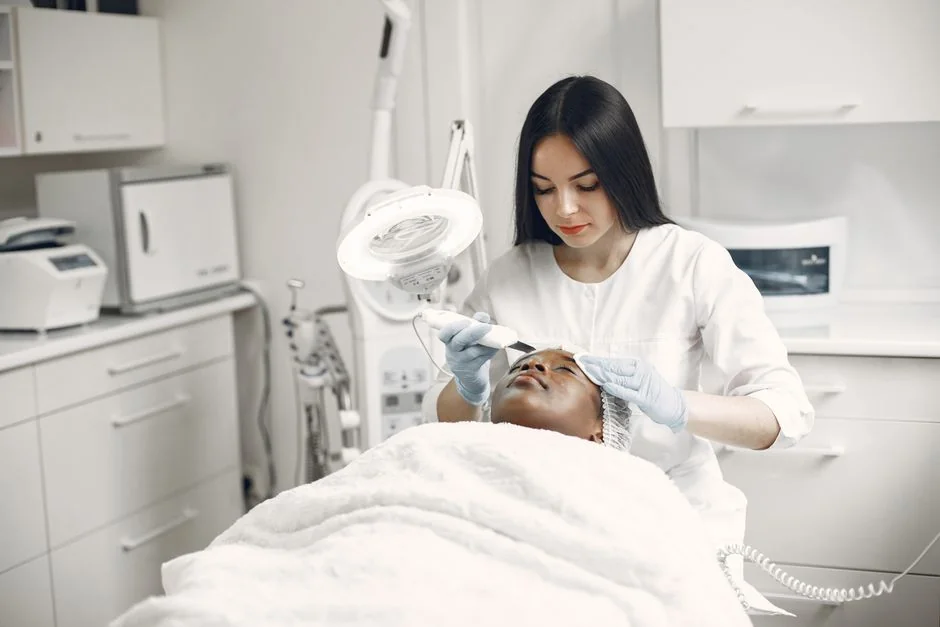
If you have been researching skin tightening or facial rejuvenation options in Tokyo, Morpheus8 is a name that comes up frequently — and for good reason.
Combining radiofrequency energy with microneedling, it addresses concerns ranging from skin laxity and fine lines to acne scars and uneven texture, without the downtime of surgical intervention. This article explains how Morpheus8 works, what realistic results look like, what it costs in Tokyo, and how to decide whether it is right for you.
What you’ll learn in this article:
- How Morpheus8 RF microneedling works and what makes it different from standard microneedling
- What results are realistic — and what clinical studies suggest about outcomes
- Morpheus8 cost ranges in Tokyo, with specific figures
- Who is a suitable candidate, and who should approach treatment with caution
- What to expect before, during, and after treatment, including recovery time
Have a question about this treatment?
Message us on LINE or WhatsApp — our English-speaking team usually replies the same day.
What Is Morpheus8?
Morpheus8 is a FDA-cleared, minimally invasive device that delivers fractional radiofrequency (RF) energy through an array of fine microneedles inserted into the skin. The name refers to the handpiece made by InMode, an Israeli medical aesthetics company; the “fractional” aspect means that only a portion of the skin’s surface is targeted at each pass, leaving surrounding tissue intact to accelerate healing.
Unlike conventional microneedling — which relies solely on the mechanical trauma of needles to stimulate collagen — Morpheus8 simultaneously delivers RF heat energy at programmable depths, typically between 0.5 mm and 8 mm beneath the skin’s surface.
This allows the device to reach the subdermal layer (below the dermis), where deeper structural remodelling occurs. The result is a dual-action stimulus: surface-level skin texture improvement and deeper volumetric tightening.
The technology is approved for use on the face, neck, and body, and it can be used on a wider range of skin tones than many older laser-based treatments — a clinically relevant point for the diverse patient population seen in Tokyo.
How Morpheus8 Works
The Role of Radiofrequency Energy
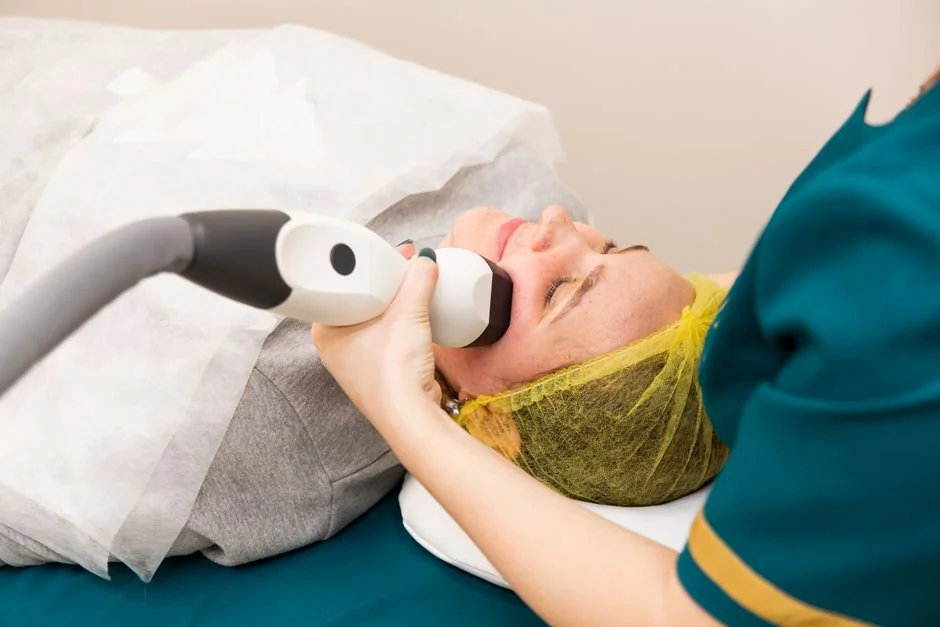
RF energy is a form of electromagnetic energy that generates heat within tissue. When applied at precise depths and temperatures, this heat causes controlled injury to collagen fibres. The body responds by producing new collagen and elastin — the structural proteins responsible for skin firmness and elasticity. This process, known as neocollagenesis, continues for weeks to months after each session.
The microneedles act as electrodes, directing RF energy to a specific tissue depth rather than heating the skin’s surface broadly. By bypassing the epidermis (the outermost skin layer), the treatment minimises surface damage and reduces the risk of post-inflammatory hyperpigmentation — an important consideration for patients with medium to deeper skin tones, including many East Asian skin types.
Fractional Delivery and Tissue Remodelling
Because the RF is delivered in a fractional pattern — creating a grid of micro-treatment zones separated by untreated skin — healing is faster than it would be with a fully ablative approach. Clinical reports indicate that collagen remodelling can continue for up to six months following a course of treatment, meaning final results are not immediately visible after the session.
The device also has a body applicator (sometimes referred to as Morpheus8 Body), capable of reaching depths of up to 8 mm with higher energy delivery, making it suitable for areas such as the abdomen, inner thighs, and arms where deeper tissue remodelling is desired.
Expected Results: What Clinical Evidence Suggests
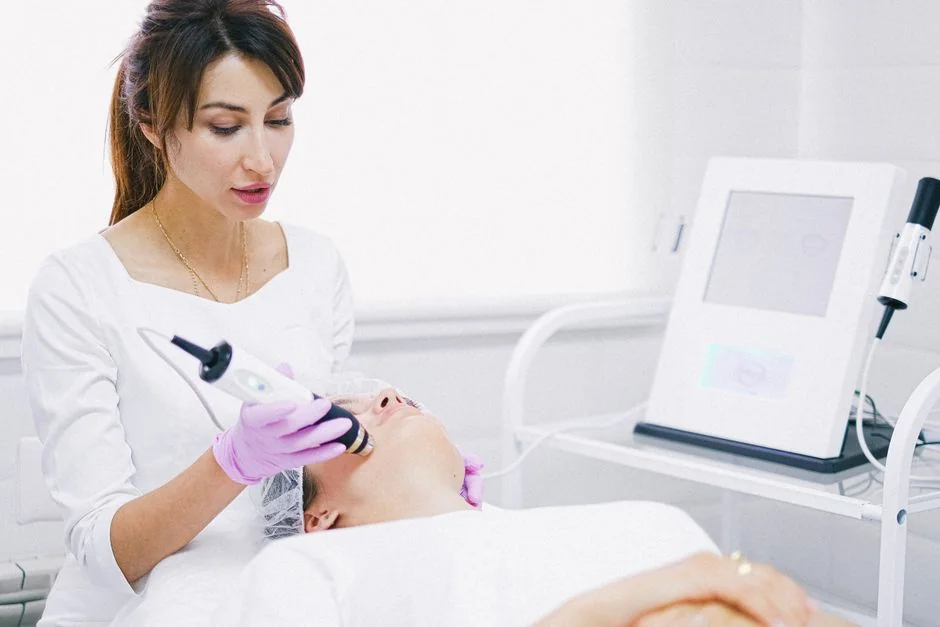
Morpheus8 is not a surgical procedure, and outcomes vary considerably based on age, skin condition, lifestyle factors, and the number of sessions completed. Patients should approach expectations with this nuance in mind.
Studies suggest meaningful improvements in skin laxity and texture are achievable with a course of treatments.
A peer-reviewed study published in the Journal of Drugs in Dermatology reported that patients who underwent a series of three Morpheus8 sessions showed measurable improvement in skin laxity scores, with a high proportion of subjects rating their satisfaction as good to excellent at the three-month follow-up mark. Another clinical report noted statistically significant improvement in acne scar appearance following fractional RF microneedling, with results persisting at six months post-treatment.
In Dr. Karibe’s clinical experience at BIOTOPE CLINIC, patients typically notice initial texture improvement within two to four weeks of a first session, with more substantive tightening effects becoming visible over the following two to three months as collagen matures. Most patients in the facial rejuvenation context undergo two to three sessions spaced four to six weeks apart.
Common Misconceptions About Morpheus8 Results
Misconception 1: Morpheus8 is equivalent to a surgical facelift.
It is not. Morpheus8 can produce meaningful improvement in mild to moderate skin laxity, but it does not reposition anatomical structures or remove excess skin the way surgical procedures do. Patients with significant jowling or skin redundancy may find that surgical options — such as a thread lift or blepharoplasty — address their concerns more completely. Both thread lifts (Tesslift) and blepharoplasty are available at BIOTOPE CLINIC; feel free to raise these options during a consultation with Dr. Karibe.
Misconception 2: Results are immediate and visible the day after treatment.
In reality, the skin often appears red or slightly swollen for several days post-treatment, and the inflammatory phase that triggers collagen production takes time to resolve. Visible improvement typically unfolds over weeks to months. Patients who expect dramatic change within a week are likely to be disappointed.
Morpheus8 Cost in Tokyo
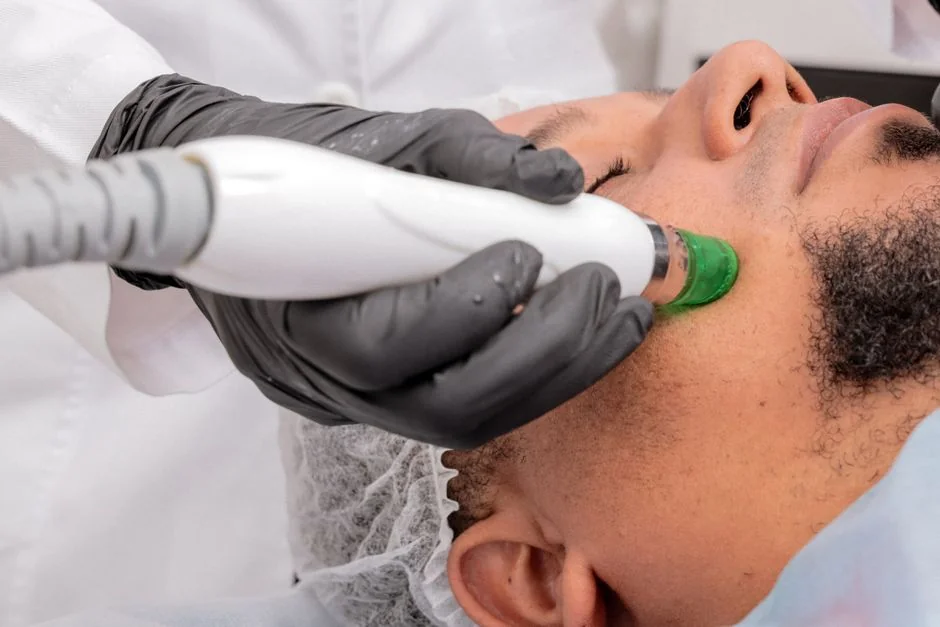
Pricing for Morpheus8 in Tokyo varies depending on the area being treated (face, neck, body), the number of passes, and whether a topical anaesthetic or local anaesthesia is used. It is a fully out-of-pocket (self-pay) cosmetic procedure and is not covered by Japanese national health insurance.
As a reference point for the energy-based treatments on the menu at BIOTOPE CLINIC, the POTENZA — a comparable fractional RF microneedling platform — is priced at ¥35,000 to ¥49,800 per session. This gives a reasonable indication of the cost tier for RF microneedling technology in this clinic group. Treatment packages combining multiple sessions or multiple modalities are typically discussed and quoted at the time of consultation, as individual patient needs differ significantly.
For context, complementary energy-based treatments at the clinic include HIFU (skin lifting) at ¥25,000 to ¥110,000 and CO2 fractional laser at ¥11,000 to ¥66,000. An initial consultation is ¥3,300; a surgical consultation with Dr. Karibe specifically is ¥2,200.
For an accurate quote based on your individual treatment area and goals, we recommend booking a consultation.
Have a question about this treatment?
Message us on LINE or WhatsApp — our English-speaking team usually replies the same day.
What to Expect: Before, During, and After Treatment
Before Your Session
A pre-treatment consultation is essential. The physician will assess skin type, current skin condition, any history of keloid scarring, active acne or skin infection, and medication history (including blood thinners and isotretinoin, which typically require a treatment pause).
Patients with certain implantable electronic devices, such as pacemakers, are generally not suitable candidates for RF-based treatments.
Sun exposure should be minimised in the weeks before treatment, and patients are typically advised to arrive with clean skin, free of active products such as retinoids. A topical numbing cream is applied 30 to 60 minutes before the procedure begins.
During the Procedure
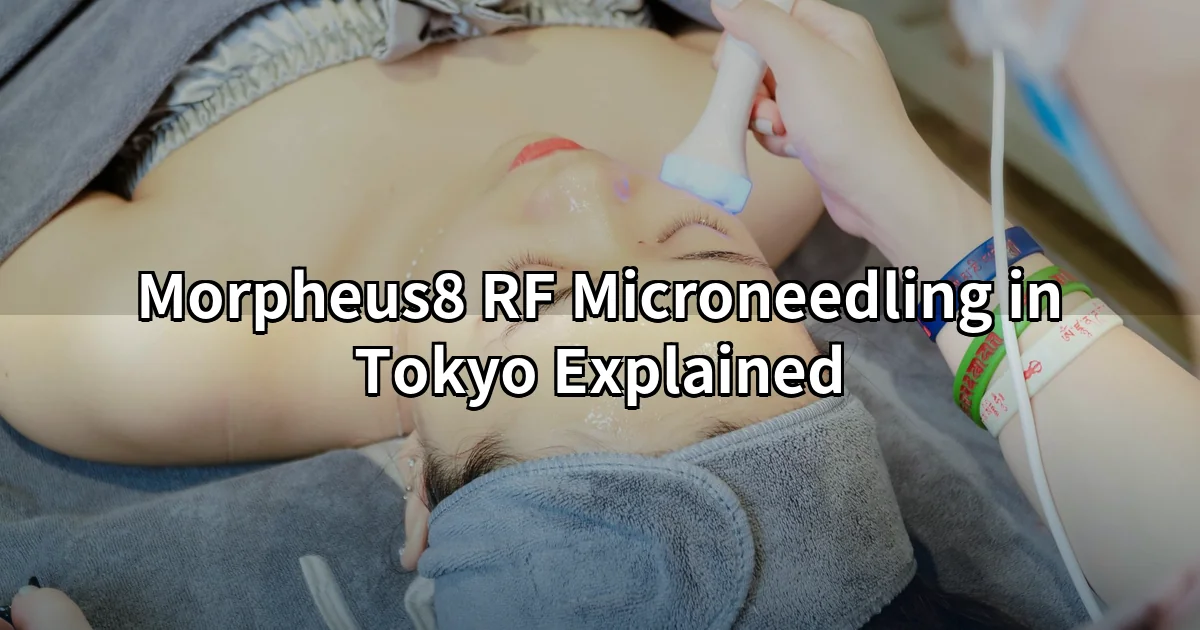
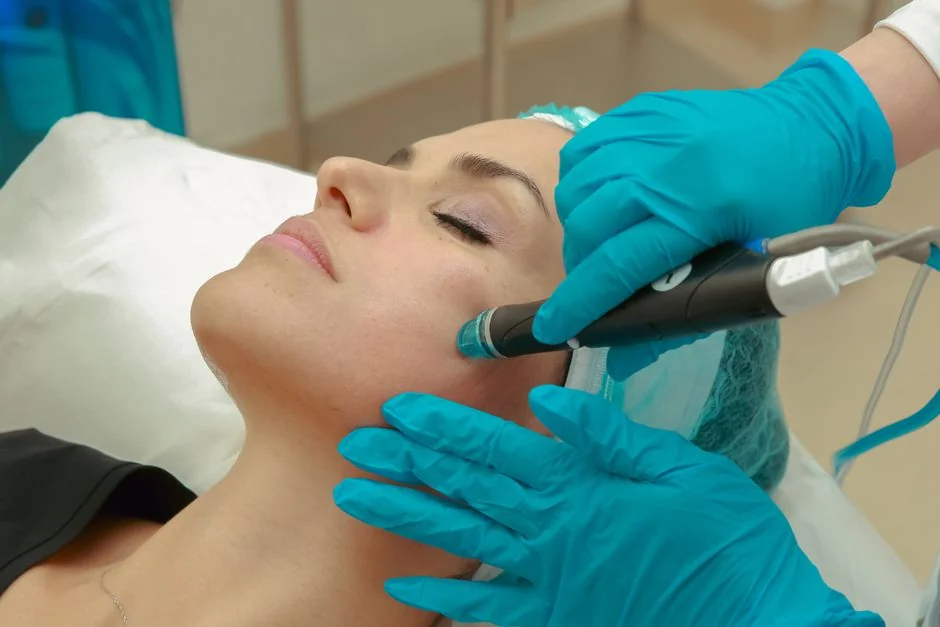
The handpiece is passed across the treatment area systematically. Patients typically feel warmth and a mild pressure sensation; most describe discomfort as manageable, particularly after effective topical anaesthesia. A full-face treatment generally takes 20 to 45 minutes. For body areas or deeper settings, treatment time may be longer.
After Treatment and Recovery
Redness, mild swelling, and small pinpoint marks from the needle entries are expected in the first 24 to 72 hours. Skin may feel rough or slightly dry as micro-crusting resolves over the first week. Most patients are comfortable returning to work or social activities within three to five days, though this depends on the depth and intensity of the treatment performed.
Broad-spectrum SPF 50 sunscreen is mandatory during the recovery period and beyond. Active skincare ingredients — particularly retinoids, AHAs, and strong exfoliants — should be paused until the skin has fully healed, typically one to two weeks.
Who Is a Good Candidate for Morpheus8?
| Well-suited candidates | Approach with caution / not suitable |
|---|---|
| Mild to moderate skin laxity on the face, neck, or body | Active skin infection, open wounds, or active acne cysts in the treatment area |
| Acne scarring or textural irregularities | History of keloid or hypertrophic scarring |
| Fine lines and early signs of ageing | Pregnancy or breastfeeding |
| Patients seeking improvement without surgical downtime | Implantable electronic devices (e.g., pacemakers, cochlear implants) |
| Medium to deeper skin tones seeking reduced pigmentation risk | Recent use of isotretinoin (Accutane) — typically a six-month pause is required |
| Patients who have already had aesthetic injections and want complementary tightening | Severe skin laxity where surgical intervention would be more appropriate |
At BIOTOPE CLINIC in Shirokanedai, the team frequently sees international patients who are exploring non-surgical options before committing to a surgical procedure, or who are maintaining results achieved through prior aesthetic treatment. A candid discussion during consultation helps determine which approach — or which combination — is most appropriate for each individual.
Dr. Karibe’s Note
Many of our international patients are surprised to learn that RF microneedling and HIFU are not interchangeable — they work at different tissue layers and serve different purposes. RF microneedling is excellent for surface-to-mid-dermal remodelling and scar improvement, while HIFU reaches the SMAS (the structural muscle layer), making it more relevant for deeper lifting. A common question I receive is whether both can be performed together — in many cases, yes, but timing and sequencing matter, and this is something we discuss individually during consultation at BIOTOPE CLINIC.
Where to Get Morpheus8 RF Microneedling in Tokyo
Within our clinic group, English-speaking consultations are handled at BIOTOPE CLINIC in Shirokanedai (Minato-ku, Tokyo) by Dr. Jun Karibe, a board-certified plastic surgeon certified by the Japan Society of Plastic and Reconstructive Surgery.
Our sister clinic, Kojimachi Dermatology and Plastic Surgery Clinic in Ichigaya (Chiyoda-ku), is the group’s main office handling Japanese-language, insurance-covered dermatology — it is not the booking destination for English-speaking patients seeking cosmetic treatments. Bookings and enquiries in English: LINE or WhatsApp.
HIFU is also available at BIOTOPE CLINIC and may be discussed alongside RF microneedling as a complementary or alternative approach depending on individual anatomy and goals. This is a treatment available at BIOTOPE CLINIC in Shirokanedai — feel free to ask about it during a consultation with Dr. Karibe.
Frequently Asked Questions
- Q. How many sessions of Morpheus8 are typically needed?
- Most patients undergo two to three sessions spaced four to six weeks apart for facial rejuvenation goals. For acne scarring or body treatments, the number of sessions varies based on severity and the depth of treatment applied. Your treating physician will recommend a protocol based on an individual assessment.
- Q. Is Morpheus8 safe for Asian skin tones?
- RF microneedling is generally considered a lower-risk option for medium to deeper skin tones compared with certain laser modalities, because the energy bypasses the melanin-containing surface of the skin. However, proper settings and clinical experience remain important; post-inflammatory hyperpigmentation is still possible if the skin is not prepared appropriately or if post-care instructions are not followed.
- Q. How long do results from Morpheus8 last?
- Clinical evidence suggests that collagen remodelling continues for up to six months after a course of treatment, and results in well-maintained patients can persist for one to two years. Ongoing sun protection, good skincare habits, and periodic maintenance sessions help sustain outcomes. Natural aging continues in the interim.
- Q. Can Morpheus8 be combined with other treatments such as Botox or filler?
- Yes, in many cases Morpheus8 is combined with injectables as part of a broader facial rejuvenation plan. Timing is important — typically, injectables are administered either well before or after the RF microneedling session rather than on the same day, to avoid displacement of product. Your physician will advise on an appropriate schedule.
- Q. Is a consultation required before treatment?
- Yes, a pre-treatment consultation is medically necessary. It allows the physician to assess your skin condition, medical history, and suitability for the procedure, and to establish realistic expectations. At BIOTOPE CLINIC, the initial consultation fee is ¥3,300.
Have a question about this treatment?
Message us on LINE or WhatsApp — our English-speaking team usually replies the same day.
Summary
Morpheus8 RF microneedling is a well-documented, minimally invasive treatment for skin laxity, textural irregularities, and acne scarring.
It works by combining the mechanical stimulus of fine microneedles with the deep heating effect of radiofrequency energy, triggering collagen remodelling at programmable tissue depths. Results unfold gradually over weeks to months, and a course of two to three sessions is typical for facial indications.
It is not a surgical substitute for patients with significant skin redundancy, but it occupies a clinically useful position between topical skincare and surgical intervention. For the right candidate — particularly those with mild to moderate laxity, acne scarring, or who wish to delay or complement surgical options — it represents a meaningful, evidence-supported treatment option.
If you have questions about Morpheus8 RF microneedling, English-speaking consultations are handled at BIOTOPE CLINIC in Shirokanedai (Minato-ku, Tokyo) by Dr. Karibe. Our sister clinic, Kojimachi Dermatology and Plastic Surgery Clinic in Ichigaya (Chiyoda-ku), handles Japanese-language insurance dermatology. English enquiries: LINE or WhatsApp.
24/7 Consultation & Booking
Book a Consultation or Treatment
Our English-speaking team responds via LINE or WhatsApp — usually the same day.
References
- Fatemi Naeini F, Abtahi-Naeini B, Pourazizi M, et al. Fractionated microneedle radiofrequency for treatment of primary axillary hyperhidrosis: a sham control study. Australasian Journal of Dermatology. 2015.
- Alexiades M, Berube D. Randomized, blinded, 3-arm clinical trial assessing optimal temperature and duration for treatment with minimally invasive fractional radiofrequency. Dermatologic Surgery. 2015.
- Gold MH, Biron J. Efficacy of a novel handheld device combining microneedling and radiofrequency energy for skin rejuvenation. Journal of Drugs in Dermatology. 2020.
- Lan T, Zou Y, Hamblin MR, Yin R. Fractional radiofrequency microneedling in the treatment of facial atrophic acne scars: A systematic review and meta-analysis. Journal of Cosmetic and Laser Therapy. 2020.
- Hantash BM, Ubeid AA, Chang H, Kafi R, Renton B. Bipolar fractional radiofrequency treatment induces neoelastogenesis and neocollagenesis. Lasers in Surgery and Medicine. 2009.
SUPERVISED BY
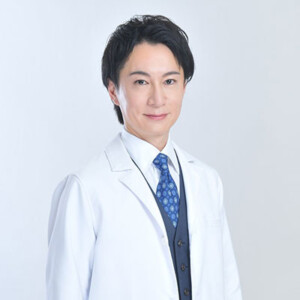
Dr. Jun Karibe
MD
Director
Education & Career
Certifications
Awards
MEDICAL REVIEW