Exosome Therapy in Tokyo: A Complete Guide to Skin Rejuvenation and Anti-Aging
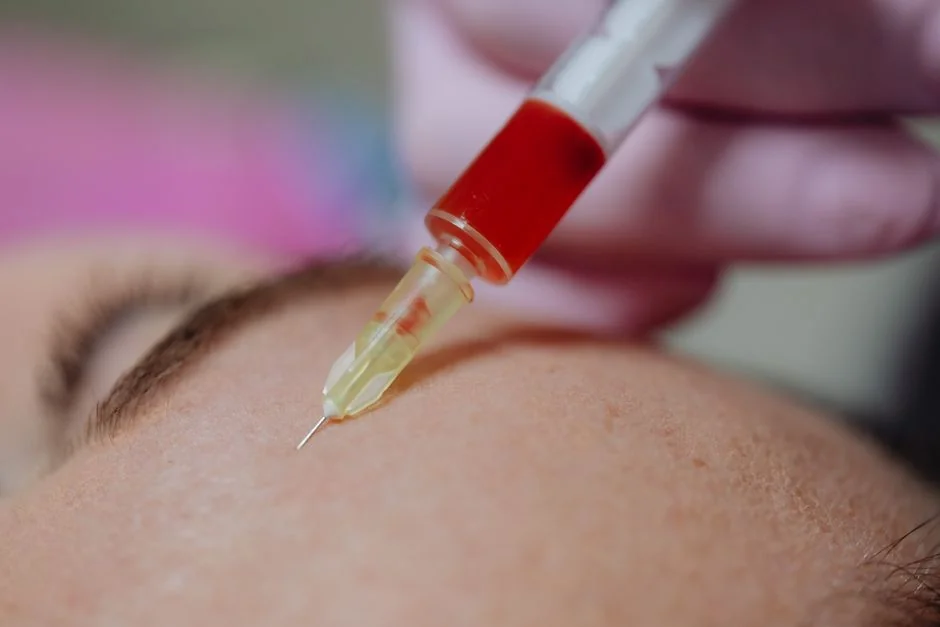
If you have been researching ways to refresh your skin — reducing fine lines, uneven tone, or the general dullness that accumulates with time — you may have come across the term “exosome therapy.”
The volume of information available online can be overwhelming, and it is not always easy to know what is genuinely evidence-based and what is marketing hype. This guide explains clearly what exosome therapy is, how it works, what results are realistic, and what it costs in Tokyo, so you can decide whether it may be right for you.
What you’ll learn in this article:
- What exosomes are and how they support skin rejuvenation at a cellular level
- How exosome treatments are delivered and what the procedure involves
- Realistic results and timeframes to expect
- Approximate costs for exosome therapy in Tokyo
- Who is a suitable candidate and who should approach with caution
Have a question about this treatment?
Message us on LINE or WhatsApp — our English-speaking team usually replies the same day.
What Is Exosome Therapy?
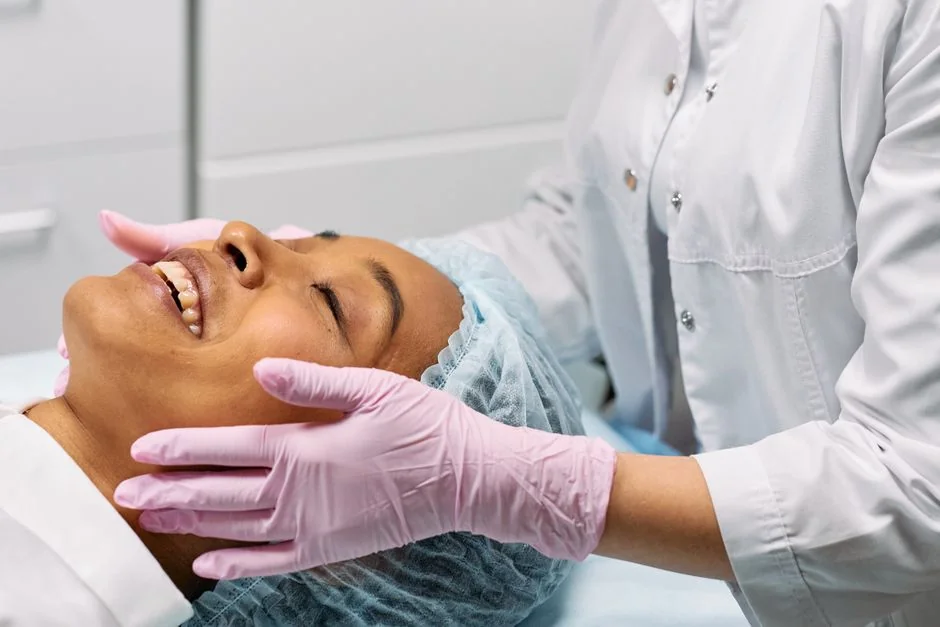
Exosomes are tiny vesicles — essentially small membrane-enclosed packets — that are naturally secreted by cells throughout the body. Their primary role is intercellular communication: they carry proteins, lipids, RNA, and signalling molecules from one cell to another, effectively delivering biological instructions that can influence how recipient cells behave.
In a cosmetic medicine context, exosome preparations used for skin rejuvenation are typically derived from stem cells — most commonly human adipose (fat) stem cells, bone marrow stem cells, or plant-derived sources. The theory is that when these exosomes are introduced into the skin, they can stimulate the skin’s own fibroblasts and keratinocytes to produce more collagen and elastin, accelerate cellular repair, and calm inflammatory signals that contribute to visible ageing.
It is important to note that exosomes are not living cells themselves. This distinguishes them from stem cell therapy and reduces certain regulatory and safety concerns, although the field is still evolving and long-term data continue to accumulate.
How Does It Differ from Other Regenerative Treatments?
Unlike platelet-rich plasma (PRP), which uses the patient’s own blood, exosome treatments use manufactured or processed preparations applied from an external source. Unlike hyaluronic acid fillers, which physically volumise tissue, exosomes aim to trigger the skin’s biological processes.
The distinction matters when setting expectations: exosomes are a regenerative, cellular-signalling approach, not a volume replacement or surface resurfacing treatment.
How Exosome Therapy Works: The Procedure
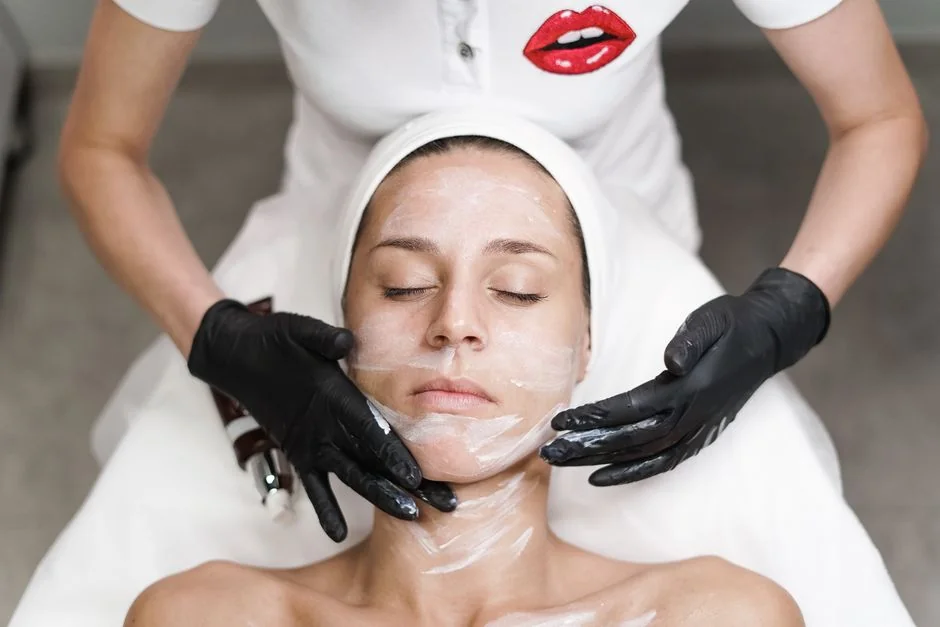
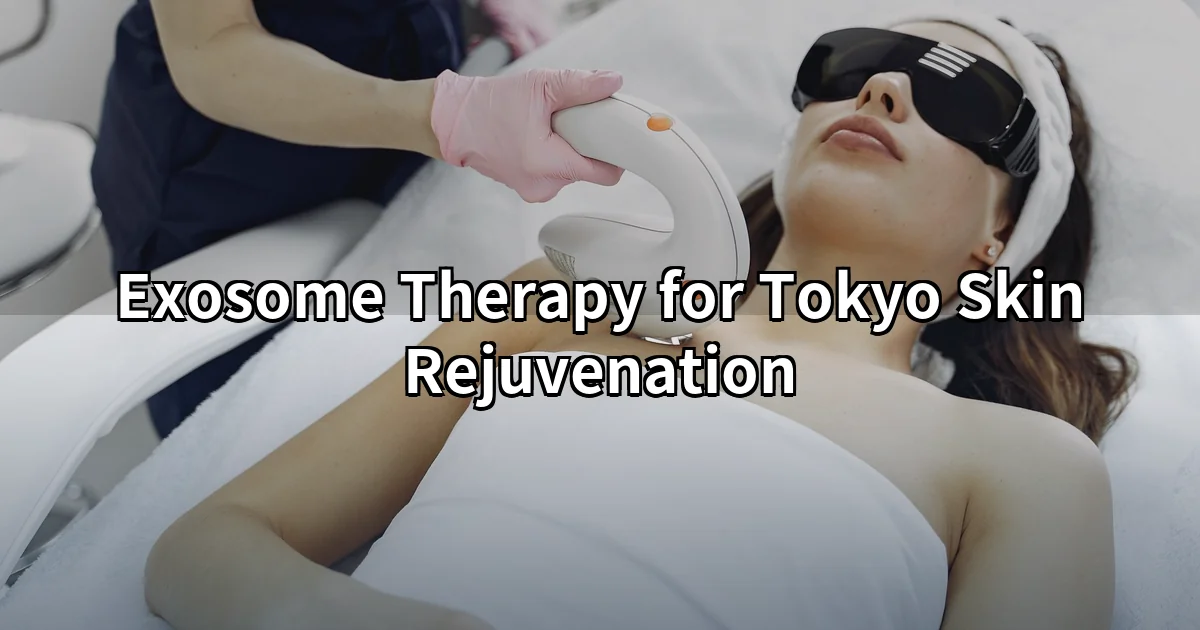
Exosome therapy is most commonly administered in combination with a skin-penetration method that creates microchannels in the skin, allowing the exosome solution to reach the deeper dermal layers where it can interact with fibroblasts. At BIOTOPE CLINIC in Shirokanedai, exosome preparations are often paired with treatments such as Dermapen (a microneedling device that creates controlled micro-injuries to the skin surface) or applied following laser treatment when the skin’s absorption capacity is at its peak.
A typical session proceeds as follows: a topical anaesthetic cream is applied and left for approximately 20–30 minutes to minimise discomfort. The skin is then cleansed thoroughly. The selected penetration method is performed — microneedling or laser — and the exosome solution is then applied directly to the treated surface, where it is gently pressed into the skin. The full appointment generally takes 45–75 minutes depending on the delivery method used.
Combining Exosomes with Other Treatments
In Dr. Karibe’s clinical experience at BIOTOPE CLINIC, combining exosome application with microneedling or fractional laser tends to produce more noticeable outcomes than topical application alone. The microchannels created by these devices allow the exosome solution to penetrate significantly deeper into the dermis.
This combination approach is worth discussing during your consultation, as the most appropriate pairing depends on your skin type, concerns, and sensitivity.
Dr. Karibe’s Note
Many of our international patients are surprised to learn that the preparation quality and source of exosomes vary considerably between products on the market. In clinical practice, the concentration of growth factors and the method of derivation matter enormously.
During a consultation, I take time to explain exactly which preparation we use, why, and what the current evidence suggests — because informed patients consistently report greater satisfaction with their outcomes, regardless of the treatment chosen.
Expected Results and What the Evidence Shows
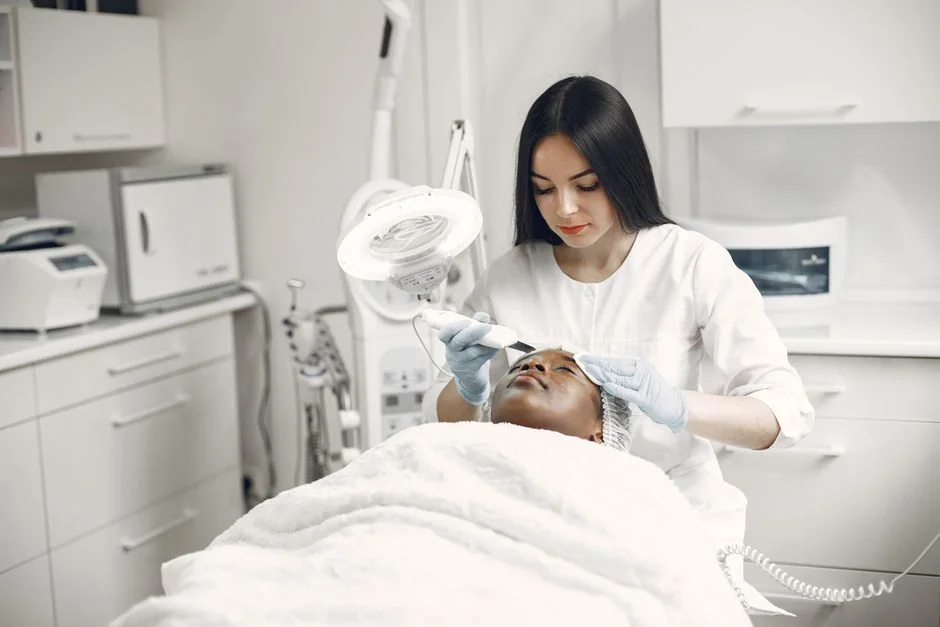
Clinical interest in exosome therapy for skin rejuvenation has grown considerably over the past several years. Studies suggest that exosome-based treatments can improve skin hydration, reduce the appearance of fine lines, and contribute to improved skin texture and luminosity.
One peer-reviewed study published in the Journal of Cosmetic Dermatology reported that participants receiving exosome treatment combined with microneedling showed statistically significant improvements in skin elasticity and wrinkle depth scores at the eight-week follow-up compared to a control group receiving microneedling alone.
Clinical reports also indicate that patients with post-inflammatory hyperpigmentation — dark marks remaining after acne, for example — may experience accelerated fading, with some trials noting visible improvement within four to six weeks.
It should be emphasised, however, that individual responses vary. Age, skin type, lifestyle factors such as sun exposure and smoking, and the quality of the exosome preparation used all influence outcomes.
Results are typically not immediate. Most patients begin to notice skin quality improvements two to four weeks after the first session, with more marked changes appearing after a course of two to four treatments spaced three to four weeks apart. Maintenance sessions every four to six months are generally recommended to sustain results.
Common Misconceptions About Exosome Therapy
Misconception 1: Exosome therapy is the same as stem cell therapy.
This is a frequent source of confusion. Exosomes are extracellular vesicles — they are not cells and do not contain cell nuclei or replicate.
They cannot “become” new skin cells. Their role is to carry signalling molecules that encourage your skin’s existing cells to function more effectively. This distinction is clinically significant and also has regulatory implications.
Misconception 2: A single session produces lasting, dramatic transformation.
Exosome therapy works cumulatively. While some patients notice a healthy glow or improved smoothness after one session, the regenerative process it initiates unfolds over several weeks. Setting realistic expectations — gradual, progressive improvement rather than immediate visible change — is essential for satisfaction with this type of treatment.
Exosome Therapy Cost in Tokyo
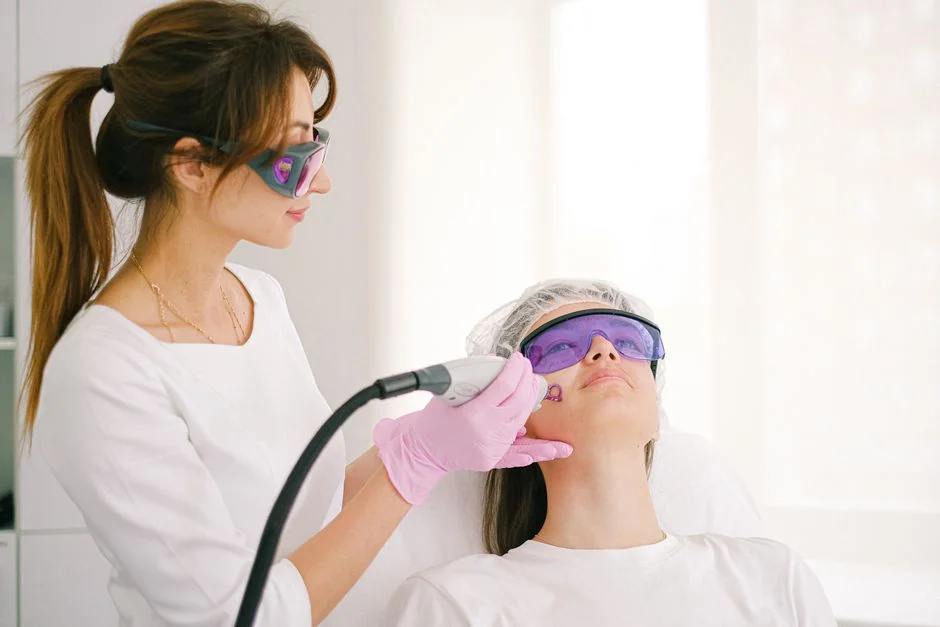
Exosome therapy pricing in Tokyo varies depending on the preparation used, the area treated, and whether it is combined with another procedure such as microneedling or laser. At BIOTOPE CLINIC, Dermapen — a commonly paired treatment — is priced from ¥9,800 to ¥220,000 depending on the area and programme selected.
CO2 fractional laser, another common combination partner, ranges from ¥11,000 to ¥66,000 per session.
Exosome products themselves are priced separately based on the vial concentration and brand, and costs at clinics across Tokyo generally range from approximately ¥30,000 to ¥150,000 per session for the exosome preparation component. A course of treatments — typically three to four sessions — may offer a more cost-effective approach than single sessions.
An initial consultation at BIOTOPE CLINIC is ¥5,500. A consultation with Dr. Karibe directly for a surgical or specialist procedure is ¥3,300.
For an accurate quote based on your specific skin concerns and the combination approach recommended, we recommend booking a consultation.
Comparison: Exosome Therapy vs. Related Rejuvenation Treatments
| Treatment | Primary Mechanism | Downtime | Approx. Cost per Session (Tokyo) | Best Suited For |
|---|---|---|---|---|
| Exosome therapy (standalone topical) | Cellular signalling, collagen stimulation | Minimal (1–2 days if combined with needling) | ¥30,000–¥150,000 (preparation) | Overall skin quality, fine lines, tone |
| Dermapen (microneedling) | Controlled micro-injury, collagen induction | 2–5 days redness/sensitivity | ¥9,800–¥220,000 | Texture, pores, acne scars |
| CO2 Fractional Laser | Ablative resurfacing, collagen remodelling | 5–10 days | ¥11,000–¥66,000 | Acne scars, enlarged pores, deeper lines |
| HIFU (skin lifting) | Ultrasound energy, SMAS layer tightening | Minimal (1–3 days mild swelling) | ¥25,000–¥110,000 | Skin laxity, jawline definition |
| Hyaluronic Acid Filler | Physical volume replacement | Minimal (bruising possible) | ¥66,000–¥88,000 per syringe | Volume loss, deep folds, lip augmentation |
Have a question about this treatment?
Message us on LINE or WhatsApp — our English-speaking team usually replies the same day.
What to Expect: Before, During, and After
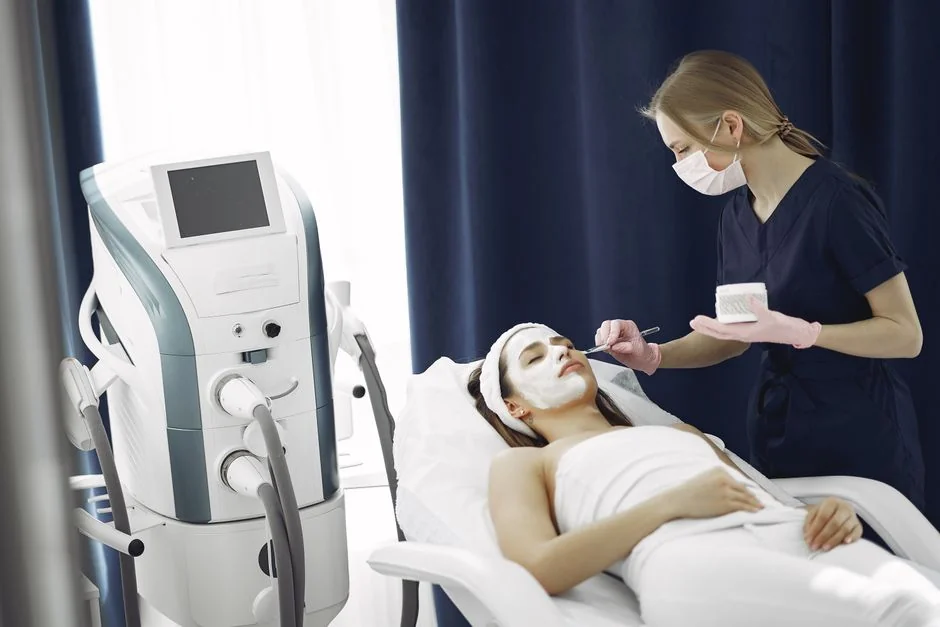
Before the Treatment
Patients are generally advised to avoid retinoid-containing skincare (such as tretinoin or retinol products) for five to seven days prior to the session, as these increase skin sensitivity. Strong exfoliating acids should also be paused. Sun protection in the days leading up to the appointment is important — treating significantly sun-damaged or sunburned skin increases the risk of post-treatment irritation.
During the Treatment
The procedure is generally well tolerated. When combined with microneedling, most patients describe a sensation of mild pressure or warmth. If combined with fractional laser, a snapping sensation accompanied by warmth is typical. Topical anaesthetic is applied beforehand to minimise discomfort. Immediately after the exosome solution is applied, the skin may appear pink or flushed.
After the Treatment
Downtime depends on the delivery method used. Following a standalone topical exosome application, most patients can return to normal activities immediately. When combined with Dermapen or fractional laser, mild redness, sensitivity, and slight peeling may be present for two to five days. Sun protection SPF 50 should be applied daily throughout the recovery period, and direct sun exposure should be avoided. Makeup can typically be worn from day two or three if no active irritation is present.
Who Is a Good Candidate?
Exosome therapy is generally suitable for adults who are experiencing early to moderate signs of skin ageing — fine lines, mild laxity, uneven skin tone, dullness, or slow recovery from environmental damage. It is also used to support skin healing after more intensive procedures such as fractional laser, and may benefit individuals with post-inflammatory hyperpigmentation or redness-prone skin.
At BIOTOPE CLINIC in Shirokanedai, patients considering exosome therapy frequently include expatriates and international residents in Tokyo who prefer a lower-downtime approach to skin maintenance, as well as those combining their treatment with other procedures such as HIFU for lifting or Dermapen for texture improvement.
People who should approach with caution or discuss their history carefully with a doctor before proceeding include those who are pregnant or breastfeeding, individuals with active skin infections or inflammatory skin conditions in the treatment area, those with a history of abnormal scarring (keloid tendency), and anyone with a known sensitivity to any component of the exosome preparation.
Patients who are immunocompromised should disclose this to their doctor, as the immunological implications of exosome therapy in this population require careful consideration.
Where to Get Exosome Therapy in Tokyo
Within our clinic group, English-speaking consultations are handled at BIOTOPE CLINIC in Shirokanedai (Minato-ku, Tokyo) by Dr. Jun Karibe.
Our sister clinic, Kojimachi Dermatology and Plastic Surgery Clinic in Ichigaya (Chiyoda-ku), handles Japanese-language insurance dermatology and serves as the group’s main medical office. Bookings and enquiries in English: LINE or WhatsApp.
BIOTOPE CLINIC is the appropriate destination for English-speaking patients interested in exosome therapy, whether as a standalone treatment or combined with Dermapen, fractional laser, or other cosmetic procedures available at the clinic. Dr. Karibe personally conducts consultations and can advise on the combination approach most suited to your skin condition and goals.
Frequently Asked Questions
- Q. How many sessions of exosome therapy will I need?
- Most patients benefit from a course of two to four sessions spaced three to four weeks apart, followed by maintenance treatments every four to six months. The exact number depends on the concerns being addressed and how your skin responds to the initial sessions — your doctor will advise after assessing your skin during consultation.
- Q. Is exosome therapy painful?
- When applied as a topical solution alone, there is no discomfort. When combined with microneedling or fractional laser, a topical anaesthetic is applied beforehand, and most patients describe the sensation as mild pressure or warmth rather than significant pain. The procedure is generally considered well tolerated by the majority of patients.
- Q. Are the exosomes derived from human cells? Is that safe?
- Many exosome preparations used in cosmetic medicine are derived from human stem cells, typically adipose or bone marrow-derived mesenchymal stem cells that have been extensively processed. The processing eliminates living cells, and quality preparations undergo rigorous testing. That said, it is important to receive exosome therapy only from a qualified medical provider using clearly documented preparations — this is a question worth raising directly with Dr. Karibe during your consultation.
- Q. Can exosome therapy be combined with Botox or fillers on the same day?
- This depends on the specific treatments and areas involved. In many cases, exosome therapy and injectable treatments can be planned in complementary ways, though combining them on the same day in the same area is not always advisable. Your doctor will assess your treatment plan holistically and recommend appropriate timing and sequencing.
- Q. Is exosome therapy regulated in Japan?
- Exosome products for cosmetic use in Japan currently fall within the cosmetic and quasi-drug regulatory framework rather than being classified as pharmaceuticals or regenerative medicine products in all cases, though the regulatory environment is evolving. It is important to choose a clinic with a board-certified physician who uses properly sourced and documented preparations and who will discuss the regulatory status of the product transparently.
Have a question about this treatment?
Message us on LINE or WhatsApp — our English-speaking team usually replies the same day.
Summary
Exosome therapy represents one of the more scientifically grounded approaches to skin rejuvenation currently available in cosmetic medicine.
By delivering biological signalling molecules directly into the dermis, it aims to stimulate the skin’s own repair and collagen-production processes rather than simply masking ageing or adding volume.
Evidence to date is encouraging, with studies suggesting measurable improvements in skin elasticity, fine lines, and overall skin quality — particularly when exosomes are combined with microneedling or fractional laser to enhance penetration depth.
As with any aesthetic treatment, expectations should be realistic: results develop gradually over several weeks, and a course of treatments typically produces more meaningful outcomes than a single session. Individual factors such as age, skin condition, and lifestyle all influence the final result.
Selecting a qualified, board-certified physician and ensuring that the exosome preparation used is clearly documented are essential steps before proceeding.
If you have questions about exosome therapy, English-speaking consultations are handled at BIOTOPE CLINIC in Shirokanedai (Minato-ku, Tokyo) by Dr. Karibe.
Our sister clinic Kojimachi Dermatology and Plastic Surgery Clinic in Ichigaya (Chiyoda-ku) handles Japanese-language insurance dermatology. English enquiries: LINE or WhatsApp.
24/7 Consultation & Booking
Book a Consultation or Treatment
Our English-speaking team responds via LINE or WhatsApp — usually the same day.
References
- Rani S, Ritter T. The Exosome — A Naturally Secreted Nanoparticle and Its Application to Wound Healing. Advanced Materials. 2016.
- Kwon HH, Park HY, Choi SC, et al. Combined treatment with human adipose tissue stem cell-derived exosomes and fractional CO2 laser for acne scars: a 12-week prospective, double-blind, randomised, split-face study. Acta Dermato-Venereologica. 2020.
- Zhang B, Shi Y, Gong A, et al. HucMSC Exosome-Delivered 14-3-3ζ Orchestrates Maintenance of MEK/ERK Pathway. Stem Cells. 2016.
- Tenchini ML, Ranzati C, Malcovati M. Cell culture methods for keratinocytes. Burns. 1992.
- Fabbrocini G, De Vita V, Monfrecola A, et al. Percutaneous collagen induction: an effective and safe treatment for post-acne scarring in different skin phototypes. Journal of Dermatological Treatment. 2012.
Related Articles
You may also find these articles useful.
- Stem Cells vs Exosomes vs Supernatant in Tokyo
- Anti-Aging Treatments Tokyo: Complete Guide for Expats
- Autologous Stem Cell Therapy Tokyo: Skin Rejuvenation
- Non-Surgical Facelift Tokyo for Foreigners
- HIFU vs RF Microneedling: Treat Facial Sagging
SUPERVISED BY
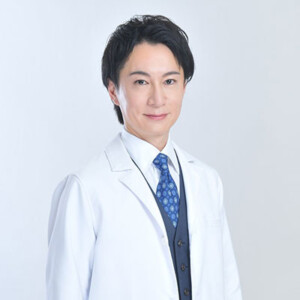
Dr. Jun Karibe
MD
Director
Education & Career
Certifications
Awards
MEDICAL REVIEW