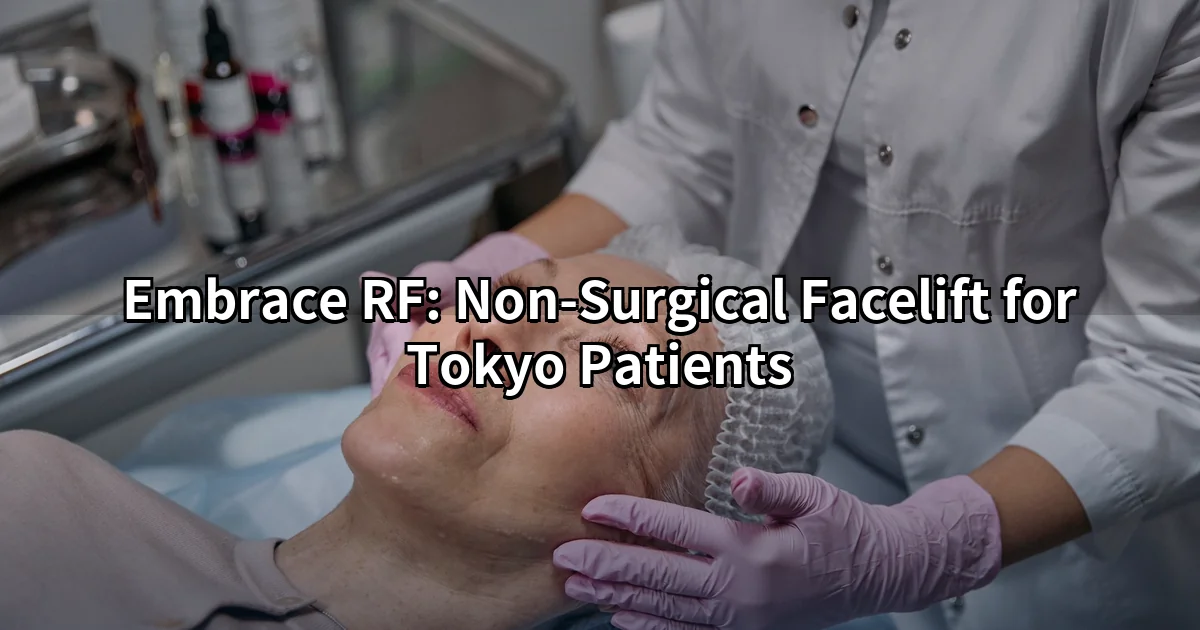
Non-Surgical Facelift in Tokyo: A Complete Guide for English-Speaking Patients
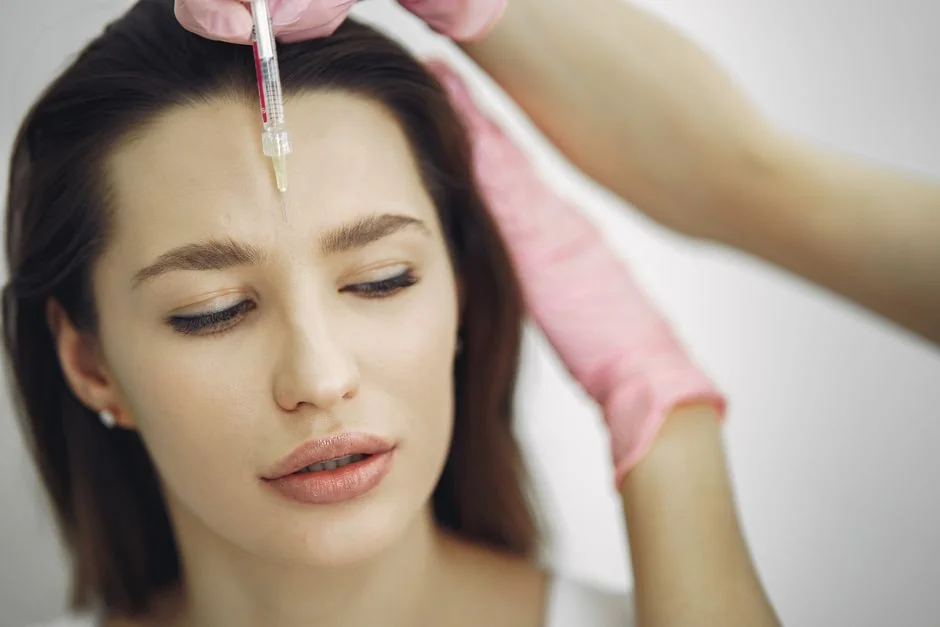
Considering a facelift but not yet ready for surgery — or simply prefer to avoid it altogether?
Many English-speaking expatriates and visitors in Tokyo are searching for effective, non-invasive ways to lift and tighten the face without the recovery time of an operating theatre.
This guide explains what non-surgical facelifts involve, which technologies are available in Tokyo, what realistic results look like, and how to access English-language consultations.
What you’ll learn in this article:
- What “non-surgical facelift” actually means and the main technologies behind it
- How treatments such as HIFU, radiofrequency, and thread lifts compare
- Realistic costs in Tokyo, with reference pricing
- Who is — and who is not — a good candidate
- How to book an English-speaking consultation in Tokyo
Have a question about this treatment?
Message us on LINE or WhatsApp — our English-speaking team usually replies the same day.
What Is a Non-Surgical Facelift?
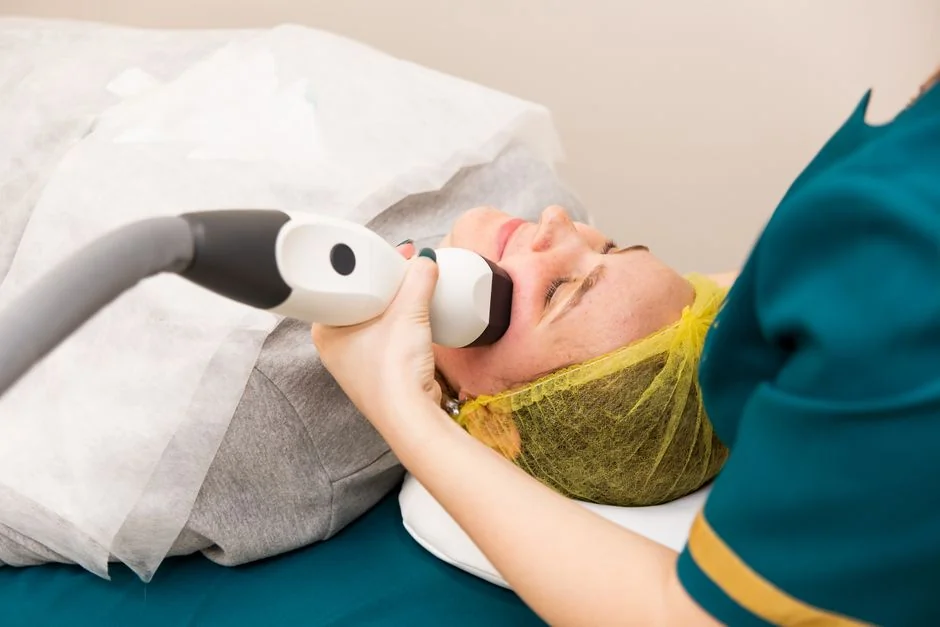
The term “non-surgical facelift” refers to a category of aesthetic treatments that address sagging, volume loss, and skin laxity without general anaesthesia or surgical incisions.
These treatments work through different mechanisms — energy delivery into deeper tissue layers, physical repositioning using fine threads, or injectable volume restoration — and are generally performed in a clinic setting with little to no downtime.
Unlike a surgical facelift (rhytidectomy), which physically excises and repositions tissue, non-surgical approaches stimulate the body’s own collagen production or provide temporary structural support. Results are typically more modest than surgery but are achieved far more safely and with considerably less disruption to daily life — an important consideration for working expatriates and short-stay medical tourists.
The Main Technologies
Three primary categories account for most non-surgical facelift procedures performed in Tokyo today:
- High-Intensity Focused Ultrasound (HIFU): Delivers focused ultrasound energy to the SMAS layer — the same fibromuscular layer targeted in surgical facelifts — triggering collagen remodelling from within.
- Radiofrequency (RF) devices: Use heat energy to stimulate collagen and elastin production in the dermis and subcutaneous tissue. Devices vary from superficial skin treatments to deep, combined RF-microneedling platforms.
- Thread lifts: Absorbable, barbed sutures are inserted beneath the skin to physically reposition tissue and simultaneously stimulate collagen formation around the thread.
Injectables such as hyaluronic acid fillers and Botox are sometimes grouped under the non-surgical facelift umbrella because they address key signs of facial ageing — loss of volume and dynamic wrinkles — but they work through entirely different mechanisms and are typically used in combination rather than as standalone “lift” treatments.
How Each Approach Works: A Comparison
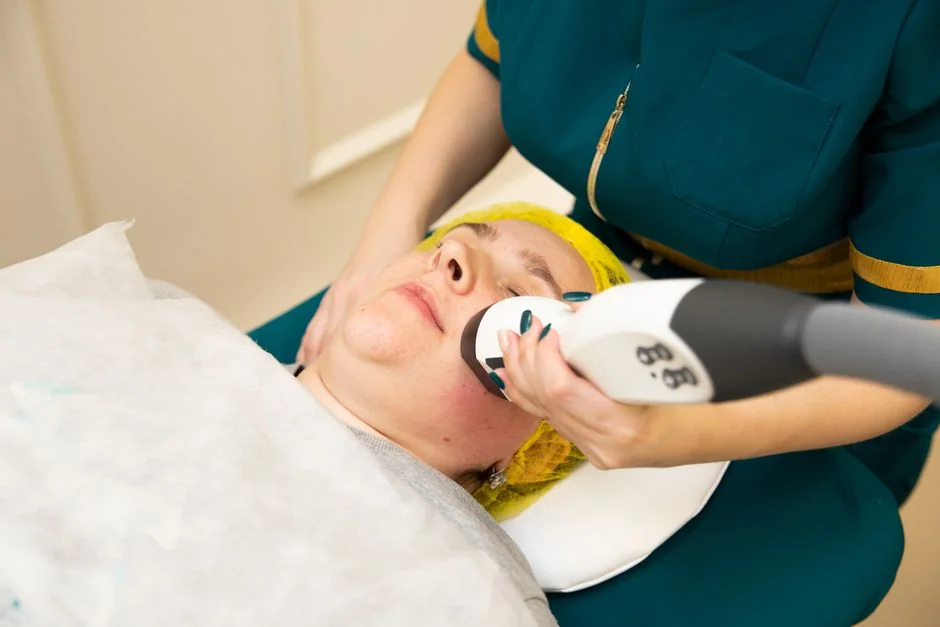
Understanding what each technology actually does beneath the skin helps set appropriate expectations before any consultation.
| Treatment | Mechanism | Depth of Action | Downtime | Duration of Results |
|---|---|---|---|---|
| HIFU | Focused ultrasound heats SMAS layer, triggering collagen remodelling | 3–4.5 mm (SMAS, deep dermis) | Minimal (0–2 days) | 12–18 months (varies) |
| Radiofrequency (RF) | Thermal energy tightens dermis and stimulates neocollagenesis | Dermis to subcutaneous | Minimal to mild | 6–18 months |
| Thread Lift (e.g. Tesslift) | Barbed sutures physically reposition tissue; dual collagen stimulus | Subcutaneous/SMAS support | 3–7 days (bruising possible) | 12–24 months |
| Hyaluronic Acid Filler | Restores lost volume, supports tissue structure | Dermis to deep fat compartments | Minimal (1–3 days) | 6–18 months |
| Botox | Relaxes hyperactive muscles to soften dynamic lines, allow “brow lift” effect | Superficial muscle | None | 3–5 months |
Dr. Karibe’s Note
Many of our international patients arrive at BIOTOPE CLINIC having already researched HIFU or thread lifts online, often expecting one device to solve everything.
In practice, the most satisfying outcomes usually come from a layered approach — addressing laxity with an energy device, restoring volume with filler where needed, and managing muscular overactivity with Botox.
A thorough consultation makes it possible to identify exactly where the face is losing its support so that we can recommend only what is genuinely useful for that individual, rather than a one-size-fits-all package.
Expected Results: What Is Realistic?
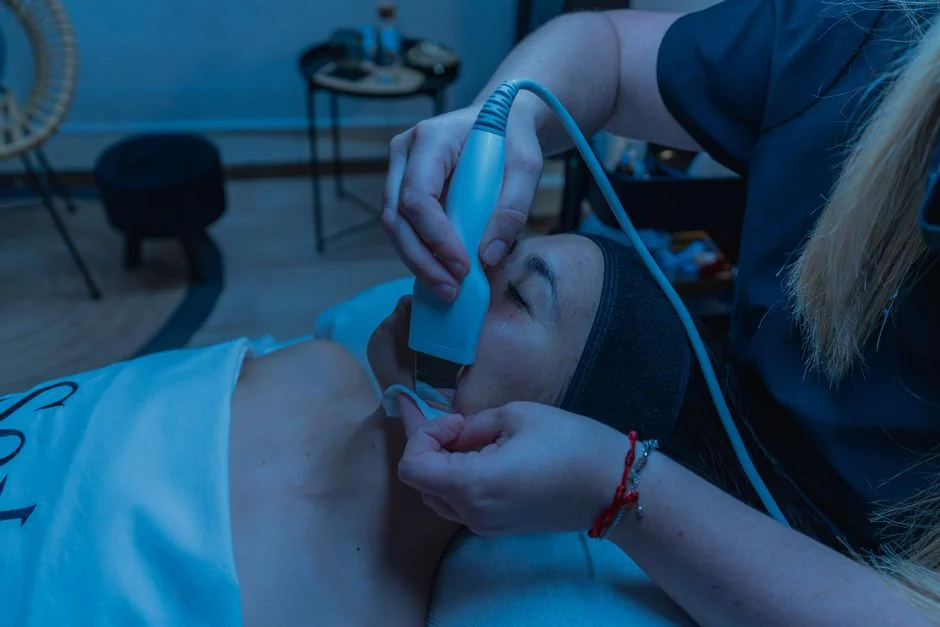
Clinical studies suggest that HIFU can produce measurable skin lifting and tightening in a significant proportion of patients. One published randomised trial reported improvements in brow position, nasolabial fold depth, and overall skin laxity scores in roughly 66–90% of subjects at 90 days post-treatment, with effects continuing to develop for up to six months as collagen remodels.
Clinical reports on thread lifts indicate immediate vector lifting that can be appreciated at the time of the procedure, with an additional collagen-stimulus phase peaking at approximately three months.
Studies suggest that results from polydioxanone (PDO) and poly-L-lactic acid (PLLA) threads persist for 12–24 months in a majority of patients, though individual anatomy, skin quality, and the volume of threads used all influence longevity.
It is important to set realistic expectations: non-surgical approaches are most effective for mild to moderate laxity.
Patients with significant skin excess, very heavy jowling, or pronounced neck banding are often better served by a surgical consultation, which Dr. Karibe can also provide at BIOTOPE CLINIC in Shirokanedai if appropriate.
What People Often Get Wrong About Non-Surgical Facelifts
Misconception 1 — “More sessions always means better results.”
Some patients assume that repeating HIFU or RF treatments in rapid succession will compound results linearly. In reality, collagen remodelling requires time; most protocols recommend a minimum interval of six to twelve months between full-face energy treatments. Over-treatment can lead to unnecessary discomfort and, in rare cases, uneven tissue response.
Misconception 2 — “Non-surgical means no recovery.”
Thread lift procedures can cause noticeable bruising, swelling, and a pulling sensation for up to one week. Certain RF microneedling protocols may also leave the skin red and sensitive for several days. Describing these treatments as entirely “zero downtime” would be misleading, and a responsible consultation should always include a frank discussion of the recovery timeline relevant to each specific procedure.
Cost of Non-Surgical Facelifts in Tokyo
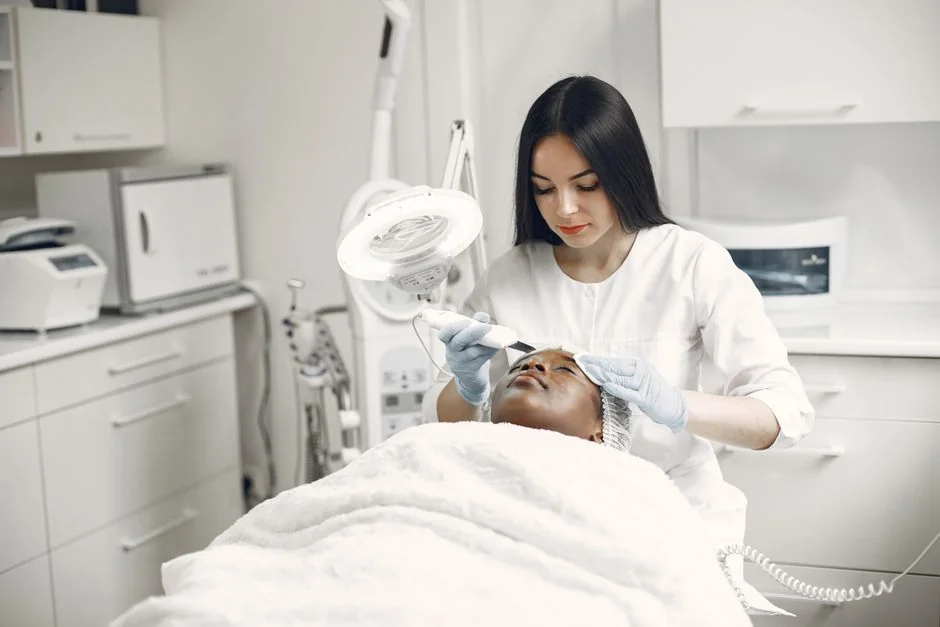
Pricing for non-surgical facelift treatments in Tokyo varies considerably depending on the device used, the number of shots or threads applied, and the area treated. The following figures are drawn from BIOTOPE CLINIC’s published price schedule:
- HIFU (skin lifting and tightening): ¥25,000–¥110,000 per session
- Thread lift (Tesslift): ¥48,000 per thread (total cost depends on how many threads are used)
- Hyaluronic acid filler: ¥66,000–¥88,000 per syringe
- Botox (Allergan): ¥22,000–¥148,000 depending on area and dosage
- Initial consultation: ¥3,300 / Dr. Karibe surgical consultation: ¥2,200
In Dr. Karibe’s clinical experience at BIOTOPE CLINIC, many patients enquiring about a “non-surgical facelift” benefit most from a combination plan — for example, HIFU for tissue tightening combined with conservative filler for volume restoration. Combination plans are quoted individually following consultation.
All surgical procedures require pre-operative blood work (¥11,000) and anaesthesia fees (¥2,200–¥77,000) where applicable.
For an accurate quote tailored to your anatomy and concerns, booking a consultation is the most reliable first step.
Have a question about this treatment?
Message us on LINE or WhatsApp — our English-speaking team usually replies the same day.
What to Expect: Before, During, and After
Before the Procedure
A thorough consultation is essential before any non-surgical facelift treatment.
Dr. Karibe will assess skin laxity, facial volume, muscle dynamics, and bone structure to determine which combination of treatments is appropriate. Patients are typically asked to avoid blood-thinning supplements (fish oil, high-dose vitamin E, aspirin where not medically required) for one week prior to injectable or thread procedures to reduce bruising risk.
During the Procedure
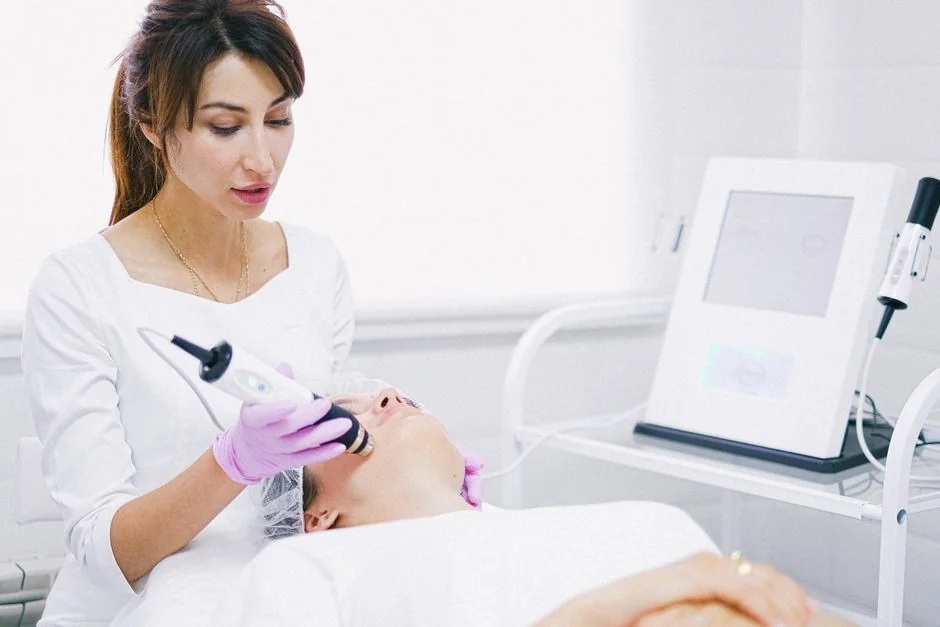
HIFU and RF treatments are performed with a topical numbing cream applied approximately 30–45 minutes beforehand. Patients experience a warming or prickling sensation during energy delivery. Thread lift procedures are performed under local anaesthesia; fine cannulas or needles are used to insert the threads beneath the skin in precisely planned vectors. Most non-surgical facelift treatments take between 30 and 90 minutes depending on the area and number of modalities used.
After the Procedure
HIFU and RF treatments typically allow an immediate return to social and work activities, though mild redness or swelling may be present for 24–48 hours. Thread lifts require a more cautious recovery: patients should avoid strenuous exercise, large mouth movements, and facial massage for approximately one to two weeks. Sleeping on the back and avoiding firm pressure on the face is advised during the early healing phase. Bruising, if present, generally resolves within five to ten days.
Who Is a Good Candidate?
Non-surgical facelift treatments are generally appropriate for adults experiencing mild to moderate signs of facial ageing — early jowling, mild brow descent, skin laxity around the lower face and neck, or the beginning of nasolabial fold deepening. Patients in their mid-30s through their 50s often respond particularly well.
At BIOTOPE CLINIC in Shirokanedai, patients frequently come in their 40s having noticed the first clear signs of volume loss or sagging and wanting to address them proactively, before significant surgery would be warranted. This “prevention and maintenance” approach is entirely consistent with evidence-based aesthetic medicine.
Certain patients should exercise caution or may not be suitable candidates:
- Patients with active skin infections, open wounds, or inflammatory skin conditions in the treatment area
- Those with metal implants (pacemakers, cochlear implants) in areas near RF or HIFU delivery zones
- Pregnant or breastfeeding patients
- Patients with very significant skin laxity who are likely to have limited results from non-surgical methods alone
- Patients with unrealistic expectations about the degree of lift achievable without surgery
The most important safeguard is an honest consultation. A qualified physician should advise patients candidly when a non-surgical approach is unlikely to achieve their stated goals — and offer surgical alternatives where appropriate.
Where to Get a Non-Surgical Facelift in Tokyo (English-Speaking)
Within our clinic group, English-speaking consultations are handled at BIOTOPE CLINIC in Shirokanedai (Minato-ku, Tokyo) by Dr. Jun Karibe, a board-certified plastic surgeon certified by the Japan Society of Plastic and Reconstructive Surgery. Our sister clinic, Kojimachi Dermatology & Plastic Surgery Clinic in Ichigaya (Chiyoda-ku), serves as the group’s main office for Japanese-language insurance-covered dermatology. Bookings and enquiries in English: LINE or WhatsApp.
HIFU skin tightening is a treatment available at BIOTOPE CLINIC in Shirokanedai — feel free to ask about it during a consultation with Dr. Karibe. Thread lift procedures using Tesslift are also offered and may be discussed as part of a personalised non-surgical lifting plan.
Frequently Asked Questions
- Q. Can I have a non-surgical facelift treatment during a short visit to Tokyo?
- Many non-surgical treatments such as HIFU and injectable procedures allow same-day or next-day return to normal activities, making them feasible for short-stay visitors. Thread lifts involve a slightly longer social recovery (up to one week) and require a follow-up check, so planning an adequate stay is advisable. Dr. Karibe can advise on timing during your consultation.
- Q. How many sessions will I need?
- For HIFU and RF treatments, a single session typically produces gradual improvement over three to six months. Some patients choose to repeat treatment annually to maintain results. Thread lifts are generally a single-session procedure, with volume of threads adjusted based on clinical assessment. A personalised recommendation will be made at consultation based on your specific anatomy and goals.
- Q. Is HIFU or a thread lift more appropriate for me?
- The choice depends on the type and degree of ageing change present. HIFU is particularly effective for diffuse skin laxity and early jowling; thread lifts provide more immediate, directional lifting and may suit patients with more defined vector sagging. In some cases a combination of both is appropriate. This is precisely the question a consultation with Dr. Karibe is designed to answer.
- Q. Are non-surgical facelifts safe for all skin tones?
- HIFU and RF treatments are generally considered suitable across the full range of skin tones, including the darker Fitzpatrick types common among East Asian, South Asian, and Middle Eastern patients. Laser-based treatments carry a higher risk of post-inflammatory hyperpigmentation in darker skin and require more careful parameter selection. Your practitioner should discuss your skin type explicitly during the consultation.
- Q. Will results look natural?
- When performed conservatively and based on individual anatomy, non-surgical facelift treatments produce a refreshed, rested appearance rather than an obviously “done” look. The risk of an unnatural result increases when excessive filler volumes are used or when thread vectors are poorly planned. Working with a board-certified plastic surgeon with specific training in facial anatomy reduces this risk considerably.
Have a question about this treatment?
Message us on LINE or WhatsApp — our English-speaking team usually replies the same day.
Summary
Non-surgical facelifts encompass a spectrum of technologies — primarily HIFU, radiofrequency treatments, thread lifts, and strategic injectables — each addressing different aspects of facial ageing without the need for general anaesthesia or surgical incisions. Results are realistic and achievable for mild to moderate laxity, though they differ from the degree of correction possible through surgery. The most appropriate treatment plan depends on individual anatomy, skin quality, and personal goals, and should always be determined through a qualified medical consultation.
If you have questions about non-surgical facelifts in Tokyo, English-speaking consultations are handled at BIOTOPE CLINIC in Shirokanedai (Minato-ku, Tokyo) by Dr. Karibe. Our sister clinic Kojimachi Dermatology & Plastic Surgery Clinic in Ichigaya (Chiyoda-ku) handles Japanese-language insurance dermatology. English enquiries: LINE or WhatsApp.
24/7 Consultation & Booking
Book a Consultation or Treatment
Our English-speaking team responds via LINE or WhatsApp — usually the same day.
References
- Suh DH, Oh YJ, Lee SJ, et al. A intense-focused ultrasound tightening for the treatment of infraorbital laxity and facial laxity. Journal of Cosmetic and Laser Therapy. 2015.
- Casabona G, Marchetti MA. Microfocused ultrasound for treating skin laxity: a prospective survey of patient satisfaction. Clinical, Cosmetic and Investigational Dermatology. 2017.
- Rachel JD, Lack EB, Larson B. Incidence of complications and early recurrence in 29 patients after facial rejuvenation with barbed suture lifting. Dermatologic Surgery. 2010.
- Mulholland RS. Radiofrequency energy for non-invasive and minimally invasive skin tightening. Clinics in Plastic Surgery. 2011.
- Goldie K, Peeters W, Alghoul M, et al. Global Consensus Guidelines for the Injection of Diluted and Hyperdiluted Calcium Hydroxylapatite for Skin Tightening. Dermatologic Surgery. 2018.
SUPERVISED BY
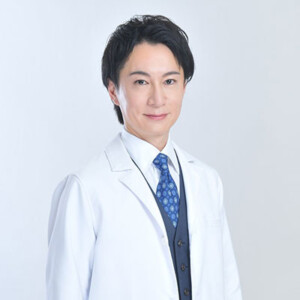
Dr. Jun Karibe
MD
Director
Education & Career
Certifications
Awards
MEDICAL REVIEW