Regenerative Medicine in Tokyo: Stem Cell Therapy, Exosome Therapy, and Supernatant — What Is the Difference?
If you have been researching skin rejuvenation or anti-ageing treatments in Tokyo, you may have encountered terms such as “stem cell therapy,” “exosome therapy,” and “stem cell supernatant” — sometimes used interchangeably, yet describing quite different approaches. Understanding the distinctions between these regenerative options is important before committing to any course of treatment.
This article explains what each approach involves, how they compare in terms of mechanism, evidence, cost, downtime, and candidacy, so you can have a more informed conversation with a qualified physician.
- What stem cell therapy, exosome therapy, and supernatant (conditioned medium) each mean in plain language
- How these three regenerative approaches work at a biological level
- How they compare on evidence, safety profile, cost in Tokyo, and downtime
- Who is likely to benefit from regenerative medicine — and who should proceed with caution
- Frequently asked questions for international patients considering treatment in Japan
Have a question about this treatment?
Message us on LINE or WhatsApp — our English-speaking team usually replies the same day.
What Is Regenerative Medicine? An Overview of the Three Approaches
Regenerative medicine refers to treatments designed to stimulate the body’s own repair mechanisms — promoting collagen synthesis, improving tissue quality, and supporting cellular renewal. In an aesthetic context, these treatments are most commonly sought for skin rejuvenation, scar improvement, hair restoration, and anti-ageing.
Three terms come up most frequently in Tokyo clinics: stem cell therapy, exosome therapy, and stem cell conditioned medium (also called supernatant or conditioned serum). Although all three are positioned under the regenerative medicine umbrella, they are biologically and regulatory distinct.
Stem Cell Therapy
Stem cells are undifferentiated cells with the capacity to develop into specialised cell types and to self-renew. In an aesthetic medicine context, the term most commonly refers to adipose-derived stem cells (ADSCs) — cells extracted from a patient’s own fat tissue, processed, and then re-administered, often as part of a fat grafting procedure or as an injectable preparation.
Because stem cells are living cells, their handling, processing, and administration are subject to Japan’s Act on the Safety of Regenerative Medicine (再生医療安全性確保法), which requires clinics to register their protocols with the government before offering such treatments. This regulatory layer is an important quality signal when evaluating providers in Japan.
Exosome Therapy
Exosomes are nano-scale extracellular vesicles — tiny membrane-bound packages — naturally secreted by cells, including stem cells. They carry proteins, lipids, and genetic material (such as microRNA) that act as biological messengers, influencing neighbouring cells to behave in particular ways: reducing inflammation, stimulating collagen production, or signalling tissue repair.
Because exosomes are not living cells, they do not carry the same replication risks associated with cell-based therapies. They are typically derived from donated human stem cells (often from umbilical cord or placenta sources) and supplied as a freeze-dried or liquid formulation. In Japan, exosome products occupy a regulatory grey area — they are not yet classified as pharmaceuticals and are offered under free medical practice,meaning the regulatory burden differs from that of cell-based therapies.
Stem Cell Conditioned Medium (Supernatant)
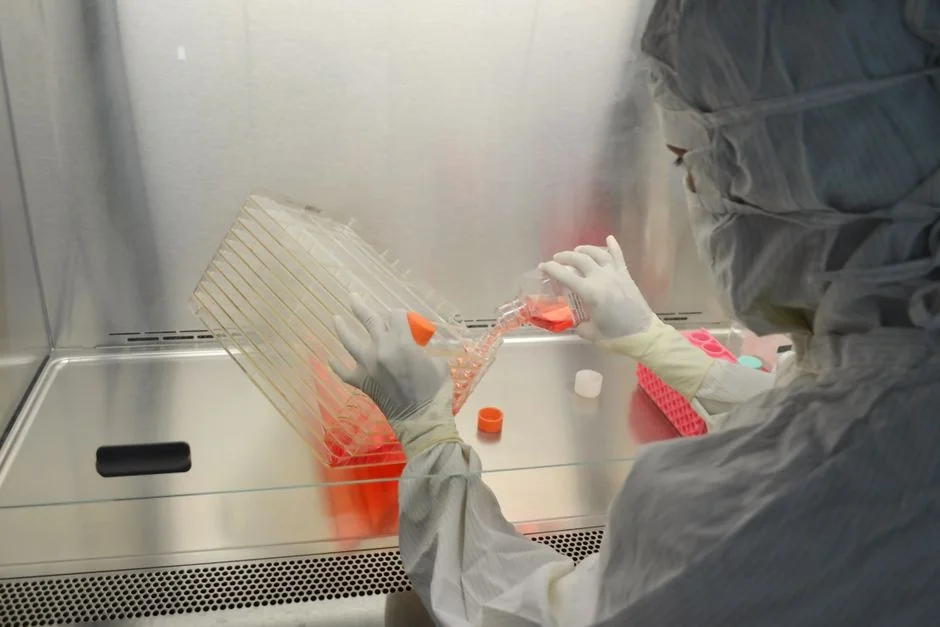
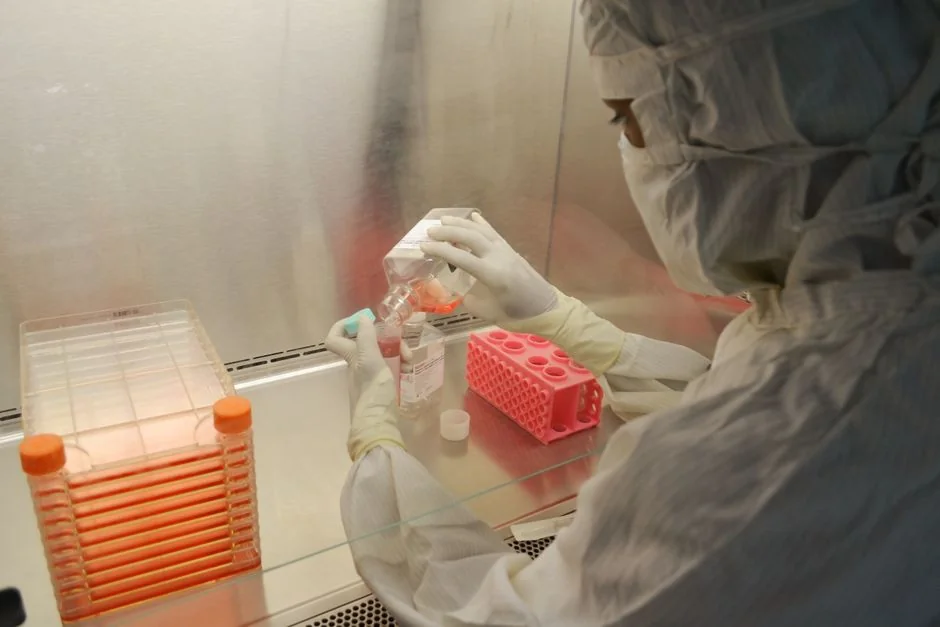
Stem cell conditioned medium — sometimes marketed as “stem cell supernatant” or “stem cell culture supernatant” — is the liquid in which stem cells have been cultured. After the cells are removed, the remaining fluid contains the growth factors, cytokines, and signalling molecules that those cells secreted during culture.
This approach does not involve administering any cells at all. The conditioned medium is rich in epidermal growth factor (EGF), fibroblast growth factor (FGF), vascular endothelial growth factor (VEGF), and other mediators. It can be applied topically (for example, after microneedling) or injected. It is the most accessible and most leniently regulated of the three approaches in Japan, and consequently the most widely offered.
How Each Approach Works: The Biological Mechanism
All three modalities ultimately aim to deliver regenerative signals to the skin — but at different levels of biological complexity and potency.
Stem cells, when successfully engrafted, can theoretically secrete regenerative factors in a sustained manner over time. However, the survival and engraftment of transplanted stem cells in aesthetic applications remains variable, and much of the observed clinical benefit may itself come from paracrine signalling — meaning the factors those cells secrete — rather than the cells directly differentiating into new tissue.
Exosomes represent a more targeted delivery of those paracrine signals. Because they are membrane-enclosed, their cargo (proteins and RNA) is protected from rapid enzymatic degradation. Studies suggest exosomes from mesenchymal stem cells can upregulate collagen type I synthesis and reduce matrix metalloproteinase (MMP) activity — key mechanisms in skin rejuvenation. A 2021 review published in Stem Cell Research & Therapy noted that exosome-based treatments demonstrated measurable improvements in skin hydration and elasticity in clinical series, though the authors stressed the need for larger randomised trials.
Conditioned medium offers a more dilute but still meaningful growth factor payload. It is well suited to combination with physical delivery methods — such as microneedling or fractional laser — that temporarily increase skin permeability and allow topical or intradermal uptake of active molecules.
Comparing Stem Cell, Exosome, and Supernatant Treatments
The table below summarises the key differences across the three regenerative approaches to help you ask the right questions during a consultation.
| Feature | Stem Cell Therapy | Exosome Therapy | Supernatant / Conditioned Medium |
|---|---|---|---|
| What is administered | Living stem cells (typically autologous) | Nano-vesicles derived from stem cells | Growth factor-rich cell-free fluid |
| Regulatory status in Japan | Regulated under the Regenerative Medicine Safety Act; clinic registration required | Offered under free medical practice; not yet classified as pharmaceutical | Offered under free medical practice; lightest regulatory burden |
| Source | Usually autologous (patient’s own fat or blood) | Usually allogeneic (donor-derived, e.g., umbilical cord) | Allogeneic cell culture medium |
| Invasiveness | High — fat harvest or blood draw required | Low to moderate — injection or topical application | Low — topical or minimally invasive injection |
| Downtime | Several days to weeks (harvest site recovery) | Minimal — redness 24–48 hours if injected | Minimal — typically none to 1–2 days |
| Evidence base | Moderate; stronger for reconstructive than cosmetic use | Emerging; promising early clinical data | Moderate for growth factor benefits; delivery method matters |
| Typical Tokyo cost range | From approximately ¥300,000–¥1,000,000+ per session | From approximately ¥50,000–¥300,000 per session | From approximately ¥20,000–¥80,000 per session or as add-on |
| Combination potential | Often combined with fat grafting | Often combined with microneedling, laser, or injection | Commonly combined with Dermapen or fractional laser |
Expected Results and Evidence
It is important to approach regenerative medicine with realistic expectations. None of these treatments produce overnight transformation, and results vary considerably depending on individual biology, skin condition, age, and the delivery method used.
Clinical reports indicate that patients undergoing exosome treatment in combination with microneedling tend to report improved skin texture, luminosity, and hydration within four to eight weeks of treatment.
A clinical series published in the Journal of Cosmetic Dermatology (2022) found that participants receiving exosome-augmented microneedling showed a statistically significant improvement in skin roughness and melanin index compared to microneedling alone, though the study sample size was modest.
Supernatant-based treatments, when delivered via a physical channel such as fractional laser or Dermapen, may support wound healing, reduce post-procedural inflammation, and enhance collagen stimulation. They are frequently offered as an add-on rather than a standalone protocol.
Stem cell treatments, where performed under appropriate regulatory compliance, are associated with the most sustained results — partly because the cells may continue secreting growth factors over time.
However, results in cosmetic applications are variable, and this modality requires significantly greater investment in terms of cost, time, and procedural complexity.
Dr. Karibe’s Note
Many of our international patients arrive having already researched regenerative treatments online and are understandably excited by the terminology.
A common question I receive is: “Which is stronger — exosomes or stem cells?” My honest answer is that potency alone is not the right framework.
The correct question is which approach is appropriately matched to your skin concerns, health status, and expectations.
A thorough consultation, including a review of your medical history and skin assessment, is always the starting point before any recommendation is made.
What People Often Get Wrong About Regenerative Medicine
Misconception 1: “Stem cell” labelling always means living cells are used
Many products and treatments marketed in Japan and globally as “stem cell” are in fact conditioned medium or growth factor extracts — no living stem cells are present.
This is not necessarily a deficiency, since the growth factors themselves have biological value, but the terminology can be misleading. Patients should ask their physician directly: “Will living cells be administered, or is this a conditioned medium or exosome product?”
Misconception 2: More regenerative treatments equal faster or better results
There is a tendency — particularly in the medical tourism context — to assume that stacking multiple regenerative sessions in a short period accelerates outcomes.
In practice, skin remodelling is a biological process governed by collagen synthesis cycles, which take weeks to months. Over-treating within a short window does not speed this up and may in some cases cause unnecessary inflammation.
A well-spaced, evidence-guided protocol is generally more effective than a high-volume short-stay approach.
Cost in Tokyo
Regenerative medicine treatments in Tokyo are offered exclusively as private (self-pay) procedures.
There is no health insurance coverage for any of the three modalities described in this article.
As a general guide for the Tokyo market, stem cell therapy — particularly autologous ADSC procedures — can range from approximately ¥100,000 to over ¥1,000,000 per session depending on protocol complexity.
Exosome therapy sessions typically fall in the ¥50,000 to ¥300,000 range depending on the exosome product used, the concentration, and whether it is combined with an energy-based device.
Conditioned medium / supernatant treatments are often offered as add-ons to existing procedures — for example, applied post-Dermapen or post-fractional laser — and may add ¥20,000 to ¥80,000 to the base procedure cost.
At BIOTOPE CLINIC or Kojimachi Dermatology & Plastic Surgery Clinic, Dermapen is available from ¥9,800, and CO2 fractional laser from ¥11,000, both of which are device options commonly combined with regenerative adjuncts. These treatments are available at our Ichigaya clinic — feel free to ask about combination protocols during a consultation.
For an accurate quote, we recommend booking a consultation.
Have a question about this treatment?
Message us on LINE or WhatsApp — our English-speaking team usually replies the same day.
Who Is a Good Candidate — and Who Should Proceed with Caution
Suitable candidates
- Adults in good general health who are seeking non-surgical skin rejuvenation and are willing to undergo a course of treatment rather than expecting a single-session result
- Patients with early to moderate signs of skin ageing, uneven texture, dullness, or mild laxity
- Those who have already optimised the basics — sun protection, skincare routine, nutrition — and are looking for an adjunctive biological boost
- Patients interested in post-procedure recovery support following laser or microneedling treatments
Those who should proceed with caution or seek medical clearance first
- Individuals with active autoimmune conditions, immunosuppression, or a personal or family history of malignancy — a physician review is essential before any regenerative therapy
- Pregnant or breastfeeding individuals
- Those with active skin infections, open wounds, or inflammatory skin conditions in the treatment area
- Patients expecting dramatic results from a single session — a realistic discussion of goals must precede treatment
In our clinical experience at BIOTOPE CLINIC or Kojimachi Dermatology & Plastic Surgery Clinic, international patients seeking regenerative treatments often benefit most from a staged approach: beginning with a thorough skin assessment and, where relevant, combining regenerative adjuncts with evidence-based energy devices for a synergistic outcome.
Frequently Asked Questions
- Q. Is regenerative medicine regulated in Japan?
- Yes, but the level of regulation varies by modality. Cell-based therapies using living stem cells are regulated under Japan’s Act on the Safety of Regenerative Medicine, which requires clinic protocol registration. Exosome products and conditioned medium are currently offered under free medical practice (自由診療) and are not yet classified as pharmaceutical drugs in Japan. When considering treatment, it is reasonable to ask the clinic about their protocol registration status and the source and quality assurance of any products used.
- Q. How many sessions of exosome or supernatant therapy are typically needed?
- Most published protocols and clinical guidance suggest an initial course of three to four sessions spaced three to four weeks apart, followed by maintenance sessions every three to six months. However, individual recommendations will vary based on skin condition, age, and treatment goals. A physician assessment is required to determine an appropriate protocol for your specific situation.
- Q. Can I combine regenerative treatments with Botox or filler on the same visit?
- In many cases, yes — but the sequencing and suitability depend on individual factors including the specific products used and the areas being treated. Some physicians prefer to separate sessions to allow for accurate assessment of each treatment’s contribution to the result. This is a question well suited to the consultation appointment, where your overall treatment plan can be designed holistically.
- Q. Are results from regenerative medicine permanent?
- No regenerative medicine treatment produces permanent results in the traditional sense, as all skin tissues continue to age over time. However, improvements in collagen quality, skin texture, and hydration achieved through regenerative treatments can persist for several months to over a year, particularly with appropriate maintenance. The durability of results depends on the treatment modality, the number of sessions received, and ongoing skincare and sun protection practices.
- Q. Is it safe to receive regenerative treatment while visiting Tokyo as a short-term tourist?
- It is possible to receive lower-invasiveness treatments such as conditioned medium or exosome application during a short visit, particularly when combined with a microneedling or laser session.
- However, cell-based stem cell procedures — which require pre-operative assessment and may involve a harvest procedure — are generally not suitable for very short stays. Patients planning medical tourism for regenerative treatments are encouraged to factor in at least a follow-up window and to share their medical history with the treating physician in advance of arrival.
Have a question about this treatment?
Message us on LINE or WhatsApp — our English-speaking team usually replies the same day.
Summary
Regenerative medicine in Tokyo encompasses three distinct but related approaches — stem cell therapy, exosome therapy, and stem cell conditioned medium (supernatant) — each differing in biological mechanism, regulatory status, invasiveness, cost, and evidence base. Stem cell therapy offers the most biologically complex intervention but also the highest cost and procedural burden.
Exosome therapy represents a promising middle ground, delivering key regenerative signals without living cells. Conditioned medium is the most accessible and is frequently used as a synergistic adjunct to laser or microneedling treatments.
Selecting the appropriate approach requires an individualised assessment by a qualified physician who can match the treatment to your specific skin concerns, health history, and treatment goals.
As with all cosmetic medicine, outcomes are not guaranteed — but evidence suggests that well-selected patients, treated according to appropriate protocols, can achieve meaningful improvements in skin quality and vitality.
If you have questions about regenerative medicine in Tokyo — including how stem cell, exosome, and supernatant options compare — our team at BIOTOPE CLINIC or Kojimachi Dermatology & Plastic Surgery Clinic in Tokyo would be happy to help. We offer consultations in English.
24/7 Consultation & Booking
Book a Consultation or Treatment
Our English-speaking team responds via LINE or WhatsApp — usually the same day.
References
- Fang S, Xu C, Zhang Y, et al. Umbilical cord-derived mesenchymal stem cell-derived exosomal microRNAs suppress myofibroblast differentiation by inhibiting the TGF-beta/SMAD2 pathway during wound healing. Stem Cells Translational Medicine. 2016.
- Guo SC, Tao SC, Yin WJ, et al. Exosomes derived from platelet-rich plasma present a novel potential in alleviating knee osteoarthritis by promoting proliferation and inhibiting apoptosis of chondrocytes. Theranostics. 2017.
- Kim YJ, Yoo SM, Park HH, et al. Exosomes derived from human umbilical cord blood mesenchymal stem cells stimulates rejuvenation of human skin. Biochemical and Biophysical Research Communications. 2017.
- Rajendran RL, Gangadaran P, Bak SS, et al. Extracellular vesicles derived from MSCs activates dermal papilla cell in vitro and promotes hair follicle conversion from telogen to anagen in mice. Scientific Reports. 2017.
- Choi EW, Seo MK, Woo EY, Kim SH, Park EJ, Kim S. Exosomes from human adipose-derived stem cells promote proliferation and migration of skin fibroblasts. Experimental Dermatology. 2018.
Related Articles
You may also find these articles useful.
- Non-Surgical Facelift Tokyo for Foreigners: Full Guide
- HIFU in Tokyo: Non-Surgical Skin Tightening Explained
- Popular Non-Surgical Skin Tightening Treatments in Tokyo for International Patients
SUPERVISED BY
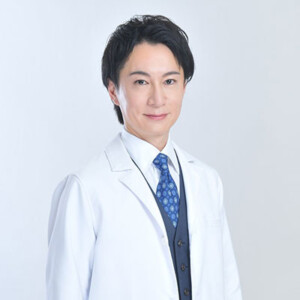
Dr. Jun Karibe
MD
Director
Education & Career
Certifications
Awards
MEDICAL REVIEW