Scar Revision Surgery in Tokyo: Options and Cost
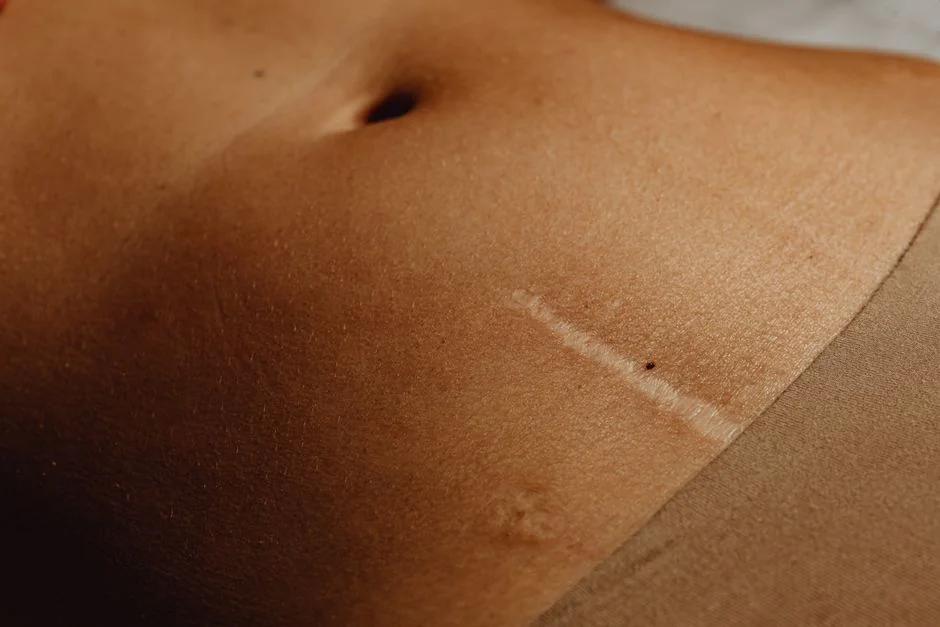
A scar that pulls, itches, thickens or simply catches your eye every morning in the mirror can weigh on you far more than its size suggests — and navigating the Japanese medical system in a second language makes it harder to know where to start.
This article explains what scar revision surgery actually involves, which non-surgical options exist alongside it, and how cost works in Tokyo when a scar falls under national health insurance versus when it is treated as self-pay care.
What you’ll learn in this article:
- The difference between a mature scar, a hypertrophic scar, a keloid and a scar contracture — and why the label changes the treatment plan
- The main scar revision options available in Tokyo, surgical and non-surgical, with a side-by-side comparison
- How cost is structured in Japan: the insurance-covered route, its strict eligibility rule, and what self-pay treatment involves
- What recovery realistically looks like, and who is a good candidate
- Two common misconceptions about scars that lead people to seek treatment at the wrong time
Have a question about this treatment?
Message us on LINE or WhatsApp — our English-speaking team usually replies the same day.
What Is Scar Revision Surgery?
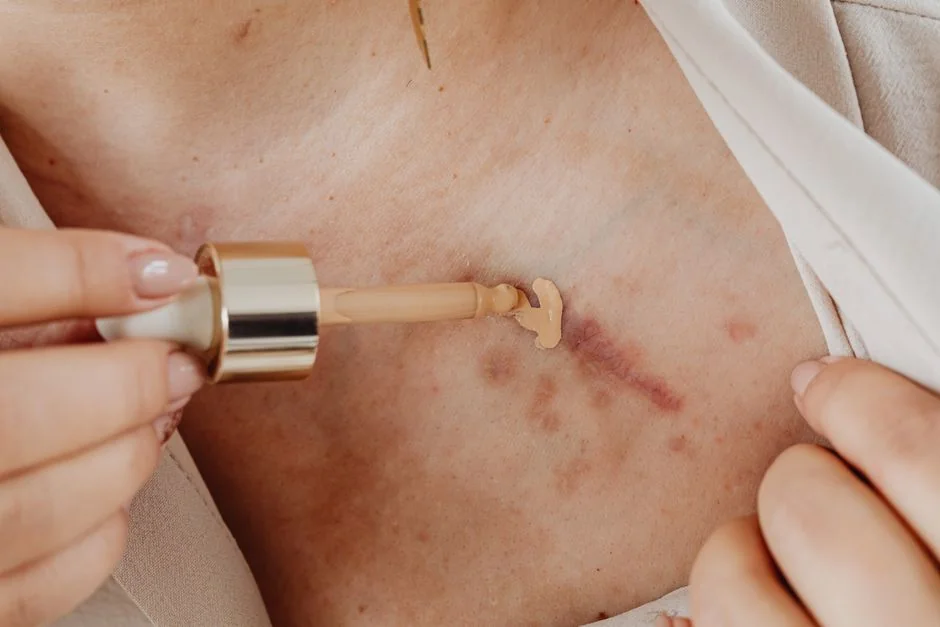
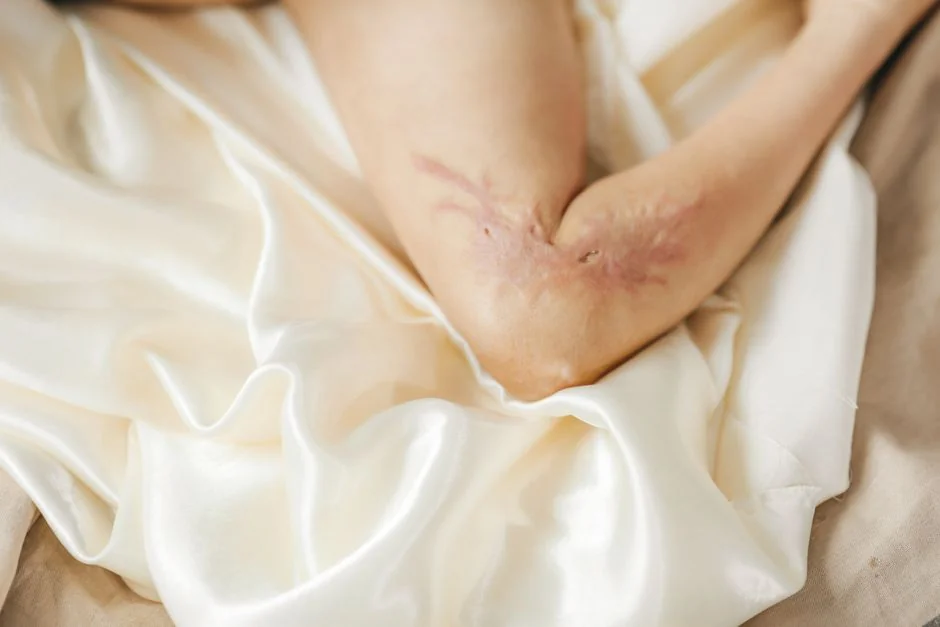
Scar revision surgery is a procedure that removes or re-shapes an existing scar and closes the wound in a more favourable way. The aim is not erasure — a scar is permanent tissue — but conversion of a conspicuous, raised, wide or tethering scar into a flatter, narrower, better-oriented one.
Much of the technique is about tension. The Japan Scar Workshop consensus document notes that when an incision line runs along the direction of predominant skin tension, surgeons are advised to add one or more z-plasties — small triangular flaps that redirect and disperse that tension across the wound.
Not all scars are the same
Getting the diagnosis right matters, because the four common categories behave differently:
- Mature scar — flat, pale, stable. Often best left alone or treated with resurfacing rather than surgery.
- Hypertrophic scar — raised and red, but stays within the borders of the original wound.
- Keloid — raised tissue that grows laterally beyond the original wound border. This lateral spread is the defining distinction from a hypertrophic scar.
- Scar contracture — a scar that tightens across a joint or feature and physically restricts movement.
The Japan Scar Workshop developed the JSW Scar Scale to make this distinction objective rather than impressionistic: under the JSS 2015 scoring system, a score of 5 or below indicates a mature scar, 6 to 15 a hypertrophic scar, and 16 or above a keloid.
Scar Revision Options in Tokyo
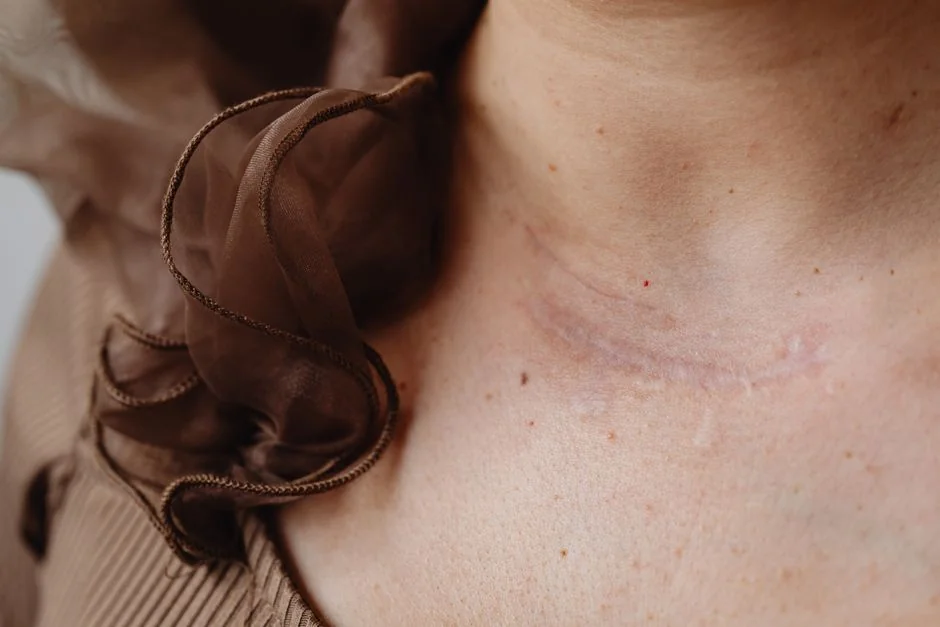
Surgery is one tool among several, and for many scars it is not the first one. The table below summarises the main approaches.
| Option | Best suited to | How it works | Key considerations |
|---|---|---|---|
| Surgical excision and re-closure (with z-plasty where indicated) | Wide, depressed or poorly oriented scars; scar contracture restricting movement | The scar is excised and the wound re-closed along more favourable tension lines | Creates a new wound that must heal; tension control afterwards is critical |
| Excision plus postoperative radiotherapy | Keloids in selected patients | Radiotherapy shortly after resection suppresses recurrence | Studies suggest recurrence falls markedly compared with surgery alone; requires a facility with radiation oncology |
| Steroid (triamcinolone) injection | Keloids and hypertrophic scars | Injected into the scar to soften and flatten it over repeated sessions | Reported side effects include menstrual irregularity at higher doses and reduced bone density in elderly patients |
| Silicone gel sheeting, taping and oral tranilast | Prevention and early conservative management | Gel sheets reduce local skin tension; randomised trials report tranilast improves symptoms | Non-invasive and low-risk, but requires months of consistent use |
| Fractional CO2 laser or RF microneedling (Morpheus8) | Atrophic acne scarring, texture irregularity, surface unevenness | Controlled micro-injury stimulates dermal remodelling | Resurfacing addresses texture, not tethering or contracture; multiple sessions typical |
What results are realistic
For keloids specifically, the evidence on combined treatment is striking. The Japan Scar Workshop consensus document reports that where radiation with a biologically effective dose of at least 30 Gy is completed within one week of keloid resection, the recurrence rate improves to 10% or less, compared with 50–80% after surgery alone. The most common postoperative regimen cited is 15 Gy in 3 fractions over 3 days, varying by body site.
For conservative prevention, expectations should be more measured. A Cochrane review of silicone gel sheeting found a reduced incidence of hypertrophic scarring in people prone to scarring (risk ratio 0.46, 95% CI 0.21 to 0.98), but the reviewers judged the underlying studies highly susceptible to bias and described the evidence as weak.
Cost of Scar Revision in Tokyo: Insurance-Covered vs Self-Pay
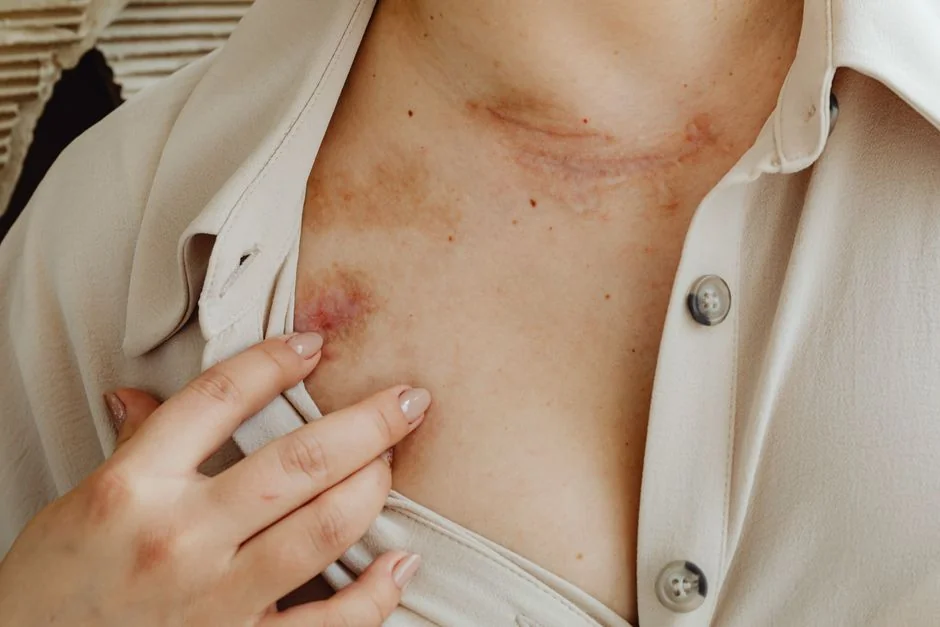
Japan has two separate cost worlds, and which one your scar falls into is a clinical decision, not a preference.
The insurance-covered route
Under the Japanese national medical fee schedule, scar contracture surgery is listed as procedure.
The eligibility rule is narrow and explicit. The fee schedule states the procedure may be claimed only where the condition goes beyond simple contracture and involves restriction of movement. Scars on the fingers and toes are billed under a separate code (K099). A scar you dislike the appearance of, but which does not restrict function, does not meet this criterion.
The self-pay route
Purely aesthetic scar revision, resurfacing lasers, RF microneedling and cosmetic-indication injections are self-pay (自由診療) and priced by the clinic rather than by the state. Cost varies with scar length, site, technique and the number of sessions required, so a single headline figure would be misleading. Please see the clinic’s official price page or contact us for a current quote.
At BIOTOPE CLINIC in Shirokanedai, we frequently see patients who are unsure which category their scar falls into — and that question is usually settled in the first few minutes of an examination rather than online. For an accurate quote, please book a consultation.
Have a question about this treatment?
Message us on LINE or WhatsApp — our English-speaking team usually replies the same day.
What to Expect: Before, During and After
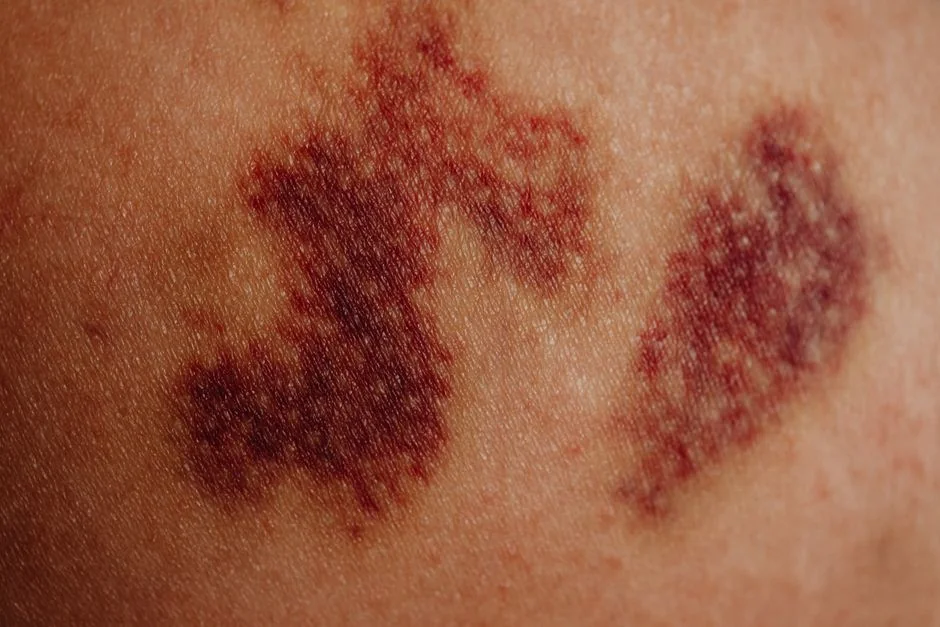
Before
Consultation covers scar history, how the original wound healed, any family history of keloids, skin tone and your own tolerance for downtime. Where keloid is suspected, the plan may involve a combination of surgery, injection and postoperative measures rather than surgery alone — the timing of any adjuvant radiotherapy is tightly linked to the operation date, so it is planned in advance rather than added later.
During and after
Most scar revisions on the face and trunk are performed under local anaesthesia as day surgery. Afterwards, the emphasis shifts to protecting the new wound from tension and sun, typically with taping or silicone sheeting, sometimes with oral tranilast, and with follow-up appointments to catch early thickening while it is still easy to treat.
Who is a good candidate — and who should wait
Good candidates generally have a stable scar that is no longer changing in colour or thickness, realistic expectations, and the ability to commit to months of aftercare. People with active acne or infection at the site, those unable to attend follow-up, and anyone with a strong keloid tendency who is not prepared for a combined treatment plan should discuss timing carefully before proceeding. Pregnancy, certain medications and bleeding disorders also affect suitability and should be disclosed at consultation.
What People Often Get Wrong About Scars
Misconception 1: “Cutting it out will make the scar disappear.”
Excision replaces one scar with another, better-planned one. In keloid-prone tissue, excision on its own carries a reported recurrence rate of 50–80% — which is precisely why adjuvant treatment, not surgery alone, is the standard approach for keloids.
Misconception 2: “Any raised scar is a keloid.”
Hypertrophic scars are raised but remain within the original wound outline; keloids extend past it. The distinction is clinically meaningful and is one reason the JSW Scar Scale exists — and it changes whether the plan leans towards conservative treatment or a combined surgical protocol.
Where to Get Scar Revision in Tokyo
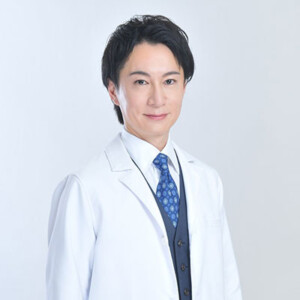
Within our clinic group, English-speaking consultations are handled at BIOTOPE CLINIC in Shirokanedai (Minato-ku, Tokyo) by Dr. Jun Karibe, a plastic surgeon certified by the Japan Society of Plastic and Reconstructive Surgery. Our sister clinic Kojimachi Dermatology & Plastic Surgery Clinic in Ichigaya handles Japanese-language insurance dermatology. Bookings and enquiries in English: LINE or WhatsApp.
Scar revision, mole and cyst excision, CO2 fractional laser and Morpheus8 RF microneedling are all available at BIOTOPE CLINIC in Shirokanedai — feel free to ask which combination suits your scar during a consultation with Dr. Karibe.
Frequently Asked Questions
- Q. Will my scar revision be covered by Japanese health insurance?
- Only if it meets the clinical criteria — for scar contracture surgery, the fee schedule requires restriction of movement, not appearance alone. Treatment sought purely for cosmetic reasons is self-pay. The distinction is assessed at examination.
- Q. How long should I wait after an injury before considering revision?
- Surgeons generally prefer a scar to have settled — stable in colour and thickness — before revising it, while early conservative measures such as taping or silicone sheeting can begin much sooner. The right timing depends on the site and scar type, so it is worth being assessed early even if surgery is later.
- Q. Is scar revision painful?
- Most procedures are performed under local anaesthesia, so the operation itself is not typically painful, though soreness afterwards is normal. Discomfort management is discussed as part of the pre-operative plan.
- Q. Can laser treatment replace surgery?
- Resurfacing devices address surface texture and atrophic scarring rather than tethering, width or contracture. For some scars laser is the appropriate first choice; for others it is used after surgery to refine the result.
Have a question about this treatment?
Message us on LINE or WhatsApp — our English-speaking team usually replies the same day.
Summary
Scar revision in Tokyo is best understood as a spectrum rather than a single operation: conservative measures, injections, resurfacing devices and surgery each address different scar behaviours, and keloids in particular usually call for a combined plan rather than excision alone. Cost follows the diagnosis — functional scar contracture can fall under insurance at published fee-schedule rates, while aesthetic revision is self-pay and quoted per case.
If you have questions about scar revision surgery, English-speaking consultations are handled at BIOTOPE CLINIC in Shirokanedai (Minato-ku, Tokyo) by Dr. Karibe. Our sister clinic Kojimachi Dermatology & Plastic Surgery Clinic in Ichigaya (Chiyoda-ku) handles Japanese-language insurance dermatology. English enquiries: LINE or WhatsApp.
24/7 Consultation & Booking
Book a Consultation or Treatment
Our English-speaking team responds via LINE or WhatsApp — usually the same day.
References
- Ogawa R, et al. Diagnosis and Treatment of Keloids and Hypertrophic Scars — Japan Scar Workshop Consensus Document 2018. Burns & Trauma. 2019;7:39.
- O’Brien L, Jones DJ. Silicone gel sheeting for preventing the development of hypertrophic and keloid scars and for treating existing hypertrophic and keloid scars. Cochrane Database of Systematic Reviews. 2013;(9):CD003826.
- Japanese medical fee schedule (医科診療報酬点数表), Reiwa 8 revision. Section K010, 瘢痕拘縮形成手術, and associated claiming notes.
- BIOTOPE CLINIC / Kojimachi Dermatology & Plastic Surgery Clinic. Official published price list. 2023.
Related Articles
You may also find these articles useful.
- Scar Revision Surgery Tokyo: Options and Cost
- Scar Revision Surgery Tokyo: Options, Results & Cost
- Acne Scar Laser Treatment Tokyo: Cost & Results
- Mole Removal Tokyo: Cost & Procedure Guide
- English Speaking Plastic Surgeon Tokyo: Complete Guide
SUPERVISED BY
Dr. Jun Karibe
MD
Director
Education & Career
Certifications
Awards
MEDICAL REVIEW