What Is Areola Artmake?
Artmake (アートメイク) is the Japanese regulatory term for permanent makeup. Japanese law classifies artmake as a medical act: it may only be performed by a physician, or by a nurse working under direct physician supervision, within a registered medical institution. This framework distinguishes artmake in Japan from cosmetic-salon services common elsewhere and ensures an elevated standard of clinical oversight at every step.
Areola artmake is a specialised, paramedical application of this technique for patients who have undergone mastectomy, nipple-sparing mastectomy, or breast reconstruction.
Using a precision handheld pigmentation device, a trained practitioner deposits carefully colour-matched pigment into the upper dermis to recreate the visual appearance of the nipple-areola complex.
The goal is a natural, lasting result that supports body confidence and psychological recovery after breast cancer treatment. A commentary published in Plastic Surgery (Oakville) in 2025 reported significant improvement in sexual well-being — measured by validated BREAST-Q questionnaires — following nipple-areola tattooing in patients who had undergone bilateral implant-based breast reconstruction.
How the Procedure Works
The 3D Illusion Technique
Contemporary areola artmake relies on artistic shading: the practitioner layers darker tones in shadow areas and lighter tones as highlights to create a convincing three-dimensional illusion on a flat skin surface. This approach is sometimes called the inverse 3D or paramedical 3D technique. Each design is bespoke — the practitioner mixes pigment to match the patient’s skin tone and, for unilateral cases, to harmonise with the natural contralateral breast.
One critical point: the tattooed area remains flat to the touch. Artmake produces a visual effect, not physical projection. Patients who want genuine three-dimensional nipple projection should discuss surgical nipple reconstruction with their plastic surgeon before or alongside artmake planning.
How Many Sessions Are Needed?
Most patients require two appointments. The first session — typically up to two hours — establishes the base design and colour. A second appointment, scheduled approximately eight to ten weeks later, assesses how the pigment has settled into the healed skin, adds definition, and corrects unevenness. Scarred tissue can accept pigment differently from undamaged skin, and this staged approach allows refinement without overworking a delicate surface.
Artmake, Surgical Reconstruction, and Combined Approaches
Patients often ask whether artmake alone is sufficient or whether surgical nipple reconstruction should be considered first. The table below outlines the main differences.
| Approach | Physical projection? | Surgery required? | Recovery | Appointments | Best suited to |
|---|---|---|---|---|---|
| Artmake only | No — visual illusion only | No | Minimal downtime; normal activities resume quickly | 2 artmake sessions | Those avoiding further surgery; patients with prior radiation damage or thin skin |
| Surgical nipple reconstruction only | Yes — genuine 3D projection | Yes (outpatient) | Several months to full scar maturation | 1 surgery; artmake for colour can follow | Patients prioritising tactile realism |
| Surgical reconstruction + artmake | Yes — projection plus enhanced colour and definition | Yes (outpatient) | Two recovery phases | 1 surgery + 2 artmake sessions | Patients wanting maximum natural appearance |
Cost of Areola Artmake in Tokyo
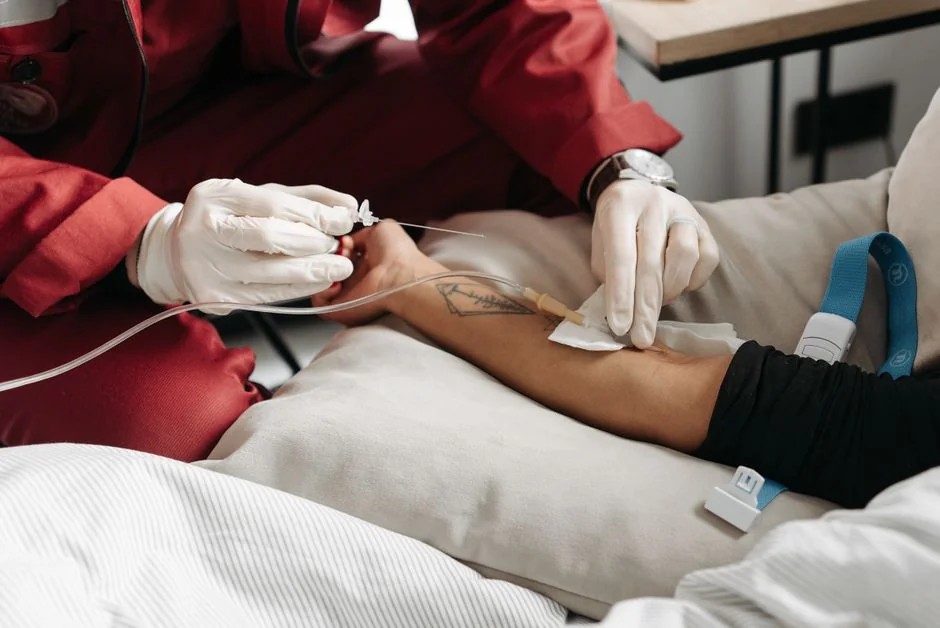
Because areola artmake in Japan must be carried out at a licensed medical institution, pricing reflects clinical overheads as well as the specialist skill required for paramedical work. Based on publicly listed fees at Tokyo medical artmake clinics, initial treatment costs range from approximately ¥44,000 to ¥176,000 or more, depending on the clinic, whether work is unilateral or bilateral, and the complexity of reconstruction needed. Touch-up sessions are generally priced below the initial appointment.
Prices vary considerably across providers; the use of specialist paramedical techniques, clinical setting, and the practitioner’s expertise all contribute to the difference.
Please see the BIOTOPE CLINIC official price page or contact us via LINE / WhatsApp for a current quote.
Have a question about this treatment?
Message us on LINE or WhatsApp — our English-speaking team usually replies the same day.
Healing and Aftercare
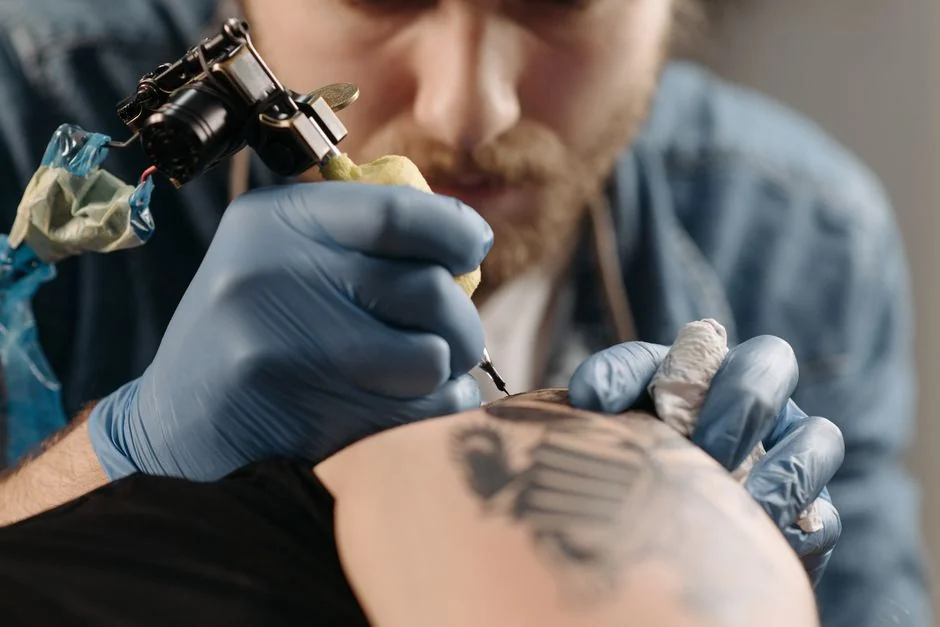
The treated area typically shows mild swelling and redness in the days immediately after the procedure, resolving within approximately one week. Most patients resume normal daily activities without significant downtime.
Standard aftercare guidelines include:
- Avoid swimming pools, saunas, jacuzzis, and open-water bathing for at least two weeks after each session — chlorine and prolonged heat can alter pigment during healing.
- Protect the area from direct sun exposure and avoid sunbeds throughout the healing period.
- Avoid vigorous exercise that produces sweat on the treated area for two weeks.
- Apply any prescribed ointment or protective dressing as directed by the practitioner.
- Do not pick at or scratch the area as the skin settles.
Pigment that appears more intense immediately after treatment will soften as healing progresses — this is expected. The follow-up appointment at eight to ten weeks allows the skin adequate time to rejuvenate fully before the practitioner makes refinements.
Who Is a Good Candidate?
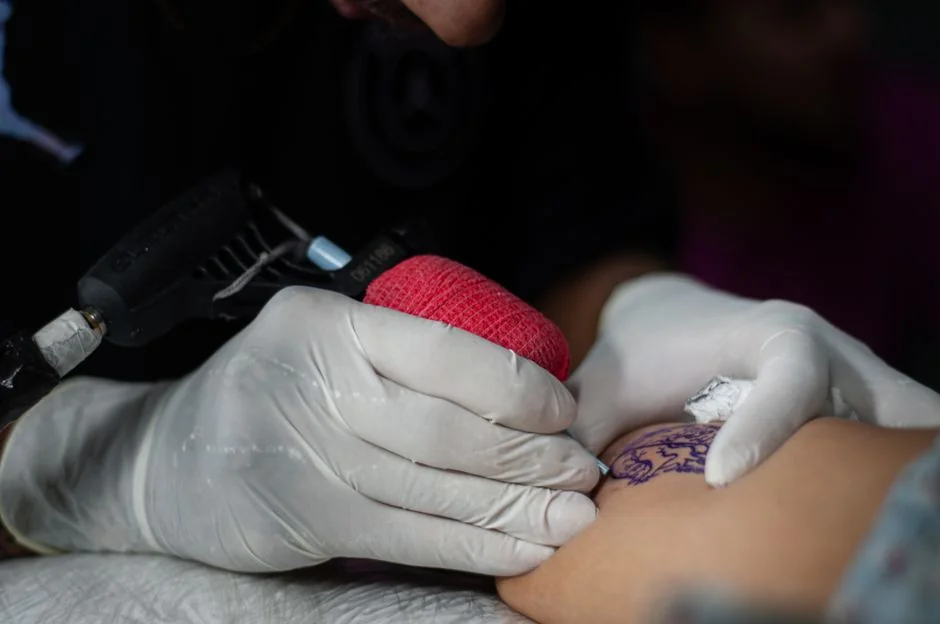
Areola artmake is suitable for adults who have undergone mastectomy, nipple-sparing mastectomy, lumpectomy with altered nipple appearance, or breast reconstruction — whether implant-based or using autologous tissue. The procedure can be performed on patients with breast implants, as the needles deposit pigment only into the upper skin layers and do not reach the implant plane.
Timing is important. Most clinical guidance recommends waiting a minimum of twelve months after the final stage of breast reconstruction before proceeding with artmake, to allow scar tissue to mature and the skin surface to stabilise. For patients who have also had surgical nipple reconstruction, a further interval of at least three to six months after that surgery is advisable. Patients who received radiotherapy to the breast should wait at least six months after completing treatment before artmake is considered.
Contraindications and Cautions
A full medical history must be disclosed at the consultation. Relative or absolute contraindications include:
- Active infection or non-healing wounds in the treatment area
- Current chemotherapy or immunosuppressive therapy (physician clearance required before proceeding)
- History of keloid scarring (requires clinical assessment; may affect suitability)
- Significantly compromised or thin skin envelope from radiation damage
- Pregnancy or breastfeeding
- Blood-thinning medications (inform both the prescribing physician and the practitioner in advance)
- Uncontrolled systemic illness
Common Misconceptions About Areola Artmake
Misconception 1: “The pigment is fully semi-permanent and will disappear completely over time.”
Some providers use cosmetic pigments described as “semi-permanent”, implying results will fade away cleanly. In practice, pigment deposited into the dermis does not fully disappear on a predictable schedule.
A 2026 review in Gland Surgery notes that pigment fading in nipple-areola tattooing ranges from 25% to 80% — meaning colour changes substantially over years but residual pigment typically remains. The Mastectomy Tattooing Alliance recommends permanent-grade inks over cosmetic pigments specifically for areola reconstruction, noting that repeated touch-ups of cosmetic semi-permanent pigment on fragile scarred skin can cause cumulative damage, patchiness, and unpredictable colour shifts. Patients should expect a maintenance session approximately every two to four years rather than a clean slate.
Misconception 2: “Artmake will create a raised, touchable nipple.”
The 3D technique produces a visual illusion through shading and tonal contrast; the skin surface itself remains flat. Artmake is not a substitute for surgical nipple reconstruction when physical projection is the goal. The same Gland Surgery review distinguishes clearly between flap-based surgical reconstruction — which creates genuine three-dimensional projection — and tattooing, which contributes colour and areola definition. Patients prioritising tactile realism should discuss surgical options with a board-certified plastic surgeon before or alongside artmake planning.
Where to Get Areola Artmake in Tokyo: BIOTOPE CLINIC
Within our clinic group, areola artmake is performed at BIOTOPE CLINIC in Shirokanedai (Minato-ku, Tokyo), directed by Dr. Jun Karibe — a board-certified plastic surgeon who also leads Kojimachi Dermatology & Plastic Surgery Clinic in Ichigaya (Chiyoda-ku). Our English-speaking team covers both clinics and handles all English enquiries.
Please note that the Kojimachi Clinic (Ichigaya location) does not perform artmake. Readers who contact us through Kojimachi Clinic’s enquiry channels will be guided directly to BIOTOPE CLINIC for all artmake consultations and bookings.
Consultations begin with a detailed assessment of the treatment area, a review of the patient’s surgical and oncological history, and a discussion of realistic outcomes. Patients are encouraged to bring any post-surgical photographs and, where relevant, a note from their oncologist or breast surgeon. Pricing is confirmed at the consultation stage.
Frequently Asked Questions
- Q. How long does each artmake session take?
- The initial session typically lasts between one and two hours, as the practitioner performs colour-matching, designs the proportions, and establishes the base pigment layer. The follow-up session is generally shorter, focusing on refinements after the skin has healed from the first appointment.
- Q. Will the procedure be painful?
- Many patients report very little discomfort, because post-mastectomy numbness in the breast and chest wall reduces sensation in the treated skin. Patients who retain natural feeling in the areola area may experience mild pressure or discomfort, but most find the process manageable. Your practitioner will discuss the use of topical numbing options at the consultation — note that some anaesthetics can affect pigment uptake and this will be factored into the plan.
- Q. How long do the results last, and will I need touch-ups?
- Results are long-lasting but not static. Pigment fades gradually over years, and most patients choose a maintenance session every two to four years to refresh colour and definition. Sun exposure, skin type, and the original depth of pigment deposition all influence the rate of fading. Annual follow-up with the practitioner is advisable so that any changes can be monitored and addressed early.
- Q. Can I have artmake if I have breast implants?
- Yes, in most cases. The needles used in artmake deposit pigment only into the upper layers of the skin and do not reach the plane of a breast implant. Your practitioner will conduct a pre-treatment assessment to confirm suitability, and clearance from the surgeon who performed the reconstruction may be requested as part of the consultation process.
Have a question about this treatment?
Message us on LINE or WhatsApp — our English-speaking team usually replies the same day.
Summary
Areola artmake is a medically supervised, paramedical procedure that restores the visual appearance of the nipple-areola complex after mastectomy or breast reconstruction. In Japan it is legally classified as a medical act, performed exclusively within licensed clinics.
The standard two-session process uses a 3D shading technique to achieve a natural, realistic result with minimal downtime, and is suitable for most patients who have completed reconstruction and allowed appropriate healing time.
Current pricing ranges widely across Tokyo’s medical artmake providers; a confirmed quote is available directly from BIOTOPE CLINIC, the Kojimachi Clinic group’s sister clinic in Shirokanedai where all artmake procedures are performed.
24/7 Consultation & Booking
Book a Consultation or Treatment
Our English-speaking team responds via LINE or WhatsApp — usually the same day.
References
- Fuentes PM, et al. A review of nipple-areola complex reconstruction and tattooing techniques. Gland Surgery. 2026;15(1).
- Raman KS, Safran T, Vorstenbosch J. Commentary: Patient Preferences and Satisfaction of Nipple Areola Reconstruction with Three-Dimensional Tattoo in the Setting of Bilateral Implant-Based Breast Reconstruction. Plastic Surgery (Oakville). 2025.
- Memorial Sloan Kettering Cancer Center. About Your Nipple and Areola Tattoo Procedure. Patient Education. 2024.
- Mastectomy Tattooing Alliance. Frequently Asked Questions. mastectomytattooingalliance.org.
- PRMA Plastic Surgery. Nipple Reconstruction vs 3D Nipple Areola Tattooing. prma-enhance.com/blog.
Related Articles
You may also find these articles useful.
- Areola Artmake Tokyo: Nipple Reconstruction After Surgery
- Areola Artmake Tokyo: Reconstruction After Breast Surgery
- Artmake vs Microblading vs Tattoo: Differences in Tokyo
- Artmake Aftercare Guide: Healing Timeline & What to Avoid
- Scar Revision Surgery in Tokyo: Options and Cost Guide
SUPERVISED BY
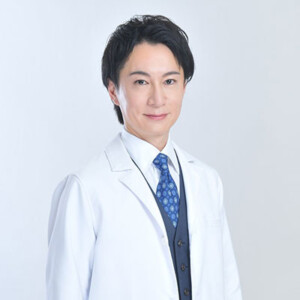
Dr. Jun Karibe
MD
Director
Education & Career
Certifications
Awards
MEDICAL REVIEW