IV Vitamin Drip Therapy in Tokyo: A Practical Guide for Expats and Visitors
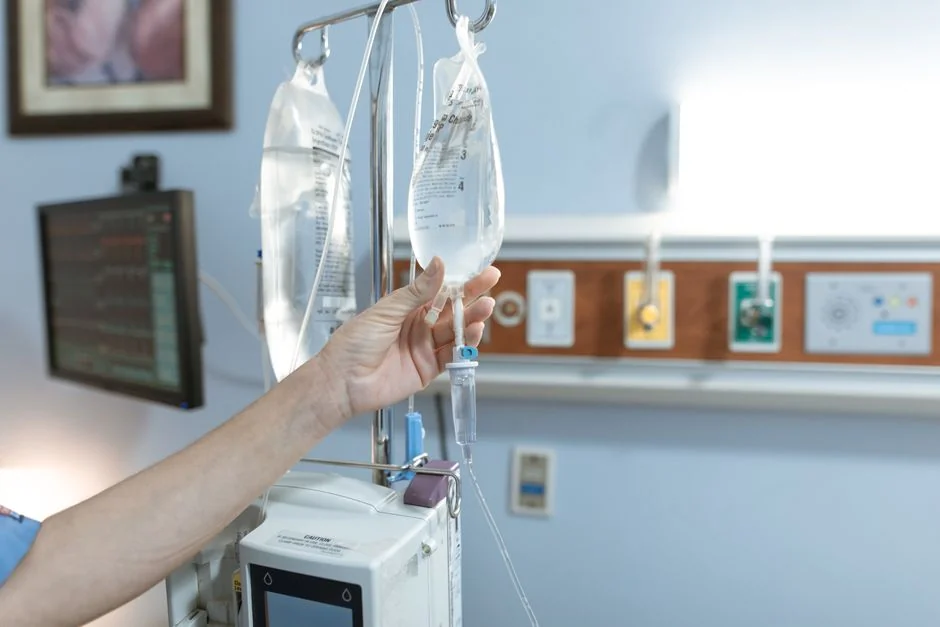
Navigating healthcare in a new country is rarely straightforward, and for many expatriates in Tokyo, finding wellness treatments delivered in English can feel particularly challenging. Whether you are managing chronic fatigue, recovering from jet lag, or simply looking to support your overall health, IV vitamin drip therapy has become an increasingly popular option — and understanding what it involves, what it realistically offers, and where to access it safely in Tokyo is the goal of this guide.
- What IV vitamin drip therapy is and how it works physiologically
- Which formulations are most commonly used and what each targets
- Realistic expected outcomes and what the clinical evidence suggests
- Typical costs for IV drip therapy in Tokyo
- Who is a good candidate, and who should exercise caution
Have a question about this treatment?
Message us on LINE or WhatsApp — our English-speaking team usually replies the same day.
What Is IV Vitamin Drip Therapy?
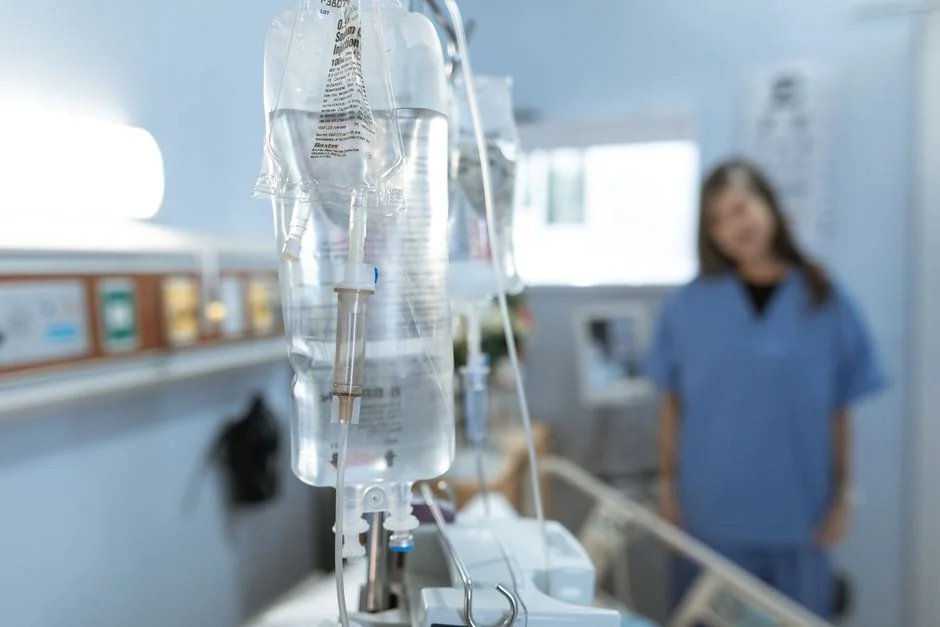
Intravenous (IV) vitamin drip therapy involves delivering a solution of vitamins, minerals, amino acids, or other nutrients directly into the bloodstream through a small catheter inserted into a vein, typically in the forearm or hand. Because the nutrients bypass the digestive system entirely, they enter systemic circulation at a much higher concentration than the same dose taken orally would achieve.
The concept was popularised in the 1960s and 1970s by the American physician John Myers, who developed the “Myers’ Cocktail” — a formulation containing magnesium, calcium, B vitamins, and vitamin C that remains one of the most widely used IV drip protocols today.
Over the following decades, the approach expanded significantly, and modern IV therapy menus now include high-dose vitamin C, glutathione (an antioxidant produced naturally in the liver), NAD+ (a coenzyme involved in cellular energy production), and various amino acid blends.
How IV Delivery Differs from Oral Supplementation
Oral vitamins are subject to what pharmacologists call “first-pass metabolism”: a portion of the active compound is broken down in the gut and liver before it reaches general circulation. Vitamin C, for example, has an oral bioavailability ceiling of roughly 70–80% at moderate doses, and this percentage falls sharply as the dose increases.
Intravenous delivery circumvents this limitation, allowing plasma concentrations to reach levels that are not achievable orally.
This is not simply a marketing claim — it is a measurable pharmacokinetic difference.
A study published in the Annals of Internal Medicine found that intravenous administration of vitamin C produced plasma concentrations over 70 times higher than the same dose given orally, which is clinically relevant for applications such as immune support and antioxidant loading.
Common IV Drip Formulations and Their Uses
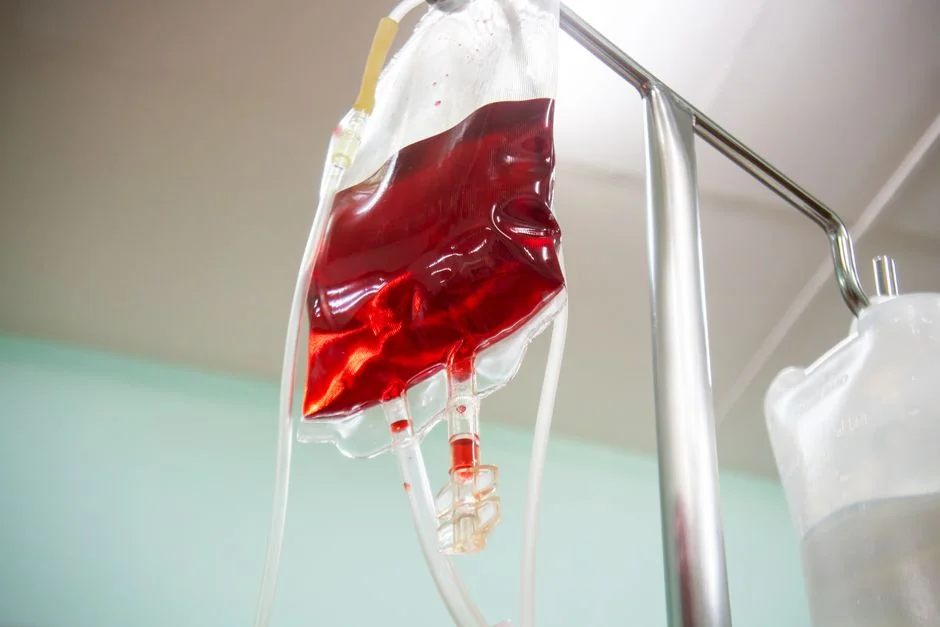
At BIOTOPE CLINIC in Shirokanedai, IV drip therapy is offered as part of a broader preventive medicine and orthomolecular (nutritional) therapy programme. The most frequently requested formulations among international patients fall into a few main categories.
| Formulation | Key Ingredients | Common Targets | Session Duration |
|---|---|---|---|
| High-Dose Vitamin C | Ascorbic acid 12.5 g–25 g | Immune support, antioxidant loading, skin brightness | 45–90 min |
| Glutathione Push/Drip | Reduced glutathione 600 mg–2,400 mg | Antioxidant support, skin tone, liver support | 15–60 min |
| Myers’ Cocktail | Magnesium, calcium, B-complex, vitamin C | Fatigue, migraine support, general wellness | 30–45 min |
| NAD+ Infusion | Nicotinamide adenine dinucleotide | Cellular energy, anti-ageing, cognitive support | 90–180 min |
| Amino Acid / Recovery Blend | Branched-chain amino acids, taurine, glycine | Post-exercise recovery, metabolic support | 30–60 min |
Glutathione: A Note for International Patients
Glutathione drips are particularly popular among expats in Tokyo for their perceived skin-brightening and antioxidant benefits.
Clinical reports suggest that intravenous glutathione can reduce oxidative stress markers and, at higher doses, may have a mild melanin-inhibiting effect — which explains its use in skin-tone treatments in some markets. Results vary considerably between individuals, and multiple sessions are typically needed before any change becomes perceptible.
Expected Results: What the Evidence Realistically Supports
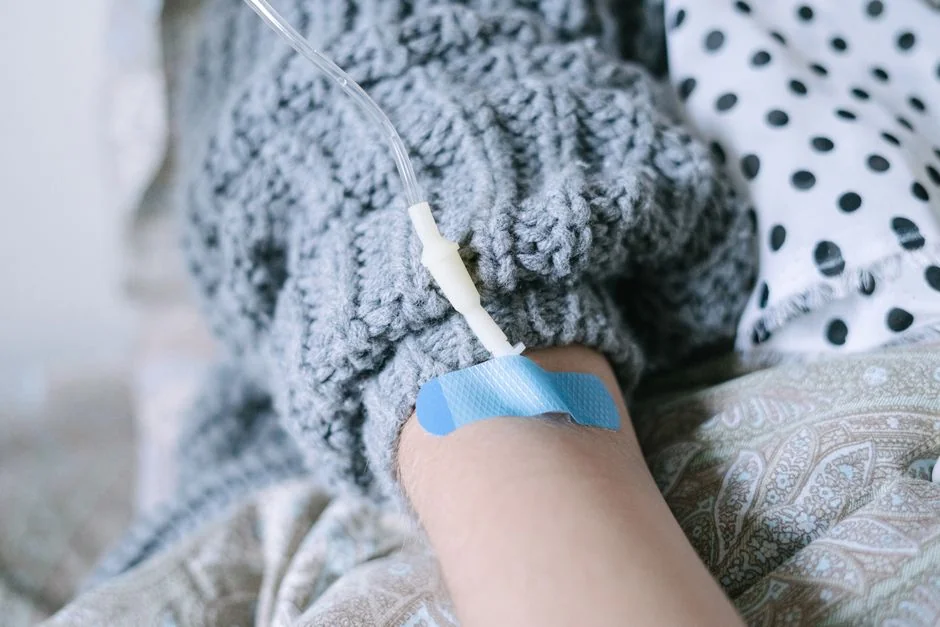
IV vitamin therapy sits in an interesting position: the physiological rationale is sound, plasma levels are measurably elevated, yet large-scale randomised controlled trials specific to wellness applications remain limited.
Most of the published evidence comes from clinical observations, smaller trials, and studies in specific patient populations such as those with cancer-related fatigue or chronic disease.
Studies suggest that a single high-dose vitamin C infusion can significantly raise circulating antioxidant capacity for 24–48 hours.
Research on the Myers’ Cocktail, published in the Journal of Alternative and Complementary Medicine, found that a series of eight weekly infusions produced statistically significant improvements in fatigue scores compared to placebo in patients with chronic fatigue syndrome.
These are promising findings, but they should be understood in context: IV therapy is a supportive intervention, not a treatment for diagnosed medical conditions in the conventional sense.
In Dr. Karibe’s clinical experience at BIOTOPE CLINIC, international patients most commonly report improvements in perceived energy levels, sleep quality, and skin appearance after a course of three to six sessions, with highly variable individual responses — which is consistent with the published literature.
Dr. Karibe’s Note
Many of our international patients arrive having read about IV drip therapy online and are sometimes surprised by two things. First, that a proper pre-treatment consultation is genuinely important — not a formality.
Certain nutrients, particularly high-dose vitamin C, are contraindicated in patients with a G6PD enzyme deficiency, a relatively common condition in populations with South-East Asian, Mediterranean, or African ancestry, and one that can cause serious side effects if missed.
Second, that realistic expectations matter: IV therapy works best as part of a broader approach to health, not as a stand-alone quick fix. We take a thorough history before recommending any drip protocol, and I encourage patients to bring any existing blood results if they have them.
IV Vitamin Drip Costs in Tokyo
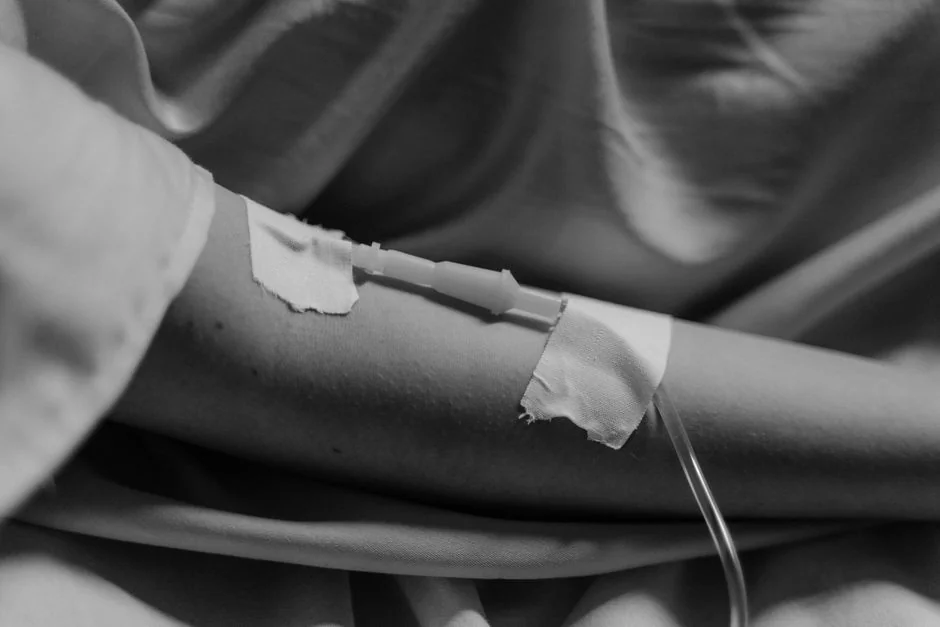
Pricing for IV drip therapy in Tokyo varies depending on the formulation, the dose, and the clinical setting. Below is a general orientation to help you plan.
At BIOTOPE CLINIC, IV drip therapy (vitamin C, glutathione, and related nutritional formulations) is offered as part of the clinic’s preventive medicine and orthomolecular therapy programme. An initial consultation is required before your first session. Consultation fees begin at ¥3,300 for a standard initial appointment.
As a general market guide, a basic Myers’ Cocktail or low-to-mid dose vitamin C drip at a reputable Tokyo clinic typically falls in the range of ¥8,000–¥20,000 per session. High-dose vitamin C infusions (25 g and above) or NAD+ infusions are generally priced higher, often in the ¥20,000–¥50,000 range per session. Glutathione drips vary widely by dose, typically ¥5,000–¥25,000. Packages of multiple sessions are usually offered at a reduced per-session rate.
For an accurate quote specific to your needs and the formulation appropriate for you, a consultation is the recommended starting point.
Have a question about this treatment?
Message us on LINE or WhatsApp — our English-speaking team usually replies the same day.
What to Expect: Before, During, and After a Session
Before Your First Drip
A medical consultation is standard practice before any IV nutrient therapy. You will be asked about your medical history, current medications, allergies, and the outcomes you are hoping to support. For high-dose vitamin C specifically, screening for G6PD deficiency (explained in Dr. Karibe’s note above) is an important safety step. Arriving well-hydrated makes vein access easier and generally improves how you feel during and after the infusion.
During the Session
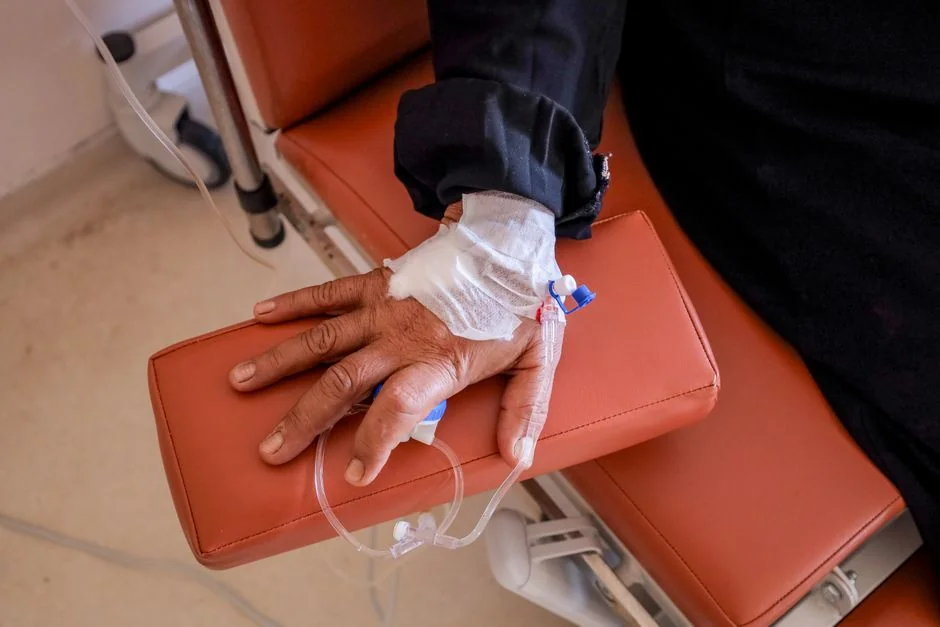
A nurse or physician will insert a small intravenous catheter, most commonly into the back of the hand or the antecubital vein at the crook of the arm. The drip runs via a gravity bag or an infusion pump. Most patients read, use their phone, or simply rest during the session. A sensation of warmth or a mild flushing feeling is normal, particularly with magnesium-containing formulations. Discomfort is typically minimal.
After the Session
There is no meaningful downtime. Most patients return to their normal schedule immediately. A small bruise at the cannula site is the most common aftereffect and resolves within a few days. Some patients report feeling noticeably more energised within a few hours; others notice a more gradual effect over the following day or two. Consistent hydration after the session is encouraged.
Common Misconceptions About IV Drip Therapy
Misconception 1: “Higher dose always means better results.” More is not automatically better in IV nutrient therapy. Very high doses of certain vitamins — particularly fat-soluble ones such as vitamin A and D — can accumulate to toxic levels. Even water-soluble vitamin C at very high doses can precipitate kidney oxalate stones in susceptible individuals. A clinically appropriate dose, determined by a physician who understands your health background, will achieve the intended effect more safely than simply maximising the quantity.
Misconception 2: “IV drips are a medical treatment for diagnosed diseases.” IV vitamin therapy in the wellness context is a supportive, preventive intervention. It is not a treatment for cancer, autoimmune disease, or serious deficiency states (which require medical management). Clinics offering IV therapy responsibly will always make this distinction clear, and Dr. Karibe’s team will ensure that patients with specific medical concerns are properly assessed and, if necessary, referred to the appropriate specialist.
Who Is a Good Candidate for IV Drip Therapy?
IV drip therapy tends to be most appropriate for healthy adults who are looking to support energy, immune resilience, recovery, or general wellness. Common scenarios among the expatriate population in Tokyo include persistent fatigue related to time zone adjustment, demanding work schedules, or the cumulative physical effects of frequent international travel.
At BIOTOPE CLINIC in Shirokanedai, the team frequently sees patients who combine IV drip therapy with other preventive medicine services — such as NMN supplementation consultations or gut microbiome analysis — as part of a more comprehensive approach to long-term health management. These are all treatments available at BIOTOPE CLINIC; feel free to ask about them during a consultation with Dr. Karibe.
Who Should Exercise Caution or Avoid IV Drip Therapy
- Individuals with known G6PD deficiency (for high-dose vitamin C)
- Patients with kidney disease or a history of kidney stones (oxalate risk with high-dose vitamin C)
- Those with heart failure or significant oedema, where additional fluid volume may be contraindicated
- Pregnant or breastfeeding women, unless specifically advised by a physician
- Individuals currently receiving chemotherapy or immunosuppressive therapy (interactions are possible)
- Anyone with an active blood clotting disorder or haemochromatosis (iron overload)
Where to Access IV Vitamin Drip Therapy in Tokyo (English-Speaking)
Within our clinic group, English-speaking consultations are handled at BIOTOPE CLINIC in Shirokanedai (Minato-ku, Tokyo) by Dr. Jun Karibe. Our sister clinic, Kojimachi Dermatology and Plastic Surgery Clinic, is the group’s main office and handles Japanese-language insurance-covered dermatology in Ichigaya, Chiyoda-ku. English bookings and enquiries are directed to BIOTOPE CLINIC via LINE or WhatsApp.
Dr. Karibe is a board-certified plastic surgeon certified by the Japan Society of Plastic and Reconstructive Surgery. BIOTOPE CLINIC’s preventive medicine service, which includes IV drip therapy, orthomolecular nutrition, genetic testing, and NMN supplementation, is managed under the same medical governance and quality standards as the clinic’s surgical and cosmetic services.
Frequently Asked Questions
- Q. How many IV drip sessions do I need to notice a difference?
- This varies depending on the formulation, your individual metabolism, and what you are hoping to support. Many patients report a noticeable effect in energy or wellbeing after two to three sessions; for skin-related goals such as tone and brightness with glutathione, a course of six to ten sessions is more commonly associated with visible change. Your physician will recommend a frequency based on your specific situation.
- Q. Is IV drip therapy painful?
- The initial cannula insertion produces a brief, mild sting similar to having blood drawn. Once the cannula is in place, most patients feel no discomfort, though a warming sensation is common with magnesium or high-dose B vitamin infusions. If any pain or unusual sensation occurs during the drip, informing the nurse immediately allows the rate to be adjusted.
- Q. Can I have an IV drip if I am currently taking medication?
- This is one of the most important reasons a pre-treatment consultation is required. Some nutrient-drug interactions are clinically significant — for example, high-dose vitamin C can affect the plasma levels of certain medications. Bringing a complete list of your current medications (prescription and over-the-counter) to your consultation allows Dr. Karibe’s team to advise safely.
- Q. Is IV vitamin therapy covered by health insurance in Japan?
- In almost all wellness applications, IV vitamin drip therapy is a self-pay (out-of-pocket) treatment in Japan and is not covered by the national health insurance system. This is standard across both Japanese and international health insurance policies for preventive and cosmetic-wellness indications.
- Q. Can I combine IV drip therapy with cosmetic treatments at BIOTOPE CLINIC?
- In general, yes — many patients at BIOTOPE CLINIC combine preventive medicine services with cosmetic consultations on the same visit. Your treating physician will assess whether same-day scheduling is appropriate depending on the specific treatments involved. This is a practical advantage for expats who have limited appointment windows.
Have a question about this treatment?
Message us on LINE or WhatsApp — our English-speaking team usually replies the same day.
Summary
IV vitamin drip therapy offers a physiologically sound mechanism for elevating circulating nutrient levels beyond what oral supplementation can achieve.
The evidence base supports its use for fatigue reduction, antioxidant support, and immune resilience, particularly when delivered as part of a series of sessions guided by a qualified physician. It is not a treatment for diagnosed medical conditions and works best as a component of a broader approach to preventive health.
For expats and visitors in Tokyo, the practical challenge is accessing this type of treatment through an English-speaking clinical team.
A proper pre-treatment consultation — including screening for contraindications such as G6PD deficiency — is important for safety and for ensuring the formulation you receive is appropriate for your individual health profile.
If you have questions about IV vitamin drip therapy or any aspect of preventive medicine, English-speaking consultations are handled at BIOTOPE CLINIC in Shirokanedai (Minato-ku, Tokyo) by Dr. Jun Karibe.
Our sister clinic, Kojimachi Dermatology and Plastic Surgery Clinic in Ichigaya (Chiyoda-ku), handles Japanese-language insurance dermatology. English enquiries: LINE or WhatsApp.
24/7 Consultation & Booking
Book a Consultation or Treatment
Our English-speaking team responds via LINE or WhatsApp — usually the same day.
References
- Padayatty SJ, Sun H, Wang Y, et al. Vitamin C pharmacokinetics: implications for oral and intravenous use. Annals of Internal Medicine. 2004.
- Ali A, Njike VY, Northrup V, et al. Intravenous micronutrient therapy (Myers’ Cocktail) for fibromyalgia: a placebo-controlled pilot study. Journal of Alternative and Complementary Medicine. 2009.
- Carr AC, Vissers MCM. Synthetic or food-derived vitamin C — are they equally bioavailable? Nutrients. 2013.
- Minich DM, Brown BI. A review of dietary (phyto)nutrients for glutathione support. Nutrients. 2019.
- Drisko JA, Gilles CK, Bray KJ. The use of antioxidant therapies during chemotherapy. Gynecologic Oncology. 2003.
Related Articles
You may also find these articles useful.
- Anti-Aging Treatments Tokyo: Complete Guide for Expats
- Collagen Booster Treatment Tokyo: How It Works
- Exosome Therapy Tokyo: Skin Rejuvenation Guide
- Medical Weight Loss Tokyo for Expats: Consultation
SUPERVISED BY

Dr. Jun Karibe
MD
Director
Education & Career
Certifications
Awards
MEDICAL REVIEW