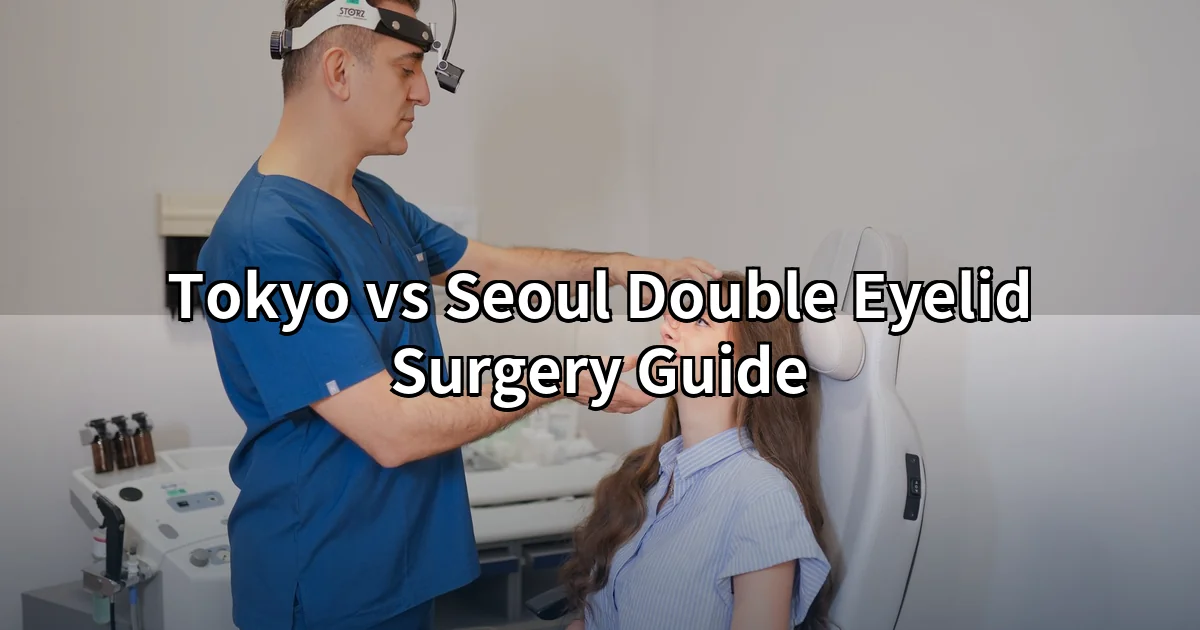
<Tokyo vs Seoul >Double Eyelid Surgery: What to Know Before You Decide
If you are weighing double eyelid surgery in Tokyo against a trip to Seoul, it is normal to feel torn.
Price comparisons circulating online rarely account for surgeon qualifications, aftercare logistics, or what happens if you need a follow-up visit once you are back home.
This article walks through how the procedure works, how Tokyo and Seoul differ in approach and cost, and what to consider before booking either route.
What you’ll learn in this article:
- How double eyelid surgery (blepharoplasty) works, including the suture and incisional methods
- Key differences between having the procedure in Tokyo versus Seoul
- Realistic cost ranges and what tends to be left out of headline price comparisons
- What to expect before, during, and after surgery, and who is a good candidate
- Common misconceptions that can lead to disappointing results either way
Have a question about this treatment?
Message us on LINE or WhatsApp — our English-speaking team usually replies the same day.
What Is Double Eyelid Surgery, and How Is It Performed?
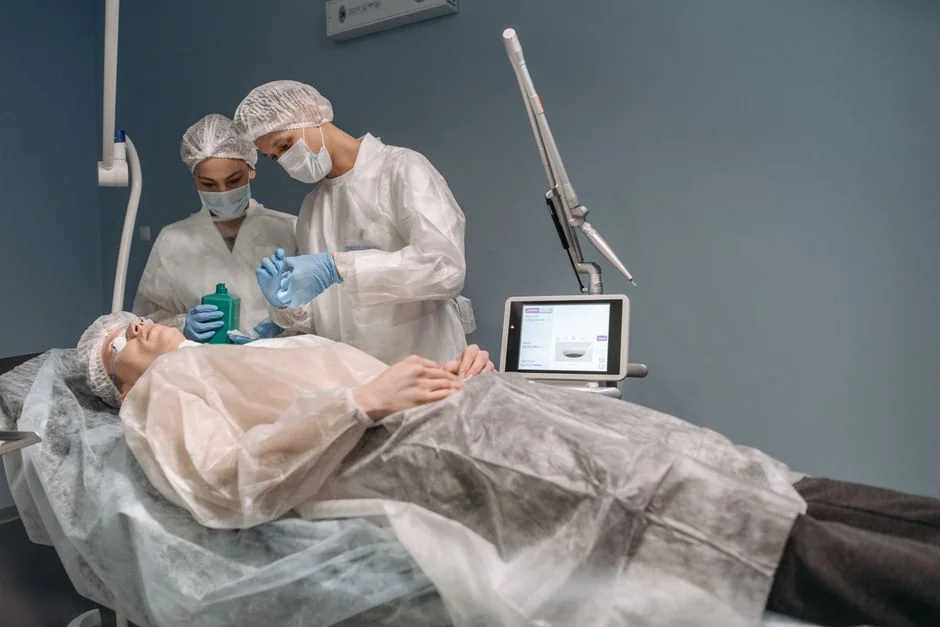
Double eyelid surgery, also called Asian blepharoplasty, creates or defines a crease in the upper eyelid where one is naturally absent or faint. It is a cosmetic procedure, not a medical necessity, and is typically performed under local anaesthesia as day surgery.
Clinical reports indicate that eyelid surgery became the single most-performed surgical aesthetic procedure worldwide in 2024, overtaking liposuction for the first time, with over 2.1 million procedures recorded and roughly 13.4 percent growth year-on-year.
The Suture (Non-Incisional) Method
The suture method, sometimes called the buried-suture or non-incisional technique, uses small stitches placed through tiny puncture points to create the crease without a long incision. It is popular because downtime is shorter and there is minimal visible scarring.
The trade-off is that the crease is held in place mechanically rather than through tissue removal, which means it can loosen over time in some patients. We cover this in more detail under “Common Misconceptions” below.
The Incisional Method
The incisional method involves a longer cut along the eyelid, allowing the surgeon to remove excess skin or fat and fix the crease with a more permanent scar line. It is generally recommended for patients with looser eyelid skin, more prominent fat pads, or asymmetry that the suture method cannot fully address.
Recovery from the incisional method usually takes longer, with more noticeable swelling and bruising in the first one to two weeks.
How Tokyo and Seoul Differ in Approach and Logistics
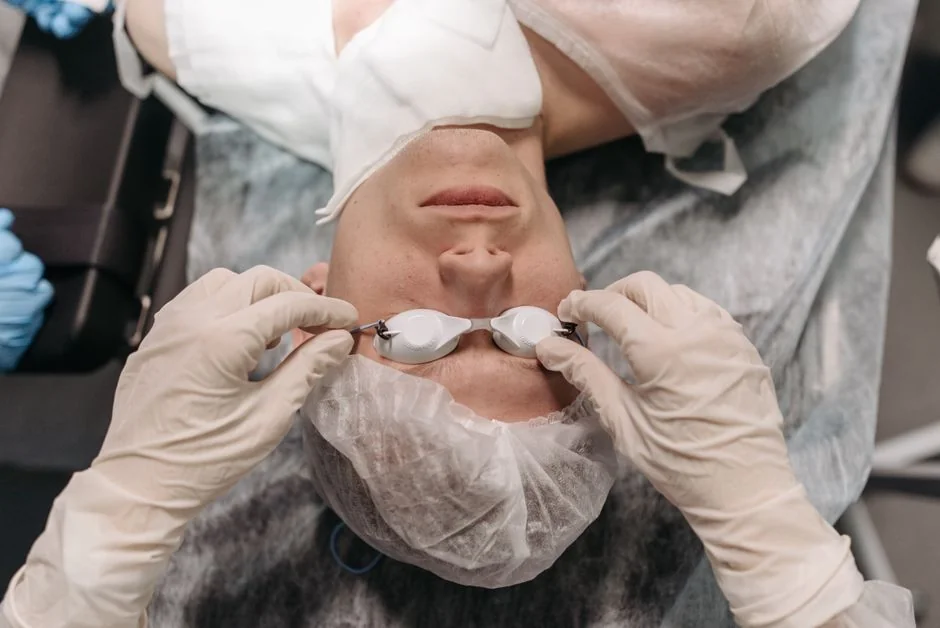
Surgeon Qualification Pathways
In Japan, specialist certification through the Japan Society of Plastic and Reconstructive Surgery (JSPRS) requires at least six years of clinical practice after obtaining a medical licence, a minimum of four years of JSPRS membership, four years of training at JSPRS-accredited facilities, and passing written and oral examinations. Certification must then be renewed every five years through continuing education credits.
In South Korea, board-certified plastic surgeons typically complete a dedicated multi-year residency in plastic and reconstructive surgery before sitting board examinations through the Korean Society of Plastic and Reconstructive Surgeons. Both systems exist to verify surgical training, but they are structured differently, so a certification title in one country does not automatically map onto an equivalent title in the other.
Demand, Language Support, and Follow-Up
South Korea’s Ministry of Health and Welfare reported that the country treated just over 2 million foreign medical patients in 2025, a roughly 72 percent increase from the previous year, with dermatology and plastic surgery among the main draws; plastic surgery patients specifically numbered around 233,100 for the year. That scale reflects a well-developed medical tourism industry, but it also means a first consultation, the surgery itself, and any follow-up typically happen across multiple international trips.
Having the procedure in Tokyo removes that travel requirement for anyone based in or visiting Japan, and both of our clinics offer consultations in English, which matters for a procedure where precise communication about eyelid shape and crease height directly affects the result.
Cost Comparison: Tokyo vs Seoul
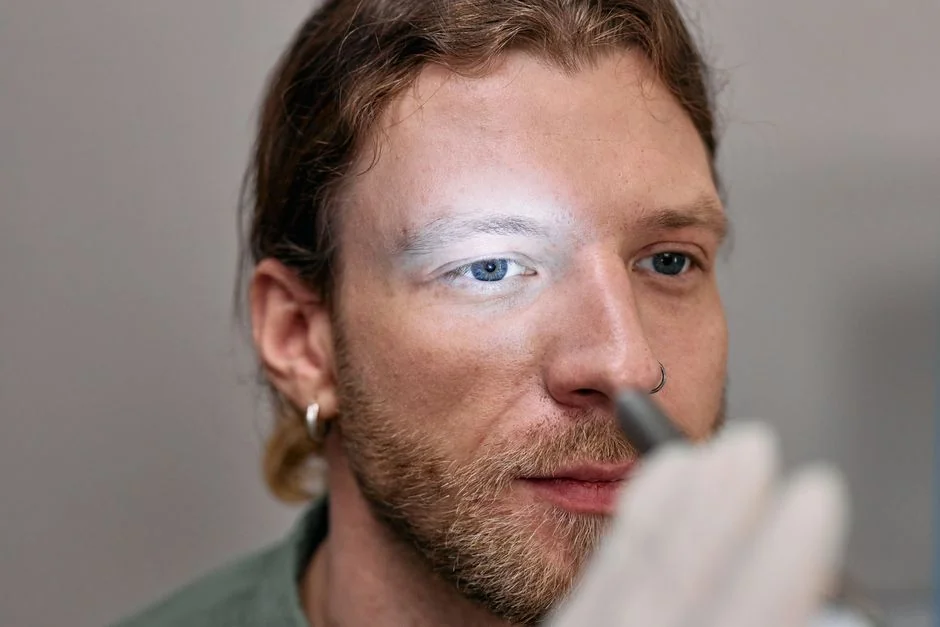
At BIOTOPE CLINIC or Kojimachi Dermatology & Plastic Surgery Clinic, double eyelid surgery using the two-point suture technique starts from 99,000 yen, with additional anaesthesia fees (roughly 2,200 to 77,000 yen depending on the type used) and pre-operative blood work (around 11,000 yen) charged separately for surgical procedures. These figures reflect typical starting prices rather than a fixed quote for every case.
Pricing guides for Seoul commonly cite the non-incisional method in a broad range of roughly 1,000 to 3,500 US dollars, with incisional or revision surgery often costing more. These figures vary considerably between clinics and are not standardised or government-regulated, so they should be treated as indicative only, not as a quote.
| Factor | Tokyo | Seoul |
|---|---|---|
| Typical starting price, suture method | From around 66,000 yen (plus anaesthesia and blood work) | Roughly 1,000–3,500 US dollars, varies widely by clinic |
| Travel required for Japan-based patients | None | International flight and accommodation |
| English-language consultation | Available at both clinics | Varies by clinic; often via a coordinator |
| Follow-up and revision access | Local, no further travel needed | May require a return trip or a different provider |
| Surgeon certification body | JSPRS (Japan Society of Plastic and Reconstructive Surgery) | KSPRS (Korean Society of Plastic and Reconstructive Surgeons) |
For an accurate quote, please book a consultation.
Have a question about this treatment?
Message us on LINE or WhatsApp — our English-speaking team usually replies the same day.
Where to Get Double Eyelid Surgery in Tokyo
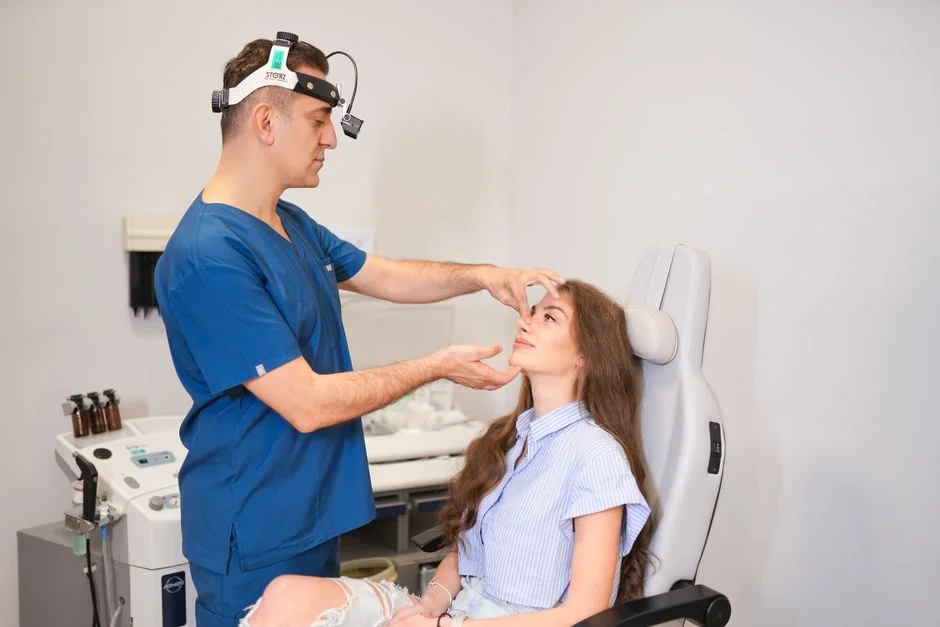
Within our clinic group, both BIOTOPE CLINIC (Shirokanedai, Minato-ku) and Kojimachi Dermatology & Plastic Surgery Clinic (Ichigaya, Chiyoda-ku) offer English-language consultation with Dr. Jun Karibe’s team.
Double eyelid surgery (suture method) is primarily handled at Kojimachi Dermatology & Plastic Surgery Clinic, our main office for general and aesthetic plastic surgery. Bookings and enquiries in English: LINE or WhatsApp.
If your concern extends beyond the eyelid crease, for example to under-eye fat or hollowing, transconjunctival blepharoplasty is a related but separate treatment available at BIOTOPE CLINIC in Shirokanedai — feel free to ask about it during a consultation with Dr. Karibe.
What to Expect: Before, During, and After Surgery
Before Surgery
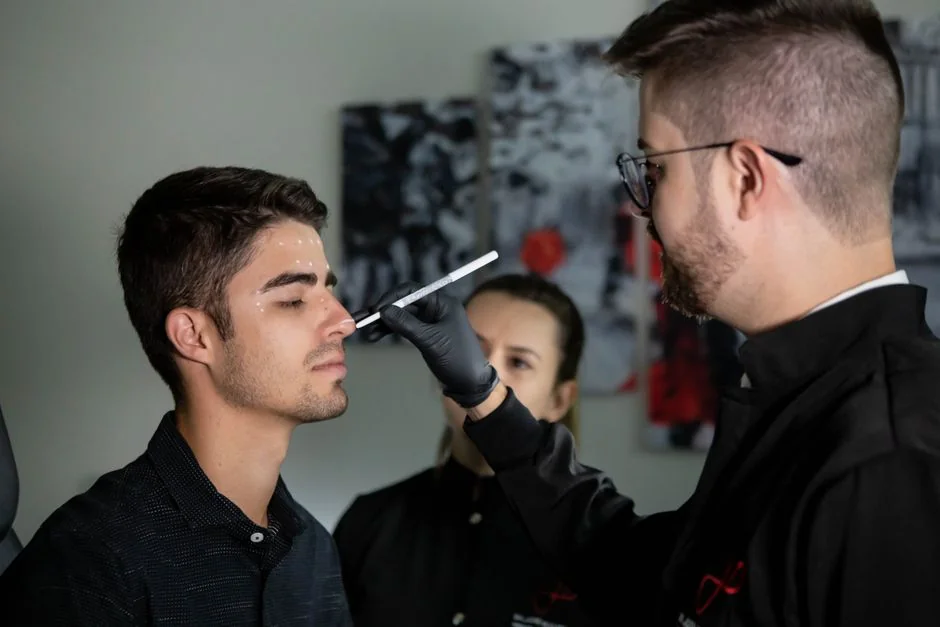
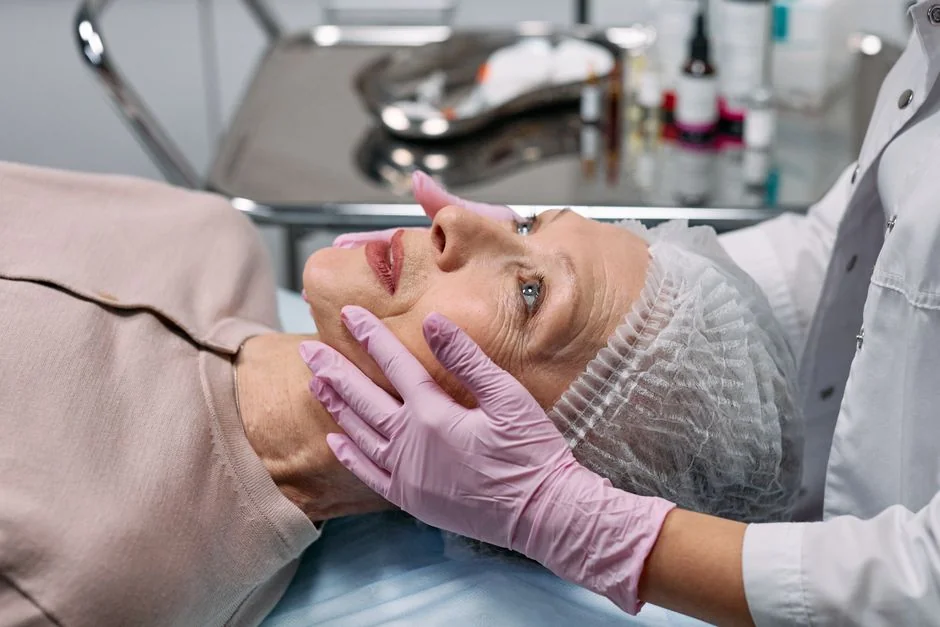
The initial consultation covers your eyelid anatomy, the crease height and shape you want, and which technique suits your skin thickness and fat distribution. Bring reference photos, but be aware that a surgeon may recommend a different crease height than the one pictured based on your own anatomy.
During Surgery
The suture method is generally completed under local anaesthesia within around 30 to 60 minutes, while the incisional method typically takes longer. You remain conscious throughout, though sedation options may be available depending on the clinic and your preference.
Recovery
Most patients experience the bulk of swelling and bruising in the first week, with many feeling comfortable returning to non-strenuous daily activities within seven to ten days. Fine swelling and subtle changes to the crease can continue to settle for several weeks to a few months, so final results are best judged after that period rather than immediately post-surgery.
Who Is a Good Candidate?
Good candidates are generally in good general health, have realistic expectations about the degree of change possible, and do not have active eye infections or uncontrolled bleeding disorders. Patients on certain blood-thinning medications, or with significant pre-existing eyelid asymmetry or ptosis (drooping), should discuss this in detail during consultation, as it may affect which technique is appropriate or whether a different procedure is a better fit.
Common Misconceptions About Tokyo vs Seoul Double Eyelid Surgery
Misconception: the suture method is permanent and essentially risk-free.
A 2025 retrospective cohort study of 600 patients undergoing two-point buried suture surgery found that 22.3 percent required reoperation, with the highest rate (41 percent) in patients under 20 and the lowest (12 percent) in patients aged 30 to 39. A separate 2026 cohort study of 788 patients found that adverse events requiring attention were more common in patients aged 45 and older (16.3 percent) than in those aged 18 to 39 (7.0 percent). The suture method is a good option for many people, but “no incision” does not mean “no chance of loosening or revision,” regardless of which country the surgery is performed in.
Misconception: the lower headline price in Seoul is the full cost.
Flights, accommodation, translation or coordinator fees, and the practical difficulty of returning for a follow-up or revision if a complication arises are rarely factored into online price comparisons. In Dr. Karibe’s clinical experience at BIOTOPE CLINIC, patients who travelled abroad for surgery and later sought a second opinion or revision in Japan often say they wish they had weighed these logistics more carefully beforehand.
Frequently Asked Questions
- Q. Is the suture method or the incisional method better?
- Neither is universally “better” — the suture method suits patients with thinner eyelid skin and less excess tissue, while the incisional method suits those with looser skin or more fat that needs removing. Your surgeon can advise which fits your anatomy during a consultation.
- Q. How long does the result from the suture method last?
- Results vary by individual, and while many patients keep their crease long-term, published cohort data show a meaningful minority need a touch-up or revision, particularly younger patients and those aged 45 and above. This is worth discussing candidly with your surgeon rather than assuming permanence.
- Q. If I have surgery in Seoul, can I get follow-up care in Tokyo?
- Some Tokyo clinics can assess and manage complications or revisions from surgery performed elsewhere, but continuity of care, your original surgical notes, and technique compatibility can complicate this. It is best to ask a Tokyo clinic directly before travelling abroad whether they support this kind of follow-up.
Have a question about this treatment?
Message us on LINE or WhatsApp — our English-speaking team usually replies the same day.
Summary
Double eyelid surgery is a well-established procedure with two main approaches — suture and incisional — each suited to different eyelid anatomy. Seoul offers a large, established medical tourism industry, while Tokyo offers proximity, English-language consultation, and straightforward follow-up for anyone living in or visiting Japan.
Neither city guarantees a better outcome on its own; surgeon qualification, technique selection, and honest expectations about revision rates matter more than geography or headline price. If you have questions about double eyelid surgery, both BIOTOPE CLINIC (Shirokanedai, Minato-ku) and Kojimachi Dermatology & Plastic Surgery Clinic (Ichigaya, Chiyoda-ku) offer English-language consultation with Dr. Karibe and his team. Double eyelid surgery is primarily handled at Kojimachi Dermatology & Plastic Surgery Clinic. English enquiries: LINE or WhatsApp.
24/7 Consultation & Booking
Book a Consultation or Treatment
Our English-speaking team responds via LINE or WhatsApp — usually the same day.
References
- Okumura K, Tamura T, Funakoshi Y, Teranishi H. Age-Related Variations in Reoperation Risk from Suture Loosening in Two-Point Buried Suture Double Eyelid Surgery: A Stratified Retrospective Cohort Analysis. Aesthetic Plastic Surgery. 2025;49(23):6431-6438.
- Munakata H, Suzuki A, Yamashita M, et al. Comparison of One-Year Outcomes Between Younger and Older Patients Undergoing Continuous Buried Suture Double-Eyelid Surgery: A Retrospective Cohort Study of 788 Cases. Aesthetic Plastic Surgery. 2026.
- International Society of Aesthetic Plastic Surgery. ISAPS International Survey on Aesthetic/Cosmetic Procedures: Global Survey 2024. Released June 2025. https://www.isaps.org/
- Japan Society of Plastic and Reconstructive Surgery. Specialist Certification Background. https://jsprs.or.jp/english/background/
Related Articles
You may also find these articles useful.
- Double Eyelid Surgery Tokyo: English-Speaking Clinic Guide
- How Long Should You Stay in Tokyo for Double Eyelid Surgery? Downtime, Pain & Flying Guide
- Ptosis Correction Surgery Tokyo: Droopy Eyelid Treatment
- Travel Insurance for Cosmetic Surgery in Tokyo: What Standard Policies Cover (and Don’t)
SUPERVISED BY
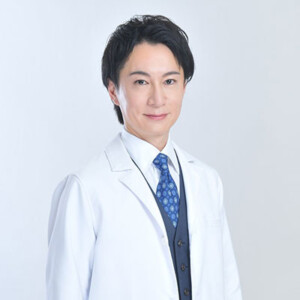
Dr. Jun Karibe
MD
Director
Education & Career
Certifications
Awards
MEDICAL REVIEW