FAGA (Female Pattern Hair Loss) in Tokyo: Regenerative Treatment Options for English-Speaking Patients
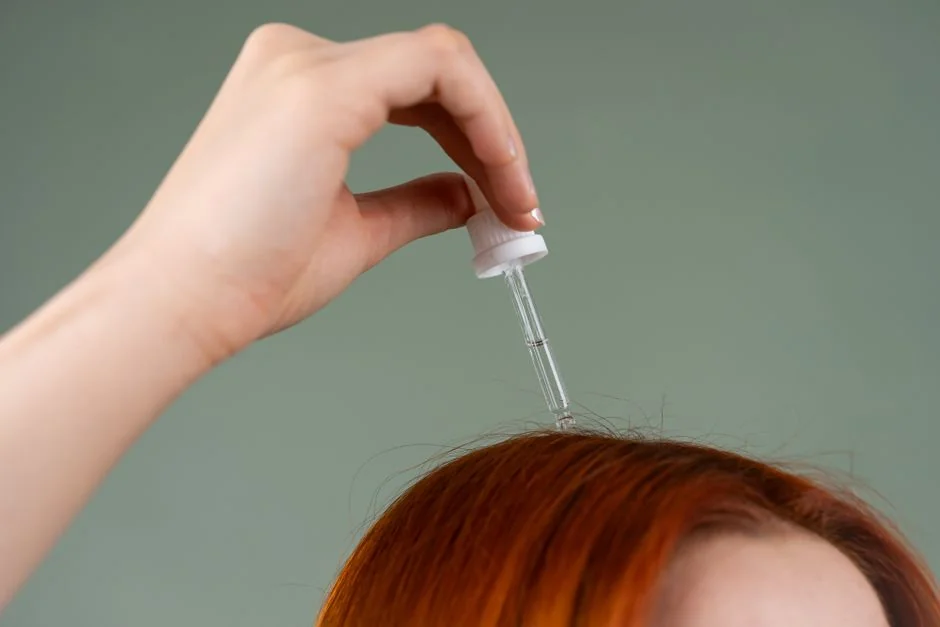
Noticing your parting widen, your ponytail thin, or more hair than usual on your pillow is a distressing experience — and one that many women feel reluctant to discuss openly. Female androgenetic alopecia, more precisely called female pattern hair loss (FAGA or FPHL), is far more common than most people realise, and the good news is that regenerative treatment options have expanded considerably in recent years.
This article explains what FAGA is, how current therapies work, what results are realistic, and how English-speaking patients in Tokyo can access professional care.
What you’ll learn in this article:
- What FAGA is and how it differs from other types of hair loss in women
- The range of regenerative and medical treatments now available in Tokyo
- Realistic expectations for results and a guide to typical costs
- Who is and is not a suitable candidate for each approach
- How to access an English-speaking doctor consultation in Tokyo
Have a question about this treatment?
Message us on LINE or WhatsApp — our English-speaking team usually replies the same day.
What Is FAGA (Female Pattern Hair Loss)?
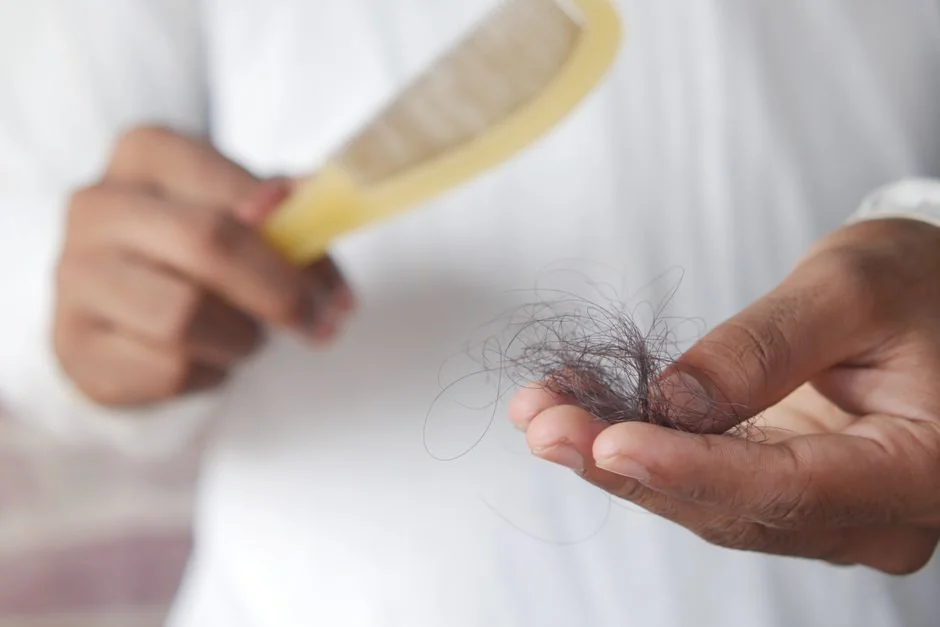
FAGA stands for female androgenetic alopecia — a hormonally influenced, genetically predisposed condition characterised by progressive thinning of scalp hair in a diffuse pattern, typically over the crown and top of the head. Unlike male pattern baldness, which produces clearly defined receding hairlines and bald patches, FAGA usually presents as a gradual widening of the central parting while the frontal hairline is largely preserved.
The condition is driven partly by sensitivity of hair follicles to dihydrotestosterone (DHT) — a hormone derived from testosterone that is present in women as well as men, though at lower levels. Follicles that are genetically sensitive to DHT progressively miniaturise, producing thinner and shorter hairs over successive growth cycles until they eventually stop producing visible hair at all.
How Common Is FAGA?
FAGA is significantly under-diagnosed in women, partly because societal expectations lead many patients to attribute thinning hair to stress, diet, or ageing rather than seeking medical evaluation. Studies suggest that approximately 40% of women show noticeable signs of hair loss by the age of 50, and clinical reports indicate that FAGA accounts for the majority of cases presenting to dermatology and hair-loss clinics in Japan and globally.
FAGA vs. Other Types of Female Hair Loss
Not all hair thinning in women is FAGA. Telogen effluvium (a temporary, diffuse shedding triggered by shock, illness, childbirth, or nutritional deficiency), alopecia areata (patchy autoimmune hair loss), and traction alopecia (caused by tight hairstyles) each require different diagnostic and treatment pathways.
An accurate diagnosis — including a review of your medical history, hormone levels, and potentially a scalp examination — is essential before any treatment plan is designed.
Regenerative and Medical Treatment Options for FAGA
Tokyo’s cosmetic and dermatological clinics offer a spectrum of approaches for FAGA, from established pharmaceutical options to newer regenerative technologies. The most appropriate combination depends on the severity of loss, the patient’s overall health, and her treatment goals.
Topical and Oral Medications
Minoxidil (topical, applied directly to the scalp) remains the only treatment with regulatory approval specifically for female hair loss in Japan and most other countries. It works by prolonging the anagen (growth) phase of the hair cycle and improving blood flow to follicles. Clinical studies report that consistent use of 2% or 5% minoxidil produces measurable hair density improvement in roughly 60–80% of women who use it correctly for at least six months, though results plateau if treatment is discontinued.
Oral anti-androgens such as spironolactone or low-dose finasteride are sometimes used off-label in women with elevated androgen activity, under careful medical supervision. These are not appropriate for women of reproductive age who may become pregnant, and hormone panel testing is typically required before prescribing.
Mesotherapy and Scalp Injection Therapies
Scalp mesotherapy involves microinjections of a customised cocktail — typically including vitamins, amino acids, growth factors, and sometimes low-dose minoxidil — directly into the scalp’s dermal layer. The objective is to deliver active ingredients precisely where they are needed, bypassing the poor penetration of topical products through the scalp skin. Sessions are generally performed every two to four weeks initially, with maintenance sessions every one to three months.
PRP (Platelet-Rich Plasma) Therapy
PRP involves drawing a small amount of the patient’s own blood, processing it in a centrifuge to concentrate the growth-factor-rich platelet component, and injecting this concentrate into the scalp. The growth factors (including PDGF, VEGF, and EGF) are thought to stimulate dormant follicles, improve follicle vascularity, and prolong the growth phase. A published systematic review and meta-analysis (Gentile et al., 2019) found significant increases in hair density and thickness following PRP treatment for androgenetic alopecia in both sexes, though the authors noted that standardisation of preparation protocols varies considerably between studies.
PRP is generally considered safe because it uses the patient’s own biological material, making allergic reactions or rejection a non-issue. Multiple sessions — typically three to six over a three-month period, followed by maintenance — are usually required to achieve and sustain results.
Low-Level Laser Therapy (LLLT)
Low-level laser (or light) therapy uses specific wavelengths of light to stimulate cellular activity in hair follicles. Clinical reports indicate modest but statistically significant improvements in hair count and thickness with consistent use. LLLT is often used as an adjunct to other treatments rather than as a standalone protocol.
RF Microneedling and Energy-Based Scalp Treatments
Radiofrequency (RF) microneedling devices deliver controlled thermal energy to the scalp dermis through fine needles, stimulating collagen production and potentially improving follicle health. While primarily validated for skin rejuvenation, some clinicians are investigating and applying these modalities — including Morpheus8, which is available in the clinic group’s cosmetic portfolio — as adjunct therapies in hair-loss management programmes. This application should be discussed individually with the treating physician to establish whether it is appropriate for a given patient’s profile.
Nutritional and Orthomolecular Support
Deficiencies in iron, ferritin, zinc, vitamin D, and biotin are frequently identified in women with hair thinning. Orthomolecular (nutritional) therapy — involving targeted supplementation based on blood panel results — can address underlying deficiencies that exacerbate or mimic FAGA. This is available as part of the preventive medicine programme at BIOTOPE CLINIC in Shirokanedai, where Dr. Karibe can advise on integrating nutritional support into a comprehensive hair-health plan.
What Results Can You Realistically Expect?
Honest expectation-setting is critical with FAGA treatment. Regenerative therapies work best in the earlier stages of hair loss, when follicles are miniaturised but still alive. Once a follicle is permanently dormant, no current non-surgical therapy can revive it.
Most patients who begin treatment at a moderate stage can expect a slowing or halting of further loss, with a proportion experiencing measurable regrowth and increased density. Noticeable visible improvement typically requires a minimum of three to six months of consistent treatment. Results are often gradual rather than dramatic, and maintaining gains generally requires ongoing maintenance sessions or continued medication use.
Dr. Karibe’s Note
Many of our international patients at BIOTOPE CLINIC arrive frustrated because they have been managing their hair loss alone, relying on supplements purchased online without a proper diagnosis.
A common question I receive is whether it is possible to tell from photographs alone whether a patient has FAGA or another type of alopecia — the honest answer is that a clinical scalp assessment and relevant blood work are usually necessary for an accurate picture.
Starting the right treatment for the right diagnosis, even if it takes a few weeks to confirm, always produces better long-term outcomes than self-treating with the wrong protocol.
Comparing FAGA Treatment Options
| Treatment | Mechanism | Evidence Level | Sessions Required | Downtime | Best For |
|---|---|---|---|---|---|
| Topical Minoxidil | Prolongs anagen phase; vasodilation | High (regulatory-approved) | Daily, ongoing | None | Mild to moderate FAGA; first-line |
| Oral anti-androgens | DHT suppression / androgen blockade | Moderate (off-label in women) | Daily pill, ongoing | None | FAGA with elevated androgen markers |
| PRP Therapy | Growth factor stimulation of follicles | Moderate-high (growing body of evidence) | 3–6 sessions + maintenance | Minimal (scalp tenderness 1–2 days) | Mild to moderate FAGA; adjunct therapy |
| Scalp Mesotherapy | Targeted nutrient/growth factor delivery | Moderate | 4–8 sessions + maintenance | Minimal | General thinning; nutritional support |
| LLLT (Low-Level Laser) | Photobiomodulation of follicle cells | Moderate | Ongoing (home or clinic devices) | None | Adjunct; early-stage maintenance |
| Orthomolecular / IV Nutritional Therapy | Corrects deficiencies impairing follicle health | Supportive / adjunct | Varies by protocol | None | Nutritional-deficiency-related thinning; adjunct |
Cost of FAGA Treatment in Tokyo
Costs for FAGA treatment vary considerably depending on the type of therapy, number of sessions, and the specific clinic. The following figures reflect general Tokyo private-clinic pricing ranges as well as services available within the BIOTOPE CLINIC group.
- Consultation (initial): From approximately ¥3,300 for a general consultation; ¥2,200 for a surgical consultation with Dr. Karibe
- Blood work (pre-treatment hormone/nutritional panel): From approximately ¥11,000 depending on the panel selected
- PRP scalp therapy: Varies by clinic and preparation method; typically ¥30,000–¥80,000 per session at private cosmetic clinics in Tokyo
- Scalp mesotherapy: Typically ¥15,000–¥50,000 per session in Tokyo
- IV drip therapy (nutritional support): Available as part of BIOTOPE CLINIC’s preventive medicine programme; pricing depends on the formulation
- Orthomolecular nutritional therapy programme: Varies by protocol; initial consultation includes an assessment of supplementation needs
Note: Pharmaceutical minoxidil is available over-the-counter in Japan at pharmacies for women (typically 2% formulation), making it one of the more accessible starting points. Prescription oral medications require a physician consultation. For a comprehensive and individualised treatment plan with accurate pricing, a consultation is strongly recommended.
For an accurate quote, we recommend booking a consultation.
Have a question about this treatment?
Message us on LINE or WhatsApp — our English-speaking team usually replies the same day.
What People Often Get Wrong About FAGA
Misconception 1: “It’s just stress — it will resolve on its own.”
Stress-related hair loss (telogen effluvium) does often self-resolve within six to twelve months of the triggering event. FAGA, however, is a progressive, genetically driven condition that does not spontaneously reverse. Confusing the two leads many women to delay seeking treatment until their hair loss has advanced beyond the stage at which regenerative therapies are most effective. A clinical diagnosis is essential to distinguish between them.
Misconception 2: “Supplements alone will fix it.”
The wellness industry promotes a wide range of hair growth supplements — biotin being the most heavily marketed. While correcting a genuine nutritional deficiency (such as low ferritin or vitamin D) can meaningfully support hair health, there is no evidence that supplementing nutrients you are not deficient in will stimulate hair growth in FAGA. Buying high-dose biotin supplements without confirming a deficiency is unlikely to produce meaningful results and delays engagement with evidence-based treatment.
Who Is a Good Candidate for Regenerative FAGA Treatment?
Regenerative and medical FAGA treatments are generally suitable for women who:
- Have been diagnosed with FAGA or strongly suspect it based on the characteristic diffuse central thinning pattern
- Are in the mild to moderate stages of hair loss (follicles miniaturised but still present)
- Are in generally good health with no active scalp infections or inflammatory conditions
- Are committed to a multi-session, maintenance-oriented treatment plan
- Have realistic expectations about the pace and extent of improvement
Treatment may be less appropriate or require modification for women who:
- Are pregnant or breastfeeding (particularly for pharmaceutical options)
- Have advanced alopecia with extensive follicle loss (scarring alopecias or end-stage FAGA)
- Have underlying uncontrolled hormonal conditions that require primary treatment first
- Have active scalp infections or autoimmune conditions of the scalp
In Dr. Karibe’s clinical experience at BIOTOPE CLINIC in Shirokanedai, patients who combine an evidence-based medical approach (such as minoxidil) with adjunct regenerative sessions, nutritional correction, and regular follow-up consistently achieve better results than those pursuing any single modality in isolation.
Where to Get FAGA Treatment in Tokyo (English-Speaking Consultation)
Within our clinic group, English-speaking consultations are handled at BIOTOPE CLINIC in Shirokanedai (Minato-ku, Tokyo) by Dr. Jun Karibe. Dr. Karibe is a board-certified plastic surgeon certified by the Japan Society of Plastic and Reconstructive Surgery, and the BIOTOPE team includes English-speaking staff who can guide international patients through every step of their care.
Our sister clinic, Kojimachi Dermatology & Plastic Surgery Clinic in Ichigaya (Chiyoda-ku), is the medical group’s main office and handles insurance-covered dermatology consultations conducted in Japanese. English-speaking patients are warmly welcomed at BIOTOPE CLINIC in Shirokanedai, where the full range of cosmetic, regenerative, and preventive medicine services is available.
Bookings and enquiries in English: LINE or WhatsApp.
Frequently Asked Questions
- Q. How is FAGA diagnosed — do I need blood tests?
- A clinical consultation typically involves a review of your hair-loss history, a scalp examination, and in most cases blood tests to assess hormone levels (including androgens, thyroid hormones) and nutritional markers (ferritin, vitamin D, zinc). This rules out other causes and allows the physician to tailor treatment appropriately. At BIOTOPE CLINIC, pre-treatment blood work starts from approximately ¥11,000 depending on the panel.
- Q. How long before I see results from PRP or mesotherapy for hair loss?
- Because hair grows slowly, visible results from injection-based therapies typically take three to six months to become apparent. Most patients complete an initial course of three to six sessions before assessing their response. Patience and consistent follow-through with the treatment schedule are important factors in achieving the best outcome.
- Q. Can I use minoxidil while also receiving clinic-based treatments?
- In most cases, yes — combining topical minoxidil with clinic-based regenerative sessions is a common and evidence-supported approach. Your physician will advise whether any specific interaction or timing consideration applies to your individual protocol.
- Q. Is FAGA treatment covered by Japanese health insurance?
- The vast majority of FAGA treatments — including PRP, mesotherapy, and most medical hair-loss therapies — are classified as cosmetic or elective procedures and are not covered by Japanese public health insurance (koken). Topical minoxidil purchased over the counter is a personal out-of-pocket cost. Diagnostic blood tests requested as part of a medical consultation may have partial insurance implications depending on the clinical context, which your physician can clarify.
- Q. I am visiting Tokyo for a short time. Can I start a treatment plan and continue it at home?
- This is a practical question that Dr. Karibe’s team at BIOTOPE CLINIC encounters regularly from medical tourists and expatriates who travel. A consultation can establish a diagnosis and initiate treatment — including oral or topical medications and an initial injection session — with a take-home protocol and telemedicine follow-up guidance where appropriate. It is worth discussing your travel schedule at the time of booking so the team can plan realistically around your availability.
Have a question about this treatment?
Message us on LINE or WhatsApp — our English-speaking team usually replies the same day.
Summary
Female pattern hair loss (FAGA) is a common, progressive condition that responds best to early, accurate diagnosis and a multi-modal treatment approach.
Regenerative medicine options available in our BIOTOPE CLINIC — including PRP therapy, scalp mesotherapy, nutritional correction, and evidence-based pharmaceutical therapy — can meaningfully slow progression and, in many cases, support visible regrowth when begun at the right stage.
There is no single universally effective solution; a treatment plan should be designed around a confirmed diagnosis, individual hormone and nutritional profile, and realistic goals. Combining medical therapy with regenerative adjuncts and appropriate nutritional support generally offers the most durable outcomes.
If you have questions about female pattern hair loss treatment, English-speaking consultations are handled at BIOTOPE CLINIC in Shirokanedai (Minato-ku, Tokyo) by Dr. Karibe. Our sister clinic, Kojimachi Dermatology & Plastic Surgery Clinic in Ichigaya (Chiyoda-ku), handles Japanese-language insurance dermatology. English enquiries: LINE or WhatsApp.
24/7 Consultation & Booking
Book a Consultation or Treatment
Our English-speaking team responds via LINE or WhatsApp — usually the same day.
References
- Gentile P, Garcovich S, Bielli A, Scioli MG, Orlandi A, Cervelli V. The Effect of Platelet-Rich Plasma in Hair Regrowth: A Randomized Placebo-Controlled Trial. Stem Cells Translational Medicine. 2015.
- Gentile P, Scioli MG, Bielli A, Orlandi A, Cervelli V. Platelet-rich plasma and micrografts enriched with autologous human follicle mesenchymal stem cells improve hair re-growth in androgenetic alopecia: Three-year follow-up analysis. International Journal of Molecular Sciences. 2019.
- Blumeyer A, Tosti A, Messenger A, et al. Evidence-based (S3) guideline for the treatment of androgenetic alopecia in women and in men. Journal of the German Society of Dermatology. 2011.
- Motosko CC, Bieber AK, Pomeranz MK, Stein JA, Martires KJ. Physiologic changes of pregnancy: A review of the literature. International Journal of Women’s Dermatology. 2017.
- Randolph M, Tosti A. Oral minoxidil treatment for hair loss: A review of efficacy and safety. Journal of the American Academy of Dermatology. 2021.
Related Articles
You may also find these articles useful.
- English-Speaking Dermatologist Tokyo: Hair Loss & AGA
- Stem Cells vs Exosomes vs Supernatant in Tokyo
- Hair Loss Treatment Tokyo: AGA Options for Expats
- Exosome Therapy Tokyo: Skin Rejuvenation Guide
SUPERVISED BY
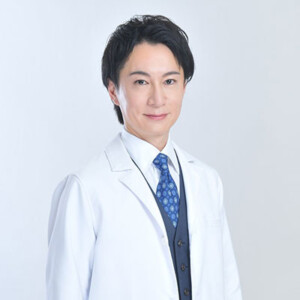
Dr. Jun Karibe
MD
Director
Education & Career
Certifications
Awards