Hair Loss Treatment in Tokyo: AGA Options for Expats
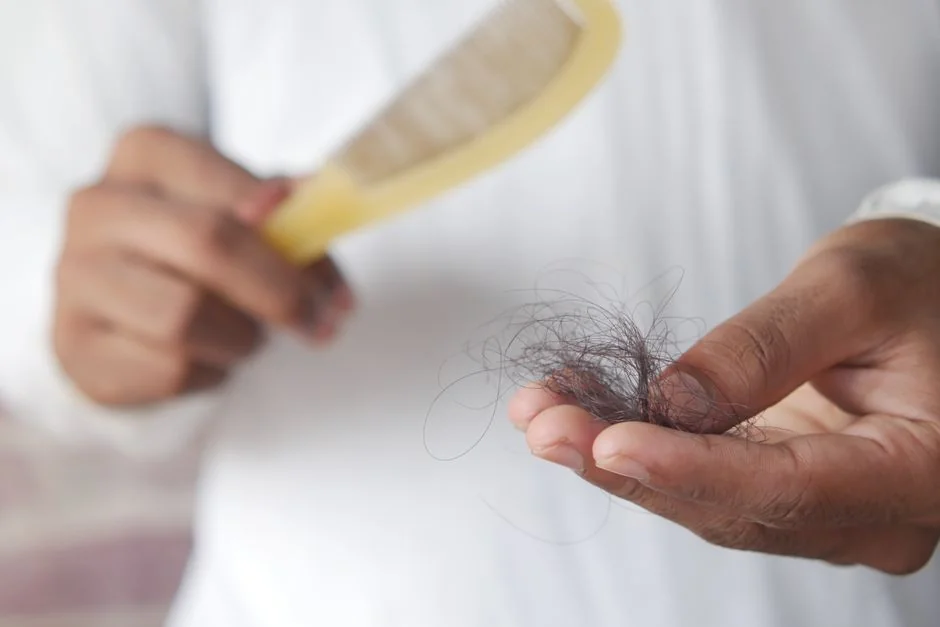
Noticing more hair in the shower drain, a widening parting, or a gradually receding hairline can be a source of real distress — particularly when you are living abroad and unsure where to turn for reliable, English-language medical advice.
Androgenetic alopecia (AGA), commonly known as male-pattern or female-pattern hair loss, is one of the most treatable forms of hair loss when addressed early, and Tokyo offers a range of evidence-based options.
This article explains what AGA is, how treatments work, what realistic outcomes look like, and how to access care as an English-speaking patient in the city.
- What androgenetic alopecia (AGA) is and why it progresses
- The main treatment options available in Tokyo, including oral medication, topical therapy, and procedural treatments
- Realistic expected results, supported by published clinical evidence
- Approximate costs in Tokyo, so you can plan ahead
- Who makes a good candidate and who should approach treatment with caution
Have a question about this treatment?
Message us on LINE or WhatsApp — our English-speaking team usually replies the same day.
What Is Androgenetic Alopecia (AGA)?

Androgenetic alopecia is a genetically influenced, hormone-driven condition in which hair follicles gradually miniaturise over time.
In men, it typically presents as a receding hairline at the temples and thinning at the crown; in women, it more often appears as diffuse thinning across the top of the scalp, with the frontal hairline usually preserved.
The underlying mechanism involves dihydrotestosterone (DHT) — a potent derivative of testosterone — binding to receptors in susceptible hair follicles and shortening the growth (anagen) phase.
Over successive cycles, hairs become finer and shorter until the follicle eventually stops producing visible hair altogether. Because the follicles are not destroyed in the early and middle stages, treatment can be genuinely effective if started before the miniaturisation process is complete.
How Is AGA Diagnosed?
A dermatologist or plastic surgeon will typically take a thorough medical history and perform a scalp examination, often using a dermatoscope — a handheld magnifying device that allows close inspection of follicle density and miniaturisation.
Blood tests may be ordered to rule out thyroid dysfunction, iron-deficiency anaemia, or other systemic causes of hair loss before confirming an AGA diagnosis.
Treatment Options for AGA Available in Tokyo
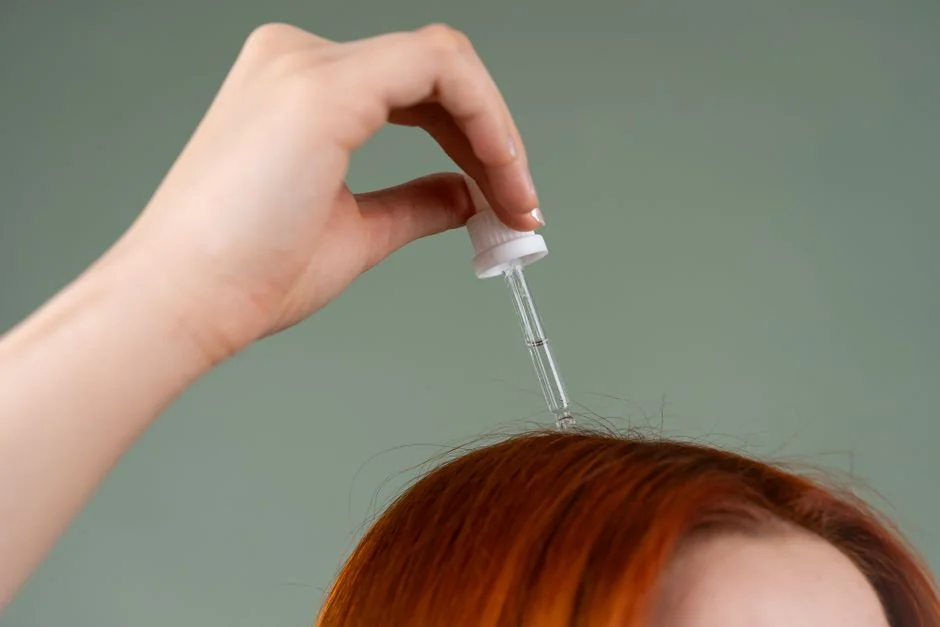
The landscape of AGA treatment has evolved considerably, and patients in Tokyo have access to the same evidence-based options found in major cities worldwide. These broadly fall into three categories: pharmaceutical treatments, topical agents, and procedural or device-based therapies.
Oral and Topical Medications
Finasteride is an oral prescription medication that inhibits the enzyme 5-alpha reductase, thereby reducing DHT levels in the scalp. It is the most extensively studied pharmacological treatment for male AGA.
Dutasteride works through a similar mechanism but inhibits both isoforms of the enzyme and may offer greater DHT suppression; it is widely prescribed in Japan. Both medications are approved by the relevant Japanese regulatory authorities for male AGA and require a prescription from a licensed physician.
Minoxidil, available in both topical and low-dose oral formulations, works by a different mechanism: it prolongs the anagen phase and improves blood flow around the follicle. Topical minoxidil is available over the counter in Japan, while oral (systemic) minoxidil requires a prescription and is used off-label for hair loss in carefully selected patients.
Clinical reports indicate that finasteride at 1 mg daily leads to a measurable increase in hair count in the majority of men after 12 months of continuous use, with studies suggesting that approximately 83–90% of men experience either stabilisation of hair loss or visible regrowth at two years of treatment. These figures are drawn from double-blind randomised controlled trials and reflect results with consistent adherence; individual outcomes vary.
Procedural Treatments: PRP Therapy
Platelet-rich plasma (PRP) therapy involves drawing a small amount of the patient’s own blood, concentrating it in a centrifuge to increase the proportion of platelets and growth factors, and then injecting the resulting solution into the scalp. Platelets contain growth factors such as PDGF, VEGF, and IGF-1 that are thought to stimulate follicular activity and prolong the anagen phase.
Studies suggest that PRP injections can produce a statistically significant increase in hair density and thickness compared with placebo, with one systematic review reporting mean improvements in hair count ranging from 15 to 30 hairs per cm² across multiple controlled trials. PRP is not a replacement for medication in moderate-to-severe AGA, but it is often used as a complementary approach to enhance results from pharmacological treatment.
Low-Level Laser Therapy (LLLT)
Low-level laser (or light) therapy uses specific wavelengths of red or near-infrared light to stimulate follicular metabolism. It is available as in-clinic devices and cleared for use in hair loss in several regulatory jurisdictions. LLLT is generally considered an adjunctive option rather than a standalone treatment for significant AGA.
Nutritional and Supportive Therapies
Deficiencies in iron, zinc, vitamin D, and certain amino acids have been associated with hair thinning, though they are not the primary driver in true AGA. At BIOTOPE CLINIC or Kojimachi Dermatology & Plastic Surgery Clinic, the preventive medicine menu includes nutritional therapy and IV drip therapy, which some patients find helpful as a supportive measure alongside first-line AGA treatments.
If you are interested in assessing nutritional status as part of a hair health review, this is something that can be discussed during a consultation at our Ichigaya clinic.
Dr. Karibe’s Note
Many of our international patients are surprised to find that dutasteride is readily available by prescription in Japan, whereas it may not be approved for hair loss in their home country.
A common question I receive is whether it is safe to start medication here and continue it when travelling or relocating.
This is a very reasonable concern — and it is something we discuss openly, including medication documentation and continuity of care, during the initial consultation.
AGA Treatment Comparison: Key Options at a Glance
| Treatment | Mechanism | Best For | Onset of Results | Requires Prescription |
|---|---|---|---|---|
| Finasteride (oral) | DHT suppression via 5-alpha reductase inhibition | Men with mild to moderate AGA | 6–12 months | Yes |
| Dutasteride (oral) | Dual 5-alpha reductase inhibition (stronger DHT reduction) | Men, particularly those with limited finasteride response | 6–12 months | Yes |
| Minoxidil (topical/oral) | Prolongs anagen phase; vasodilatory effect | Men and women; often combined with DHT-blockers | 3–6 months | OTC (topical); prescription for oral |
| PRP Injections | Growth factor stimulation of follicles | Early-to-moderate AGA; adjunct to medication | 3–6 months (multiple sessions) | No (procedural) |
| LLLT | Photobiomodulation of follicular cells | Mild AGA; adjunctive use | 4–6 months | No (device-based) |
| Nutritional / IV therapy | Corrects deficiencies; supports follicular environment | Patients with identified nutritional gaps | Variable | No (supportive) |
Cost of AGA Treatment in Tokyo
AGA treatment in Japan is largely classified as cosmetic (self-pay) rather than covered by national health insurance, which means patients bear the full cost directly. Prices vary depending on the type and frequency of treatment. The figures below reflect general market ranges in Tokyo at the time of writing.
Prescription medication (finasteride / dutasteride): Monthly costs for oral AGA medication at cosmetic clinics typically range from approximately ¥3,000 to ¥10,000 per month, depending on the formulation and dose. An initial consultation fee applies separately — at Kojimachi Dermatology & Plastic Surgery Clinic, the initial consultation is ¥3,300.
PRP /Stem cell supretanant injections: A single session of scalp PRP or Stem cell supertannat therapy at Tokyo clinics generally ranges from approximately ¥30,000 to ¥110,000. A course of three to six sessions spaced four to six weeks apart is typical.
Costs vary based on the volume of PRP or stem cell used and the centrifuge system employed.
IV drip or nutritional support: Supportive IV drip therapies are available at Kojimachi Dermatology & Plastic Surgery Clinic as part of the preventive medicine menu and are priced according to the specific formulation selected.
Note that hair transplant surgery — a separate and more invasive option not within the scope of this article — carries significantly higher costs, typically beginning in the hundreds of thousands of yen range.
For an accurate quote, we recommend booking a consultation.
Have a question about this treatment?
Message us on LINE or WhatsApp — our English-speaking team usually replies the same day.
What People Often Get Wrong About AGA Treatment
Misconception 1: “Stopping medication once hair regrows is fine.” AGA medications work by maintaining DHT suppression; they do not cure the underlying genetic predisposition. Clinical evidence consistently shows that the hair gained during treatment is typically lost within 6–12 months of stopping medication. Patients should understand from the outset that treatment is an ongoing commitment rather than a short course.
Misconception 2: “Expensive shampoos or herbal supplements can replace prescription treatment.” Over-the-counter scalp shampoos marketed for hair loss, as well as many herbal supplements, have little robust clinical evidence supporting their efficacy in true AGA. While scalp hygiene and general health are supportive factors, they cannot replicate the DHT-blocking or follicular-stimulating effects of prescription medications or PRP. Delaying proven treatment in favour of unproven alternatives risks allowing further follicular miniaturisation that becomes harder to reverse.
Who Is a Good Candidate for AGA Treatment?
In our clinical experience at BIOTOPE CLINIC or Kojimachi Dermatology & Plastic Surgery Clinic, the patients most likely to benefit from AGA treatment are those who seek evaluation at an early to moderate stage of hair loss, before widespread follicular miniaturisation has occurred. Candidates should be in generally good health and have realistic expectations — the goal of treatment is typically stabilisation and partial regrowth, not restoration of teenage-density hair.
Good candidates for pharmaceutical AGA treatment include men with early-to-moderate AGA (Norwood-Hamilton scale I–IV) and women with female-pattern hair loss (Ludwig scale I–II) after systemic causes have been excluded.
Who should approach treatment with caution or seek specialist review:
- Women who are pregnant, planning pregnancy, or breastfeeding — finasteride and dutasteride are contraindicated in women of childbearing potential due to the risk of foetal harm
- Men with a personal or family history of prostate cancer or certain other androgen-sensitive conditions
- Patients with liver dysfunction, as finasteride and dutasteride are hepatically metabolised
- Individuals experiencing sudden or patchy hair loss, which may indicate alopecia areata or another dermatological condition requiring different management
- Those with significant scalp inflammation, active infection, or bleeding disorders, where PRP injections may not be appropriate
Before, During, and After Treatment: What to Expect
Before Your First Appointment
Bring any records of previous hair loss treatment, including products, supplements, or medications you have used. If you have blood test results from your home country covering thyroid function, ferritin, or vitamin D levels, these can be useful starting points and may reduce the need for repeat testing.
During Consultation and Initial Treatment
A thorough consultation will include a scalp assessment and, where relevant, blood tests to exclude systemic causes. If medication is prescribed, it is typically dispensed at the clinic or via a linked pharmacy.
PRP or Stem cell supertanant injection sessions involve a blood draw, approximately 20–30 minutes of centrifugation and scalp preparation, and then a series of fine injections across the treatment area. Topical anaesthetic cream or a local anaesthetic may be used to manage discomfort.
After Starting Treatment
A temporary phase of increased shedding (telogen effluvium) can occur in the first 4–8 weeks of starting minoxidil or some other treatments, which is a normal part of the follicular cycle shift and not a sign the treatment is failing. Visible improvement in hair density typically requires at least six months of consistent treatment, and results continue to develop over 12–24 months. Regular follow-up appointments allow the treating physician to assess response and adjust the approach if needed.
Frequently Asked Questions
- Q. Can I receive AGA treatment in Tokyo if I do not speak Japanese?
- Yes. At Kojimachi Dermatology & Plastic Surgery Clinic in Ichigaya, consultations are available in English, and the team is experienced in caring for international patients. Medication instructions and follow-up guidance are provided in a format that English-speaking patients can readily understand.
- Q. Will my AGA medication prescription be valid when I return to my home country?
- Japanese prescriptions are not automatically valid overseas, and regulations differ by country. Your physician can provide documentation of the medications prescribed and the dosage, which you can share with a doctor in your home country. It is advisable to plan ahead if you know you will be travelling or relocating, as finasteride and dutasteride are available by prescription in most countries.
- Q. How many PRP sessions will I need, and how far apart should they be?
- Most clinical protocols recommend an initial course of three to six sessions, typically spaced four to six weeks apart, followed by maintenance sessions every three to six months. The exact protocol is tailored to the individual based on the degree of hair loss and response to initial treatment.
- Q. Is AGA treatment covered by Japanese national health insurance (kokumin kenko hoken)?
- AGA treatment is classified as cosmetic in Japan and is therefore not covered by the national health insurance system. All costs are borne directly by the patient. This applies whether you are enrolled in Japanese national health insurance, an employer-sponsored scheme, or an international private insurance plan — it is worth checking your individual policy for cosmetic exclusions before your appointment.
- Q. Can women be treated for hair loss at the clinic?
- Yes. Female-pattern hair loss is assessed and managed at Kojimachi Dermatology & Plastic Surgery Clinic. The treatment approach for women differs from men — finasteride and dutasteride are generally not appropriate for premenopausal women, but minoxidil, PRP/Stem cell , and nutritional support can be considered. A full consultation and blood screening are recommended to confirm the diagnosis and identify any contributing systemic factors.
Have a question about this treatment?
Message us on LINE or WhatsApp — our English-speaking team usually replies the same day.
Summary
Androgenetic alopecia is a common and genuinely treatable condition, provided it is diagnosed accurately and addressed with evidence-based interventions at an appropriate stage.
In Tokyo, English-speaking patients have access to the full range of AGA treatment options — from oral DHT-blocking medications to PRP injections and supportive nutritional therapy. Realistic expectations are important: treatment aims to stabilise loss and encourage partial regrowth over months of consistent effort, not to produce overnight transformation.
Choosing a clinic where you can communicate clearly with your treating physician, receive a thorough assessment, and understand your options without a language barrier makes a meaningful difference to adherence and outcomes. Early consultation is always preferable to waiting.
If you have questions about hair loss treatment in Tokyo, our team at BIOTOPE CLINIC or Kojimachi Dermatology & Plastic Surgery Clinic in Minato-ku, Tokyo would be happy to help. We offer consultations in English.
24/7 Consultation & Booking
Book a Consultation or Treatment
Our English-speaking team responds via LINE or WhatsApp — usually the same day.
References
- Kaufman KD, Olsen EA, Whiting D, et al. Finasteride in the treatment of men with androgenetic alopecia. Journal of the American Academy of Dermatology. 1998;39(4):578–589.
- Gupta AK, Talukder M, Venkataraman M. Minoxidil: A comprehensive review. Journal of Dermatological Treatment. 2022;33(4):1896–1906.
- Gentile P, Garcovich S, Bielli A, et al. The effect of platelet-rich plasma in hair regrowth: A randomized placebo-controlled trial. Stem Cells Translational Medicine. 2015;4(11):1317–1323.
- Adil A, Godwin M. The effectiveness of treatments for androgenetic alopecia: A systematic review and meta-analysis. Journal of the American Academy of Dermatology. 2017;77(1):136–141.
- Olsen EA, Whiting D, Bergfeld W, et al. A multicenter, randomized, placebo-controlled, double-blind clinical trial of a novel formulation of 5% minoxidil topical foam versus placebo in the treatment of androgenetic alopecia in men. Journal of the American Academy of Dermatology. 2007;57(5):767–774.
Related Articles
You may also find these articles useful.
- Anti-Aging Treatments Tokyo: Complete Guide for Expats
- English Speaking Dermatologist Tokyo: Complete Guide
- Looking for an English-Speaking Dermatology and Aesthetic Clinic in Tokyo?
SUPERVISED BY
Dr. Jun Karibe
MD
Director
Education & Career
Certifications
Awards