Anti-Aging Treatments in Tokyo: A Complete Guide for Expats and International Patients
Navigating the world of anti-aging medicine in a foreign country can feel overwhelming — especially when language barriers, unfamiliar brand names, and a wide range of price points make it difficult to know where to start. This guide is written specifically for English-speaking residents and visitors in Tokyo who want clear, honest information about what treatments are available, what they actually do, and what realistic results look like.
What you’ll learn in this article:
- The main categories of anti-aging treatment available in Tokyo, from non-invasive devices to surgical options
- How key technologies such as HIFU, radiofrequency, injectables, and lasers work — explained in plain language
- Realistic cost ranges for popular treatments at a Tokyo cosmetic clinic
- How to identify a good candidate for each approach, and who should approach with caution
- How to access English-speaking medical consultations in Tokyo
Have a question about this treatment?
Message us on LINE or WhatsApp — our English-speaking team usually replies the same day.
Understanding Anti-Aging Medicine: What Has Actually Changed
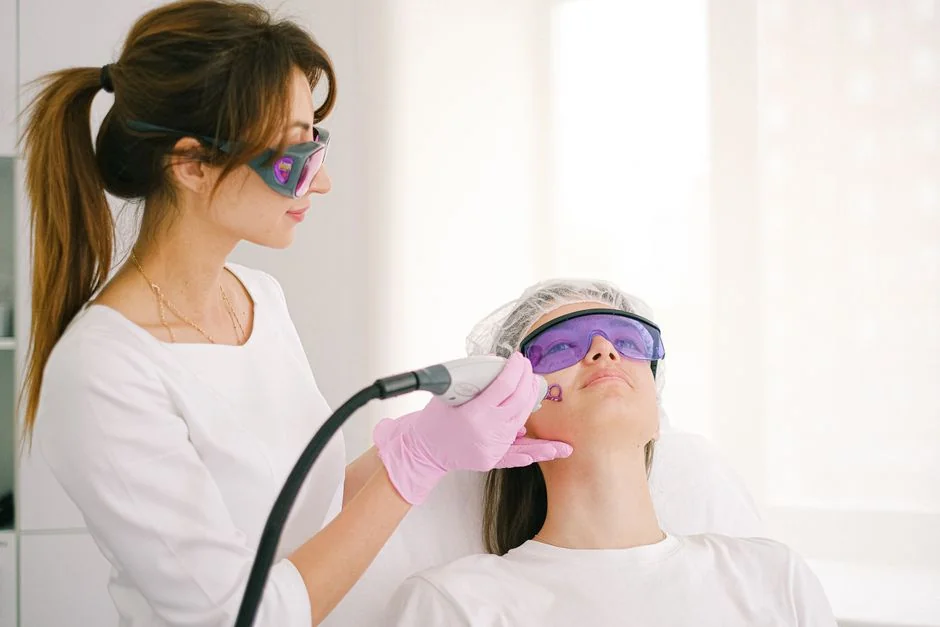
The term “anti-aging” covers a vast spectrum — from skincare serums sold in convenience stores to board-certified surgical procedures performed under anaesthesia.
For the purposes of this guide, the focus is on medically administered treatments: procedures performed or supervised by a licensed physician, using devices or substances with a clinical evidence base.
Modern cosmetic medicine has shifted significantly in the past decade.
The emphasis has moved away from dramatic, obvious interventions toward maintaining a natural, rested appearance through a combination of skin-quality improvement, volume management, and structural lifting — often without surgery. That said, surgical options remain relevant for patients whose concerns cannot be adequately addressed by non-invasive means.
The Four Pillars of Anti-Aging Treatment
Clinically, anti-aging treatment can be organised into four functional categories, each addressing a different aspect of facial ageing.
- Skin quality: texture, tone, pigmentation, pore size, and surface radiance — addressed by lasers, chemical peels, microneedling, and topical programmes
- Volume: the loss of fat and bone density that causes hollowness and deflation — addressed primarily by hyaluronic acid fillers and biostimulator injectables
- Laxity and lifting: sagging skin and soft tissue that has descended with gravity and collagen loss — addressed by HIFU, radiofrequency devices, thread lifts, and surgery
- Dynamic lines: wrinkles caused by repeated muscle movement — addressed primarily by botulinum toxin (Botox)
Most patients benefit from a combination approach. A consultation with a qualified physician is the starting point for determining which combination is appropriate for a given individual.
Key Treatments Available in Tokyo — How Each One Works
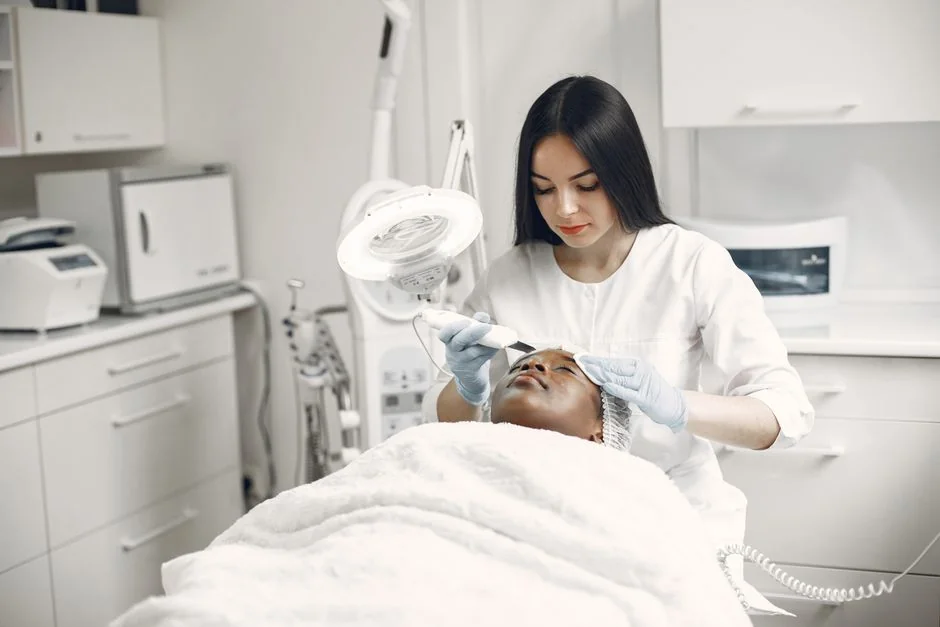
HIFU (High-Intensity Focused Ultrasound)
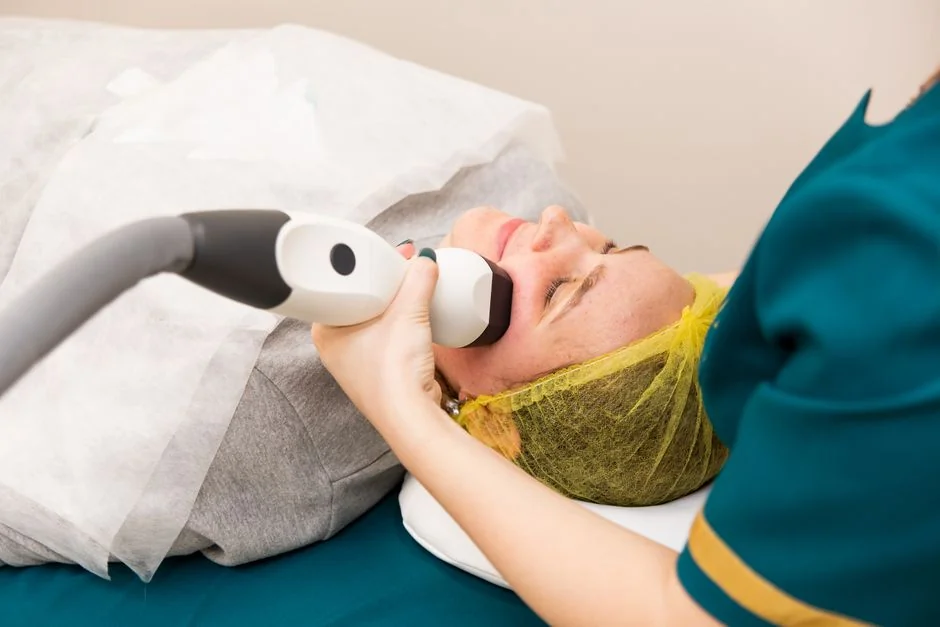
HIFU uses focused ultrasound energy to heat tissue at precise depths beneath the skin — typically at the level of the SMAS (the superficial muscular aponeurotic system), the same layer addressed in a surgical facelift.
This controlled thermal injury stimulates the body’s own collagen-production response, gradually tightening the skin over several months.
HIFU is non-invasive: no incisions, no needles, no downtime in the conventional sense.
Results are gradual rather than immediate and typically develop over two to six months. Clinical reports indicate that a single HIFU session can produce measurable tissue lifting, with studies suggesting improvements in skin elasticity and reduction in laxity scores in a majority of treated patients. At BIOTOPE CLINIC in Shirokanedai, HIFU sessions are available from ¥25,000, with comprehensive full-face protocols ranging up to ¥110,000 depending on the number of lines delivered.
Radiofrequency Devices (Morpheus8, POTENZA, Volnewmer)
Radiofrequency (RF) energy heats the dermis — the deeper layer of the skin — to stimulate collagen and elastin remodelling. Unlike HIFU, which targets a single deep plane, RF devices typically work across multiple dermal depths and are especially effective for skin texture, pore size, fine lines, and mild-to-moderate laxity.
Morpheus8 combines RF with microneedling, delivering energy directly into the dermis through fine needles. POTENZA is another RF microneedling device with adjustable depth settings. Volnewmer uses a different RF delivery mechanism suited to larger surface-area treatment. These devices have different ideal use cases and depth profiles; a physician consultation will help determine which is appropriate for a given concern.
Botulinum Toxin (Botox)
Botulinum toxin temporarily relaxes targeted facial muscles, reducing the appearance of dynamic wrinkles — crow’s feet, forehead lines, frown lines, and similar movement-driven creases.
Effects typically appear within five to seven days and last approximately three to six months, varying by individual metabolism and treatment area.
At BIOTOPE CLINIC, Allergan Botox (the original, FDA-approved formulation) is available from ¥22,000, with Korean-brand botulinum toxin available from ¥9,900. Micro-Botox — a technique in which diluted toxin is delivered intradermally across a broad area to improve pore size and skin texture without significant muscle relaxation — is available from ¥22,000.
Hyaluronic Acid Fillers
Hyaluronic acid (HA) is a naturally occurring sugar molecule found in skin and connective tissue.
Injectable HA fillers restore volume to areas that have thinned or deflated with age — the tear trough, cheeks, nasolabial folds, lips, and jawline are common treatment zones. Results are immediate and typically last between nine and eighteen months depending on the product used and the area treated.
HA fillers are reversible: an enzyme called hyaluronidase can dissolve the filler if needed, which is an important safety consideration. At BIOTOPE CLINIC, hyaluronic acid fillers are priced from ¥66,000 to ¥88,000 per syringe. Hyaluronidase for dissolution is available from ¥11,000.
Laser Treatments
Lasers address skin quality concerns — pigmentation, sun damage, uneven tone, acne scarring, and enlarged pores. PicoWay (picosecond laser) delivers ultra-short pulses of energy that shatter pigment particles without excessive thermal damage to surrounding tissue, making it suitable for melasma, sunspots, and post-inflammatory hyperpigmentation.
CO2 fractional laser ablates the skin’s surface in a controlled pattern, stimulating resurfacing and collagen production — it is particularly effective for acne scars and texture irregularities.
Pico laser sessions at BIOTOPE CLINIC are available from ¥11,000 per session. CO2 fractional treatments start from ¥11,000.
Thread Lifts
A thread lift involves inserting absorbable threads beneath the skin to mechanically reposition sagging soft tissue and stimulate a collagen response around each thread. It is a minimally invasive procedure performed under local anaesthesia, with most patients returning to normal activities within a few days. Results are visible immediately but continue to improve as the collagen response develops. The Tesslift thread lift is available at BIOTOPE CLINIC from ¥48,000 per thread.
Surgical Options
For patients with significant skin laxity or structural concerns that cannot be adequately corrected by non-invasive means, surgical intervention may be appropriate. Blepharoplasty (eyelid surgery) — particularly transconjunctival blepharoplasty for under-eye fat repositioning — is one of the most commonly requested procedures among international patients. Liposuction of the cheek and jawline, buccal fat removal, and rhinoplasty are also available under Dr. Karibe’s practice at BIOTOPE CLINIC.
Transconjunctival blepharoplasty is priced from ¥280,000 to ¥428,000. All surgical procedures require pre-operative blood work (¥11,000) and anaesthesia (¥2,200–¥77,000 depending on the procedure).
Anti-Aging Treatment Costs in Tokyo
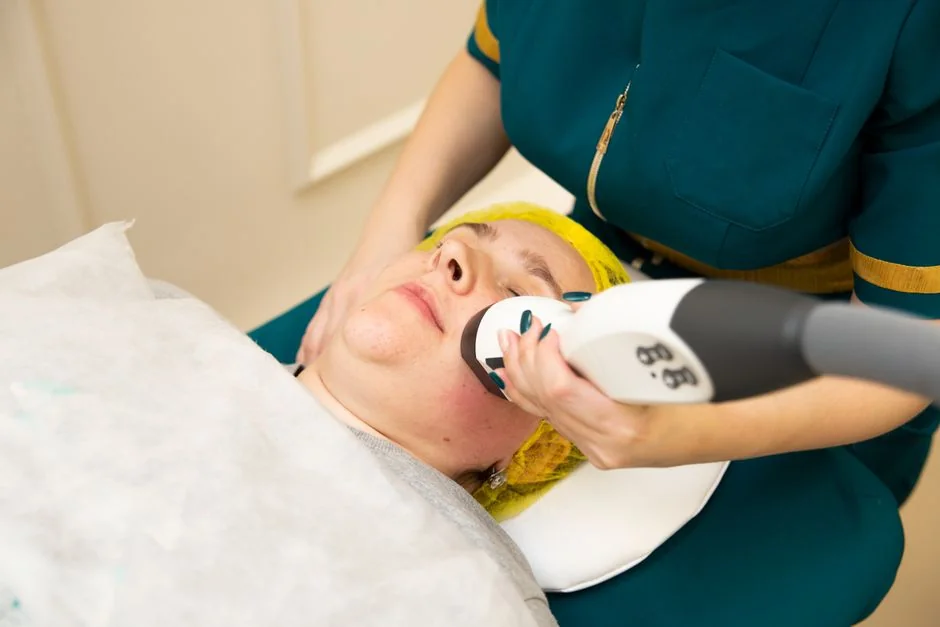
The table below provides a reference guide to typical price ranges for key treatments at BIOTOPE CLINIC in Shirokanedai. These figures are intended as a starting point; exact pricing depends on the area treated, the number of sessions, and the specific protocol recommended during consultation.
| Treatment | Price Range (JPY) | Primary Concern Addressed |
|---|---|---|
| HIFU | ¥25,000 – ¥110,000 | Lifting, laxity, SMAS tightening |
| Botox (Allergan) | ¥22,000 – ¥148,000 | Dynamic wrinkles |
| Botox (Korean brand) | ¥9,900 – ¥45,000 | Dynamic wrinkles |
| Hyaluronic Acid Filler | ¥66,000 – ¥88,000 / syringe | Volume loss, contouring |
| JUVELOOK (biostimulator) | ¥11,000 – ¥267,300 | Skin quality, collagen stimulation |
| Pico Laser (PicoWay) | ¥11,000 – ¥98,000 | Pigmentation, tone |
| CO2 Fractional Laser | ¥11,000 – ¥66,000 | Texture, acne scars, pores |
| Volnewmer (RF) | ¥66,000 – ¥165,000 | Skin tightening, texture |
| POTENZA (RF microneedling) | ¥35,000 – ¥49,800 | Texture, laxity |
| Thread Lift (Tesslift) | ¥48,000 / thread | Soft tissue lifting |
| Transconjunctival Blepharoplasty | ¥280,000 – ¥428,000 | Under-eye bags, hollowness |
| Liposuction (cheek/jawline) | ¥280,000 / area | Facial contour, fat reduction |
| Initial Consultation | ¥3,300 | — |
| Dr. Karibe Surgical Consultation | ¥2,200 | — |
For an accurate quote, we recommend booking a consultation.
Have a question about this treatment?
Message us on LINE or WhatsApp — our English-speaking team usually replies the same day.
What to Expect: Before, During, and After Treatment
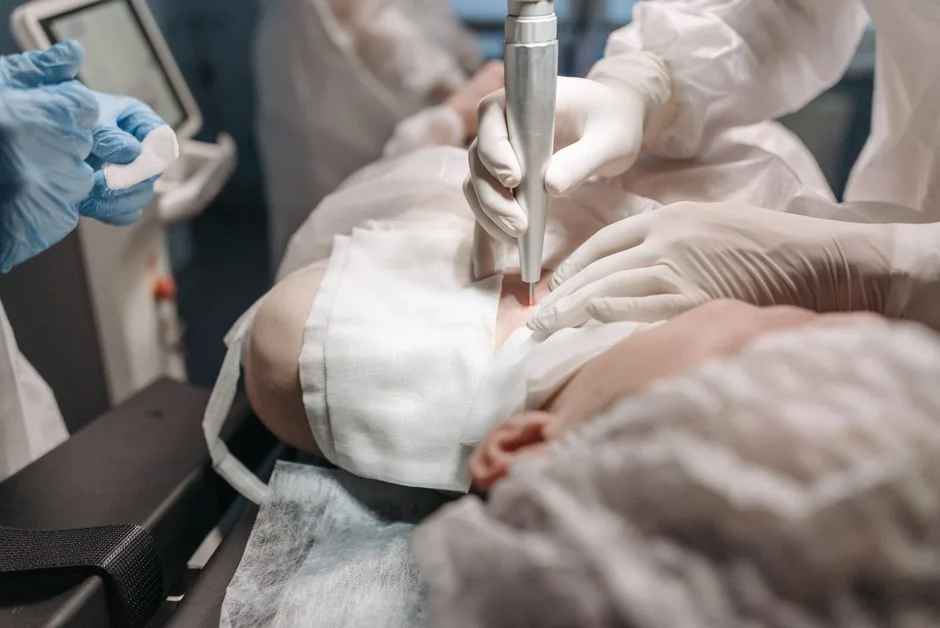
Before Your Appointment
A medical consultation is the essential first step. During this appointment, the physician will review the patient’s medical history, current medications, and skin concerns, and discuss realistic expectations for each treatment option. Some procedures — particularly injectables and laser — may require patients to avoid blood-thinning medications, alcohol, or sun exposure in the days prior.
International patients travelling specifically for treatment should allow adequate time in Tokyo for both a consultation appointment and the procedure itself, and should factor in any post-procedure restrictions on sun exposure, exercise, or return flights depending on the procedure chosen.
During the Procedure
The majority of non-surgical anti-aging treatments are performed in an outpatient clinic setting and take between 30 and 90 minutes depending on the area and protocol.
Topical anaesthetic cream is routinely applied before injectable and laser treatments to manage discomfort.
HIFU and RF treatments involve a warming or prickling sensation during delivery. Surgical procedures are performed under local anaesthesia with optional sedation.
After Treatment and Recovery
Recovery time varies considerably by treatment type. Botox and most injectable fillers have minimal downtime — mild swelling and bruising may occur but typically resolve within a few days. Laser treatments may cause redness and peeling for three to seven days.
Thread lifts involve some initial swelling and mild discomfort, usually settling within a week. Surgical procedures require the most recovery time and careful post-operative care, with Dr. Karibe providing full guidance throughout the process.
Dr. Karibe’s Note
Many of our international patients arrive with a specific treatment in mind — often something they have researched online or seen referenced on social media.
A common question I receive is whether a single procedure will address everything at once. In clinical practice, the most natural-looking and durable results tend to come from a staged, multi-modal approach: addressing skin quality first, then structure, rather than layering multiple aggressive treatments in a single session.
I always recommend a thorough consultation before any procedure, regardless of how straightforward the concern may seem.
Who Is a Good Candidate — and Who Should Approach with Caution
Ideal Candidates for Non-Surgical Treatments
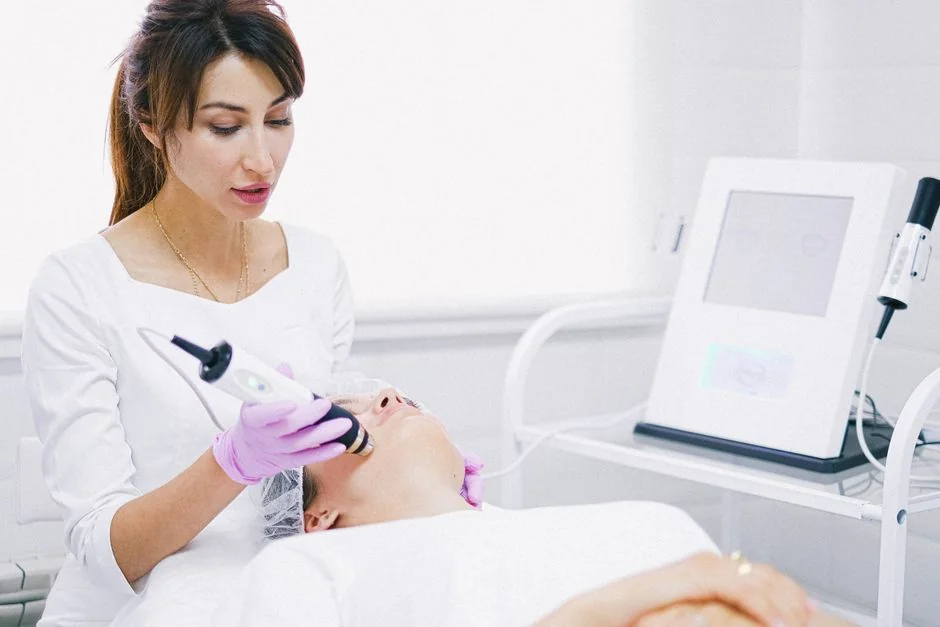
Non-surgical anti-aging treatments generally suit adults in their mid-thirties through to their sixties who have mild to moderate concerns — early skin laxity, superficial pigmentation, dynamic wrinkles, or early volume loss. Patients with realistic expectations and good baseline health tend to achieve the most satisfying outcomes. Those who approach treatment as maintenance — attending for periodic sessions rather than expecting a single dramatic transformation — typically report higher satisfaction.
When Surgical Options Are Worth Considering
Patients with significant skin redundancy, pronounced ptosis (drooping) of the eyelids, or structural concerns that non-invasive energy devices cannot mechanically correct may be better served by surgical intervention. This does not mean surgery is always the superior choice — it means the appropriate treatment must match the degree of the concern. Dr. Karibe’s experience as a board-certified plastic surgeon certified by the Japan Society of Plastic and Reconstructive Surgery means he can evaluate both surgical and non-surgical options objectively during consultation.
Contraindications and Cautions
Certain medical conditions, medications, and circumstances may make specific treatments unsuitable or require modification. Active skin infections, autoimmune conditions, pregnancy, and some implanted devices (pacemakers, metal implants) may contraindicate particular treatments. Patients should disclose all relevant medical history during consultation. This is not a reason to avoid seeking treatment — it is a reason to seek it under proper medical supervision.
Common Misconceptions About Anti-Aging Treatments
Misconception 1: “Non-surgical means risk-free.” Any medical procedure — including injectable treatments — carries some degree of risk. Vascular complications from filler injections, though rare, are a recognised concern in the medical literature. The risk is managed, not eliminated, by choosing a physician with formal training in facial anatomy and emergency protocols. Treatment by unqualified practitioners, regardless of the setting, carries disproportionate risk.
Misconception 2: “More treatment produces better results.” Over-treatment — particularly with hyaluronic acid fillers — is a well-documented phenomenon in cosmetic medicine. Studies suggest that many patients who present with an unnatural or “overfilled” appearance have received cumulative volumes of filler that exceed what the face can naturally accommodate. A conservative, graduated approach overseen by an experienced physician consistently produces more natural and longer-lasting outcomes than aggressive volume replacement.
Where to Get Anti-Aging Treatment in Tokyo (English Consultations)
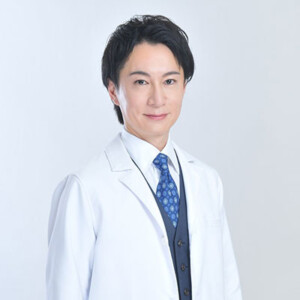
Within our clinic group, English-speaking consultations are handled at BIOTOPE CLINIC in Shirokanedai (Minato-ku, Tokyo) by Dr. Jun Karibe. Dr. Karibe is a board-certified plastic surgeon certified by the Japan Society of Plastic and Reconstructive Surgery, and he personally conducts consultations at the Shirokanedai location. Our sister clinic, Kojimachi Dermatology and Plastic Surgery Clinic, located in Ichigaya (Chiyoda-ku), serves as the group’s main office and handles insurance-covered dermatology in Japanese. Bookings and enquiries in English: LINE or WhatsApp.
In Dr. Karibe’s clinical experience at BIOTOPE CLINIC, international patients often benefit from the English-language consultation not only to communicate their aesthetic goals clearly, but to ask detailed questions about the clinical rationale behind each recommendation — something that can be difficult to do through translation. Taking time in the consultation to establish shared understanding tends to lead to better treatment planning and more satisfying results.
The BIOTOPE team also handles initial enquiries in English through LINE and WhatsApp, which makes it straightforward to ask preliminary questions, share photographs for a preliminary assessment, or confirm appointment availability before arriving in person.
Preventive and Wellness-Based Anti-Aging at BIOTOPE
Beyond device-based and injectable treatments, BIOTOPE CLINIC offers a preventive medicine programme that addresses anti-aging from the inside. This includes orthomolecular (nutritional) therapy, NMN supplementation, intravenous drip therapy (vitamin C, glutathione, and combinations), gut microbiome analysis, and genetic testing. The Zo Skin Health medical-grade skincare line is also available.
These programmes are of particular interest to patients who want to complement device-based treatment with a systemic approach to skin health, energy, and cellular function. They are available for discussion during a consultation with Dr. Karibe at BIOTOPE CLINIC in Shirokanedai — feel free to ask about them when you book.
Frequently Asked Questions
- Q. I am visiting Tokyo for two weeks. Is that enough time to have a treatment and see results?
- For many non-surgical treatments — including Botox, fillers, and laser — a single visit of two weeks is generally sufficient to have a consultation, undergo the procedure, and allow initial recovery before travel. HIFU and RF results, however, develop gradually over two to six months, so patients travelling for these treatments should understand that the outcome will continue to evolve after they return home. For surgical procedures, a longer visit or a follow-up arrangement is recommended.
- Q. Is it safe to have cosmetic treatment in Japan if I cannot read Japanese?
- Yes — provided the patient selects a clinic with English-speaking medical staff. At BIOTOPE CLINIC, Dr. Karibe conducts consultations in English, and the administrative team handles enquiries and bookings in English via LINE and WhatsApp. The critical safety element is that informed consent is given in a language the patient fully understands, which BIOTOPE is equipped to provide.
- Q. How does Japanese cosmetic medicine differ from what I might find in my home country?
- Japan has a strong culture of precision and skin-quality focus in cosmetic medicine. Certain technologies and biostimulator products are available in Japan that are not yet approved in some Western markets. Conversely, some treatments common in the United States or Europe may be approached more conservatively here. A direct consultation is the most reliable way to understand what is appropriate for an individual’s specific concerns and skin type.
- Q. Can I combine multiple treatments in a single visit?
- In some cases, yes — but this depends on the specific treatments involved and the patient’s skin condition. Combining certain laser and injectable treatments on the same day may be appropriate; combining aggressive ablative laser with RF microneedling generally is not. Dr. Karibe will advise on appropriate sequencing and spacing during the consultation.
- Q. Does BIOTOPE CLINIC offer any treatments for men?
- Yes. All anti-aging treatments described in this article are available to patients of any gender. Additionally, BIOTOPE CLINIC offers a men’s health programme that includes treatment for erectile dysfunction (ED), including PDE5 inhibitors (sildenafil/tadalafil) and intracavernosal injection (ICI) therapy for patients who do not respond to oral medication. English-speaking consultations for men’s health are available at the Shirokanedai location.
Have a question about this treatment?
Message us on LINE or WhatsApp — our English-speaking team usually replies the same day.
Summary
Anti-aging medicine in Tokyo offers a wide and clinically credible range of options — from non-invasive energy-based devices such as HIFU and radiofrequency through to injectables, lasers, and surgical procedures — all within a medical system known for precision and patient care. For English-speaking expats, medical tourists, and international visitors, the primary challenge is identifying a clinic where high-quality treatment and clear communication in English are both available.
BIOTOPE CLINIC in Shirokanedai (Minato-ku, Tokyo) and Kojimachi Dermatology and Plastic Surgery Clinic in Ichigaya (Chiyoda-ku) form one medical group under the direction of Dr. Jun Karibe. BIOTOPE is the cosmetic and plastic surgery branch, and the clinic where all English-speaking consultations are conducted. Kojimachi serves as the group’s main office and handles Japanese-language insurance dermatology. International patients should direct all enquiries to BIOTOPE.
If you have questions about anti-aging treatments in Tokyo, English-speaking consultations are handled at BIOTOPE CLINIC in Shirokanedai (Minato-ku, Tokyo) by Dr. Karibe. Our sister clinic Kojimachi Dermatology and Plastic Surgery Clinic in Ichigaya (Chiyoda-ku) handles Japanese-language insurance dermatology. English enquiries: LINE or WhatsApp.
24/7 Consultation & Booking
Book a Consultation or Treatment
Our English-speaking team responds via LINE or WhatsApp — usually the same day.
References
- Suh DH, Shin MK, Lee SJ, et al. Intense focused ultrasound tightening in Asian skin: a clinical and histological study. Journal of Dermatological Treatment. 2011.
- Alster TS, Lupton JR. Nonablative cutaneous remodeling using radiofrequency devices. Clinics in Dermatology. 2007.
- Carruthers J, Carruthers A. Botulinum toxin type A: history and current cosmetic use in the upper face. Seminars in Cutaneous Medicine and Surgery. 2001.
- Kablik J, Monheit GD, Yu L, et al. Comparative physical properties of hyaluronic acid dermal fillers. Dermatologic Surgery. 2009.
- Alexiades-Armenakas M, Dover JS, Arndt KA. The spectrum of laser skin resurfacing: nonablative, fractional, and ablative laser resurfacing. Journal of the American Academy of Dermatology. 2008.
Related Articles
You may also find these articles useful.
- Non-Surgical Facelift Tokyo for Foreigners
- Embrace RF vs HIFU vs Deep Plane Facelift Tokyo
- FaceTite vs Surgical Facelift Tokyo: Minimally Invasive Choice
- Non-Surgical Facelift Tokyo: Embrace RF for 40s & 50s
- Skin Tightening Treatment Tokyo: Options and Cost
SUPERVISED BY
Dr. Jun Karibe
MD
Director
Education & Career
Certifications
Awards
MEDICAL REVIEW