Artmake Pain, Safety and Side Effects: What English-Speaking Patients Should Know
If you are researching artmake in Tokyo and feeling uncertain about pain, healing time or potential risks, you are not alone. Many international patients — whether living in Japan as expatriates or visiting from overseas — find it difficult to navigate Japanese-language clinic websites and want straightforward, medically grounded information in English.
This guide answers the most important questions about artmake (Eyebrow,Eyeline,Lip,Scar)
safety, side effects, costs and aftercare so that you can make a fully informed decision.
What you’ll learn in this article:
- What artmake is and how it differs from a conventional tattoo
- What the procedure feels like and how much discomfort to realistically expect
- Known side effects, risks and how reputable clinics manage them
- Typical healing timelines and essential aftercare steps
- Approximate costs in the Tokyo market and where to enquire for an English-language consultation
Have a question about this treatment?
Message us on LINE or WhatsApp — our English-speaking team usually replies the same day.
What Is Artmake?
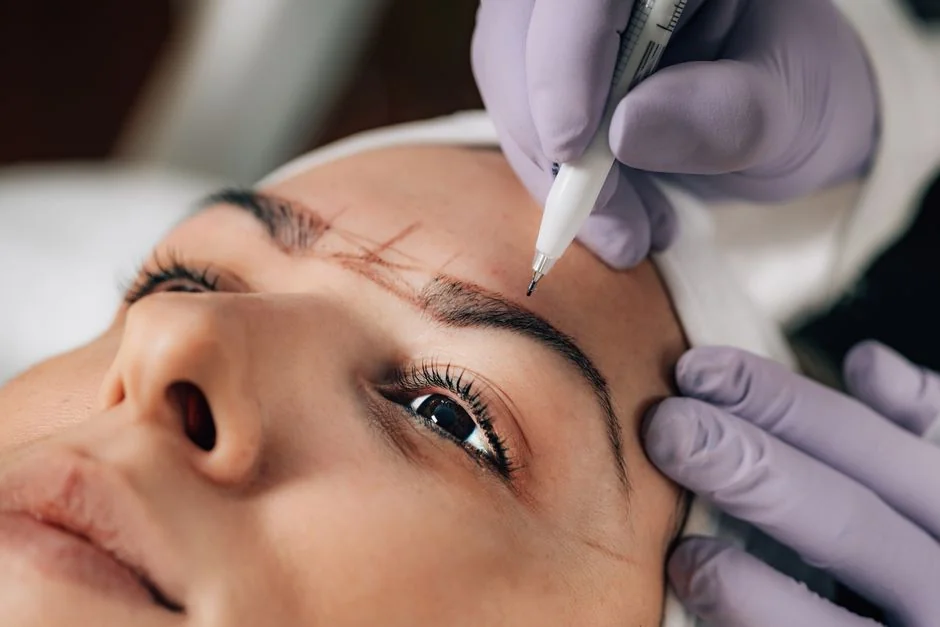
Artmake (アートメイク) is a form of semi-permanent cosmetic pigmentation in which very fine pigment is deposited into the upper layers of the dermis — the skin just beneath the outer surface. It is used most commonly on the eyebrows, lips, eyeliner area, hairline and, in medical contexts, the areola following breast reconstruction.
The Japanese term “artmake” is used interchangeably with “permanent makeup” or “micropigmentation” in international medical literature.
Unlike conventional cosmetics, artmake does not wash off. However, because the pigment sits in the relatively superficial dermis (rather than the deeper dermis targeted by body tattoos), it naturally fades over time. Most patients find that colour lasts between one and three years before a touch-up is needed, though this varies considerably with skin type, sun exposure and the area treated.
Artmake vs Tattoo vs Microblading: Key Differences
Patients frequently ask how artmake compares with a conventional tattoo or with microblading, a manual technique using a hand-held blade. The table below summarises the main distinctions.
| Feature | Artmake (Micropigmentation) | Microblading | Conventional Tattoo |
|---|---|---|---|
| Instrument | Electric needle device | Manual hand-held blade | Electric tattoo machine |
| Pigment depth | Superficial dermis | Superficial dermis | Mid-to-deep dermis |
| Longevity | 1–3 years (approx.) | 1–2 years (approx.) | Decades (semi-permanent to permanent) |
| Colour over time | Gradual fade; touch-up recommended | Gradual fade; can migrate | Long-lasting; may change hue over time |
| MRI compatibility | Generally compatible; some pigments may cause mild sensation — always disclose to radiologist | Same precautions apply | Same precautions apply |
| Typical use | Eyebrows, lips, eyeliner, hairline, areola | Eyebrows primarily | Body art; not routinely used for cosmetic facial enhancement in medical settings |
| Removal options | Laser or saline removal; multiple sessions | Laser or saline removal | Laser removal; more sessions typically required |
How Artmake Works: The Procedure Step by Step
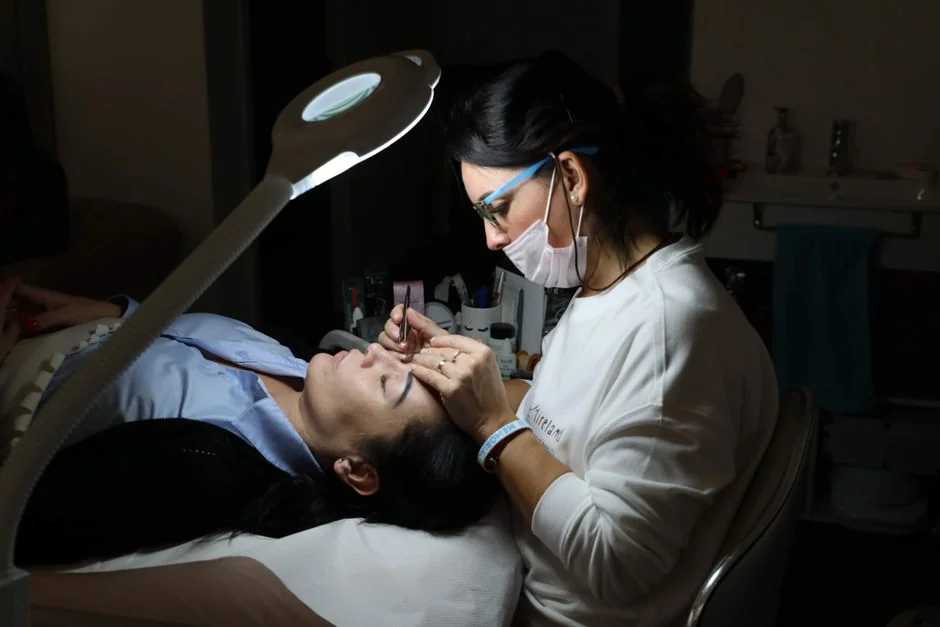
A standard artmake appointment at a medical clinic begins with a detailed consultation. The practitioner assesses your skin tone, facial structure and desired result, and designs the shape with you before any needles are used. Topical anaesthetic cream (Numbing cream)is applied to the treatment area and left for approximately 20–30 minutes to reduce discomfort.
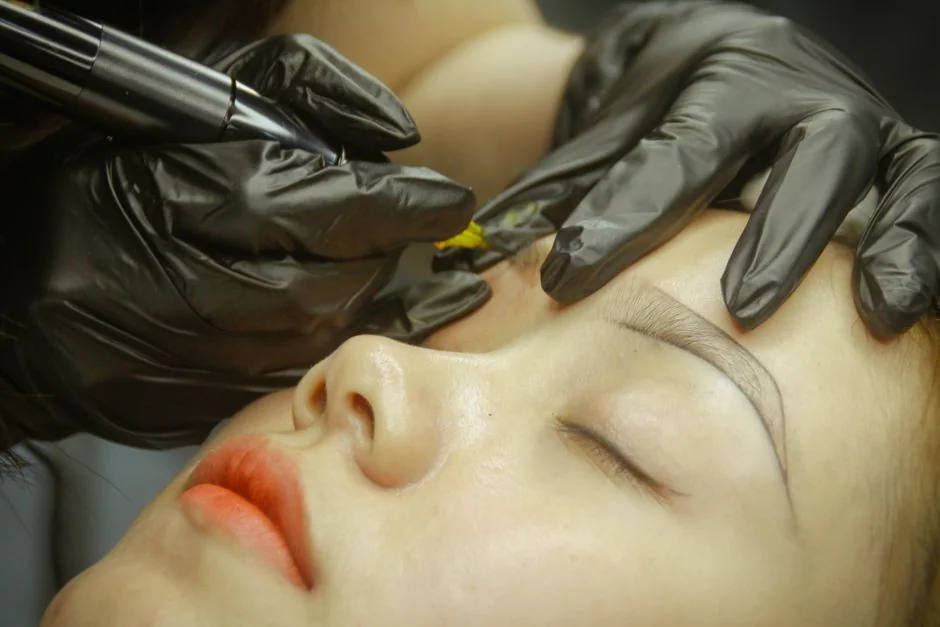
Once the skin is sufficiently numbed, a fine needle cartridge attached to a digital device deposits pigment in controlled, precise passes. The practitioner works methodically across the treatment zone, adjusting depth and stroke pattern for the texture and thickness of your skin. A full eyebrow session typically takes 60–90 minutes; lip or hairline work may take longer.
Pain: What to Realistically Expect
With adequate topical anaesthesia, most patients describe the sensation as mild scratching or light pressure rather than sharp pain. Discomfort tends to be lower on the eyebrow and hairline and somewhat higher on the lips and eyeliner areas, where the skin is thinner and more sensitive. Individual pain tolerance varies considerably, and no practitioner can promise a completely pain-free experience.
Patients who are menstruating or who have not slept well may find their sensitivity is temporarily elevated. It is advisable to avoid alcohol for at least 24 hours before the appointment, as alcohol can thin the blood and may increase discomfort and minor bleeding at the needle site.
Dr. Karibe’s Note
“A common question from our international patients at BIOTOPE CLINIC is whether the pain level they have read about online reflects what they will actually experience. In practice, a well-applied topical anaesthetic makes the procedure tolerable for the vast majority of patients. What surprises many overseas visitors is that artmake in a Japanese medical clinic setting is considerably more controlled than the beauty-salon environment they may have encountered abroad — the use of sterile, single-use needle cartridges and precise digital devices substantially reduces both discomfort and infection risk.
I always encourage patients to communicate openly during the procedure so that additional anaesthetic can be applied if needed.” — Dr. Jun Karibe, Board-Certified Plastic Surgeon
Side Effects, Risks and Safety Considerations
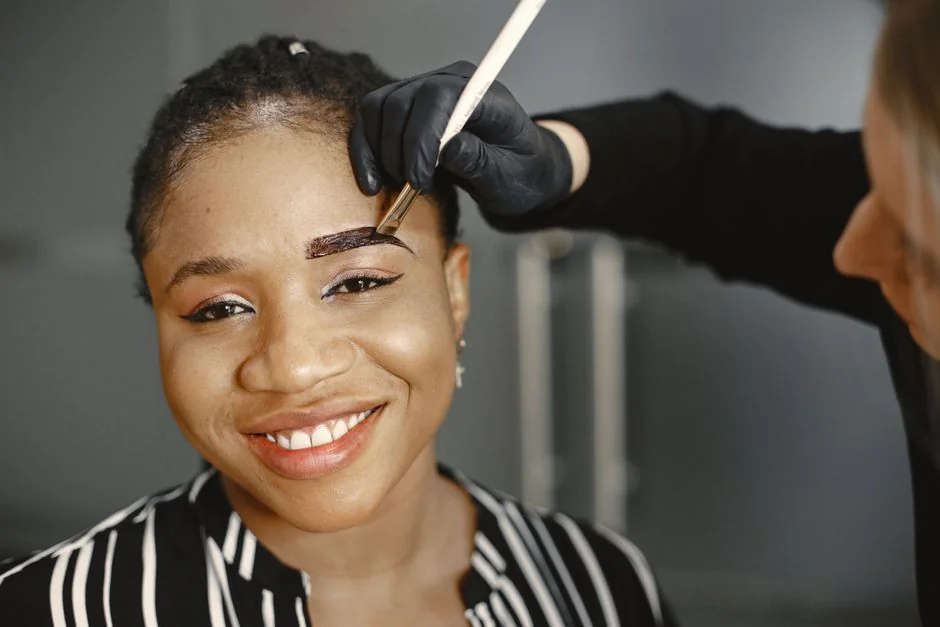
Artmake is generally well tolerated when performed by a trained practitioner using sterile equipment, but prospective patients should be fully aware of the possible side effects before consenting to treatment.
Common and Expected Side Effects
- Redness and swelling at the treated area, typically resolving within 24–72 hours
- Initial darkening of the pigment — the colour appears significantly bolder in the first week and will soften as the skin heals
- Mild itching and flaking as the epidermis regenerates over the pigment; scratching must be avoided
- Minor crusting, particularly on the lip and eyeliner areas
Less Common but Clinically Important Risks
- Allergic reaction to pigment: rare, but possible — a patch test or allergy consultation prior to treatment is advisable, particularly for patients with known sensitivities
- Infection: risk is minimised when single-use sterile cartridges are used; patients should follow aftercare instructions strictly and report any sign of spreading redness, warmth or discharge promptly
- Pigment migration: over time, pigment may spread slightly beyond the original border, more commonly with saturated colours and in patients with oily skin
- Colour change over time: some pigments can shift hue as they fade — for example, certain brown eyebrow pigments may develop a reddish or greyish undertone; selecting a clinic that uses high-quality, iron-oxide-based pigments reduces this risk
- Asymmetry: facial symmetry is inherently imperfect, and results depend heavily on the practitioner’s skill and pre-procedure design process
- Hyperpigmentation or hypopigmentation: changes in the surrounding skin pigmentation are uncommon but possible, particularly in patients with darker skin tones or a history of post-inflammatory hyperpigmentation
Common Misconceptions About Artmake
Misconception 1: “Artmake is the same as a tattoo and will look the same forever.” This is not accurate. Artmake pigment is deposited at a shallower level than conventional tattoo ink and is formulated to gradually break down in the skin. The result naturally fades over one to three years. It does not carry the same permanence as body tattooing, though removal is still a multi-session process if required.
Misconception 2: “Artmake is completely painless.” Topical anaesthetic significantly reduces discomfort, but complete absence of sensation is not typical, nor should any practitioner guarantee it. The experience is manageable for most patients, but setting realistic expectations before the appointment prevents unnecessary anxiety and disappointment.
Healing and Aftercare
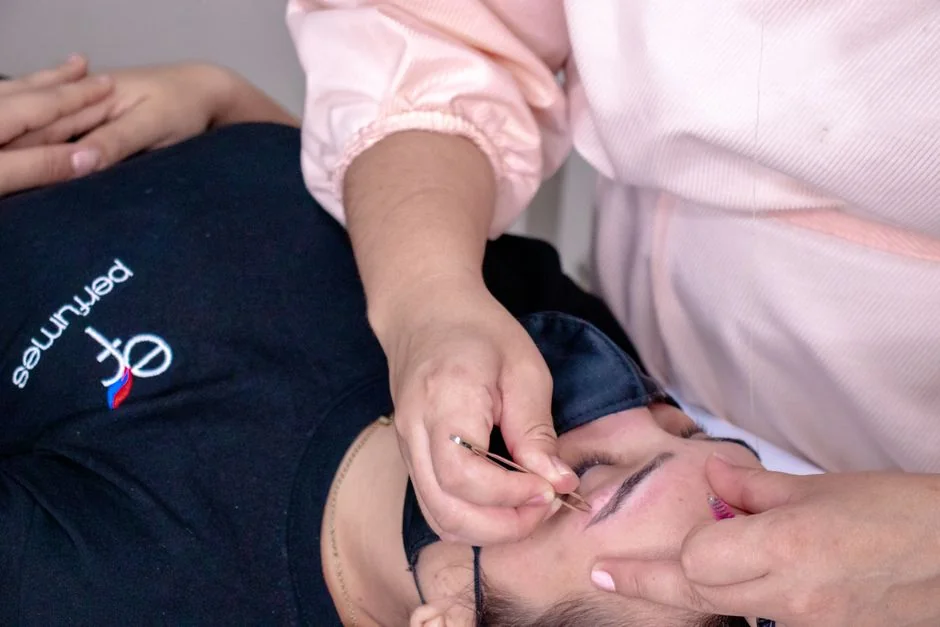
The healing process after artmake follows a predictable pattern over approximately four weeks, though individual variation is common. Understanding each stage helps patients avoid the common mistake of judging the final result too soon.
- Days 1–3: The treated area appears darkest and most swollen. This is a normal inflammatory response. Cold compresses (over a clean barrier) can reduce swelling.
- Days 4–7: Flaking and light crusting develop. It is essential not to pick or rub the area, as this can pull out pigment unevenly.
- Days 7–14: The epidermis continues to regenerate. The colour may appear to have faded dramatically — this is referred to as the “ghosting phase” and is temporary.
- Days 14–28: Pigment gradually resurfaces as the skin fully heals. By four weeks, the settled result becomes visible and the touch-up session can be scheduled (typically four to eight weeks after the first session).
Key Aftercare Guidelines
- Keep the treated area dry and avoid direct water pressure (no swimming or steam rooms) for at least one week
- Apply any healing ointment provided by the clinic as directed — typically a thin layer two to three times daily
- Avoid direct sun exposure on the treated area; use a physical sunscreen (SPF 30 or above) once the skin has healed, as UV light accelerates pigment fading
- Avoid retinoid-containing skincare products, AHAs and BHAs near the treated area during healing
- Do not apply conventional makeup over the artmake area until the skin has fully healed
- Contact the clinic promptly if you notice signs of infection, unexpected pigment spread or an allergic reaction
Cost of Artmake in Tokyo
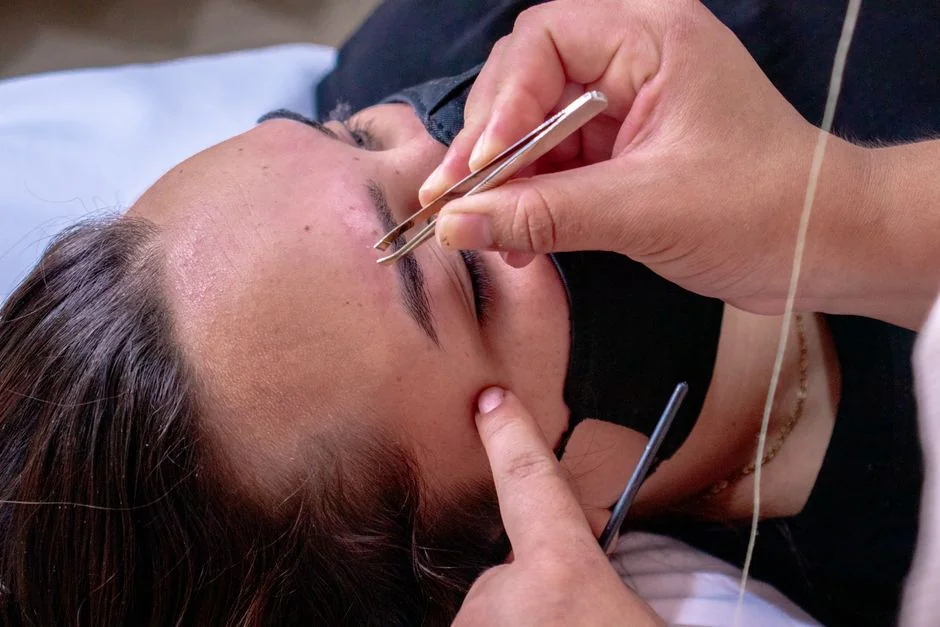
Artmake pricing in Tokyo varies according to the treatment area, the clinic’s positioning and the practitioner’s level of experience. The following ranges reflect the general market as observed across Tokyo-based medical clinics; they are provided for planning purposes only and do not represent any specific clinic’s pricing.
- Eyebrow artmake: In the Tokyo market, sessions are typically priced in the range of ¥60,000–¥150,000. Two sessions are generally recommended to achieve an optimal result.
- Lip artmake (full lip): In the Tokyo market, sessions are typically priced in the range of ¥80,000–¥180,000.
- Eyeliner artmake (upper only): In the Tokyo market, sessions are typically priced in the range of ¥40,000–¥90,000; upper and lower combined ¥50,000–¥110,000.
- Hairline artmake: In the Tokyo market, sessions are typically priced in the range of ¥100,000–¥250,000.
- Areola artmake (medical reconstruction): In the Tokyo market, sessions are typically priced in the range of ¥60,000–¥180,000 — this procedure is commonly performed after mastectomy as part of breast reconstruction.
- Artmake removal (laser or saline method): In the Tokyo market, sessions are typically priced in the range of ¥30,000–¥80,000; multiple sessions are usually required.
Costs for an initial touch-up session (performed four to eight weeks after the first appointment) are often lower than the original session fee, but pricing structures vary by clinic. For an accurate quote, we recommend booking a consultation with BIOTOPE CLINIC via LINE or WhatsApp.
Have a question about this treatment?
Message us on LINE or WhatsApp — our English-speaking team usually replies the same day.
Who Is a Good Candidate for Artmake?
Artmake is suitable for a broad range of adults seeking to enhance or define facial features with reduced daily makeup maintenance. It is also used in medical and reconstructive contexts, such as areola repigmentation following breast surgery or hairline restoration after hair loss.
Patients Typically Well-Suited to Artmake
- Adults with sparse, asymmetrical or over-plucked eyebrows who want a natural, defined shape
- Patients with hypopigmented lips (lips that lack natural colour or definition) who want subtle enhancement
- Individuals with alopecia or thinning hair who wish to restore the appearance of a natural hairline
- Patients who have completed breast reconstruction surgery and are seeking areola repigmentation
- Those with active lifestyles — athletes, swimmers or frequent travellers — who find conventional makeup impractical
Patients Who Should Approach Artmake with Caution or Postpone
- Pregnant or breastfeeding patients — artmake is not recommended during this period
- Patients currently taking isotretinoin (a form of vitamin A prescribed for acne) — the skin’s healing capacity is altered and treatment should be deferred until at least six months after completing the course
- Patients with active skin conditions such as eczema, psoriasis or rosacea in the treatment zone
- Individuals with a history of keloid scarring — there is a risk of abnormal scar formation at the needle sites
- Patients with known allergies to pigment components — a pre-treatment allergy assessment is essential
- Anyone on blood-thinning medications — medical advice should be sought before proceeding
A thorough consultation with the treating practitioner is the appropriate way to determine individual suitability. Reputable clinics will screen for contraindications and decline treatment when it is not safe.
Where to Get Artmake in Tokyo: BIOTOPE CLINIC
Within our clinic group, artmake is performed at BIOTOPE CLINIC in Shirokanedai (Minato-ku), directed by Dr. Jun Karibe. Our English-speaking team covers both clinics and handles all English enquiries. Kojimachi Dermatology and Plastic Surgery Clinic, located in Ichigaya (Chiyoda-ku), does not offer artmake services; patients interested in artmake are directed to BIOTOPE CLINIC.
BIOTOPE CLINIC operates under the supervision of Dr. Karibe, a board-certified plastic surgeon, providing the clinical oversight and safety standards that distinguish a medical clinic environment from a beauty salon setting. All artmake procedures at BIOTOPE CLINIC use single-use sterile needle cartridges and are performed with documented informed consent and medical screening.
International patients who are unfamiliar with the Japanese healthcare system or who have language concerns are encouraged to reach out to the English-speaking intake team before booking. Consultations can be arranged to discuss suitability, desired results, expected healing and pricing before any procedure is undertaken.
Frequently Asked Questions
- Q. How long does artmake last, and when will I need a touch-up?
- Most patients find that artmake pigment fades noticeably over one to three years, depending on skin type, sun exposure and the area treated. Oily skin tends to break down pigment more quickly than dry skin. A maintenance touch-up session is typically recommended once the colour has faded to a degree that the patient wishes to restore — usually every 12 to 24 months after the initial two-session treatment.
- Q. Is artmake safe for people with darker skin tones?
- Artmake can be performed on all skin tones; however, patients with Fitzpatrick skin types IV–VI require careful assessment, as there is a higher potential for post-inflammatory hyperpigmentation following needle-based skin procedures. An experienced practitioner will adjust technique, needle depth and pigment selection accordingly. Discussing your skin history in detail during the consultation is particularly important.
- Q. Can artmake be removed if I am unhappy with the result?
- Artmake can be significantly lightened or removed using laser treatment (Q-switched lasers are most commonly used) or saline removal techniques. Neither method guarantees complete clearance in a single session — most patients require multiple sessions spaced several weeks apart. In the Tokyo market, removal sessions are typically priced in the range of ¥30,000–¥80,000 per session. The feasibility and number of sessions required depends on pigment colour, depth and volume.
- Q. Do I need to take time off work after artmake?
- Most patients do not require formal time away from work, though the treated area will be visibly reddened and darker than the intended final result for the first three to seven days. Many patients prefer to schedule their appointment before a weekend or a period of lower social activity. Swelling is generally most noticeable in the first 24–48 hours and is particularly relevant for lip and eyeliner artmake.
- Q. Is artmake available in English at clinics in Tokyo?
- English-language artmake consultations are not universally available across Tokyo clinics. Within the Kojimachi Clinic group, the shared English-speaking intake team handles enquiries and coordination for artmake at BIOTOPE CLINIC in Shirokanedai (Minato-ku). Patients can contact the team via LINE or WhatsApp to arrange an English-language consultation before committing to a booking.
Have a question about this treatment?
Message us on LINE or WhatsApp — our English-speaking team usually replies the same day.
Summary
Artmake is a well-established semi-permanent cosmetic procedure that, when performed in a properly equipped medical setting with trained practitioners, carries a manageable safety profile for most healthy adults. Pain is typically limited by topical anaesthesia to mild discomfort, and the most common side effects — temporary swelling, darkening and flaking — resolve within one to two weeks as the skin heals.
Understanding the healing timeline, following aftercare instructions carefully and attending the recommended touch-up session are the primary factors within a patient’s control that influence the quality of the final result. Cost varies across the Tokyo market depending on the treatment area and clinic; independent research and a thorough consultation before committing to any procedure are always advisable.
For English-speaking patients in Tokyo seeking artmake under the supervision of a board-certified plastic surgeon, the Kojimachi Clinic group’s sister clinic — BIOTOPE CLINIC in Shirokanedai — provides this service with English-language support. Initial enquiries can be made via LINE or WhatsApp through the shared intake team.
24/7 Consultation & Booking
Book a Consultation or Treatment
Our English-speaking team responds via LINE or WhatsApp — usually the same day.
References
- Choudhary S, Elsaie ML, Leiva A, Nouri K. Lasers for tattoo removal: a review. Lasers in Medical Science. 2010.
- Vassileva S, Hristakieva E. Medical applications of tattooing. Clinics in Dermatology. 2007.
- Kluger N, Koljonen V. Tattoos, inks, and cancer. Lancet Oncology. 2012.
- Bäumler W, Eibler ET, Hohenleutner U, Sens B, Sauer J, Landthaler M. Q-switch laser and tattoo pigments: first results of the chemical and photophysical analysis of 41 compounds. Lasers in Surgery and Medicine. 2000.
- Napolitano M, Caso F, Scarpa R, Megna M, Patrì A, Balato N, Costa L. Psoriatic arthritis and psoriasis: differential diagnosis. Clinical Rheumatology. 2016. (Cited in context of inflammatory skin disease contraindications to cosmetic procedures.)
Related Articles
You may also find these articles useful.
- Artmake Pain, Safety and Side Effects in Tokyo
- Artmake for Foreigners in Tokyo: English-Speaking Clinic Guide
- Artmake vs Microblading vs Tattoo: Tokyo Guide
- Eyebrow Artmake Tokyo: Cost, Procedure & Clinic Guide
- Eyeliner Artmake Tokyo: Safety, Technique & Results
SUPERVISED BY
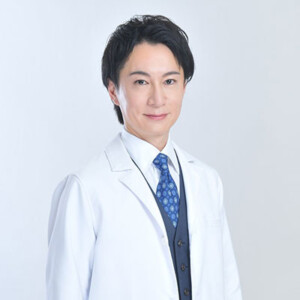
Dr. Jun Karibe
MD
Director
Education & Career
Certifications
Awards
MEDICAL REVIEW