Preparing for Xeomin in Tokyo: Consultation, Side Effects, and Pre-Treatment Tips

If you are considering Xeomin (also known as Botox in some markets) and wondering what to expect before your first appointment in Tokyo, you are not alone. Many international patients arrive with questions about how this injectable differs from other botulinum toxin treatments, what side effects to anticipate, and how to prepare for the best possible outcome.
This article provides a clear, evidence-informed guide to help you navigate the process with confidence.
What you’ll learn in this article:
- What Xeomin (Xerf) is and how it differs from other botulinum toxin type A products
- What the consultation process looks like at a Tokyo cosmetic clinic
- Common side effects and how to manage them
- Pre-treatment tips to optimise your results and reduce risk
- Who is a suitable candidate and who should consider an alternative
Have a question about this treatment?
Message us on LINE or WhatsApp — our English-speaking team usually replies the same day.
What Is Xeomin (Xerf)?
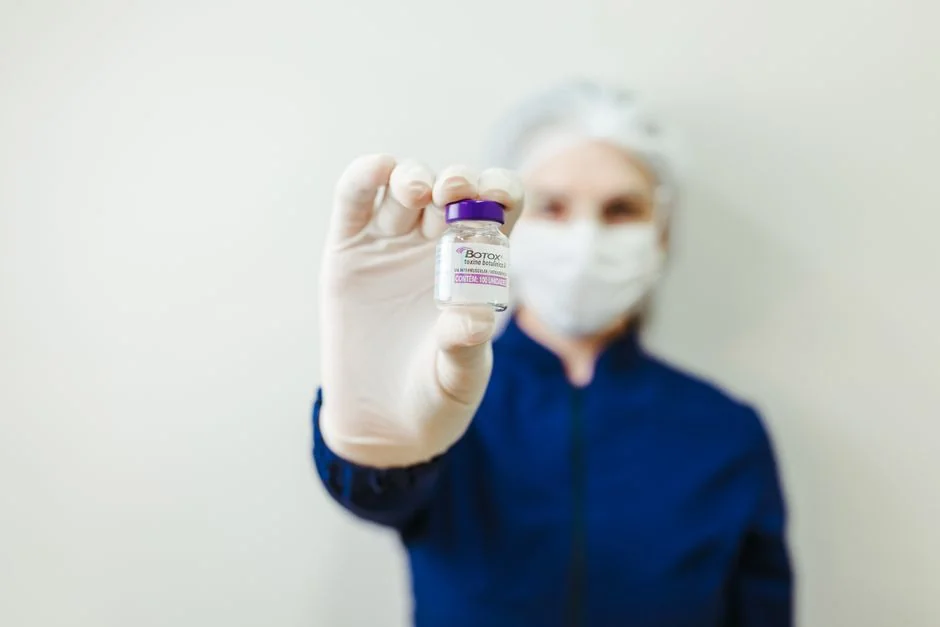
Xeomin is a prescription-only injectable containing botulinum toxin type A (incobotulinumtoxinA). It is manufactured by Merz Pharmaceuticals and is approved for both medical and aesthetic use in numerous countries, including within the European Union and the United States, where it is cleared by the U.S. Food and Drug Administration (FDA) for the treatment of glabellar lines — the frown lines between the eyebrows. In some markets and clinical contexts.
What distinguishes Xeomin from other botulinum toxin type A products such as Botox (onabotulinumtoxinA) or Dysport (abobotulinumtoxinA) is its formulation. Xeomin is often described as a “naked” neurotoxin because it is produced without the accessory proteins that are present in competing products. The clinical significance of this distinction is discussed in more detail below.
How Botulinum Toxin Type A Works
All botulinum toxin type A injectables work by temporarily blocking the release of acetylcholine — the neurotransmitter that triggers muscle contraction — at the neuromuscular junction. When injected into a targeted facial muscle, the toxin prevents the muscle from contracting fully, softening the overlying wrinkle without affecting sensation in the skin. The effect is not permanent; the nerve terminal gradually recovers, and muscle activity returns over a period of roughly three to six months.
Because the mechanism targets the junction between the nerve and muscle, Xeomin does not dissolve existing tissue or add volume. It is a neuromodulator, not a filler. Understanding this distinction helps set realistic expectations before the consultation.
What Makes Xeomin Different: The Protein-Free Formulation
The conventional botulinum toxin products are formulated with complexing proteins that stabilise the toxin. Xeomin strips away these accessory proteins, leaving only the active neurotoxin. The theoretical advantage is a reduced likelihood of the immune system developing neutralising antibodies — a phenomenon that can, over repeated treatments, cause the product to become less effective. Studies suggest that antibody formation is more common with higher cumulative doses, and published data indicate that neutralising antibodies have been detected in a small but measurable proportion of long-term Botox users. Whether the protein-free formulation of Xeomin meaningfully reduces this risk in aesthetic doses remains an active area of research, with clinical reports indicating promising, though not conclusive, findings.
In practical terms for most patients receiving aesthetic treatments, the clinical results — onset, duration, and degree of muscle relaxation — are broadly comparable across the major botulinum toxin type A products when dosed appropriately. The treating physician’s skill and familiarity with the product’s unit conversion factors are typically more influential than the brand choice alone.
The Consultation Process in Tokyo

For English-speaking patients visiting a Tokyo cosmetic clinic, the consultation is a critical step that should never be skipped — even if you have received botulinum toxin injections elsewhere. Japanese clinics, particularly those led by board-certified plastic surgeons, will conduct a structured assessment before any treatment is administered.
What to Expect at Your Initial Consultation
At the consultation, the physician will review your medical history, current medications, allergies, and prior aesthetic treatments. You will be asked about any previous reactions to botulinum toxin products and any pre-existing neuromuscular conditions. The physician will then assess the specific muscles you wish to treat, observe your facial expressions at rest and in motion, and discuss your goals.
A thorough consultation also includes an honest discussion of what neuromodulator treatment can and cannot achieve. For static wrinkles — lines that are visible even when the face is at rest — a combination approach involving a filler or skin resurfacing treatment may be recommended alongside Xeomin. Clinicians at a reputable clinic will not pressure you into additional treatments; they will present options and allow you to decide.
At BIOTOPE CLINIC or Kojimachi Dermatology & Plastic Surgery Clinic in Ichigaya, Tokyo, initial consultations are priced at ¥3,300, and surgical consultations with Dr. Karibe are available at ¥2,200. These fees allow for a thorough, unhurried assessment.
Questions to Prepare Before Your Appointment
Arriving prepared makes the consultation more productive. Consider noting down the following:
- Which areas you would like treated (forehead, glabellar lines, crow’s feet, etc.)
- Whether you have had botulinum toxin injections before, and if so, which product, how many units, and what your results were
- Any medications you take — including aspirin, ibuprofen, blood thinners, or supplements such as fish oil and vitamin E
- Any upcoming events that might affect your timing (important engagements within two weeks of treatment)
- Your realistic expectations and any concerns about looking “overdone”
Dr. Karibe’s Note
Many of our international patients are surprised to find that achieving a natural, refreshed result requires a conservative approach — using a lower dose initially, then assessing the outcome after two weeks before deciding whether a small touch-up is needed.
I always recommend that new patients, particularly those who have not had botulinum toxin before, start with a modest dose. It is straightforward to add more at a follow-up; it is not possible to reverse the effect immediately if too much is administered. Patience at the first session consistently leads to greater satisfaction over the long term.
Realistic Cost of Xeomin in Tokyo

The cost of botulinum toxin treatment in Tokyo varies depending on the product used, the areas treated, and the injecting physician’s level of expertise. At BIOTOPE CLINIC or Kojimachi Dermatology & Plastic Surgery Clinic, botulinum toxin injection pricing using Allergan Botox — a reference product widely used for comparison — ranges from ¥22,000 to ¥148,000, depending on the number of areas and units required. Korean-brand botulinum toxin options are available from ¥9,900 to ¥45,000. Micro-Botox (a technique using diluted neurotoxin injected superficially for skin texture and pore refinement) is priced at ¥22,000 to ¥33,000.
The specific pricing for Xeomin/Xerf will be confirmed during your consultation, as dosing and area requirements vary considerably between individuals. A single area such as the glabellar region may require between 20 and 30 units, while a full-face neuromodulator treatment covering the forehead, crow’s feet, and platysmal bands of the neck may involve considerably more. The treating physician will provide a clear, itemised estimate before proceeding.
For an accurate quote, we recommend booking a consultation.
Have a question about this treatment?
Message us on LINE or WhatsApp — our English-speaking team usually replies the same day.
Side Effects: What to Expect and How to Manage Them

Botulinum toxin type A, when administered by a qualified and experienced injector, has a well-established safety profile. However, side effects do occur, and patients should be fully informed before consenting to treatment.
Common Side Effects
- Injection site reactions: Mild redness, swelling, or small bruises at the needle entry points are the most frequently reported reactions. These typically resolve within 24 to 72 hours.
- Headache: A mild, transient headache may occur following forehead injections. This usually subsides within 24 hours and responds to standard over-the-counter analgesics such as paracetamol (acetaminophen).
- Temporary skin sensitivity: The treated area may feel slightly tender to the touch for a day or two.
Less Common but Clinically Relevant Side Effects
- Brow ptosis (drooping of the eyebrow): Occurs when the toxin diffuses further than intended, affecting the muscles responsible for lifting the brow. This is temporary — resolving as the product wears off — but may persist for several weeks. The risk is significantly reduced when treatment is performed by an experienced injector using appropriate doses and injection points.
- Eyelid ptosis: Rare but possible, particularly with glabellar injections. Occurs when the toxin migrates to the levator palpebrae muscle, which lifts the upper eyelid. Prescription eye drops (apraclonidine 0.5%) can help temporarily compensate for the droop until the effect resolves.
- Asymmetry: Subtle differences in muscle response between the left and right sides of the face may become more apparent after treatment. This is often correctable with a small touch-up at the two-week review.
- Flu-like symptoms: Uncommonly reported following higher-dose treatments; generally mild and self-limiting.
Clinical reports from published trials indicate that serious adverse events with botulinum toxin type A in aesthetic doses are rare, occurring in fewer than 1% of treatments when the injector follows established anatomical guidelines. Any severe symptoms — difficulty swallowing, breathing difficulties, or generalised muscle weakness — warrant immediate medical attention and should be reported to your clinic without delay.
Pre-Treatment Tips: How to Prepare for Your Xeomin Appointment

Proper preparation before your appointment can reduce the risk of bruising, improve the accuracy of the treatment, and support a smooth recovery. The following recommendations reflect standard best practice for botulinum toxin treatments.
Two Weeks Before Treatment
- Avoid blood-thinning medications and supplements where clinically safe to do so. These include aspirin, ibuprofen (unless prescribed), fish oil, vitamin E, ginkgo biloba, and ginseng. Always consult your prescribing doctor before stopping any medication.
- Avoid alcohol for at least 48 hours before your appointment. Alcohol dilates blood vessels and increases bruising risk.
- Discontinue any aggressive topical treatments (such as high-strength retinoids or chemical exfoliants) on the areas to be injected, to reduce skin sensitivity on the day.
On the Day of Treatment
- Arrive with a clean face — free of heavy makeup, SPF products, or thick moisturisers in the treatment area.
- Stay well hydrated and eat a light meal before your appointment to minimise the chance of feeling lightheaded.
- Wear comfortable, loose-fitting clothing that does not need to be pulled over your face.
- Plan to remain upright for at least four hours after the injection — avoid lying flat or bending forward at the waist.
After Treatment: What to Avoid
- Do not rub, massage, or apply pressure to the treated area for 24 hours, as this may encourage the toxin to migrate to unintended muscles.
- Avoid intense exercise, saunas, and hot baths for 24 to 48 hours. Elevated body temperature and increased blood flow may affect how the product settles.
- Avoid lying face-down (e.g., for a facial massage or during sleep) for the first night.
- Do not book any facial treatments, including facials, ultrasound, or radiofrequency procedures, for at least two weeks.
Who Is a Good Candidate for Xeomin?
In our clinical experience at Kojimachi Dermatology & Plastic Surgery Clinic, the patients who tend to be most satisfied with botulinum toxin treatment share a few characteristics: they have dynamic wrinkles (lines caused by muscle movement rather than skin laxity), they have realistic expectations about the degree of improvement, and they are in good general health without contraindications to the treatment.
Ideal Candidates
- Adults with moderate to severe glabellar lines, forehead lines, or crow’s feet caused by repetitive muscle activity
- Individuals who have previously responded well to other botulinum toxin products but wish to explore a protein-free alternative
- Those seeking a subtle, natural-looking reduction in facial lines without surgery or downtime
- Patients who can commit to follow-up maintenance appointments, typically every three to four months
Who Should Avoid or Delay Treatment
- Pregnant or breastfeeding individuals — botulinum toxin is not recommended during pregnancy or lactation
- Those with known hypersensitivity to botulinum toxin or any component of the formulation
- Patients with neuromuscular disorders such as myasthenia gravis, Lambert-Eaton syndrome, or amyotrophic lateral sclerosis (ALS)
- Individuals currently taking aminoglycoside antibiotics or other agents that interfere with neuromuscular transmission
- Those with active skin infections, inflammation, or open wounds in the proposed treatment area
For patients whose primary concern is skin laxity or volume loss rather than dynamic wrinkles, alternative or complementary treatments may be more appropriate. HIFU (high-intensity focused ultrasound) is available at our Ichigaya clinic for skin lifting and tightening, with pricing ranging from ¥25,000 to ¥110,000 — feel free to ask about it during a consultation. Hyaluronic acid filler, priced at ¥66,000 to ¥88,000 per syringe, may also be discussed as a complement to neuromodulator treatment where volume restoration is part of the aesthetic goal.
Common Misconceptions About Xeomin and Botulinum Toxin Treatments
Misinformation about injectable neuromodulators is widespread, and it is worth addressing two of the most persistent misconceptions before your consultation.
Misconception 1: “Botulinum toxin freezes your face permanently.” Botulinum toxin type A is a temporary treatment. The effect typically lasts between three and six months, after which normal muscle movement gradually returns. The goal of a well-executed treatment is to soften dynamic lines, not to eliminate all movement. An experienced injector will calibrate the dose specifically to preserve natural expression while reducing visible wrinkling.
Misconception 2: “If you stop having treatments, your wrinkles will come back worse than before.” This is not accurate. If you discontinue botulinum toxin treatments, the muscles regain their normal activity over time and the lines return to approximately where they were before treatment began. There is no rebound effect or accelerated wrinkling caused by stopping. Some patients find that, after years of regular treatment, their skin has benefited from reduced repetitive creasing, and their wrinkles are in fact less pronounced than they might have been without treatment — though this outcome varies between individuals and cannot be guaranteed.
Xeomin vs. Other Botulinum Toxin Options: A Comparison
| Feature | Xeomin (incobotulinumtoxinA) | Botox (onabotulinumtoxinA) | Dysport (abobotulinumtoxinA) |
|---|---|---|---|
| Manufacturer | Merz Pharmaceuticals | Allergan (AbbVie) | Ipsen / Galderma |
| Active compound | Botulinum toxin type A (pure neurotoxin) | Botulinum toxin type A with complexing proteins | Botulinum toxin type A with complexing proteins |
| Complexing proteins | None (“naked” neurotoxin) | Present | Present |
| Storage requirement | Room temperature possible (no refrigeration needed before reconstitution) | Refrigeration required | Refrigeration required |
| Typical onset of effect | 3–7 days | 3–7 days | 2–5 days (faster onset reported) |
| Typical duration | 3–6 months | 3–6 months | 3–5 months |
| Antibody risk (theoretical) | Potentially lower due to absence of accessory proteins | Possible with high cumulative doses | Possible with high cumulative doses |
| Unit equivalence | 1:1 with Botox units (approximate) | Reference standard | 2.5–3 Dysport units per 1 Botox unit (approximate) |
| FDA aesthetic approval | Yes (glabellar lines) | Yes (multiple areas) | Yes (glabellar lines) |
Note: Unit equivalences are approximate and product-specific. Dosing should always be determined by the treating physician based on individual muscle mass and treatment goals.
Frequently Asked Questions
- Q. How long does it take to see results from Xeomin?
- Most patients begin to notice a softening of treated lines within three to seven days of injection. The full effect is typically visible at two weeks, which is why a follow-up review is usually scheduled at this point to assess whether any fine-tuning is needed.
- Q. Is Xeomin painful?
- The injections involve a fine-gauge needle and are generally well tolerated without anaesthesia. A brief stinging or pressure sensation is common at the moment of injection. Topical numbing cream can be applied beforehand if you are particularly sensitive, and this can be arranged at your consultation.
- Q. Can I combine Xeomin with other treatments at the same appointment?
- In many cases, combining a neuromodulator with complementary treatments — such as hyaluronic acid filler or certain laser procedures — is possible and may be recommended depending on your goals. However, some combinations require careful sequencing to avoid interfering with results. Your physician will advise on the safest and most effective combination plan during the consultation.
- Q. How long does the appointment take?
- Once the consultation is complete and a treatment plan is agreed upon, the injection procedure itself typically takes 10 to 20 minutes, depending on the number of areas treated. Allow additional time for the initial consultation, which is usually 20 to 30 minutes.
- Q. Is there any downtime after Xeomin?
- There is no formal downtime required. Most patients return to work and their normal activities immediately after the appointment. Small injection-site marks or minor swelling may be visible for a few hours, and light bruising is possible, but these are generally manageable with makeup and resolve quickly.
- Q. Can I receive Xeomin if I have had a different botulinum toxin product in the past?
- Yes, it is generally safe to transition between botulinum toxin type A products. Your physician will review your treatment history, note the product and doses you have received previously, and adjust the Xeomin dose accordingly. It is important to disclose this history accurately at your consultation.
Have a question about this treatment?
Message us on LINE or WhatsApp — our English-speaking team usually replies the same day.
Summary
Xeomin (Xerf) is a well-studied, FDA-approved botulinum toxin type A product with a distinctive protein-free formulation that makes it a clinically credible alternative to other neuromodulators for the reduction of dynamic facial wrinkles. Understanding the consultation process, managing side effect expectations, and following pre-treatment guidelines are all important steps toward a safe and satisfying outcome.
Choosing a qualified, board-certified physician — one who takes time to assess your individual anatomy, discusses realistic outcomes, and plans an appropriate dose — is the single most important factor in the success of any botulinum toxin treatment. In Tokyo, English-speaking patients have access to high-quality aesthetic care, provided they seek out clinics where the treating physician holds verifiable specialist credentials and takes a conservative, patient-centred approach.
For patients whose concerns extend beyond dynamic wrinkles, treatments such as CO2 fractional laser for skin texture and enlarged pores (available at ¥11,000 to ¥66,000) may complement neuromodulator treatment as part of a broader skin rejuvenation plan. This is a treatment available at our Ichigaya clinic — feel free to ask about it during a consultation.
If you have questions about preparing for Xeomin treatment in Tokyo, our team at BIOTOPE CLINIC or Kojimachi Dermatology & Plastic Surgery Clinic in Ichigaya, Tokyo would be happy to help. We offer consultations in English.
24/7 Consultation & Booking
Book a Consultation or Treatment
Our English-speaking team responds via LINE or WhatsApp — usually the same day.
References
- Frevert J. Content of botulinum neurotoxin in Botox/Vistabel, Dysport/Azzalure, and Xeomin/Bocouture. Drugs in R&D. 2010;10(2):67–73.
- Dressler D, Bhidayasiri R, Bhidayasiri R. Botulinum toxin therapy of focal hyperhidrosis — advantages of Xeomin. Journal of Neural Transmission. 2015;122(2):307–316.
- Benecke R. Clinical relevance of botulinum toxin immunogenicity. BioDrugs. 2012;26(2):e1–e9.
- Carruthers J, Rivkin A, Donofrio L, et al. A multicenter, randomized, double-blind, placebo-controlled study to evaluate the efficacy and safety of repeated incobotulinumtoxinA (Xeomin) treatments in subjects with glabellar frown lines. Dermatologic Surgery. 2013;39(3 Pt 1):396–408.
- Monheit G, Carruthers A, Baird A, Saleh G. A randomized, double-blind, placebo-controlled study of incobotulinumtoxinA for the treatment of glabellar frown lines. Dermatologic Surgery. 2012;38(11):1802–1811.
Related Articles
You may also find these articles useful.
- Volnewmer vs Thermage vs HIFU: RF Comparison
- Skin Tightening Treatment Tokyo: Options and Cost
- Facial Sagging Treatment: HIFU vs RF Microneedling
- HIFU in Tokyo: Non-Surgical Skin Tightening Explained
SUPERVISED BY

Dr. Jun Karibe
MD
Director
Education & Career
Certifications
Awards
MEDICAL REVIEW