Dark Spot Removal in Tokyo: Laser Treatment Options Explained
- The main types of dark spots and what causes them
- Which laser and light-based treatments are used in Tokyo, and how each works
- Realistic costs at a Tokyo cosmetic clinic
- What to expect before, during, and after treatment
- Who is — and who is not — a suitable candidate
Have a question about this treatment? Message us on LINE or WhatsApp — our English-speaking team usually replies the same day.
Understanding Dark Spots: Types and Causes
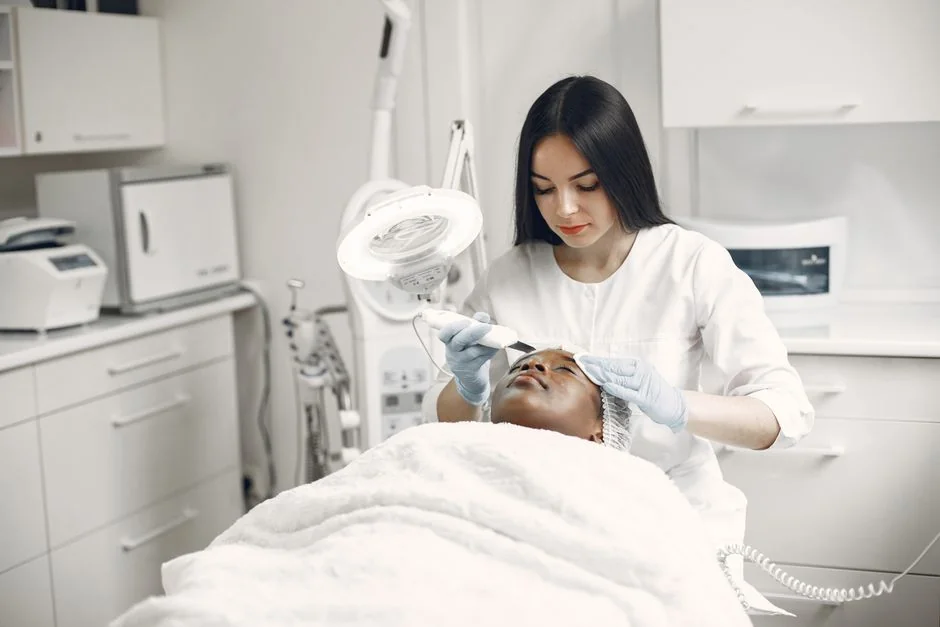
Common types of hyperpigmentation
- Solar lentigines (sun spots / age spots): Flat, well-defined brown or tan marks caused by cumulative UV exposure. Common on the face, hands, and décolletage.
- Post-inflammatory hyperpigmentation (PIH): Darkening that follows skin injury — most often acne, eczema flares, or minor trauma. Particularly prevalent in skin types III–VI (the Fitzpatrick scale).
- Melasma: A hormonally influenced, often symmetrical pigmentation affecting the cheeks, forehead, and upper lip. It is notably more complex to treat and prone to recurrence.
- Freckles (ephelides): Genetically influenced and UV-activated; generally shallower in the skin and among the most amenable to laser treatment.
Laser and Light-Based Treatments for Dark Spots: How They Work
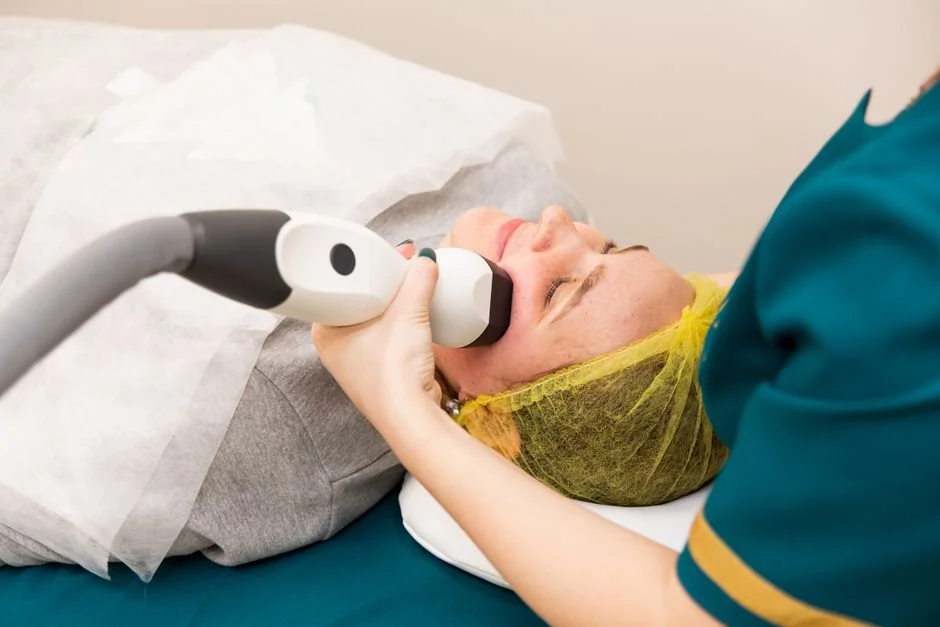
Pico Laser (PicoWay)
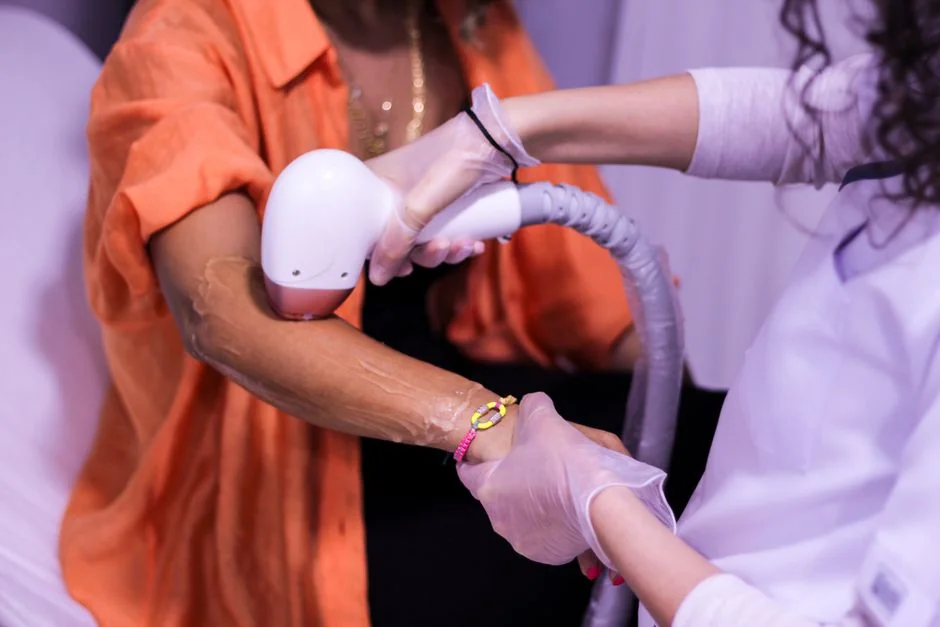
Picosecond lasers deliver energy in ultra-short pulses — measured in trillionths of a second — creating a photoacoustic (pressure-based) shattering effect on melanin particles rather than relying purely on heat. This fragmentation allows the body’s immune system to clear the pigment more efficiently, with less thermal damage to surrounding skin. Studies suggest that picosecond 532 nm and 1064 nm wavelengths can achieve significant pigment clearance in four to six sessions for solar lentigines, with clinical reports indicating improvement rates of 75–90% in suitable candidates treated with appropriate parameters. At BIOTOPE CLINIC in Shirokanedai, PicoWay laser is used for pigmentation, tattoo removal, and overall skin tone refinement — feel free to ask about it during a consultation with Dr. Karibe.Laser Toning (Low-Fluence Q-Switch 1064 nm)
Laser toning uses a Q-switched Nd:YAG laser at lower energy settings applied in multiple passes. It is commonly used in Japan for diffuse pigmentation, melasma, and general brightening. Because the energy per pulse is deliberately kept lower, it is considered gentler on melanocytes and is sometimes used in patients with higher Fitzpatrick skin types who are at greater risk of post-treatment PIH from more aggressive protocols. Results are gradual, typically building over a course of six to ten sessions. Maintenance sessions are usually recommended.Photofacial / Intense Pulsed Light (IPL — Stella M22)
IPL is not technically a laser — it delivers broad-spectrum light across a range of wavelengths, filtered to target specific chromophores (haemoglobin and melanin). It is particularly well suited to treating a combination of sun spots, redness, and uneven tone simultaneously. The Stella M22 platform available at BIOTOPE CLINIC combines IPL with additional modules, allowing the treating physician to customise the session to the patient’s specific pigmentation pattern.CO2 Fractional Laser
The CO2 fractional laser ablates microscopic columns of skin tissue, stimulating collagen remodelling and accelerating cellular turnover. While primarily indicated for acne scarring, enlarged pores, and textural irregularities, it can also reduce superficial pigmentation as part of a broader resurfacing treatment. It carries a longer recovery period than the above options and requires careful post-treatment sun avoidance.Comparison of Dark Spot Laser Treatments
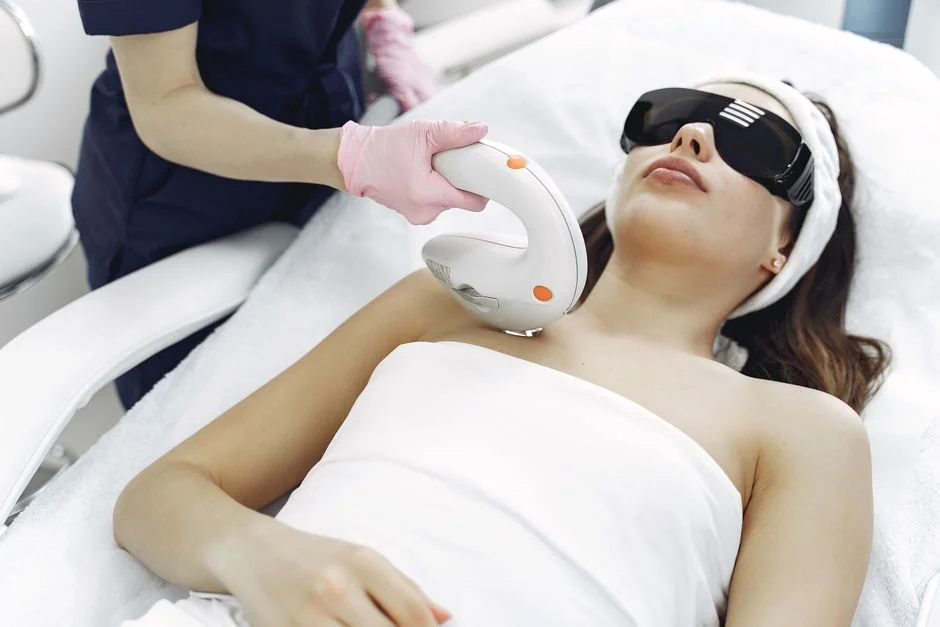
| Treatment | Best For | Sessions Typically Needed | Downtime | Price Range at BIOTOPE CLINIC |
|---|---|---|---|---|
| Pico Laser (PicoWay) | Sun spots, freckles, PIH, mixed pigmentation | 3–6 | Minimal (0–3 days) | ¥11,000–¥98,000 |
| Laser Toning (Q-Switch 1064 nm) | Melasma, diffuse dullness, brightening | 6–10 | Minimal (0–1 day) | ¥15,000–¥135,000 |
| Photofacial / IPL (Stella M22) | Sun spots, redness, mixed tone irregularities | 3–5 | Low (1–3 days redness/darkening) | ¥28,000–¥126,000 |
| CO2 Fractional Laser | Superficial pigmentation + scarring + texture | 1–3 | Moderate (5–10 days) | ¥11,000–¥66,000 |
Have a question about this treatment? Message us on LINE or WhatsApp — our English-speaking team usually replies the same day.
What to Expect: Before, During, and After Treatment
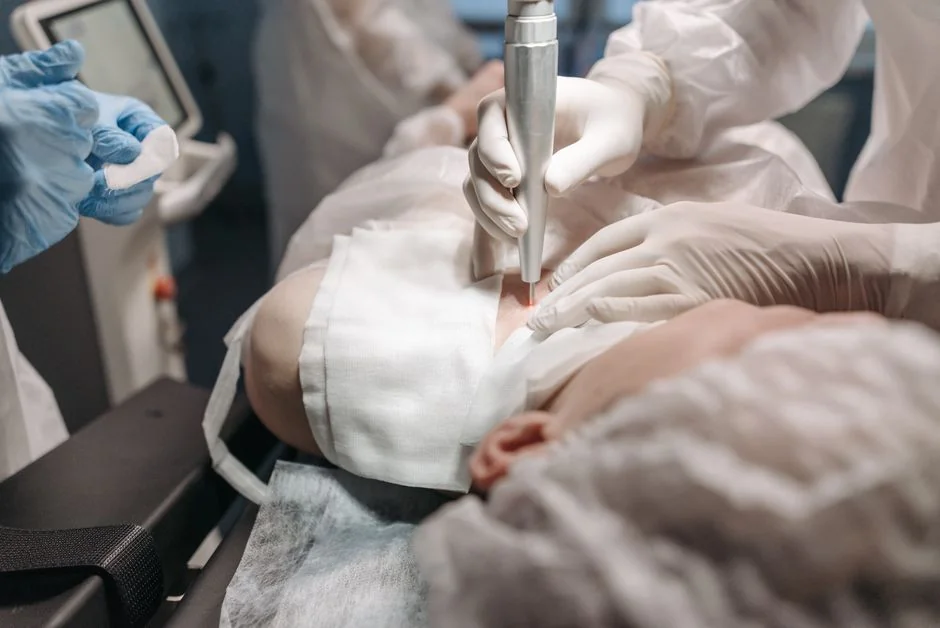
Before your session
A physician consultation is required before any laser or light-based treatment. During this appointment, the doctor will assess your skin type (Fitzpatrick classification), identify the type and depth of pigmentation, and determine whether any contraindications apply. Patients are generally advised to avoid sun exposure and tanning for at least two to four weeks prior to treatment, and to discontinue any photosensitising medications or topical retinoids as directed.During treatment
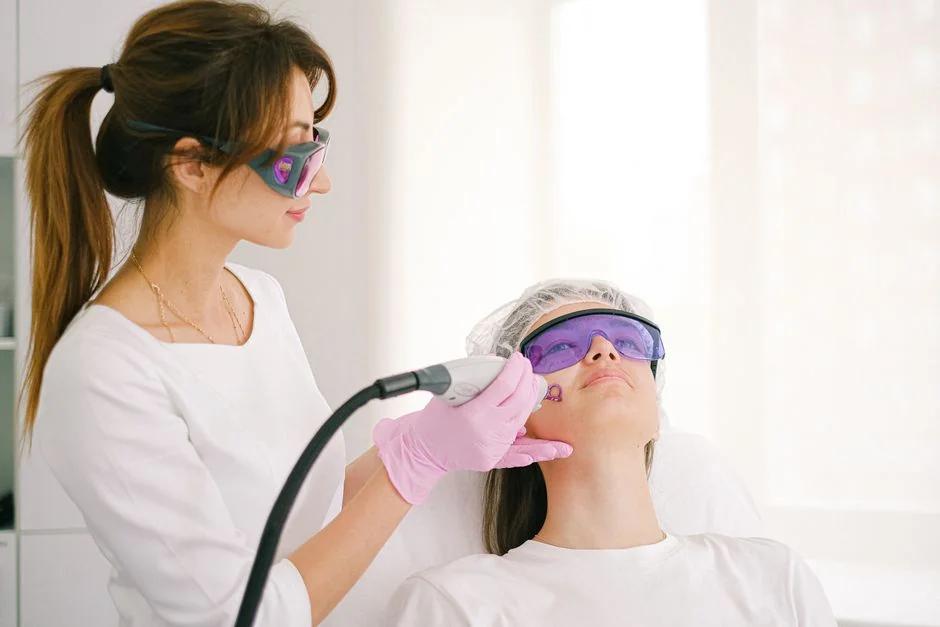
Most pigment laser sessions are performed without anaesthesia, though a topical numbing cream may be applied 20–30 minutes beforehand for patient comfort. The sensation is often described as a warm snap or mild sting. A typical full-face pico laser or laser toning session takes 15–30 minutes. IPL sessions are of a similar duration. Following treatment, the skin may appear flushed or slightly swollen.After treatment and recovery
With pico laser and laser toning, downtime is generally minimal — most patients return to normal activities the same day or the following day. Sun spots treated with pico laser may initially darken before flaking off over five to seven days; this is a normal part of the process. Broad-spectrum SPF 50 sunscreen is essential throughout the treatment course and afterwards — without diligent sun protection, pigmentation is likely to recur. CO2 fractional laser requires a longer healing period of approximately five to ten days, with redness that may persist for two to four weeks.Dr. Karibe’s Note
Many of our international patients at BIOTOPE CLINIC or Kojimachi Dermatology and Plastic Surgery Clinic are surprised to learn that Japan’s high UV index — particularly in the summer months — is a significant factor in how quickly pigmentation returns after laser treatment. A common question I receive is whether a single session will be sufficient.
In most cases, multiple sessions are needed, and consistent daily sunscreen use is as important as the treatment itself. For patients with melasma in particular, I always explain from the outset that this is a long-term management strategy rather than a one-time correction.
Common Misconceptions About Laser Dark Spot Treatment
Misconception 1: “One session clears everything”
This is perhaps the most frequently held misunderstanding. While a single session of pico laser or IPL can produce visible improvement — particularly on superficial sun spots — most patients require a series of three to six sessions for meaningful clearance, and melasma typically requires ongoing maintenance. Results depend on the depth and type of pigmentation, the laser platform used, energy settings, and the patient’s post-treatment skin care and sun avoidance.Misconception 2: “Laser is safe for all skin types without adjustment”
Laser pigment treatments carry a real risk of post-inflammatory hyperpigmentation — paradoxical darkening — if the wrong protocol is used for a patient’s skin type. This risk is higher in Fitzpatrick skin types IV–VI, which are common among East Asian, South Asian, Latin American, and Middle Eastern patients. An experienced physician will select the appropriate wavelength, fluence (energy level), and pulse duration for each individual. This is not a treatment where a one-size-fits-all approach is appropriate.Who Is a Good Candidate — and Who Should Exercise Caution
Likely suitable candidates
- Adults with stable sun spots, freckles, or PIH who have realistic expectations about the number of sessions required
- Patients who can commit to strict sun avoidance and SPF 50 use throughout the treatment period
- Those who have had a proper skin assessment confirming the nature and depth of their pigmentation
Situations requiring caution or additional assessment
- Active melasma — particularly hormonally driven; requires a conservative, tailored protocol
- Recent tanning or significant ongoing sun exposure in the weeks before treatment
- Pregnancy or breastfeeding (most laser treatments are deferred)
- Certain photosensitising medications (including some antibiotics, retinoids, and herbal supplements)
- History of keloid scarring or post-inflammatory hyperpigmentation
- Active skin infections or inflammatory conditions in the treatment area
Where to Get Dark Spot Laser Treatment in Tokyo (English-Speaking Consultations)
Within our clinic group, English-speaking consultations are handled at BIOTOPE CLINIC in Shirokanedai (Minato-ku, Tokyo) by Dr. Jun Karibe, a board-certified plastic surgeon certified by the Japan Society of Plastic and Reconstructive Surgery. Our sister clinic, Kojimachi Dermatology and Plastic Surgery Clinic in Ichigaya (Chiyoda-ku, Tokyo), is the group’s main office and handles Japanese-language insurance-covered dermatology. Bookings and enquiries in English: LINE or WhatsApp. BIOTOPE CLINIC offers pico laser (PicoWay), laser toning, IPL photofacial (Stella M22), and CO2 fractional laser — all of which can be discussed and tailored to your pigmentation concerns during a consultation with Dr. Karibe. Initial consultations are priced at ¥3,300; surgical consultations with Dr. Karibe are ¥2,200.Frequently Asked Questions
- Q. How many laser sessions will I need to remove dark spots?
- The number of sessions varies depending on the type, depth, and distribution of pigmentation, as well as the laser platform selected. Sun spots and freckles may respond in two to four pico laser or IPL sessions; diffuse hyperpigmentation or melasma typically requires six or more sessions and ongoing maintenance. A physician assessment is needed before an accurate treatment plan can be provided.
- Q. Is laser treatment for dark spots safe for Asian skin tones?
- Yes, when performed by an experienced physician using appropriate parameters for the patient’s Fitzpatrick skin type. Patients with medium to darker skin tones (Fitzpatrick III–VI) require lower fluence settings and careful device selection to minimise the risk of post-inflammatory hyperpigmentation. Picosecond lasers and low-fluence laser toning are generally considered more suitable for these skin types than older, more aggressive protocols.
- Q. Can dark spots come back after laser treatment?
- Yes — particularly sun spots and melasma can recur with continued UV exposure or hormonal changes. This is why diligent year-round sunscreen use (SPF 50 or above) is considered an essential part of maintaining results. Periodic maintenance sessions are recommended for many patients, especially those with melasma.
- Q. Is there any downtime after pico laser treatment?
- Most patients experience minimal downtime — mild redness or swelling that typically resolves within 24 hours. Treated sun spots may darken transiently before flaking off over five to seven days. Patients can generally return to daily activities the same day, though cosmetics over the treated area should be avoided for 24 hours and sun exposure minimised.
- Q. Can I combine laser treatment with other brightening treatments?
- Combination approaches are common and can be effective. At BIOTOPE CLINIC, complementary options such as chemical peels (including salicylic acid peels at ¥11,000–¥308,000 and massage peels at ¥17,600–¥79,200) or topical brightening regimens may be recommended alongside laser treatment to enhance overall results. Dr. Karibe will advise on the appropriate combination and timing during your consultation.
Have a question about this treatment? Message us on LINE or WhatsApp — our English-speaking team usually replies the same day.
Summary
Dark spot removal with laser treatment in Tokyo is a well-established option for patients seeking to address sun spots, PIH, melasma, and uneven pigmentation. The most commonly used modalities — pico laser, laser toning, IPL photofacial, and CO2 fractional laser — each work through different mechanisms and suit different pigmentation types. Multiple sessions are typically required, and consistent sun protection is as important as the treatment itself. Costs at BIOTOPE CLINIC range from approximately ¥11,000 for a single pico laser session to ¥135,000 for a full-course laser toning package, depending on the area treated and the number of sessions. For an accurate quote, we recommend booking a consultation. If you have questions about dark spot laser treatment in Tokyo, English-speaking consultations are handled at BIOTOPE CLINIC in Shirokanedai (Minato-ku, Tokyo) by Dr. Karibe. Our sister clinic Kojimachi Dermatology and Plastic Surgery Clinic in Ichigaya (Chiyoda-ku) handles Japanese-language insurance dermatology. English enquiries: LINE or WhatsApp.Topical Tranexamic Acid — a Complement to In-Clinic Treatment
For melasma, dullness, and post-inflammatory pigmentation, at-home care with a topical tranexamic acid serum can complement in-clinic treatments. Tranexamic acid is reported to inhibit melanin-triggering signaling (the plasmin pathway) and is used clinically for pigmentation care.
As an accessible daily-care option, we introduce Dr.J+ TA Serum, a topical tranexamic acid serum developed by Dr. Jun Karibe, MD, Director of BIOTOPE Clinic (Shirokanedai, Tokyo).
Born from the Aesthetic Dermatology Practice
Dr.J+ TA Serum (2% Tranexamic Acid Topical Serum)
More than a brightening serum. Designed to address pigmentation and inflammation together — a total concept from an aesthetic dermatology perspective.
High-Concentration Formula — 2% Tranexamic Acid
Formulated with concerns like the following at the core:
- Melasma
- Dark spots
- Dullness
- Uneven skin tone
Dipotassium Glycyrrhizate — High Concentration
Formulated with sensitivity and inflammation in mind, supporting a healthy skin environment.
- Rough skin
- Redness
- Sensitive / reactive skin
- Chronic inflammatory concerns
Curated Cosmetic Ingredients
- Placenta Extract
- Sodium Hyaluronate
- Sage Leaf Extract
- Roman Chamomile Extract
- Mandarin Orange Peel Extract
- Allantoin
Beyond active correction — a philosophy of nurturing while calming inflammation. Radiance, firmness, glow, hydration, and smoothness — all in one serum.
※ Cosmetic product. Individual results may vary.
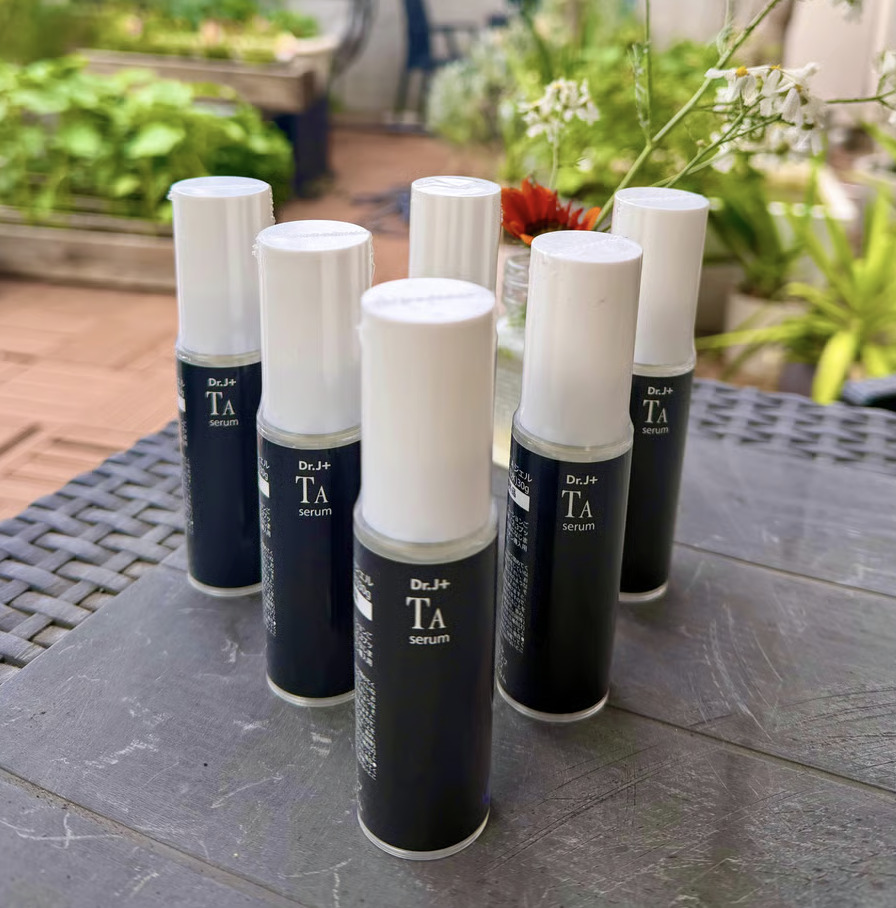
Developed by Dr. Jun Karibe, MD — Director, BIOTOPE Clinic
Dr.J+ TA Serum (Tranexamic Acid Topical Serum)
For those concerned with melasma, dullness, and post-inflammatory pigmentation.
A high-concentration topical serum easily incorporated into your morning and evening skincare.
※ Cosmetic product. Individual results may vary.
24/7 Consultation & Booking
Book a Consultation or Treatment
Our English-speaking team responds via LINE or WhatsApp — usually the same day.
References
- Negishi K, Akita H, Tanaka S, Yokoyama Y. Comparative study of intense pulsed light and Q-switched Nd:YAG laser in the treatment of solar lentigines in Asian patients. Dermatologic Surgery. 2017.
- Chalermchai T, Rummaneethorn P. Effects of a fractional picosecond 1,064 nm laser for the treatment of dermal and mixed type melasma. Journal of Cosmetic and Laser Therapy. 2018.
- Chan HH, Manstein D, Yu CS, Shek S, Kono T, Wei WI. The prevalence and risk factors of post-inflammatory hyperpigmentation after fractional resurfacing in Asians. Lasers in Surgery and Medicine. 2007.
- Goldberg DJ, Samady JA. Intense pulsed light and Nd:YAG laser non-ablative treatment of facial rhytids. Lasers in Surgery and Medicine. 2001.
- Passeron T, Picardo M. Melasma, a photoageing disorder. Pigment Cell and Melanoma Research. 2018.
Related Articles
You may also find these articles useful.- Laser Skin Treatment Tokyo: English-Speaking Clinic Guide
- Melasma Treatment Tokyo: Causes and Solutions
- Morpheus8 RF Microneedling Tokyo: Review and Cost
- Collagen Booster Treatment Tokyo: Complete Guide
SUPERVISED BY
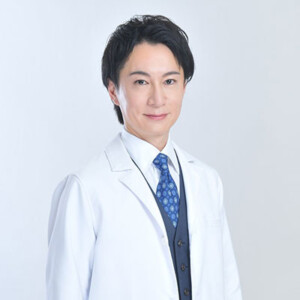
Dr. Jun Karibe
MD
Director
Education & Career
Certifications
Awards
MEDICAL REVIEW