Melasma in Tokyo: Causes, Treatments, and What to Expect
- What causes melasma and why it differs from other types of pigmentation
- Which professional treatments are most commonly used, and how they work
- Realistic costs for melasma treatment in Tokyo
- Who is a good candidate, and what to avoid during treatment
- Where to access English-speaking medical consultations in Tokyo
Have a question about this treatment? Message us on LINE or WhatsApp — our English-speaking team usually replies the same day.
What Is Melasma and What Causes It?
- Ultraviolet (UV) radiation — even brief, repeated sun exposure stimulates melanocytes (the cells that produce melanin), worsening existing patches
- Hormonal fluctuations — pregnancy, oral contraceptive use, and hormonal therapies are strongly linked to melasma onset; this is why it is far more common in women
- Genetic predisposition — melasma often runs in families and is more prevalent in people with Fitzpatrick skin types III–V (medium to darker skin tones)
- Heat and visible light — emerging research suggests that infrared radiation and even high-energy visible (HEV/blue) light may independently stimulate melanocyte activity
Epidermal versus Dermal Melasma
Melasma is broadly classified by the depth of pigment deposition. Epidermal melasma (pigment in the upper skin layers) typically responds better to topical agents and laser treatments. Dermal melasma (pigment deeper in the skin) is considerably more resistant and prone to recurrence. Many patients have a mixed type. A Wood’s lamp examination or, in some cases, a reflectance confocal microscopy evaluation can help clarify the depth before treatment planning.What People Often Get Wrong About Melasma
Misconception 1: Melasma is just a sunspot that will fade on its own. Unlike post-inflammatory hyperpigmentation or discrete sunspots, melasma is a chronic, relapsing condition. It may lighten somewhat during winter months when UV exposure decreases, but it rarely resolves entirely without treatment — and it will typically return unless strict photoprotection is maintained indefinitely. Misconception 2: Aggressive laser treatment will fix it quickly. This is one of the most harmful misunderstandings. High-energy laser sessions applied too aggressively to melasma — particularly on darker East Asian skin tones — can trigger post-inflammatory hyperpigmentation (PIH), which may be darker and even harder to treat than the original melasma. Effective melasma management requires a measured, often multi-modal approach rather than a single high-power session.Treatment Options for Melasma in Tokyo
Daily Photoprotection — the Non-Negotiable First Step
No in-clinic treatment will hold without rigorous daily sun protection. Broad-spectrum SPF 50+ sunscreen (UVA/UVB), ideally one that also offers HEV/visible light protection (often formulated with tinted iron oxides), should be applied every morning and reapplied throughout the day. This step is the foundation of every melasma treatment plan.Topical Prescription Agents
The most established topical treatment for epidermal melasma is hydroquinone, a melanin-synthesis inhibitor. While hydroquinone is a prescription medication in many countries, it remains an important clinical tool under medical supervision. Other prescribed topicals include tretinoin (a retinoid that accelerates skin cell turnover), azelaic acid, kojic acid, and tranexamic acid — often used in combination (such as the classic triple-combination cream of hydroquinone, tretinoin, and a mild topical steroid). Studies suggest that combination topical therapy can achieve meaningful lightening in 60–70% of melasma patients after 8–12 weeks of consistent use.Oral Tranexamic Acid
Oral tranexamic acid — originally a medication used to reduce bleeding — has emerged as a valuable adjunct for melasma, particularly in Asian patients. Clinical reports indicate that low-dose oral tranexamic acid (250 mg twice daily) significantly reduces the Melasma Area and Severity Index (MASI) score compared with placebo, with a relatively low side-effect profile. It is typically prescribed for a defined course and used alongside topical agents and photoprotection.Laser and Light-Based Treatments
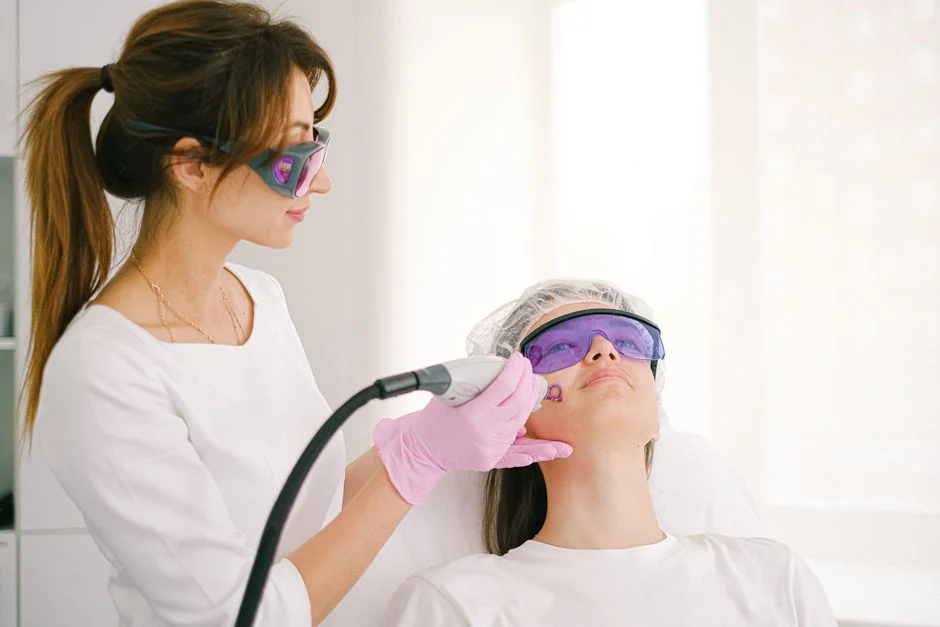
For melasma that has not responded adequately to topicals alone, or for patients seeking faster visible improvement, laser and light-based devices offer additional options — but the choice of device, settings, and treatment interval matters enormously, particularly for Asian skin tones.| Treatment | Mechanism | Best Suited For | Key Consideration |
|---|---|---|---|
| Laser Toning (Low-Fluence Q-switch Nd:YAG) | Multiple low-energy pulses gradually reduce melanin without triggering inflammation | Mixed/dermal melasma, Asian skin types | Requires multiple sessions (typically 6–10); risk of mottled hypopigmentation with overuse |
| PicoWay Picosecond Laser | Ultra-short pulses shatter pigment with less thermal damage than nanosecond lasers | Epidermal and mixed melasma | Lower risk of PIH vs. older Q-switch devices; still requires careful settings on darker skin |
| IPL / Photofacial (e.g. Stella M22) | Broad-spectrum light targets surface pigment and redness | Epidermal melasma with concurrent redness/sun damage | Generally avoided on deeper/dermal melasma; risk of worsening on darker skin tones |
| Chemical Peels (e.g. Salicylic Acid Peel) | Controlled exfoliation removes pigmented epidermal cells; can enhance topical penetration | Epidermal melasma maintenance | Superficial peels only; medium/deep peels carry high PIH risk in Asian patients |
| IV Glutathione Drip | Antioxidant that may inhibit melanin synthesis systemically | Adjunct therapy; skin brightening | Evidence is still emerging; not a standalone treatment for melasma |
Dr. Karibe’s Note
Many of our international patients arrive having already tried laser treatments abroad or at other clinics, sometimes with disappointing results or even worsening pigmentation. A common question I receive is: ‘Why did the laser not work?’ The answer is almost always that melasma was treated as though it were a simple sunspot. At consultation, we assess skin type, melasma depth, and lifestyle factors — including contraceptive use and stress levels — before making any treatment recommendation. There is rarely a shortcut, but with a consistent, layered approach, meaningful and sustained improvement is achievable for most patients.
Cost of Melasma Treatment in Tokyo
- Initial consultation: ¥3,300
- Laser toning: ¥15,000–¥135,000 (per session; lower-end single session, higher-end packages)
- PicoWay picosecond laser: ¥11,000–¥98,000 per session
- Photofacial (Stella M22): ¥28,000–¥126,000
- Salicylic acid peel: ¥11,000–¥308,000 (depending on concentration and area)
- IV drip therapy (e.g. glutathione, vitamin C): Included within the clinic’s preventive medicine and IV drip menu — prices available at consultation
Have a question about this treatment? Message us on LINE or WhatsApp — our English-speaking team usually replies the same day.
What to Expect: Before, During, and After Treatment
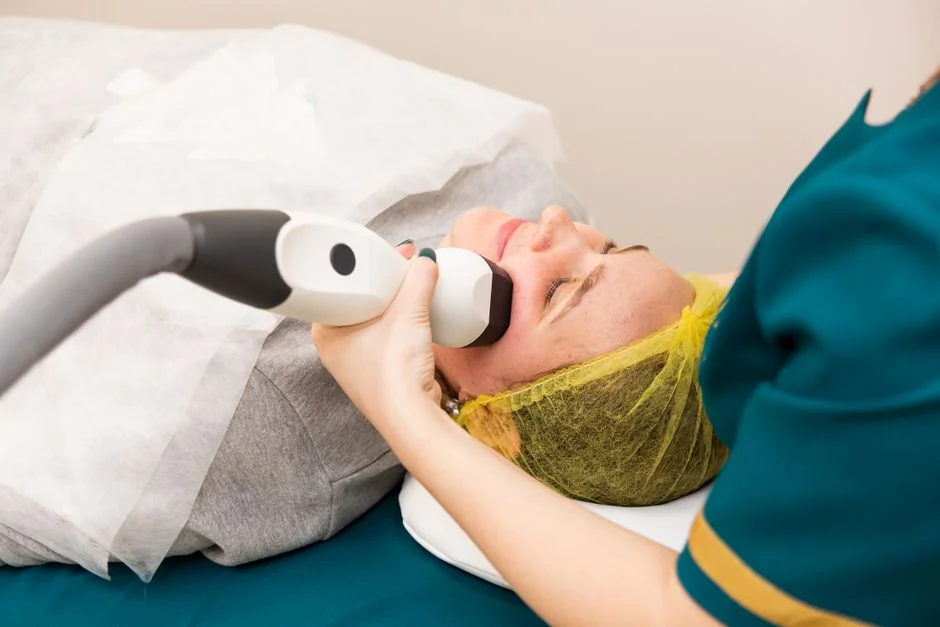
Before Treatment
A thorough consultation is essential before any in-clinic procedure for melasma. The clinician will assess skin type (Fitzpatrick classification), melasma depth, current medications (particularly hormonal contraceptives or hormone replacement therapy), and your history of previous treatments. Sun avoidance and daily SPF 50+ use should begin immediately — some protocols also require a short pre-treatment course of topical agents to prime the skin and reduce the risk of PIH.During Treatment
Laser toning and picosecond laser sessions for melasma are typically brief (15–30 minutes) and are performed on an outpatient basis. A topical numbing cream may be applied beforehand for comfort, though many patients find the sensation tolerable without it. Cooling devices are used during treatment to minimise discomfort and protect surrounding tissue.After Treatment and Downtime
Downtime is generally minimal for laser toning and low-fluence picosecond protocols — mild redness or a warm sensation for a few hours is typical. More intensive sessions may cause temporary darkening of pigment spots (a normal response as the treated melanin rises to the surface before flaking off) and minor sensitivity for several days. In all cases, strict sun avoidance and SPF application immediately post-treatment are mandatory. Chemical peels may involve several days of visible peeling depending on the strength used.Who Is a Good Candidate for Melasma Treatment?
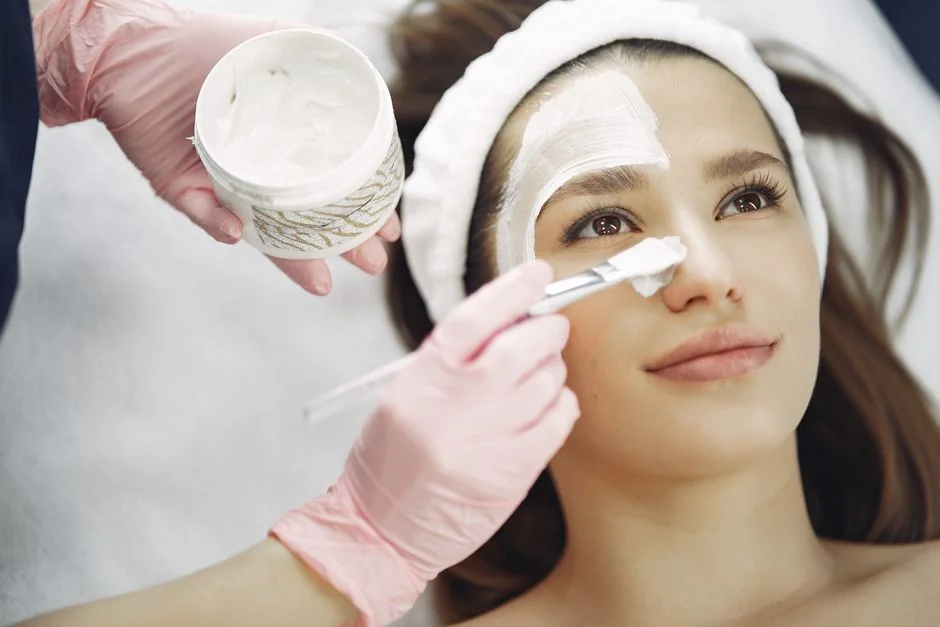
- Skin type — patients with Fitzpatrick skin types I–III (lighter skin tones) tend to have a wider range of laser options with lower PIH risk
- Melasma depth — epidermal melasma responds more predictably than dermal or mixed types
- Hormonal status — patients who continue to take combined oral contraceptives or who are pregnant should discuss hormonal management with their physician alongside any skin treatment plan
- Commitment to photoprotection — without daily SPF 50+ use, even successful treatment outcomes are likely to relapse
Who Should Exercise Caution or Postpone Treatment
- Pregnant or breastfeeding patients (most in-clinic procedures and some topical agents are contraindicated)
- Patients with a history of keloid scarring or significant post-inflammatory hyperpigmentation
- Those with an active tan or recent sun exposure (increases risk of laser-induced PIH)
- Patients on photosensitising medications (e.g. certain antibiotics, retinoids) unless cleared by the treating physician
Where to Get Melasma Treatment in Tokyo (English-Speaking)
Within our clinic group, English-speaking consultations are handled at BIOTOPE CLINIC in Shirokanedai (Minato-ku, Tokyo) by Dr. Jun Karibe, a board-certified plastic surgeon certified by the Japan Society of Plastic and Reconstructive Surgery. Our sister clinic, Kojimachi Dermatology and Plastic Surgery Clinic in Ichigaya (Chiyoda-ku), is the group’s main office and handles Japanese-language, insurance-covered dermatology consultations. Bookings and enquiries in English: LINE or WhatsApp.Frequently Asked Questions
- Q. How many sessions will I need to see results?
- This depends significantly on melasma type and depth. For laser toning protocols, most clinicians recommend an initial course of 6–10 sessions spaced two to four weeks apart before assessing the degree of improvement. Epidermal melasma tends to respond faster than dermal or mixed types. A realistic assessment can be made at your initial consultation after the clinician evaluates your skin.
- Q. Will my melasma come back after treatment?
- Melasma is a chronic, relapsing condition, and recurrence is common — particularly if photoprotection is not maintained consistently, or if a hormonal trigger (such as oral contraceptive use) continues. Treatment suppresses and lightens melasma rather than permanently eliminating the underlying tendency. Many patients manage their melasma successfully long-term through a combination of rigorous sun protection, periodic maintenance sessions, and topical agents.
- Q. Is melasma treatment covered by health insurance in Japan?
- Cosmetic laser treatments and most pigmentation procedures are not covered by Japan’s public health insurance (shakai hoken or kokumin hoken). Prescription topical medications, however, may be partially covered depending on the diagnosis and prescribing physician. Our sister clinic Kojimachi Dermatology and Plastic Surgery Clinic in Ichigaya handles insurance-covered dermatology in Japanese. Cosmetic and English-language consultations are available at BIOTOPE CLINIC in Shirokanedai.
- Q. Can darker skin tones be safely treated for melasma?
- Yes, but the choice of treatment and device settings must be carefully adapted for patients with Fitzpatrick skin types IV–VI. Certain high-energy laser protocols carry a meaningful risk of post-inflammatory hyperpigmentation on darker skin. Low-fluence laser toning, picosecond lasers at appropriate settings, topical combination therapy, and oral tranexamic acid all have established safety profiles for Asian skin types when performed by an experienced clinician.
- Q. Should I stop my contraceptive pill before treating melasma?
- Combined oral contraceptives are a recognised hormonal trigger for melasma, and continuing hormonal contraception can reduce the effectiveness of treatment. This is a nuanced decision that depends on individual circumstances and should be discussed with both your treating dermatologist or cosmetic physician and your gynaecologist. Dr. Karibe can discuss this during your consultation at BIOTOPE CLINIC.
Have a question about this treatment? Message us on LINE or WhatsApp — our English-speaking team usually replies the same day.
Summary
Melasma is a common but complex form of hyperpigmentation driven by UV exposure, hormonal factors, and genetic predisposition. Effective management requires a multi-modal, long-term approach — combining strict daily photoprotection, topical prescription agents, and appropriately chosen in-clinic procedures such as laser toning, picosecond laser treatment, or chemical peels. Aggressive or poorly calibrated laser treatment can worsen rather than improve melasma, particularly in patients with Asian skin tones, making experienced clinical assessment essential before beginning any procedure. Costs for professional melasma treatment in Tokyo typically range from ¥11,000–¥135,000 per session depending on the modality selected, with most patients requiring multiple sessions and ongoing maintenance. For an accurate quote and personalised treatment plan, a consultation is strongly recommended. If you have questions about melasma treatment, English-speaking consultations are handled at BIOTOPE CLINIC in Shirokanedai (Minato-ku, Tokyo) by Dr. Karibe. Our sister clinic Kojimachi Dermatology and Plastic Surgery Clinic in Ichigaya (Chiyoda-ku) handles Japanese-language insurance dermatology. English enquiries: LINE or WhatsApp.Topical Tranexamic Acid — a Complement to In-Clinic Treatment
For melasma, dullness, and post-inflammatory pigmentation, at-home care with a topical tranexamic acid serum can complement in-clinic treatments. Tranexamic acid is reported to inhibit melanin-triggering signaling (the plasmin pathway) and is used clinically for pigmentation care.
As an accessible daily-care option, we introduce Dr.J+ TA Serum, a topical tranexamic acid serum developed by Dr. Jun Karibe, MD, Director of BIOTOPE Clinic (Shirokanedai, Tokyo).
Born from the Aesthetic Dermatology Practice
Dr.J+ TA Serum (2% Tranexamic Acid Topical Serum)
More than a brightening serum. Designed to address pigmentation and inflammation together — a total concept from an aesthetic dermatology perspective.
High-Concentration Formula — 2% Tranexamic Acid
Formulated with concerns like the following at the core:
- Melasma
- Dark spots
- Dullness
- Uneven skin tone
Dipotassium Glycyrrhizate — High Concentration
Formulated with sensitivity and inflammation in mind, supporting a healthy skin environment.
- Rough skin
- Redness
- Sensitive / reactive skin
- Chronic inflammatory concerns
Curated Cosmetic Ingredients
- Placenta Extract
- Sodium Hyaluronate
- Sage Leaf Extract
- Roman Chamomile Extract
- Mandarin Orange Peel Extract
- Allantoin
Beyond active correction — a philosophy of nurturing while calming inflammation. Radiance, firmness, glow, hydration, and smoothness — all in one serum.
※ Cosmetic product. Individual results may vary.
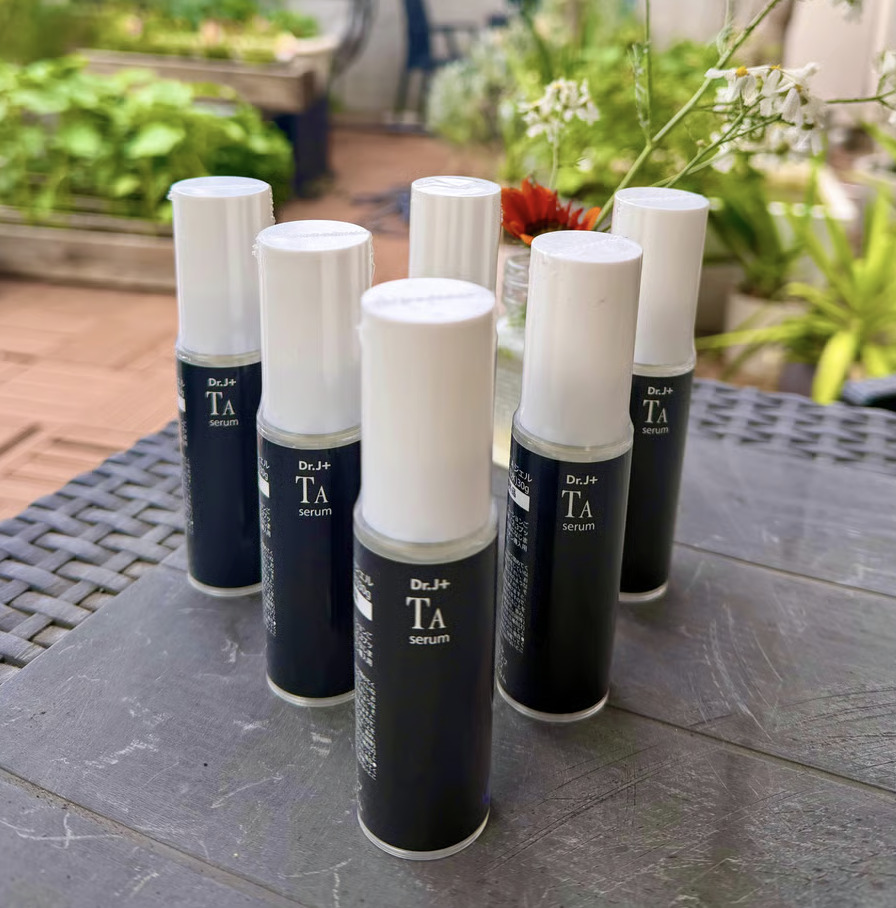
Developed by Dr. Jun Karibe, MD — Director, BIOTOPE Clinic
Dr.J+ TA Serum (Tranexamic Acid Topical Serum)
For those concerned with melasma, dullness, and post-inflammatory pigmentation.
A high-concentration topical serum easily incorporated into your morning and evening skincare.
※ Cosmetic product. Individual results may vary.
24/7 Consultation & Booking
Book a Consultation or Treatment
Our English-speaking team responds via LINE or WhatsApp — usually the same day.
References
- Ogbechie-Godec OA, Elbuluk N. Melasma: An Up-to-Date Comprehensive Review. Dermatology and Therapy. 2017.
- Shin JW, Park KC, Kwon SH, et al. Oral tranexamic acid enhances the efficacy of low-fluence 1064-nm quality-switched neodymium-doped yttrium aluminium garnet laser treatment for melasma in Korean patients. Dermatologic Surgery. 2013.
- Rodrigues M, Pandya AG. Melasma: clinical diagnosis and management options available in patients with darker skin phototypes. Photodermatology, Photoimmunology and Photomedicine. 2015.
- Passeron T, Picardo M. Melasma, a photoaging disorder. Pigment Cell and Melanoma Research. 2018.
- Jutley GS, Rajaratnam R, Halpern J, Salim A, Emmett C. Systematic review of randomized controlled trials of triple-combination topical therapy for melasma. Journal of the American Academy of Dermatology. 2014.
Related Articles
You may also find these articles useful.- English-Speaking Dermatologist Tokyo: Melasma & Pigmentation
- Melasma Treatment Tokyo: Causes, Options & Real Solutions
- English Speaking Dermatologist Tokyo: Complete Guide
- PicoWay Laser Tokyo: Pigmentation and Tattoo Removal
- Dark Spot Removal Tokyo: Laser Treatment Options
SUPERVISED BY
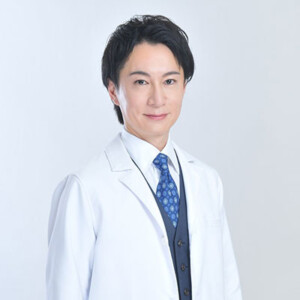
Dr. Jun Karibe
MD
Director
Education & Career
Certifications
Awards
MEDICAL REVIEW