By Dr. Jun Karibe, MD — BIOTOPE Clinic Shirokanedai, Tokyo · Reviewed August 2026
A woman in her late thirties walks into our BIOTOPE CLINIC with a plastic bag of hair pulled from her shower drain. She has been counting: roughly two hundred strands a day for the past four months, up from what she remembers as maybe fifty.
The crown of her scalp has thinned enough that she now parts her hair differently to hide it. She has been to a dermatology clinic in Roppongi, which prescribed a topical minoxidil solution and a scalp shampoo.
She has been to her Japanese GP, who ran a basic blood test and told her everything was normal. She has been to a hair salon, which sold her a supplement pack containing biotin. Four months in, the shedding has not stopped.
This is one of the most common presentations we see at BIOTOPE Clinic Shirokanedai. It is also one of the most misunderstood. Hair loss in women is almost never a scalp problem in isolation. It is a whole-body signal — a downstream consequence of iron depletion, thyroid dysfunction, zinc deficiency, protein insufficiency, or the hormonal shifts of postpartum and perimenopause.
Topical treatment applied to a follicle that lacks the raw materials for growth will underperform. Correct the nutritional and hormonal foundation first, then layer topical therapy on top, and the same follicles that had stopped growing will start again.
This guide walks through the common drivers of female hair loss in Japan, explains why Japanese GPs often miss them, sets out the tests we run, and describes the three-to-six-month timeline you should realistically expect. If you have been shedding for months and the reassurance you have been given does not match what you see in the drain, this article is for you.
The clinical picture: what female hair loss actually looks like
The medical vocabulary for hair loss matters, because the pattern of shedding tells us what mechanism is likely at play.
Telogen effluvium
The most common presentation in our clinic. Telogen effluvium is a diffuse shedding across the whole scalp, driven by a stressor that pushes a large fraction of follicles out of the growth (anagen) phase and into the resting (telogen) phase at once. Three to four months after the trigger, those follicles all shed together. Triggers include a nutritional deficiency (particularly iron), a thyroid shift, a viral illness including COVID-19, a general anaesthetic, a period of severe caloric restriction, childbirth, or a psychological shock. The patient notices handfuls of hair coming out in the shower or on the pillow. The scalp itself looks broadly normal — hair is not falling out in a particular patch, but the overall density has dropped.
Female pattern hair loss
Also called androgenetic alopecia in women. This is a progressive thinning concentrated at the crown and along the central parting, with preservation of the frontal hairline. It has a strong genetic component and is driven in part by follicle sensitivity to androgens. Female pattern loss coexists frequently with telogen effluvium — nutritional depletion accelerates and worsens what would otherwise be a slower genetic pattern.
Postpartum hair loss
A physiological telogen effluvium that peaks around three to four months after delivery. Pregnancy pushes follicles into a prolonged anagen phase; delivery removes that hormonal support and a large cohort of follicles shed at once. Postpartum shedding is expected in almost all women. What is not normal is shedding that continues beyond nine to twelve months, or that fails to be followed by regrowth. In our practice, unresolved postpartum shedding is almost always accompanied by an unaddressed iron, thyroid or protein deficiency.
Perimenopausal hair loss
Thinning that emerges in the mid-forties to early fifties as ovarian oestrogen production declines. Oestrogen has a protective effect on the hair follicle, and its loss unmasks androgen sensitivity in genetically predisposed women. Perimenopause also frequently brings heavier and less predictable menstrual bleeding, which drives ferritin down further and compounds the shedding.
Alopecia areata and scarring alopecias
Discrete round patches of complete hair loss (alopecia areata) or areas of visible scarring, redness or inflammation of the scalp indicate an autoimmune or inflammatory dermatological process rather than a nutritional one. These require dermatological assessment and are outside the scope of what a nutritional workup will correct. If your hair loss is patchy rather than diffuse, or if the scalp itself is red, tender or scarred, dermatology referral takes priority.
Why Japanese general practitioners often dismiss it
In our clinic, almost every woman who presents with hair loss has already been to at least one Japanese doctor. The story is remarkably consistent. Standard blood work is run — a haemoglobin, sometimes a TSH — and the results come back inside the population reference range. The woman is told there is nothing wrong, that hair shedding is common, that she should try a topical scalp lotion. Six months later she is still shedding and no one has looked further.
Three structural reasons drive this gap.
The reference ranges are too wide. A Japanese laboratory reference range for serum ferritin begins at approximately 12 ng/mL. Dermatology literature suggests that hair follicles begin to show sensitivity to iron depletion at ferritin values well below 70 ng/mL, with a substantial body of evidence identifying the 40 to 70 ng/mL zone as the threshold below which diffuse shedding becomes clinically common in women.[1] A woman with a ferritin of 22 ng/mL is labelled normal in Japan. In our reading of the evidence she is iron-depleted at a level that would drive hair loss.
The default panel is narrow. A standard Japanese GP workup for hair loss might include a CBC, a TSH, and perhaps liver and kidney function. It will not typically include ferritin unless specifically requested. It will not include free T3, free T4 or thyroid antibodies. It will not include zinc, vitamin D, vitamin B12 or the protein and albumin markers that flag chronic under-nutrition. What is not measured cannot be found.
Nutritional interpretation is not taught. Japanese medical training in the nutritional biochemistry of hair follicles is thin. The clinical instinct to connect a diffuse hair shedding pattern to a ferritin in the 20s, a free T3 at the lower end of range, and a zinc value below 80 μg/dL simply is not present in most primary care encounters. The response is a topical prescription and reassurance.
For expat women the situation is compounded by two additional factors. First, Japanese diets deliver less haem iron than most Western diets, and green tea, coffee and soy — all consumed constantly in Japan — inhibit non-haem iron absorption sharply. Second, life in Tokyo tends to be low in sun exposure, driving population-wide vitamin D deficiency that plays into hair follicle biology as well. A woman who moved to Tokyo three years ago and started losing hair one year in is often experiencing the cumulative effect of a nutritional environment her body is not adapted to.
The five nutritional and hormonal drivers we test for

In a female patient presenting with diffuse hair shedding, we work through a defined set of drivers. Any one of these alone can produce clinically significant hair loss. In practice, more than one is usually operating at the same time.
1. Iron deficiency and low ferritin
The single most common driver of telogen effluvium in menstruating women. Hair follicles in anagen phase have among the highest iron requirements of any tissue in the body, and are exquisitely sensitive to reductions in iron availability. A woman losing 20 to 40 mg of iron per menstrual cycle, drinking green tea with every meal, and eating a Japanese diet weighted toward fish and vegetables rather than red meat will run down her ferritin over years without dropping haemoglobin.
Our functional target for ferritin in a woman with active hair shedding is 70 to 150 ng/mL. Below 30 ng/mL we consider frankly deficient regardless of the Japanese laboratory label. Between 30 and 70 ng/mL is suboptimal and, in the presence of shedding, warrants treatment. We interpret ferritin alongside transferrin saturation and CRP because ferritin is an acute-phase reactant that can be falsely elevated by inflammation.
The full picture on iron deficiency in Japanese women — why it is so common, what the reference ranges get wrong, and how to correct it properly — is covered in our companion guide on iron deficiency in women in Japan.
2. Thyroid dysfunction, especially subclinical hypothyroidism
The thyroid axis controls the metabolic rate of every tissue in the body, including the hair follicle. Both overt and subclinical hypothyroidism cause diffuse hair shedding, dry and brittle hair, and slowed regrowth. Hyperthyroidism does the same by a different mechanism. Autoimmune thyroid disease — Hashimoto’s thyroiditis — is particularly common in women of reproductive age in Japan and is frequently missed on standard testing.
A single TSH measurement is not adequate to exclude thyroid contribution to hair loss. We routinely run TSH, free T4, free T3 and both anti-TPO and anti-thyroglobulin antibodies. Subclinical hypothyroidism — a TSH at the upper end of range with free T4 still within range — is often symptomatic and often responds to treatment. Positive thyroid antibodies in the presence of a normal TSH indicate autoimmune thyroid disease that will typically progress, and warrant closer monitoring or, in some cases, early treatment.
Iron and thyroid intersect at the follicle. Thyroid peroxidase, the enzyme that produces T3 and T4, is iron-dependent. A woman with both low ferritin and a borderline thyroid picture will not correct her thyroid until the iron is repleted, and will not correct her hair until both are addressed. Treating one without the other frequently disappoints.
3. Zinc deficiency
Zinc is essential for the enzymatic protein synthesis that builds keratin, and for the antioxidant defence that protects the follicle from oxidative stress. Zinc deficiency produces diffuse hair loss, slowed wound healing, altered taste, and increased susceptibility to viral and skin infections. A 2023 review of trace minerals in hair health identified zinc, iron and selenium as the three most consistently associated with telogen effluvium and diffuse alopecia in women.[2]
Serum zinc reference ranges in Japan begin at approximately 80 μg/dL. In our clinical experience women in the 70 to 90 μg/dL range with hair shedding, altered taste, or slow-healing skin frequently benefit from a targeted zinc protocol. Values below 70 μg/dL are frankly deficient. Because zinc supplementation over months can drive down copper, we monitor copper when supplementing zinc for longer than eight weeks, and we generally cap zinc supplementation at 15 to 25 mg elemental daily rather than pushing higher doses.
The full clinical picture on zinc — testing, supplementation form, food sources, and interactions — is covered in our companion guide on zinc deficiency in Tokyo.
4. Protein insufficiency
Hair is roughly 90 percent keratin, a protein built from amino acids that the body must obtain from the diet. Chronic protein under-consumption — a real risk in expat women following restrictive vegan or low-calorie diets, and in older women whose appetite has declined — will manifest in hair well before it manifests in serum albumin or in visible muscle wasting.
The rough dietary target for a woman with active hair shedding is 1.2 to 1.6 g of protein per kilogram of body weight per day, distributed across three meals so that each meal delivers 25 to 40 g of protein. A 55 kg woman eating a rice-and-vegetable-heavy Tokyo diet frequently consumes 40 to 60 g of protein per day, well below the level required for optimal hair growth. We assess protein intake at every hair-loss consultation and build a corrective plan that fits the patient’s cuisine preferences.
Blood markers for protein sufficiency include serum albumin, total protein, and blood urea nitrogen (BUN) as a proxy for dietary protein throughput. A BUN in the low single digits alongside a normal creatinine is a soft signal of low dietary protein intake and is worth investigating in a hair-loss workup.
5. B12, folate and the methylation cofactors
Vitamin B12 and folate deficiency produce hair changes as part of a broader syndrome that also includes fatigue, cognitive slowing and, in extreme cases, macrocytic anaemia. In our clinic we see B12 deficiency most often in vegan or vegetarian women, in women taking metformin or long-term proton pump inhibitors, and in women over fifty with reduced gastric acid production. The functional target for B12 is above 500 pg/mL; Japanese reference ranges typically flag deficiency only below approximately 200 pg/mL, missing a wide band of functional insufficiency.
Homocysteine is a useful summary marker of B12, folate and B6 sufficiency together. An elevated homocysteine in the presence of hair loss and fatigue points to a methylation cofactor problem that responds well to methylcobalamin, methylfolate and P5P (active B6) supplementation over three to four months.
Biotin: a caveat
Biotin has a widespread reputation as a hair supplement. In our clinical practice, frank biotin deficiency severe enough to cause hair loss is uncommon in adults with a mixed diet. It occurs in patients with certain rare genetic conditions, in patients on long-term anticonvulsants, and occasionally in patients consuming very large quantities of raw egg white (which contains an anti-biotin factor). For the average woman with diffuse shedding, adding biotin as a stand-alone supplement rarely moves the needle if the true drivers — iron, thyroid, zinc, protein — have not been addressed.
A caution worth noting: high-dose biotin supplementation interferes with several common laboratory immunoassays, including TSH, free T4, troponin and vitamin D. If you are supplementing biotin above 5 mg daily, we recommend stopping it for at least three to five days before any blood test to avoid spurious results.
Postpartum and perimenopausal presentations
Postpartum
Postpartum shedding at three to four months after delivery is physiological and expected. Reassurance is the correct initial response. What is not normal, and what we treat, is shedding that continues past the nine-to-twelve-month mark, or that fails to be followed by visible regrowth over the second year postpartum. In our practice, unresolved postpartum shedding is almost always accompanied by an unaddressed nutritional or hormonal problem.
Pregnancy draws down maternal iron, iodine, DHA, choline and B-vitamins. Standard Japanese postpartum care checks a haemoglobin and moves on. It does not check ferritin, thyroid antibodies, zinc, B12 or vitamin D. Postpartum thyroiditis is particularly under-recognised — a transient autoimmune inflammation of the thyroid that peaks between three and twelve months postpartum, often presenting with fatigue, low mood, and hair shedding. Our postpartum panel therefore includes TSH, free T4, free T3, anti-TPO and anti-thyroglobulin antibodies alongside the iron and mineral markers.
Perimenopause
Perimenopause introduces two mechanisms simultaneously. Falling oestrogen removes a protective effect on the follicle, and irregular ovulation frequently drives heavier and less predictable menstrual bleeding, which accelerates iron loss. A perimenopausal woman with hair thinning at the crown and along the central parting, worsening over eighteen months, often shows the combined picture of dropping ferritin, a shifting thyroid axis, and androgen sensitivity unmasked by falling oestrogen.
Assessment includes the full nutritional panel plus a hormonal picture drawn appropriately for the phase of the cycle. Correction addresses iron and thyroid first, discusses the role of adequate protein and healthy fats for hormonal precursor availability, and considers whether hormonal management is appropriate for the broader constellation of perimenopausal symptoms.
The tests we run for a hair-loss workup

A proper female hair-loss workup includes markers across nutritional, hormonal and inflammatory axes. The list below is what we routinely order at BIOTOPE for a patient presenting with diffuse shedding.
Iron biochemistry
- Serum ferritin (functional target 70 to 150 ng/mL)
- Serum iron
- Total iron-binding capacity (TIBC)
- Transferrin saturation (calculated)
Thyroid function
- TSH
- Free T4
- Free T3
- Anti-TPO antibodies
- Anti-thyroglobulin antibodies
Minerals and trace elements
- Zinc
- Copper (particularly if considering zinc supplementation)
- Selenium where clinically indicated
B-vitamin status
- Vitamin B12 (functional target above 500 pg/mL)
- Folate
- Homocysteine
Protein and general nutritional status
- Total protein and albumin
- Blood urea nitrogen (BUN) as a proxy for dietary protein intake
General health and inflammation
- Complete blood count with indices
- hs-CRP
- Vitamin D (25-OH, functional target 40 to 60 ng/mL)
- HbA1c and fasting insulin where indicated
Hormonal assessment (as clinically appropriate)
- Total and free testosterone
- DHEA-sulphate
- SHBG
- Prolactin
- Oestradiol and progesterone (timed to cycle where relevant)
Two markers deserve particular emphasis because they represent the widest gap between what a Japanese GP will run and what we consider clinically necessary. The first is ferritin at a functional target of 70 to 150 ng/mL rather than the Japanese “above 12” standard. The second is a full thyroid panel including free T3 and antibodies rather than TSH alone. Missing either of these is the single most common reason a woman with hair loss leaves a Japanese GP visit reassured but untreated.
Topical and light-based treatments: what they do and when to use them
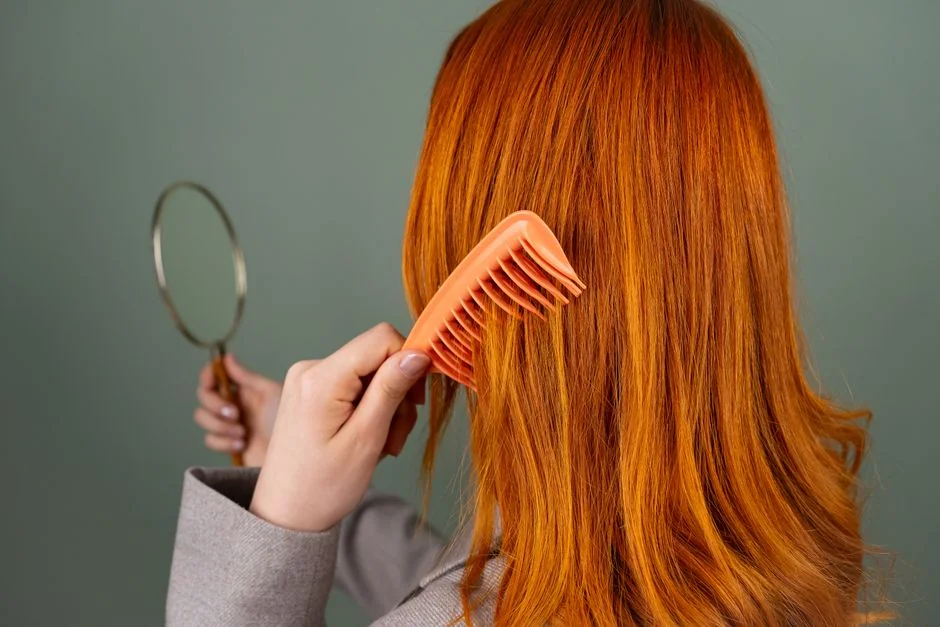
Topical minoxidil and low-level light therapy (LLLT) have a legitimate place in the treatment of female hair loss. They are not, in our practice, first-line — they are layered on top of a corrected nutritional foundation.
Topical minoxidil
Minoxidil at 2 to 5 percent applied to the scalp is the best-studied topical treatment for female pattern hair loss and for stubborn telogen effluvium. It prolongs the anagen (growth) phase and increases follicle size. The Cochrane review of minoxidil in female pattern hair loss found modest but consistent improvements in hair count and self-assessed hair density over six to twelve months of use.[3] The evidence base is real, but the effect size is bounded — minoxidil applied to a follicle short of iron, thyroid hormone and zinc will underperform, and the patient is more likely to conclude that it does not work.
Our clinical position is that topical minoxidil is worth trying once the underlying deficiencies have been corrected. Introduced at that point, patients notice earlier and larger improvements than they would from either intervention alone. Introduced against a background of uncorrected ferritin at 18 ng/mL, minoxidil will disappoint.
Low-level light therapy (LLLT)
Red light in the 630 to 680 nm range applied to the scalp has been shown in randomised trials to increase hair density in both female pattern hair loss and telogen effluvium.[4] Home-use LLLT caps and combs are widely available. The evidence is real, the safety profile is excellent, and the effect is additive to topical and nutritional interventions. As with minoxidil, LLLT works best against a corrected nutritional background.
Platelet-rich plasma (PRP)
Scalp PRP has an evidence base that has grown considerably over the past five years, with a 2024 meta-analysis of randomised trials in androgenetic alopecia showing meaningful improvements in hair density and terminal hair count.[5] PRP is available at BIOTOPE and is a reasonable adjunct for patients whose nutritional and hormonal picture has been optimised but whose density has not fully recovered.
Sequencing
The order we typically recommend to patients is:
- Correct the nutritional and hormonal foundation (three to six months).
- Add topical minoxidil once ferritin, thyroid and zinc are in range (from month two or three onwards, so that the topical is working with a repleted follicle).
- Consider LLLT as a low-effort, low-risk daily addition.
- Consider PRP if density has not recovered fully after nine to twelve months of the above.
The temptation to start every intervention at once is understandable but usually counterproductive. Layered introduction lets us see what is working and adjust.
Realistic timeline: three to six months at minimum
The hair follicle is slow. Every intervention aimed at hair growth requires a minimum of three to six months to produce visible change, and often longer for full effect.
Weeks one to eight
The patient will often notice generalised energy, sleep or cognitive improvements before hair changes. Ferritin begins to rise with iron supplementation, thyroid symptoms may soften with treatment, and dietary protein optimisation begins to affect nail quality within four to six weeks. Hair itself has typically not yet responded visibly. Shedding may transiently worsen in the first two to three weeks of correction as follicles reset their cycles — this is a well-recognised “shed to grow” phenomenon and does not indicate treatment failure.
Months three to four
Shedding begins to slow. Patients typically report that the drain and pillow are less alarming than they were, and that ambient shedding through the day has decreased. New hair growth is not yet visible at the scalp surface but is beginning at the follicle. Ferritin at retest is typically well up from baseline. Thyroid parameters, if abnormal at baseline, should be improving or corrected.
Months six to nine
Visible new hair growth becomes apparent as the short baby hairs at the hairline and along the parting reach the length where they can be seen. Overall density begins to visibly improve. Patients often notice that ponytails feel thicker, that regrowth is visible along the hairline, and that hair styling holds better than it did.
Months twelve and beyond
Full recovery of a diffuse telogen effluvium driven by nutritional deficiency typically completes over twelve to eighteen months of sustained correction. Female pattern hair loss is not fully reversible but is generally stabilised and often improved. Perimenopausal thinning is usually stabilised.
The single most common reason for treatment failure in our practice is not that the interventions do not work — it is that patients give up at week eight or twelve, when they cannot yet see hair improvements, and abandon the protocol before the follicle has had time to respond. Setting realistic expectations at the start of treatment is as important as the treatment itself.
Diet and lifestyle scaffolding for hair growth
Supplementation and topical treatment sit on top of a dietary and lifestyle base. The base matters.
Protein at every meal
Aim for 25 to 40 g of protein at each of three daily meals. In a Tokyo food environment this can mean eggs and Greek yoghurt at breakfast, a rice bowl with grilled fish or chicken at lunch, and a dinner built around fish, meat or tofu with a legume side. Vegan patients need to build meals around lentils, tempeh, edamame and tofu in quantities larger than most default to, and often benefit from a rice or pea protein supplement to reach targets.
Iron-focused meal construction
Prioritise haem iron sources (red meat, poultry dark meat, iron-rich fish and shellfish) two or three times per week where dietary preference allows. Pair non-haem iron with vitamin C at the same meal. Separate iron-containing meals from tea, coffee and calcium supplements by at least one hour. These simple structural changes can reclaim a meaningful fraction of dietary iron in a Japanese diet.
Healthy fats
Omega-3 fatty acids from oily fish (sardines, mackerel, salmon) or from supplementation support anti-inflammatory pathways relevant to follicle health. Aim for oily fish two or three times a week or 1 to 2 g EPA+DHA daily from supplement.
Sleep and stress
Sleep deprivation and sustained stress drive cortisol patterns that push follicles into the resting phase. Sleeping seven to eight hours at consistent times and building in genuine stress recovery (walking, breathing practice, adequate downtime) matters more than most patients realise. This is not vague advice — it is a specific instruction based on the known biology of the hair follicle under cortisol pressure.
Scalp care
Aggressive brushing, tight hairstyles, and harsh chemical treatments (bleaching, frequent perming) mechanically stress the follicle. Reduce these where possible during the active phase of shedding. A gentle scalp massage two or three times weekly with an unfragranced oil supports circulation, though the effect is modest compared to systemic correction.
What we cannot correct with nutritional therapy alone
Nutritional and hormonal correction is the correct first move for the majority of women presenting with diffuse hair shedding. It is not the correct move for every presentation. The following patterns require dermatological or specialist input rather than a nutritional workup:
- Discrete patches of complete hair loss (alopecia areata), particularly if progressing rapidly.
- Areas of visible scarring, redness, tenderness or scaling of the scalp (scarring alopecias including lichen planopilaris, frontal fibrosing alopecia, central centrifugal cicatricial alopecia).
- Sudden, severe, painful hair loss following a scalp procedure or chemical exposure.
- Hair loss accompanying systemic features suggestive of lupus, thyroid storm, or another acute illness.
- Suspected trichotillomania or other behavioural cause.
Where any of these features are present we refer to a dermatologist or, where appropriate, a rheumatologist for further workup. Nutritional therapy is not a replacement for dermatological assessment in these cases; it is a complementary layer that can be added once the primary diagnosis has been made.
How this fits into a nutrition therapy consultation
Hair loss is one of the more visible presentations of the nutritional and hormonal patterns we identify at BIOTOPE, but the driver is rarely single. A woman with active shedding almost always has more than one contributing factor operating together — low ferritin, borderline thyroid, low zinc, insufficient protein, and often perimenopausal or postpartum hormonal shifts on top. A workup that measures one marker in isolation misses the interactions, and a single targeted supplement rarely produces the response the patient hoped for.
Our orthomolecular nutrition therapy consultation at ¥22,000 includes ferritin and the full iron panel, TSH plus free T4, free T3 and thyroid antibodies, zinc, B12, folate, homocysteine, protein and inflammation markers, and hormonal assessment as clinically appropriate — the full picture required to understand what is driving hair loss in a specific woman and to build a correction plan that addresses each driver in the right sequence. Topical and light-based interventions are layered on once the foundation is in place, giving the follicle the raw materials it needs before asking it to grow.
Orthomolecular Nutrition Therapy at BIOTOPE Tokyo
¥22,000 (approximately US$150) — a complete personalised programme built around your blood biochemistry.
- Full hair-loss workup — ferritin, transferrin saturation, TIBC, TSH plus free T4, free T3, thyroid antibodies, zinc, B12, folate, protein markers — as part of a 60+ marker panel
- Interpretation by Dr. Jun Karibe, MD using functional-medicine reference ranges
- Written dietary protocol tailored to your lifestyle in Japan
- Supplement plan matched to your form, dose and cofactor needs — sourced through the clinic
- English-language consultation and written report
BIOTOPE Clinic Shirokanedai · 5 minute walk from Shirokanedai Station
Frequently asked questions
My Japanese doctor said my blood tests were normal. Should I still be tested for hair loss causes?
Almost certainly yes. Standard Japanese blood work for hair loss typically includes only a CBC and TSH, and uses reference ranges that miss the functional deficiencies that drive most female hair shedding. If your ferritin is below 70 ng/mL, your free T3 is at the lower end of range, your zinc is below 90 μg/dL, or your protein intake is under-optimised, you will still be told your bloods are normal. A proper hair-loss workup requires the extended panel described above, interpreted against functional reference ranges.
How long before I see hair improvement?
Shedding typically begins to slow at three to four months of correction. Visible new hair growth becomes apparent at six to nine months. Full recovery of a diffuse telogen effluvium typically completes over twelve to eighteen months. The single most common reason for treatment failure is patients giving up at week eight before the follicle has had time to respond.
Will my hair fall out worse when I start treatment?
A transient increase in shedding during the first two to three weeks of correction is common and does not indicate treatment failure. This is a “shed to grow” phenomenon in which follicles reset their cycles. It resolves within a few weeks and is followed by the slowing of shedding described above.
Should I take biotin?
Biotin has a widespread reputation as a hair supplement, but frank biotin deficiency severe enough to cause hair loss is uncommon in adults with a mixed diet. For the average woman with diffuse shedding, biotin as a stand-alone supplement rarely moves the needle if the true drivers (iron, thyroid, zinc, protein) have not been addressed. If you are supplementing biotin above 5 mg daily, stop it for at least three to five days before any blood test — biotin interferes with several common laboratory immunoassays including TSH, free T4 and vitamin D.
Is minoxidil safe for women?
Topical minoxidil at 2 to 5 percent has a strong safety record in women. The most common side effects are scalp irritation and, uncommonly, facial hair growth at the application borders. It is not appropriate in pregnancy or lactation. As discussed above, we recommend introducing minoxidil once the nutritional foundation has been corrected, so that the topical is working with a repleted follicle rather than against a depleted one.
Can hair loss from postpartum or perimenopause be fully reversed?
Postpartum telogen effluvium is almost always fully reversible if the underlying nutritional and hormonal picture is addressed. Perimenopausal thinning has a stronger genetic component and is not usually fully reversible, but is generally stabilised and often improved with a combined nutritional, topical and light-based approach. The earlier the intervention, the better the outcome — waiting until density loss has become severe reduces the ceiling of what recovery can achieve.
Do I need to keep taking iron and zinc forever?
No. The goal is to reach the functional target ferritin (70 to 150 ng/mL) and zinc (above 90 μg/dL), continue supplementation for a further three to six months to consolidate stores, and then transition to a maintenance protocol driven by diet with periodic retesting. In a menstruating woman with a Japanese diet, a low-dose iron maintenance every second or third day is often sensible. For zinc, dietary sufficiency is usually achievable once the deficit is closed.
What if my hair loss is patchy rather than diffuse?
Patchy hair loss — discrete round bald patches, or areas of visible scalp redness, scarring or scaling — is not typically a nutritional problem. It usually indicates alopecia areata, a scarring alopecia, or another dermatological process that requires dermatological assessment. Nutritional workup can be added as a complementary layer once the primary diagnosis has been made, but should not delay dermatological referral.
References
- Trost LB, Bergfeld WF, Calogeras E. The diagnosis and treatment of iron deficiency and its potential relationship to hair loss. J Am Acad Dermatol 2006 and updated dermatology reviews. Link
- Almohanna HM, Ahmed AA, Tsatalis JP, Tosti A. The role of vitamins and minerals in hair loss: a review. Dermatol Ther (Heidelb) 2019 and updated 2023 reviews of trace minerals in hair health. Link
- van Zuuren EJ, Fedorowicz Z, Schoones J. Interventions for female pattern hair loss. Cochrane Database Syst Rev 2016, with subsequent updates on topical minoxidil efficacy. Link
- Jimenez JJ, Wikramanayake TC, Bergfeld W, et al. Efficacy and safety of low-level laser therapy in the treatment of androgenetic alopecia: a randomised, double-blind, sham device-controlled multicentre trial. Am J Clin Dermatol 2014 and subsequent trials in female pattern hair loss and telogen effluvium. Link
- Gupta AK, Bamimore MA, Foley KA. Efficacy of platelet-rich plasma for androgenetic alopecia: an updated systematic review and meta-analysis of randomised controlled trials. J Dermatolog Treat 2024. Link
- Guo EL, Katta R. Diet and hair loss: effects of nutrient deficiency and supplement use. Dermatol Pract Concept 2017 and updated 2024 reviews on protein, iron and micronutrient requirements for the hair follicle. Link
- Rushton DH. Nutritional factors and hair loss. Clin Exp Dermatol 2002, with contemporary updates on ferritin thresholds in diffuse female alopecia. Link
Educational content. Not individual medical advice. Persistent or severe hair loss, particularly if patchy or accompanied by scalp changes, warrants evaluation by a licensed physician or dermatologist.
Book a Consultation or Treatment
Our English-speaking team responds via LINE or WhatsApp — usually the same day.
Related Articles
- Iron Deficiency in Women Living in Japan
- Zinc Deficiency in Tokyo (Skin/Taste/Immunity)
- Hashimoto’s Thyroiditis Nutritional Support
- Orthomolecular Nutrition Therapy in Tokyo
SUPERVISED BY
Dr. Jun Karibe
MD
Director
Education & Career
Certifications
Awards
MEDICAL REVIEW