What Causes Facial Sagging?
The face begins to sag when three structural pillars weaken simultaneously. The skin’s collagen and elastin fibres — responsible for firmness and recoil — diminish progressively from the mid-twenties onward.
At the same time, the superficial muscular aponeurotic system (SMAS), a fibromuscular layer just beneath the subcutaneous fat, gradually loses tension. Subcutaneous fat also redistributes, causing the cheeks to descend and jowls to form.
Surgical face-lifts address all three of these layers directly. Non-surgical treatments like HIFU and RF microneedling target one or two of them — which is precisely why understanding their mechanism matters before choosing.
What Is HIFU and How Does It Treat Sagging?
HIFU (High-Intensity Focused Ultrasound) delivers tightly converged ultrasound beams to precise depths beneath the skin without disrupting the overlying tissue.
Energy converges at a single focal point, generating micro-coagulation zones at temperatures of approximately 60–70 °C. This controlled thermal injury triggers the body’s wound-healing response: fibroblasts migrate to the site and, over the following months, new collagen and elastin are laid down.
What sets HIFU apart from other energy-based treatments is its ability to reach the SMAS layer — the same structure addressed in a traditional face-lift. Standard HIFU cartridges target depths of 1.5 mm (dermis), 3.0 mm (deep dermis), and 4.5 mm (SMAS). Reaching the SMAS produces a genuine lifting effect rather than surface tightening alone.
HIFU is entirely non-invasive: no needles, no incisions, and no disruption of the skin surface.
What Is RF Microneedling and How Does It Work?
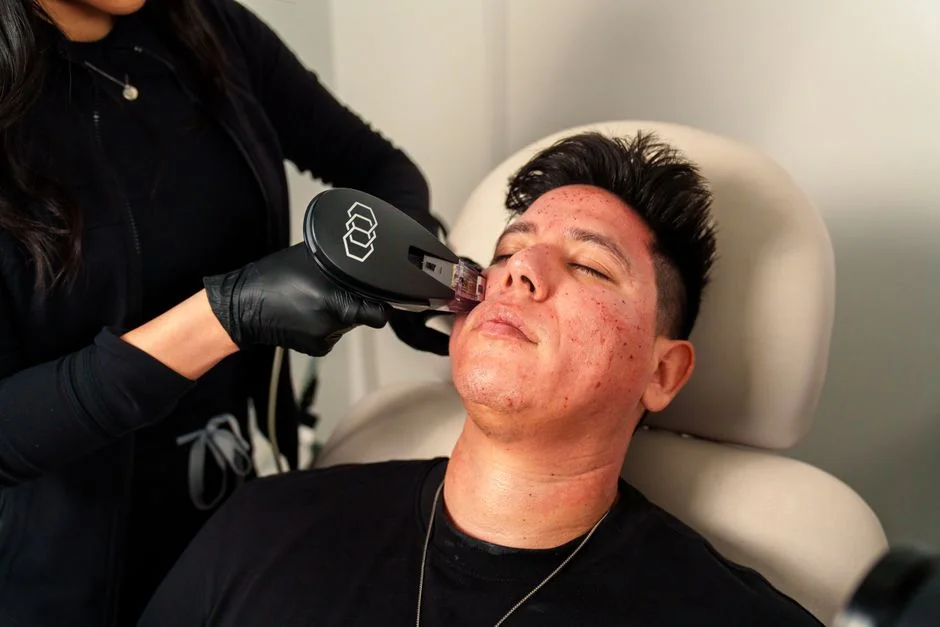
Radiofrequency microneedling — of which Morpheus8 is one of the most studied devices — combines two established technologies. A handpiece fitted with a matrix of insulated microneedles punctures the skin to a controlled depth, then emits bipolar RF energy precisely at the needle tips. This delivers heat into the dermis and subdermal tissue while keeping energy away from the epidermis, making it suitable across a broader range of skin tones.
The heat stimulates neocollagenesis and neoelastogenesis — formation of new collagen and elastin — and at deeper settings can begin to remodel the subdermal adipose layer. Unlike HIFU, RF microneedling also creates micro-channels in the skin surface, simultaneously addressing texture, enlarged pores, and superficial acne scarring.
Because the needles puncture the skin, RF microneedling is classified as minimally invasive. Topical anaesthetic is applied beforehand to ensure comfort throughout the procedure.
HIFU vs RF Microneedling: Side-by-Side Comparison
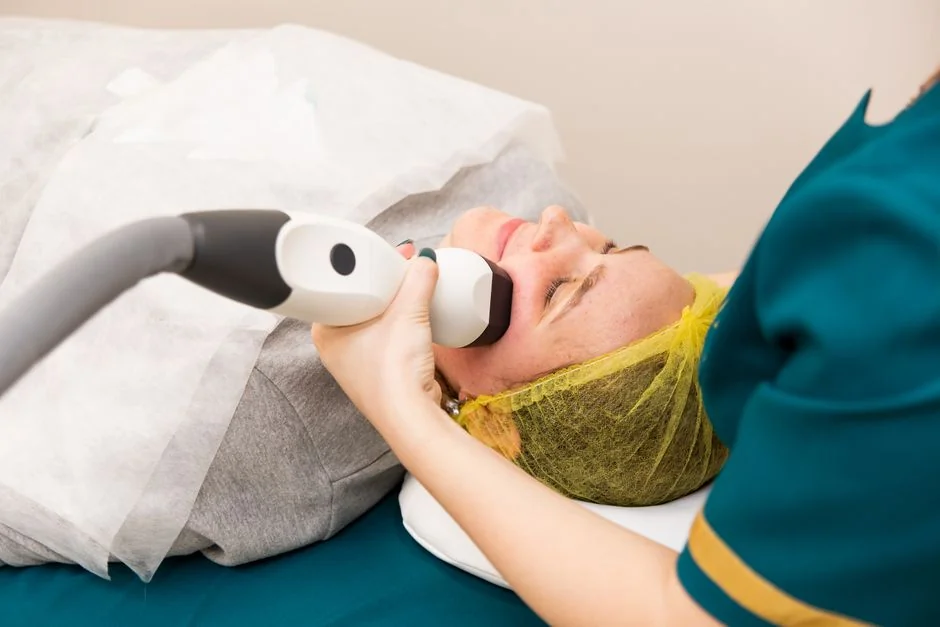
Both treatments use heat to stimulate collagen remodelling, but they differ substantially in mechanism, depth of action, and the range of concerns they address.
| Feature | HIFU | RF Microneedling (Morpheus8) |
|---|---|---|
| Mechanism | Focused ultrasound — micro-coagulation zones | Microneedles delivering RF energy into dermis and subdermal tissue |
| Primary target depth | 1.5–4.5 mm (reaches SMAS layer) | 0.5–8 mm (primarily dermal and subdermal) |
| Invasiveness | Non-invasive (no skin puncture) | Minimally invasive (micro-punctures) |
| Best primary result | Structural lifting, jawline definition, brow elevation | Dermal tightening, skin texture, pore refinement |
| Also addresses | Neck laxity, submental area | Acne scarring, mild sagging, fine lines |
| Typical downtime | Mild flushing and swelling, 1–2 days | Redness and pinpoint marks, 2–4 days |
| Sessions commonly recommended | 1–2 per year | 2–3 sessions, 4–6 weeks apart |
| Anaesthetic required | Not typically required | Topical anaesthetic standard |
| Evidence level | Systematic review data (45+ studies) | Multiple prospective and retrospective studies |
What the Clinical Evidence Shows
HIFU has one of the more robust non-surgical evidence bases in aesthetic medicine. A 2025 systematic review published in the Aesthetic Surgery Journal, which analysed 45 clinical trials and cohort studies, reported improvements in skin laxity ranging from 18% to 30% in the lower face, neck, and periorbital regions. Results became visible within three months and lasted up to one year in the studies reviewed. Fewer than 5% of patients across those studies reported significant adverse events.
A 2024 three-dimensional analysis published in Plastic and Reconstructive Surgery – Global Open measured lifting across seven facial regions in 50 patients treated with a focused ultrasound device (mean patient age 45.6 years). All regions showed statistically significant improvement (P < 0.05). Neck lifting averaged 3.53 mm and jowl lifting 2.90 mm — differences visible on standardised photographic comparison.
For RF microneedling, a frequently cited retrospective study by Dayan and colleagues — published in Plastic and Reconstructive Surgery – Global Open — followed 247 patients treated with a combination of bipolar radiofrequency (FaceTite) and fractional RF microneedling (Morpheus8). The study reported a mean 1.4-point improvement on the Baker Face/Neck Laxity Classification and a 93% patient satisfaction rate. It is worth noting that this was a combination-device protocol, not standalone microneedling, and that most large RF microneedling trials have similarly used multimodal approaches — an important nuance when interpreting published outcomes.
Cost in Tokyo
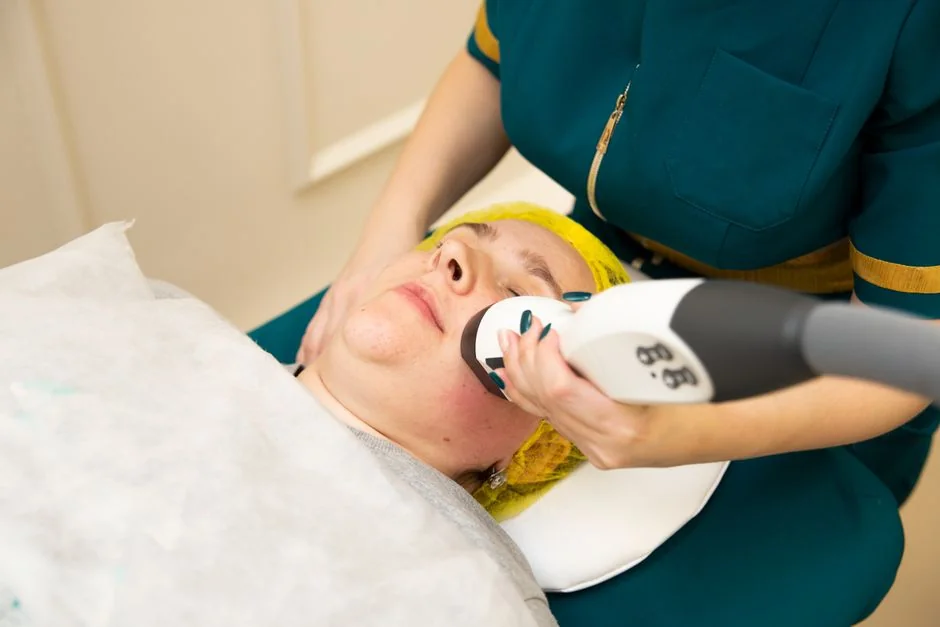
HIFU and RF microneedling are self-pay cosmetic procedures in Japan — neither is covered by public health insurance (shakai hoken or kokumin kenko hoken). Pricing in Tokyo varies by device model, the number of shots or passes, the zones treated, and the clinic’s level of specialisation.
As pricing is updated regularly, specific yen figures are not listed here. Please see the clinic’s current price page or contact us directly for an up-to-date quote. For an accurate quote, please book a consultation.
Have a question about this treatment?
Message us on LINE or WhatsApp — our English-speaking team usually replies the same day.
What to Expect: Before, During, and After
Before the Treatment
A pre-treatment consultation is standard at specialist clinics. This is the time to discuss the degree of laxity, treatment history, any medications that may affect candidacy (certain anticoagulants, for example), and realistic expectations. Baseline photographs are typically taken for post-treatment comparison.
During the Treatment
HIFU sessions run approximately 30–90 minutes depending on the number of zones treated. Most patients experience a warm, prickling sensation as pulses fire; no anaesthetic is routinely required, though topical numbing cream is offered at some clinics. RF microneedling sessions typically last 45–60 minutes including topical anaesthetic application. Mild pressure and warmth are felt during the procedure, with redness visible immediately after.
After the Treatment
HIFU: mild erythema and warmth resolve within 24–48 hours. Lifting results develop gradually over 2–3 months as new collagen matures, with maximum results typically assessed at three months post-treatment. RF microneedling: pinpoint marks and redness resolve in 2–4 days for most patients; full remodelling results emerge over 3–6 months. Consistent sun protection and gentle skincare support recovery for both treatments.
Who Is a Good Candidate?
HIFU tends to deliver the most visible lifting in patients with mild-to-moderate skin laxity — typically adults in their late thirties to mid-fifties with early jowling, brow descent, or neck laxity who prefer a non-invasive approach or are not yet candidates for surgery. Patients with very advanced laxity may benefit from surgical consultation alongside or instead of energy-based treatment.
RF microneedling suits a broader profile of concerns: patients who want skin tightening alongside improvement in texture, pores, or mild acne scarring see comprehensive results from a single device. It also suits patients who wish to maintain HIFU outcomes between annual sessions.
Both treatments are generally not recommended during pregnancy, over active infection sites, or in patients with certain implanted metallic or electronic devices. A face-to-face medical consultation is necessary to confirm suitability for either procedure.
Common Misconceptions
Misconception: “One treatment delivers permanent results”
Results from both HIFU and RF microneedling are real and measurable, but they are not permanent. The 2025 systematic review noted that HIFU results last up to approximately one year; natural ageing continues after that point. Most patients benefit from periodic maintenance rather than expecting a single session to provide indefinite improvement.
Misconception: “HIFU is always the better choice for sagging because it goes deeper”
HIFU’s depth advantage — reaching the SMAS — is specifically relevant for structural lifting. For a patient whose primary concern is skin texture, pore size, or fine lines alongside mild laxity, RF microneedling may address the full picture more comprehensively. The two technologies are complementary rather than competing, and experienced clinicians often design staged or combined protocols based on individual anatomy and skin quality. Both HIFU and Morpheus8 RF microneedling are available at BIOTOPE CLINIC in Shirokanedai — the appropriate choice, or sequencing of both, is best determined through a consultation with the treating physician.
Frequently Asked Questions
- Q. How many HIFU sessions will I need?
- For most patients, one session per year is the typical starting point, with a second session after six months for those with more significant laxity or who wish to consolidate results. Your physician will advise based on tissue response and treatment goals.
- Q. Can HIFU and RF microneedling be combined?
- Yes — combination protocols are documented in the published literature and are used at specialist clinics. HIFU is typically performed first to address structural depth, followed by RF microneedling to refine surface texture once the skin has recovered. Timing and sequencing should be planned by the treating physician.
- Q. Is RF microneedling safe for Asian skin tones?
- The insulated-needle design used in devices such as Morpheus8 confines heat primarily to the needle tips rather than the skin surface, reducing the risk of post-inflammatory hyperpigmentation that can affect deeper skin tones with some other devices. Clinical experience supports its use in Asian skin, though conservative initial settings and an experienced physician are advisable.
- Q. How soon will results be visible?
- Some early tightening may be perceived within the first week as post-treatment swelling resolves. The primary visible improvement from both HIFU and RF microneedling develops over two to three months as new collagen matures; maximum results are typically assessed at the three-month mark.
- Q. Are either of these treatments covered by insurance in Japan?
- No. Both HIFU and RF microneedling are cosmetic procedures and are not covered by Japanese public health insurance. They are self-pay treatments at all clinics in Japan.
Have a question about this treatment?
Message us on LINE or WhatsApp — our English-speaking team usually replies the same day.
Where to Get HIFU or RF Microneedling in Tokyo
Within our clinic group, both BIOTOPE CLINIC (Shirokanedai, Minato-ku) and Kojimachi Dermatology & Plastic Surgery Clinic (Ichigaya, Chiyoda-ku) offer English-language consultation with Dr. Jun Karibe’s team. HIFU and RF microneedling (Morpheus8) are cosmetic treatments handled at BIOTOPE CLINIC in Shirokanedai, where Dr. Karibe personally consults. For insurance-covered dermatology — eczema, acne, rashes, and similar conditions — the group’s main office at Kojimachi is the appropriate starting point. Bookings and enquiries in English: LINE or WhatsApp.
Summary
HIFU and RF microneedling are both well-evidenced, non-surgical approaches to facial sagging that work by stimulating the body’s own collagen production. HIFU’s defining strength is reaching the SMAS layer to produce measurable structural lifting, supported by systematic-review data showing 18–30% improvements in skin laxity across the lower face, neck, and periorbital regions.
RF microneedling, particularly with devices such as Morpheus8, works at the dermal and subdermal level to tighten and remodel tissue while also improving surface quality; published combination studies report clinically meaningful reductions in laxity grading and high patient satisfaction rates.
Neither treatment is a permanent solution, and the best choice depends on the degree and type of laxity, skin tone, tolerance for minimal downtime, and whether secondary concerns such as pores or acne scarring are also present. A consultation with a board-certified physician — not an article — is the decisive step.
If you have questions about HIFU or RF microneedling, both BIOTOPE CLINIC (Shirokanedai, Minato-ku) and Kojimachi Dermatology & Plastic Surgery Clinic (Ichigaya, Chiyoda-ku) offer English-language consultation with Dr. Karibe and his team. HIFU and RF microneedling treatments are primarily handled at BIOTOPE CLINIC in Shirokanedai. English enquiries: LINE or WhatsApp.
24/7 Consultation & Booking
Book a Consultation or Treatment
Our English-speaking team responds via LINE or WhatsApp — usually the same day.
References
- A Systematic Review of High-Intensity Focused Ultrasound in Skin Tightening and Body Contouring. Aesthetic Surgery Journal. 2025;45(7):690.
- Three-dimensional Analysis of Lifting Effects after High-intensity Focused Ultrasound (Ultraformer-MPT) across Seven Facial Aesthetic Units Considering SonoAnatomy. Plastic and Reconstructive Surgery – Global Open. October 2024. PMC11452089.
- Dayan E, Chia C, Burns AJ, Theodorou S. Adjustable Depth Fractional Radiofrequency Combined with Bipolar Radiofrequency: A Minimally Invasive Combination Treatment for Skin Laxity. Plastic and Reconstructive Surgery – Global Open. 2019;7(10):e2496.
Related Articles
You may also find these articles useful.
- HIFU in Tokyo: Non-Surgical Skin Tightening Explained
- Morpheus8 RF Microneedling in Tokyo: Review and Cost
- Embrace RF vs HIFU vs Deep Plane Facelift: Tokyo Guide
- Volnewmer vs Thermage vs HIFU: RF Comparison
- Skin Tightening Treatment Tokyo: Options and Cost
SUPERVISED BY
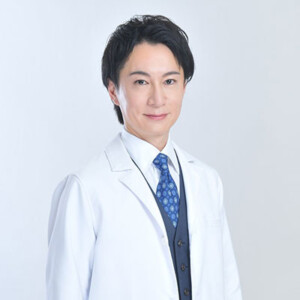
Dr. Jun Karibe
MD
Director
Education & Career
Certifications
Awards
MEDICAL REVIEW