Skin treatments cover a wide spectrum of procedures that visitors to Tokyo commonly ask about — from a quick brightening peel that fits between meetings, to HIFU tightening that comes with several days of tenderness, to fractional laser resurfacing that can genuinely change your travel plans. Because “skin treatment” means many different things, the honest answer to “how long is the downtime?” depends heavily on which procedure you actually book.
This guide walks through the four categories our English-speaking team recommends most often — HIFU, laser toning and pigment lasers, chemical peels, and HydraFacial — with downtime, pain, flying rules, and recommended minimum stay for each.
HIFU (High-Intensity Focused Ultrasound)
What it does
HIFU delivers focused ultrasound energy at specific depths (1.5 mm, 3.0 mm, 4.5 mm typically) to stimulate collagen contraction and neocollagenesis. It is used for skin tightening along the jawline, submental (under the chin), brow, and mid-face.
Pain
HIFU is the most painful of the “non-invasive” treatments. Patients feel a sharp, deep, prickling sensation at each pulse, which is momentary but genuinely uncomfortable. Standard pain reduction includes a topical numbing cream applied 30 minutes before treatment and, at some depths, oral acetaminophen 30 minutes prior. Ratings typically 4 to 6 out of 10 during treatment; residual soreness 2 to 3 out of 10 for 24 to 48 hours.
Downtime
- Immediate redness and mild swelling — resolves within 2 to 4 hours
- Occasional small bruises along the jawline — resolve within 5 to 10 days
- Tenderness to touch and mild muscle-like ache along the treated area — 3 to 7 days
- Rare small welts or blisters at high-energy points — heal within 1 week
Flying
Same-day flights are medically safe. Cabin conditions do not affect HIFU results. Comfort-wise, we recommend waiting 24 hours for any mild swelling to settle before a long-haul flight.
Recommended stay
1 to 2 nights is enough for HIFU. The residual soreness is not visible and does not restrict activity. Results emerge gradually over 2 to 3 months, so you will not see the final effect during your trip.
Laser Toning and Pigment Lasers (Q-Switched, Picosecond)
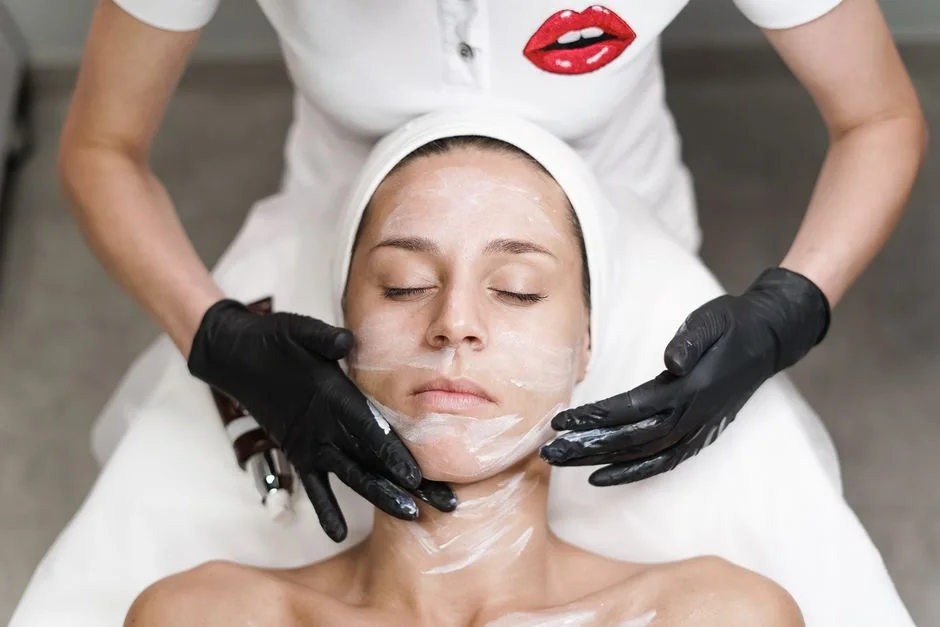
What they do
These lasers deliver very short pulses of light that target melanin — either dispersed melanin (for overall brightening and melasma) or focal pigment (for sun spots, freckles, lentigines). Common devices in Japan include the Q-switched Nd:YAG (Spectra, RevLite), picosecond lasers (PicoSure, PicoWay, Discovery Pico), and 585 nm dye lasers for redness.
Pain
Laser toning at typical fluences feels like tiny, rapid rubber-band snaps against the skin — 2 to 3 out of 10 without numbing, easily tolerated by most patients without any anaesthetic. Spot treatment of dark lesions at higher fluence is briefly sharper, 4 to 5 out of 10, but each spot takes 1 to 2 seconds.
Downtime
Depends on the setting:
- Low-fluence laser toning (whole-face brightening): mild redness for 2 to 6 hours, makeup safe from the next morning. No visible downtime.
- Spot treatment of dark lesions: the treated spots turn darker (a “coffee-ground” scab) over 24 to 48 hours, then flake off between day 7 and day 14. During this period the spots are visible but easily concealed with makeup.
- Redness laser (pulsed dye, 585 nm): temporary purple-red discolouration (“purpura”) at treated vessels, lasting 5 to 10 days. This is the most visible downtime among common laser treatments.
Flying
Same-day flights are safe. Cabin dryness does not affect the healing of typical laser toning or pigment treatments.
Recommended stay
- Laser toning alone: 0 additional nights required.
- Pigment spot treatment: 0 to 2 nights medically, but the visible “coffee-ground” phase lasts up to 14 days — plan accordingly if you have a photo event immediately after your trip.
- Pulsed dye laser (redness): 5 to 10 days of visible purpura — best scheduled at the start of a longer trip.
Fractional Laser Resurfacing (CO2, Er:YAG, Fractional Non-Ablative)
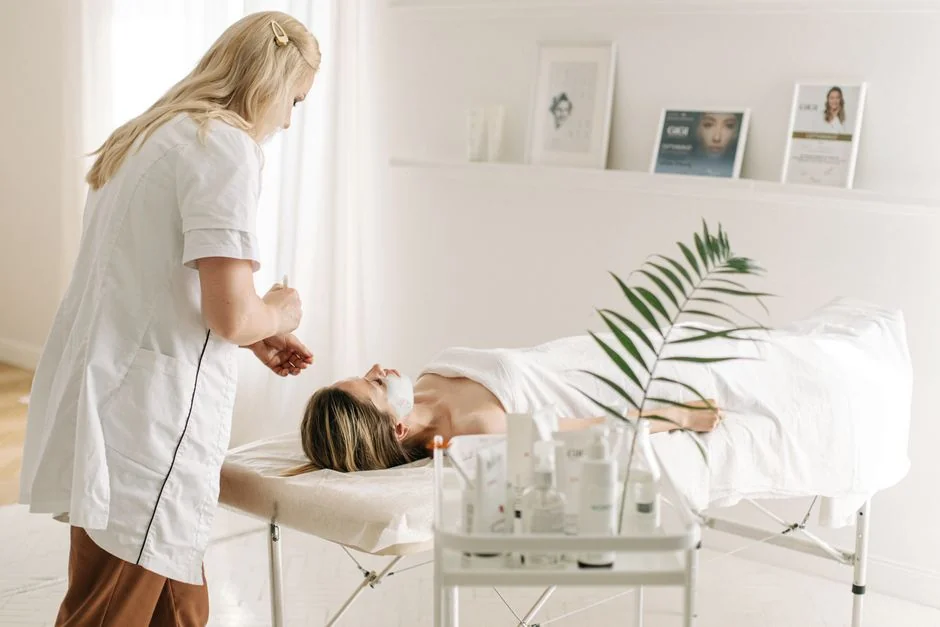
What it does
Fractional resurfacing creates microscopic columns of thermal damage in the skin to stimulate remodelling. Used for texture, fine lines, acne scars, and pigmentation. The category ranges widely from mild non-ablative fractional (Clear + Brilliant, Fraxel Restore) to aggressive ablative fractional CO2.
Pain
During the procedure: 4 to 7 out of 10 with topical anaesthetic. Aggressive CO2 fractional often requires nerve blocks or oral sedation. Post-procedure sensation is a “sunburn-like” burning for 4 to 12 hours.
Downtime
- Mild non-ablative fractional: redness and mild swelling for 1 to 3 days, mild peeling from day 3 to 5, back to normal by day 7.
- Aggressive ablative CO2 fractional: swelling and oozing for 3 to 5 days, redness for 2 to 4 weeks, makeup-friendly from day 7 to 10, full pinkness resolves at 4 to 6 weeks.
Flying
Not recommended within the first 48 hours after an aggressive treatment. Cabin dehydration significantly worsens the tightness and discomfort during the peak healing phase. Mild non-ablative fractional can be flown after 24 hours comfortably.
Recommended stay
- Mild non-ablative fractional: 2 to 3 nights.
- Aggressive CO2 fractional: 7 to 10 nights minimum, ideally longer. Not a good match for a short trip.
Chemical Peels
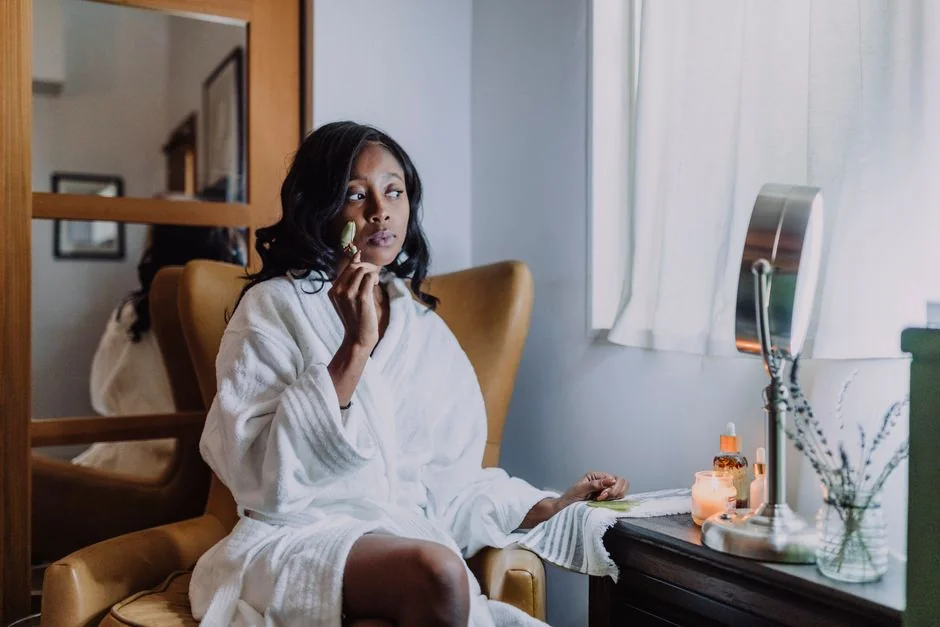
What they do
Peels apply an acidic solution to cause controlled exfoliation. Depth ranges from superficial (glycolic, lactic, salicylic, mandelic — 20 to 50% concentration) to medium (TCA 20 to 35%, Jessner) to deep (phenol — rarely used cosmetically today).
Pain
Superficial peels: mild stinging for 2 to 5 minutes during application, 1 to 2 out of 10. Medium peels: sharper burning during application, controlled with fan cooling, 3 to 5 out of 10. Deep peels: significant pain requiring nerve block or sedation, and not typically offered in a walk-in cosmetic setting.
Downtime
- Superficial peels: pink-flushed skin for 24 to 48 hours, mild flaking around days 3 to 5, resolved by day 7. No visible peeling for most patients.
- Medium peels (TCA 20 to 30%): skin darkens over 24 to 48 hours, visible peeling from day 3 to day 7, new pink skin from day 7 to day 10, safe for makeup from day 8 to 10.
Flying
Superficial peels: safe from the same day. Medium peels: safe from day 2 to 3, but the visible peeling phase can be conspicuous in immigration queues. If you are self-conscious, wait until the peel is complete before flying home.
Recommended stay
- Superficial peel: 0 to 1 nights.
- Medium peel: 5 to 7 nights so the active peeling completes before you fly.
Have a question about this treatment?
Message us on LINE or WhatsApp — our English-speaking team usually replies the same day.
HydraFacial and Similar Wet Peel Systems
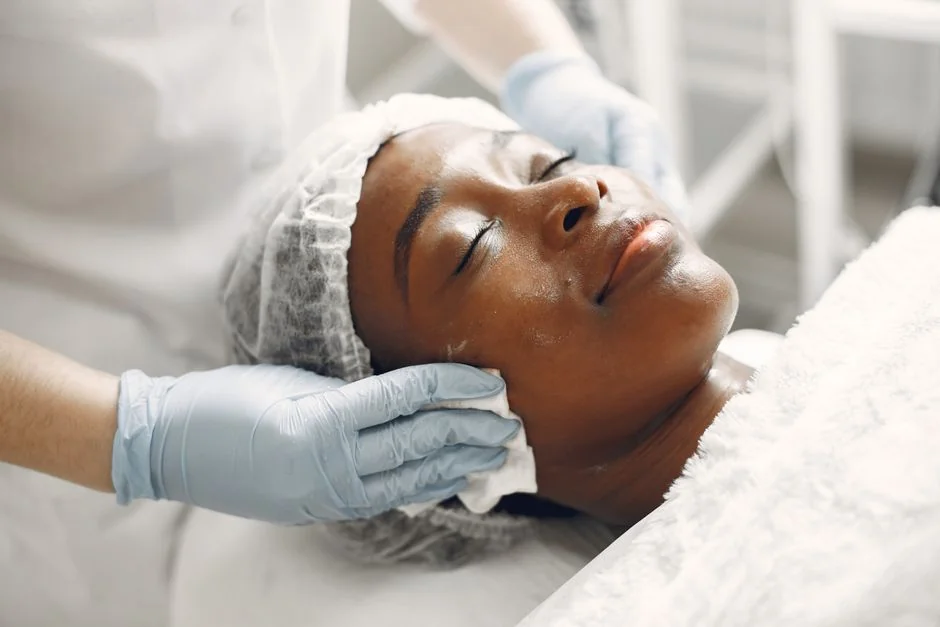
What it does
HydraFacial combines gentle mechanical exfoliation, salicylic-acid-based cleansing, extraction via vacuum, and infusion of serums (hyaluronic acid, peptides, growth factors). It is essentially a spa-grade cleansing facial with an active edge.
Pain
Minimal — 1 to 2 out of 10. The vacuum extraction feels like a firm suction; the acid solution mildly tingles. Patients often describe HydraFacial as relaxing.
Downtime
None. Skin looks visibly hydrated and slightly flushed immediately after; the flush resolves within 1 hour.
Flying
Fine same-day. HydraFacial is genuinely a “same-day-out” treatment.
Recommended stay
0 additional nights required. HydraFacial can be scheduled on the morning of a departure flight with no issue.
Sun Protection After Any Skin Treatment
Regardless of which procedure you receive, strict sun protection during your trip is essential:
- Broad-spectrum SPF 50+ applied at least 20 minutes before going outside
- Reapplication every 2 hours if outdoors
- Wide-brim hat and sunglasses
- Avoid peak UV hours (10 AM to 3 PM) whenever possible
Tokyo in summer runs UV index 8 to 10; even in winter, reflected UV from concrete and water is substantial. Sun exposure on freshly treated skin risks post-inflammatory hyperpigmentation, which for many East Asian and mixed-heritage patients can take months to fade.
Which Treatments Combine Well During One Trip?
Practical bundles our English-speaking team often plans:
- Botox + laser toning + HydraFacial: single-day session, minimal downtime. Ideal for a short trip.
- HA filler + HydraFacial: filler first, HydraFacial 2 weeks later or before filler in the same trip if scheduled on separate days.
- HIFU + laser toning: can be combined in one session; expect 1 to 2 days of tenderness plus mild redness.
- Chemical peel + laser resurfacing: not combined in one session — schedule 4 weeks apart.
- Thread lift + HIFU or ultrasound-based skin treatments: do not combine within the same 3 months.
Signs to Contact the Clinic
All of these procedures are considered safe when performed by trained medical staff. Contact your clinic if you notice:
- Blistering that was not expected
- Prolonged pain beyond the timeline discussed at your appointment
- Spreading redness, warmth, or fever suggesting infection
- Any dark or “smoky” mark that does not fade on the expected schedule
For visitors flying home before symptoms have fully resolved, our English-speaking team is reachable by LINE and WhatsApp, and can review photos and advise on next steps from wherever you are.
Where to Get Skin Treatments in Tokyo
Within our clinic group, English-speaking dermatology and skin treatment consultations are handled at BIOTOPE CLINIC in Shirokanedai (Minato-ku, Tokyo), directed by Dr. Jun Karibe, board-certified plastic surgeon. Our sister clinic, Kojimachi Dermatology & Plastic Surgery Clinic in Ichigaya, focuses on Japanese-language insurance dermatology.
Machine selection (HIFU device, laser platform, peel formulation, HydraFacial protocol) is individualised at consultation. Please contact us via LINE or WhatsApp with the skin concern you want to address and your travel dates, and we will confirm a suitable treatment plan and current quote before your trip.
Frequently Asked Questions
Which skin treatment has zero downtime?
HydraFacial and low-fluence laser toning are the two treatments with truly no visible downtime. Both can be scheduled on the morning of a flight.
Which treatment gives the most visible improvement in one session?
For overall brightening: laser toning or a chemical peel. For contour tightening: HIFU. For deep texture change: fractional resurfacing. There is no single treatment that outperforms all others — the right choice depends on your skin concern.
Can I get facial treatment and go straight to onsen?
No. Onsen and sauna are off-limits for 24 to 48 hours after most skin treatments (immediately after HydraFacial is fine).
Will my makeup work over freshly treated skin?
Depends on the treatment. HydraFacial, laser toning, and superficial peels are all makeup-safe from the next morning. Medium peels and fractional resurfacing require 7 to 10 days.
Is skin treatment covered by travel insurance?
Standard travel insurance does not cover elective cosmetic skin procedures or their complications. Medical tourism insurance is a separate product — see our dedicated guide.
Summary — The Realistic Plan
The right skin treatment for your Tokyo trip depends on how much downtime your itinerary tolerates. For short trips (3 to 5 days) with sightseeing plans, HydraFacial and laser toning are the natural fit. For longer trips (7+ days), HIFU or a medium peel can be scheduled early so healing completes before your return flight. Aggressive resurfacing is not a match for a short trip — save it for a dedicated 10- to 14-day stay.
Our English-speaking team at BIOTOPE CLINIC in Shirokanedai plans skin treatments around travel calendars every week. Message us on LINE or WhatsApp with your dates and skin concerns, and we will recommend the best-fit treatment before you book flights.
24/7 Consultation & Booking
Book a Consultation or Treatment
Our English-speaking team responds via LINE or WhatsApp — usually the same day.
References
- Alster TS, Tanzi EL. Cosmetic laser surgery — literature update. Dermatol Clin. 2014;32(1):143-146. https://pubmed.ncbi.nlm.nih.gov/24267430/
- Suh DH, Shin MK. High-intensity focused ultrasound for facial tightening. J Cosmet Laser Ther. 2015;17(1):9-15. https://pubmed.ncbi.nlm.nih.gov/25048638/
- Rendon MI, Berson DS, Cohen JL, et al. Evidence and considerations in the application of chemical peels in skin disorders and aesthetic resurfacing. J Clin Aesthet Dermatol. 2010;3(7):32-43. https://pubmed.ncbi.nlm.nih.gov/20725555/
- American Academy of Dermatology. Laser and light therapy overview. https://www.aad.org/public/cosmetic/lasers-lights
SUPERVISED BY

Dr. Jun Karibe
MD
Director
Education & Career
Certifications
Awards
MEDICAL REVIEW