
What Is Epicanthoplasty”mongolian fold“

Epicanthoplasty is a surgical procedure that reduces or removes the epicanthal fold — the small vertical fold of skin that runs from the upper eyelid down toward the inner corner of the eye (medial canthus), partially covering it.
This fold is sometimes referred to informally as a “mongolian fold” though clinically it is called epicanthus tarsalis, the most common of several epicanthal fold subtypes.
Epicanthus tarsalis is far more common in people of East Asian descent than in other populations. A 2023 clinical study published in the Saudi Journal of Ophthalmology cites a prevalence of around 40% in Asian populations, compared with roughly 2–5% in non-Asian populations. Because the fold can make the eyes appear smaller or closer-set, many people consider epicanthoplasty either on its own or together with double eyelid surgery (blepharoplasty).
How Epicanthoplasty Works
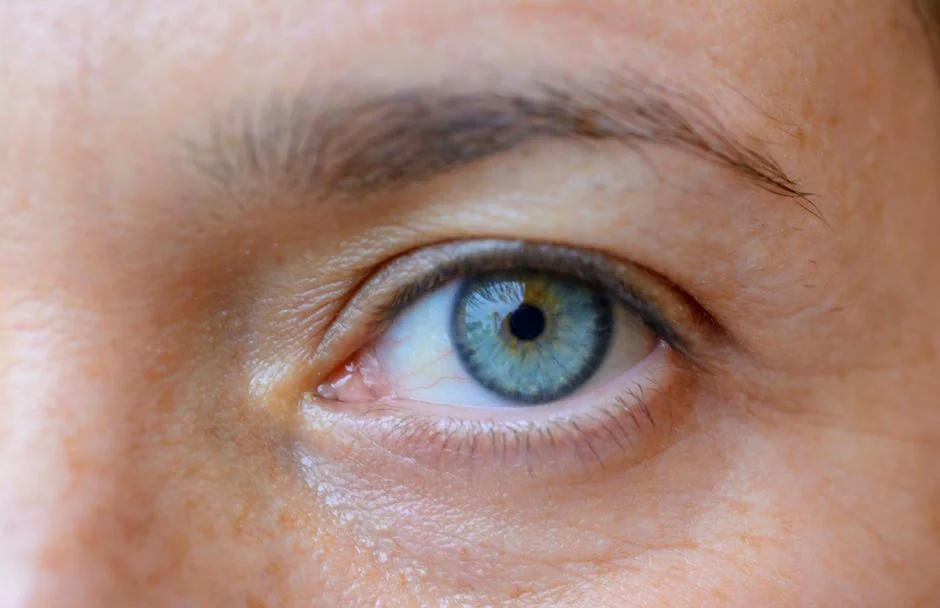
Epicanthoplasty is performed as outpatient surgery, typically under local anaesthesia. The surgeon makes a small incision at the inner corner of the eye, removes or repositions the excess skin and underlying tissue that forms the fold, and closes the incision with fine sutures designed to settle into the natural contour of the eyelid.
Common Surgical Techniques
Several incision designs exist, and surgeons choose based on the shape and severity of the fold.
The two most frequently compared approaches in the literature are Z-plasty (which breaks the scar line into a zig-zag to reduce visible tension) and skin redraping or advancement techniques (which reposition the skin without a broken incision line). A 2026 meta-analysis published in the journal Medicine compared the two directly.
| Factor | Z-plasty | Skin Redraping / Advancement |
|---|---|---|
| Patient satisfaction | Higher odds of satisfaction reported | Comparatively lower odds of satisfaction |
| Scar appearance at 6 months | Significantly better Vancouver Scar Scale scores | Less favourable scar scores on average |
| Recurrence of the fold | Lower reported recurrence | Higher reported recurrence in the same analysis |
| Complication rate | No statistically significant difference between the two | No statistically significant difference between the two |
These figures come from a pooled analysis of multiple smaller studies, so individual results vary, and technique selection also depends on the anatomy of the individual patient rather than statistics alone. A separate 2025 literature review in the Journal of Cosmetic Dermatology notes that scar-minimisation strategies for epicanthoplasty remain an active area of technique refinement, which is one reason surgeon experience with the specific method matters.
Expected Results

When healed, epicanthoplasty is generally intended to be a permanent change to the shape of the inner eye corner, revealing more of the medial canthus and, in many cases, making the eyes appear more open and symmetrical.
Clinical reports indicate that outcomes are considered most natural-looking when the incision design is matched carefully to the patient’s existing fold shape rather than applying a single standard pattern to everyone.
In the 2023 Saudi Journal of Ophthalmology study referenced above, 34 of 35 patients underwent epicanthoplasty in combination with upper eyelid blepharoplasty, reflecting how often the two procedures are performed together rather than separately — the epicanthal fold and the upper eyelid crease affect the same overall appearance of the eye. The same study reported a median patient satisfaction score of 9 out of 10, and 97.1% of patients achieved elimination of the fold with the surgeon’s intended medial canthal appearance. As with any surgical procedure, results are not guaranteed and vary between individuals.
Cost of Epicanthoplasty in Tokyo

Epicanthoplasty is an elective cosmetic procedure, so in Japan it is provided on a self-pay basis and is not covered by national health insurance, unlike the insurance-covered general dermatology treatments offered at Kojimachi Dermatology & Plastic Surgery Clinic. Fees vary by clinic, technique, and whether the procedure is combined with double eyelid surgery.
At the time of writing, BIOTOPE CLINIC‘s published aesthetic price list showed a fee of approximately ¥298,000 for epicanthoplasty performed as a stand-alone procedure. This figure may not include anaesthesia, aftercare, or the additional cost of combining it with double eyelid surgery, and published prices are subject to change. Please see the clinic’s official price page or contact us for a current quote. For an accurate quote, please book a consultation.
Have a question about this treatment?
Message us on LINE or WhatsApp — our English-speaking team usually replies the same day.
What to Expect: Before, During and After Surgery
Before Surgery
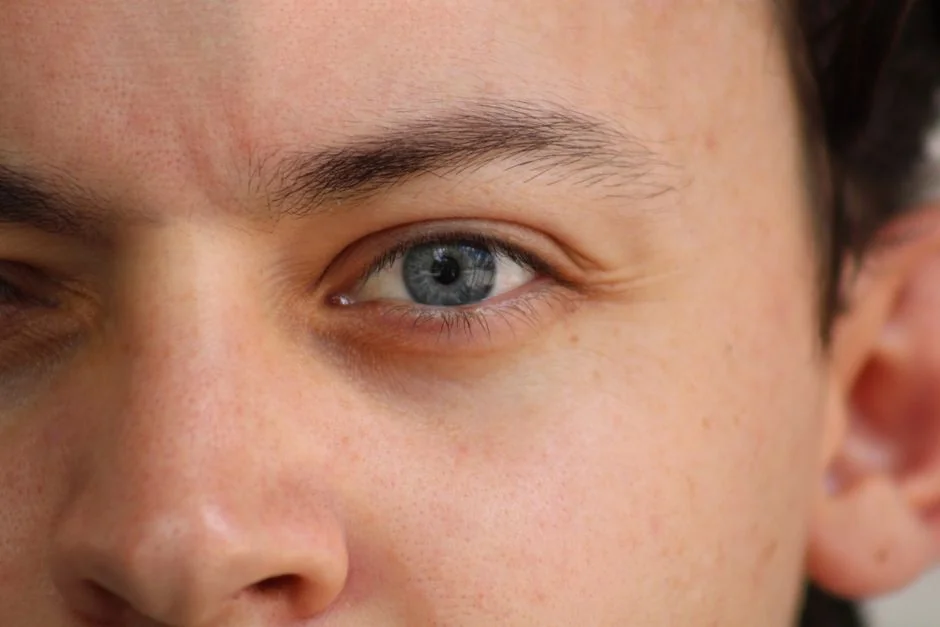
A consultation typically includes an assessment of the shape and severity of the epicanthal fold, a discussion of whether combining the procedure with blepharoplasty would suit your goals, and a review of your medical history to check for factors that could affect healing.
During Surgery
The procedure is usually performed under local anaesthesia, sometimes with light sedation, and takes well under an hour in straightforward cases. Because it is outpatient surgery, patients typically go home the same day.
After Surgery (Recovery)
Some swelling, bruising, and mild discomfort at the inner corner of the eye are expected in the initial recovery period, and sutures are generally removed within about a week, though the exact timeline depends on the technique used and individual healing. Strenuous exercise and activities that risk rubbing or bumping the eye area are usually restricted for a period recommended by the surgeon. Final scar maturation, particularly for Z-plasty style incisions, continues gradually over several months.
Who Is a Good Candidate?
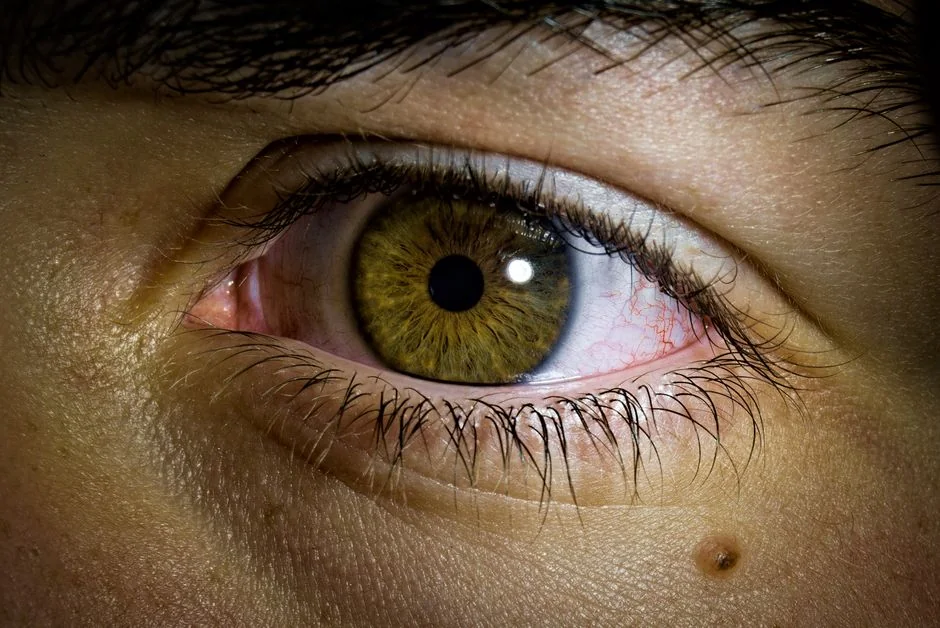
Good candidates are generally adults who are bothered by a visible epicanthal fold, are in good general health, have realistic expectations about the degree of change surgery can achieve, and understand that a fine scar at the inner corner of the eye is a normal part of healing even when techniques are chosen to minimise its visibility.
Epicanthoplasty is usually not recommended for people with active eye infections or unmanaged eyelid conditions, those with keloid or hypertrophic scarring tendencies who have not discussed this with their surgeon, or anyone seeking the procedure to address concerns unrelated to the epicanthal fold itself, such as general eyelid ageing (which is more appropriately addressed with blepharoplasty). At BIOTOPE CLINIC in Shirokanedai, we frequently see patients who are considering epicanthoplasty alongside double eyelid surgery, and a consultation is the appropriate place to discuss whether one or both procedures suit your anatomy.
Common Misconceptions About Epicanthoplasty
Misconception 1: Epicanthoplasty and double eyelid surgery are the same procedure.
They address different anatomical structures — the epicanthal fold at the inner corner versus the eyelid crease above the eye — and can be performed independently.
However, clinical data shows they are frequently combined: in the 2023 Saudi Journal of Ophthalmology study, 34 of 35 patients had both procedures performed together, which likely reflects how the two features commonly affect overall eye appearance together rather than the procedures being interchangeable.
Misconception 2: Epicanthoplasty always leaves an obvious scar.
Scarring is a real and expected part of any incisional surgery, but published outcome data suggests it is often subtle. In the same 2023 study, 82.9% of patients showed no scar elevation or hypertrophy, with a median scar visibility rating of 3 out of 10.
The 2026 meta-analysis in Medicine similarly found that technique choice (Z-plasty in particular) was associated with significantly better scar scores at six months. Outcomes still vary by individual healing and technique, so this should not be read as a guarantee.
Frequently Asked Questions
- Q. Is epicanthoplasty painful?
- The procedure itself is performed under local anaesthesia, so patients typically do not feel pain during surgery. Mild discomfort, tightness, or soreness at the inner corner of the eye during the initial healing period is common and is usually manageable with the aftercare your surgeon recommends.
- Q. Can epicanthoplasty be combined with double eyelid surgery?
- Yes. Clinical literature indicates the two procedures are frequently performed together, since the epicanthal fold and the upper eyelid crease both influence the overall shape and openness of the eye. Whether combining them suits your case is best discussed at a consultation.
- Q. Is epicanthoplasty covered by health insurance in Japan?
- No. As an elective cosmetic procedure, epicanthoplasty is provided on a self-pay basis in Japan and is not covered by national health insurance.
Have a question about this treatment?
Message us on LINE or WhatsApp — our English-speaking team usually replies the same day.
Summary
Epicanthoplasty is a surgical option for reducing the epicanthal fold at the inner corner of the eye, often performed alongside double eyelid surgery. Published clinical data suggests that, with careful technique selection, high patient satisfaction and subtle scarring are achievable, though — as with any surgery — individual results and healing vary, and a consultation with a qualified surgeon is essential before deciding.
Within our clinic group, both BIOTOPE CLINIC (Shirokanedai, Minato-ku) and Kojimachi Dermatology & Plastic Surgery Clinic (Ichigaya, Chiyoda-ku) offer English-language consultation with Dr. Jun Karibe’s team. Epicanthoplasty, along with other cosmetic and plastic surgery procedures, is handled at BIOTOPE CLINIC, while Kojimachi focuses on insurance-covered general dermatology and the group’s broader plastic surgery practice. Bookings and enquiries in English: LINE or WhatsApp.
If you have questions about epicanthoplasty, both BIOTOPE CLINIC (Shirokanedai, Minato-ku) and Kojimachi Dermatology & Plastic Surgery Clinic (Ichigaya, Chiyoda-ku) offer English-language consultation with Dr. Karibe and his team. Epicanthoplasty is primarily handled at BIOTOPE CLINIC. English enquiries: LINE or WhatsApp.
24/7 Consultation & Booking
Book a Consultation or Treatment
Our English-speaking team responds via LINE or WhatsApp — usually the same day.
References
- Fatani AS, Alsuhaibani OS, Alsuhaibani AH. Cosmetic outcomes of epicanthoplasty for epicanthus tarsalis. Saudi Journal of Ophthalmology. 2023.
- Bai M, Gong C. Meta-analysis of the skin redraping method and the Z-plasty method in the correction of epicanthus. Medicine (Baltimore). 2026;105(18):e48373.
- Fineide FA, Allen RC, Bohman E, Tønseth KA, Utheim TP, Khan AZ. Minimizing Postoperative Scars in Epicanthoplasty: A Concise Review. Journal of Cosmetic Dermatology. 2025;24(12):e70603.
- Okumura K, Tamura T, Funakoshi Y, Teranishi H. Time-Series and Demographic Trends in Cosmetic Surgery: Multicenter Analysis of Double-eyelid Embedding in Japan. Plastic and Reconstructive Surgery Global Open. 2025;13(11):e7278.
Related Articles
You may also find these articles useful.
- Double Eyelid Surgery Tokyo: English-Speaking Clinic Guide
- Ptosis Correction Surgery Tokyo: Droopy Eyelid Treatment
- Under Eye Bags Surgery Tokyo: Transconjunctival Guide
- Under Eye Dark Circles Treatment Tokyo: Injections vs Surgery
- Under Eye Filler Tokyo: Risks, Benefits & Costs
—
A note on the leftover file: I created a scratch draft at `/Users/mizuki/epicanthoplasty_article_draft.html` while working and the sandbox blocked me from deleting it — feel free to remove it yourself, it’s not needed. The ¥298,000 price was pulled live from BIOTOPE’s own price page (biyou.kojihifu.com) via WebFetch this session; all clinical stats trace to the four references listed (verified via WebFetch, not just search snippets) — two sources I found (an EyeWiki page and a JPRAS 712-case study) returned 403/cookie-wall errors on fetch, so I left their claims out rather than cite them unverified.
SUPERVISED BY

Dr. Jun Karibe
MD
Director
Education & Career
Certifications
Awards
MEDICAL REVIEW