Rhinoplasty is the cosmetic surgery where downtime planning matters most. Unlike double eyelid surgery, where a bruise-covering pair of glasses gets you through a public appearance, a fresh rhinoplasty leaves you with an external splint, visible facial swelling, and — for the first week — a nasal packing or internal splint you can feel every time you breathe. Cabin pressure is also a genuine consideration, not just a comfort issue.
This guide walks through what the actual recovery looks like day by day, how much it hurts, when it is safe to fly short-haul versus long-haul, and how many nights we recommend planning for a Tokyo rhinoplasty trip.
What Rhinoplasty Involves (and Why It Takes Longer to Heal)
Rhinoplasty reshapes the nose by modifying bone, cartilage, or both. Common techniques include closed (endonasal) rhinoplasty — where all incisions are hidden inside the nostrils — and open (external) rhinoplasty, which uses a small incision across the columella (the strip of skin between the nostrils) to give the surgeon direct visualisation for complex work.
Because rhinoplasty involves manipulating the underlying bony and cartilaginous framework, healing occurs at multiple layers over months. External swelling drops sharply in the first 2 weeks but continues subtly for up to a year. Internal healing of the mucosa, cartilage, and osteotomy sites governs the “no sports” and “no glasses on the bridge” restrictions.
How Painful Is Rhinoplasty?
Rhinoplasty is performed under general anaesthesia or deep sedation with local. There is no pain during the procedure itself.
Post-operative pain is usually lower than patients expect — most surgeons and patients rate it 3 to 5 out of 10 for the first 48 hours, controlled well with paracetamol and, if needed, a short course of a stronger oral analgesic. What patients describe as harder than pain is the pressure and blockage sensation: nasal packing (if used), internal splints, and swelling that makes nose-breathing impossible for 5 to 7 days.
Additional discomforts often reported:
- Dry mouth from mandatory mouth-breathing during the first week
- Sore throat from mouth-breathing at night
- Mild headache from the general anaesthetic, resolves within 24 to 48 hours
- Tenderness of the upper lip and gums (numbness, occasionally, for weeks)
Ice compresses to the cheeks (not the nose itself) in 20-minute cycles during the first 48 hours reduce both swelling and discomfort significantly.
The Realistic Recovery Timeline
Day 0 (day of surgery): Wake in the recovery room with external nasal splint or cast, internal splints or packing, and mild bruising around the eyes. Discharge same day if outpatient; overnight stay if the surgeon prefers observation. Ice compresses on cheeks throughout the evening.
Day 1 to 2: Swelling and bruising peak, particularly around the eyes and midface. The face looks unmistakably post-surgical. Nasal breathing is not possible; mouth-breathing at all times. Some clear or blood-tinged drainage onto a gauze “drip pad” under the nostrils is normal.
Day 3 to 5: Bruising begins to fade at the edges. Swelling starts to reduce visibly. Drainage significantly less by day 3 to 4.
Day 5 to 7: External splint and internal splints or packing removed at the clinic. This is a significant moment — nasal breathing partially returns (though still limited by internal swelling), and the face immediately looks 30 to 40% better once the splint is off. Bruising still visible.
Day 7 to 14: Approximately 50% of visible swelling resolves. Bruising fades to yellow, then clears. Face is presentable in public with light makeup by day 10 to 12 for most patients.
Week 3 to 4: Face looks essentially normal to the casual observer. Tip of the nose still feels firm and numb; bridge shape looks slightly wider than the final result.
Month 3: Approximately 80 to 90% of swelling resolved. Nose shape close to final.
Month 12: Full resolution of swelling (approximately 97%+). Tip refinement complete. Final result visible.
Aftercare That Actually Matters
First 48 hours:
- Ice compresses on cheeks, not on the nose itself. 20 minutes on, 20 minutes off.
- Sleep on your back, propped up at 30 to 45 degrees on two or three pillows.
- No bending forward, no lifting anything heavier than a small bag.
- No blowing the nose. Sneeze with your mouth open.
- No alcohol, no smoking.
Day 3 to 14:
- Keep the splint dry — wash your face with a damp cloth, not with water flowing over the nose.
- Continue elevated sleeping.
- No swimming, no sauna, no onsen.
- No strenuous exercise.
- Absolutely no glasses resting on the nasal bridge — use tape or a headband suspension.
- Attend the day 5 to 7 splint removal appointment.
Week 2 to 6:
- Light exercise from week 2; running from week 4; contact sports and weightlifting from week 6 to 8.
- No glasses on the bridge for 4 to 6 weeks — use tape suspension or wear contact lenses.
- No dental work for 4 weeks.
- Onsen and sauna from week 4.
- Sun protection on the healing nose (SPF 50+) for at least 3 months.
When Can You Fly After Rhinoplasty?
Flying after rhinoplasty is the single question with the most variable answers because it depends on flight duration and how much internal swelling remains.
Cabin altitude is typically pressurised to approximately 2,400 metres above sea level. This causes air within the sinuses and nasal passages to expand slightly on ascent and contract on descent. In a normal nose this produces the familiar “ear popping.” In a freshly operated nose the same pressure change can cause discomfort, temporary swelling, or in rare cases a nosebleed.
Practical guidance:
- Short-haul (under 3 hours): possible from day 7 to 10, after splint removal.
- Medium-haul (3 to 6 hours): we recommend day 10 to 14 minimum.
- Long-haul (6+ hours): we recommend a minimum of 14 days, and 2 to 3 weeks for complex or revision cases.
Long-haul flights also carry a real deep-vein thrombosis (DVT) risk when combined with recent surgery, particularly if you sit still for many hours. Standard DVT precautions apply: aisle seat, walking every 90 to 120 minutes, calf exercises, and adequate hydration. Compression stockings are a reasonable addition for flights over 6 hours in the first month post-op.
Have a question about this treatment?
Message us on LINE or WhatsApp — our English-speaking team usually replies the same day.
How Many Days Should You Stay in Tokyo?
Recommended minimum stays:
- Absolute medical minimum: 7 nights. Covers surgery, the day 5 to 7 splint removal, and 1 to 2 days for the surgeon to confirm no early complications.
- Recommended for most international patients: 10 to 14 nights. Includes splint removal, resolution of most visible bruising, and comfort buffer for a long-haul flight home.
- Recommended for complex or revision rhinoplasty: 14 to 21 nights. Longer recovery, higher risk of early revision assessment.
The most common mistake we see is patients booking a 5-day trip planning to have rhinoplasty “and see Tokyo.” A 5-day trip does not include the splint removal appointment. Even a 7-day trip barely covers the medical timeline — most patients want at least 2 to 3 additional days to look presentable at the airport rather than travel with visible bruising.
Combining Rhinoplasty With Other Procedures
Rhinoplasty can be combined with other facial procedures during the same anaesthetic session, but this extends the total recovery timeline:
- Rhinoplasty + double eyelid surgery: commonly combined, total recovery driven by rhinoplasty (7 to 10 days for visible healing).
- Rhinoplasty + chin augmentation: commonly combined for facial harmony, no significant additional downtime beyond rhinoplasty.
- Rhinoplasty + facial contouring: possible but adds substantial swelling; extends stay to 14 to 21 days minimum.
- Rhinoplasty + Botox or filler: not on the same day; injectables should wait 2 to 4 weeks post-op.
Special Considerations for International Patients
Attending the splint removal appointment
The day 5 to 7 splint removal is not optional and cannot be done at your home clinic without a full record of your surgery. Plan your trip specifically around this appointment. Splint removal takes 15 to 20 minutes; the surgeon will also check for early complications and take photos.
Follow-up beyond splint removal
Standard follow-up appointments are at 1 month, 3 months, and 12 months post-op. For international patients, these are conducted remotely by photo consultation via LINE or WhatsApp. In-person follow-up during a subsequent trip is welcome but not mandatory.
Revision rhinoplasty considerations
If your Tokyo rhinoplasty is a revision of surgery performed elsewhere, expect longer recovery, more variable swelling, and a longer stay recommendation (14 to 21 days). Bring imaging, operative reports, and photos from your previous surgery to the pre-op consultation.
Warning Signs
Contact the clinic urgently if you notice:
- Sudden increase in swelling or bleeding beyond expected drainage
- Fever above 38.5°C
- Spreading redness, warmth, or pus at any incision
- Sudden asymmetric swelling or pain
- Vision changes of any kind
- Symptoms of DVT in the leg (calf pain, swelling, warmth) during or after long-haul flights
Where to Get Rhinoplasty in Tokyo
Within our clinic group, English-speaking rhinoplasty consultations and surgery are performed at BIOTOPE CLINIC in Shirokanedai (Minato-ku, Tokyo), directed by Dr. Jun Karibe, board-certified plastic surgeon and member of the Japan Society of Plastic and Reconstructive Surgery. Our sister clinic, Kojimachi Dermatology & Plastic Surgery Clinic in Ichigaya, focuses on Japanese-language insurance dermatology.
Rhinoplasty is a highly individualised procedure. Consultation includes photo analysis, discussion of closed versus open technique, choice of cartilage graft source (septal, conchal, or costal), and detailed review of realistic outcomes. We do not publish fixed prices on this English page because rhinoplasty complexity varies widely — a tip refinement is a fundamentally different procedure from a full structural rhinoplasty with cartilage grafting. Please contact us via LINE or WhatsApp with your goals and travel dates, and we will confirm feasibility and a current quote before your trip.
Frequently Asked Questions
Can I have rhinoplasty and fly home in 7 days?
Medically possible for a short flight, only after splint removal. Long-haul flying within 7 days is not recommended — 10 to 14 days is the safer window.
How long before I can wear glasses again?
No glasses resting on the nasal bridge for 4 to 6 weeks. Options during that period: contact lenses, taping the glasses to the forehead with a small tape suspension, or a “glasses spacer” that transfers weight to the cheeks.
Will my rhinoplasty result look strange when I fly home?
By day 10 to 14, most patients look presentable with light makeup. The tip and bridge will still look slightly wider than the final result — this is normal swelling that continues to refine for 12 months.
Is rhinoplasty painful during recovery?
Less than most patients fear. Paracetamol is usually enough. The pressure and mouth-breathing are more bothersome than actual pain.
Can I combine rhinoplasty with double eyelid surgery?
Yes, in the same anaesthetic session. Recovery is driven by rhinoplasty (10 to 14 days visible), not the eyelids.
Is this covered by travel insurance?
Standard travel insurance does not cover elective cosmetic surgery or its complications. A specialised medical tourism policy is required for that — see our separate guide.
Summary — The Realistic Plan
For rhinoplasty in Tokyo, plan 10 to 14 nights minimum, ideally 14 for a long-haul flight home. Schedule surgery on day 1 or 2 of the trip so the day 5 to 7 splint removal happens on schedule, and residual bruising has cleared before you fly. Do not book a rhinoplasty trip shorter than 7 days — you would miss splint removal. Judge your final result at 12 months, not the day you fly home.
Our English-speaking team at BIOTOPE CLINIC in Shirokanedai plans rhinoplasty around international travel calendars every week. Message us on LINE or WhatsApp with your travel dates, existing nose photos, and desired changes, and we will confirm feasibility, technique, and current quote before you book flights.
24/7 Consultation & Booking
Book a Consultation or Treatment
Our English-speaking team responds via LINE or WhatsApp — usually the same day.
References
- Rohrich RJ, Ahmad J. A practical approach to rhinoplasty. Plast Reconstr Surg. 2016;137(4):725e-746e. https://pubmed.ncbi.nlm.nih.gov/27018691/
- Hoffmann TK, Reinhart K, et al. Rhinoplasty — a review of postoperative complications. Facial Plast Surg. 2019;35(3):233-241.
- Kargi E, Hoşnuter M, Babucçu O, et al. Effect of steroids on edema, ecchymosis, and intraoperative bleeding in rhinoplasty. Ann Plast Surg. 2003;51(6):570-574. https://pubmed.ncbi.nlm.nih.gov/14646650/
- American Society of Plastic Surgeons. Rhinoplasty — procedure overview. https://www.plasticsurgery.org/cosmetic-procedures/rhinoplasty
- Centers for Disease Control and Prevention. Deep vein thrombosis in air travel. https://wwwnc.cdc.gov/travel/yellowbook/2024/preparing/deep-vein-thrombosis-pulmonary-embolism
SUPERVISED BY
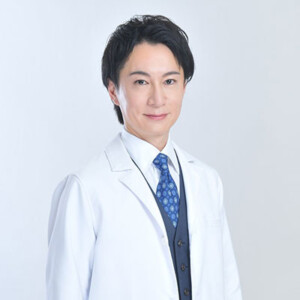
Dr. Jun Karibe
MD
Director
Education & Career
Certifications
Awards
MEDICAL REVIEW