Hyaluronidase in Tokyo: A Complete Guide to Dissolving Hyaluronic Acid Filler
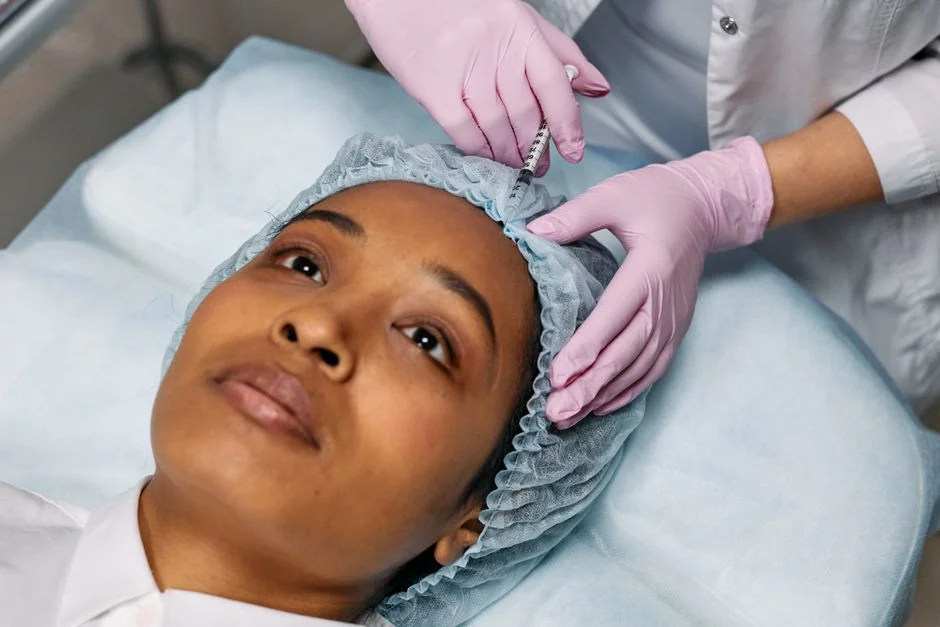
If you are unhappy with a hyaluronic acid (HA) filler result — a lip that looks heavier than you wanted, a lump under the eye, or a face that simply no longer looks like yours — it is natural to want it gone quickly. Hyaluronidase, the enzyme used to break down HA filler, is the tool clinicians reach for, but it is neither a simple undo button nor a risk-free one.
This guide explains what hyaluronidase is, how human-derived (recombinant) and animal-derived products differ, what results and timelines are realistic, what it costs in Tokyo, and who should think twice before having it.
What you’ll learn in this article:
- What hyaluronidase is and why its use for filler reversal is off-label worldwide
- The practical difference between recombinant human and animal-derived (ovine or bovine) hyaluronidase
- How quickly filler breaks down — and why some fillers resist dissolution
- Current published pricing at our Tokyo clinic group, plus consultation fees
- Two things patients commonly get wrong about “dissolving” filler
Have a question about this treatment?
Message us on LINE or WhatsApp — our English-speaking team usually replies the same day.
What Is Hyaluronidase, and How Does It Work?
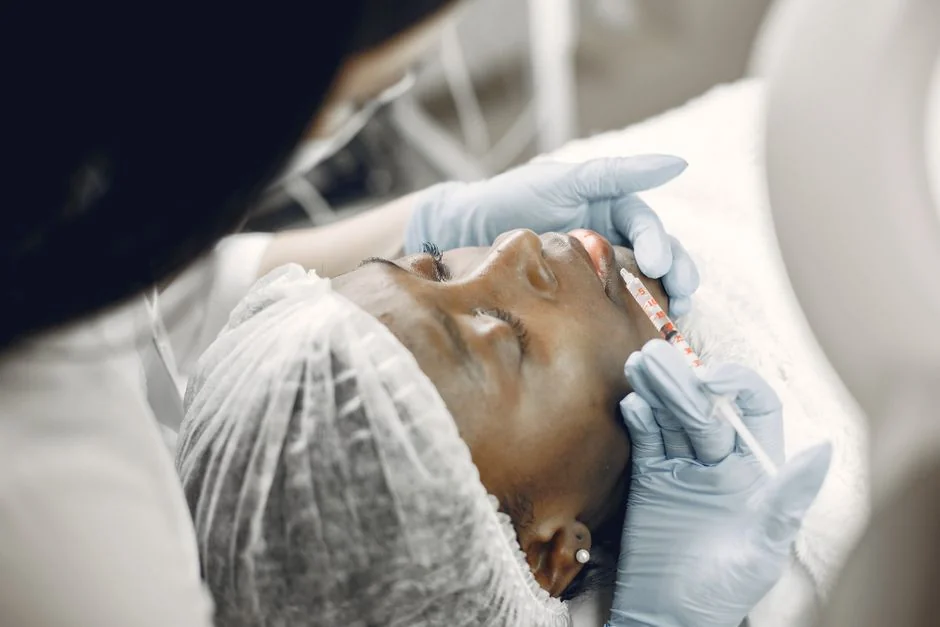
Hyaluronidase is a family of enzymes that cleave hyaluronic acid, the sugar-based molecule that gives HA fillers their volume and that also occurs naturally throughout human skin and connective tissue. When injected into a filler deposit, the enzyme breaks the gel down into fragments small enough for the body to clear.
Medically, hyaluronidase has been used for decades as a “spreading agent” — to help injected drugs and subcutaneous fluids disperse. Its use to reverse cosmetic HA filler is off-label in every major market, including Japan and the United States, meaning no regulator has formally approved a hyaluronidase product for that specific purpose.
Regulatory status in Japan: what you should know before consenting
No hyaluronidase product carries a Japanese marketing approval for dissolving cosmetic filler, so clinics in Japan obtain it as an unapproved drug, typically through physician-led import. This is legal, but it carries obligations.
Japan’s Ministry of Health, Labour and Welfare requires clinics advertising treatments that use unapproved drugs to disclose four things: that the drug is unapproved under the Pharmaceuticals and Medical Devices Act, how it was obtained (including whether by personal import), whether a domestically approved equivalent exists, and safety information from overseas regulators. A clinic that cannot answer those questions clearly is not a clinic you should hand your face to.
Human-Derived vs Animal-Derived Hyaluronidase
This is the single most common question English-speaking patients bring to a filler-reversal consultation in Tokyo, and it is a reasonable one.
The enzyme itself does the same job; the difference lies in how it is manufactured and what else comes along with it.
Animal-derived hyaluronidase is extracted and purified from ovine (sheep) or bovine (cattle) testicular tissue. Recombinant human hyaluronidase is produced by genetically engineered cell lines rather than harvested from animal tissue, which removes animal protein impurities from the equation.
| Feature | Recombinant human hyaluronidase | Animal-derived (ovine or bovine) |
|---|---|---|
| How it is made | Produced by engineered cell culture; no animal tissue extraction | Extracted and purified from sheep or cattle testicular tissue |
| Approved indications (overseas) | Adjunct to disperse injected drugs and subcutaneous fluids | Same category of indications |
| Approved for filler reversal? | No — off-label everywhere | No — off-label everywhere |
| Approved in Japan for this use? | No | No |
| Immunogenicity data | Antibody formation studied across multiple trials; in one published analysis, 3–12% of participants had pre-existing antibodies and 2–18% developed treatment-induced antibodies, with no association with adverse events | Allergy risk is generally attributed to residual protein impurities from tissue extraction; published aesthetic guidance describes the recombinant formulation as the purest option |
| Practical notes | Usually higher acquisition cost; often preferred for patients with animal-protein or venom allergy concerns | Widely used and well described in the aesthetic literature; lower cost |
Note: neither type is allergy-free. Published UK aesthetic guidance stresses that patients with a history of bee or wasp sting allergy should be assessed at a specialist allergy clinic before elective dissolution, because of anaphylaxis risk. Every session should be performed where adrenaline and resuscitation equipment are immediately available.
Expected Results and Realistic Timelines
Hyaluronidase begins working within minutes, but “working” and “finished” are not the same thing.
A 2025 review in Plastic and Reconstructive Surgery – Global Open describes biphasic (particulate) fillers integrating with hyaluronidase solution in roughly five minutes, with near-complete dissolution in one to two hours, while monophasic (smooth gel) fillers may need about an hour for the solution to penetrate and up to 24 hours for full breakdown.
For elective correction, published guidance recommends “treating to effect” rather than fixed doses, using concentrations of not less than 1,500 units in 5 mL, and reassessing at 48 hours before deciding whether a second session is needed. The same review reports typical figures of roughly 600–750 units per millilitre of monophasic filler as a starting reference.
Swelling from the enzyme itself distorts the result for several days, so the honest answer to “when will I see the final shape?” is one to two weeks. Guidance also recommends waiting a minimum of two weeks before re-injecting new filler, which allows swelling to settle and gives a more predictable aesthetic outcome.
Emergency use: vascular occlusion
Hyaluronidase is also the emergency treatment when filler blocks a blood vessel — a rare but serious complication that can cause skin necrosis or, exceptionally, visual loss. Published protocols describe infiltrating 450–1,500 units over the affected territory and repeating at 30–60 minute intervals while vascular compromise persists. This is a same-hour emergency, not a next-week booking.
Cost of Hyaluronidase in Tokyo
Within our clinic group, hyaluronidase is charged by volume of enzyme solution used. According to the group’s published price list (effective 1 October 2023, all figures tax-included), hyaluronidase is ¥11,000 per 0.1 mL, and ¥22,000 per 0.1 mL where the filler being dissolved was placed at another clinic.
The higher figure for outside filler reflects genuine extra work: when the product, the volume and the injection plane are unknown, assessment and dosing take longer and repeat sessions are more likely.
Consultation fees are listed separately at ¥5,500 for first and follow-up visits, with a ¥2,200 designation fee for a cosmetic surgery counselling appointment with Dr. Karibe (no designation fee applies for cosmetic dermatology). Because total cost depends on how much enzyme a given deposit requires, please see the clinic’s official price page for current figures. For an accurate quote, please book a consultation.
Have a question about this treatment?
Message us on LINE or WhatsApp — our English-speaking team usually replies the same day.
What to Expect: Before, During and After
Before
Expect questions about which filler was used, when, in what plane, and by whom — bring records or photographs if you have them. Disclose any history of drug allergy, insect-sting allergy, or previous hyaluronidase exposure. Published guidance advises against injecting hyaluronidase within 48 hours of botulinum toxin, and against injecting into actively infected tissue except under specific circumstances.
During
The enzyme is injected through a fine needle or cannula directly into the filler deposit, often with local anaesthetic and followed by firm massage to help the solution mix with the gel. Most sessions take 10–20 minutes. Because filler can be encapsulated and hard to reach, some clinicians use ultrasound to place the enzyme precisely.
After
Downtime is usually modest: swelling, redness and occasional bruising for two to five days. The treated area often looks flatter or more hollow than the pre-filler baseline for one to two weeks before tissue settles. Repeat sessions are common and are not a sign that something went wrong.
Who Is a Good Candidate — and Who Should Avoid It?
Good candidates include patients with over-filled or migrated HA filler, visible lumps or nodules, filler placed too superficially (including bluish Tyndall discolouration under the eye), or anyone needing urgent management of suspected vascular occlusion.
Caution or avoidance applies to patients with known hypersensitivity to hyaluronidase, a history of severe insect-sting allergy without prior allergy assessment, active infection at the site, or pregnancy and breastfeeding, where safety data are limited. Crucially, hyaluronidase does nothing for non-HA fillers such as calcium hydroxylapatite, poly-L-lactic acid or permanent products — if you do not know what was injected, that must be established first.
At BIOTOPE CLINIC in Shirokanedai, filler-correction consultations usually begin with exactly that question, because identifying the product determines whether hyaluronidase is even the right tool. Where volume loss after dissolution is the real concern, non-filler options such as HIFU or Morpheus8 radiofrequency microneedling are sometimes discussed instead — these are available at BIOTOPE CLINIC, and you are welcome to ask about them during a consultation with Dr. Karibe’s team.
What People Often Get Wrong About Dissolving Filler
Misconception 1: “One session removes all of it.”
Hyaluronidase has to physically reach the gel to act on it, and cross-linked filler resists that. A 2026 letter in the Journal of Cosmetic Dermatology explains that dense polymer networks, small pore size, and encapsulation of older filler deposits all restrict enzyme diffusion, so “diffusion alone is insufficient to ensure enzymatic contact with the entire gel mass.”
Laboratory work supports this. In a standardised in vitro study published in European Journal of Medical Research, three comparable HA fillers exposed to bovine hyaluronidase at 10 U/mL behaved very differently: one showed degradation from 5 hours (statistically significant from 14 hours), a second from 7 hours (significant from 13 hours), and a third showed no significant degradation at all. The most resistant product had the highest HA concentration (24 mg/mL), and the authors concluded that HA content and cross-linking technique — not whether a filler is monophasic or biphasic — determine hyaluronidase sensitivity.
Misconception 2: “It only touches the filler, so it is harmless.”
Hyaluronidase is not selective. It acts on hyaluronic acid it encounters, which includes the hyaluronic acid native to your own skin and connective tissue, and its enzymatic activity can persist for several hours after injection. That is why published guidance emphasises treating to effect with careful placement rather than flooding an area, and why a two-week wait before re-injection is advised.
Allergic reactions are uncommon but real, and hypersensitivity has been documented with both animal-derived and, less frequently, recombinant preparations. “Uncommon” is not “impossible,” which is why the setting and the operator matter more than the price per unit.
Where to Get Hyaluronidase Treatment in Tokyo
Within our clinic group, both BIOTOPE CLINIC (Shirokanedai, Minato-ku) and Kojimachi Dermatology & Plastic Surgery Clinic (Ichigaya, Chiyoda-ku) offer English-language consultation with Dr. Jun Karibe’s team. Hyaluronidase treatment for dissolving HA filler is handled at BIOTOPE CLINIC in Shirokanedai, the group’s cosmetic dermatology, cosmetic surgery and men’s health branch. Bookings and enquiries in English: LINE or WhatsApp.
Kojimachi Dermatology & Plastic Surgery Clinic, the group’s main office, focuses on insurance-covered general dermatology — eczema, acne, rashes, warts and moles — as well as general and aesthetic plastic surgery. If a filler-related concern turns out to be an infection or an inflammatory skin problem rather than a filler problem, care can be coordinated between the two sites.
Frequently Asked Questions
- Q. Does dissolving filler make my skin sag afterwards?
- Some patients notice temporary laxity or hollowing because the volume that was supporting the tissue has been removed and the area is still swollen. Most of this settles over one to two weeks, though tissue that has been stretched by long-standing over-filling may not return fully to its previous state.
- Q. Can hyaluronidase dissolve filler injected years ago?
- Yes, it can — older deposits are frequently found to still be present. However, filler that has become encapsulated over time creates a physical barrier to enzyme diffusion, so more sessions are often required than for recent filler.
- Q. Is a skin test necessary before treatment?
- Published aesthetic guidance does not recommend routine screening tests for every patient, and suggests intradermal testing (using 15 units) only where the clinical history raises suspicion of allergy. Patients with a history of bee or wasp sting allergy should be assessed at a specialist allergy clinic first.
- Q. How soon can I have new filler after dissolving?
- Guidance recommends waiting a minimum of two weeks so that swelling resolves and the true tissue contour becomes visible. Re-injecting before that risks building on a distorted foundation.
Have a question about this treatment?
Message us on LINE or WhatsApp — our English-speaking team usually replies the same day.
Summary
Hyaluronidase is the only established way to reverse HA filler, and it is genuinely valuable — both for correcting unwanted aesthetic results and as emergency treatment for vascular occlusion. It is also used off-label everywhere, unapproved in Japan for this purpose, unselective in what it breaks down, and less complete in its effect than most patients expect.
A sound plan starts with identifying which filler is actually present, choosing between recombinant human and animal-derived enzyme based on your allergy history and the clinical situation, expecting to reassess at 48 hours, and allowing at least two weeks before any new injection. Cost should be the last variable you optimise, not the first.
If you have questions about hyaluronidase and dissolving hyaluronic acid filler, both BIOTOPE CLINIC (Shirokanedai, Minato-ku) and Kojimachi Dermatology & Plastic Surgery Clinic (Ichigaya, Chiyoda-ku) offer English-language consultation with Dr. Karibe and his team. Hyaluronidase treatment is primarily handled at BIOTOPE CLINIC in Shirokanedai. English enquiries: LINE or WhatsApp.
24/7 Consultation & Booking
Book a Consultation or Treatment
Our English-speaking team responds via LINE or WhatsApp — usually the same day.
References
- Murray G, Convery C, Walker L, Davies E. Guideline for the Safe Use of Hyaluronidase in Aesthetic Medicine, Including Modified High-dose Protocol. Journal of Clinical and Aesthetic Dermatology. 2021;14(8):E69–E75.
- Yi KH, Wan J, Yoon SE. Considerations for Proper Use of Hyaluronidase in the Management of Hyaluronic Acid Fillers. Plastic and Reconstructive Surgery – Global Open. 2025;13(3):e6566.
- Buhren BA, Schrumpf H, Bölke E, Kammers K, Gerber PA. Standardized in vitro analysis of the degradability of hyaluronic acid fillers by hyaluronidase. European Journal of Medical Research. 2018;23:37.
- Rosengren S, Dychter SS, Printz MA, et al. Clinical Immunogenicity of rHuPH20, a Hyaluronidase Enabling Subcutaneous Drug Administration. The AAPS Journal. 2015;17(5).
- Murray G, Khoshnaw S, Velthuis P. Dissolving Hyaluronic Acid Filler: The Diffusion Barrier to Hyaluronidase Efficacy. Journal of Cosmetic Dermatology. 2026;25(4):e70818.
Related Articles
You may also find these articles useful.
- Dermal Filler Tokyo: Price Guide & Clinic Selection Tips
- Under Eye Filler Tokyo: Risks, Benefits & Costs
- Lip Filler Tokyo: Cost, Treatment & Clinic Guide
- How Long Should You Stay in Tokyo for HA Filler? Downtime, Bruising & Flying Guide
- Filler for Jawline and Cheeks Tokyo
SUPERVISED BY

Dr. Jun Karibe
MD
Director
Education & Career
Certifications
Awards
MEDICAL REVIEW