FaceTite in Tokyo: A Complete Guide to RF-Assisted Lipolysis for Facial Contouring
Loose skin along the jawline, a softening neck contour, or persistent fat beneath the chin can add years to an appearance — and non-invasive skincare and surface energy devices only go so far once these changes take hold.
FaceTite, a minimally invasive radiofrequency-assisted lipolysis (RFAL) procedure developed by InMode, occupies a clinically distinct position between surface-level treatments and full surgical facelifts: it addresses both localised fat and skin laxity simultaneously, through access points smaller than one millimetre, with a recovery measured in days rather than weeks.
This guide explains how FaceTite works, what published clinical evidence reports about results and safety, its regulatory status in Japan, who is likely to benefit, and how it compares to alternatives such as HIFU, Morpheus8, and surgery — so that you arrive at consultation prepared to ask the right questions.
- What FaceTite is and how its bipolar RFAL technology heats fat and skin simultaneously from within the tissue
- What peer-reviewed clinical studies report about skin contraction rates, patient satisfaction, and complication profiles
- The regulatory status of FaceTite in Japan and how pricing works at Tokyo clinics
- A step-by-step overview of the procedure and recovery timeline
- How to decide whether FaceTite, HIFU, Morpheus8, or surgical intervention is the right approach for your concerns
Have a question about this treatment?
Message us on LINE or WhatsApp — our English-speaking team usually replies the same day.
What Is FaceTite?
FaceTite is a minimally invasive aesthetic procedure that uses radiofrequency-assisted lipolysis to simultaneously reduce localised fat deposits and tighten the overlying skin without the incisions, general anaesthesia, or extended recovery associated with a surgical facelift. The technology was developed by InMode and has received clearance from the US Food and Drug Administration (FDA).
In Japan, it is offered under the self-pay (自由診療) framework as an unapproved overseas medical device — a legal and widely-used pathway that is explained in detail in the cost and regulatory section below.
The procedure is most commonly applied to the lower face, jawline, jowls, submental region (the area beneath the chin), and neck — the anatomical zones where the earliest signs of age-related volume change and skin loosening tend to concentrate.
FaceTite belongs to a family of InMode RFAL platforms: AccuTite handles smaller, more precise areas such as nasolabial folds and the periorbital region, while BodyTite targets larger areas of the trunk and limbs. All three share the same core bipolar RFAL mechanism.
How FaceTite Works: The Physics of RFAL
Dual-electrode mechanism
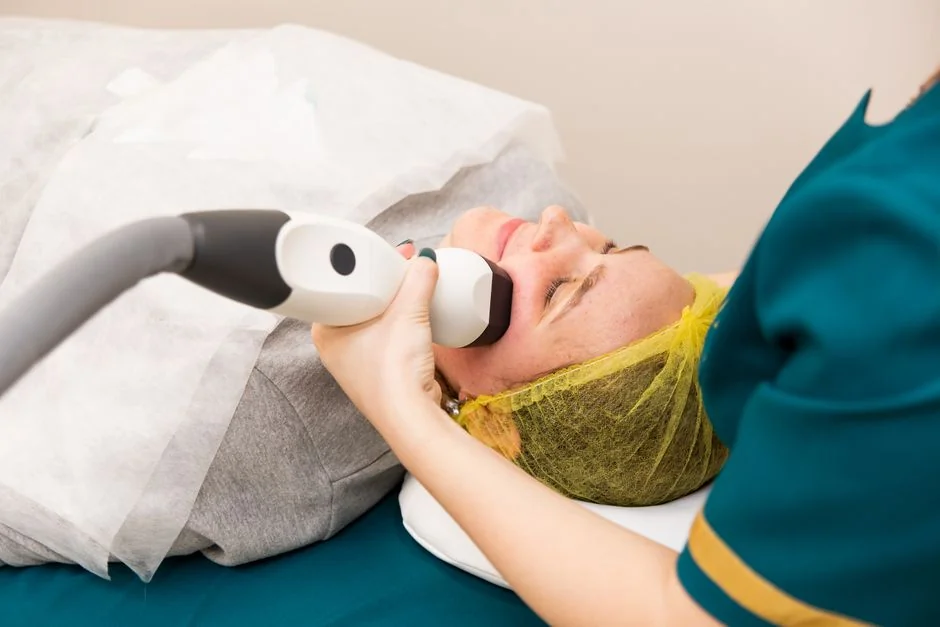
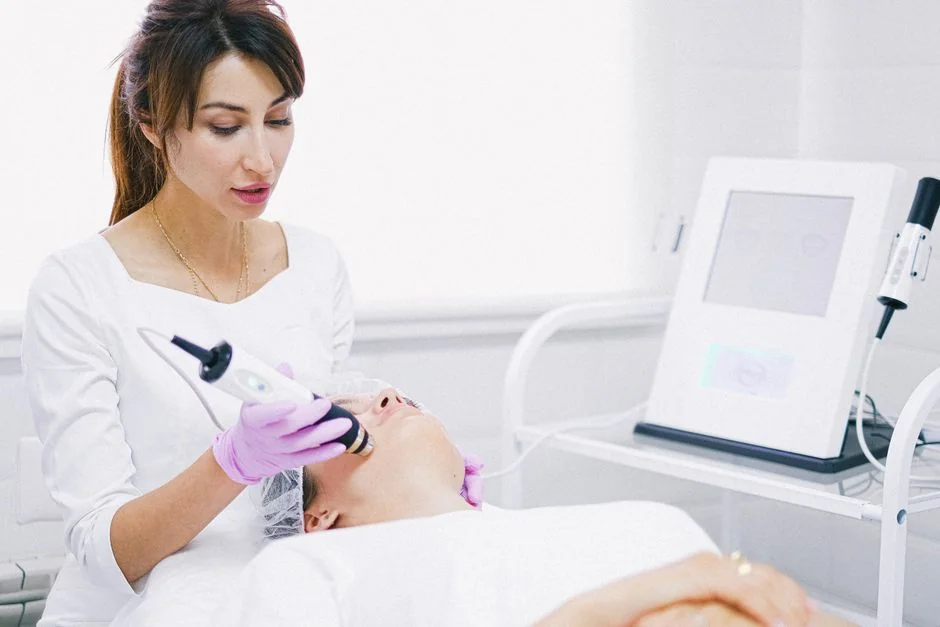
At the core of FaceTite is a bipolar electrode system that operates on two tissue planes at once. A slender internal probe, introduced through a tiny access point of approximately one millimetre, is guided just beneath the skin within the fat layer and the fibroseptal network (FSN) — the web of fibrous connective tissue interlaced with fat that anchors the skin to deeper structures. An external electrode simultaneously glides across the outer skin surface directly above the probe, completing an RF circuit between the two poles and allowing energy to flow through the intervening tissue.
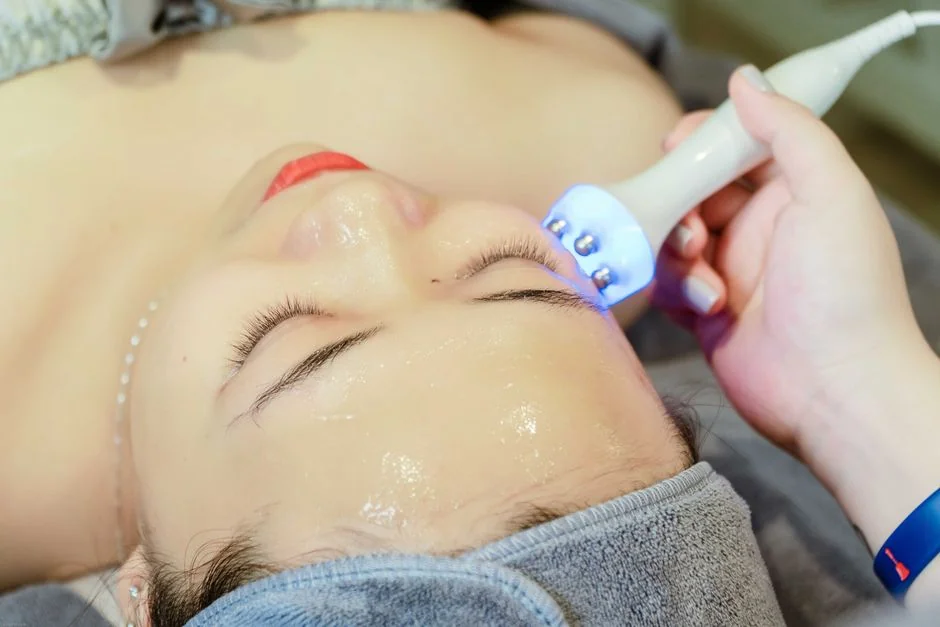
The internal electrode delivers RF energy at temperatures of approximately 68–70°C to the adipose tissue and FSN. At these temperatures, fat cells are coagulated and cleared by the body’s lymphatic system, while the fibrous septae of the FSN undergo immediate thermal contraction — an internal scaffolding effect that physically pulls the overlying skin inward from below. The external electrode, maintaining the skin surface at a gentler 36–42°C, drives non-ablative warming of the dermis, stimulating collagen remodelling and new collagen synthesis (neo-collagenesis) that continues to develop over the following months. This is why the result of FaceTite evolves gradually: the structural change begins on the procedure day, but the body’s biological response — the production of new collagen — takes three to six months to reach its visible peak.
Real-time safety controls
Both the internal probe and the external electrode contain integrated thermistors that feed temperature data to the device console continuously throughout the procedure. If the rate of temperature rise within the tissue exceeds pre-programmed thresholds (above 35°C per cm³ per second), the device’s Temperature Surge Protection system automatically interrupts RF delivery. Additional impedance monitoring detects changes in tissue resistance, helping the operator identify when optimal thermal endpoints have been reached in each anatomical zone. These automated controls represent a meaningful engineering advancement over earlier-generation RFAL platforms and are central to the device’s safety profile in experienced hands.
What Results Can You Expect from FaceTite?
Published clinical evidence
Clinical evidence on FaceTite has grown substantially, though results vary with patient age, tissue quality, and operator training.
A prospective study by Tettamanzi and colleagues, published in Aesthetic Plastic Surgery in 2024, enrolled 80 consecutive patients (74 women and 6 men; median age 49; BMI range 25–35) undergoing lower face and neck remodelling with FaceTite RFAL. At six months post-treatment, researchers recorded an average submental circumference reduction of 23 mm, with 75% of the measurable contraction achieved by one month and the result stabilising by six months.
Patient satisfaction improved from 22% at baseline to 94% at six months. Reported complications were limited: 5% of patients experienced transient hyperesthesia (temporary altered sensation) that resolved fully within six months, and 7.5% required a minor revision for residual skin laxity; no serious adverse events — haematoma, fat necrosis, or skin slough — were observed across the series.
On the underlying contraction mechanism, research published by Mulholland in 2021 describes that the FSN undergoes approximately 30–40% immediate contraction upon reaching optimal thermal energy targets, with additional dermal remodelling contributing a further 15–20% improvement over the subsequent months. Mulholland further noted that combining FaceTite with a surface RF microneedling treatment such as Morpheus8 has been associated with 40–70% total area skin contraction in reported cases — though these figures reflect outcomes under optimal conditions and individual results will vary considerably.
A 2022 systematic review published in the Annals of Plastic Surgery offered a more cautious perspective, finding that reported linear skin contraction across the RFAL literature ranged widely — from 12.7% to 47% — at six months, and noting that the majority of early published studies were authored by researchers with a commercial affiliation to the device manufacturer. This underscores the importance of seeking consultation with an independent, board-certified specialist rather than relying solely on figures drawn from industry-sponsored data.
How FaceTite compares to alternatives
| Feature | FaceTite (RFAL) | HIFU (e.g. Ultherapy / Doublo) | Morpheus8 (RF microneedling) | Surgical facelift |
|---|---|---|---|---|
| Invasiveness | Minimally invasive (1 mm access points) | Non-invasive | Minimally invasive (microneedles) | Surgical (incisions) |
| Addresses fat deposits | Yes | No | No | Via separate liposuction |
| Skin tightening | Strong (internal + surface) | Moderate (superficial SMAS) | Moderate (dermal) | Strongest (excision + repositioning) |
| Anaesthesia required | Local (± sedation) | None or topical numbing | Topical numbing cream | General or IV sedation |
| Social downtime | 3–5 days | 24–48 hours | 2–5 days | 2–4 weeks |
| Results onset | Weeks; peak at 3–6 months | 3–6 months | 4–8 weeks | Visible within 2–4 weeks |
| Longevity of result | Approximately 3–5 years | 12–18 months | 12–24 months | 5–10 years |
| Most appropriate laxity | Mild to moderate | Mild | Mild to moderate | Moderate to severe |
| Sessions typically needed | Usually one | Annual maintenance | 1–3 sessions | Rarely repeated |
FaceTite in Tokyo: Regulatory Status and Cost
Regulatory status in Japan
FaceTite (InMode RFAL) has not been reviewed or approved by Japan’s Pharmaceuticals and Medical Devices Agency (PMDA). In Japan, it is provided under the 自由診療 (jiyuu shinryou) — self-pay, private medical care — framework as an unapproved overseas medical device. This is a legally recognised pathway that allows clinics to use devices that have received regulatory clearance elsewhere (FaceTite holds FDA clearance in the United States and CE marking in Europe) without formal PMDA review. The unapproved status does not in itself indicate danger; many of the advanced aesthetic platforms widely used in Japan follow the same regulatory route.
Under Japan’s medical advertising guidelines (医療広告ガイドライン), clinics offering unapproved devices are required to clearly disclose this status to patients before treatment and to explain the associated risks on an individual basis. Patients should confirm this disclosure is made in full during the consultation process. Because FaceTite is self-pay with no insurance reimbursement in Japan, all costs are borne directly by the patient.
Cost in Tokyo
The total fee for FaceTite in Tokyo varies according to the complexity of the individual case: the number of anatomical areas treated (lower face only, versus jowls plus neck), whether combination procedures such as Morpheus8 RF microneedling or fat-dissolving injections are included in the same session, and the physician’s experience and training with the device. Because no single price applies to all cases, BIOTOPE CLINIC in Shirokanedai does not publish a fixed public price for FaceTite. Please see the clinic’s official price page or contact us for a current quote. For an accurate personal estimate, please book a consultation with Dr. Karibe’s team.
Have a question about this treatment?
Message us on LINE or WhatsApp — our English-speaking team usually replies the same day.
What to Expect: Before, During and After FaceTite
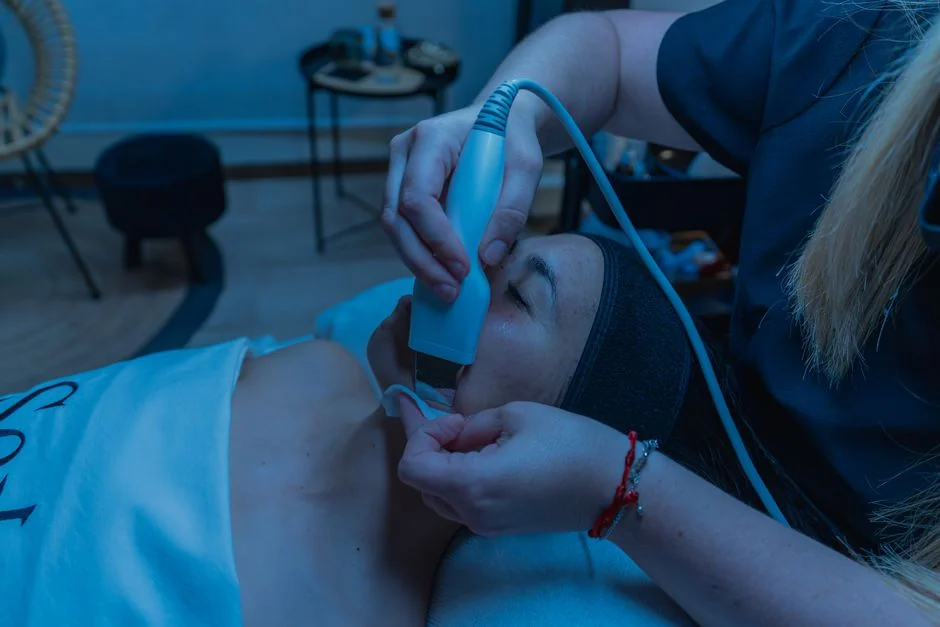
Before the procedure
At the initial consultation, the physician assesses fat distribution, skin laxity and thickness, skin elasticity, and underlying bone structure to determine whether FaceTite, an alternative device, or a surgical approach best matches the patient’s anatomy and goals. Pre-procedure instructions typically include pausing blood-thinning medications and supplements — aspirin, NSAIDs, fish oil, and high-dose vitamin E — seven to fourteen days before treatment, in line with the prescribing physician’s guidance. Patients who smoke are advised to cease well in advance of the procedure, as smoking impairs collagen synthesis and wound healing. On the day of treatment, arrive with clean skin free of make-up, moisturiser, and active skincare products.
On the day of treatment
FaceTite is performed under local anaesthesia, with oral sedation or nitrous oxide available for patients who prefer additional relaxation. Tumescent solution — a diluted mixture of local anaesthetic and low-dose adrenaline — is infiltrated beneath the skin to numb the area and minimise intra-procedural bleeding. Once fully numb, the internal probe is introduced through the pre-planned access points and guided in a controlled, fanning motion while the physician monitors real-time temperature readings on both electrodes. A typical session addressing the lower face, jowls, and submental region takes approximately 60–90 minutes. The access points are approximately one millimetre in diameter and do not require sutures.
Recovery timeline
- Days 1–3: Swelling and bruising reach their peak. A compression garment worn for the first 48 hours supports early skin contraction and helps manage oedema. Mild discomfort is managed with over-the-counter analgesics.
- Days 3–5: Most patients feel comfortable returning to desk work and light daily activities. Bruising typically transitions from purple-red to yellow-green by the end of the first week.
- Weeks 1–2: Residual swelling and temporary numbness or tightness in the treated area are normal. Avoid strenuous exercise, prolonged sun exposure, and heat (saunas, steam rooms) during this period.
- Months 1–6: The skin gradually contracts as the fibroseptal network continues to remodel and new collagen forms in the dermis. The primary visible improvement develops during this window; 75% of the measurable contraction noted in the Tettamanzi 2024 series was present at one month, with the result stabilising by six months.
- Month 12: Final results have stabilised. A follow-up consultation at this point allows assessment of whether any supplementary treatment would be beneficial.
Temporary numbness or altered sensation in the cheek, chin, or neck is not uncommon during the first several weeks, as local nerve endings recover from the thermal stimulus. In the Tettamanzi 2024 series, all cases of transient hyperesthesia resolved fully within six months.
Who Is a Good Candidate for FaceTite?
Patients who tend to benefit most
FaceTite tends to deliver its strongest outcomes for patients who broadly fit this profile:
- Aged approximately 35–60, with mild to moderate skin laxity along the lower face, jowls, or neck — sufficient looseness to represent a cosmetic concern, yet enough residual elasticity for the skin to contract following fat reduction and internal thermal stimulation
- Carrying localised fat deposits in the submental region or jowl area that have not responded to weight management
- Preferring to avoid general anaesthesia and the two-to-four-week recovery of a surgical facelift, while seeking a result that exceeds what non-invasive surface devices can achieve
- Holding realistic expectations: FaceTite can meaningfully restore jawline definition and reduce submental fullness, but it is not a substitute for excisional surgery in cases of significant skin excess
- In good general health, non-smokers or committed to cessation before and after the procedure
At BIOTOPE CLINIC in Shirokanedai, patients presenting for FaceTite assessment have frequently already undergone non-invasive skin-tightening treatments — such as HIFU or surface radiofrequency — and found that while visible improvement was achieved, the persistent fat component beneath the chin or along the jowl remained unchanged. For this group, FaceTite’s ability to address both layers of tissue simultaneously is often the clinical differentiator.
Who should consider an alternative
FaceTite is generally not the most appropriate option for patients who:
- Have advanced or severe skin laxity — where the volume of excess skin requires surgical excision rather than contraction alone
- Have very thin skin with minimal subcutaneous fat, as the internal probe requires adequate tissue through which to work safely
- Are pregnant or breastfeeding — an absolute contraindication for all thermal energy treatments
- Have implanted electronic devices (cardiac pacemakers, implantable defibrillators) or metallic hardware adjacent to the proposed treatment area
- Have active skin infection, open wounds, or inflammatory skin conditions within the target zone
- Expect results equivalent to a surgical rhytidectomy without accepting the clinical reality of what a minimally invasive approach can and cannot achieve
For patients in the transition zone — where non-invasive devices are insufficient and surgery is not yet warranted or desired — FaceTite is frequently positioned as a “bridge” option, capable of meaningfully delaying or in selected cases replacing the need for a formal facelift. The assessment of whether a patient falls into this zone requires direct, hands-on clinical evaluation.
Common Misconceptions About FaceTite
Misconception 1: “FaceTite is non-invasive, like HIFU”
This is among the most persistent misunderstandings in the category. FaceTite is minimally invasive, not non-invasive. The procedure requires tiny access points of approximately one millimetre to introduce the internal probe beneath the skin. While these entry sites are very small and generally heal without a visible scar, the procedure is performed under local anaesthesia in a sterile clinical environment and carries the recovery profile of a minor interventional procedure — including swelling, bruising, and several days of downtime — rather than being a lunchtime treatment.
The distinction is clinically significant: it is precisely because the internal electrode operates within the tissue, rather than heating it from the outside, that FaceTite can achieve fat reduction and strong internal contraction that no surface-only device can replicate. Describing FaceTite as “non-surgical” is accurate; calling it “non-invasive” is not, and patients who arrive expecting zero downtime will be caught off guard.
Misconception 2: “Because FaceTite destroys fat cells, results last forever”
The fat cells directly coagulated during the procedure are cleared by the body’s immune system and do not regenerate — that structural change is permanent. However, surrounding and adjacent fat cells remain capable of hypertrophy with weight gain, and the ageing process continues to act on collagen quality and skin laxity after treatment. Clinical evidence suggests that most patients enjoy results for approximately three to five years before laxity progresses to the point where a maintenance treatment or further intervention is considered. Maintaining a stable body weight, practising consistent sun protection, and supporting skin health with appropriate collagen-stimulating skincare are all relevant to extending the longevity of the result. Framing FaceTite as a durable reset for the lower face — rather than a permanent fix — is the most grounded clinical expectation.
Where to Get FaceTite in Tokyo
Within the same clinic group, both BIOTOPE CLINIC (Shirokanedai, Minato-ku) and Kojimachi Dermatology and Plastic Surgery Clinic (Ichigaya, Chiyoda-ku) offer English-language consultation with Dr. Jun Karibe and his team. FaceTite — as a cosmetic plastic surgery and body contouring procedure — is handled at BIOTOPE CLINIC in Shirokanedai. Patients seeking insurance-covered general dermatology or standard plastic surgery procedures (mole removal, cyst excision, eyelid correction, scar revision) are seen at Kojimachi Dermatology and Plastic Surgery Clinic in Ichigaya. Both clinics are accessible from central Tokyo. English enquiries and appointment bookings are welcomed via LINE or WhatsApp.
Patients considering combining FaceTite with Morpheus8 RF microneedling — a combination that published data associates with enhanced total area contraction and surface skin quality improvement — may discuss this option with Dr. Karibe’s team at BIOTOPE CLINIC. Morpheus8 is available at the Shirokanedai location as a same-session or sequential complementary treatment.
Frequently Asked Questions
- Q. Is FaceTite painful?
- The procedure is performed under local anaesthesia, so significant pain during treatment is not expected; most patients report a pressure sensation and intermittent warmth. Post-procedure discomfort — tenderness, tightness, and mild aching — is typically manageable with over-the-counter analgesics for the first two to three days. Oral sedation can be offered for patients who prefer additional comfort during the session.
- Q. How many sessions of FaceTite are required?
- The majority of patients achieve their desired outcome with a single treatment session. Unlike non-invasive surface devices that are designed to be used in a course of sessions, FaceTite delivers thermal energy directly within the tissue in one sitting, producing structural changes that continue to evolve biologically over the following months. A follow-up consultation at six to twelve months allows the physician to assess whether any supplementary treatment would be beneficial.
- Q. Can FaceTite be combined with other procedures?
- Yes. FaceTite is commonly paired with Morpheus8 RF microneedling on the same day to address deeper tissue contraction (FaceTite) alongside surface skin texture, fine lines, and pore refinement (Morpheus8). Combination with fat-dissolving injections may be considered for smaller adjacent areas. Whether a combined approach is appropriate depends on the individual assessment and is discussed at consultation.
- Q. How does FaceTite differ from Embrace RF?
- Both FaceTite and Embrace RF are InMode platforms using radiofrequency energy for tissue remodelling, but they operate at different tissue depths. Embrace RF is a non-invasive external device that delivers RF energy to the subdermal layer without any internal probe. FaceTite places the active electrode within the tissue via a slender internal probe, enabling direct treatment of deeper fat and the fibroseptal network. Embrace RF is well-suited to patients with mild laxity who prefer a fully external approach; FaceTite is more appropriate for moderate fat deposits and laxity where internal tissue treatment is indicated. A consultation will determine which option matches the individual anatomy.
- Q. Is there a risk of nerve injury with FaceTite on the face?
- Any procedure delivering heat near the face carries a theoretical risk to superficial sensory or motor nerves. The 2022 systematic review by Swanson in the Annals of Plastic Surgery documented cases of temporary motor nerve involvement (neuropraxia) reported across published RFAL studies, typically resolving fully within weeks to months. The real-time temperature monitoring, automatic cut-off systems, and impedance controls built into FaceTite are specifically designed to minimise this risk. Selecting a board-certified physician with specific training and documented experience in facial RFAL is the most important factor in reducing complication risk.
Have a question about this treatment?
Message us on LINE or WhatsApp — our English-speaking team usually replies the same day.
Summary
FaceTite (RFAL) holds a clinically distinct position in the facial rejuvenation landscape: it addresses both localised fat and skin laxity simultaneously, through access points of approximately one millimetre, under local anaesthesia, with a social recovery typically of three to five days. The 2024 prospective series by Tettamanzi and colleagues — 80 patients, 94% satisfaction at six months, 23 mm average submental reduction, and a clean safety profile — represents the most recent substantial evidence base for the procedure. The 2022 systematic review by Swanson provides an important counterbalance, noting wide variability in reported contraction outcomes and the prevalence of commercial conflicts of interest in the early literature. Taken together, the evidence supports FaceTite as an effective option for well-selected patients, while reinforcing that physician expertise and honest patient selection are the primary determinants of result.
In Japan, FaceTite is available under the 自由診療 self-pay framework as an unapproved overseas medical device with FDA clearance. Transparent informed-consent disclosure of this regulatory status is a legal requirement and should be standard practice at any reputable clinic. FaceTite is not covered by health insurance in Japan, and all costs are privately borne.
If you have questions about FaceTite, both BIOTOPE CLINIC (Shirokanedai, Minato-ku) and Kojimachi Dermatology and Plastic Surgery Clinic (Ichigaya, Chiyoda-ku) offer English-language consultation with Dr. Karibe and his team. FaceTite is primarily handled at BIOTOPE CLINIC in Shirokanedai. English enquiries: LINE or WhatsApp.
24/7 Consultation & Booking
Book a Consultation or Treatment
Our English-speaking team responds via LINE or WhatsApp — usually the same day.
References
- Tettamanzi M, Muratore G, Arrica G, Cuomo R, Beatrici E, Ginatempo I, Trignano C, Rubino C, Trignano E. Advancements in Face and Neck Contouring: Integrating Radiofrequency-Assisted Liposuction with FaceTite and Buccal Fat Pad Excision for Facial Slimming. Aesthetic Plastic Surgery. 2024;48(22):4667–74.
- Swanson E. A Systematic Review of Subsurface Radiofrequency Treatments in Plastic Surgery. Annals of Plastic Surgery. 2022;89(3):274–285.
- Mulholland RS. Internal and External Radiofrequency Assisted Lipo-Coagulation (RFAL) in the Control of Soft Tissue Contraction during Liposuction: Part 1 “Inside Out” Thermal Tissue Tightening. In: Liposuction — A Comprehensive Review of Techniques and Safety. IntechOpen; 2021.
- Stein MJ, Vranis NM, Aston SJ. An Anatomical Approach to Radiofrequency-Assisted Facial Rejuvenation: Beyond the Treatment Gap. Aesthetic Surgery Journal. 2025 Jan.
- Yen SC, Wang JG, et al. RFAL for Cervical Contouring in Eastern Asians. Aesthetic Surgery Journal Open Forum. 2023 Apr.
Related Articles
You may also find these articles useful.
- FaceTite for Jawline and Neck Tokyo: Results, Downtime, Cost
- Embrace RF Tokyo: FaceTite Plus Morpheus8 Explained
- FaceTite vs Surgical Facelift in Tokyo: Which to Choose
- FaceTite Tokyo: RF-Assisted Lipolysis for Jawline Contouring
- Embrace RF vs HIFU vs Deep Plane Facelift: Tokyo Guide
SUPERVISED BY

Dr. Jun Karibe
MD
Director
Education & Career
Certifications
Awards
MEDICAL REVIEW