What “Anti-Aging Treatment” Actually Means
Skin aging is not a single process. Collagen and elastin loss produces skin laxity and fine lines; repeated muscle movement deepens dynamic wrinkles around the eyes, forehead, and mouth; declining hyaluronic acid stores cause volume deflation in the cheeks and under-eye area; and cumulative sun exposure drives pigmentation irregularities. Effective anti-ageing medicine matches the treatment to the mechanism rather than applying a single solution to all concerns.
Tokyo’s cosmetic medicine market reflects this specialisation. Most reputable clinics offer a tiered menu: energy-based devices (HIFU, radiofrequency, laser) for laxity and texture; injectable treatments (botulinum toxin, hyaluronic acid fillers) for wrinkles and volume; and preventive medicine protocols (IV vitamin therapy, NMN supplementation, orthomolecular nutrition) to support skin quality from within. None of these require general anaesthesia, and most are performed as outpatient procedures.
The Key Anti-Aging Treatments Available in Tokyo
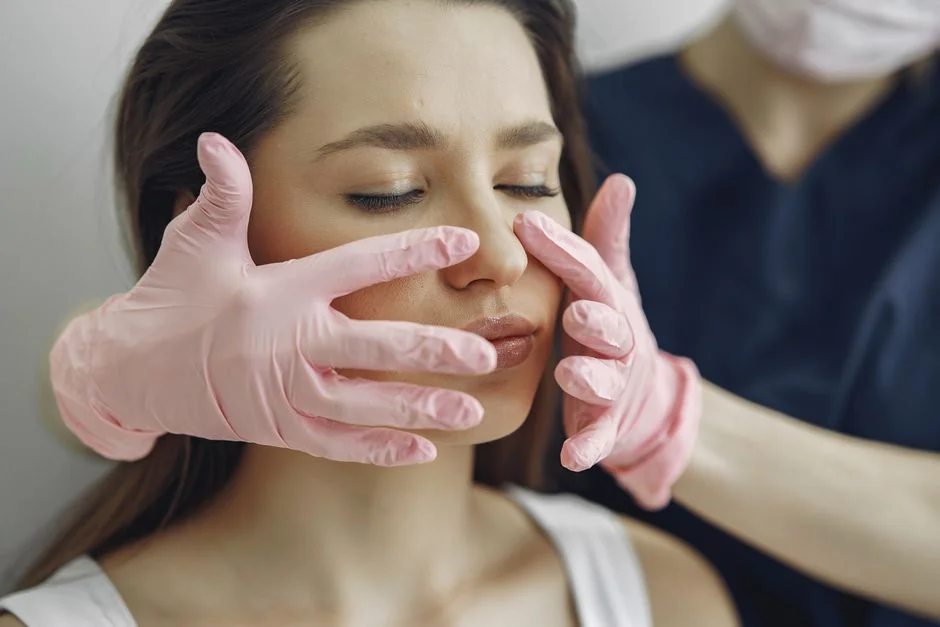
HIFU — High-Intensity Focused Ultrasound
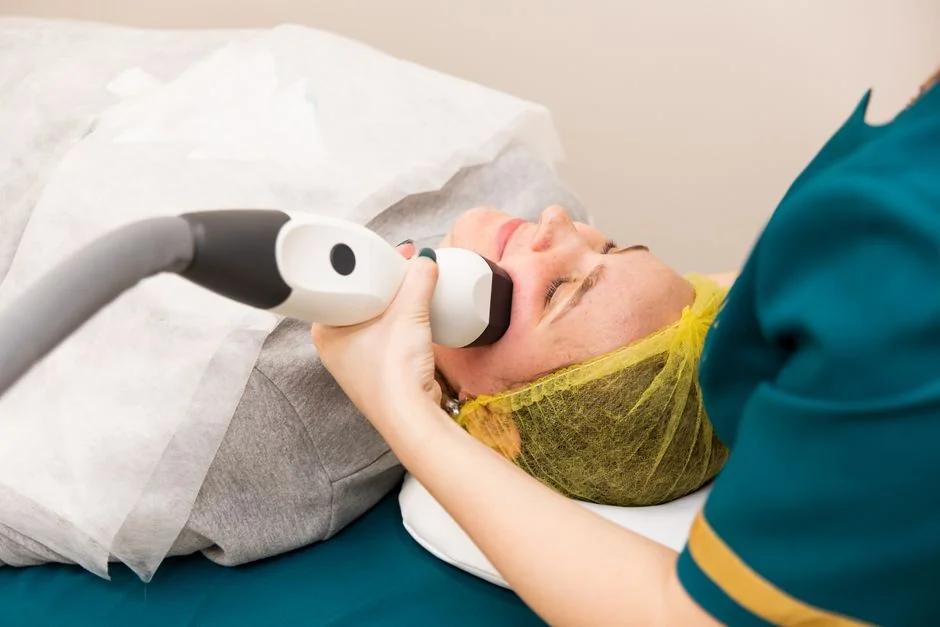
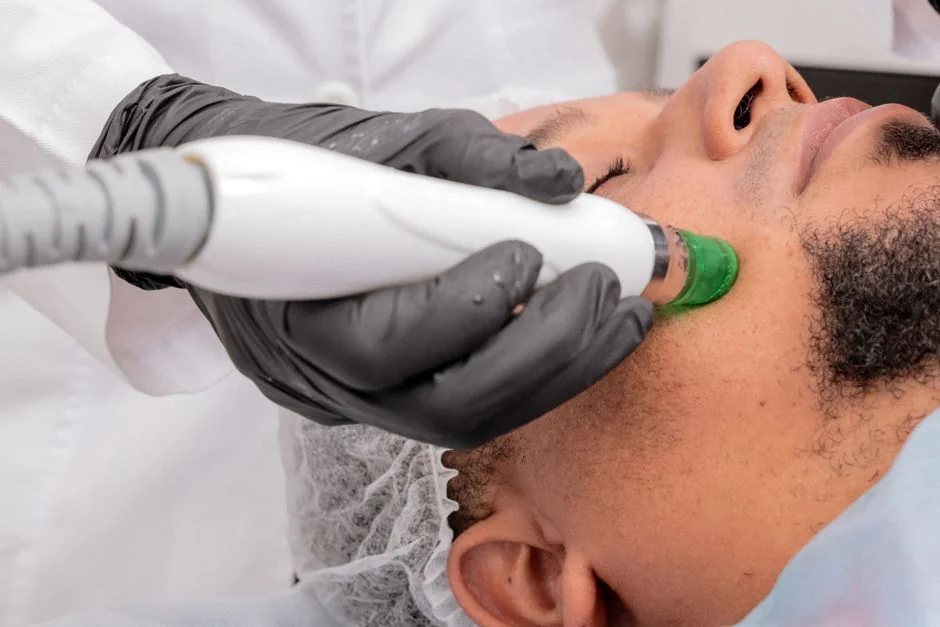
HIFU delivers precisely focused ultrasound energy to the superficial musculoaponeurotic system (SMAS) — the deep connective tissue layer that surgeons tighten during a facelift. The thermal coagulation points this creates trigger a wound-healing response that gradually builds new collagen, lifting the lower face, jowls, brow, and neck over three to six months.
A 2025 systematic review published in the Aesthetic Surgery Journal, covering 45 clinical trials conducted between 2010 and 2024, found improvements in skin laxity ranging from 18% to 30%, with outcomes described as “comparable with mild surgical outcomes.” Adverse events were generally mild — transient redness and swelling — with no serious complications reported at standard clinical settings. A single session typically lasts twelve to eighteen months.
HIFU is available at BIOTOPE CLINIC in Shirokanedai, where Dr. Karibe and his team can advise on whether the treatment is appropriate for your specific concerns during a consultation.
Botulinum Toxin Injections
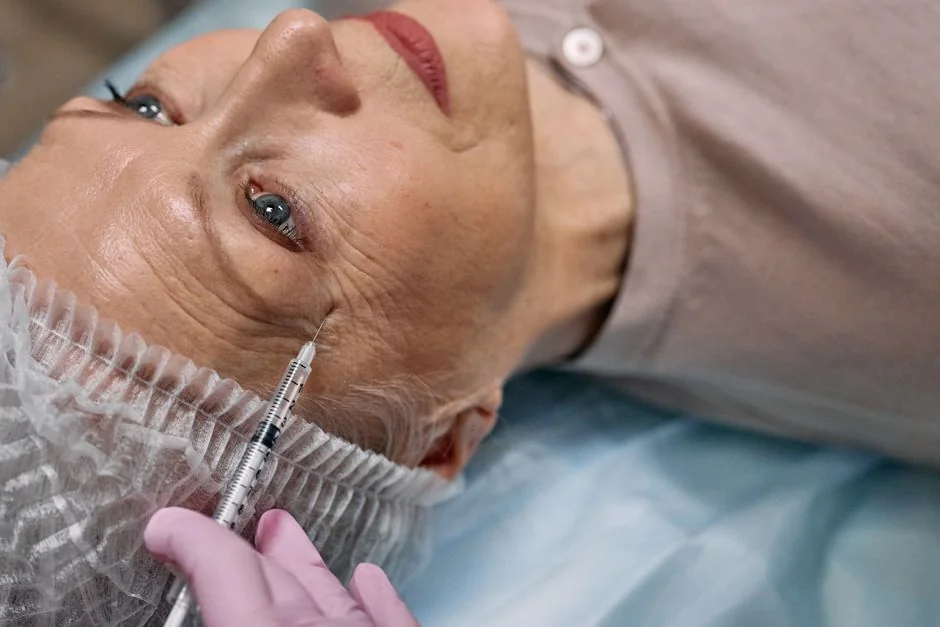
Botulinum toxin type A (commonly known by the brand name Botox) temporarily reduces the activity of the muscles responsible for dynamic wrinkles — frown lines between the brows, forehead lines, and crow’s feet. By limiting repetitive muscle movement, it smooths existing lines and may slow new wrinkle formation over time with consistent use.
Phase 3 clinical trial data for the treatment of glabellar lines has reported that approximately 80% of patients achieve a clinically meaningful response at four weeks post-injection. Effects typically last three to four months, after which a repeat treatment is usual. Botulinum toxin is also used to slim the lower face by relaxing the masseter muscles and to treat hyperhidrosis (excessive sweating), making it one of the most versatile tools in anti-ageing medicine.
Hyaluronic Acid Dermal Fillers
Where botulinum toxin acts on muscle, hyaluronic acid (HA) fillers restore volume and redefine facial contours. HA is naturally present in the skin but diminishes with age; injectable cross-linked HA gels refill hollows under the eyes, restore cheek projection, define the lip border, and soften nasolabial folds.
A 2025 systematic review and meta-analysis published in the Journal of Cosmetic Dermatology (Zhou R, Yu M) found statistically significant improvements in skin hydration and radiance following HA injection, and noted that HA can stimulate collagen production at the injection site. Most cross-linked HA fillers last between twelve and eighteen months depending on the area treated and individual metabolism.
RF Microneedling (Morpheus8)
Radiofrequency microneedling combines two mechanisms of action: the micro-channels created by the needles initiate a collagen-building wound-healing response, while the radiofrequency (RF) energy delivered into the dermis and subdermis causes immediate tissue contraction and ongoing collagen remodelling. The Morpheus8 device delivers RF at adjustable depths, allowing it to address both skin surface and deeper tissue concerns.
Clinical studies, including work published in the Journal of Cosmetic Dermatology, indicate meaningful improvements in skin laxity and age-related dermal changes following RF microneedling. The treatment is particularly effective for skin texture, acne scarring, and early jowling. A typical course involves two to three sessions spaced four to six weeks apart.
CO₂ Fractional Laser
A CO₂ fractional laser ablates microscopic columns of skin, triggering a comprehensive regenerative response that addresses fine lines, sun damage, enlarged pores, and acne scarring simultaneously. Because it removes a controlled layer of skin, it requires a recovery period of approximately five to seven days during which the treated area is pink and healing. Results, once achieved, tend to be long-lasting.
Preventive Medicine and IV Therapy
Tokyo clinics increasingly offer preventive medicine protocols alongside device and injectable treatments. IV drip therapy (high-dose vitamin C, glutathione, B-complex), NMN supplementation, orthomolecular (nutritional) therapy, and gut microbiome analysis address systemic contributors to skin ageing that topical and device treatments cannot reach. These are not replacements for evidence-based topical or procedural care but can complement them as part of a longer-term strategy.
| Treatment | Primary mechanism | Main concern(s) | Downtime | Results last | Indicative cost (Tokyo) |
|---|---|---|---|---|---|
| HIFU | Deep ultrasound coagulation, SMAS lifting | Skin laxity, jowls, neck, brow | 24–48 h redness | 12–18 months | ¥25,000–¥110,000 |
| Botulinum toxin | Muscle relaxation | Dynamic wrinkles, jaw slimming | Minimal | 3–4 months | ¥22,000–¥148,000 |
| HA dermal filler | Volume replacement, collagen stimulation | Volume loss, nasolabial folds, lips | 1–3 days swelling | 12–18 months | ¥66,000–¥88,000 / syringe |
| RF microneedling (Morpheus8) | Microneedle injury + RF heat, collagen remodelling | Laxity, texture, acne scarring | 2–4 days redness | 12–18 months with course | Please enquire |
| CO₂ fractional laser | Ablative resurfacing, regenerative response | Pigmentation, fine lines, pores, scars | 5–7 days | Long-lasting | ¥11,000–¥66,000 |
What Anti-Aging Treatments Cost in Tokyo
The indicative cost ranges in the table above are drawn from the clinic group’s published price list. The wide ranges reflect variation in treatment area, volume of product used, and the specific device protocol selected. A full-face HIFU session addressing the lower face and neck will naturally differ in price from a targeted periorbital treatment; similarly, botulinum toxin costs depend on the number of injection units required.
Japan’s National Health Insurance does not cover cosmetic anti-aging procedures. All of the treatments described in this guide are self-pay (jifuhi). If you hold Japanese health insurance and have a dermatological concern — such as acne, eczema, or pigmentation — that may qualify for insurance-covered management, that is assessed separately at the consultation stage.
Prices are indicative and subject to change; please check the clinic’s current price page or contact the team directly for an up-to-date quote. For an accurate quote, please book a consultation.
Have a question about this treatment?
Message us on LINE or WhatsApp — our English-speaking team usually replies the same day.
What to Expect: Before, During, and After
Before treatment, a physician will review your medical history, assess your skin, and take baseline photographs. Patients taking blood thinners (aspirin, warfarin, ibuprofen) are typically asked to pause these for several days prior to injectable treatments to reduce bruising risk. Sun exposure should be avoided for at least one week before laser procedures.
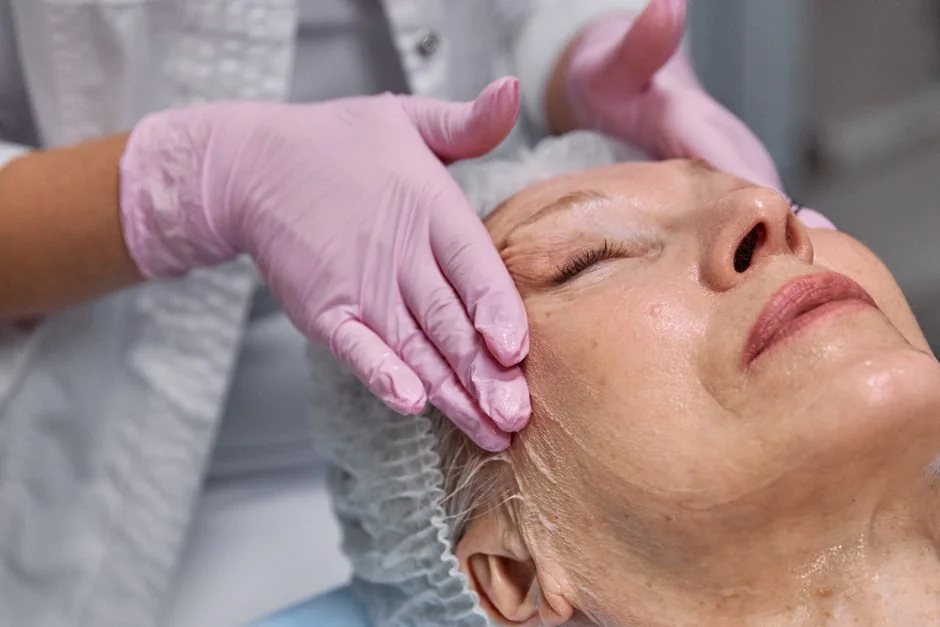
During treatment, topical anaesthetic cream is applied for most procedures. HIFU and RF microneedling produce sensations of heat and pressure; injectable treatments involve a fine needle or blunt-tipped cannula, with discomfort generally described as mild. Most sessions are completed in thirty to ninety minutes.
After treatment, recovery varies meaningfully by procedure:
- Botulinum toxin: No visible downtime; minor bruising possible; results become visible within seven to ten days
- HA filler: Mild swelling and bruising for one to three days; full results apparent after two weeks
- HIFU: Transient redness and light swelling for 24–48 hours; results build over three to six months
- RF microneedling: Redness and mild swelling for two to four days; skin texture improvement over three to six months
- CO₂ fractional laser: Five to seven days of active healing; strict sun avoidance for several weeks; long-lasting results once healed
Who Is — and Is Not — a Good Candidate?
Most healthy adults from their mid-thirties onward are candidates for at least some of the treatments described in this guide. The appropriate starting point depends on the primary concern: botulinum toxin for early preventive wrinkle care is commonly initiated in the mid- to late thirties; volume restoration with filler tends to become relevant from the late thirties; HIFU becomes most useful once some degree of skin laxity is present.
Situations in which certain treatments should be deferred or avoided include:
- Pregnancy and breastfeeding: Botox, filler, HIFU, and laser are generally deferred
- Active skin infection or open wounds in the treatment area
- Metal implants, pacemakers, or cochlear implants in or near the treatment zone (relevant for RF and HIFU)
- Autoimmune or connective tissue conditions: always discuss in detail with the treating physician
- History of keloid scarring: relevant for any procedure involving skin injury
Unrealistic expectations are worth addressing directly: no non-surgical treatment will produce the structural result of a facelift or surgical blepharoplasty. Non-invasive procedures work best on early-to-moderate ageing changes and as ongoing maintenance.
Common Misconceptions About Anti-Aging Treatments
“Non-surgical treatments involve no downtime.”
This is one of the most widespread misunderstandings in aesthetic medicine. While Botox and HA filler typically require no social downtime, RF microneedling and CO₂ fractional laser both produce visible skin changes — redness, swelling, and in the case of laser, peeling — that require scheduling at least five to seven days before any important social or professional event. Planning around your actual recovery window is essential.
“Anti-aging treatments are only relevant from middle age.”
Clinical evidence and current practice support a preventive approach from an earlier age. Phase 3 trial data has demonstrated that consistent botulinum toxin use can reduce the deepening of dynamic wrinkles over time. HIFU used before significant laxity develops tends to maintain tissue position rather than restore it after the fact. Most physicians are comfortable discussing an initial assessment from the mid-thirties onward.
Finding Anti-Aging Treatments in Tokyo With English-Language Consultation
Within our clinic group, both BIOTOPE CLINIC (Shirokanedai, Minato-ku) and Kojimachi Dermatology & Plastic Surgery Clinic (Ichigaya, Chiyoda-ku) offer English-language consultation with Dr. Jun Karibe’s team. Anti-aging cosmetic treatments — including HIFU, botulinum toxin, hyaluronic acid fillers, RF microneedling (Morpheus8), CO₂ laser, and preventive medicine protocols — are handled at BIOTOPE CLINIC, Shirokanedai, where Dr. Karibe personally consults. For insurance-covered dermatology — acne, eczema, pigmentation, and general skin conditions managed under Japan’s National Health Insurance system — the Kojimachi clinic serves as the group’s main office. Bookings and enquiries in English: LINE or WhatsApp.
Frequently Asked Questions
- Q. Do I need to speak Japanese to be treated at a Tokyo cosmetic clinic?
- At both BIOTOPE CLINIC (Shirokanedai) and Kojimachi Dermatology & Plastic Surgery Clinic (Ichigaya), English-language consultations are available with Dr. Karibe and his team. You do not need Japanese-language ability to receive a full consultation, treatment, and follow-up care.
- Q. How many sessions will I need for HIFU or RF microneedling?
- HIFU is often performed as a single annual session, with results lasting twelve to eighteen months in most patients. RF microneedling is typically delivered as a course of two to three sessions spaced four to six weeks apart, followed by maintenance treatments. Your physician will recommend a protocol based on your skin condition and goals.
- Q. Are Botox and filler reversible?
- Botulinum toxin is temporary by nature — effects wear off over approximately three to four months as the muscle gradually regains function. Hyaluronic acid filler can be partially or fully dissolved using hyaluronidase enzyme if needed, and also naturally breaks down over time. Neither treatment is permanent.
- Q. Can I combine multiple treatments in one visit?
- Combination protocols are common and often clinically appropriate. Botulinum toxin and HIFU can generally be performed in the same session; filler may be scheduled concurrently or a few days apart from device treatments. A physician assessment will determine the safest and most effective sequencing for your individual plan.
- Q. Will my Japanese National Health Insurance cover any of these treatments?
- Cosmetic anti-aging treatments — Botox, fillers, HIFU, RF microneedling, and aesthetic lasers — are self-pay (jifuhi) procedures and are not covered by Japan’s National Health Insurance. Certain underlying dermatological conditions treated at Kojimachi Dermatology & Plastic Surgery Clinic may qualify for insurance coverage; this is assessed during consultation.
Have a question about this treatment?
Message us on LINE or WhatsApp — our English-speaking team usually replies the same day.
Summary
Tokyo offers a comprehensive range of clinically validated anti-aging treatments — from non-invasive HIFU and injectable botulinum toxin through to resurfacing lasers and preventive medicine — carried out by qualified physicians in a well-regulated environment. The key is matching the treatment to the specific ageing mechanism: laxity, dynamic wrinkles, volume loss, or texture change. A consultation with an experienced physician is the most reliable route to a personalised plan.
If you have questions about anti-aging treatments in Tokyo, both BIOTOPE CLINIC (Shirokanedai, Minato-ku) and Kojimachi Dermatology & Plastic Surgery Clinic (Ichigaya, Chiyoda-ku) offer English-language consultation with Dr. Karibe and his team. Cosmetic anti-aging treatments are primarily handled at BIOTOPE CLINIC, Shirokanedai. English enquiries: LINE or WhatsApp.
24/7 Consultation & Booking
Book a Consultation or Treatment
Our English-speaking team responds via LINE or WhatsApp — usually the same day.
References
- A Systematic Review of High-Intensity Focused Ultrasound in Skin Tightening and Body Contouring. Aesthetic Surgery Journal. 2025; 45(7): 690–698. Oxford University Press.
- Zhou R, Yu M. The Effect of Local Hyaluronic Acid Injection on Skin Aging: A Systematic Review and Meta-Analysis. Journal of Cosmetic Dermatology. 2025; 24(1): e16760.
- Botulinum Toxin Treatment of Glabellar Lines: Efficacy and Safety Study III (BLESSIII). Phase 3 clinical trial. ClinicalTrials.gov Identifier: NCT03985982.
- Flegontova V et al. Correction of age-related changes in the skin at the dermal and subdermal level using radiofrequency macroneedling therapy. Journal of Cosmetic Dermatology. 2024.
Related Articles
You may also find these articles useful.
- Non-Surgical Facelift Tokyo for Foreigners: Full Guide
- HIFU in Tokyo: Non-Surgical Skin Tightening Explained
- NMN Drip Therapy Tokyo: Anti-Aging IV Treatment Guide
- Exosome Therapy Tokyo: Skin Rejuvenation & Anti-Aging Guide
- Gut Microbiome Testing Tokyo: What Your Results Reveal
SUPERVISED BY
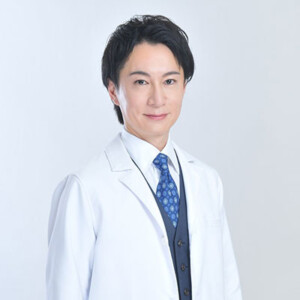
Dr. Jun Karibe
MD
Director
Education & Career
Certifications
Awards
MEDICAL REVIEW