Hyaluronidase Products Available in Japan: What Patients Should Know

If you have had hyaluronic acid (HA) filler that migrated, over-corrected an area, or simply no longer suits your face, the natural next question is whether it can be reversed
— and whether the enzyme used to reverse it is even legally available in Japan. It is a fair concern, because the regulatory picture here differs meaningfully from the United States or the United Kingdom.
This guide explains what hyaluronidase is, exactly what is and is not approved in Japan, which products Tokyo clinics actually use, what the treatment costs, and how to judge whether you are a suitable candidate.
What you’ll learn in this article:
- What hyaluronidase does to hyaluronic acid filler at a chemical level
- Japan’s approval status: what is on the national list, and what is imported as an unapproved drug
- The difference between recombinant human and animal-derived hyaluronidase
- Realistic cost in Tokyo, recovery expectations, and who should avoid the treatment
- Two widely repeated misconceptions, corrected against published sources
Have a question about this treatment?
Message us on LINE or WhatsApp — our English-speaking team usually replies the same day.
What Is Hyaluronidase and How Does It Work?
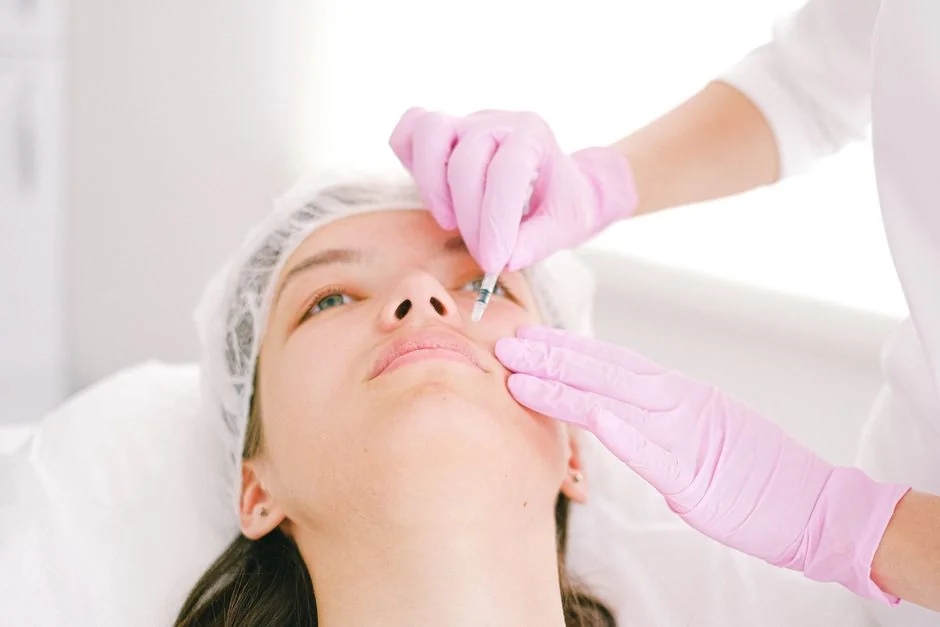
Hyaluronidase is an enzyme that breaks down hyaluronic acid — both the HA your body makes naturally and the cross-linked HA used in dermal fillers.
It is injected directly into or around the filler deposit.
Strictly speaking, it does not “dissolve” anything. As Ravindran and colleagues noted in JPRAS Open in 2026, hyaluronidase is an endoglycosidase that cleaves β-1,4 glycosidic bonds, fragmenting the gel into oligosaccharides that are then cleared through lymphatic drainage.
Enzyme activity is not instant and not permanent. Clinical reports indicate that activity persists for several hours after injection, which is why staged or repeat sessions are sometimes required rather than one definitive treatment.
Typical dosing
Dose depends on how heavily cross-linked the filler is. Yi and colleagues, writing in Plastic and Reconstructive Surgery Global Open in 2025, reported that for highly cross-linked monophasic HA fillers, a dose in the region of 600–750 units per millilitre of filler is generally recommended.
Emergency use is different in scale. For suspected vascular occlusion — filler obstructing a blood vessel — published guidance describes infiltrating roughly 450–1,500 units across the whole affected area, including the course of the vessel.
What Is Actually Approved in Japan — and What Isn’t
This is the part most English-language articles get wrong, because they assume Japan mirrors the FDA. It does not.
Hyaluronidase does exist on Japan’s approved list — but not as a standalone vial
Hyaluronidase appears in Japanese pharmaceutical listings only as a co-formulated ingredient inside certain subcutaneous biologic injections. For example, Darzalex Faspro (ダラキューロ配合皮下注) combines daratumumab 1,800 mg with vorhyaluronidase alfa 30,000 units, and is approved in Japan for multiple myeloma, systemic AL amyloidosis, and delaying progression in high-risk smouldering myeloma. The enzyme there is a dispersion aid for an oncology drug, not a cosmetic product.
Cross-referencing the KEGG DRUG database, standalone hyaluronidase preparations — both the animal-derived and the recombinant human forms — are flagged as marketed products in the United States, not Japan. In other words, there is no domestically approved single-agent hyaluronidase vial that a Japanese cosmetic clinic can simply order through normal channels.
So how do Tokyo clinics obtain it?
Through physician-directed import of unapproved pharmaceuticals. Japan’s Ministry of Health, Labour and Welfare maintains a public page on purchasing pharmaceuticals from abroad (医薬品等を海外から購入しようとされる方へ) that includes specific guidance for physicians and dentists importing drugs for their own patients.
The consequence patients should understand is stated plainly on that same MHLW page: health damage caused by personally imported pharmaceuticals is not eligible for Japan’s adverse drug reaction relief system (医薬品副作用被害救済制度). Japan’s medical advertising regulations, administered by the same ministry, correspondingly require clinics to disclose unapproved status when advertising such treatments.
None of this makes the treatment improper — reversal of HA filler is standard practice internationally. It does mean you are entitled to ask which product is being used and where it came from, and a reputable clinic will answer directly.
A note on “off-label” status everywhere
Even where hyaluronidase is fully approved, filler reversal is not the approved indication. The US FDA label for Hylenex (recombinant hyaluronidase human injection, 150 USP units/mL, revised February 2023) lists three indications: as an adjuvant in subcutaneous fluid administration for hydration, to increase dispersion and absorption of other injected drugs, and in subcutaneous urography. Filler reversal is not among them.
Which Hyaluronidase Products Are Used in Japanese Clinics
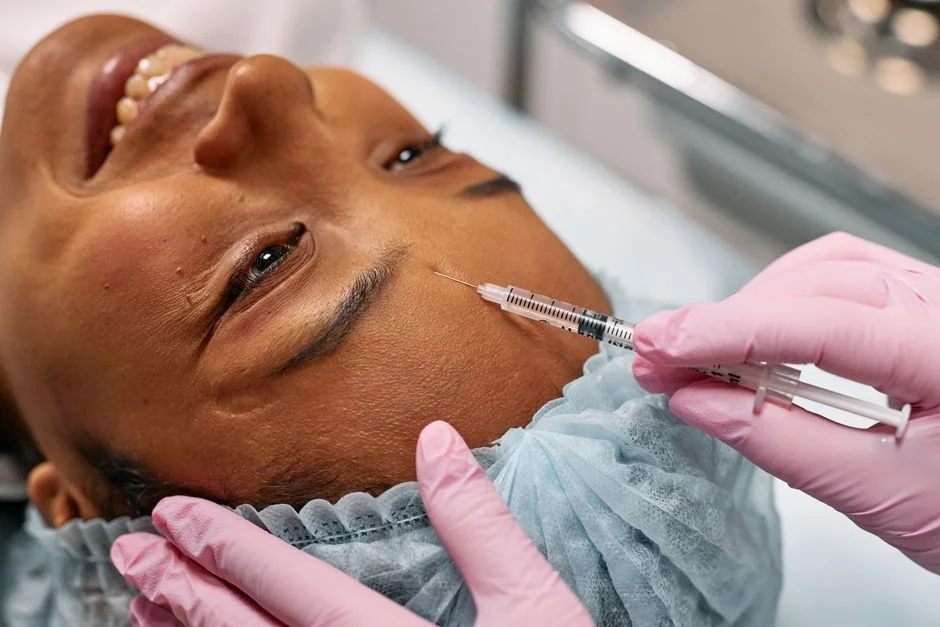
Products fall into two broad families: recombinant human enzyme, and enzyme extracted from animal testicular tissue (ovine or bovine). The practical differences matter mostly for allergy risk and cost.
| Feature | Recombinant human (e.g. Hylenex) | Animal-derived (ovine / bovine) |
|---|---|---|
| Source | Human PH20 enzyme produced in engineered CHO cells | Crude extract from ovine or bovine testicular tissue |
| Typical strength | 150 USP units/mL (Hylenex) | Commonly supplied in 1,500-unit vials |
| Reported allergic reaction rate | Urticaria or angioedema in under 0.1% of patients (US label) | Local reactions reported at 0.05–0.69% in clinical studies |
| Foreign approval | FDA-approved in the US (not for filler reversal) | Approved in various countries; product-dependent |
| Status in Japan | Not approved as a standalone product; imported | Not approved as a standalone product; imported |
| Relative cost | Higher per unit | Lower per unit |
Practitioner behaviour around these products varies more than patients expect. A 2024 survey of 264 practitioners published in Aesthetic Surgery Journal found that 92% had never observed an acute reaction to hyaluronidase, just over 1% had ever observed anaphylaxis, and 5% reported longer-term adverse effects — while also documenting wide variability in storage, dosing, and skin-testing protocols between clinicians.
Cost of Hyaluronidase Treatment in Tokyo

Hyaluronidase for cosmetic filler correction is self-pay (自由診療) in Japan and is not covered by national health insurance.
On our clinic group’s published cosmetic price list (current list effective 1 October 2023, tax included), hyaluronidase is priced at 11,000 yen per 0.1 mL for filler originally injected at our own clinic, and 44,000 yen per 1 mL where the filler was injected elsewhere. For context, the same list shows Allergan HA filler from 88,000 yen for the first syringe.
The higher fee for outside filler reflects genuine clinical workload: the injector must work out which product was used, how much, at what depth, and how long ago — none of which is documented in our records. Multiple areas or repeat sessions increase the total. Please also see the clinic’s official price page for the most current figures.
For an accurate quote, please book a consultation.
Have a question about this treatment?
Message us on LINE or WhatsApp — our English-speaking team usually replies the same day.
What to Expect, and Who Is a Good Candidate
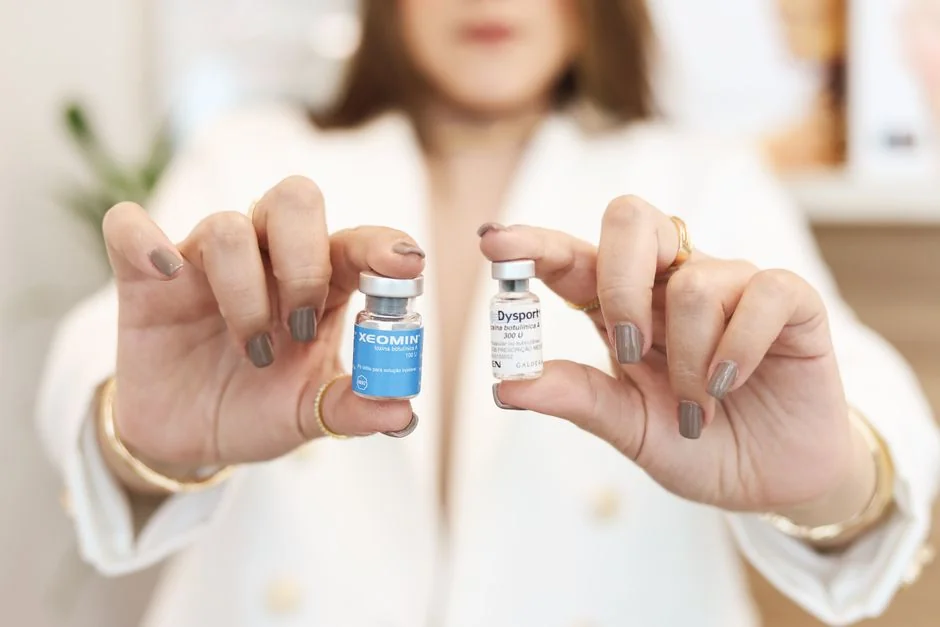
Before, during and after
Consultation should cover your filler history, any allergy history, and photographs. Some clinicians perform a skin test before treating; one widely cited UK guideline suggests a test dose of 20 units with observation after 30 minutes, though practice varies.
The injection itself is quick — usually a few minutes per area — and is typically performed with topical anaesthetic. Expect swelling, redness, and sometimes bruising for a few days.
Visible change often begins within 24 to 48 hours, but the treated area can look flatter or slightly hollow at first because both the filler and some surrounding tissue HA are affected. Most clinics advise waiting at least two weeks before re-injecting filler.
Good candidates
Suitable candidates generally include people with over-filled or asymmetrical areas, palpable lumps or nodules, filler migration (commonly seen in lips and under the eyes), a bluish Tyndall effect from superficial placement, or filler they simply want removed before starting a different treatment plan.
Urgent hyaluronidase is also the recognised response to suspected vascular occlusion after filler — a medical emergency, not an elective procedure.
Who should avoid it or proceed with caution
Hyaluronidase is not appropriate if you have a known allergy to the enzyme or to its animal source protein. Caution is also advised in people with bee or wasp venom allergy, given documented concern about cross-reactivity, and in anyone with active infection or inflammation at the injection site.
Critically, it does nothing for non-HA fillers. Poly-L-lactic acid, calcium hydroxylapatite, polymethyl methacrylate, and silicone are unaffected by this enzyme, and permanent fillers cannot be reversed this way at all. Pregnancy and breastfeeding are usually treated as reasons to defer elective treatment.
What People Often Get Wrong
Misconception 1: “One session removes everything.” This is the most common expectation gap. The 2026 JPRAS Open analysis notes that ultrasound-guided studies confirm substantial filler remains at twenty-four hours, and that complete clearance in a single session is rare. Planning for a possible second session is realistic, not a sign that something went wrong.
Misconception 2: “It’s FDA-approved for dissolving filler, so it’s fully regulated for that purpose.” It is not. The same 2026 paper states that hyaluronidase has never received FDA approval for the reversal or removal of HA fillers, and the 2018 UK aesthetic guideline similarly notes it is not licensed for correcting problems with dermal filler injections. Reversal is an accepted off-label use worldwide — which is precisely why injector experience and informed consent carry so much weight.
Where to Get Hyaluronidase Treatment in Tokyo
Within our clinic group, both BIOTOPE CLINIC (Shirokanedai, Minato-ku) and Kojimachi Dermatology & Plastic Surgery Clinic (Ichigaya, Chiyoda-ku) offer English-language consultation with Dr. Jun Karibe’s team. Hyaluronidase treatment for hyaluronic acid filler correction is handled at BIOTOPE CLINIC in Shirokanedai. Bookings and enquiries in English: LINE or WhatsApp.
At BIOTOPE CLINIC in Shirokanedai, we frequently see patients who arrive with filler placed overseas or at another clinic and no record of which product was used — so the first consultation is usually spent mapping what is actually there before any enzyme is drawn up.
If your goal is re-shaping rather than removal, HA filler and Botox injection are also available at BIOTOPE CLINIC — feel free to ask about sequencing these during a consultation with Dr. Karibe’s team. Insurance-covered general dermatology, including rashes, eczema and skin infections, is handled at the Kojimachi clinic in Ichigaya.
Frequently Asked Questions
- Q. Is hyaluronidase legal in Japan?
- Yes, physicians may use it, but no standalone hyaluronidase product is approved and marketed domestically, so clinics obtain it through physician-directed import of unapproved pharmaceuticals. Note that MHLW states health damage from personally imported drugs is not covered by Japan’s adverse drug reaction relief system.
- Q. Will it dissolve only the filler, or my own hyaluronic acid too?
- The enzyme cannot distinguish between injected filler and your body’s own hyaluronic acid, so nearby natural HA is affected as well. Your own HA regenerates over the following weeks, which is why the treated area often looks flatter initially before settling.
- Q. How soon can I have new filler after hyaluronidase?
- Most clinicians advise waiting at least about two weeks so that swelling resolves and residual enzyme activity has ceased. Your injector will confirm timing based on how much enzyme was used and the area treated.
- Q. Does it work on all fillers?
- No. It acts only on hyaluronic acid. Calcium hydroxylapatite, poly-L-lactic acid, PMMA and silicone are not affected and require entirely different management.
Have a question about this treatment?
Message us on LINE or WhatsApp — our English-speaking team usually replies the same day.
Summary
Hyaluronidase is a well-established tool for correcting HA filler, but in Japan it occupies a specific regulatory position: present on the national list only inside combination biologic injections, and used in cosmetic practice as an imported unapproved drug.
That is workable and widely practised — it simply means you should ask which product is used, understand that the relief system does not apply, and give informed consent knowingly.
Set expectations accordingly: enzymatic fragmentation rather than literal dissolving, possible repeat sessions, and a short period where the area looks flatter than your final result. Choosing an injector experienced in both placing and reversing filler matters more than the brand of enzyme on the tray.
If you have questions about hyaluronidase products available in Japan, both BIOTOPE CLINIC (Shirokanedai, Minato-ku) and Kojimachi Dermatology & Plastic Surgery Clinic (Ichigaya, Chiyoda-ku) offer English-language consultation with Dr. Karibe and his team. Hyaluronidase treatment is primarily handled at BIOTOPE CLINIC in Shirokanedai. English enquiries: LINE or WhatsApp.
24/7 Consultation & Booking
Book a Consultation or Treatment
Our English-speaking team responds via LINE or WhatsApp — usually the same day.
References
- Ravindran R, Pierscionek B, Gawronska J, Smith L. Hyaluronidase and the language of filler reversal: Why “dissolving filler” may be the wrong term. JPRAS Open. 2026;51:214–216.
- Yi K-H, Wan J, Yoon SE. Considerations for Proper Use of Hyaluronidase in the Management of Hyaluronic Acid Fillers. Plastic and Reconstructive Surgery – Global Open. 2025;13(3):e6566.
- Currie E, Granata B, Goodman G, et al. The Use of Hyaluronidase in Aesthetic Practice: A Comparative Study of Practitioner Usage in Elective and Emergency Situations. Aesthetic Surgery Journal. 2024;44(6):647–657.
- King M, Convery C, Davies E. This Month’s Guideline: The Use of Hyaluronidase in Aesthetic Practice (v2.4). The Journal of Clinical and Aesthetic Dermatology. 2018;11(6):E61–E68.
- Ministry of Health, Labour and Welfare, Japan. Guidance for those purchasing pharmaceuticals from abroad (医薬品等を海外から購入しようとされる方へ); Medical advertising regulation under the Medical Care Act. https://www.mhlw.go.jp/
- US Food and Drug Administration. HYLENEX recombinant (hyaluronidase human injection) prescribing information, revised February 2023. https://www.fda.gov/
Related Articles
You may also find these articles useful.
- Dermal Filler Tokyo: Price Guide & Clinic Selection Tips
- How Long Should You Stay in Tokyo for HA Filler? Downtime, Bruising & Flying Guide
- Under Eye Filler Tokyo: Risks, Benefits & Costs
- Lip Filler Tokyo: Cost, Treatment & Clinic Guide
- Filler for Jawline and Cheeks Tokyo
SUPERVISED BY
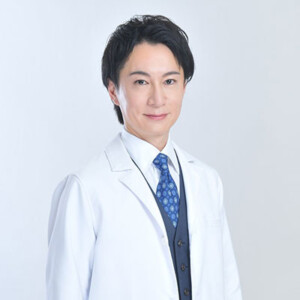
Dr. Jun Karibe
MD
Director
Education & Career
Certifications
Awards
MEDICAL REVIEW