When to Dissolve HA Filler: Signs You May Need a Hyaluronidase Injection

If you are looking in the mirror and your filler no longer looks like you — a puffy under-eye, a lump that will not settle, a bluish shadow that was not there before
— that worry is completely understandable, and it is one of the most common reasons people book a corrective consultation.
Hyaluronic acid (HA) filler is one of the few aesthetic injectables that can be partially reversed, using an enzyme called hyaluronidase.
This article explains which signs genuinely warrant a hyaluronidase injection, which are emergencies that need treatment within hours, and what reversal can and cannot realistically achieve.
What you’ll learn in this article:
- The emergency warning signs of vascular occlusion — and why the first few hours matter
- The non-urgent cosmetic signs (lumps, Tyndall effect, migration, overfilling) that justify dissolving
- What hyaluronidase actually does to filler, and why “dissolving” is a slightly misleading word
- Realistic cost in Tokyo, downtime, and the waiting period before re-injecting
- Who is a good candidate — and who should be cautious
Have a question about this treatment?
Message us on LINE or WhatsApp — our English-speaking team usually replies the same day.
What Hyaluronidase Is — and What “Dissolving Filler” Really Means
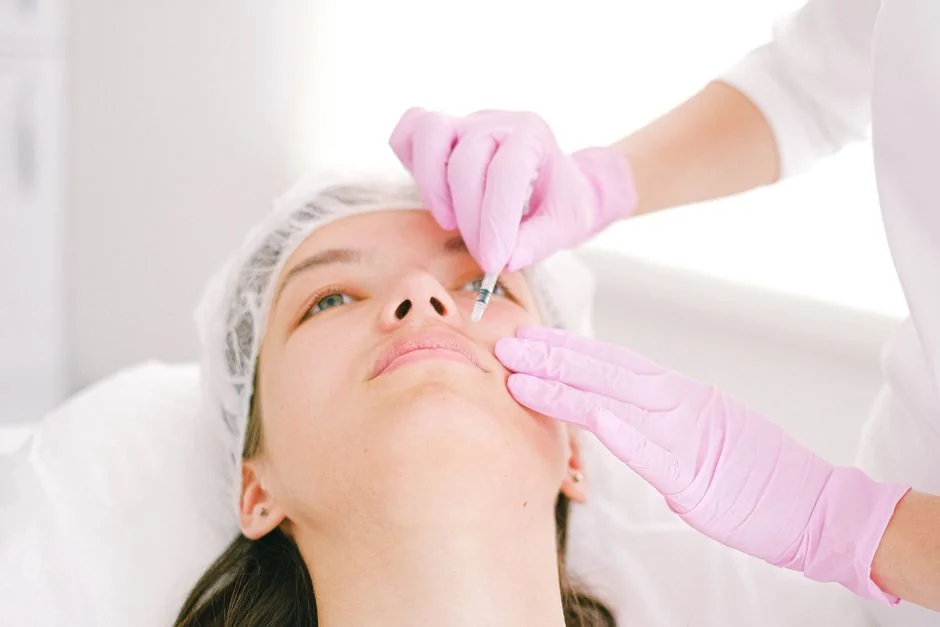
Hyaluronidase is an enzyme that breaks the bonds holding hyaluronic acid molecules together, allowing the gel to fragment and be reabsorbed by the body. It is injected directly into or around the filler deposit with a fine needle or cannula.
It is worth knowing that reversing filler is an off-label use of this enzyme everywhere it is practised.
The US FDA label for recombinant human hyaluronidase (Hylenex, 150 USP units/mL, revised January 2024) lists only three approved indications: as an adjuvant in subcutaneous fluid administration for hydration, to increase the dispersion and absorption of other injected drugs, and in subcutaneous urography. Filler reversal appears nowhere on it.
Two practical points follow. First, the enzyme is not selective — it degrades your own naturally occurring HA alongside the filler, although published guidance indicates the body restores native HA within roughly 15 to 20 hours. Second, dosing is judged clinically rather than read off a label; the UK CMAC guideline states plainly that “treat to effect is more reliable than specific doses.”
How much is needed
Laboratory work published in the Journal of Cosmetic Dermatology in 2025 suggests that biphasic (particulate) fillers need approximately 500 units of hyaluronidase per 1 mL of filler, while monophasic, more heavily cross-linked gels often require up to 750 units per 1 mL. In that work, complete dissolution was observed within one to two hours when 600–750 units were applied, and direct injection into the filler mass outperformed surface application.
Clinical reports also note that the enzyme’s half-life is only about two minutes, with a duration of action of roughly 24 to 48 hours — which is why results are reassessed a day or two later rather than judged on the spot.
Signs You May Need a Hyaluronidase Injection
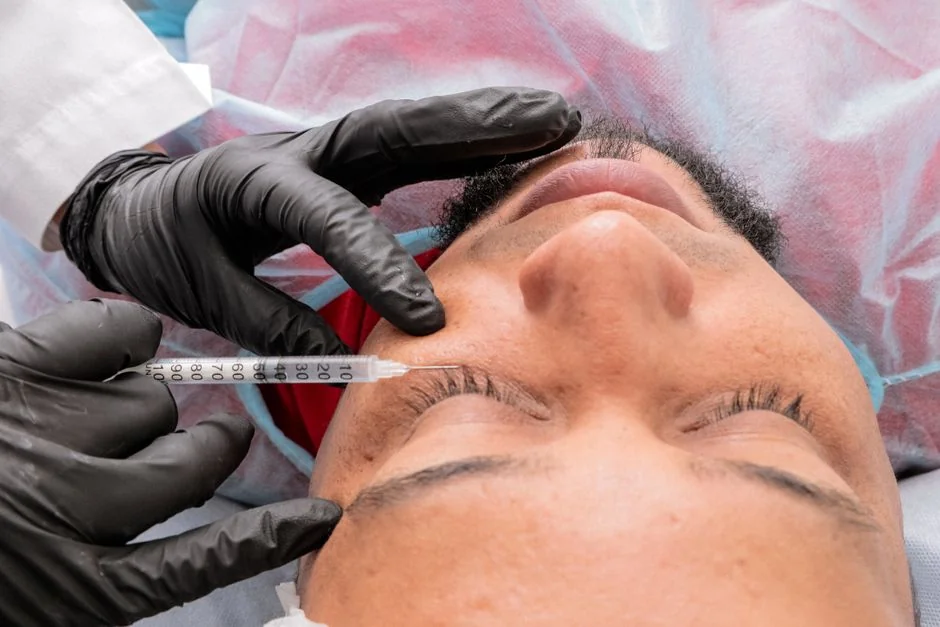
1. Emergency signs: suspected vascular occlusion
Vascular occlusion happens when filler enters or compresses a blood vessel and blocks blood flow. The CMAC vascular occlusion guideline describes the key warning signs as sudden, escalating pain during or after treatment — either at the injection site or somewhere distant — along with skin that looks pale or dusky, a delayed capillary refill time of more than two seconds, and a mottled, reticulated purple pattern (livedo reticularis).
Timing is not always immediate. The same guideline notes these changes can appear “instantly or within a few hours,” with delayed presentations days later also possible. Any sudden vision change, drooping eyelid, or eye pain after facial filler is a medical emergency.
Why the urgency: published guidance cites evidence that the retina can tolerate roughly 97 minutes of hypoxia before damage becomes irreversible, and that retinal infarction can occur within 12 to 15 minutes. Review data suggest hyaluronidase treatment for vascular occlusion is optimally administered within about four hours, using high total doses in the region of 450–1,500 units delivered across the affected area in up to four cycles.
A literature review and meta-analysis of 93 published cases of vascular complications after facial filler (reported between 2004 and 2016) found blindness in 61 percent of those cases, with partial or total recovery in only 28 percent. Retinal artery occlusions most often followed glabella (between-the-brows) injections, and ophthalmic artery occlusions most often followed nasal injections. These are published case reports, so they over-represent severe outcomes — but they explain why injectors treat these two zones with particular caution.
2. Cosmetic signs: the filler simply looks wrong
Far more commonly, dissolving is elective. Reasonable indications include visible lumps or nodules, asymmetry, overcorrection that reads as puffiness rather than volume, filler that has migrated away from where it was placed, and the Tyndall effect — a bluish-grey discolouration that occurs when HA is placed too superficially and scatters short-wavelength light.
Doses here are dramatically smaller than in an emergency. Published dosage guidance suggests roughly 30–75 units for the Tyndall effect (with 10–20 units sometimes sufficient), 5–15 units as a starting dose for non-inflamed nodules with reassessment at one week, and as little as 1.5–3 units in thin-skinned eyelid areas.
3. Delayed signs: nodules appearing months later
Firm or inflamed nodules that appear months after treatment are a separate category. Guidance indicates inflammatory nodules are generally managed first with oral antibiotics for two weeks or more, with hyaluronidase added if they do not settle — dissolving is not automatically the first move.
| Situation | Typical signs | Urgency | Typical enzyme dose range reported |
|---|---|---|---|
| Vascular occlusion | Severe pain, blanching, dusky or mottled purple skin, delayed capillary refill, vision change | Emergency — same day, ideally within hours | 450–1,500 units total, repeated cycles |
| Tyndall effect | Bluish-grey shadow, usually under the eyes or lips | Elective | Approx. 10–75 units |
| Non-inflamed lump or migration | Palpable or visible lump, filler sitting outside the intended area | Elective | Approx. 5–15 units initially, higher if needed |
| Overcorrection or asymmetry | Puffiness, heaviness, uneven result | Elective | Up to approx. 225 units reported |
| Delayed inflammatory nodule | Red, tender, swollen lump months later | Assess first — antibiotics often precede enzyme | Variable; per clinical judgement |
What People Often Get Wrong About Dissolving Filler
Misconception 1: “Old filler is gone, so there is nothing to dissolve.”
Imaging evidence increasingly contradicts the familiar six-to-eighteen-month figure. A 2026 clinical report in the Journal of Cosmetic Dermatology documents that complete disappearance within traditionally cited timelines “is not universal,” with MRI showing well-demarcated deposits corresponding to old injection sites years after treatment. If a lump appeared long after your last syringe, filler may still be a plausible cause.
Misconception 2: “One session erases everything.”
The same report notes that limited diffusion of the enzyme or insufficient dosing may contribute to incomplete degradation — particularly with heavily cross-linked gels and repeated layering in the same anatomical plane. Reversal is often staged, with reassessment at around 48 hours and further sessions if needed, rather than a single guaranteed clean slate.
Cost of Hyaluronidase in Tokyo
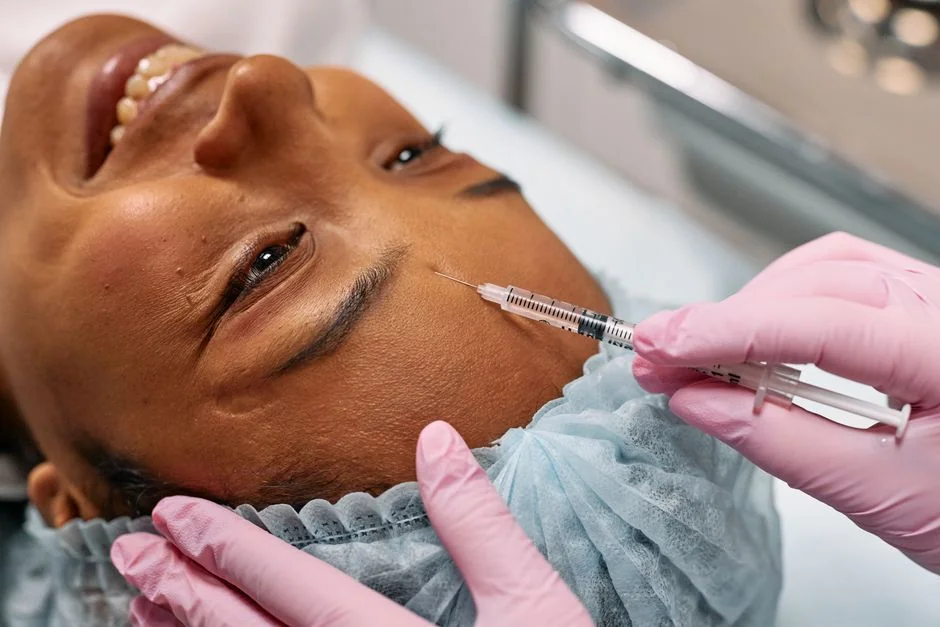
Filler reversal is a self-pay (non-insured) cosmetic treatment in Japan, so pricing is set by each clinic. On our group’s published cosmetic price list (dated 1 October 2023), hyaluronidase is listed at ¥44,000 per 1 mL, tax included, and ¥88,000 per 1 mL where the original filler was injected at another clinic. The initial and follow-up consultation fee is listed at ¥5,500.
Total cost depends on how much filler is present, how heavily cross-linked it is, and how many areas are treated — a small Tyndall correction and a full mid-face reversal are not comparable. Please see the clinic’s official price page or contact us for a current quote, as published prices are subject to revision.
One note specific to Japan: PMDA states that some medicines used in cosmetic medical procedures are not covered by the national relief system for adverse drug reactions. It is reasonable to ask your clinic which hyaluronidase product is used and what its regulatory status is before consenting.
For an accurate quote, please book a consultation.
Have a question about this treatment?
Message us on LINE or WhatsApp — our English-speaking team usually replies the same day.
What to Expect, and Who Is a Good Candidate

Before
Bring your treatment records if you have them — the product name, volume, date and areas treated all change the dosing plan. Allergy history matters too: the CMAC guideline highlights cross-reactivity concerns in people with a history of anaphylaxis to wasp or bee stings, and describes intradermal skin testing using 15 units, while noting that no validated test concentration exists in routine practice.
During and after
The injection itself is quick. Expect swelling, redness and possible bruising for a few days; the treated area frequently looks flatter than your pre-filler baseline at first, because native HA is temporarily degraded as well. Guidance suggests reassessing the result at around 48 hours, and waiting a minimum of two weeks before re-injecting new filler.
Who should be cautious
Hyaluronidase is not appropriate for non-HA fillers such as calcium hydroxylapatite, poly-L-lactic acid or permanent silicone — the enzyme has no effect on them, so identifying the original product is essential. It is generally avoided in people with known hypersensitivity to the enzyme, and used with care in those with significant allergy histories. The FDA label states that allergic and anaphylactic-like reactions have been reported, rarely; review data put Type I hypersensitivity at approximately 0.1 percent at aesthetic doses.
Where to Get Filler Dissolving in Tokyo
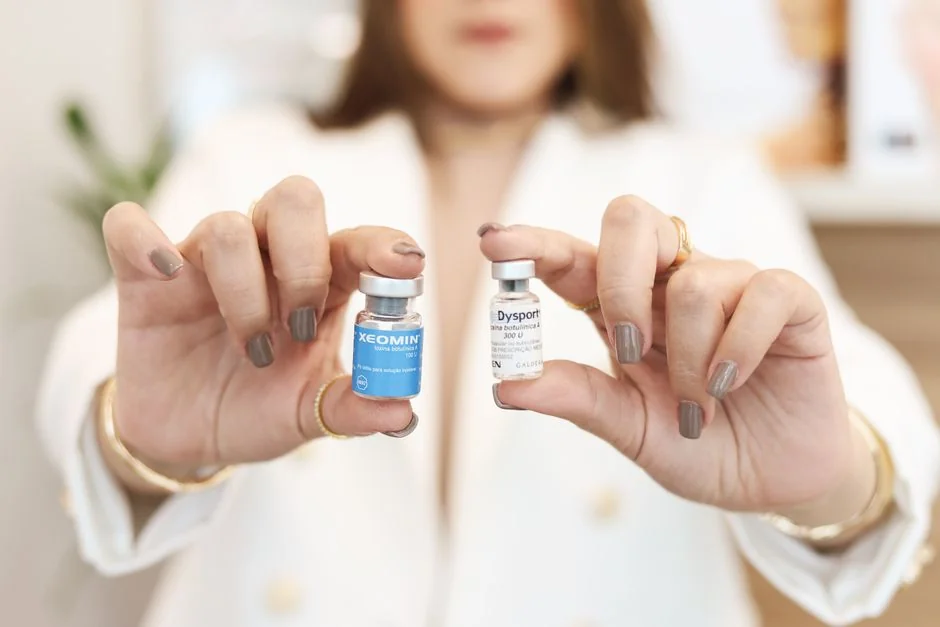
Within our clinic group, both BIOTOPE CLINIC (Shirokanedai, Minato-ku) and Kojimachi Dermatology & Plastic Surgery Clinic (Ichigaya, Chiyoda-ku) offer English-language consultation with Dr. Jun Karibe’s team. Hyaluronidase injection for HA filler reversal is handled at BIOTOPE CLINIC in Shirokanedai. Bookings and enquiries in English: LINE or WhatsApp.
At BIOTOPE CLINIC in Shirokanedai, a filler-reversal consultation begins with identifying the original product and mapping where it sits, since dosing depends on both. If you decide to re-treat afterwards, hyaluronic acid filler and Botox are both available there — feel free to ask about the timing during your consultation with Dr. Karibe.
Frequently Asked Questions
- Q. How quickly does hyaluronidase work?
- The enzyme acts immediately, and laboratory work has shown complete dissolution of biphasic filler within one to two hours at doses of 600–750 units. Visually, however, swelling from the injection can mask the result, so most clinics reassess after about 48 hours.
- Q. Will dissolving filler leave my skin loose or saggy?
- The area often looks temporarily flat because the enzyme also degrades your own hyaluronic acid, but published guidance indicates the body restores native HA within roughly 15 to 20 hours. Any longer-term laxity usually reflects the tissue changes that led you to have filler in the first place, rather than damage from the enzyme.
- Q. Can filler from several years ago still be dissolved?
- Often yes. Imaging reports document HA deposits persisting well beyond the commonly quoted six-to-eighteen-month window, so old filler remains a plausible target — though heavily cross-linked, layered deposits may need more than one session.
- Q. What should I do if I suspect vascular occlusion after filler?
- Contact the treating clinic immediately, or seek emergency care if you cannot reach them. Severe pain, blanching or mottled purple skin, and especially any vision change, are treated as urgent — review data suggest hyaluronidase is best given within about four hours.
Have a question about this treatment?
Message us on LINE or WhatsApp — our English-speaking team usually replies the same day.
Summary
There are two distinct reasons to dissolve HA filler.
One is an emergency — suspected vascular occlusion, signalled by disproportionate pain, colour change, delayed capillary refill or visual symptoms, where treatment is measured in hours. The other is elective, covering lumps, Tyndall discolouration, migration and overcorrection, where small doses and staged reassessment are the norm.
Reversal is realistic but not absolute: the enzyme is used off-label, it is non-selective, and heavily cross-linked or long-standing deposits may not clear completely in one session. An honest assessment of what is actually in your tissue is the most useful first step.
If you have questions about when to dissolve HA filler and whether a hyaluronidase injection is appropriate for you, both BIOTOPE CLINIC (Shirokanedai, Minato-ku) and Kojimachi Dermatology & Plastic Surgery Clinic (Ichigaya, Chiyoda-ku) offer English-language consultation with Dr. Karibe and his team. Hyaluronidase injection is primarily handled at BIOTOPE CLINIC. English enquiries: LINE or WhatsApp.
24/7 Consultation & Booking
Book a Consultation or Treatment
Our English-speaking team responds via LINE or WhatsApp — usually the same day.
References
- Kroumpouzos G, Treacy P. Hyaluronidase for Dermal Filler Complications: Review of Applications and Dosage Recommendations. JMIR Dermatology. 2024;7(1):e50403.
- Hong GW, Hu H, Wan J, Chang K, Park Y, Vitale M, Damiani G, Yi KH. How Should We Use Hyaluronidase for Dissolving Hyaluronic Acid Fillers? Journal of Cosmetic Dermatology. 2025;24(1):e16783.
- Murray G, Convery C, Walker L, Davies E. Guideline for the Management of Hyaluronic Acid Filler-induced Vascular Occlusion. Journal of Clinical and Aesthetic Dermatology. 2021;14(5):E61–E69.
- Murray G, Convery C, Walker L, Davies E. Guideline for the Safe Use of Hyaluronidase in Aesthetic Medicine, Including Modified High-dose Protocol. Journal of Clinical and Aesthetic Dermatology. 2021;14(8):E69–E75.
- Sito G, Manzoni V, Sommariva R. Vascular Complications after Facial Filler Injection: A Literature Review and Meta-analysis. Journal of Clinical and Aesthetic Dermatology. 2019;12(6):E65–E72.
- Prager M, Lusher J. Long-Term Persistence of Hyaluronic Acid Fillers: A Clinical Illustration and Implications for Practice. Journal of Cosmetic Dermatology. 2026;25:e70879.
- US Food and Drug Administration. HYLENEX recombinant (hyaluronidase human injection) prescribing information, revised January 2024. https://www.fda.gov/
Related Articles
You may also find these articles useful.
- Under Eye Filler Tokyo: Risks, Benefits & Costs
- Dermal Filler Tokyo: Price Guide & Clinic Selection Tips
- How Long Should You Stay in Tokyo for HA Filler? Downtime, Bruising & Flying Guide
- Lip Filler Tokyo: Cost, Treatment & Clinic Guide
- Filler for Jawline and Cheeks Tokyo
SUPERVISED BY

Dr. Jun Karibe
MD
Director
Education & Career
Certifications
Awards
MEDICAL REVIEW