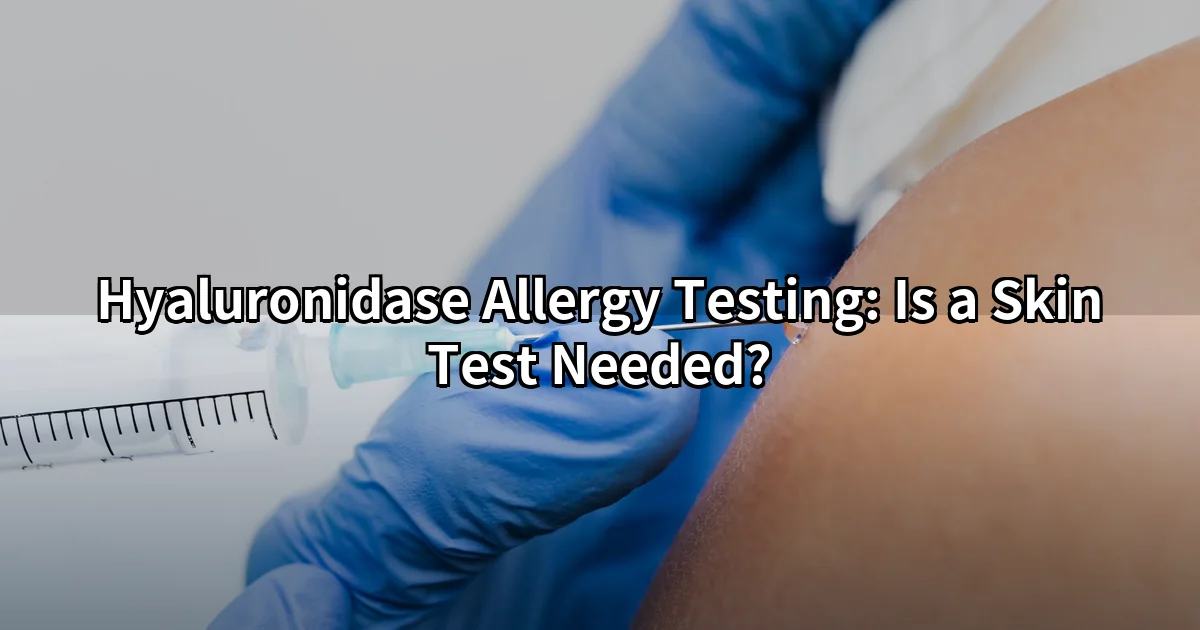
Allergy Testing Before Hyaluronidase: Do You Really Need a Skin Test?

If you are thinking about having hyaluronic acid filler dissolved, it is natural to worry about how you might react to the enzyme used to dissolve it. Some clinics insist on a skin test first and others skip it, and that inconsistency can be unsettling. This article sets out what the published evidence says about hyaluronidase allergy, what a skin test can and cannot show, and when extra caution makes sense.
What you’ll learn in this article:
- What hyaluronidase is and how often allergic reactions are reported
- How a hyaluronidase skin test is performed, and why its reliability is debated
- Who may need extra caution, including people with bee or wasp sting allergies
- Why skin testing is not recommended in a filler emergency
- Cost and approval status of hyaluronidase in Tokyo
Have a question about this treatment?
Message us on LINE or WhatsApp — our English-speaking team usually replies the same day.
What Is Hyaluronidase, and Why Test for Allergy?
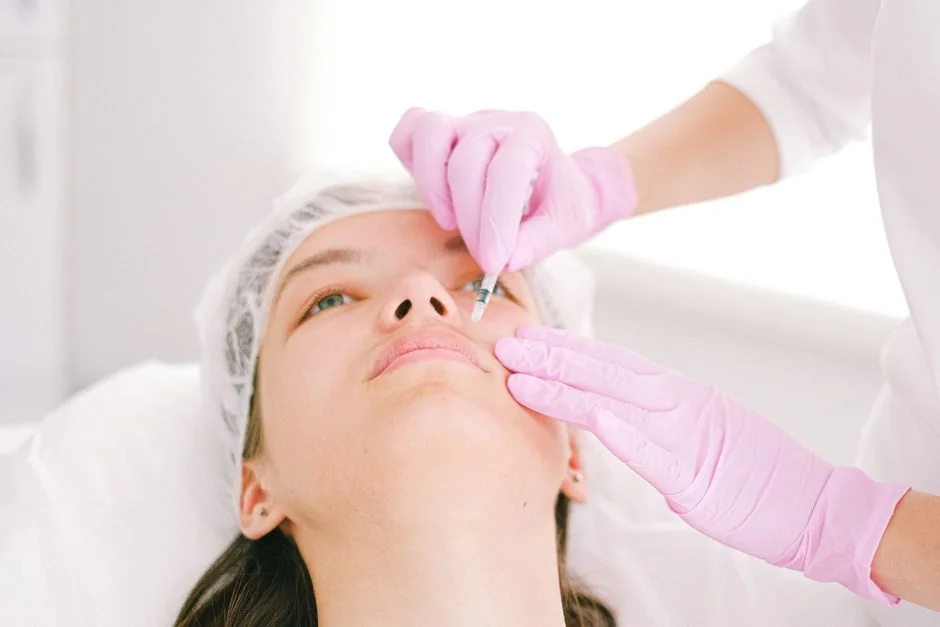
Hyaluronidase is an enzyme that breaks down hyaluronic acid, the gel-like substance in most dermal fillers. In aesthetic medicine it is injected to soften or dissolve filler that looks uneven, has moved or is causing complications. It is also used in emergencies when filler blocks a blood vessel (a “vascular occlusion”).
Like any medicine, hyaluronidase can trigger an allergic reaction. The US prescribing information for one hyaluronidase product, HYLENEX recombinant, states that allergic reactions such as hives (urticaria) or swelling of the deeper skin layers (angioedema) have been reported in less than 0.1% of patients receiving hyaluronidase. That figure is the main reason some practitioners test first.
Regulatory status: Japan versus overseas
Approval status is worth understanding before treatment. HYLENEX recombinant is approved by the US FDA, but its approved uses include helping other injected drugs and fluids spread and absorb. Dissolving cosmetic filler is not among them, so even in the United States this is an off-label use.
In Japan, a list of approved biological medicines published by the National Institute of Health Sciences (current as of 5 January 2026) includes hyaluronidase only as part of a combination product with a cancer antibody. It does not list any standalone hyaluronidase product. This means hyaluronidase used to dissolve filler in Japan is an unapproved medicine, used at the physician’s discretion. Patients may reasonably ask which product will be used and where it comes from.
How a Hyaluronidase Skin Test Works, and What It Cannot Tell You
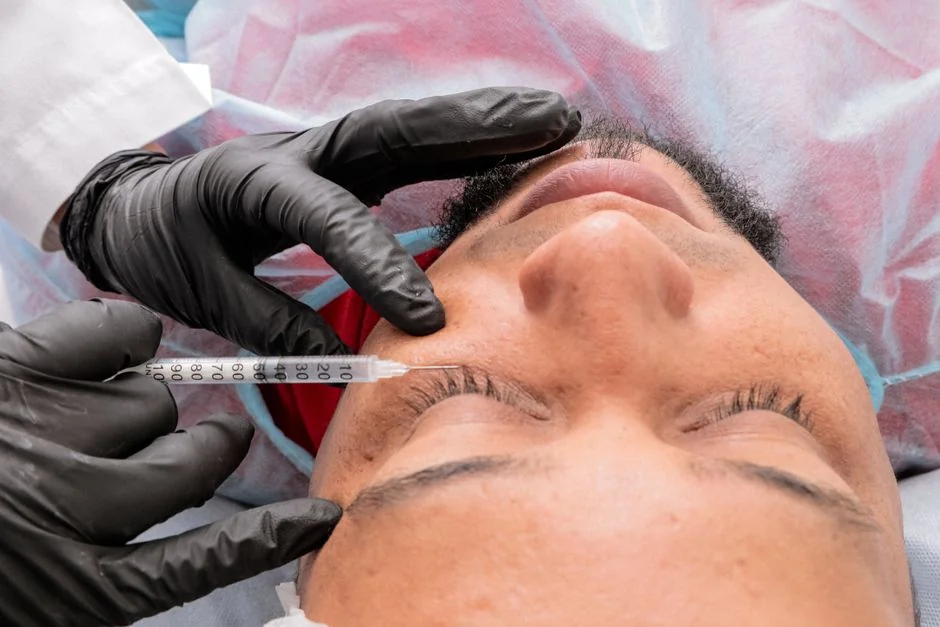
A skin test involves injecting a tiny amount of hyaluronidase into the top layer of skin, usually on the forearm, and watching the site. The 2008 version of the US prescribing information for HYLENEX recombinant described an intradermal test using approximately 0.02 mL (3 units) of a 150 unit/mL solution.
According to that label, a positive result is a raised, itchy welt (a “wheal”) with irregular extensions that appears within 5 minutes and lasts 20 to 30 minutes. The label notes that simple redness at the site, caused by temporary widening of blood vessels, is not a positive reaction.
The limits of skin testing
The Complications in Medical Aesthetics Collaborative (CMAC), a UK clinician group, published a hyaluronidase guideline in 2021 that questions this practice. The authors note there is no validated test concentration for assessing hyaluronidase allergy in the UK. They also advise that skin tests should be interpreted in clinical context and not used as a general screen for drug allergy.
Timing is another limitation. The same guideline states that allergic responses to hyaluronidase are mainly localised delayed-type (Type IV) reactions, defined as occurring one hour or later. A test read within minutes is designed to detect immediate reactions, so it may not pick up this more common delayed pattern.
Common Misconceptions About Hyaluronidase Allergy
Misconception 1: “A negative skin test means I cannot react”
A negative short-term test does not rule out a reaction. Because most reported reactions are delayed and no test concentration has been validated, the CMAC authors do not regard current skin testing as a reliable screen. Monitoring and emergency preparedness matter whether or not a test is done.
Misconception 2: “The 0.1% figure means one in a thousand people will have a serious reaction”
The CMAC guideline points out that the commonly quoted 0.1% figure covers all types of allergy, not specifically immediate (Type I) hypersensitivity, the kind that can lead to anaphylaxis. The authors found four case reports since 1949 of allergic reactions to hyaluronidase that needed adrenaline. They also found only three case reports, covering four patients, of allergy after hyaluronidase was used to dissolve cross-linked filler.
Misconception 3: “A skin test should always come first, even in an emergency”
In a separate 2021 guideline on filler-induced vascular occlusion, CMAC states that it does not recommend skin tests in that situation. It gives two reasons: the risk of anaphylaxis is minimal, and there is no validated test concentration. When blood flow is compromised, the priority is prompt treatment with emergency medication on hand.
Who Should Take Extra Care?
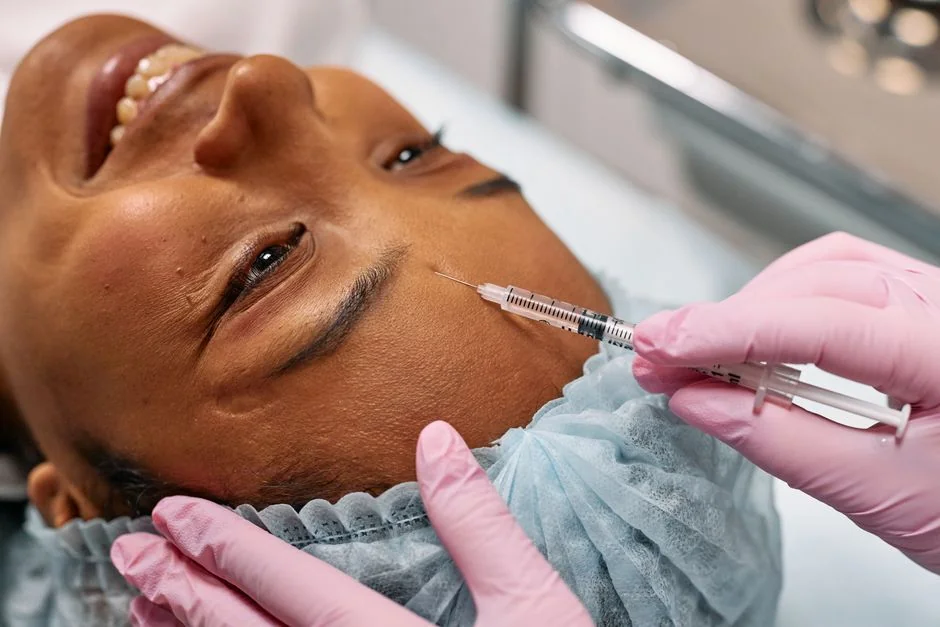
The evidence points to a few groups for whom a careful medical history matters more than a routine test.
- People with bee or wasp sting allergy. Hyaluronidase is also found in insect venom. The CMAC guideline estimates the risk of anaphylaxis from hyaluronidase at up to 5% in people who have had a large local reaction to a sting, and up to 60% in people who have had anaphylaxis to a sting. It also warns that performing an intradermal test on these patients is itself an anaphylaxis risk.
- People who have had hyaluronidase before. A 2024 systematic review in Aesthetic Plastic Surgery analysed 37 articles covering 106 patients with a mean age of 54.2 years. It identified prior injections and sensitisation to insect or wasp venom as the main risk factors. Many patients with repeated exposure reacted after a second injection.
- People with other allergies or allergic conditions. The same review reported that a history of allergy to other substances, and conditions such as asthma, dermatitis and rhinitis, were common among affected patients.
The review also found that treatment with steroids, with or without antihistamines, led to rapid and mostly complete resolution of symptoms. The authors recommend that people with untreated wasp allergy see an allergy specialist before receiving hyaluronidase.
Comparing the options
| Approach | When it may be considered | Key limitation |
|---|---|---|
| Detailed allergy history only | No history of sting allergy, prior hyaluronidase reactions or significant allergic disease | Relies on the patient’s recall; emergency readiness still required |
| Intradermal skin test | Elective dissolution where the physician judges it clinically useful | No validated concentration; may miss delayed (Type IV) reactions |
| Referral to an allergy specialist | History of anaphylaxis or large local reactions to bee or wasp stings | Adds time; elective treatment may need to be postponed |
| Treat without testing, with emergency medicines on hand | Vascular occlusion (filler blocking a blood vessel) | Still requires monitoring and adrenaline available |
Cost in Tokyo

Our clinic group’s published price list (revised 1 October 2023) lists hyaluronidase filler dissolution at ¥11,000 per 0.1 mL for filler originally placed at our clinics, and ¥22,000 per 0.1 mL for filler placed at another clinic (tax included). The total depends on how much filler needs to be dissolved and how many sessions are required. The price list does not include a separate fee for skin testing, so please ask at booking whether any additional charges apply to your case.
Because hyaluronidase is used for cosmetic purposes and is not an approved medicine in Japan, treatment is self-pay and not covered by Japanese national health insurance. For an accurate quote, please book a consultation.
Have a question about this treatment?
Message us on LINE or WhatsApp — our English-speaking team usually replies the same day.
Frequently Asked Questions
- Q. Is a skin test mandatory before hyaluronidase?
- There is no universal requirement, and practice varies between clinicians. The CMAC guideline advises against using skin tests as a general screen because no test concentration has been validated. Whether testing is appropriate depends on your allergy history and the physician’s assessment.
- Q. I am allergic to bee stings. Can I still have filler dissolved?
- You should tell your physician before any treatment. The CMAC guideline warns that both hyaluronidase and a skin test carry a higher anaphylaxis risk in people with serious sting reactions. A 2024 review recommends that people with untreated wasp allergy consult an allergy specialist first.
- Q. When would an allergic reaction usually appear?
- According to the CMAC guideline, most reported reactions are localised delayed-type reactions appearing one hour or more after injection. Contact the clinic promptly if you notice unusual swelling, itching or hives after treatment.
- Q. What happens if I react?
- A 2024 systematic review found that steroids, with or without antihistamines, led to rapid and mostly complete resolution of symptoms. Serious reactions needing adrenaline are rarely reported, which is why clinics keep emergency medicines ready.
- Q. Is hyaluronidase approved in Japan?
- No standalone hyaluronidase product appears on Japan’s list of approved biological medicines as of January 2026. Its use to dissolve filler in Japan is therefore unapproved and at the physician’s discretion. FDA approval of certain products in the US covers other uses and is not Japanese approval.
Have a question about this treatment?
Message us on LINE or WhatsApp — our English-speaking team usually replies the same day.
Summary: Where to Get Hyaluronidase Treatment in Tokyo
A skin test before hyaluronidase is not the reliable safeguard many people assume. Published guidance highlights that no test concentration has been validated, that most reactions are delayed, and that testing itself can be risky for people with serious sting allergies. A thorough allergy history, careful monitoring and emergency readiness are central to safe treatment.
Within our clinic group, both BIOTOPE CLINIC (Shirokanedai, Minato-ku) and Kojimachi Dermatology & Plastic Surgery Clinic (Ichigaya, Chiyoda-ku) offer English-language consultation with Dr. Jun Karibe’s team. Hyaluronidase filler dissolution, along with hyaluronic acid filler, is handled at BIOTOPE CLINIC (Shirokanedai). Bookings and enquiries in English: LINE or WhatsApp.
If you are considering having filler corrected or replaced, hyaluronic acid filler is a treatment available at BIOTOPE CLINIC in Shirokanedai. Feel free to ask about it during a consultation with Dr. Karibe.
If you have questions about hyaluronidase allergy testing, both BIOTOPE CLINIC (Shirokanedai, Minato-ku) and Kojimachi Dermatology & Plastic Surgery Clinic (Ichigaya, Chiyoda-ku) offer English-language consultation with Dr. Karibe and his team. Hyaluronidase filler dissolution is primarily handled at BIOTOPE CLINIC. English enquiries: LINE or WhatsApp.
24/7 Consultation & Booking
Book a Consultation or Treatment
Our English-speaking team responds via LINE or WhatsApp — usually the same day.
References
- Murray G, Convery C, Walker L, Davies E. Guideline for the Safe Use of Hyaluronidase in Aesthetic Medicine, Including Modified High-dose Protocol. Journal of Clinical and Aesthetic Dermatology. 2021;14(8):E69–E75.
- Murray G, Convery C, Walker L, Davies E. Guideline for the Management of Hyaluronic Acid Filler-induced Vascular Occlusion. Journal of Clinical and Aesthetic Dermatology. 2021;14(5):E61–E69.
- Guliyeva G, Huayllani MT, Kraft C, Lehrman C, Kraft MT. Allergic Complications of Hyaluronidase Injection: Risk Factors, Treatment Strategies, and Recommendations for Management. Aesthetic Plastic Surgery. 2024.
- HYLENEX recombinant (hyaluronidase human injection) US prescribing information. US Food and Drug Administration label, 2008; revised 11/2024.
- National Institute of Health Sciences, Division of Biological Chemistry and Biologicals. List of approved biological products in Japan. Current as of 5 January 2026.
Related Articles
You may also find these articles useful.
- Animal vs Human Hyaluronidase: Safety and Allergy Risk
- Hyaluronidase Products Available in Japan: Patient Guide
- Hyaluronidase in Tokyo: A Guide to Dissolving HA Filler
- When to Dissolve HA Filler: Signs You Need Hyaluronidase
- Dermal Filler Tokyo: Price Guide & Clinic Selection Tips
SUPERVISED BY

Dr. Jun Karibe
MD
Director
Education & Career
Certifications
Awards
MEDICAL REVIEW