What Does the Clinical Evidence Show?

The evidence base for all three approaches has expanded substantially in recent years, though it remains heterogeneous — most published trials are small, and standardised head-to-head comparisons between the three approaches are limited.
For exosome therapy, a systematic review published in Dermatology Practical & Conceptual in January 2026 — covering 21 eligible studies — provides the most current synthesis for skin rejuvenation. Reported outcomes included a 104% increase in skin elasticity in a small cohort treated with adipose stem cell-derived exosomes (Nguyen et al., 2024; n=3), 94.6% of participants reporting wrinkle improvement in a cohort of 56 patients (Wyles et al., 2024), and an 11.3% gain in skin elasticity alongside a 9.9% reduction in melanin index in a split-face randomised controlled trial combining exosomes with microneedling (Park et al., 2023; n=28). Studies suggest these figures are encouraging; however, the significant variability across exosome sources, isolation methods, and delivery routes means they cannot yet be generalised across all commercial products.
For culture supernatant, clinical reports indicate broadly comparable biological mechanisms to purified exosome preparations — both deliver growth factors and extracellular vesicles — but the broader, less standardised composition of supernatant products means potency and reproducibility vary more across batches. Multiple published case series document improvements in skin roughness, hydration, and collagen density when supernatant is applied in combination with microneedling or fractional radiofrequency devices, though robust randomised data for supernatant alone remain limited.
For stem cell therapy in aesthetic contexts, the published clinical evidence specific to skin rejuvenation is thinner than for the exosome literature, partly because the regulatory burden in Japan (and most other countries) makes large clinical trials outside pharmaceutical approval pathways difficult to conduct. Stem cell approaches carry a stronger and more established evidence base in therapeutic contexts such as joint repair and wound healing.
In Dr. Karibe’s clinical experience at BIOTOPE CLINIC, patients consulting about skin rejuvenation increasingly arrive having already encountered exosome or supernatant marketing and want an objective clinical perspective — a reflection of how rapidly these treatments have spread across Tokyo’s private medical sector and how much variation exists in the quality of products on offer.
Stem Cells vs Exosomes vs Supernatant — At a Glance
| Feature | Stem Cell Therapy | Exosome Therapy | Culture Supernatant |
|---|---|---|---|
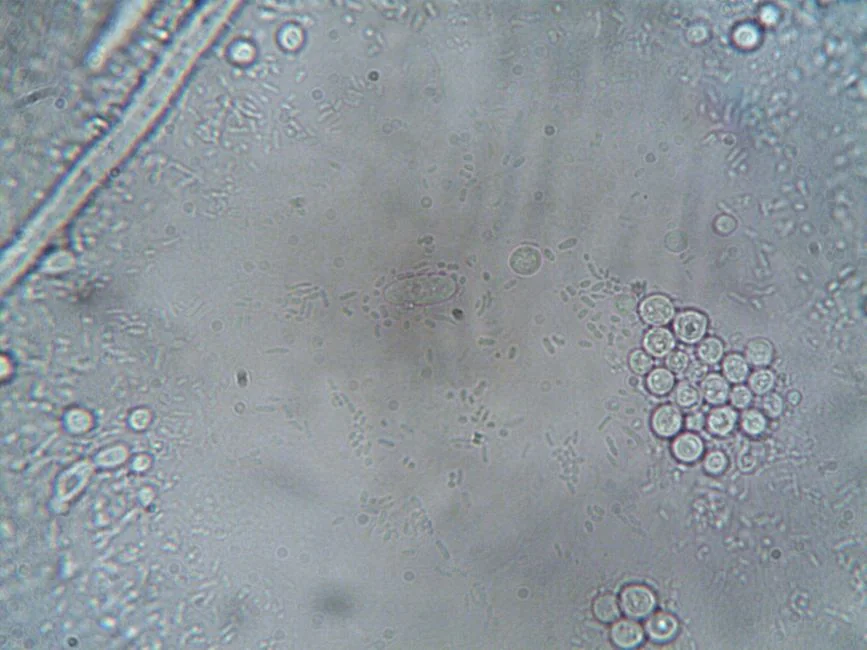
| What is administered | Live stem cells | Isolated extracellular vesicles (30–150 nm) | Full conditioned medium incl. exosomes, cytokines, growth factors |
| Cell-free? | No | Yes | Yes |
| Purity and standardisation | High (cell count and viability checked) | Variable; depends on isolation method | Lower; broad mixture, batch variation possible |
| Japan regulatory status | Regulated under Act on Safety of Regenerative Medicine (Class II or III); provision plan required | Outside RM law; treated as unapproved pharmaceutical | Outside RM law; treated as unapproved pharmaceutical |
| Japan adverse reaction relief | Covered where applicable | Not covered | Not covered |
| Typical delivery | IV infusion or injection | Topical (post-device), injection, or IV | Topical (post-device), injection, or IV drip |
| Downtime | 1–3 days | Minimal to 1–2 days | Minimal to 1–2 days |
| Relative cost in Tokyo | Highest | Mid–high | Lower than exosomes |
Regulatory Status and Safety in Japan — What Every Patient Must Know
Understanding Japan’s regulatory framework for regenerative medicine is not a bureaucratic footnote — it has direct implications for your safety and legal recourse if something goes wrong.
Stem cell therapy falls under Japan’s Act on the Safety of Regenerative Medicine (originally enacted 2013, revised effective May 2025). Clinics offering live stem cell treatments must submit a provision plan to a certified ethics review committee and file with the Ministry of Health, Labour, and Welfare. Registration confirms that an independent committee reviewed the plan — it does not confirm clinical efficacy — but this layer of oversight nonetheless provides meaningful accountability and an adverse event reporting pathway.
Exosome and culture supernatant products are outside this regulatory framework.
Because they contain no live cells, they are not classified as regenerative medicine under Japanese law. They are instead treated as pharmaceutical products under the Pharmaceuticals and Medical Devices Act — but no exosome or supernatant product has received drug approval in Japan. In July 2024, Japan’s Ministry of Health, Labour, and Welfare explicitly warned that no such product has been approved as safe and effective.
A 2024 article in Stem Cell Reports documented that at least 669 Japanese medical institutions were offering exosome therapies, and identified the absence of a mandatory adverse event reporting system as a specific patient safety concern.
This does not mean every exosome or supernatant treatment is dangerous. It does mean patients bear more of the burden of evaluating product quality when choosing a provider. The same 2024 paper identified potential risks from poorly characterised preparations, including contamination, unwanted immune responses, and malignant transformation. The significance of clinical-grade sourcing is illustrated by a 2019 FDA safety communication describing cases of sepsis in patients who received unapproved exosome injections in the United States.
At BIOTOPE CLINIC in Shirokanedai, regenerative medicine consultations with Dr. Karibe’s team include a thorough review of the regulatory status and sourcing standards of any product under consideration. This is a treatment available at BIOTOPE CLINIC — an informed, transparent discussion of which approach is appropriate is part of every consultation.
Cost, Candidacy, and What to Expect in Tokyo
Pricing
All three approaches are exclusively self-pay; Japan’s national health insurance does not cover regenerative medicine for cosmetic indications. Stem cell therapy is typically the most expensive, reflecting the cost of cell preparation and clinical-grade storage. Exosome therapy sits in the mid-to-high range, with pricing reflecting product quality and concentration. Culture supernatant is generally the most accessible entry point, though costs vary considerably depending on the delivery method (topical versus injected) and the number of sessions recommended.
Please see the clinic’s official price page or contact us for a current quote. For an accurate quote, please book a consultation.
Who Is a Good Candidate?
- Adults seeking skin rejuvenation, improved elasticity, or reduction in fine lines who have not achieved satisfactory results from device-based treatments alone
- Patients recovering from fractional laser or radiofrequency procedures who want to accelerate healing and optimise outcomes — BIOTOPE CLINIC’s CO2 fractional laser and Morpheus8 radiofrequency microneedling can be combined with regenerative adjuncts as clinically appropriate
- Individuals with early-stage androgenetic alopecia for whom exosomes are increasingly used as an adjunct to hair restoration treatment
- People in generally good health with realistic expectations — these are supportive or adjunctive therapies, not substitutes for surgical rejuvenation where surgery is clinically indicated
Who Should Approach with Caution
- Patients with active autoimmune disease, immunosuppression, or current malignancy — a full physician review is required before proceeding
- Pregnant or breastfeeding individuals — insufficient safety data exist for any of the three approaches in this population
- Anyone with a history of severe allergic reactions to biologically derived products should discuss product composition in detail with the treating physician before treatment
Have a question about this treatment?
Message us on LINE or WhatsApp — our English-speaking team usually replies the same day.
What People Often Get Wrong About Regenerative Medicine
Misconception 1: “Cell-free means inherently safer”
The logic sounds reasonable — no live cells, no risk of uncontrolled differentiation or immune rejection associated with stem cell therapy. But the Stem Cell Reports review (2024) makes clear that “cell-free” is not a synonym for “risk-free.” Acellular preparations carry their own specific risks — particularly contamination during manufacturing and batch inconsistency — and the absence of a regulatory framework for exosomes and supernatants in Japan means there is no mandatory adverse event reporting. Neither category is inherently safer; both require scrutiny of the specific product and the clinical standards of the provider.
Misconception 2: “Higher concentration or more sessions always produces better results”
The clinical evidence does not support a straightforward dose-response relationship. The 2026 systematic review in Dermatology Practical & Conceptual specifically noted significant variability in outcomes attributable to differences in exosome source, isolation method, and delivery technique — not simply dose or session count. A rigorously sourced, standardised product at a lower dose may outperform a high-volume, poorly characterised preparation. The quality of the product and the clinical protocol matter more than quantity.
Frequently Asked Questions
- Q. How is exosome therapy different from PRP (platelet-rich plasma)?
- PRP is derived from your own blood and delivers growth factors from activated platelets. Exosome therapy uses nano-vesicles derived from donor stem cells, which carry a broader repertoire of signalling molecules including regulatory RNA. The two treatments have overlapping but not identical mechanisms, and some protocols combine them. PRP has a longer track record in aesthetic medicine; exosomes represent a newer, still-evolving category with an expanding but not yet definitive evidence base.
- Q. How many sessions are typically needed for skin rejuvenation?
- Most published protocols use two to four sessions spaced four to six weeks apart, followed by maintenance sessions every six to twelve months. The appropriate protocol depends on your baseline condition, the delivery method used, and whether a device such as microneedling or fractional laser is combined. Your physician will recommend a schedule based on your individual assessment.
- Q. Can I combine regenerative medicine with Botox, fillers, or laser treatment?
- Combination approaches are common and are frequently designed to amplify outcomes — for example, applying exosomes immediately after fractional laser resurfacing to accelerate recovery and enhance collagen remodelling. Timing and sequencing matter and should be planned by the treating physician to avoid adverse interactions. BIOTOPE CLINIC offers both device-based treatments and regenerative adjuncts, allowing a coordinated protocol to be designed at consultation.
- Q. Are these treatments covered by Japanese national health insurance?
- No. Stem cell therapy, exosome therapy, and culture supernatant are all entirely self-pay at all clinics in Japan for cosmetic indications. There is currently no insurance reimbursement pathway for any of these treatments.
Have a question about this treatment?
Message us on LINE or WhatsApp — our English-speaking team usually replies the same day.
Where to Consult About Regenerative Medicine in Tokyo
Within our clinic group, both BIOTOPE CLINIC (Shirokanedai, Minato-ku) and Kojimachi Dermatology & Plastic Surgery Clinic (Ichigaya, Chiyoda-ku) offer English-language consultation with Dr. Jun Karibe’s team. Regenerative medicine treatments — including stem cell therapy, exosome therapy, and culture supernatant approaches — are handled at BIOTOPE CLINIC in Shirokanedai, the group’s cosmetic, aesthetic, and men’s health branch. Dr. Karibe personally consults at BIOTOPE CLINIC. Bookings and enquiries in English: LINE or WhatsApp.
At your consultation, the team will review your skin condition, previous treatments, and medical history, and advise on which approach — if any — is appropriate for your goals. The regulatory status and sourcing standards of any product under consideration will be explained clearly, with no obligation to proceed. The aim is a recommendation that is evidence-based, correctly indicated, and transparently explained.
If you have questions about regenerative medicine in Tokyo, both BIOTOPE CLINIC (Shirokanedai, Minato-ku) and Kojimachi Dermatology & Plastic Surgery Clinic (Ichigaya, Chiyoda-ku) offer English-language consultation with Dr. Karibe and his team. Regenerative medicine is primarily handled at BIOTOPE CLINIC in Shirokanedai. English enquiries: LINE or WhatsApp.
24/7 Consultation & Booking
Book a Consultation or Treatment
Our English-speaking team responds via LINE or WhatsApp — usually the same day.
References
- Authors. Exosomes in Skin Rejuvenation: Systematic Review of Anti-Aging Effects and Clinical Applications. Dermatology Practical & Conceptual. 2026.
- Authors. The urgent need for clear and concise regulations on exosome-based interventions. Stem Cell Reports. 2024.
- Authors. The impact of revised regenerative medicine regulations on unapproved gene therapies in Japan. Molecular Therapy. 2025;33(6):2332–2335.
Related Articles
You may also find these articles useful.
- Stem Cell vs Exosome vs Supernatant Therapy in Tokyo
- Stem Cells vs Exosomes vs Supernatant in Tokyo
- Regenerative Medicine Tokyo: Stem Cell vs Exosome Guide
- Exosome Therapy Tokyo: Skin Rejuvenation & Anti-Aging Guide
- AGA Treatment Tokyo: Stem Cell Supernatant Hair Regrowth
SUPERVISED BY
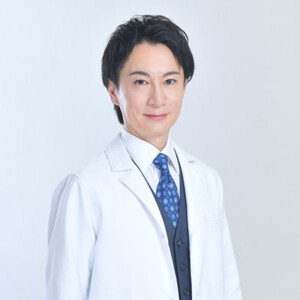
Dr. Jun Karibe
MD
Director
Education & Career
Certifications
Awards
MEDICAL REVIEW