Stem Cell vs Exosome vs Conditioned Supernatant Therapy in Tokyo: What Patients Need to Know
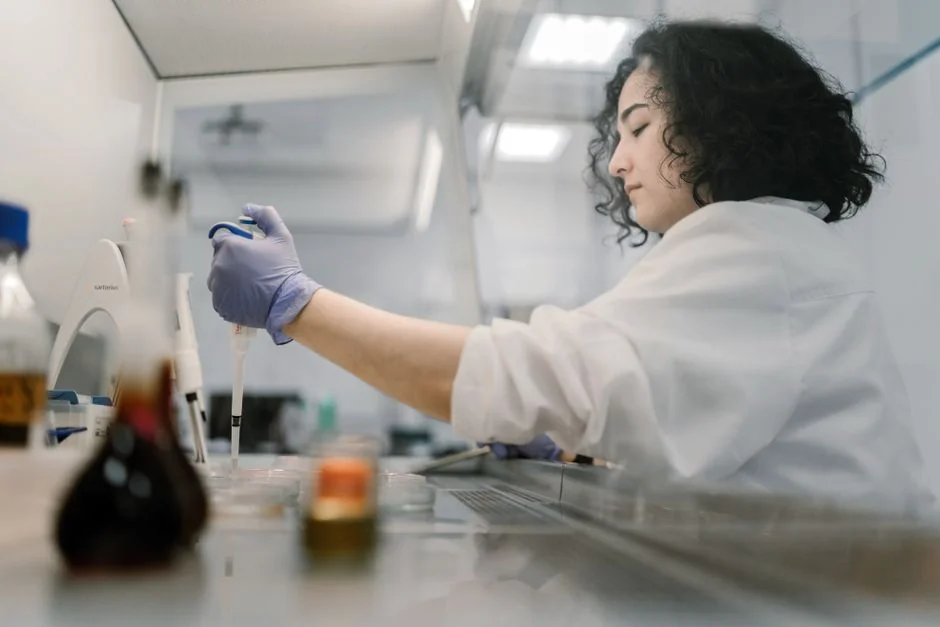
Regenerative medicine has moved rapidly from specialist research units into cosmetic clinics across Tokyo, and English-speaking patients increasingly arrive at consultations having already encountered overlapping — and sometimes contradictory — claims about stem cells, exosomes, and conditioned supernatant. These three approaches are frequently grouped together as though they are interchangeable, but they differ fundamentally in biological mechanism, manufacturing process, regulatory status in Japan, and the quality of clinical evidence available.
This guide explains how each modality works, summarises what peer-reviewed research currently shows, and helps you ask the right questions before booking a treatment.
What you will learn in this article:
- The biological difference between stem cells, exosomes, and conditioned supernatant (culture supernatant)
- How Japan regulates each modality under the 2025 amendment to the Act on the Safety of Regenerative Medicine
- Specific outcome figures from recent peer-reviewed clinical studies
- Two widespread misconceptions that could affect your treatment decision
- Who is a suitable candidate and where to receive these treatments in Tokyo
Have a question about this treatment?
Message us on LINE or WhatsApp — our English-speaking team usually replies the same day.
What Is Regenerative Medicine?
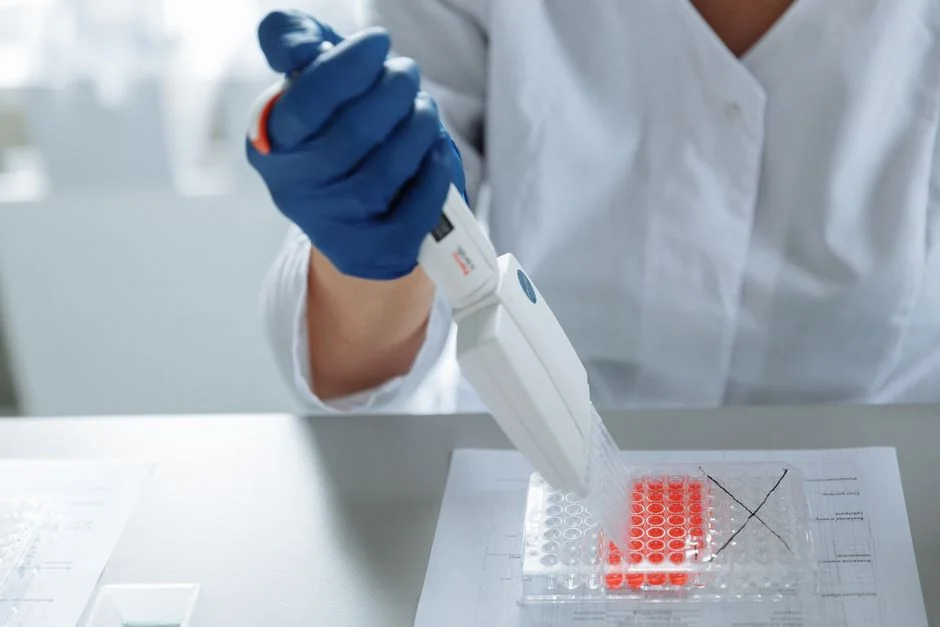
Regenerative medicine is an umbrella term for treatments that aim to repair, restore, or replace damaged tissue by delivering or stimulating biological repair signals. In aesthetic and preventive medicine, the most common goals are skin rejuvenation — reducing wrinkle depth, improving elasticity, evening skin tone — and hair restoration.
Three approaches have attracted the most clinical and patient interest in Tokyo: whole-cell stem cell therapy, exosome therapy, and conditioned supernatant.
Understanding the differences matters for two reasons: these treatments vary substantially in risk profile and in what regulatory safeguards apply in Japan, and the strength of supporting clinical evidence differs across all three.
How Stem Cells, Exosomes, and Conditioned Supernatant Work
Stem Cell Therapy
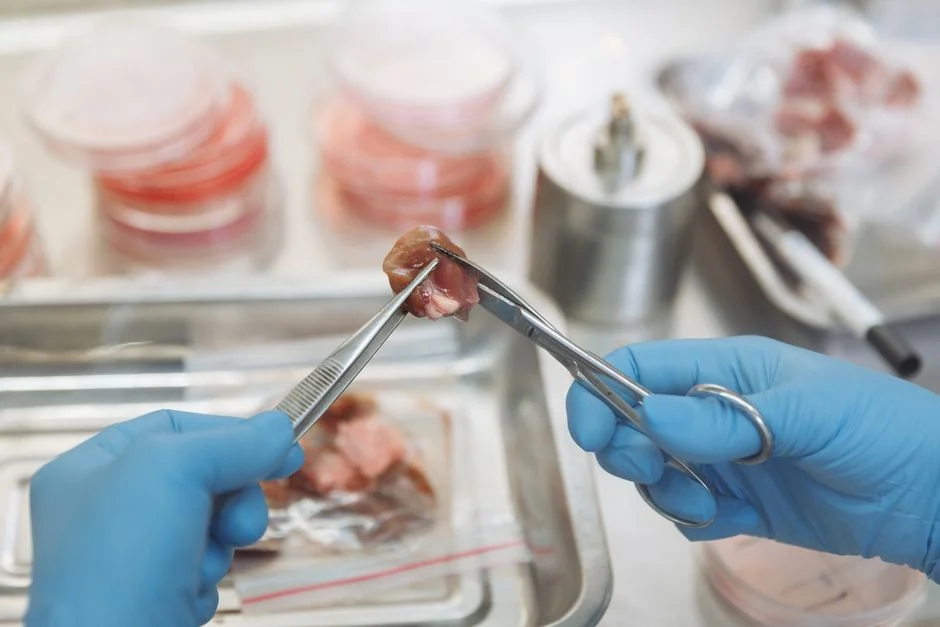
Stem cells are undifferentiated cells capable of replicating and differentiating into specialised tissue types. In a regenerative aesthetic context, mesenchymal stem cells (MSCs) derived from bone marrow, adipose tissue, or umbilical cord tissue are the most clinically studied. Administered by injection or infusion, these living cells may home to areas of tissue damage, release repair-signalling molecules, and in some applications integrate into surrounding structures.
Because living human cells are involved, stem cell therapy falls under Japan’s Act on the Safety of Regenerative Medicine (ASRM). Clinics providing this treatment must submit a formal treatment notification plan, reviewed by a certified committee and overseen by the Ministry of Health, Labour and Welfare (MHLW). The number of such plans submitted across Japan rose from 2,570 in 2015 to 6,703 in 2025 — reflecting both rapid growth in the field and intensifying regulatory scrutiny.
Exosome Therapy
Exosomes are nano-sized extracellular vesicles — approximately 30 to 150 nanometres in diameter — naturally secreted by cells, including stem cells. They carry messenger RNA, microRNA, growth factors, and proteins that act as intercellular signalling agents, delivering biological instructions to surrounding tissue without introducing living cells. Administration by injection or topical application after microneedling is technically simpler, and the absence of live cells generally lowers the risk profile compared with whole-cell therapy.
A critical point for any patient considering exosome therapy in Japan: exosomes are not currently included in the scope of the ASRM. A 2025 review by Yokomizo and colleagues published in Regenerative Therapy confirmed that “creating a clear definition of them as human dosage forms is difficult,” and the MHLW has not brought exosome-based interventions under the Act’s notification framework. The Ministry issued administrative guidance on exosome treatments in 2024, but this falls short of formal product approval. Despite the regulatory gap, a 2023 industry survey cited by researchers at Kyoto University found approximately 669 medical institutions in Japan already providing exosome therapy — substantially more than in North America or Europe.
Conditioned Supernatant (Culture Supernatant)
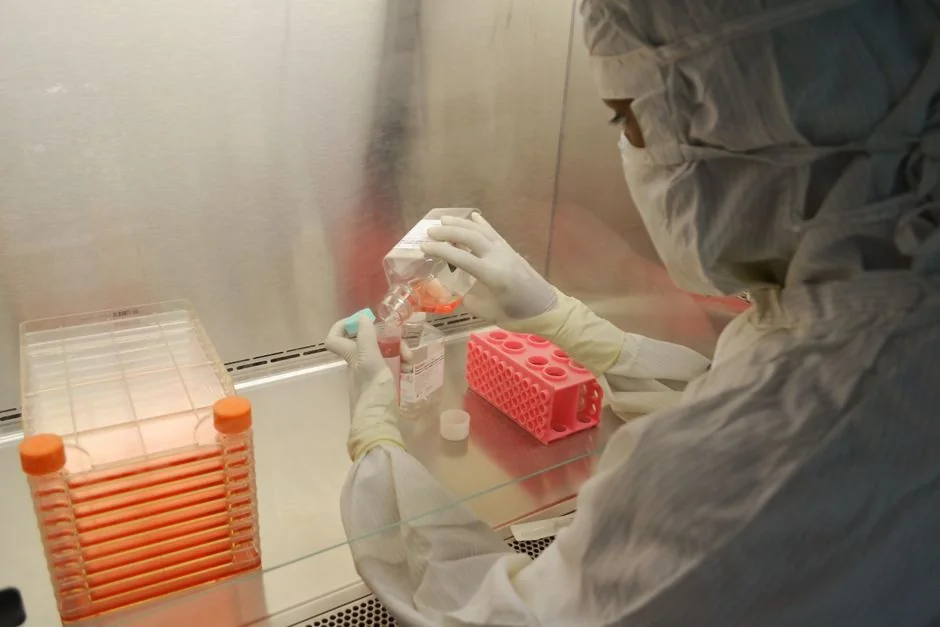
Conditioned supernatant is the cell-free fluid in which stem cells have been cultivated. As the cells grow and communicate, they secrete growth factors, cytokines, exosomes, and other bioactive molecules into the surrounding medium; that fluid is then collected, filtered, and prepared for clinical use — typically by injection or topical delivery after a barrier-disruption procedure such as microneedling.
Unlike dedicated exosome preparations, which undergo additional centrifugation steps to isolate and concentrate the vesicle fraction, conditioned supernatant retains a broader mixture of secreted factors.
A 2025 proteomic comparison published in PubMed Central identified 1,716 distinct proteins across conditioned media from different MSC sources, including mRNA for collagen types I and III and elastin. The same 2025 Regenerative Therapy review confirmed that conditioned supernatant is currently outside the ASRM’s scope but is formally scheduled for regulatory review approximately two years after the law’s May 2025 implementation date.
Comparing the Three: A Side-by-Side Overview
| Feature | Stem Cell Therapy | Exosome Therapy | Conditioned Supernatant |
|---|---|---|---|
| Contains living cells | Yes | No | No |
| Regulatory status in Japan (2025) | Covered by ASRM; formal notification required | Outside ASRM; no MHLW approval mechanism | Outside ASRM; formal review pending |
| Typical delivery route | IV infusion or local injection | Injection or topical post-microneedling | Injection or topical post-microneedling |
| Manufacturing complexity | High — cell culture and quality testing | Moderate — isolation and concentration | Lower — collection and filtration |
| Standardisation | Variable by cell source and protocol | Moderate — particle size and count measurable | Lower — broad mixture of secreted factors |
| Volume of human clinical evidence | Growing; varies by indication | Growing; controlled studies for skin and hair | Emerging; fewer large controlled trials |
| Typical downtime (aesthetic use) | Variable; hours to days | Minimal to none | Minimal to none |
What the Clinical Research Currently Shows
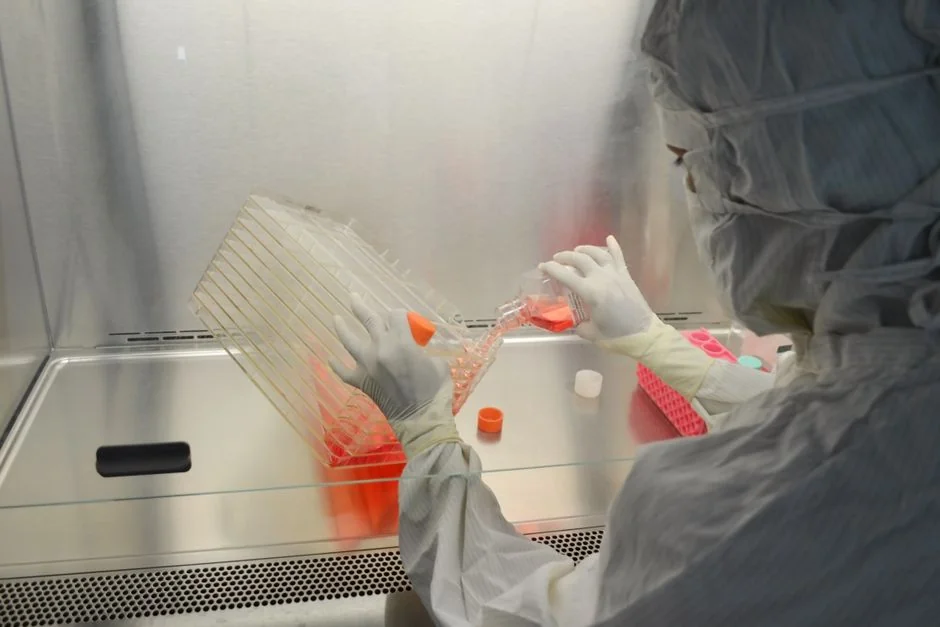
Evidence for all three modalities is developing, though the field still lacks the volume of large-scale, randomised controlled trials that exist for established interventions such as fractional laser resurfacing or collagen-stimulating fillers.
For exosome therapy, a 2024 study by Cicchetti and colleagues published in the Journal of Cosmetic Dermatology treated over 100 participants with three sessions of Wharton’s Jelly MSC-derived exosome serum applied after microneedling at 4–6-week intervals. Participant-reported improvements included 95.0% for skin moisture, 90.3% for skin texture, 88.9% for spots and pigmentation, and 86.4% for wrinkles and fine lines. The authors attributed these outcomes primarily to enhanced collagen synthesis and fibroblast proliferation.
A controlled split-face study reviewed by Domaszewska-Szostek and colleagues in the International Journal of Molecular Sciences (2025) assessed adipose-derived exosomes delivered by microneedling in 28 participants aged 43–66. The treated side showed 12.4% wrinkle reduction versus 6.6% on the control side, and skin elasticity improved 11.3% on the exosome-treated side compared with a 3.3% decline on the untreated side (p = 0.002).
For conditioned supernatant, Putri and colleagues (2024), writing in the Journal of Stem Cells and Regenerative Medicine, evaluated human adipose stem cell-conditioned medium (hASC-CM) in 64 photoaged female subjects with a mean age of 55.21 years. The treatment group showed statistically significant improvements in wrinkle depth, spot parameters, transepidermal water loss, pore visibility, and skin tone compared with vehicle-only controls (p < 0.05). The authors noted the absence of long-term follow-up as a significant limitation — a caveat that applies broadly across this field.
A 2024 review in Stem Cells and Cloning: Advances and Applications concluded that stem cell conditioned media demonstrate “tremendous potential in reducing skin ageing factors” with low cytotoxicity across preclinical and early clinical studies. Reviewers consistently emphasise that large-scale, standardised, long-term randomised controlled trials remain the field’s most urgent next step.
Common Misconceptions About Regenerative Medicine in Japan
Misconception: “If a Tokyo clinic is offering exosome or supernatant therapy, the treatment must be approved by Japanese authorities.”
This is one of the most consequential misunderstandings for patients to correct. Under Japan’s ASRM as amended in 2025, exosomes and conditioned supernatant are explicitly outside the Act’s scope — clinics providing them are not required to submit the same formal notification plans that cover living-cell stem cell therapies, and the MHLW has not approved any exosome-based product for aesthetic indication. The existence of administrative guidance from 2024 is not equivalent to product approval. Before proceeding, patients should ask the clinic directly about the product’s origin, donor screening process, and quality testing.
Misconception: “Conditioned supernatant is simply a diluted, weaker version of exosome therapy.”
This oversimplifies both modalities. Conditioned supernatant contains not only exosomes but a broad mixture of soluble growth factors, cytokines, and proteins that are removed during exosome purification. The 2025 proteomic comparison identified 1,716 distinct proteins in conditioned media, including structural proteins such as collagen types I and III and elastin. Whether a broader secretome mixture outperforms a concentrated exosome preparation depends on the formulation, cell source, and delivery method — and the answer may differ by indication.
Cost in Tokyo
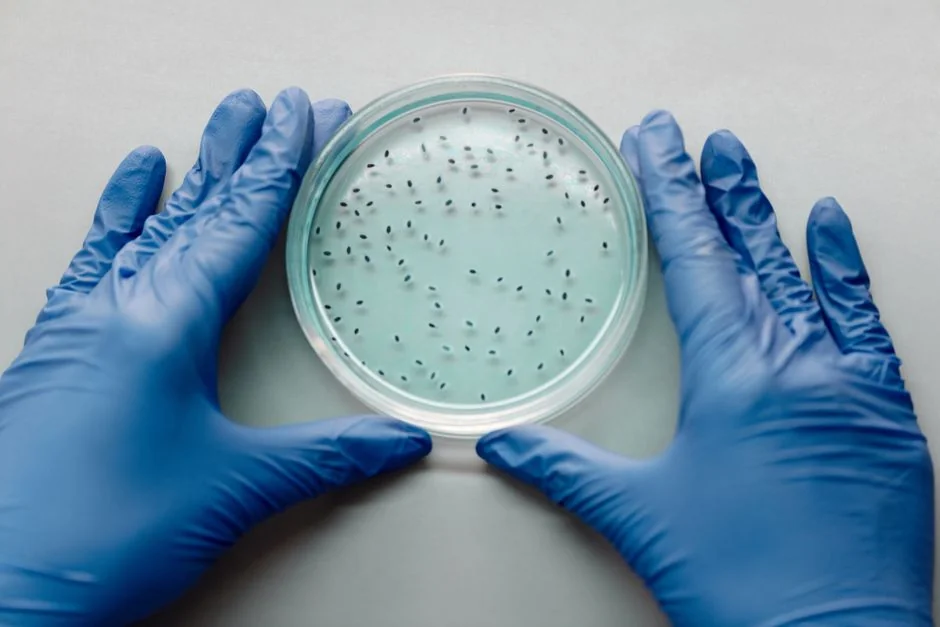
Regenerative medicine treatments for aesthetic indications are self-pay in Japan and are not covered by national health insurance. Costs vary based on the cell source used (autologous versus allogeneic), the degree of purification, the volume administered, and the number of sessions in the protocol. Multi-session protocols — typically three sessions spaced four to six weeks apart — are standard for skin rejuvenation goals.
As pricing in this category evolves rapidly with product and supply-chain changes, specific yen figures are not published here. Please see the clinic’s official price page or contact us for a current quote. For an accurate, personalised figure, please book a consultation.
Have a question about this treatment?
Message us on LINE or WhatsApp — our English-speaking team usually replies the same day.
Who Is a Good Candidate?
Patients who tend to be well suited to regenerative approaches in an aesthetic context include those with early-to-moderate signs of skin ageing — fine lines, reduced elasticity, uneven texture, or hyperpigmentation — as well as those seeking to support skin recovery after energy-based procedures. Patients with concerns about hair thinning not yet requiring surgical intervention are another group for whom these modalities are frequently discussed.
At BIOTOPE CLINIC in Shirokanedai, patients frequently ask about regenerative medicine as an adjunct to existing treatment programmes involving devices such as Morpheus8 RF microneedling or CO2 fractional laser, with the aim of enhancing and prolonging the tissue-repair response those procedures initiate. Combining biological signal delivery with microneedling or fractional resurfacing is a well-supported clinical approach and can be tailored to individual skin types and goals during consultation with Dr Karibe’s team.
Patients who are pregnant, breastfeeding, have active autoimmune conditions, are taking immunosuppressive medications, or have a history of certain cancers should discuss these factors fully with the treating physician before proceeding. Allogeneic exosome and supernatant products require rigorous donor screening and manufacturing controls; always confirm this information with the clinic before treatment.
Where to Receive Regenerative Medicine in Tokyo
Within the same medical group, both BIOTOPE CLINIC (Shirokanedai, Minato-ku) and Kojimachi Dermatology and Plastic Surgery Clinic (Ichigaya, Chiyoda-ku) offer English-language consultation with Dr Jun Karibe’s team. Regenerative medicine treatments — including exosome therapy, conditioned supernatant, and combination protocols with microneedling or RF devices — are handled at BIOTOPE CLINIC in Shirokanedai. Kojimachi Dermatology and Plastic Surgery Clinic in Ichigaya is the group’s main office for insurance-covered general dermatology and general plastic surgery. English-language bookings and enquiries for both locations: LINE or WhatsApp.
Frequently Asked Questions
- Q. How many sessions are typically needed before seeing results?
- Most clinical protocols for exosome or conditioned supernatant treatments involve three sessions spaced four to six weeks apart, with outcomes assessed at a three-month review. The Cicchetti 2024 study used this three-session model and documented measurable improvements in moisture, texture, wrinkle depth, and pigmentation across a cohort of over 100 participants. Maintenance sessions every six to twelve months are commonly recommended depending on individual response and treatment goals.
- Q. Can these treatments be combined with laser or RF microneedling?
- Yes — combination protocols are common in clinical practice. Exosome serum or conditioned supernatant is frequently applied immediately after microneedling, when the skin barrier is temporarily open, to enhance uptake of bioactive cargo into the dermis. BIOTOPE CLINIC in Shirokanedai offers Morpheus8 RF microneedling and CO2 fractional laser, and the consulting physician can advise on treatment sequencing based on the patient’s skin condition and goals.
- Q. Are the results permanent?
- No treatment in this category should be described as permanent. Regenerative approaches stimulate the body’s own repair and collagen-synthesis pathways, but the underlying ageing process continues. The Putri 2024 study cited the absence of long-term follow-up as a formal limitation — a caveat consistent across the field. Most practitioners recommend a reassessment at six to twelve months and a tailored maintenance protocol.
- Q. What is the difference between autologous and allogeneic treatment sources?
- Autologous treatments use cells or derived products from the patient’s own body (for example, adipose-derived MSCs collected via a minor harvesting procedure). Allogeneic treatments use products from a screened donor. Autologous options eliminate donor-matching concerns but require a collection step; allogeneic products are ready to use and may offer greater consistency in quality, but rigorous donor screening and manufacturing quality controls are non-negotiable prerequisites.
Have a question about this treatment?
Message us on LINE or WhatsApp — our English-speaking team usually replies the same day.
Summary
Stem cell therapy, exosome therapy, and conditioned supernatant each represent a distinct point on the regenerative medicine spectrum, differing in biological mechanism, regulatory status in Japan, manufacturing complexity, and the volume of supporting clinical evidence. Clinical studies suggest meaningful improvements in skin elasticity, wrinkle depth, hydration, and texture are achievable with properly administered protocols — but the field still awaits large-scale, standardised, long-term randomised controlled trials. For patients in Tokyo, the most important first step is a thorough consultation that covers product origin, quality controls, realistic expected outcomes, and a clear account of which regulatory frameworks do and do not apply.
If you have questions about regenerative medicine in Tokyo, both BIOTOPE CLINIC (Shirokanedai, Minato-ku) and Kojimachi Dermatology and Plastic Surgery Clinic (Ichigaya, Chiyoda-ku) offer English-language consultation with Dr Karibe and his team. Regenerative medicine treatments are primarily handled at BIOTOPE CLINIC in Shirokanedai. English enquiries: LINE or WhatsApp.
24/7 Consultation & Booking
Book a Consultation or Treatment
Our English-speaking team responds via LINE or WhatsApp — usually the same day.
References
- Cicchetti G, Mazzeo M, Heke M, Crowley C, Ntonos M, Crowley J. Topical Wharton’s Jelly MSC-Derived Age Zero Exosome Treatments After Micro-Needling for Skin Rejuvenation. Journal of Cosmetic Dermatology. 2024.
- Domaszewska-Szostek A, et al. Effectiveness of Extracellular Vesicle Application in Skin Aging Treatment and Regeneration: Do We Have Enough Evidence from Clinical Trials? International Journal of Molecular Sciences. 2025.
- Putri WE, Widyaswari MS, Prakoeswa CRS, et al. The Effect of Human Adipose Stem Cell-Conditioned Medium (hASC-CM) in Photoaged Skin. Journal of Stem Cells and Regenerative Medicine. 2024.
- Alquraisy A, Wilar G, Mohammed AFA, et al. A Comprehensive Review of Stem Cell Conditioned Media Role for Anti-Aging on Skin. Stem Cells and Cloning: Advances and Applications. 2024.
- Yokomizo R, Hosoya S, Umezawa A, Okamoto A. Amendment of the Act on the Safety of Regenerative Medicine: A New Voyage of Regenerative Medicine in Japan and the Dawn of a New Era for Young Investigators. Regenerative Therapy. 2025.
Related Articles
You may also find these articles useful.
- Stem Cell vs Exosome vs Supernatant Therapy in Tokyo
- Stem Cells vs Exosomes vs Supernatant in Tokyo
- Stem Cell vs Exosome vs Supernatant Tokyo
- Exosome Therapy Tokyo: Skin Rejuvenation & Anti-Aging Guide
- Autologous Stem Cell Therapy Tokyo: Skin Rejuvenation
SUPERVISED BY
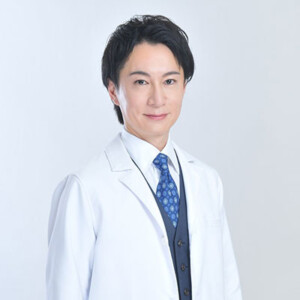
Dr. Jun Karibe
MD
Director
Education & Career
Certifications
Awards
MEDICAL REVIEW