Skin Tightening Treatments in Tokyo: Options, Costs, and What to Expect
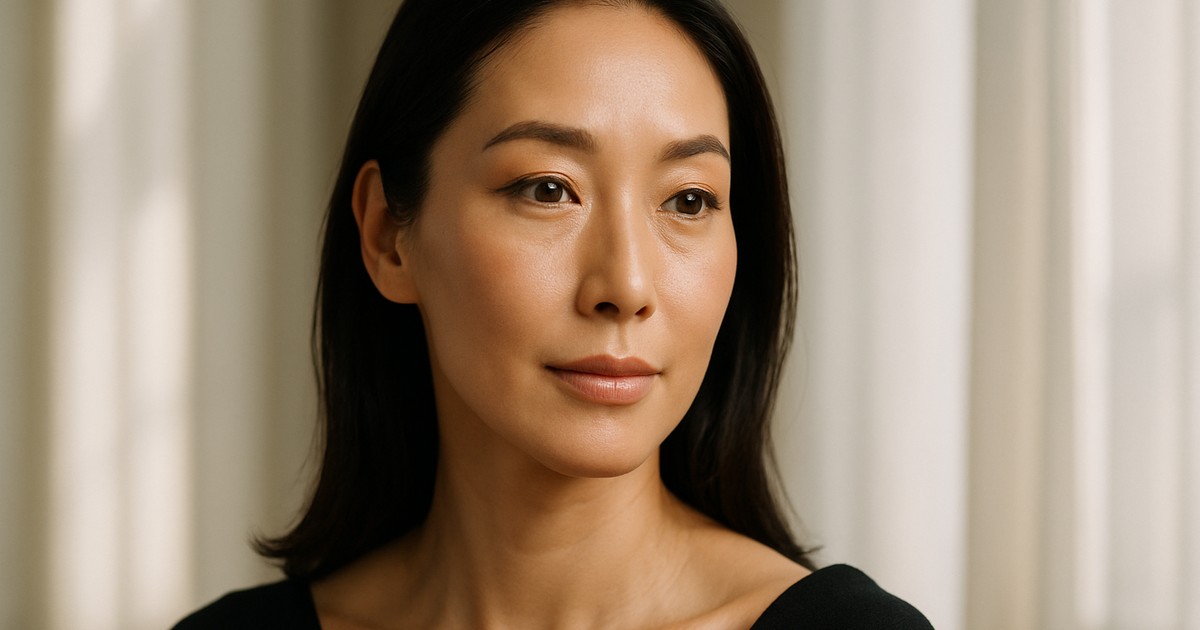
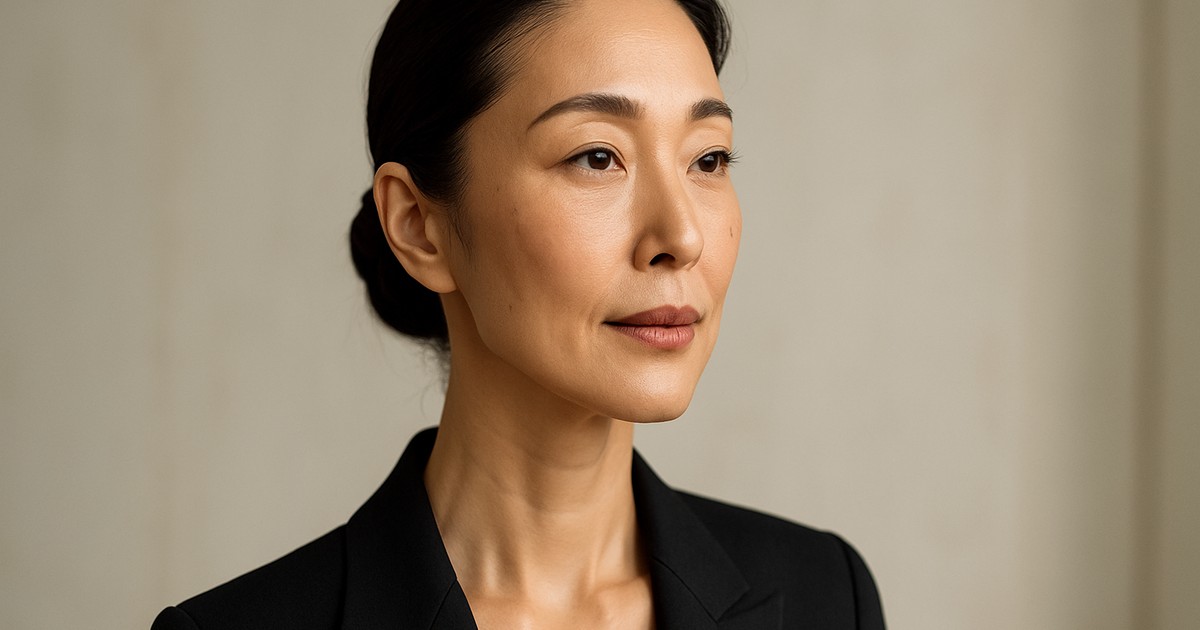
If you have noticed your skin feeling less firm than it once did — whether around the jawline, neck, cheeks, or eyes — you are far from alone. Skin laxity is one of the most common concerns that brings patients to dermatology and aesthetic clinics in Tokyo, particularly among expatriates and international visitors who want effective, professionally delivered results. This article provides a clear, honest overview of the non-surgical and surgical skin tightening options available in Tokyo, explains how each approach works, outlines realistic costs, and helps you understand which treatment may be most appropriate for your individual situation.
- The main non-surgical skin tightening technologies available in Tokyo (HIFU, RF microneedling, thread lifts, and more)
- How each treatment works and what kind of results are realistic
- Approximate costs for skin tightening in Tokyo, with specific figures from a reputable clinic
- Who makes a good candidate — and who should consider an alternative approach
- Common misconceptions about skin tightening, and answers to frequently asked questions
Why Skin Loses Its Firmness
Skin firmness depends primarily on the structural proteins collagen and elastin, which reside in the dermis — the deeper layer of skin beneath the surface. From the mid-twenties onward, collagen production gradually declines; studies suggest that collagen levels decrease by roughly 1% per year after the age of 25, with this rate accelerating after menopause in women. Environmental factors such as UV exposure, smoking, and chronically poor nutrition compound this natural ageing process.
The result is a gradual loss of definition along the jawline, deepening of folds around the nose and mouth (nasolabial folds), drooping of the brow, and loosening of skin around the neck and chin. These changes are entirely normal, and the good news is that a range of evidence-based treatments can meaningfully address them — without necessarily requiring surgery.
Main Skin Tightening Options Available in Tokyo
The landscape of non-surgical skin tightening has expanded considerably over the past decade. Broadly, treatments can be categorised by the type of energy they use to stimulate the skin’s natural collagen remodelling response. Below is a summary of the most widely used technologies.
HIFU (High-Intensity Focused Ultrasound)
HIFU devices deliver focused ultrasound energy to precise depths within the skin and the superficial musculoaponeurotic system (SMAS) — the same tissue layer targeted during surgical facelifts. The thermal injury created at these focal points triggers a wound-healing response, stimulating new collagen production over the following weeks and months. Results are typically gradual, with peak improvement appearing two to three months after treatment.
HIFU is particularly effective for lifting the brow, tightening the lower face and neck, and improving overall skin texture. Most patients require one to two sessions per year to maintain results. At Kojimachi Dermatology & Plastic Surgery Clinic in Ichigaya, HIFU is among the most frequently requested non-surgical treatments — feel free to ask about it during a consultation.
Radiofrequency (RF) Microneedling
RF microneedling combines the controlled skin-puncturing action of a microneedling device with the delivery of radiofrequency energy directly into the dermis. This dual mechanism creates both surface-level micro-channels (which trigger healing) and deeper thermal stimulation, making it especially effective for skin laxity, enlarged pores, and mild-to-moderate acne scarring. The energy bypasses the epidermis, making it suitable for a wider range of skin tones — an important consideration for many international patients in Tokyo.
Devices in this category available at the clinic include the POTENZA and Morpheus8-style platforms. A course of two to three sessions spaced four to six weeks apart is typically recommended for optimal results.
Thread Lift (Tesslift)
Thread lifts involve inserting fine absorbable threads beneath the skin using a thin needle. The threads have small cogs or barbs that physically reposition sagging tissue, providing an immediate lifting effect. As the threads dissolve over six to twelve months, they also stimulate collagen production along their path, offering a secondary biological benefit.
Thread lifts are best suited to patients with mild-to-moderate laxity who want a more immediate result than energy-based treatments alone can provide. They are not a replacement for surgical lifting in cases of significant skin excess, but they can be an excellent adjunct or standalone option for the right patient.
Surgical Lifting Options
For patients with pronounced skin laxity — particularly around the eyes and lower face — surgical procedures remain the gold standard. At Kojimachi Dermatology & Plastic Surgery Clinic, Dr. Karibe performs transconjunctival blepharoplasty (removal of under-eye fat through the inner eyelid, leaving no visible scar) and ptosis correction, which addresses drooping of the upper eyelid by tightening the muscle responsible for lifting it. These procedures are performed under local anaesthesia and represent a long-lasting solution for periorbital (around-the-eye) ageing.
Comparing Skin Tightening Treatments at a Glance
| Treatment | Technology | Target Depth | Downtime | Sessions Needed | Approx. Cost at Clinic (¥) |
|---|---|---|---|---|---|
| HIFU | Focused ultrasound | Dermis + SMAS | Minimal (0–2 days) | 1–2 per year | ¥25,000–¥110,000 |
| POTENZA RF Microneedling | RF + microneedling | Dermis | 2–5 days redness | 2–3 sessions | ¥35,000–¥49,800 |
| Dermapen | Microneedling | Epidermis/dermis | 1–3 days | 3–6 sessions | ¥9,800–¥220,000 |
| Thread Lift (Tesslift) | Absorbable threads | Subcutaneous tissue | 3–7 days | 1 session (repeat annually) | ¥48,000 per thread |
| Volnewmer RF | Monopolar RF | Dermis + subcutaneous | Minimal | 1–3 sessions | ¥66,000–¥165,000 |
| Transconjunctival Blepharoplasty | Surgery | Under-eye fat compartment | 7–14 days | 1 (long-lasting) | ¥280,000–¥428,000 |
Expected Results and Timeline
One of the most important things to understand about non-surgical skin tightening is that results are gradual. Unlike surgical procedures, energy-based treatments work by stimulating the body’s own collagen remodelling process — a biological response that takes time. Most patients notice an improvement in skin texture and firmness within four to six weeks, with more pronounced lifting becoming visible at the two-to-three-month mark.
A 2017 systematic review published in Lasers in Surgery and Medicine found that HIFU produced clinically significant lifting and tightening in the majority of study participants, with patient satisfaction rates generally above 60–70% across multiple studies. RF-based treatments showed comparable collagen stimulation outcomes in histological analyses, particularly when combined with microneedling delivery systems.
It is worth emphasising that no non-surgical treatment produces results equivalent to a surgical facelift in terms of magnitude or longevity. However, for patients with early-to-moderate laxity, or those who wish to maintain results after surgery, these treatments offer a meaningful and clinically well-supported option.
Dr. Karibe’s Note
Many of our international patients arrive with very high expectations of a single HIFU or RF session, having seen dramatic ‘before and after’ images online. What I often explain in consultation is that the quality of the result depends significantly on the individual’s skin condition, age, degree of laxity, and overall health — and that a realistic, personalised plan almost always delivers better satisfaction than chasing a single dramatic session. I recommend that patients ask about combination approaches: for example, pairing HIFU with RF microneedling, or using injectable bio-stimulators such as JUVELOOK alongside energy-based treatments for more comprehensive collagen support.
Skin Tightening Treatment Costs in Tokyo
Costs for skin tightening in Tokyo vary considerably depending on the technology used, the size of the treatment area, and whether a single session or a course of treatments is being considered. At Kojimachi Dermatology & Plastic Surgery Clinic, pricing is as follows:
- HIFU (face lifting & skin tightening): ¥25,000–¥110,000
- POTENZA RF microneedling: ¥35,000–¥49,800 per session
- Dermapen: ¥9,800–¥220,000 (depending on area and product combination)
- Volnewmer (RF skin tightening): ¥66,000–¥165,000
- Thread Lift (Tesslift): ¥48,000 per thread
- Transconjunctival blepharoplasty: ¥280,000–¥428,000 (surgical; anaesthesia and pre-operative blood work billed separately)
- JUVELOOK bio-stimulator: ¥11,000–¥267,300
An initial consultation costs ¥3,300, and a surgical consultation with Dr. Karibe is ¥2,200. For an accurate quote tailored to your specific concerns and anatomy, we recommend booking a consultation.
What to Expect: Before, During, and After Treatment
Before Treatment
A thorough consultation is essential before any skin tightening procedure. The clinician will assess your skin type, degree of laxity, medical history, and any contraindications such as active skin infections, implanted metal devices, or pregnancy. Patients taking blood-thinning medications may need to pause these before certain procedures. Photographs are typically taken for comparison.
During Treatment
For energy-based non-surgical treatments, most sessions take between 30 and 90 minutes depending on the area. A topical numbing cream is applied beforehand to maximise comfort. HIFU can produce a warm, sometimes briefly intense sensation as the ultrasound energy is delivered; RF microneedling is generally well tolerated after numbing. Surgical procedures are performed under local anaesthesia in a clinical setting.
After Treatment
Non-surgical treatments typically involve minimal downtime. Mild redness, swelling, or skin sensitivity for one to five days is common, particularly after RF microneedling. Sun protection is essential in the days and weeks following treatment. Surgical procedures such as transconjunctival blepharoplasty require approximately seven to fourteen days of social downtime, during which bruising and swelling gradually resolve.
Who Is a Good Candidate?
Non-surgical skin tightening treatments are generally well suited to adults in their thirties through sixties with early-to-moderate skin laxity. The ideal candidate has realistic expectations, good overall health, and understands that results build gradually over weeks to months. Patients with significant skin excess — for example, heavy jowling or pronounced neck laxity — may be better served by a surgical consultation.
In our clinical experience at Kojimachi Dermatology & Plastic Surgery Clinic, we frequently see international patients who have been considering treatment for some time but were uncertain about the language barrier or the quality of care available in Japan. Consultations in English are available, and the clinic team is experienced in guiding overseas patients through their options clearly and without pressure.
Patients who should exercise caution or avoid certain treatments include those who are pregnant or breastfeeding, those with active inflammatory skin conditions in the treatment area, patients with pacemakers or implanted electronic devices (relevant for RF treatments), and individuals with a history of keloid scarring (which may affect suitability for microneedling).
Common Misconceptions About Skin Tightening
Misconception 1: “One session will give me dramatic, permanent results.”
Non-surgical skin tightening works by triggering the body’s natural collagen synthesis, which takes time and is not permanent in the way surgery can be. Most patients see a noticeable improvement after a single session, but optimal results typically require a course of treatments, and maintenance sessions are recommended annually. Managing expectations honestly is a central part of responsible aesthetic medicine.
Misconception 2: “These treatments are painful and require weeks of recovery.”
Modern non-surgical devices are designed with patient comfort in mind, and topical anaesthetic cream significantly reduces discomfort for the majority of patients. Recovery after HIFU or RF microneedling is measured in days, not weeks, for most individuals. Surgical procedures do involve a longer recovery, but even transconjunctival blepharoplasty — an incision-free approach to under-eye rejuvenation — typically requires only one to two weeks of social downtime.
Frequently Asked Questions
- Q. Is HIFU or RF microneedling more effective for skin tightening?
- Both technologies stimulate collagen production but through different mechanisms and at different depths. HIFU reaches the SMAS layer and is particularly effective for lifting the face and neck, while RF microneedling acts more superficially and is excellent for skin texture, pore size, and mild-to-moderate laxity. Many patients benefit from a combination of both. The most appropriate choice depends on your individual skin concerns, which a consultation can clarify.
- Q. How many sessions of skin tightening will I need?
- For HIFU, one to two sessions per year is typically sufficient for maintenance, with results peaking at two to three months after each treatment. RF microneedling is usually performed as a course of two to three sessions spaced four to six weeks apart. Your treating clinician will recommend a personalised plan based on the degree of laxity and your target outcome.
- Q. Can I have a skin tightening treatment as a tourist visiting Tokyo?
- Yes — many non-surgical treatments such as HIFU have minimal downtime and can be performed during a visit to Tokyo. It is advisable to schedule your session at least two to three days before any important social engagements to allow for any mild redness or swelling to settle. Consultations in English are available at Kojimachi Dermatology & Plastic Surgery Clinic, and the team can advise on the most suitable single-session option for visitors with limited time.
Summary
Skin tightening is one of the most sought-after categories in aesthetic medicine, and Tokyo offers a wide range of scientifically grounded, professionally delivered options. From non-surgical approaches such as HIFU (¥25,000–¥110,000), RF microneedling with POTENZA (¥35,000–¥49,800), and thread lifts with Tesslift (¥48,000 per thread), to surgical solutions including transconjunctival blepharoplasty (¥280,000–¥428,000), there is a treatment pathway suitable for most presentations of skin laxity and most budgets.
Choosing the right treatment requires an honest assessment of your skin’s condition, a clear understanding of what each modality can and cannot achieve, and a clinician who takes the time to guide you through your options. Results from non-surgical treatments are real and clinically documented, but they are gradual and require realistic expectations. Surgical options offer more durable and significant lifting where non-surgical approaches are insufficient.
If you have any questions about skin tightening treatment in Tokyo, our team at Kojimachi Dermatology & Plastic Surgery Clinic in Ichigaya, Tokyo would be happy to help. We offer consultations in English.
References
- Fabi SG. Noninvasive skin tightening: focus on new ultrasound techniques. Clinical, Cosmetic and Investigational Dermatology. 2015;8:47–52. PubMed
- Alam M, et al. Ultrasound tightening of facial and neck skin: a rater-blinded prospective cohort study. Journal of the American Academy of Dermatology. 2010;62(2):262–269. PubMed
- Taub AF, Tucker RD, Palange A. Facial tightening with an advanced 4-MHz monopolar radiofrequency device. Journal of Drugs in Dermatology. 2012;11(11):1288–1294. PubMed
- Alexiades M, et al. Fractional radiofrequency: a novel treatment for skin laxity. Dermatologic Surgery. 2014;40(11):1217–1225. PubMed Search
- Krueger N, et al. Crepey skin: the biological basis and clinical approaches for treatment. Dermatologic Surgery. 2018;44(12):1609–1621. PubMed
24/7 Consultation & Booking
Book a Consultation or Treatment
Our English-speaking team responds via LINE or WhatsApp — usually the same day.
SUPERVISED BY
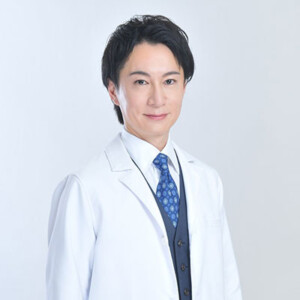
Dr. Jun Karibe
MD
Director
Education & Career
Certifications
Awards
This article is for general informational purposes only and does not constitute medical advice or a diagnosis. Please consult a qualified physician for any health concerns.
MEDICAL REVIEW