PicoWay Laser in Tokyo: Pigmentation Treatment and Tattoo Removal Explained
Whether you are an expatriate dealing with sun damage accumulated over years of Tokyo summers, a visitor exploring cosmetic treatments in Japan, or someone finally ready to remove an unwanted tattoo, finding reliable English-language information about laser treatment in Tokyo can feel overwhelming.
PicoWay laser is one of the most clinically studied picosecond laser platforms used for pigmentation treatment, tattoo removal and non-ablative skin rejuvenation. This guide explains what PicoWay can do, how it works, how many sessions are usually needed, what it realistically costs in Tokyo and whether it may be suitable for your skin type.
At Kojimachi Dermatology & Plastic Surgery Clinic in Ichigaya, Tokyo, we offer English-speaking consultation for patients considering pico laser treatment for pigmentation, melasma, sunspots, acne marks, skin texture and tattoo removal.
In this article, we cover:
- What PicoWay laser is
- How picosecond lasers differ from older Q-switched lasers
- Pigmentation concerns PicoWay may improve
- PicoWay laser for tattoo removal
- PicoWay treatment for Asian and darker skin tones
- What to expect before, during and after treatment
- Downtime, side effects and risks
- PicoWay laser cost in Tokyo
- Who is and is not a good candidate
- Frequently asked questions from English-speaking patients
What Is PicoWay Laser?
PicoWay is a picosecond laser system developed by Candela. It delivers ultra-short laser pulses measured in picoseconds, or trillionths of a second. The official PicoWay platform includes wavelengths used for tattoo removal, benign pigmented lesions, acne scars, wrinkles and skin rejuvenation. Candela lists the PicoWay system as including 532 nm, 1064 nm and additional wavelength options depending on the applicator configuration.
The key feature of a picosecond laser is speed. Because the laser pulse is extremely brief, energy is delivered to pigment particles very quickly. This creates a strong photoacoustic effect, meaning pigment is broken apart more by pressure waves than by prolonged heat.
Older nanosecond Q-switched lasers also treat pigment and tattoos, but they rely more heavily on photothermal effects. In simple terms, they use more heat. PicoWay’s shorter pulse duration can reduce unnecessary heat spread to surrounding skin. This is one reason picosecond laser treatment is often considered useful for Asian skin types, which may be more prone to post-inflammatory hyperpigmentation after laser procedures.
How PicoWay Laser Works
Laser treatment works by targeting colour-producing particles in the skin.
For pigmentation, the target is usually melanin, the brown pigment responsible for sunspots, freckles and certain types of hyperpigmentation.
For tattoo removal, the target is tattoo ink deposited in the dermis.
When PicoWay laser energy reaches these pigment particles, it fragments them into smaller pieces. The body’s immune system then gradually clears these fragments through natural inflammatory and lymphatic processes over the following weeks.
This is why results are not immediate. Some darkening, crusting or frosting may appear right after treatment, but the full effect develops gradually between sessions.
PicoWay vs Q-Switched Laser
Both PicoWay and Q-switched lasers can treat pigmentation and tattoos. The difference lies mainly in pulse duration and tissue interaction.
|
Feature |
PicoWay Picosecond Laser |
Q-Switched Nanosecond Laser |
|---|---|---|
|
Pulse duration |
Picoseconds |
Nanoseconds |
|
Main effect |
Photoacoustic shockwave |
More photothermal effect |
|
Heat spread |
Lower thermal load |
Higher thermal load |
|
Tattoo fragmentation |
Very fine particle breakdown |
Effective but often larger fragments |
|
PIH risk |
Potentially lower when used properly |
Can be higher in darker skin types |
|
Sessions needed |
Often fewer for some tattoos, but still multiple |
Multiple |
|
Skin tone suitability |
Useful for Asian skin when carefully operated |
Also useful, but settings require caution |
A systematic review of picosecond lasers for tattoo removal found sparse but supportive evidence that picosecond lasers may be more effective than nanosecond lasers for mainly black and blue tattoo ink, with reported side effects including pain, redness, swelling, pinpoint bleeding, blistering and pigment changes.
This does not mean PicoWay is risk-free. It means that, when used appropriately, picosecond technology offers an important advantage for certain pigment and tattoo indications.
What Conditions Can PicoWay Treat?
PicoWay can be used for several dermatologic and cosmetic concerns.
Sunspots and Age Spots
Sunspots, also called solar lentigines or age spots, are common in people who have lived through years of UV exposure. In Tokyo, many patients develop them on the cheeks, temples, nose, forehead and backs of the hands.
PicoWay can target these discrete brown spots. Some superficial sunspots respond well after one to three sessions. Deeper or more complex pigmentation may need additional treatments.
A prospective study using a 532-nm picosecond Nd:YAG laser for solar lentigines in Asian patients suggested that this approach can be safer and effective for darker skin types when appropriate endpoints are used.
Freckles
Freckles may respond to pico laser treatment, especially when they are superficial and clearly defined.
However, freckles can recur with UV exposure. Daily sunscreen and sun avoidance are essential for maintaining results.
Post-Acne Hyperpigmentation
Post-acne hyperpigmentation refers to brown marks left after acne inflammation. These marks are common in Asian skin.
PicoWay may help lighten post-inflammatory pigmentation, but treatment must be gentle. If energy settings are too aggressive, the laser itself can trigger additional post-inflammatory hyperpigmentation.
For acne-related pigmentation, laser treatment is often combined with medical skincare, sunscreen and acne control.
Melasma
Melasma is a hormonally influenced pigmentation disorder that often appears on the cheeks, forehead, upper lip and jawline. It is common in women and in patients with Asian, Middle Eastern, Latin American, South Asian and mixed-heritage skin types.
Melasma is not the same as ordinary sunspots. It is reactive and can worsen with excessive laser energy, heat, inflammation or UV exposure.
PicoWay may be used in low-fluence toning mode for selected melasma patients. However, treatment must be cautious. Multiple gentle sessions are usually safer than aggressive spot treatment.
Patients should understand that melasma is a chronic condition. Laser treatment may improve it, but maintenance skincare and sun protection are essential.
Tattoo Removal
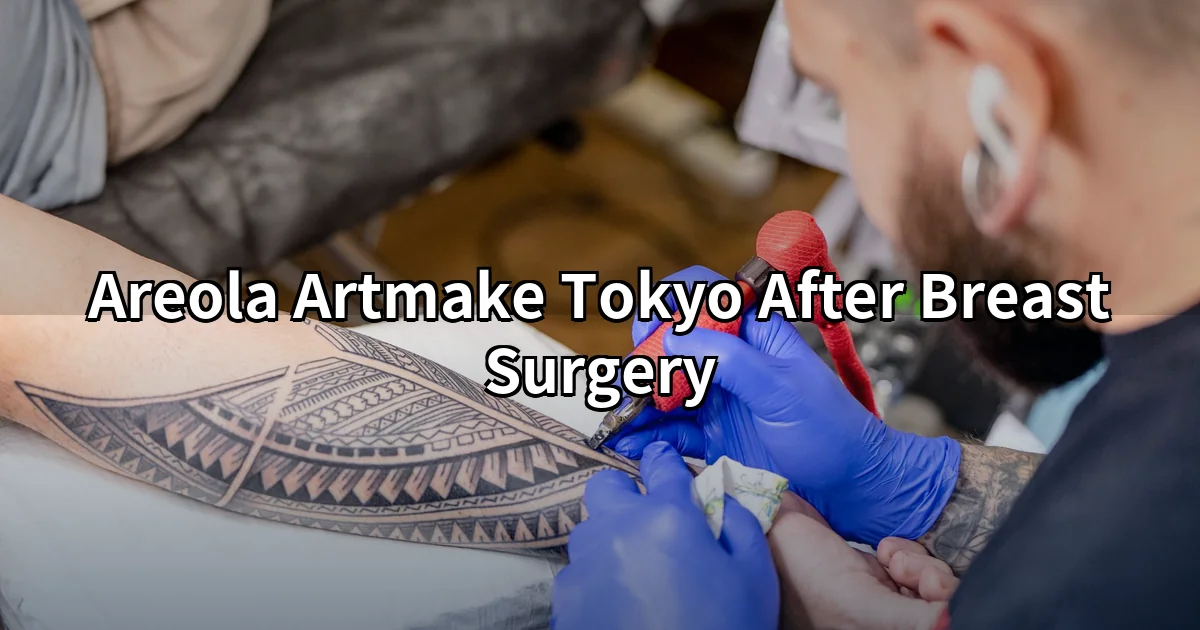
PicoWay is widely used for laser tattoo removal. It can fragment tattoo ink particles into smaller pieces so the body can gradually clear them.
Black and dark-blue tattoo ink usually responds best. Green, blue and purple can be more difficult. Yellow, white, pink and certain cosmetic pigments may be resistant or unpredictable.
Laser tattoo removal often requires patience. Most professional tattoos need six to twelve or more sessions, usually spaced six to eight weeks apart. Amateur tattoos may clear faster because they often contain less dense ink.
A clinical review from NCBI notes that modern short-pulse lasers, including Q-switched and picosecond systems, have improved tattoo removal efficacy and safety while reducing complications such as dyspigmentation, particularly in darker skin tones. (NCBI)
Acne Scars and Skin Texture
PicoWay can also be used with a fractional handpiece for non-ablative skin rejuvenation. This approach creates microscopic laser-induced changes below the surface without removing the outer skin layer.
The fractional PicoWay approach may help with:
- Mild acne scars
- Enlarged pores
- Fine lines
- Uneven texture
- Overall skin quality
It is gentler than ablative fractional CO2 laser, although results are also more gradual.
PicoWay for Tattoo Removal in Tokyo
Tattoo removal is one of the most common reasons English-speaking patients ask about PicoWay laser in Tokyo.
Patients may want tattoo removal for professional reasons, lifestyle changes, military or employment requirements, wedding preparation, regret over an old design, or dissatisfaction with previous cosmetic tattooing.
How Many Sessions Are Needed for Tattoo Removal?
The number of sessions depends on many factors:
- Tattoo size
- Ink depth
- Ink density
- Ink colour
- Professional vs amateur tattoo
- Tattoo age
- Skin type
- Location on the body
- Immune response
- Previous removal attempts
As a general rule:
- Small amateur black tattoos may improve in fewer sessions
- Dense professional tattoos usually need more sessions
- Multicoloured tattoos need wavelength-specific treatment
- Cover-up tattoos are often harder to remove
- Tattoos on the hands, feet or lower legs may clear more slowly
A realistic starting estimate is six to twelve or more sessions for significant tattoo clearance.
Can PicoWay Remove Tattoos Completely?
Sometimes, but complete clearance cannot be guaranteed.
Laser tattoo removal usually produces progressive fading. Some tattoos clear very well. Others leave residual shadow, colour change, textural change or incomplete fading.
Patients should be cautious of any clinic promising complete tattoo removal in a fixed number of sessions.
PicoWay for Pigmentation in Tokyo
Pigmentation treatment is another common reason patients visit our clinic.
Tokyo’s hot, humid summers and strong UV exposure can worsen pigmentation. Even patients who are careful with sunscreen may develop sunspots over time.
PicoWay may be helpful for:
- Sunspots
- Freckles
- Post-acne brown marks
- Uneven tone
- Selected cases of melasma
- Certain dermal pigment conditions after diagnosis
However, not every brown spot should be treated immediately with laser. Some lesions need proper diagnosis before treatment. A physician should distinguish benign pigmentation from conditions that require medical evaluation.
Is PicoWay Safe for Asian Skin?
PicoWay can be suitable for Asian skin when used by an experienced clinician with appropriate settings.
Asian skin types commonly fall within Fitzpatrick types III to V. These skin types contain more active melanin than very fair skin and may have a higher risk of post-inflammatory hyperpigmentation after laser treatment.
The advantage of PicoWay is its short pulse duration and lower thermal spread. This may reduce the risk of heat-related injury compared with older devices.
However, no laser is completely free of risk. Asian skin can still develop:
- Temporary darkening
- Post-inflammatory hyperpigmentation
- Hypopigmentation
- Prolonged redness
- Blistering
- Irritation
- Recurrence of pigmentation
This is why careful settings, diagnosis, test spots when needed, sun protection and appropriate intervals between sessions are essential.
What to Expect Before PicoWay Treatment
Before treatment, the physician will assess your skin and determine whether PicoWay is appropriate.
The consultation may include:
- Diagnosis of the pigmentation or tattoo
- Review of medical history
- Skin type assessment
- Review of previous laser treatments
- Medication review
- Discussion of sun exposure
- Explanation of expected sessions
- Explanation of risks and aftercare
- Cost estimate
Patients should avoid tanning and significant sun exposure for at least two to four weeks before treatment. Treating recently tanned or sunburned skin increases the risk of side effects.
You should tell the physician if you are taking photosensitising medication, isotretinoin, anticoagulants, immunosuppressive medication or have a history of keloid scarring, autoimmune disease or abnormal wound healing.
What Happens During PicoWay Treatment?
The treatment itself usually takes between 15 and 45 minutes depending on the area.
For some treatments, topical anaesthetic cream may be applied before the procedure. This is especially useful for tattoo removal, larger areas or sensitive patients.
During treatment, you will wear protective eyewear. The laser pulses may feel like small snaps, stings or rubber-band flicks against the skin.
For tattoo removal, the treated area may turn white immediately after the laser pulse. This is called frosting and is a normal short-term response caused by gas formation and optical changes in the skin.
What to Expect After Treatment
Immediately after PicoWay laser, the skin may feel warm and look red or slightly swollen.
For pigmentation treatment, brown spots may darken for several days. They may then form a fine crust and flake off over approximately 7 to 14 days.
For tattoo removal, the area may show:
- Redness
- Swelling
- Frosting
- Pinpoint bleeding
- Blistering
- Crusting
- Tenderness
These reactions can be normal depending on the intensity and indication, but worsening pain, pus, spreading redness or fever should be evaluated by a physician.
Downtime After PicoWay Laser
Downtime depends on the treatment type.
|
Treatment Type |
Typical Downtime |
|---|---|
|
Pico toning |
Minimal redness for 24–48 hours |
|
Spot pigmentation treatment |
Darkening and flaking for 7–14 days |
|
Tattoo removal |
Redness, swelling, blistering or crusting for several days to 2 weeks |
|
Fractional PicoWay rejuvenation |
Mild redness and roughness for 1–3 days |
Patients can often return to normal daily activities quickly after low-fluence toning. Spot treatment and tattoo removal may require more visible healing time.
Aftercare After PicoWay Laser
Aftercare strongly affects results and safety.
Patients are usually advised to:
- Keep the area clean
- Avoid rubbing or picking
- Avoid strong exfoliants
- Avoid sauna, hot springs and heavy sweating for 24–48 hours
- Avoid swimming until the skin barrier has recovered
- Apply prescribed ointment if instructed
- Use broad-spectrum sunscreen daily
- Avoid direct sun exposure
- Follow the clinic’s specific instructions
For pigmentation treatment, sun protection is crucial. UV exposure after laser can cause recurrence or post-inflammatory hyperpigmentation.
Side Effects and Risks
PicoWay laser is generally well tolerated, but side effects can occur.
Common temporary effects include:
- Redness
- Swelling
- Warmth
- Mild pain
- Temporary darkening
- Crusting
- Flaking
- Itching
Less common risks include:
- Blistering
- Infection
- Post-inflammatory hyperpigmentation
- Hypopigmentation
- Scarring
- Prolonged redness
- Incomplete tattoo removal
- Tattoo ink colour change
- Allergic reaction during tattoo removal
The FDA notes that tattoos and permanent makeup have rarely been associated with swelling or burning during MRI and may also interfere with MRI image quality. (U.S. Food and Drug Administration)
If you are undergoing tattoo removal, tell your physician about any history of allergic reaction to tattoo pigment. Laser fragmentation can sometimes expose pigment components to the immune system and provoke inflammatory or allergic reactions. Reviews have described hypersensitivity reactions during laser tattoo removal, although these are uncommon. (PMC)
PicoWay Laser Cost in Tokyo
Laser pricing in Tokyo varies based on the treatment area, number of shots, indication and whether treatment is performed as spot removal, full-face toning, tattoo removal or fractional rejuvenation.
At BIOTOPE CLINIC, Tokyo, approximate PicoWay-based treatment ranges include:
|
Treatment |
Primary Use |
Approximate Cost Range |
Typical Sessions |
|---|---|---|---|
|
Pico laser spot treatment |
Sunspots, freckles, discrete pigmentation |
¥11,000–¥98,000 |
1–3+ |
|
Laser toning |
Melasma, dullness, overall pigmentation |
¥15,000–¥135,000 |
4–8+ |
|
Tattoo removal |
Tattoo ink removal |
Quoted by size and complexity |
6–12+ |
|
Fractional PicoWay |
Acne scars, pores, texture |
Quoted by area |
3–6+ |
An initial consultation is ¥3,300. During this consultation, the physician will assess the pigmentation or tattoo and explain the expected number of sessions, downtime and cost.
These prices are approximate ranges and may vary depending on the treatment area, number of shots and individual treatment plan. Please contact the clinic directly for the most accurate quote.
PicoWay Compared With Other Skin Treatments
PicoWay is not the only laser or energy-based treatment available for pigmentation or skin texture. The best option depends on the diagnosis.
|
Treatment |
Best For |
Downtime |
Typical Sessions |
|---|---|---|---|
|
PicoWay laser |
Pigmentation, tattoo removal, mild texture |
Minimal to mild |
1–12+ |
|
Laser toning |
Melasma, dullness, overall tone |
Minimal |
4–8+ |
|
CO2 fractional laser |
Acne scars, pores, wrinkles |
Moderate |
1–3+ |
|
IPL / Photofacial |
Redness, diffuse spots, photoaging |
Minimal |
3–5 |
|
Dermapen / microneedling |
Texture, pores, acne scars |
Mild |
3–6 |
|
Morpheus8 RF microneedling |
Texture, tightening, acne scars |
Mild to moderate |
3+ |
For many patients, combination treatment works better than a single device. For example, pigmentation may be treated with PicoWay while skin texture is addressed with RF microneedling or fractional laser at a separate interval.
Who Is a Good Candidate?
Good candidates for PicoWay laser include patients with:
- Sunspots
- Freckles
- Post-acne pigmentation
- Uneven skin tone
- Selected cases of melasma
- Unwanted tattoos
- Mild acne scarring
- Enlarged pores
- Fine lines or texture concerns
- Realistic expectations
- Ability to follow sun protection and aftercare
PicoWay can be especially useful for patients who want a treatment with less downtime than ablative resurfacing.
Who Should Avoid or Postpone Treatment?
PicoWay treatment may need to be postponed or avoided in patients with:
- Pregnancy or breastfeeding
- Recent tanning or sunburn
- Active skin infection
- Open wounds in the treatment area
- Active eczema, dermatitis or severe acne flare
- History of keloid scarring
- Recent isotretinoin use
- Certain photosensitising medications
- Significant immune suppression
- Poorly controlled diabetes
- Unrealistic expectations
- Inability to follow aftercare
Patients with autoimmune disease, clotting disorders, pigment disorders or previous laser complications should be assessed individually.
Dr. Karibe’s Note
Many international patients come to our clinic expecting one laser session to erase pigmentation completely. The honest reality is that response depends on the type, depth and biological behaviour of the pigment.
Surface sunspots on fair skin may respond quickly. Melasma, post-inflammatory hyperpigmentation and deep dermal pigmentation require more patience. Tattoo removal almost always requires a long-term plan.
I encourage patients to think of laser therapy as a process, not a single event. Proper diagnosis, conservative settings, sun protection and consistent follow-up are often more important than simply using the strongest laser energy.
The goal is not just to remove pigment. The goal is to improve the skin safely and naturally.
Common Misconceptions About Pico Laser
Misconception 1: Pico Laser Removes All Pigmentation in One Session
Some superficial spots may improve after one session, but many pigmentation concerns require multiple treatments.
Melasma, post-inflammatory hyperpigmentation and deep pigmentation need careful long-term management.
Misconception 2: All Pico Lasers Are the Same
“Pico laser” is a broad marketing term. Different devices have different pulse durations, wavelengths, handpieces and clinical evidence.
Patients should ask which device is used and whether the clinician has experience treating their skin type.
Misconception 3: Stronger Laser Settings Always Give Better Results
Stronger settings can increase side effects, especially in Asian and darker skin types.
The safest result often comes from appropriate energy, correct wavelength, good timing and disciplined aftercare.
Misconception 4: Tattoo Removal Is Easy
Tattoo removal is complex. Ink colour, depth, density and immune response all matter.
Even with PicoWay, complete removal is not guaranteed.
Frequently Asked Questions About PicoWay Laser in Tokyo
Is PicoWay laser safe for Asian skin?
PicoWay can be safe for Asian skin when performed by an experienced clinician using appropriate settings. However, Asian skin can still develop post-inflammatory hyperpigmentation, so sun protection and careful treatment planning are essential.
How many PicoWay sessions do I need for pigmentation?
Superficial sunspots may improve after one to three sessions. Melasma or diffuse pigmentation usually requires multiple sessions, often four to eight or more.
How many sessions do I need for tattoo removal?
Most professional tattoos require six to twelve or more sessions. Amateur tattoos may require fewer sessions. Multicoloured tattoos often take longer.
Does PicoWay laser hurt?
Most patients describe the sensation as snapping, stinging or rubber-band flicking. Topical anaesthetic cream can be used, especially for tattoo removal or sensitive areas.
Is there downtime after PicoWay laser?
Pico toning usually has minimal downtime. Spot pigmentation treatment may cause darkening and flaking for 7 to 14 days. Tattoo removal can cause redness, swelling, blistering or crusting.
Can PicoWay treat melasma?
PicoWay may be used for melasma in low-fluence toning mode, but melasma must be treated cautiously. Over-treatment can worsen pigmentation.
Can I combine PicoWay with other treatments?
Yes, but timing matters. PicoWay may be combined with skincare, IPL, microneedling, Morpheus8, CO2 laser or chemical peels depending on the diagnosis. A physician should plan the sequence.
Can PicoWay remove cosmetic tattoo or artmake?
PicoWay may help remove or lighten cosmetic tattoo pigment, but cosmetic pigments can behave unpredictably. Some colours may darken or shift after laser exposure. A test spot may be recommended.
Can I have PicoWay before an important event?
For gentle toning, downtime is usually short. For spot treatment or tattoo removal, visible crusting or redness may last longer. It is best to avoid scheduling treatment immediately before an important event.
Do I need sunscreen after treatment?
Yes. Sunscreen is essential. UV exposure after laser treatment increases the risk of recurrence and post-inflammatory hyperpigmentation.
Why Choose BIOTOEPE Clinic?
Kojimachi Dermatology & Plastic Surgery Clinic is located in Ichigaya, Tokyo, and provides dermatology and plastic surgery care for both Japanese and international patients.
Our English-speaking support team helps patients understand the consultation process, treatment plan, aftercare and expected results.
For patients considering PicoWay laser in Tokyo, we provide:
- Physician-led assessment
- English-speaking consultation support
- Diagnosis-based treatment planning
- PicoWay laser treatment for pigmentation and tattoo removal
- Careful treatment of Asian and mixed skin types
- Combination treatment options when appropriate
- Clear aftercare instructions
- Realistic explanation of sessions, downtime and cost
Summary
PicoWay laser is a clinically established picosecond laser platform used for pigmentation treatment, melasma management, tattoo removal and non-ablative skin rejuvenation.
Its ultra-short pulse duration creates a strong photoacoustic effect that breaks pigment and tattoo ink into smaller fragments while reducing unnecessary heat spread to surrounding skin. This makes it particularly relevant for patients with Asian or darker skin tones, although careful settings and sun protection remain essential.
For pigmentation, some sunspots may improve after one to three sessions, while melasma and post-inflammatory pigmentation require a more cautious course. For tattoo removal, most professional tattoos require six to twelve or more sessions.
At BIOTOPE CLINIC, Tokyo, PicoWay-based treatments are available with English-speaking consultation support. An initial consultation is the best way to determine whether PicoWay is suitable for your pigmentation, tattoo or skin texture concerns.
If you are considering PicoWay laser in Tokyo for pigmentation, melasma, acne marks, skin rejuvenation or tattoo removal, our team would be happy to help you understand your options and plan treatment safely.
References
- Brauer JA, et al. Picosecond laser treatment for benign pigmented lesions and tattoo removal. Journal of Drugs in Dermatology. PubMed Search
- Wat H, et al. Application of intense pulsed light and laser treatment in Asian skin: a review. Dermatologic Surgery. 2019. PubMed
- Negishi K, et al. Prospective study of picosecond laser treatment for solar lentigines and seborrheic keratoses in Asian patients. Journal of Cosmetic and Laser Therapy. PubMed Search
- Lorgeou A, et al. Comparison of two picosecond lasers for tattoo removal: a randomised controlled trial. Journal of the European Academy of Dermatology and Venereology. 2018. PubMed
- Marini L, et al. Picosecond pulse duration laser treatment of tattoos and benign pigmented lesions: a review. Journal of the American Academy of Dermatology. PubMed Search
Topical Tranexamic Acid — a Complement to In-Clinic Treatment
For melasma, dullness, and post-inflammatory pigmentation, at-home care with a topical tranexamic acid serum can complement in-clinic treatments. Tranexamic acid is reported to inhibit melanin-triggering signaling (the plasmin pathway) and is used clinically for pigmentation care.
As an accessible daily-care option, we introduce Dr.J+ TA Serum, a topical tranexamic acid serum developed by Dr. Jun Karibe, MD, Director of BIOTOPE Clinic (Shirokanedai, Tokyo).
Born from the Aesthetic Dermatology Practice
Dr.J+ TA Serum (2% Tranexamic Acid Topical Serum)
More than a brightening serum. Designed to address pigmentation and inflammation together — a total concept from an aesthetic dermatology perspective.
High-Concentration Formula — 2% Tranexamic Acid
Formulated with concerns like the following at the core:
- Melasma
- Dark spots
- Dullness
- Uneven skin tone
Dipotassium Glycyrrhizate — High Concentration
Formulated with sensitivity and inflammation in mind, supporting a healthy skin environment.
- Rough skin
- Redness
- Sensitive / reactive skin
- Chronic inflammatory concerns
Curated Cosmetic Ingredients
- Placenta Extract
- Sodium Hyaluronate
- Sage Leaf Extract
- Roman Chamomile Extract
- Mandarin Orange Peel Extract
- Allantoin
Beyond active correction — a philosophy of nurturing while calming inflammation. Radiance, firmness, glow, hydration, and smoothness — all in one serum.
※ Cosmetic product. Individual results may vary.
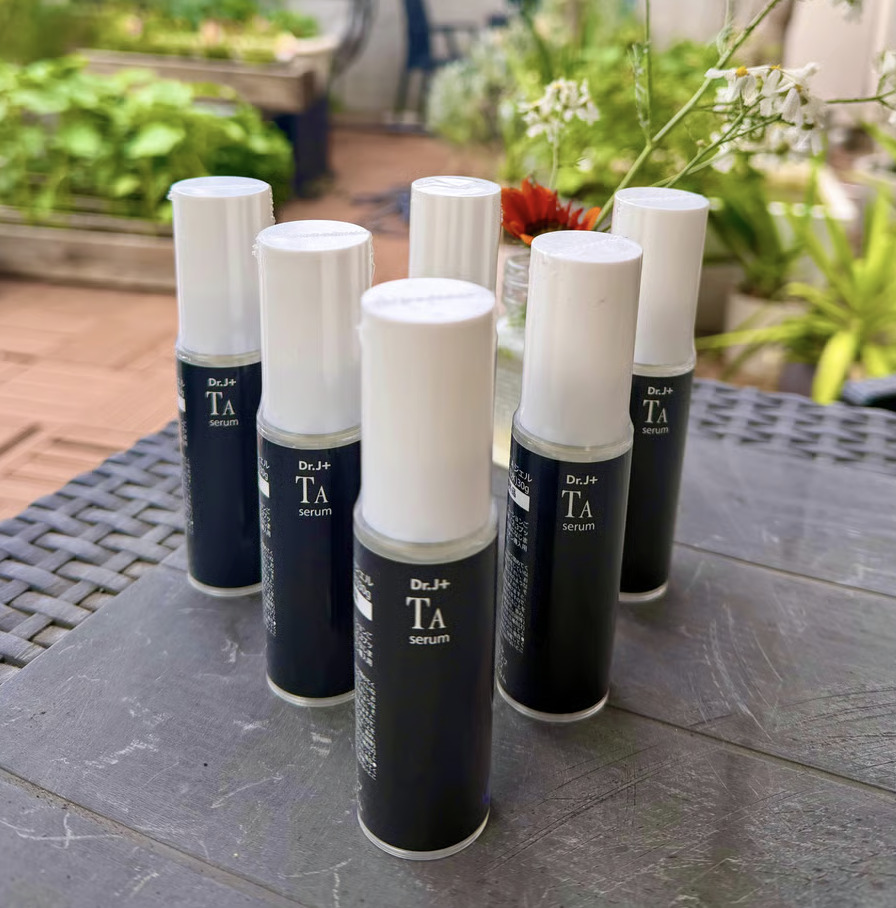
Developed by Dr. Jun Karibe, MD — Director, BIOTOPE Clinic
Dr.J+ TA Serum (Tranexamic Acid Topical Serum)
For those concerned with melasma, dullness, and post-inflammatory pigmentation.
A high-concentration topical serum easily incorporated into your morning and evening skincare.
※ Cosmetic product. Individual results may vary.
24/7 Consultation & Booking
Book a Consultation or Treatment
Our English-speaking team responds via LINE or WhatsApp — usually the same day.
SUPERVISED BY
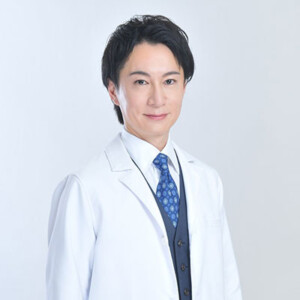
Dr. Jun Karibe
MD
Director
Education & Career
Certifications
Awards
This article is for general informational purposes only and does not constitute medical advice or a diagnosis. Please consult a qualified physician for any health concerns.
MEDICAL REVIEW