Rosacea Treatment Tokyo: The Complete Guide for English-Speaking Patients (2026)
Focus Keyphrase: Rosacea Treatment Tokyo
SEO URL
/rosacea-treatment-tokyo/
Meta Description
Looking for rosacea treatment in Tokyo? Learn about IPL, laser therapy, topical medication, costs, and English-speaking dermatologists offering evidence-based rosacea care.
Rosacea Treatment Tokyo: A Complete Guide for Foreigners
Looking for Rosacea Treatment in Tokyo?
If you are searching for rosacea treatment in Tokyo, you are not alone. Many expatriates, international students, business professionals, and medical tourists struggle to find reliable dermatological care while living or travelling in Japan. Persistent facial redness, flushing, acne-like bumps, and visible blood vessels can affect not only your appearance but also your confidence and quality of life.
Fortunately, modern dermatology offers highly effective treatments that can significantly improve rosacea symptoms. Even better, several clinics in Tokyo provide consultations in English, making diagnosis and treatment much easier for international patients.
At Kojimachi Dermatology & Plastic Surgery Clinic, we regularly care for English-speaking patients from around the world. During your consultation, we explain every treatment option in clear English and develop an individualized treatment plan based on your skin type, rosacea subtype, and lifestyle.
In this guide, you will learn:
- What rosacea is and why it develops
- The four clinical subtypes
- Why rosacea is often mistaken for acne
- Medical treatments available in Japan
- IPL, laser, and energy-based treatments
- Expected costs in Tokyo
- Who is a good candidate for treatment
- Long-term management strategies
Whether you live in Japan or are visiting Tokyo, this guide will help you understand your treatment options and make informed decisions about your skin.
What Is Rosacea?
Rosacea is a chronic inflammatory skin disorder that primarily affects the central face. Most patients develop persistent redness across the cheeks, nose, forehead, and chin. Some also experience flushing, enlarged blood vessels, inflammatory bumps, or eye irritation.
Unlike acne, rosacea is not caused by blocked pores. Instead, it develops through a complex interaction between inflammation, abnormal blood vessel regulation, genetics, environmental triggers, and the skin’s immune system.
Although rosacea cannot be permanently cured, appropriate treatment can control symptoms extremely well. Many patients achieve long periods of remission with a combination of medical therapy, laser treatment, and lifestyle modification.
How Common Is Rosacea?
Rosacea affects millions of people worldwide.
Historically, physicians believed it mainly affected fair-skinned individuals of Northern European ancestry. However, more recent research has shown that rosacea occurs in every ethnic group, including Asian, Hispanic, Middle Eastern, and African populations.
The condition often remains underdiagnosed in patients with darker skin because persistent redness is less visible. Consequently, many individuals receive incorrect diagnoses such as acne vulgaris, seborrhoeic dermatitis, eczema, or sensitive skin.
At our Tokyo clinic, we frequently meet patients who have treated “adult acne” for years before discovering that rosacea is the true underlying condition.
Early diagnosis significantly improves long-term outcomes.
The Four Clinical Subtypes of Rosacea
Most patients do not fit neatly into a single category. Instead, they usually show features from multiple subtypes.
Understanding the dominant subtype helps determine the most effective treatment strategy.
1. Erythematotelangiectatic Rosacea (ETR)
This is the most common presentation.
Typical symptoms include:
- Persistent facial redness
- Frequent flushing
- Visible broken capillaries
- Increased skin sensitivity
- Burning or stinging sensations
Many patients notice that symptoms worsen after sun exposure, spicy food, alcohol, emotional stress, or hot drinks.
Because blood vessels become increasingly dilated over time, untreated redness often becomes more persistent.
2. Papulopustular Rosacea
This subtype resembles adult acne but differs in several important ways.
Patients develop:
- Red inflammatory bumps
- Small pustules
- Facial redness
- Sensitive skin
Unlike acne, rosacea does not usually produce blackheads or whiteheads.
Consequently, acne treatments that contain strong alcohols or benzoyl peroxide frequently make rosacea worse.
Proper diagnosis is therefore essential.
3. Phymatous Rosacea
This less common subtype causes progressive skin thickening.
The nose is most frequently affected, leading to rhinophyma.
However, thickening may also involve:
- Chin
- Forehead
- Ears
- Eyelids
Men develop phymatous rosacea more often than women.
Fortunately, modern laser surgery can effectively reshape affected tissue when treatment becomes necessary.
4. Ocular Rosacea
Rosacea does not always affect only the skin.
Many patients also experience eye symptoms including:
- Dry eyes
- Burning
- Red eyelids
- Foreign body sensation
- Recurrent styes
- Light sensitivity
Because ocular rosacea may precede facial symptoms, ophthalmologists and dermatologists often work together to establish the diagnosis.
Ignoring ocular rosacea may increase the risk of corneal complications.
Why Is Rosacea Often Misdiagnosed?
Rosacea shares symptoms with several other skin disorders.
Therefore, many patients receive inappropriate treatments before reaching the correct diagnosis.
Common misdiagnoses include:
- Adult acne
- Seborrhoeic dermatitis
- Contact dermatitis
- Lupus
- Sensitive skin
- Allergic reactions
Moreover, skin tone influences clinical appearance.
Patients with Fitzpatrick Skin Types IV–VI often develop inflammatory papules before obvious redness appears.
Consequently, diagnosis may be delayed.
During consultation, dermatologists evaluate much more than visible redness.
They also assess:
- Personal triggers
- Family history
- Previous treatments
- Flushing episodes
- Eye symptoms
- Distribution of lesions
This comprehensive assessment allows physicians to distinguish rosacea from similar skin disorders and develop an effective long-term treatment strategy.
What Causes Rosacea?
Scientists still do not fully understand why rosacea develops.
However, research suggests several biological mechanisms work together.
Abnormal Blood Vessel Regulation
Patients with rosacea develop exaggerated dilation of facial blood vessels.
As a result, flushing becomes more frequent and eventually more persistent.
Chronic Inflammation
The skin’s immune system becomes overactive.
Inflammatory mediators remain elevated, leading to redness and papules.
Demodex Mites
Demodex folliculorum naturally lives on healthy skin.
However, many rosacea patients carry significantly larger populations.
Although Demodex alone does not cause rosacea, it appears to amplify inflammation in susceptible individuals.
Genetics
Family history increases the likelihood of developing rosacea.
Researchers continue identifying genes involved in immune regulation and vascular function.
Environmental Triggers
Daily habits often influence disease activity.
Common triggers include:
- Sun exposure
- Alcohol
- Hot beverages
- Spicy food
- Emotional stress
- Heat
- Vigorous exercise
Identifying individual triggers remains one of the most effective methods for preventing flare-ups.
Why Early Treatment Matters
Rosacea tends to progress slowly over time.
Initially, flushing comes and goes.
Later, redness becomes permanent.
Visible blood vessels enlarge.
Inflammatory lesions increase.
Eventually, some patients develop permanent tissue thickening.
Fortunately, early treatment interrupts this progression.
By combining appropriate skincare, prescription medication, laser therapy, and trigger management, most patients achieve substantial long-term improvement while maintaining healthy, comfortable skin.
Evidence-Based Rosacea Treatment in Tokyo
Once your dermatologist confirms the diagnosis, the next step is to create a personalised treatment plan. Because rosacea presents differently from one patient to another, there is no universal solution. Instead, doctors select treatments based on your subtype, symptom severity, skin type, and lifestyle.
Most patients achieve the best results by combining medical therapy, laser or light-based treatments, and daily skincare. This comprehensive approach reduces inflammation, strengthens the skin barrier, and improves long-term control.
Medical Treatments for Rosacea
Prescription medication remains the foundation of rosacea management, especially during active flare-ups. Medical therapy calms inflammation before laser treatment begins, making subsequent procedures both safer and more effective.
Topical Medications
Dermatologists commonly prescribe several evidence-based topical medications.
Metronidazole
Metronidazole has remained a first-line treatment for decades. It reduces inflammation while improving persistent redness and inflammatory papules.
Patients usually apply the cream or gel once or twice daily. Improvements often become noticeable after four to eight weeks.
Azelaic Acid
Azelaic acid helps reduce inflammatory bumps while improving overall skin texture.
In addition, it can lighten post-inflammatory pigmentation, making it particularly useful for Asian skin.
Many patients tolerate azelaic acid well, although mild tingling may occur during the first few applications.
Ivermectin Cream
Ivermectin targets Demodex mites, which frequently contribute to rosacea inflammation.
Clinical trials have shown that ivermectin often provides greater improvement than metronidazole for papulopustular rosacea.
Consequently, many dermatologists now consider it one of the most effective topical treatments.
Oral Medication
Patients with moderate or severe rosacea often require oral medication for several weeks.
Low-Dose Doxycycline
Unlike conventional antibiotic therapy, low-dose doxycycline primarily works through its anti-inflammatory properties.
Because the dosage remains below the antibacterial threshold, it carries a lower risk of bacterial resistance.
Furthermore, numerous clinical studies have demonstrated significant improvements in inflammatory lesions and facial redness.
Other Antibiotics
When appropriate, dermatologists may also prescribe:
- Minocycline
- Tetracycline
- Clarithromycin
However, treatment duration is usually limited to avoid unnecessary antibiotic exposure.
Why Steroid Creams Can Make Rosacea Worse
Many patients unknowingly use topical corticosteroids before receiving a correct diagnosis.
Although steroids temporarily reduce redness, prolonged use often leads to steroid-induced rosacea.
As a result, facial redness becomes more severe once the medication is discontinued.
For this reason, experienced dermatologists generally avoid corticosteroids unless another skin condition clearly requires them.
IPL Photofacial (Stella M22)
Among all device-based treatments, Intense Pulsed Light (IPL) remains one of the most effective options for persistent facial redness.
Unlike lasers, IPL emits multiple wavelengths of light that selectively target oxyhaemoglobin inside superficial blood vessels.
The treated vessels gradually collapse and are naturally removed by the body.
Consequently, patients experience:
- Less persistent redness
- Fewer visible blood vessels
- Reduced flushing
- More even skin tone
Scientific Evidence
Multiple systematic reviews have confirmed the effectiveness of IPL for erythematotelangiectatic rosacea.
A review published in Lasers in Medical Science reported significant improvements in:
- Facial erythema
- Telangiectasia
- Patient satisfaction
- Quality of life
Overall, response rates ranged between 70% and 80% after several treatment sessions.
What Happens During IPL Treatment?
A cooling gel is first applied to the skin.
Next, the physician delivers a series of controlled light pulses across the treatment area.
Most patients describe the sensation as similar to a small rubber band snapping gently against the skin.
Treatment usually takes 20–30 minutes.
Because there is little downtime, many patients return to work the following day.
Cost of IPL in Tokyo
At Kojimachi Dermatology & Plastic Surgery Clinic, Stella M22 Photofacial typically costs between ¥28,000 and ¥126,000, depending on the treatment area and protocol.
Pico Laser
Although Pico lasers are best known for treating pigmentation and tattoos, they can also benefit selected rosacea patients.
Unlike traditional nanosecond lasers, Pico lasers deliver energy in trillionths of a second.
This ultra-short pulse minimizes thermal injury while stimulating collagen remodeling.
Therefore, Pico lasers may improve:
- Post-inflammatory pigmentation
- Mild redness
- Skin texture
- Enlarged pores
They also complement IPL in patients with mixed redness and pigmentation.
Why Choose PicoWay?
At our clinic, we use the PicoWay laser platform.
Its ultra-short pulse duration allows highly precise treatment while reducing unnecessary heat exposure.
Consequently, recovery is typically quicker than with many traditional resurfacing lasers.
Recovery
Most patients experience:
- Mild redness
- Slight swelling
- Temporary skin sensitivity
These effects usually resolve within one or two days.
Cost
Pico laser treatments generally range from ¥11,000 to ¥98,000 depending on the treatment area.
CO₂ Fractional Laser
Patients with phymatous rosacea or significant skin thickening often require a different treatment approach.
Fractional CO₂ laser removes microscopic columns of damaged tissue while leaving surrounding skin intact.
As healing occurs, the skin produces large amounts of new collagen.
Consequently, the skin becomes smoother, firmer, and more even.
Best Candidates
CO₂ fractional laser works particularly well for:
- Rhinophyma
- Thickened skin
- Enlarged pores
- Advanced texture changes
- Acne scars accompanying rosacea
Recovery
Because this treatment is ablative, recovery takes longer than IPL or Pico laser.
Most patients experience:
- Redness
- Peeling
- Mild crusting
Healing usually requires five to ten days.
Strict sun protection remains essential during recovery.
Cost
CO₂ fractional laser treatments range from ¥11,000 to ¥66,000 depending on the treatment area.
HIFU for Patients with Rosacea
Many patients ask whether HIFU treats rosacea directly.
The answer is no—but it can still play an important supporting role.
HIFU does not reduce inflammation or visible blood vessels.
Instead, it tightens deeper facial tissues by stimulating collagen production within the SMAS layer.
Patients who experience early facial sagging in addition to rosacea often benefit from combining HIFU with medical therapy and vascular laser treatments.
This approach improves overall facial rejuvenation without aggravating rosacea.
Micro-Botox
Micro-Botox has become increasingly popular for patients with flushing-dominant rosacea.
Unlike conventional Botox injections that target muscles, Micro-Botox is injected superficially into the dermis.
This technique influences tiny nerve endings and superficial blood vessels.
As a result, many patients experience:
- Reduced flushing
- Smaller pores
- Less oil production
- Smoother skin texture
Scientific Evidence
Emerging clinical studies suggest that intradermal botulinum toxin may reduce neurovascular signaling involved in rosacea flushing.
Although additional research is still needed, early results have been encouraging.
Many patients report noticeable improvement after only one treatment session.
Cost
Micro-Botox treatments at Kojimachi Dermatology & Plastic Surgery Clinic generally range from ¥22,000 to ¥33,000 depending on the treatment area.
Dr. Karibe’s Clinical Perspective
One of the most common questions I receive is, “Should I start with medication or laser treatment?”
In my experience, the answer depends on the stage of the disease. If your skin is actively inflamed, I usually recommend calming the inflammation first with prescription medication and gentle skincare. Once the flare-up settles, laser or light-based treatments become safer and often produce better results.
On the other hand, patients with persistent redness but little active inflammation may benefit from IPL earlier in the treatment process. Every case is different, so I always tailor the treatment plan to each patient’s skin condition, medical history, and long-term goals.
Ultimately, successful rosacea management rarely depends on a single treatment. Instead, it requires a carefully planned combination of medical therapy, procedural treatments, trigger avoidance, and consistent skincare.
What to Expect Before Rosacea Treatment
Preparing for treatment is just as important as the treatment itself. A thorough consultation helps your dermatologist identify the type of rosacea, evaluate your skin, and recommend the safest treatment plan.
At BIOTOPE CLINIC、 Dermatology & Plastic Surgery Clinic, every consultation begins with a detailed skin assessment. During this visit, we review your medical history, examine your skin under appropriate lighting, and discuss any previous treatments.
In addition, we identify common rosacea triggers because avoiding these triggers is essential for long-term disease control.
Your consultation usually includes:
- Review of your medical history
- Previous skincare and medications
- Current symptoms
- Family history
- Trigger assessment
- Fitzpatrick skin type evaluation
- High-resolution clinical photographs
If you are taking medications such as isotretinoin, your dermatologist may recommend postponing certain laser procedures until your skin has fully recovered.
What Happens During Treatment?
The treatment experience varies depending on the selected procedure. Fortunately, most rosacea treatments require little or no downtime.
Medical Consultation
Patients receiving prescription medication usually complete their consultation within 20–30 minutes.
After confirming the diagnosis, your dermatologist explains the treatment plan and provides detailed skincare instructions.
IPL Photofacial
IPL sessions usually last 20 to 30 minutes.
First, a cooling gel is applied to protect the skin.
Next, controlled pulses of light target abnormal superficial blood vessels.
Most patients describe the sensation as a mild snapping feeling similar to a small elastic band.
Pico Laser
Pico laser treatment generally takes 15–30 minutes.
Unlike traditional resurfacing lasers, PicoWay creates very little heat.
Consequently, patients usually experience less discomfort and recover more quickly.
CO₂ Fractional Laser
Fractional CO₂ laser requires a longer appointment.
Topical anaesthetic cream is applied before treatment to improve comfort.
During the procedure, the laser creates thousands of microscopic treatment columns while leaving surrounding skin intact.
Although patients often feel warmth and mild discomfort, topical anaesthesia significantly improves comfort throughout the session.
Micro-Botox
Micro-Botox treatment usually takes less than 20 minutes.
Your physician places multiple tiny injections just beneath the skin surface.
Most patients tolerate the procedure very well.
Recovery After Rosacea Treatment
Recovery depends on the treatment performed.
Fortunately, most patients return to normal daily activities quickly.
However, every treatment has a different recovery timeline.
After Medical Treatment
Prescription creams generally cause little downtime.
Some patients notice:
- Mild dryness
- Temporary stinging
- Slight peeling
These symptoms usually improve within the first week.
After IPL
Most patients experience:
- Mild redness
- Slight swelling
- Temporary warmth
These effects generally disappear within 24 to 48 hours.
Because IPL does not damage the skin surface, recovery remains relatively easy.
After Pico Laser
Recovery following Pico laser treatment is similarly straightforward.
Patients often develop:
- Mild redness
- Slight swelling
- Temporary dryness
Most people resume work the following day.
After CO₂ Fractional Laser
Recovery following CO₂ fractional laser is more intensive.
Patients typically experience:
- Redness
- Swelling
- Crusting
- Peeling
Healing usually takes five to ten days.
During this period, patients should follow all aftercare instructions carefully.
Moreover, daily sunscreen is absolutely essential because new skin remains particularly sensitive to ultraviolet light.
Long-Term Rosacea Management
Rosacea is a chronic condition.
Therefore, successful treatment requires ongoing management rather than a single procedure.
Many patients achieve the best long-term results by combining several strategies.
These include:
- Daily sun protection
- Gentle skincare
- Trigger avoidance
- Prescription medication
- Periodic IPL maintenance
- Healthy lifestyle habits
Together, these measures significantly reduce future flare-ups.
Rosacea Treatment Cost in Tokyo
Treatment costs vary according to the severity of rosacea, the treatment area, and the number of sessions required.
Below are the typical price ranges at Kojimachi Dermatology & Plastic Surgery Clinic.
|
Treatment |
Approximate Cost |
|---|---|
|
Initial Consultation |
¥3,300 |
|
Stella M22 IPL |
¥28,000–¥126,000 |
|
Pico Laser |
¥11,000–¥98,000 |
|
CO₂ Fractional Laser |
¥11,000–¥66,000 |
|
Laser Toning |
¥15,000–¥135,000 |
|
Micro-Botox |
¥22,000–¥33,000 |
|
Botox (Allergan) |
¥22,000–¥148,000 |
Prescription medication may be partially covered by Japanese National Health Insurance (NHI) for eligible residents.
However, aesthetic procedures such as IPL, Botox, and laser treatments are not covered by insurance.
International patients without Japanese health insurance should expect private medical fees.
Who Is a Good Candidate?
Most adults with persistent facial redness or inflammatory rosacea benefit from professional evaluation.
Ideal candidates include patients with:
- Persistent redness
- Recurrent flushing
- Visible facial blood vessels
- Papules and pustules
- Early rhinophyma
- Ocular symptoms
- Skin sensitivity
Patients should also understand that rosacea management focuses on long-term improvement rather than permanent cure.
Realistic expectations remain essential.
Skin Types Suitable for Laser Treatment
Many patients believe laser treatment only works for fair skin.
Fortunately, this is no longer true.
Modern technology allows physicians to safely treat a much wider range of skin tones.
Patients with Fitzpatrick Skin Types I–IV generally respond extremely well to IPL.
Meanwhile, carefully selected patients with darker skin often benefit from Pico laser using individualized treatment parameters.
Your dermatologist will recommend the safest device after evaluating your skin type.
Who Should Delay Treatment?
Although most patients are suitable candidates, several situations require additional caution.
Treatment may need to be postponed if you have:
- An active rosacea flare
- A current skin infection
- Recent isotretinoin use
- Pregnancy
- Breastfeeding
- A history of abnormal scar formation
- Certain autoimmune skin disorders
Fortunately, postponing treatment temporarily often improves long-term safety and results.
Your dermatologist will explain the most appropriate timing during your consultation.
Dr. Karibe’s Clinical Advice
One of the biggest mistakes I see is patients trying to treat rosacea by themselves for years before seeking professional advice.
Many have spent significant amounts of money on skincare products marketed for “sensitive skin.” Unfortunately, these products rarely address the underlying inflammatory process responsible for rosacea.
Instead, I encourage patients to seek an accurate diagnosis as early as possible. Once we identify the specific subtype of rosacea, we can combine prescription medication, laser treatment, and personalized skincare to control the condition much more effectively.
Equally important, rosacea treatment should never focus only on reducing redness. We also aim to strengthen the skin barrier, reduce inflammation, improve skin quality, and prevent future flare-ups. In my experience, this comprehensive approach provides the most natural and long-lasting improvement.
Common Misconceptions About Rosacea
Although awareness of rosacea has improved in recent years, many myths still circulate online. Unfortunately, these misconceptions often delay appropriate treatment and may even worsen symptoms. Understanding the facts can help you make better decisions about your skin.
Misconception 1: “Rosacea Is Just Adult Acne”
This is one of the most common misunderstandings.
Although papulopustular rosacea resembles acne, the two conditions are fundamentally different.
Acne develops because of clogged pores, excess sebum, and bacterial overgrowth. In contrast, rosacea involves chronic inflammation, abnormal blood vessel activity, and changes in the skin’s immune response.
As a result, treatments designed for acne—such as strong exfoliants or alcohol-based products—may irritate rosacea and trigger additional flare-ups.
For this reason, obtaining an accurate diagnosis from a dermatologist is the first and most important step.
Misconception 2: “Laser Treatment Cures Rosacea Permanently”
Laser and light-based treatments significantly improve redness and visible blood vessels. However, they do not eliminate the underlying tendency toward inflammation and flushing.
Rosacea is a chronic condition.
Therefore, maintenance treatment remains an important part of long-term management.
Most patients benefit from:
- Daily sun protection
- Gentle skincare
- Trigger avoidance
- Prescription medication when necessary
- Maintenance IPL once or twice each year
Patients who follow this comprehensive approach generally achieve the most stable long-term results.
Misconception 3: “Only Fair-Skinned People Develop Rosacea”
Historically, physicians associated rosacea with fair skin.
However, recent studies clearly demonstrate that rosacea affects every ethnic group.
In Asian patients, persistent redness may be less noticeable. Consequently, many patients receive a diagnosis only after inflammatory bumps become more severe.
Today, dermatologists recognize rosacea across all Fitzpatrick skin types and tailor treatment accordingly.
Misconception 4: “Natural Products Are Always Safer”
Many patients try herbal remedies or highly fragranced “natural” skincare products before seeing a dermatologist.
Unfortunately, natural ingredients can still irritate sensitive skin.
Essential oils, botanical extracts, and strong fragrances frequently trigger rosacea flare-ups.
Instead, dermatologists usually recommend fragrance-free products that support the skin barrier without causing additional irritation.
Frequently Asked Questions
Can I Receive Rosacea Treatment in Tokyo If I Do Not Speak Japanese?
Yes.
Kojimachi Dermatology & Plastic Surgery Clinic provides consultations in English for expatriates, international students, business travellers, and medical tourists.
Our team explains every diagnosis, treatment option, expected outcome, and aftercare instruction clearly in English.
To help us understand your medical history, we recommend bringing:
- A list of current medications
- Previous dermatology records, if available
- Allergy information
- Photos showing previous flare-ups
How Many Treatments Will I Need?
The answer depends on your rosacea subtype and symptom severity.
Typical treatment plans include:
- IPL: 3–5 sessions
- Pico Laser: 3–6 sessions
- CO₂ Fractional Laser: 1–3 sessions
- Micro-Botox: Every 4–6 months
- Prescription medication: Individualized according to disease activity
Many patients notice visible improvement after the first session. However, combination therapy usually provides the best long-term outcome.
Will Rosacea Come Back?
Rosacea is a lifelong condition.
Nevertheless, modern treatment allows most patients to keep symptoms under excellent control.
Although occasional flare-ups may still occur, regular follow-up visits, appropriate skincare, and maintenance therapy significantly reduce both their frequency and severity.
Can I Wear Makeup After Treatment?
In most cases, yes.
Following IPL or Pico laser treatment, many patients resume makeup application within 24 hours.
However, after CO₂ fractional laser, your dermatologist will usually recommend waiting until the skin has healed completely.
Following your physician’s instructions carefully helps reduce irritation and supports optimal healing.
Can Tourists Receive Rosacea Treatment in Tokyo?
Absolutely.
Many international visitors schedule dermatology appointments while travelling in Japan.
Because most IPL and laser procedures require minimal downtime, they fit easily into short travel itineraries.
However, if you plan to undergo CO₂ fractional laser treatment, allow additional recovery time before returning home.
Is Rosacea Treatment Covered by Japanese Health Insurance?
Medical treatment may be covered for eligible residents enrolled in the Japanese National Health Insurance (NHI) system.
Coverage may include:
- Dermatology consultation
- Prescription medications
- Follow-up appointments
However, cosmetic procedures—including IPL, Pico laser, CO₂ laser, and Botox—are not covered and require private payment.
Why Choose Kojimachi Dermatology & Plastic Surgery Clinic?
Choosing the right clinic is just as important as choosing the right treatment.
At Kojimachi Dermatology & Plastic Surgery Clinic, we combine evidence-based dermatology with advanced aesthetic technology to create personalized treatment plans for every patient.
Our clinic offers:
- English-speaking consultations
- Board-certified plastic surgery expertise
- Advanced laser technology, including Stella M22 and PicoWay
- Individualized treatment plans
- Comprehensive medical and cosmetic care
- Transparent pricing
- Convenient location in central Tokyo
Because rosacea affects every patient differently, we never rely on a one-size-fits-all approach. Instead, we evaluate your skin carefully and recommend treatments that match your specific concerns and long-term goals.
Dr. Karibe’s Final Advice
One of the most rewarding aspects of treating rosacea is seeing patients regain confidence after years of frustration.
Many people arrive believing they simply have “sensitive skin” or “adult acne.” Others have tried countless skincare products without success.
Once we establish the correct diagnosis, the treatment pathway often becomes much clearer.
In my experience, successful rosacea management requires patience, consistency, and realistic expectations. Rather than searching for a quick fix, I encourage patients to think of rosacea as a condition that can be managed effectively over the long term.
With appropriate medical treatment, advanced laser therapy, and personalized skincare, most patients experience substantial improvements in both their skin and their quality of life.
Summary
Rosacea is one of the most common chronic inflammatory skin conditions seen by dermatologists, yet it remains widely misunderstood.
Fortunately, modern treatment options have advanced considerably. Today, patients can benefit from a combination of prescription medication, IPL photofacial, Pico laser, CO₂ fractional laser, Micro-Botox, and individualized skincare.
The best results rarely come from a single treatment alone. Instead, they develop through a carefully planned strategy that addresses inflammation, blood vessels, skin barrier function, and long-term maintenance.
If you are looking for rosacea treatment in Tokyo, choosing an experienced English-speaking dermatologist can make the process much easier and more reassuring.
At Kojimachi Dermatology & Plastic Surgery Clinic, we welcome international patients from around the world. Our team provides consultations in English and creates personalized treatment plans based on the latest scientific evidence and your individual needs.
Whether you live in Japan or are visiting Tokyo, we are committed to helping you achieve healthier, calmer skin with safe and evidence-based care.
- Dermatologist Tokyo for Foreigners
- IPL Photofacial Tokyo
- Pico Laser Tokyo
- Acne Treatment Tokyo
- Melasma Treatment Tokyo
- Skin Rejuvenation Tokyo
- Botox Tokyo
- Non-Surgical Facelift Tokyo
- English-Speaking Cosmetic Clinic Tokyo
- How to Choose a Dermatologist in Tokyo
References
- Gallo RL, et al. Standard classification and pathophysiology of rosacea: The 2017 update by the National Rosacea Society Expert Committee. Journal of the American Academy of Dermatology. 2018;78(1):148–155. PubMed
- van Zuuren EJ, et al. Interventions for rosacea based on the phenotype approach: an updated systematic review including GRADE assessments. British Journal of Dermatology. 2019;181(1):65–79. PubMed
- Anzengruber F, et al. Intense pulsed light for the treatment of erythematotelangiectatic rosacea and the comparison with vascular laser: a systematic review. Dermatology. 2022. PubMed Search
- Tan J, et al. Prevalence of rosacea in the general population of Germany and Russia — the RISE study. Journal of the European Academy of Dermatology and Venereology. 2016;30(3):428–434. PubMed
- Wilkin J, et al. Standard classification of rosacea: report of the National Rosacea Society Expert Committee on the classification and staging of rosacea. Journal of the American Academy of Dermatology. 2002;46(4):584–587. PubMed
24/7 Consultation & Booking
Book a Consultation or Treatment
Our English-speaking team responds via LINE or WhatsApp — usually the same day.
SUPERVISED BY
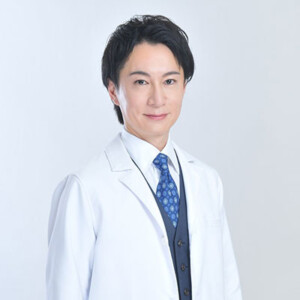
Dr. Jun Karibe
MD
Director
Education & Career
Certifications
Awards
This article is for general informational purposes only and does not constitute medical advice or a diagnosis. Please consult a qualified physician for any health concerns.
MEDICAL REVIEW