Artmake in Tokyo: Pain, Safety and Side Effects — What English-Speaking Patients Should Know
If you are considering artmake in Tokyo and feel unsure about what the procedure involves, how much it hurts, how safe it is or how long the results last, you are not alone. Many English-speaking residents, expatriates and visitors in Japan find it difficult to navigate Japanese-language clinic websites and to judge whether the information they find is medically reliable.
This guide, written by the team at BIOTOPE CLINIC, explains what English-speaking patients should know before undergoing artmake, also known as permanent makeup or semi-permanent makeup, in Tokyo.
In this article, we cover:
- What artmake is and how it differs from a conventional tattoo
- How eyebrow, lip, eyeliner and hairline artmake are performed
- How much artmake hurts and how topical anaesthesia is used
- Common side effects, rare complications and safety precautions
- Healing timelines, aftercare and pigment fading
- Approximate artmake costs in Tokyo
- Why medical supervision matters in Japan
- How English-speaking patients can book artmake at BIOTOPE CLINIC
What Is Artmake?
Artmake is the Japanese term for semi-permanent cosmetic tattooing. It is used to enhance facial features by implanting pigment into the upper layers of the skin using a fine needle or digital device.
Common artmake treatment areas include:
- Eyebrows
- Lips
- Eyeliner or lash line
- Hairline
- Areola reconstruction after breast surgery
Unlike ordinary makeup, artmake does not wash off at the end of the day. Results usually remain visible for one to three years, gradually fading over time.
Artmake is often described as “semi-permanent” because pigment is implanted more superficially than in a conventional body tattoo. This allows the colour to fade gradually as the skin renews itself.
In Japan, permanent makeup and artmake are generally treated as medical procedures requiring medical supervision. A Japanese medical journal review notes that tattooing and permanent makeup procedures have been considered medical practice in Japan.
This distinction is important. Artmake involves needles, pigment and wound healing. Therefore, hygiene, informed consent, medical screening and complication management all matter.
Artmake vs Conventional Tattoo: What Is the Difference?
Artmake and body tattoos both involve placing pigment into the skin. However, they are not the same.
A conventional tattoo is usually implanted deeper into the dermis and is designed to last for many years or decades. Artmake is placed more superficially and is designed to fade gradually.
The goal is also different. A tattoo is often decorative or artistic. Artmake is usually designed to create a natural cosmetic effect: softer eyebrows, a more defined lip line, a subtle eyeliner effect or a fuller-looking hairline.
The most important difference for patients in Japan is the medical context. Because artmake is performed on delicate facial areas and involves skin penetration, it should be carried out in a medically supervised setting with sterile equipment, proper consent and appropriate follow-up.
How Artmake Works
During artmake treatment, a trained practitioner uses a fine needle or digital handpiece to implant pigment into the skin at a controlled depth.
The procedure usually follows these steps:
- Consultation and medical screening
- Discussion of the patient’s goals and preferred design
- Skin assessment and colour selection
- Mapping of the shape before treatment
- Application of topical anaesthetic cream
- Pigment implantation using a needle device
- Cleaning, final check and aftercare explanation
The design stage is especially important. For eyebrow artmake, even a small difference in angle, arch height or tail length can change the overall facial impression. For lip artmake, pigment colour must be chosen carefully to match the patient’s natural lip tone and skin undertone.
Eyebrow Artmake in Tokyo
Eyebrow artmake is one of the most popular types of permanent makeup in Japan. It is suitable for patients who have sparse brows, uneven brows, over-plucked brows or difficulty applying makeup every morning.
There are three main eyebrow artmake techniques.
Hair-Stroke Eyebrow Artmake
The hair-stroke method creates fine lines that resemble natural eyebrow hairs. It can produce a very realistic effect, especially for patients who still have some natural brow hair.
This method is often chosen by patients who want a subtle, natural result rather than a makeup-like finish.
Powder or Ombre Eyebrow Artmake
The powder method creates a soft shaded effect, similar to eyebrow powder or pencil makeup. The colour is usually lighter at the front of the brow and more defined toward the tail.
This technique can be helpful for patients with oily skin, as fine hair-stroke lines may blur more easily on oily skin types.
Combination Eyebrow Artmake
The combination method blends hair strokes with soft shading. It can create both natural texture and clear definition.
For many patients, this provides the best balance between realism and long-lasting visibility.
Lip Artmake
Lip artmake can improve the appearance of pale lips, uneven lip colour, blurred lip borders or mild asymmetry.
Treatment may involve:
- Defining the vermilion border
- Adding soft colour to the entire lip
- Correcting uneven pigmentation
- Creating a healthier, more youthful lip tone
Because the lips are thin, vascular and sensitive, lip artmake can feel more uncomfortable than eyebrow artmake. Swelling may also be more noticeable immediately after treatment.
Patients with a history of cold sores should always mention this during consultation. Lip artmake can trigger herpes simplex reactivation, and preventive antiviral medication may be recommended in some cases.
Eyeliner Artmake
Eyeliner artmake places pigment along the lash line to create a defined eye appearance without daily eyeliner application.
This is a technically demanding treatment because the procedure is performed close to the eye. It should only be carried out by a properly trained practitioner in a medical environment.
Patients with dry eye, eye infections, recent eye surgery or certain ophthalmic conditions may need additional assessment before treatment.
Hairline Artmake
Hairline artmake is used to make the hairline appear fuller or more balanced. It can be helpful for patients with mild thinning around the frontal hairline, temples or part line.
It does not grow hair. Instead, it creates the visual impression of density by placing small dots or strokes of pigment into the scalp or hairline area.
Hairline artmake is increasingly popular among both women and men in Tokyo, especially those seeking a non-surgical option for mild hairline thinning.
Does Artmake Hurt?
One of the most common questions from English-speaking patients is: “How painful is artmake?”
Most patients describe artmake as uncomfortable rather than severely painful. The sensation is often compared to scratching, vibration or repeated light pricking.
Pain level depends on:
- Treatment area
- Skin sensitivity
- Anxiety level
- Menstrual cycle or fatigue
- Previous experience with needles
- Use of anaesthetic cream
- Practitioner technique
At medically supervised clinics, topical anaesthetic cream, often lidocaine-based, is usually applied before treatment. This reduces discomfort significantly, although it does not make the procedure completely sensation-free.
In general:
- Eyebrow artmake is usually mild to moderate
- Lip artmake is often more sensitive
- Eyeliner artmake may feel uncomfortable because of the location
- Hairline artmake varies depending on the treated area
Patients with a low pain threshold should discuss this before treatment so that the clinic can adjust the process where appropriate.
Is Artmake Safe?
Artmake can be safe when performed in a medically supervised clinic using sterile, single-use needles, appropriate pigments and proper aftercare.
However, it is not risk-free. Because needles penetrate the skin, artmake carries similar basic risks to other procedures that involve controlled skin injury.
The main safety issues include:
- Infection
- Allergic reaction
- Pigment migration
- Uneven colour retention
- Prolonged redness or swelling
- Scarring in rare cases
- Herpes reactivation after lip artmake
- MRI-related warmth or image artefact in rare cases
The U.S. FDA notes that tattoos and permanent makeup have occasionally been associated with swelling or burning during MRI, and pigment may interfere with MRI image quality, although this appears to be rare.
This does not mean that patients with artmake cannot undergo MRI. It means they should inform the radiology team before the scan.
Common Side Effects After Artmake
Most side effects after artmake are temporary and expected.
Redness and Swelling
Mild redness and swelling are common immediately after treatment. They usually improve within 24 to 72 hours.
Lip artmake may cause more visible swelling than eyebrow artmake because lip tissue is more vascular.
Dark Colour Immediately After Treatment
Fresh artmake usually looks darker, sharper and more intense than the final healed result.
This can surprise patients. However, it is normal. The colour typically softens as the skin heals.
Flaking and Micro-Crusting
From around days 3 to 10, the treated area may develop light flaking or micro-crusting.
This should not be picked, scratched or rubbed. Removing the crust too early can pull pigment out of the skin and cause patchy results.
Itching
Mild itching is common during healing. It is usually a sign that the skin barrier is repairing itself.
Patients should avoid scratching and follow the aftercare instructions provided by the clinic.
Less Common but Important Risks
Infection
Infection can occur if equipment is not sterile or aftercare is poor. Signs may include increasing pain, spreading redness, pus, heat, fever or worsening swelling.
A medical clinic can evaluate these symptoms and provide appropriate treatment if needed.
Allergic Reaction
Pigment allergy is uncommon but possible. It may appear as persistent redness, swelling, itching, nodules or granulomatous inflammation.
Patients with a history of allergies should discuss this during consultation. In selected cases, a patch test may be considered.
Pigment Migration
Pigment migration means that pigment spreads beyond the intended area, causing a blurred or shadow-like appearance.
This is rare, but it can happen if pigment is placed too deeply, if the skin is fragile or if technique is inappropriate.
Uneven Colour or Asymmetry
Artmake healing is partly biological. Even with excellent technique, pigment retention may vary between the left and right sides.
This is why a touch-up session after four to eight weeks is usually recommended.
MRI Artefact or Warmth
Some pigments may contain metallic compounds such as iron oxide. Medical literature has reported rare MRI-related warmth or image distortion in tattooed areas. (PMC)
Patients should always tell their radiologist if they have artmake, especially eyeliner artmake or other pigment near the face.
Dr. Karibe’s Note
A common question from our international patients at BIOTOPE CLINIC is whether artmake is safe for people with sensitive skin, atopic dermatitis, rosacea or a history of skin inflammation.
In many cases, artmake can still be performed safely with appropriate precautions. However, the consultation is essential. We need to review the patient’s skin history, assess whether there is active inflammation and adjust the technique or aftercare protocol when necessary.
What often surprises overseas patients is how detailed the informed-consent process is at a medical clinic compared with a beauty salon setting. This thoroughness is not unnecessary paperwork. It is part of what makes medically supervised artmake safer.
Who Is a Good Candidate for Artmake?
Good candidates for artmake include patients who:
- Want to reduce daily makeup time
- Have sparse or uneven eyebrows
- Have difficulty applying makeup due to vision or motor issues
- Have pale or uneven lip colour
- Want subtle eyeliner definition
- Have mild hairline thinning
- Have undergone breast reconstruction and want areola restoration
- Are in generally good health
- Can follow aftercare instructions carefully
Artmake is especially useful for people who want a natural appearance even without makeup.
Who Should Avoid or Postpone Artmake?
Artmake may need to be postponed or avoided in the following situations:
- Pregnancy or breastfeeding
- Active eczema, acne, dermatitis or infection in the treatment area
- Active cold sores before lip artmake
- History of keloid or hypertrophic scarring
- Poorly controlled diabetes
- Significant immune suppression
- Recent isotretinoin use
- Severe allergy history
- Recent laser, peel, surgery, filler or botulinum toxin near the area
- Use of blood-thinning medication that cannot be safely managed
Patients taking anticoagulants, antiplatelet medication or frequent NSAIDs should disclose this before treatment. These medications should not be stopped without approval from the prescribing physician.
Artmake Healing Timeline
Healing is not immediate. The treated area changes significantly over the first month.
Days 1–3: Dark and Slightly Swollen
The treated area may look darker, sharper and more dramatic than expected. Mild redness, tenderness, swelling and tightness are normal.
Patients should keep the area clean and avoid unnecessary touching.
Days 4–10: Flaking Phase
Fine flaking or micro-crusting may begin. This is normal.
Do not pick or peel the skin. Picking can remove pigment and increase the risk of infection or uneven colour.
Weeks 2–4: Temporary Lightening
After the surface flaking resolves, the colour may appear too light. This is sometimes called the “ghost phase.”
The pigment has not necessarily disappeared. As the skin settles, the colour often becomes clearer again.
Weeks 4–8: Touch-Up Assessment
The true healed result is usually assessed after four to eight weeks.
At this stage, the practitioner can refine colour, symmetry and pigment retention.
Most artmake treatments are best understood as a two-step process: the first session creates the base, and the second session perfects the result.
Aftercare Instructions
Good aftercare is essential for safe healing and attractive pigment retention.
Patients are usually advised to:
- Keep the area clean and dry for the first several days
- Avoid swimming, saunas, hot springs and heavy sweating
- Avoid makeup directly over the treated area during early healing
- Avoid touching, rubbing, scratching or picking
- Avoid strong skincare products such as retinoids, acids and exfoliants near the area
- Avoid direct sun exposure during healing
- Use sun protection after healing to prevent faster fading
- Follow the specific instructions given by the clinic
For lip artmake, patients with a history of cold sores should ask about antiviral prevention.
For eyeliner artmake, contact lenses and eye makeup may need to be paused temporarily depending on the clinic’s instructions.
How Long Does Artmake Last?
Most artmake results last approximately one to three years.
Longevity depends on:
- Skin type
- Pigment colour
- Treatment area
- Sun exposure
- Skincare habits
- Immune response
- Cell turnover
- Depth of pigment placement
- Frequency of exfoliating treatments
Oily skin may fade faster. Lip pigment may fade faster than eyebrow pigment. Lighter colours usually fade sooner than darker colours.
Regular use of retinoids, acids, chemical peels, lasers or aggressive exfoliation near the treated area can also shorten the life of artmake.
What Does Fading Look Like?
Artmake usually does not disappear suddenly. It gradually becomes:
- Softer
- Lighter
- Less defined
- More powdery or blurred
- Less symmetrical in some areas
This is normal. Many patients choose maintenance treatment every 12 to 24 months.
A conservative initial design is usually best because the face, skin texture and personal preferences change over time.
Cost of Artmake in Tokyo
The cost of artmake in Tokyo varies depending on the treatment area, clinic, practitioner experience, technique and number of sessions.
As a general reference, English-language clinic pages in Japan show eyebrow artmake prices ranging from around ¥50,000 to ¥75,000 for a first session at one clinic, while another Tokyo clinic lists eyebrow treatment at ¥77,000 including tax for a single session and ¥132,000 including tax for a two-session set. (美容皮膚科エルムクリニック)
Typical Tokyo market ranges are approximately:
|
Treatment Area |
Approximate Tokyo Market Range |
Typical Sessions |
|---|---|---|
|
Eyebrow artmake |
¥60,000–¥150,000 |
2 |
|
Lip artmake |
¥80,000–¥180,000 |
2 |
|
Upper eyeliner |
¥40,000–¥90,000 |
2 |
|
Upper and lower eyeliner |
¥50,000–¥110,000 |
2 |
|
Hairline artmake |
¥100,000–¥250,000 |
2–3 |
|
Areola reconstruction |
¥60,000–¥180,000 |
1–2 |
|
Artmake removal |
¥30,000–¥80,000 per session |
Multiple |
These are general market estimates and not a formal price list. Patients should confirm the exact fee directly with the clinic.
When comparing prices, it is important not to choose based on cost alone. Artmake is visible on the face every day and may last for years. Medical supervision, hygiene, design skill, pigment quality and follow-up care are more important than finding the cheapest option.
Is Artmake Covered by Insurance in Japan?
Cosmetic artmake is usually not covered by Japanese health insurance.
Medical reconstructive artmake, such as areola pigmentation after breast reconstruction, may be handled differently depending on the clinical situation and institution. Patients should confirm coverage individually.
Artmake Removal
Although artmake is semi-permanent, removal is not always simple.
Possible removal methods include:
- Laser removal
- Saline removal
- Colour correction
- Gradual fading without treatment
Laser removal may require multiple sessions and may not fully remove all pigment colours. Some colours respond less predictably than black or dark brown pigments.
Patients should understand that removal can be more expensive, time-consuming and uncomfortable than the original treatment. This is why careful design and conservative pigment selection are important from the beginning.
Artmake vs Microblading vs Tattoo
|
Feature |
Medical Artmake |
Microblading |
Conventional Tattoo |
|---|---|---|---|
|
Main purpose |
Cosmetic enhancement |
Brow enhancement |
Decorative tattooing |
|
Device |
Digital machine or fine needles |
Manual blade |
Tattoo machine |
|
Depth |
Superficial skin layers |
Superficial dermis |
Deeper dermis |
|
Longevity |
1–3 years |
Often 6–18 months |
Many years or decades |
|
Common areas |
Brows, lips, eyeliner, hairline |
Brows |
Body |
|
Medical supervision in Japan |
Important and generally required |
Often not medical |
Different regulatory context |
|
Anaesthetic |
Usually topical |
Varies |
Varies |
|
Removal |
Possible but variable |
Possible but variable |
Possible but often difficult |
What Makes a Clinic Safe?
A safe artmake clinic should provide more than attractive photos.
Patients should look for:
- Medical supervision
- Sterile, single-use needles
- Clear informed consent
- Careful medical screening
- Experience with the treatment area
- Natural design planning
- Explanation of risks and side effects
- English communication if needed
- Follow-up care after treatment
- Ability to manage complications
For English-speaking patients, communication is a safety issue. Patients should be able to understand the risks, aftercare and what to do if symptoms occur after treatment.
Where to Get Artmake in Tokyo: BIOTOPE CLINIC
Within our clinic group, artmake is performed at BIOTOPE CLINIC in Shirokanedai, Minato-ku, Tokyo, under the direction of Dr. Jun Karibe, a board-certified plastic surgeon.
Our English-speaking team supports international patients from enquiry to consultation and aftercare. Patients do not need to navigate Japanese-language booking systems alone.
Kojimachi Dermatology & Plastic Surgery Clinic in Ichigaya, Chiyoda-ku, is the main clinic of the group and specialises in dermatology and plastic surgery. Artmake procedures are performed at BIOTOPE CLINIC, where the same medical standards and English-language support are available.
For an accurate quote or consultation, please contact our team via LINE or WhatsApp.
Frequently Asked Questions About Artmake in Tokyo
Is artmake safe in Tokyo?
Artmake can be safe when performed in a medically supervised clinic with sterile needles, appropriate pigment, proper consent and follow-up care. Patients should avoid non-medical environments where hygiene, legal compliance and complication management may be unclear.
Does artmake hurt?
Most patients feel mild to moderate discomfort rather than severe pain. Topical anaesthetic cream is usually applied before treatment. Lips and eyeliner tend to be more sensitive than eyebrows.
How long does artmake last?
Most artmake lasts one to three years. Fading depends on skin type, sun exposure, pigment colour, treatment area and skincare habits.
How many sessions do I need?
Most patients need two sessions: an initial treatment and a touch-up after four to eight weeks. Hairline artmake may require more sessions depending on the area.
Can foreigners get artmake in Tokyo?
Yes. English-speaking residents and visitors can receive artmake in Tokyo, but they should choose a clinic that can provide consultation, consent and aftercare instructions in English.
Can I get artmake if I do not speak Japanese?
Yes. BIOTOPE CLINIC provides English-language support for international patients. Enquiries can be made via LINE or WhatsApp.
Can I wear makeup after artmake?
Makeup should not be applied directly over the treated area during early healing. Applying cosmetics too soon may increase irritation or infection risk.
Can I exercise after artmake?
Heavy sweating, intense exercise, swimming, saunas and hot springs should usually be avoided for several days after treatment.
Can I get lip artmake if I have had cold sores?
Possibly, but you must tell the clinic. Lip artmake can trigger herpes simplex reactivation, and preventive antiviral medication may be recommended.
Does artmake affect MRI scans?
MRI-related reactions are rare, but tattoo and permanent makeup pigments have been reported to cause warmth, swelling or image artefact in some cases. Patients should inform the radiology team before undergoing MRI.
Can artmake be removed?
Removal may be possible with laser or saline techniques, but it often requires multiple sessions. Some pigment colours are harder to remove than others.
Dr. Karibe’s Final Advice
Artmake can be an excellent treatment for patients who want to reduce daily makeup time, improve facial balance or restore natural colour and definition.
However, it should not be treated as a casual beauty service. Pigment is implanted into the skin using needles. That makes artmake a medical procedure with aesthetic consequences.
The safest and most beautiful results come from three principles:
- Careful medical screening
- Conservative, natural design
- Proper aftercare and follow-up
The best artmake should not look artificial. It should quietly support your natural features and make your face look healthier, softer and more balanced.
Conclusion
Artmake in Tokyo can be safe, elegant and convenient when performed in a medically supervised environment by a properly trained practitioner.
For English-speaking patients, the most important step is choosing a clinic that can communicate clearly, explain risks honestly and provide appropriate follow-up care.
Pain is usually manageable with topical anaesthesia. Redness, swelling, darkening and flaking are expected parts of the healing process. More serious complications such as infection, allergy, pigment migration or MRI-related issues are uncommon, but they are important enough to justify careful clinic selection.
If you are considering eyebrow, lip, eyeliner or hairline artmake in Tokyo, take time to ask questions, review healed results and choose a natural design that will age well with your face.
For English-speaking artmake consultation in Tokyo, BIOTOPE CLINIC welcomes enquiries via LINE or WhatsApp.
Dr. Karibe’s Note
A common question from our international patients at BIOTOPE CLINIC is whether artmake is safe for those with sensitive skin or a history of skin conditions such as atopic dermatitis or rosacea. In most cases, artmake can be performed safely with appropriate precautions, but the pre-procedure consultation is essential — it allows us to review your skin history, assess any contraindications and adjust the technique or aftercare protocol accordingly. What surprises many overseas visitors is how thorough the informed-consent process is at a medical clinic compared with a beauty salon setting; this thoroughness is precisely what makes the medically supervised environment the safer choice.
Expected Results and Longevity
Artmake is described as “semi-permanent” because, unlike a deep body tattoo, the pigment is placed at a shallower skin depth and will gradually fade as the skin naturally renews itself. Most patients can expect their results to remain clearly visible for approximately one to three years, after which annual or biennial touch-up sessions can maintain the effect. This range is wide because longevity depends on several factors: skin type (oilier skin tends to fade faster), sun exposure, the specific pigments used, the treated area and individual cell-turnover rate.
The healed result is typically assessed at a follow-up appointment four to eight weeks after the initial session, at which point any areas of uneven retention or colour can be corrected. Most practitioners and clinics consider two sessions — the initial treatment plus one touch-up — to be the standard protocol for optimal, even results. Subsequent maintenance sessions are then performed as needed, typically every one to two years.
Cost in Tokyo: What to Expect
Artmake pricing in Tokyo varies considerably depending on the treatment area, the clinic’s level of medical supervision, the experience of the practitioner and the specific technique used. The following are general market ranges intended as a reference only; they do not represent a formal price list from any specific clinic.
| Treatment Area | Approximate Tokyo Market Range (per session) | Typical Sessions Recommended |
|---|---|---|
| Eyebrow artmake | ¥60,000 – ¥150,000 | 2 |
| Lip artmake (full lip) | ¥80,000 – ¥180,000 | 2 |
| Eyeliner (upper only) | ¥40,000 – ¥90,000 | 2 |
| Eyeliner (upper + lower) | ¥50,000 – ¥110,000 | 2 |
| Hairline artmake | ¥100,000 – ¥250,000 | 2–3 |
| Areola reconstruction (medical) | ¥60,000 – ¥180,000 | 1–2 |
| Artmake removal (laser or saline) | ¥30,000 – ¥80,000 | Multiple (varies) |
In the Tokyo market, sessions are typically priced in the range shown above. Clinics operating under direct medical supervision often price at the higher end of these ranges, reflecting the qualifications of the supervising physician, stricter hygiene protocols and the comprehensive consultation process. Health insurance in Japan does not generally cover artmake, with the exception of specific medical reconstructive applications in some cases — this should be confirmed on an individual basis.
For an accurate quote, we recommend booking a consultation with BIOTOPE CLINIC via LINE or WhatsApp.
Have a question about this treatment?
Message us on LINE or WhatsApp — our English-speaking team usually replies the same day.
Healing and Aftercare: A Week-by-Week Guide
Proper aftercare is critical to achieving an even, well-retained result and to minimising the risk of infection or complications. The healing process unfolds in a predictable sequence, though the pace varies between individuals and treatment areas.
Days 1–3: Acute Phase
Redness, mild swelling and a sense of tightness or tenderness are normal in the first 72 hours. The treated area will appear noticeably darker and more defined than the intended final result — this is normal and should not cause alarm. Keep the area clean and dry; avoid submerging it in water (swimming pools, baths, saunas and hot springs are contraindicated during this phase).
Days 4–10: Flaking Phase
Fine flaking or micro-crusting will begin as the epidermis regenerates. Do not pick, peel or rub the treated area, as doing so can pull pigment out of the skin and leave patchy or uneven results. A thin layer of the healing ointment recommended by your practitioner may be applied to keep the area moisturised, unless instructed otherwise. Avoid applying conventional cosmetics over the treated area during this period.
Weeks 2–4: Colour Settling
Once the surface flaking resolves, the treated area may temporarily appear lighter than expected — sometimes described as having “ghosted.” This is because the new epidermal layer diffuses the colour. Over the following weeks, the pigment will gradually clarify and the true healed colour will become apparent. Sun protection (SPF 30 or higher) applied to or around the treated area, once healing is complete, is important for preserving colour longevity.
Ongoing Aftercare
Avoid prolonged direct sun exposure, tanning beds and exfoliating treatments (such as chemical peels, laser resurfacing or strong AHA/BHA products) over the treated area, as these accelerate pigment fading. Swimming in chlorinated pools or salt water can also fade results more quickly. Attending the recommended follow-up or touch-up appointment is strongly advised to correct any areas of uneven retention.
Who Is a Good Candidate for Artmake?
Artmake is suitable for a wide range of patients, but it is not appropriate for everyone. A thorough consultation with a qualified medical professional is the correct way to assess individual suitability. Generally speaking, good candidates include people who:
- Have sparse, thin or asymmetrical eyebrows and wish for a more defined, balanced appearance
- Experience difficulty applying everyday eye, lip or brow makeup due to motor impairment, vision impairment or alopecia
- Have lost pigmentation in the lips or brow area through ageing, hormonal changes or scarring
- Are undergoing or have completed breast reconstruction and wish to restore natural areola appearance
- Are in good general health, are not pregnant or breastfeeding, and do not have active skin conditions in the treatment area
Artmake is generally not recommended for patients who are pregnant or breastfeeding, have a history of keloid scarring, have active acne, eczema or psoriasis in the treatment area, are currently taking isotretinoin (a medication for acne) or certain immunosuppressants, or have a history of severe allergic reactions (anaphylaxis). Patients with a history of herpes simplex on or near the lips should discuss antiviral prophylaxis before undergoing lip artmake.
Where to Get Artmake in Tokyo: BIOTOPE CLINIC
Within our clinic group, artmake is performed at BIOTOPE CLINIC in Shirokanedai (Minato-ku), directed by Dr. Jun Karibe, a board-certified plastic surgeon. Our English-speaking team covers both clinics and handles all English enquiries, so patients do not need to navigate Japanese-language phone lines or booking systems. BIOTOPE CLINIC operates under full medical supervision, meaning all procedures are performed in compliance with Japanese medical law, with proper informed consent, sterile technique and physician oversight.
Kojimachi Dermatology & Plastic Surgery Clinic (Ichigaya, Chiyoda-ku) is the main clinic of the group and specialises in dermatology and plastic surgery, but does not itself perform artmake. Patients who enquire about artmake at Kojimachi are directed to BIOTOPE CLINIC, where the same clinical standards and English-language support are available.
Common Misconceptions About Artmake
Misconception 1: “Artmake Is Just a Tattoo”
While artmake and conventional tattooing both involve depositing pigment into the skin via needles, there are meaningful differences in technique, pigment composition, implantation depth and legal classification in Japan. Artmake pigment is implanted more superficially, typically into the epidermis and uppermost dermis, which is why it fades over time rather than remaining visible for decades. The pigments used in artmake are also formulated differently — generally with smaller particle sizes — from traditional tattoo inks. Importantly, in Japan, artmake is legally classified as a medical procedure and may only be carried out by or under the direct supervision of a licensed physician; conventional tattoo parlours operate under entirely different regulations and do not offer the same medical safeguards.
Misconception 2: “Artmake Is Permanent and Cannot Be Removed”
Artmake is semi-permanent by design. Most patients will find that their results fade significantly within one to three years without maintenance. However, fading is not always complete, and some pigment may persist longer than expected, particularly if a darker shade was used or if the deposit was placed more deeply than is typical. In cases where removal is desired — whether due to a change in preference, uneven results or colour shift over time — laser removal (using wavelengths targeting the specific pigment colour) or saline-based removal techniques can be used. These procedures require multiple sessions and are not without their own discomfort and cost. In the Tokyo market, removal sessions are typically priced in the range of ¥30,000 to ¥80,000 per session, with the total number of sessions varying based on pigment density and colour.
Artmake vs. Microblading vs. Conventional Tattoo: A Quick Comparison
| Feature | Artmake (Medical Clinic) | Microblading (Beauty Salon) | Conventional Tattoo |
|---|---|---|---|
| Legal status in Japan | Medical procedure; physician oversight required | Legally ambiguous; not a medical procedure | Not classified as medical |
| Needle depth | Epidermis / superficial dermis | Superficial dermis (manual blade) | Deep dermis |
| Longevity | 1–3 years (area-dependent) | 6–18 months typically | Decades |
| Anaesthetic | Topical anaesthetic routinely used | Varies by practitioner | Varies |
| Physician involvement | Yes (legally required in Japan) | No | No |
| Pigment type | Medical-grade, fine-particle pigment | Variable | Conventional tattoo ink |
| Removal options | Laser or saline removal available | Laser removal possible | Laser removal (multiple sessions, often incomplete) |
Frequently Asked Questions
- Q. Can I get artmake if I am not fluent in Japanese?
- Yes. BIOTOPE CLINIC, the artmake clinic within our group, is supported by an English-speaking intake and consultation team. Enquiries can be submitted in English via LINE or WhatsApp, and the consultation process — including informed consent — is conducted in English for international patients. You do not need to navigate Japanese-language systems on your own.
- Q. How long does an artmake session take?
- A typical artmake session, including the application of topical anaesthetic and the consultation review, lasts approximately 90 minutes to two and a half hours depending on the treatment area. Eyebrow artmake sessions are generally shorter; lip artmake and hairline artmake sessions may take longer. A separate, dedicated consultation appointment is recommended before the first treatment session.
- Q. Is artmake safe if I have sensitive skin or a history of allergies?
- Sensitive skin and a history of allergies are not automatic contraindications, but they do require careful assessment at the consultation stage. The practitioner will review your allergy history, and a patch test with the intended pigment may be arranged in advance of treatment. Patients with known severe allergic reactions should discuss this in full detail before proceeding.
- Q. Will the colour look natural on my skin tone?
- Pigment selection is a key part of the consultation process, and practitioners at medically supervised clinics are trained to choose shades appropriate for a wide range of skin tones and undertones. International patients with darker or lighter skin tones than the Japanese average are encouraged to discuss their preferences and show reference photographs during the consultation. The result immediately after treatment will appear darker than the healed colour, which should be taken into account when assessing the initial outcome.
- Q. What happens if I am unhappy with my results?
- Minor imperfections in symmetry or colour retention are typically addressed at the included touch-up session, scheduled four to eight weeks after the initial treatment. If a patient remains significantly dissatisfied after the touch-up, laser or saline removal may be considered, though this process takes multiple sessions and carries its own costs and limitations. Choosing a medically qualified, experienced practitioner from the outset — and having realistic expectations established at the consultation — is the best strategy for achieving a satisfactory outcome.
- Q. Does artmake affect MRI scans?
- Some artmake pigments contain iron oxide compounds, which can occasionally cause localised warmth or a minor artefact on MRI images at the site of pigment deposit. The risk is generally low and manageable. Patients should inform the radiology team of any artmake they have received before undergoing an MRI examination, so that appropriate precautions can be taken.
Summary
Artmake is a well-established, semi-permanent cosmetic procedure that — when performed under proper medical supervision using sterile technique and appropriate pigments — carries a manageable risk profile for most healthy adults. The key points to take away are: discomfort is real but substantially reduced by topical anaesthesia; results typically last one to three years and fade gradually; two sessions are the standard protocol for optimal results; and choosing a medically supervised clinic in Japan is not merely a preference but a legal and safety imperative.
Understanding the healing timeline, following aftercare instructions carefully and maintaining realistic expectations about colour evolution are all important factors in achieving a satisfying outcome. For English-speaking patients in Tokyo, the language barrier need not be an obstacle: our English-speaking team at BIOTOPE CLINIC and Kojimachi Dermatology & Plastic Surgery Clinic is available to answer questions and guide you through the process from initial enquiry to post-procedure follow-up.
24/7 Consultation & Booking
Book a Consultation or Treatment
Our English-speaking team responds via LINE or WhatsApp — usually the same day.
References
- Kluger N, Koljonen V. Tattoos, inks, and cancer. Lancet Oncology. 2012;13(4):e161–e168.
- Lehner K, Santarelli F, Vasold R, et al. Black tattoo inks are a source of problematic substances such as dibutyl phthalate. Contact Dermatitis. 2011;65(4):231–238.
- Wenzel SM, Rittmann I, Landthaler M, Bäumler W. Adverse reactions after tattooing: review of the literature and comparison to results of a survey. Dermatology. 2013;226(2):138–147.
- Islam PS, Chang C, Selmi C, et al. Medical complications of tattoos: a comprehensive review. Clinical Reviews in Allergy and Immunology. 2016;50(2):273–286.
- Ministry of Health, Labour and Welfare (Japan). Legal classification of tattooing as a medical act: Supreme Court ruling and regulatory guidance. 2020. (Official government publication — no URL provided in accordance with citation policy.)
Related Articles
You may also find these articles useful.
- English Speaking Dermatologist Tokyo: Complete Guide
- Looking for an English-Speaking Dermatology and Aesthetic Clinic in Tokyo?
SUPERVISED BY
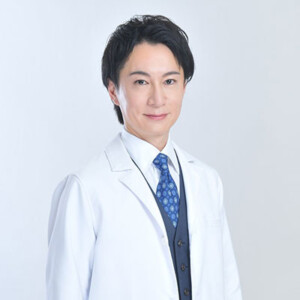
Dr. Jun Karibe
MD
Director
Education & Career
Certifications
Awards
MEDICAL REVIEW