Eyeliner Artmake in Tokyo: Safety, Technique and What Results to Expect
If you are considering eyeliner artmake in Tokyo — whether as an expatriate resident, a medical tourist, or a visitor with time to plan ahead — it is entirely natural to have questions about how safe the procedure is, what the process actually involves, and how long the results will last. Navigating a cosmetic procedure in a country where you may not speak the language fluently adds an extra layer of concern, and this guide is designed to address those questions honestly and thoroughly. By the end of this article, you will have a clear, practical understanding of what eyeliner artmake entails and how to take the next step in Tokyo with confidence.
- What eyeliner artmake is and how it differs from conventional tattoo or Western permanent makeup techniques
- How the procedure is performed, step by step, and what to expect on the day
- Realistic results, longevity, and the healing timeline
- Current market pricing for eyeliner artmake in Tokyo
- Where English-speaking patients can access eyeliner artmake within a medically supervised clinic group in Tokyo
What Is Artmake?
Artmake (アートメイク) is a form of semi-permanent cosmetic pigmentation that has become highly refined in Japan over the past two decades. The term is used broadly in Japan to describe procedures that deposit cosmetic pigment into the upper layers of the skin — the epidermis and the superficial dermis — in order to simulate the appearance of makeup such as eyeliner, eyebrows, or lip colour. Unlike conventional body tattoos, which place ink deep into the dermis for lifelong permanence, artmake targets shallower skin layers, which means the colour gradually fades over time rather than remaining indefinitely.
In the Japanese regulatory context, artmake is considered a medical act (iryō kōi) and is legally required to be performed by, or under the direct supervision of, a licensed physician. This distinguishes Japanese artmake practice from many other countries, where similar procedures may be carried out by aestheticians or independent artists with minimal medical oversight. For international patients, this regulatory environment is generally reassuring: reputable clinics in Japan integrate artmake into a clinical setting with proper hygiene protocols and medically trained staff.
Eyeliner artmake specifically involves applying pigment along the lash line of the upper eyelid, the lower eyelid, or both, to create the effect of a defined, consistent eyeliner look. The treatment appeals to those who find daily eyeliner application time-consuming, those with allergies to cosmetic products, individuals with conditions such as alopecia affecting the eyelashes, or simply people who wish to wake up with a polished appearance.
How Eyeliner Artmake Works: The Procedure Step by Step
Initial Consultation and Design
Before any pigment is applied, the practitioner conducts a thorough consultation. This involves discussing your aesthetic goals, reviewing your medical history (including any skin conditions, allergies, or medications that might affect healing), and examining the anatomy of your eyelids. A patch test for pigment sensitivity may be recommended, particularly for patients with known skin sensitivities. The shape, thickness, and colour of the proposed eyeliner are agreed upon collaboratively at this stage.
For English-speaking patients at BIOTOPE CLINIC, the clinic’s English-capable intake team facilitates communication at every step. Bringing reference photographs of eyeliner styles you admire is encouraged, as it helps the practitioner understand your expectations precisely.
Topical Anaesthesia
A topical numbing cream (typically containing lidocaine) is applied to the eyelid area and left in place for approximately 20 to 40 minutes before the procedure begins. This significantly reduces discomfort for most patients, though individual sensitivity varies and a degree of sensation should still be anticipated. Patients are advised not to expect a completely painless experience, particularly around the inner corners of the eye and along the lower lash line, which tend to be more sensitive.
Pigment Application
The practitioner uses a fine, sterile needle or needle cluster fitted to a digital artmake device. The device makes rapid, controlled micro-punctures along the lash line, depositing pigment at a consistent, shallow depth. For eyeliner artmake, the technique is typically a point-by-point or line-drawing approach that creates a clean, dense line rather than the feathered strokes used in eyebrow artmake. The upper lash line session usually takes 60 to 90 minutes in total, including preparation time; adding a lower lash line extends this.
Sterile, single-use needles are used for each patient, and the pigments used in reputable Japanese artmake clinics are sourced from manufacturers that meet cosmetic safety standards. Patients should feel comfortable asking their practitioner about the pigment brand and its safety testing.
Immediately After the Procedure
Once the session is complete, the area will appear noticeably darker and more intense than the intended final result — sometimes dramatically so. Mild redness, slight puffiness around the eyelids, and a sensation similar to mild sunburn are common in the first 24 to 48 hours. Cold compresses may be recommended to reduce swelling. The treated area should not be rubbed or exposed to water beyond gentle cleansing during the initial healing period.
Expected Results and Longevity
Artmake results are not permanent in the way that conventional tattoos are. Most patients can expect eyeliner artmake to remain visible for approximately one to three years, depending on individual factors such as skin type (oilier skin tends to fade pigment faster), sun exposure, the depth of application, and the specific pigment used. After this period, the colour gradually lightens and may shift slightly in tone — blacks can sometimes soften towards a grey or brown hue as they fade.
For this reason, touch-up sessions are a routine and expected part of the artmake process rather than a sign that anything has gone wrong. Most practitioners recommend a follow-up session four to eight weeks after the initial procedure, once the skin has fully healed, to assess retention and refine the result. Subsequent maintenance touch-ups are typically recommended every one to two years thereafter to preserve the intended look.
The immediate post-procedure colour will appear considerably darker than the settled result. After the surface scabbing and flaking resolves — usually within seven to fourteen days — the pigment softens noticeably, and the true colour becomes visible over the following four to six weeks as the skin completes its internal healing process.
Healing Timeline and Aftercare
The First Week
Days one to three typically involve the most noticeable swelling and the darkest appearance of the pigment. It is not uncommon for the eyes to appear slightly puffy, particularly on waking in the morning. Most patients feel comfortable returning to work within two to three days, though this depends on personal comfort with the temporary appearance. Avoiding eye makeup, contact lenses, swimming pools, saunas, and direct sun exposure is essential during this phase.
Weeks Two to Four
The surface layer of treated skin begins to flake and shed naturally. It is critically important not to pick at or peel this skin, as doing so can pull out pigment unevenly and compromise the final result. The eyeliner may appear patchy or lighter in areas during this phase — this is entirely normal and does not indicate that the procedure has failed. Moisturising ointments or aftercare products prescribed by the clinic should be applied as directed.
Long-term Aftercare
Sun protection around the eye area (via sunglasses or broad-spectrum SPF) is recommended on an ongoing basis to slow pigment fading. Certain skincare actives — such as retinoids and exfoliating acids — applied close to the eye area may accelerate fading and should generally be avoided near the treated zone. Patients considering laser treatments to the face in the future should inform their treating physician that they have artmake, as some laser wavelengths can interact with pigment.
Cost of Eyeliner Artmake in Tokyo
Eyeliner artmake pricing in Tokyo varies depending on the clinic’s credentials, the practitioner’s experience, the scope of the procedure (upper lash line only versus upper and lower), and any follow-up sessions included in the quoted price. In the Tokyo market, sessions are typically priced in the range of ¥40,000 to ¥90,000 per session for the upper lash line, and ¥50,000 to ¥110,000 per session for upper and lower lash lines combined. Given that most practitioners recommend at least two sessions to achieve and consolidate the desired result, prospective patients should factor the total cost of the complete treatment plan into their budget.
It is worth noting that price alone is not a reliable indicator of quality or safety. In the context of a procedure performed close to the eye — one of the most sensitive and medically complex areas of the face — the practitioner’s qualifications, the clinic’s hygiene standards, and the quality of materials used are all factors that merit careful consideration alongside cost.
Have a question about this treatment?
Message us on LINE or WhatsApp — our English-speaking team usually replies the same day.
For an accurate quote, we recommend booking a consultation with BIOTOPE CLINIC via LINE or WhatsApp. Pricing is confirmed following an individual assessment of your goals and anatomy.
Who Is a Good Candidate for Eyeliner Artmake?
Eyeliner artmake is suitable for a broad range of patients, but a thorough pre-procedure assessment is essential to confirm individual suitability. Ideal candidates are generally in good overall health, have realistic expectations about the semi-permanent nature of the results, and are not in the acute phase of any skin condition affecting the eyelid area. People who struggle with applying conventional eyeliner due to unsteady hands, visual impairment, or time constraints often find artmake particularly life-changing.
Certain groups require additional caution or may be advised against the procedure. These include:
- Individuals who are pregnant or breastfeeding (pigment application is typically deferred until after this period)
- Those with active eczema, psoriasis, or dermatitis in or around the eyelid area
- Patients taking blood-thinning medications (such as warfarin or aspirin), which can affect bleeding and healing
- Those with a history of keloid scarring or abnormal wound healing
- Individuals with certain autoimmune conditions — a medical review is advisable
- Those with very sensitive eyes or a history of recurrent eye infections
The practitioner will review all of the above at the consultation stage. Being forthright about your full medical history — including medications and supplements — is important to ensure both your safety and the best possible outcome.
Dr. Karibe’s Note
A common question from our international patients at BIOTOPE is whether they need to understand Japanese to go through the artmake process safely. Our English-capable team ensures that the consultation, consent process, and aftercare instructions are communicated fully in English. What surprises many overseas visitors is how detail-oriented Japanese artmake practice tends to be — the design discussion alone can take a considerable amount of time, because we want the shape and colour to be exactly right before a single needle touches the skin. That careful pre-procedure conversation is time well spent, and patients are always encouraged to ask as many questions as they need.
Where to Get Eyeliner Artmake in Tokyo: BIOTOPE CLINIC
Within our clinic group, artmake is performed at BIOTOPE CLINIC in Shirokanedai (Minato-ku), directed by Dr. Jun Karibe, a board-certified plastic surgeon. Our English-speaking team covers both clinics and handles all English enquiries, so international patients can communicate their needs and questions clearly at every stage — from initial inquiry through to aftercare follow-up.
Kojimachi Dermatology & Plastic Surgery Clinic, located in Ichigaya (Chiyoda-ku), is the main clinic of the group and provides a broad range of dermatological and plastic surgery services; however, artmake procedures are not performed at the Ichigaya location. Patients specifically interested in eyeliner artmake, or any other artmake procedure, are directed to BIOTOPE CLINIC in Shirokanedai for their consultation and treatment.
BIOTOPE CLINIC’s location in Shirokanedai (Minato-ku) is accessible from central Tokyo and sits within a quiet, clinical environment consistent with the medically supervised approach to artmake that the clinic group upholds. Enquiries can be made via LINE or WhatsApp for the convenience of international patients who may not have a Japanese phone number.
Common Misconceptions About Eyeliner Artmake
Misconception 1: “Artmake is the same as a regular tattoo”
This is one of the most persistent misunderstandings. While both artmake and conventional tattoos involve introducing pigment beneath the skin surface using needles, there are important differences in depth, pigment composition, and intended longevity. Artmake targets the superficial layers of the skin — primarily the epidermis and the very upper dermis — whereas body tattoos penetrate substantially deeper into the dermis, which is why they are designed to last a lifetime. The pigments used in quality artmake products are also formulated differently, often with smaller molecule sizes that the body gradually metabolises over time. As a result, artmake fades predictably over years, rather than remaining as a fixed mark.
Misconception 2: “Artmake is completely painless because of the numbing cream”
Topical anaesthesia does significantly reduce discomfort, and many patients describe the sensation as tolerable — often comparing it to a mild scratching or vibrating feeling. However, the claim that the procedure is entirely painless would be misleading. The eyelid is a particularly thin, sensitive area of skin, and the degree of discomfort experienced varies between individuals. Some patients, particularly those with sensitive skin or anxiety, find the sensation more noticeable than they anticipated. Managing expectations honestly beforehand leads to a far better overall experience than promises that cannot be universally guaranteed.
Artmake, Microblading and Conventional Tattoo: A Comparison
| Feature | Eyeliner Artmake (Japan) | Microblading | Conventional Tattoo |
|---|---|---|---|
| Skin depth | Epidermis / superficial dermis | Epidermis / superficial dermis | Deep dermis |
| Longevity | 1–3 years (fades gradually) | 1–2 years (varies by skin type) | Effectively permanent |
| Touch-ups needed | Yes — typically every 1–2 years | Yes — often annually | Generally not required |
| Applicator | Digital device with sterile needle(s) | Manual blade / fine needles | Tattoo machine with needle |
| Typical use on eyes | Yes — eyeliner application | Rarely used on eyelids | Not recommended near eyes |
| Medical supervision (Japan) | Legally required | Not consistently regulated | Separate regulatory framework |
| Reversal / removal | Possible (laser or saline; multiple sessions) | Possible (laser or saline) | Difficult; multiple laser sessions |
Frequently Asked Questions
- Q. How long does an eyeliner artmake session typically take?
- A full appointment, including preparation, topical anaesthetic application, the procedure itself, and post-procedure care instructions, generally runs between 90 minutes and two hours for the upper lash line. Adding the lower lash line will extend the appointment accordingly. Patients are advised to allow sufficient time and avoid scheduling demanding activities immediately afterward.
- Q. Can I wear contact lenses to the appointment?
- Contact lenses should be removed before the procedure begins and cannot be worn during the session. It is generally recommended to use spectacles rather than contact lenses for at least 24 to 48 hours after eyeliner artmake, to avoid introducing any irritation to the treated eyelid area. Your practitioner will provide specific guidance based on your individual circumstances.
- Q. Is eyeliner artmake safe for people who have had LASIK or other eye surgery?
- A history of LASIK, cataract surgery, or other ophthalmic procedures does not automatically disqualify a patient from eyeliner artmake, but it is essential to disclose this history at consultation. The practitioner may recommend a longer interval after the eye surgery before proceeding and may consult with your ophthalmologist. Individual assessment is necessary in all such cases.
- Q. What happens if I am not happy with the colour or shape after healing?
- The follow-up session scheduled four to eight weeks after the initial procedure is the appropriate point to adjust colour, density, or minor shape refinements. Because artmake fades over time, significant changes to the design are sometimes more practicably addressed through the natural fading process followed by a fresh session. In cases where removal is desired, laser removal or saline removal techniques are available, though these typically require multiple sessions. In the Tokyo market, removal sessions are generally priced in the range of ¥30,000 to ¥80,000 per session.
- Q. Does the Kojimachi clinic in Ichigaya offer artmake consultations?
- Artmake procedures and consultations specific to artmake are handled at BIOTOPE CLINIC in Shirokanedai, not at the Kojimachi Dermatology & Plastic Surgery Clinic in Ichigaya. The English-speaking team shared across both clinics can assist with routing your enquiry to BIOTOPE CLINIC — contact is available via LINE or WhatsApp.
Summary
Eyeliner artmake in Tokyo offers a medically supervised, semi-permanent solution for those seeking a consistently defined lash line without daily cosmetic application. The procedure uses a digital needle device to deposit pigment into the superficial layers of the skin along the lash line, producing results that typically last one to three years before fading, and that can be refreshed with periodic touch-up sessions. Performed legally under medical supervision in Japan, eyeliner artmake at a reputable clinic is a carefully managed cosmetic procedure — not a back-room tattoo — and the initial consultation and design discussion are as important as the procedure itself.
Healing involves a predictable sequence of initial darkening, superficial flaking, and gradual settling of colour over the course of four to six weeks. Patients who follow aftercare instructions carefully and attend their follow-up session typically achieve the most satisfying and consistent results. Those considering the procedure should enter the process with realistic expectations: artmake is a skilled craft producing a refined, natural-looking enhancement, not a guarantee of any specific outcome.
For English-speaking patients in Tokyo, the clinic group comprising Kojimachi Dermatology & Plastic Surgery Clinic (Ichigaya) and BIOTOPE CLINIC (Shirokanedai) provides access to artmake in a medically supervised environment with English-language support throughout. Enquiries are welcomed via LINE or WhatsApp.
24/7 Consultation & Booking
Book a Consultation or Treatment
Our English-speaking team responds via LINE or WhatsApp — usually the same day.
For an Accurate Quote
For an accurate quote, we recommend booking a consultation with BIOTOPE CLINIC via LINE or WhatsApp.
Pricing is confirmed after an individual assessment of:
- Desired eyeliner style
- Upper or lower lash line treatment
- Eyelid anatomy
- Skin sensitivity
- Previous artmake history
- Pigment choice
- Touch-up requirements
Because eyeliner artmake is performed close to the eyes, the treatment plan should never be based on price alone. Safety, medical supervision, design quality, and communication are all essential.
Who Is a Good Candidate for Eyeliner Artmake?
Eyeliner artmake in Tokyo may be suitable for a wide range of patients.
Good candidates are generally healthy adults who want long-lasting eye definition without applying eyeliner every day.
The treatment may be especially helpful for people who:
- Want to reduce daily makeup time
- Have difficulty applying eyeliner evenly
- Have poor eyesight
- Have unsteady hands
- Have sparse lashes
- Have cosmetic allergies to regular eyeliner
- Want smudge-resistant eyeliner in Tokyo’s humid climate
- Prefer a natural lash enhancement look
- Want a polished appearance without obvious makeup
Eyeliner artmake can also be useful for patients who feel their eyes look less defined due to ageing, lash thinning, or hair loss conditions such as alopecia.
However, realistic expectations are essential.
The goal is usually natural enhancement, not dramatic makeup.
Who Should Avoid or Delay Eyeliner Artmake?
Eyeliner artmake may not be appropriate for everyone.
Certain patients require additional caution or may be advised to delay treatment.
These include patients who:
- Are pregnant
- Are breastfeeding
- Have active eczema around the eyelids
- Have active psoriasis near the eyes
- Have dermatitis around the eyelids
- Have conjunctivitis or active eye infection
- Have recurrent eye infections
- Have severe dry eye disease
- Take blood-thinning medications
- Have a history of keloid scarring
- Have abnormal wound healing
- Have certain autoimmune conditions
- Have allergies to pigments or numbing agents
- Recently underwent LASIK or other eye surgery
Patients should disclose all medications, supplements, allergies, and medical history during consultation.
This includes aspirin, warfarin, anticoagulants, fish oil, vitamin E, and any medications that may affect bleeding or wound healing.
Honest medical disclosure helps protect both safety and final results.
Why Medical Review Matters
Because eyeliner artmake is performed close to the eyes, careful screening is important.
A proper consultation helps determine:
- Whether the eyelid skin is healthy enough for treatment
- Whether the patient has risk factors for poor healing
- Whether pigment allergy risk should be considered
- Whether eye surgery history affects timing
- Whether expectations are realistic
- Whether the desired design is technically appropriate
No reputable medical clinic should proceed without reviewing these points.
Dr. Karibe’s Note
A common question from international patients at BIOTOPE is whether they need to understand Japanese to go through the artmake process safely.
Our English-capable team ensures that consultation, consent, design discussion, and aftercare instructions are communicated clearly in English.
What surprises many overseas visitors is how detailed the Japanese artmake process can be. The design discussion alone may take considerable time because we want the shape, thickness, and colour to be exactly right before pigment is applied.
That careful pre-procedure conversation is time well spent.
Patients are always encouraged to ask as many questions as they need before treatment begins.
— Dr. Jun Karibe
Board-Certified Plastic Surgeon
Director of Kojimachi Dermatology & Plastic Surgery Clinic and BIOTOPE CLINIC
Where to Get Eyeliner Artmake in Tokyo
BIOTOPE CLINIC in Shirokanedai
Within our clinic group, eyeliner artmake is performed at:
BIOTOPE CLINIC in Shirokanedai, Minato-ku, Tokyo
BIOTOPE CLINIC is directed by Dr. Jun Karibe, a board-certified plastic surgeon.
The clinic provides medically supervised artmake with English-language support for international patients.
This is especially important for eyeliner artmake because design details must be communicated clearly.
Small differences in line thickness, colour intensity, or placement can significantly affect the final appearance.
Important Location Note
Please note:
Eyeliner artmake is not performed at Kojimachi Dermatology & Plastic Surgery Clinic in Ichigaya.
Kojimachi Dermatology & Plastic Surgery Clinic is the main clinic of the group and provides dermatology and plastic surgery services.
However, all artmake procedures are performed at BIOTOPE CLINIC in Shirokanedai.
If you contact Kojimachi Dermatology & Plastic Surgery Clinic about artmake, the English-speaking team can guide your enquiry to BIOTOPE CLINIC.
English-Speaking Support for International Patients
Our English-speaking team supports both clinics.
This means international patients can receive assistance with:
- Initial enquiry
- Appointment booking
- Treatment explanation
- Design discussion
- Consent process
- Aftercare instructions
- Follow-up questions
Patients can contact the clinic group via:
- LINE
- Website enquiry form
This is convenient for visitors who may not have a Japanese phone number.
Why Choose a Medically Supervised Clinic?
Eyeliner artmake is not simply a beauty treatment.
It involves pigment implantation close to the eyes.
Therefore, patients should prioritize safety.
A medically supervised clinic provides:
- Sterile single-use needles
- Proper hygiene protocols
- Medical review before treatment
- Appropriate use of topical anaesthetic
- Pigment safety consideration
- Aftercare guidance
- Management of complications if needed
In Japan, artmake is legally classified as a medical procedure.
This makes physician supervision an important safety requirement.
Common Misconceptions About Eyeliner Artmake
Misconception 1: “Artmake Is the Same as a Regular Tattoo”
This is one of the most common misunderstandings.
Artmake and conventional tattoos both involve pigment, but they are not the same.
Eyeliner artmake places pigment more superficially in the skin.
Conventional tattoos place pigment deeper in the dermis and are designed to last much longer.
Artmake is intended to fade gradually over:
1–3 years
This makes future adjustments possible as your face, skin, and preferences change.
Misconception 2: “Eyeliner Artmake Always Looks Artificial”
Modern eyeliner artmake can look very natural.
The result depends on:
- Design
- Pigment colour
- Line thickness
- Lash line placement
- Practitioner skill
- Communication during consultation
For first-time patients, a thin lash enhancement is often the safest and most natural choice.
The goal is not to create heavy makeup.
The goal is to make the eyes look naturally more defined.
Misconception 3: “Artmake Is Completely Painless”
Topical anaesthetic cream significantly reduces discomfort.
However, eyeliner artmake is not always completely painless.
Patients may feel:
- Mild scratching
- Pressure
- Vibration
- Warmth
- Sensitivity near the inner corners
- Stronger sensation along the lower lash line
Most patients describe the procedure as tolerable.
However, honest expectations are important.
Misconception 4: “One Session Is Enough”
Some patients are satisfied after one session.
However, most eyeliner artmake protocols recommend two sessions.
The second session allows the practitioner to refine:
- Colour
- Density
- Symmetry
- Small gaps
- Line definition
This touch-up is usually performed after the skin has healed, typically around:
4–8 weeks
after the first session.
Artmake, Microblading, and Tattoo: Quick Comparison
|
Feature |
Eyeliner Artmake in Japan |
Microblading |
Conventional Tattoo |
|---|---|---|---|
|
Main Use |
Eyeliner and lash enhancement |
Eyebrow hair strokes |
Body art or permanent pigment |
|
Skin Depth |
Superficial dermis |
Superficial dermis |
Deeper dermis |
|
Longevity |
1–3 years |
1–2 years |
Many years to decades |
|
Touch-Ups |
Usually needed |
Usually needed |
Less frequent |
|
Tool |
Digital device with sterile needles |
Manual blade or fine needles |
Tattoo machine |
|
Use Near Eyes |
Yes, with medical supervision |
Rarely used on eyelids |
Not recommended near eyes |
|
Medical Supervision in Japan |
Required |
Required when skin is punctured |
Separate regulatory context |
|
Removal |
Laser or saline may help |
Laser or saline may help |
Often difficult; multiple lasers needed |
This comparison helps explain why eyeliner artmake should be approached as a specialized medical cosmetic procedure, not as ordinary tattooing.
Frequently Asked Questions
How long does an eyeliner artmake session take?
A full appointment usually takes approximately:
90 minutes to 2 hours
for the upper lash line.
This includes consultation, preparation, topical anaesthetic, pigment application, and aftercare explanation.
Upper and lower eyeliner together may take longer.
Can I wear contact lenses to the appointment?
Contact lenses should be removed before the procedure.
Patients are usually advised to bring glasses on the day of treatment.
In many cases, contact lenses should be avoided for at least:
24–48 hours
after treatment.
Your practitioner will provide instructions based on your eye condition and treatment details.
Is eyeliner artmake safe after LASIK or eye surgery?
A history of LASIK, cataract surgery, blepharoplasty, or other eye procedures does not always mean eyeliner artmake is impossible.
However, it must be discussed during consultation.
The practitioner may recommend waiting longer after surgery or consulting your ophthalmologist before treatment.
Individual assessment is essential.
What happens if I am unhappy with the colour or shape?
The follow-up session is the best time to refine colour, density, and minor shape details.
If a major change is desired, options may include:
- Waiting for natural fading
- Corrective artmake
- Laser removal
- Saline removal
Removal usually requires multiple sessions.
Therefore, careful design approval before treatment is extremely important.
Does Kojimachi Dermatology & Plastic Surgery Clinic offer eyeliner artmake?
No.
Eyeliner artmake is not performed at Kojimachi Dermatology & Plastic Surgery Clinic in Ichigaya.
Artmake procedures are handled at BIOTOPE CLINIC in Shirokanedai.
However, the English-speaking team supports both clinics and can direct your enquiry appropriately.
Can foreigners receive eyeliner artmake in Tokyo?
Yes.
Foreign residents, expatriates, medical tourists, and visitors can receive eyeliner artmake in Tokyo.
English-speaking support is available through our clinic group.
If you are visiting Tokyo for a short time, please discuss your travel schedule in advance because touch-up sessions are usually recommended after four to eight weeks.
How long does eyeliner artmake last?
Most eyeliner artmake results last approximately:
1–3 years
Longevity depends on skin type, pigment, aftercare, sun exposure, eye rubbing, and individual metabolism.
Maintenance touch-ups are usually recommended every one to two years.
Can eyeliner artmake be removed?
Yes, but removal can be difficult.
Options may include:
- Laser removal
- Saline removal
Multiple sessions are usually required.
Complete removal cannot always be guaranteed.
This is why conservative design and careful consultation are essential.
Summary
Eyeliner artmake in Tokyo offers a medically supervised, semi-permanent solution for patients who want a consistently defined lash line without daily eyeliner application.
The procedure uses a digital needle device to place pigment into the superficial layers of the skin along the lash line. Results usually last one to three years and can be maintained with periodic touch-up sessions.
Healing follows a predictable process. The pigment looks darkest immediately after treatment, then flakes, softens, and settles over four to six weeks. Most patients need a second session after healing to refine colour and symmetry.
Because eyeliner artmake is performed close to the eyes, safety matters. Patients should choose a medically supervised clinic with sterile technique, appropriate pigment selection, clear aftercare instructions, and English communication.
Within our clinic group, eyeliner artmake is performed at BIOTOPE CLINIC in Shirokanedai, Minato-ku, Tokyo, under the direction of Dr. Jun Karibe. It is not performed at Kojimachi Dermatology & Plastic Surgery Clinic in Ichigaya, but the English-speaking intake team supports both clinics and can direct enquiries appropriately.
If you are considering eyeliner artmake in Tokyo, we recommend beginning with an English consultation via LINE or WhatsApp to discuss your goals, safety, cost, design preferences, and aftercare.
Recommended Links
- Artmake Tokyo
- Artmake for Foreigners Tokyo
- Eyebrow Artmake Tokyo
- Lip Artmake Tokyo
- Hairline Artmake Tokyo
- English-Speaking Cosmetic Clinic Tokyo
- English-Speaking Dermatologist Tokyo
- Medical Tourism Japan
- Botox Tokyo
- Dark Spot Removal Tokyo
- Skin Tightening Tokyo
- Plastic Surgeon Tokyo
- Alexiades-Armenakas M, Dover JS, Arndt KA. Unilateral versus bilateral treatment in cosmetic dermatology and the role of regulatory frameworks. Journal of the American Academy of Dermatology. 2010.
- Kaur RR, Kirby W, Maibach H. Cutaneous allergic reactions to tattoo ink and permanent makeup: a systematic review. Journal of Cosmetic Dermatology. 2009.
- Kluger N, Koljonen V. Tattoos, inks, and cancer. The Lancet Oncology. 2012.
- Ortiz AE, Alster TS. Rising concern over cosmetic tattoos. Dermatologic Surgery. 2012.
- Ministry of Health, Labour and Welfare (Japan). Guidance on the legal classification of tattooing and permanent makeup as medical acts. MHLW Administrative Notice. 2020.
Related Articles
You may also find these articles useful.
- Artmake vs Microblading vs Tattoo: Tokyo Guide
- Artmake for Foreigners in Tokyo: English-Speaking Clinic Guide
- Skin Clinic Tokyo for Foreigners: How to Find One
- Beauty Clinic Tokyo English Consultation Guide for Foreigners
SUPERVISED BY
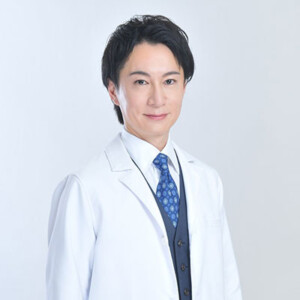
Dr. Jun Karibe
MD
Director
Education & Career
Certifications
Awards
MEDICAL REVIEW