Lip Artmake in Tokyo: How to Choose Your Colour, What Healing Looks Like, and What Results to Expect
Choosing to have lip artmake is a significant decision, and it is completely natural to have questions about colour selection, the recovery process, and how the final result will look once your lips have healed.
This guide is written specifically for English-speaking patients in Tokyo — expatriates, medical tourists, and visitors — who want clear, clinically grounded information before booking a consultation.
Below you will find a thorough overview of how lip artmake works, what the healing stages involve, realistic expectations for long-term results, and how to access English-language support through our clinic group in Tokyo.
What you’ll learn in this article:
- What lip artmake is and how it differs from conventional lip tattooing
- How to choose a lip colour that suits your skin tone and lifestyle
- The full healing timeline — week by week — and what to expect at each stage
- Realistic results, longevity, and when a touch-up is needed
- Cost ranges in the Tokyo market and how to book a consultation in English
Have a question about this treatment?
Message us on LINE or WhatsApp — our English-speaking team usually replies the same day.
What Is Lip Artmake?
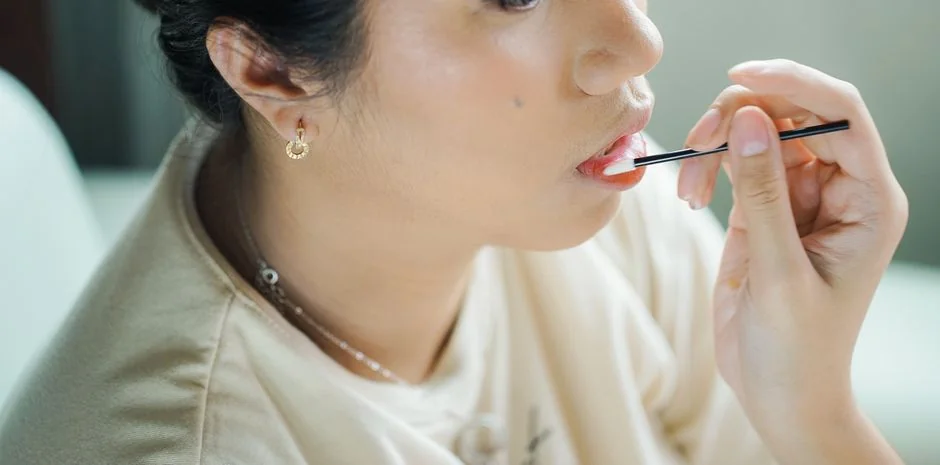
Artmake (アートメイク) is a cosmetic procedure in which pigment is deposited into the upper layers of the skin using a fine needle or needle cartridge. It is sometimes described as semi-permanent makeup because the pigment gradually fades over time — unlike conventional body tattooing, which penetrates much deeper into the dermis and tends to last indefinitely.
For the lips specifically, artmake can address several concerns: uneven lip colour, asymmetry, loss of definition along the lip border, naturally pale or greyed lips, and the desire to wake up with colour already in place. The treatment can be applied to define just the lip line, or to cover the entire surface of both lips in what is called a full-lip or “lip blush” technique.
Artmake vs Conventional Lip Tattooing vs Microblading — Key Differences
Many patients arrive with questions about how artmake compares to other pigmentation techniques. The table below summarises the main practical distinctions.
| Feature | Lip Artmake | Conventional Lip Tattoo | Microblading (eyebrows only) |
|---|---|---|---|
| Needle depth | Epidermis / upper dermis | Deep dermis | Epidermis / upper dermis |
| Longevity | Approximately 1–3 years | Many years; may not fully fade | Approximately 1–2 years |
| Colour shift over time | Gradual fading; minimal shift with quality pigments | Can shift to blue/grey tones | Gradual fading; possible warm/cool shift |
| Adjustability | Colour and shape can be modified at touch-up | Difficult to modify; requires laser for removal | Adjustable at touch-up |
| Typical Tokyo market range (per session) | ¥80,000–¥180,000 | Varies widely; less common in medical settings | ¥60,000–¥150,000 |
| Medical oversight recommended | Yes — especially for lip area near mucosa | Yes | Yes |
How Lip Artmake Works: The Procedure Explained
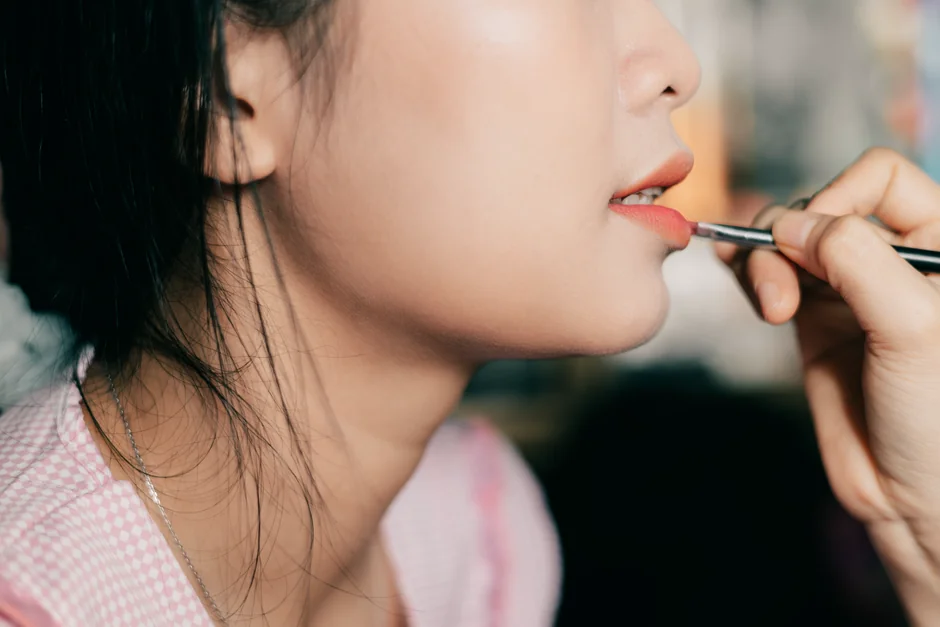
A lip artmake session typically begins with a detailed consultation during which the practitioner and patient agree on shape, lip line definition, and colour. Topical anaesthetic cream is applied for approximately 20 to 30 minutes before the procedure begins, which helps reduce discomfort — although some degree of sensitivity is to be expected, particularly near the inner edge of the lip (the vermilion border).
The practitioner uses a digital device or manual technique to introduce pigment in fine passes across the lips. The full session generally takes 90 to 120 minutes, including preparation time.
For full-lip coverage, the process requires careful layering to achieve even colour distribution, accounting for the natural variation in texture between the drier outer lip surface and the moister inner mucosa.
Choosing Your Lip Colour
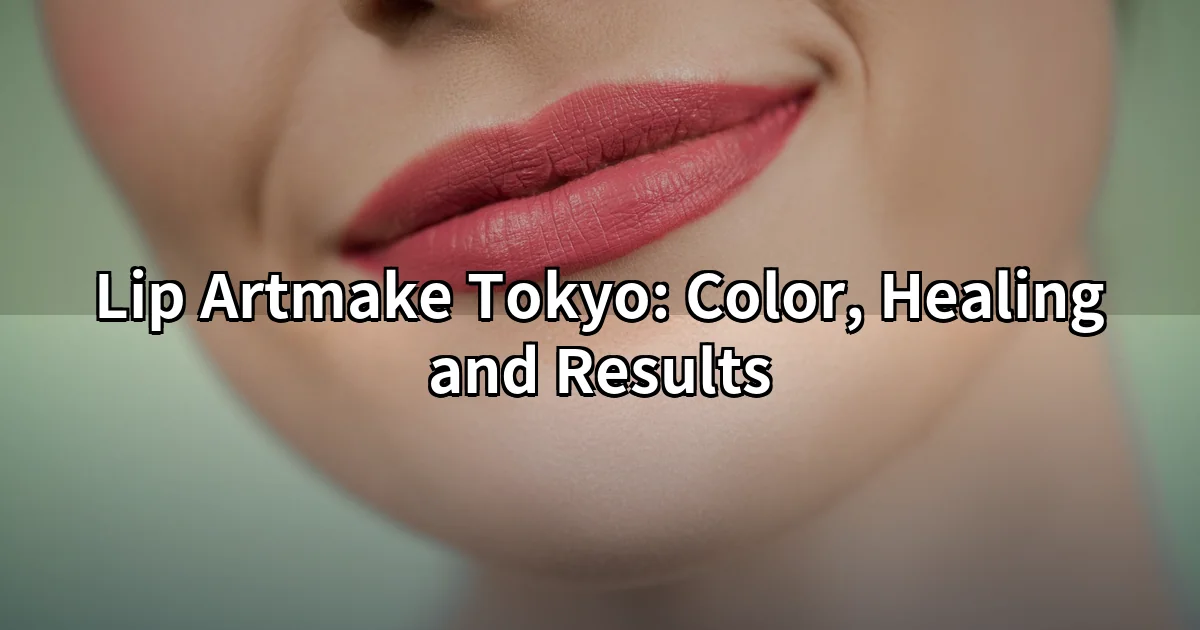
Colour selection is one of the most important decisions in lip artmake, and it is also one of the most frequently underestimated. Pigments appear significantly darker immediately after application and will lighten by approximately 20 to 40 percent once the skin has healed fully — this is a normal and expected part of the process, not a fault.
Practitioners typically recommend choosing a colour that flatters your natural lip tone, skin undertone (warm, cool, or neutral), and the kind of makeup look you wear day-to-day.
Common choices include soft rosy nudes, terracotta pinks, and berry-toned mauves. Patients who want a more natural result often choose a shade just one or two tones deeper than their own lip colour. Those who wish to correct pallor or greyness in the lips may benefit from a warm coral or dusty rose base.
A key point: if you are uncertain about the colour, it is far easier to go slightly more subtle at the first session and deepen the tone at a touch-up than to try to correct a colour that is too intense.
Dr. Karibe’s Note
A common question from our international patients at BIOTOPE CLINIC is whether the pigment color they see in the reference photos will be the color they see in the mirror after healing.
The honest answer is: not exactly. What surprises many overseas visitors about artmake in Japan is how much the colour appears to change during healing — it darkens immediately after the procedure, then fades back considerably as the skin regenerates.
The colour you see at around the four-to-six-week mark, once the skin has fully settled, is much closer to what you will be living with day-to-day. This is why we always recommend scheduling the second session after that period, so any adjustments can be made from a stable baseline.
Cost of Lip Artmake in Tokyo
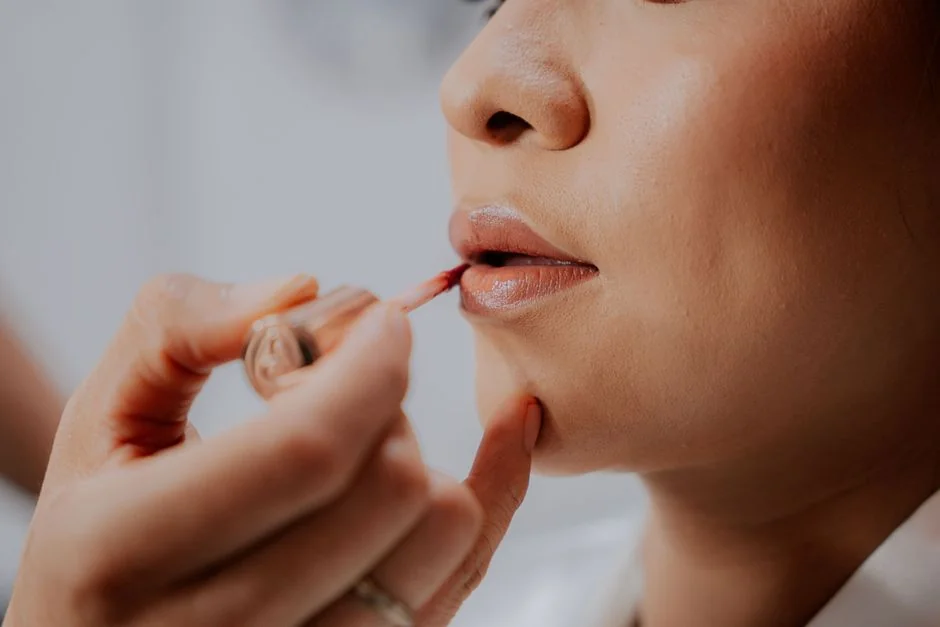
In the Tokyo market, full-lip artmake sessions are typically priced in the range of ¥80,000 to ¥180,000 per session. Most practitioners recommend a minimum of two sessions — an initial session and a touch-up approximately four to eight weeks later — to achieve even, lasting results.
The first session establishes the base colour and shape; the second session refines and deepens areas where the pigment did not retain as expected.
The wide price range reflects differences in clinic type (medical clinic versus beauty salon), the experience level of the practitioner, the pigments used, and the complexity of the treatment area. Medical clinics led by licensed physicians tend to sit toward the upper end of the range, which also reflects the safety protocols, aftercare support, and medical oversight involved.
Ongoing maintenance touch-ups, typically needed every one to two years depending on individual skin type and lifestyle factors, are often priced separately.
Annual or biennial maintenance sessions are generally shorter than the initial session and may be priced at a lower rate — confirm this at consultation.
For an accurate quote, we recommend booking a consultation with BIOTOPE CLINIC via LINE or WhatsApp.
Have a question about this treatment?
Message us on LINE or WhatsApp — our English-speaking team usually replies the same day.
Healing Timeline and Aftercare
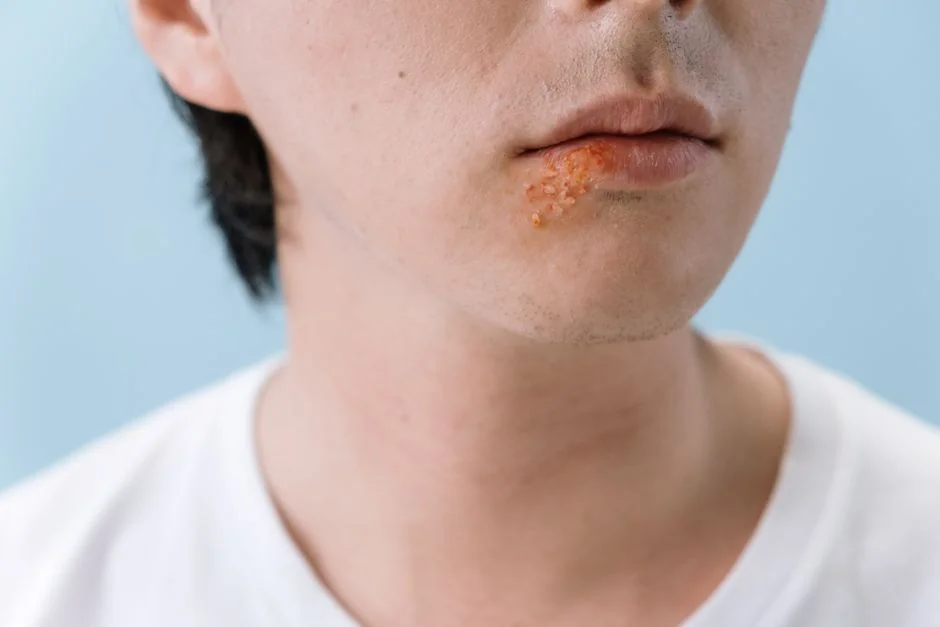
Healing after lip artmake follows a predictable sequence, although the exact pace varies between individuals based on skin type, immune response, and how closely aftercare instructions are followed. Understanding each phase can prevent unnecessary alarm about normal changes.
Days 1–3: Initial Intensity and Swelling
Immediately after the procedure, the lips will appear noticeably darker and more vivid than the intended final colour. Mild swelling and a feeling of tenderness are normal during this period. The lips may also feel dry or slightly tight.
Days 4–7: Flaking and Apparent Fading
From around day four, the outer layer of treated skin begins to flake away naturally — this is a normal part of the healing process and should not be picked or rubbed.
As this layer lifts, the colour underneath will appear to have faded significantly, sometimes to a degree that patients find alarming. This is expected and does not indicate that the treatment has failed.
Weeks 2–4: Colour Beneath the Surface
During the second and third weeks, the colour may appear muted or uneven as the deeper layers of skin regenerate. Patches of colour that seem lighter than the surrounding area are common at this stage and generally even out over time.
Weeks 4–6: Settled Result
By four to six weeks post-procedure, the skin has typically healed fully and the pigment has settled into the skin. This is the point at which the true result becomes visible and at which any necessary adjustments can be assessed. The second session, if planned, should generally be scheduled at this time.
Aftercare Instructions
Following the practitioner’s aftercare guidance is essential to achieving good retention. Standard aftercare for lip artmake typically includes:
- Keeping the lips moisturised with the recommended ointment or balm — do not allow the treated area to dry out completely
- Avoiding direct sunlight and UV exposure on the lips during the healing phase
- Refraining from consuming very hot, spicy, or acidic foods during the first week
- Avoiding swimming pools, saunas, and steam rooms for at least two weeks
- Not applying lipstick or other makeup products to the healing area until fully healed
- Avoiding picking, rubbing, or peeling the flaking skin
Common Misconceptions About Lip Artmake
Misconception 1: Artmake is a permanent tattoo. This is a frequent concern among first-time patients. While artmake uses a needle to introduce pigment into the skin, it differs fundamentally from conventional tattooing in both technique and depth. Because artmake is deposited into the shallower layers of the skin, the body gradually breaks down and eliminates the pigment over time — typically over one to three years for lip treatments. The process can be slowed by good sun protection and proper maintenance, but it is inherently semi-permanent.
Misconception 2: The procedure is completely painless. Topical anaesthetic significantly reduces discomfort, and most patients tolerate the procedure well. However, the lip area — especially near the vermilion border and the inner mucosa — is a sensitive region, and some degree of sensation during the procedure is realistic to expect. Patients who have a lower threshold for discomfort should communicate this clearly during their consultation so that the practitioner can adapt their approach and allow adequate time for the anaesthetic to take effect.
Who Is a Good Candidate for Lip Artmake?
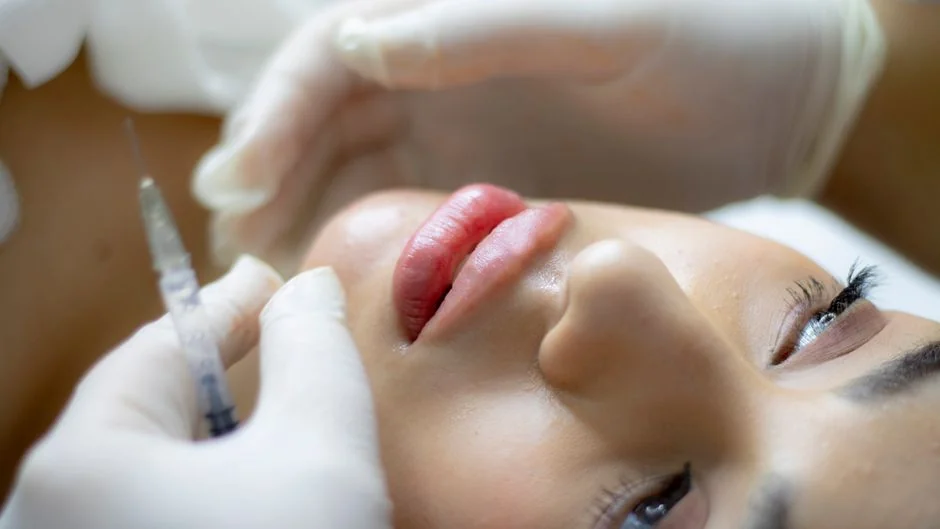
Lip artmake suits a broad range of patients, but a thorough pre-treatment consultation is important to assess individual suitability. In general, good candidates include people who wish to add definition to naturally pale or asymmetric lips, those who want to reduce daily makeup application time, and those managing pigmentation changes associated with ageing.
However, there are situations in which the treatment may need to be postponed or avoided. These include:
- Active cold sores or a history of recurrent herpes simplex infection (patients with this history are often advised to take antiviral medication prior to and after the procedure — discuss this with your practitioner)
- Pregnancy or breastfeeding
- Certain autoimmune conditions or immunosuppressive medications
- Active skin conditions such as eczema or psoriasis affecting the lip area
- Use of blood-thinning medications (discuss with your doctor)
- Recent lip filler injections — practitioners generally recommend waiting several weeks after filler before proceeding with artmake
A consultation with a qualified practitioner will identify any contraindications and allow for a fully informed decision.
Where to Get Lip Artmake in Tokyo: BIOTOPE CLINIC
Within our clinic group, artmake is performed at BIOTOPE CLINIC in Shirokanedai (Minato-ku), directed by Dr. Jun Karibe. Our English-speaking team covers both clinics and handles all English enquiries.
Kojimachi Dermatology and Plastic Surgery Clinic, located in Ichigaya (Chiyoda-ku), is the main clinic of the group and offers a broad range of dermatological and plastic surgery services — but artmake is not among them. Patients who enquire about artmake at the Kojimachi Clinic are directed to BIOTOPE CLINIC, where the same medical standards and the same clinical director apply.
Dr. Jun Karibe is a board-certified plastic surgeon.
Having artmake performed in a medically supervised environment means that the full patient history is taken into account, contraindications are properly assessed, and any unexpected skin responses can be managed with clinical expertise. For English-speaking patients who may have concerns about communicating nuances of their medical history or aesthetic preferences in Japanese, the English-language support available through the shared intake team is a meaningful practical advantage.
Frequently Asked Questions
- Q. How long does lip artmake last?
- Lip artmake typically lasts between one and three years, depending on factors such as skin type, sun exposure, lifestyle habits, and whether a maintenance touch-up session is performed. Oilier skin types and those with significant UV exposure tend to experience faster fading. A touch-up session every one to two years is generally sufficient to maintain the result.
- Q. Will lip artmake look natural?
- When performed by an experienced practitioner using appropriate colours and technique, lip artmake can look very natural — enhancing the shape and tone of the lips without appearing artificial. The key is realistic colour selection and understanding that the final settled result will be softer than the immediate post-procedure appearance. A gradual, buildable approach across two sessions allows for a more controlled and natural outcome.
- Q. Can lip artmake be removed if I am unhappy with the result?
- Removal is possible, though it requires additional sessions and is not instantaneous. Laser removal and saline-based removal methods are both used for artmake, and in the Tokyo market, removal sessions are typically priced in the range of ¥30,000 to ¥80,000 per session, with multiple sessions generally required. This is one reason why choosing an experienced, medically supervised practitioner from the outset — and taking a conservative approach to colour — reduces the likelihood of needing removal.
- Q. Is lip artmake safe if I have a history of cold sores?
- A history of herpes simplex (cold sores) is an important factor to disclose during your consultation, as the mechanical stimulation of artmake can trigger an outbreak in susceptible individuals. Many practitioners recommend a short course of antiviral medication starting a day or two before the procedure and continuing for several days afterward as a preventative measure. Your suitability and the appropriate protocol will be determined at consultation.
- Q. How do I contact BIOTOPE CLINIC in English?
- BIOTOPE CLINIC shares an English-speaking intake team with Kojimachi Dermatology and Plastic Surgery Clinic. Enquiries can be submitted via LINE or WhatsApp, and the team will assist with appointment scheduling, pre-consultation questions, and any practical information needed before your visit.
Have a question about this treatment?
Message us on LINE or WhatsApp — our English-speaking team usually replies the same day.
Summary
Lip artmake is a well-established semi-permanent cosmetic procedure that can meaningfully improve lip definition, correct unevenness, and reduce the time spent applying daily makeup.
The healing process follows a predictable course — initial intensity, a peeling and fading phase, and then a settled result visible at around four to six weeks — and understanding this timeline in advance helps patients move through recovery without unnecessary concern.
Colour choice deserves careful consideration at the outset: pigments appear significantly darker immediately after application and lighten during healing, and a conservative approach at the first session allows for refinement at a touch-up rather than requiring correction.
In the Tokyo market, full-lip artmake sessions are typically priced in the range of ¥80,000 to ¥180,000 per session, with most patients benefiting from two sessions for a complete, lasting result.
For English-speaking patients in Tokyo seeking a medically supervised setting with English-language support, BIOTOPE CLINIC in Shirokanedai (Minato-ku) — the sister clinic of Kojimachi Dermatology and Plastic Surgery Clinic, directed by board-certified plastic surgeon Dr. Jun Karibe — offers consultation and treatment for lip artmake. Enquiries in English are welcome via LINE or WhatsApp.
24/7 Consultation & Booking
Book a Consultation or Treatment
Our English-speaking team responds via LINE or WhatsApp — usually the same day.
References
- Forte R, Brancati CE, Muto M. Complications of permanent makeup: a review of the literature and case series. Journal of the European Academy of Dermatology and Venereology. 2016.
- Lehner K, Santarelli F, Vasold R, et al. Laser treatment of unwanted tattoos and permanent makeup: review of laser–tissue interactions and clinical aspects. Lasers in Medical Science. 2011.
- Islam PS, Chang C, Selmi C, et al. Medical complications of tattoos: a comprehensive review. Clinical Reviews in Allergy and Immunology. 2016.
- U.S. Food and Drug Administration. Tattoos and Permanent Makeup: Fact Sheet. U.S. Department of Health and Human Services. Available at: fda.gov
- Kluger N, Koljonen V. Tattoos, inks, and cancer. The Lancet Oncology. 2012.
Related Articles
You may also find these articles useful.
SUPERVISED BY
Dr. Jun Karibe
MD
Director
Education & Career
Certifications
Awards
MEDICAL REVIEW