What Is Lip Artmake?
If you are researching lip artmake in Tokyo, you are probably weighing two things at once: wanting a natural, “your lips but better” colour, and wondering whether the result, the healing process, and the pigment itself are actually safe. That is a reasonable thing to want clarity on before booking a needle-based procedure on your face.
This guide explains what lip artmake actually is, how the technique works, what a realistic healing timeline looks like, who tends to be a suitable candidate, and what to expect in terms of cost in the Tokyo market — including where our clinic group performs this treatment.
What you’ll learn in this article:
- What lip artmake (permanent makeup) is and how it differs from a tattoo
- How the procedure and pigment placement actually work
- A realistic day-by-day healing timeline and aftercare basics
- Who is, and is not, a good candidate
- Where lip artmake is performed within our clinic group, and how pricing works
Have a question about this treatment?
Message us on LINE or WhatsApp — our English-speaking team usually replies the same day.
“Artmake” (アートメイク) is the term used in Japan for what is called permanent makeup or cosmetic tattooing in English. For lips, it is often called “lip blush” — pigment is implanted into the upper layers of the skin to add or restore colour, define the lip border, and even out asymmetry or unevenness in natural lip tone.
The result is described as semi-permanent rather than permanent, because the body’s skin renewal process gradually breaks down and fades the pigment over time. This is a meaningful distinction: unlike a conventional tattoo, lip artmake is not intended to last indefinitely without any maintenance.
How Lip Artmake Works
Technique and Pigment Placement
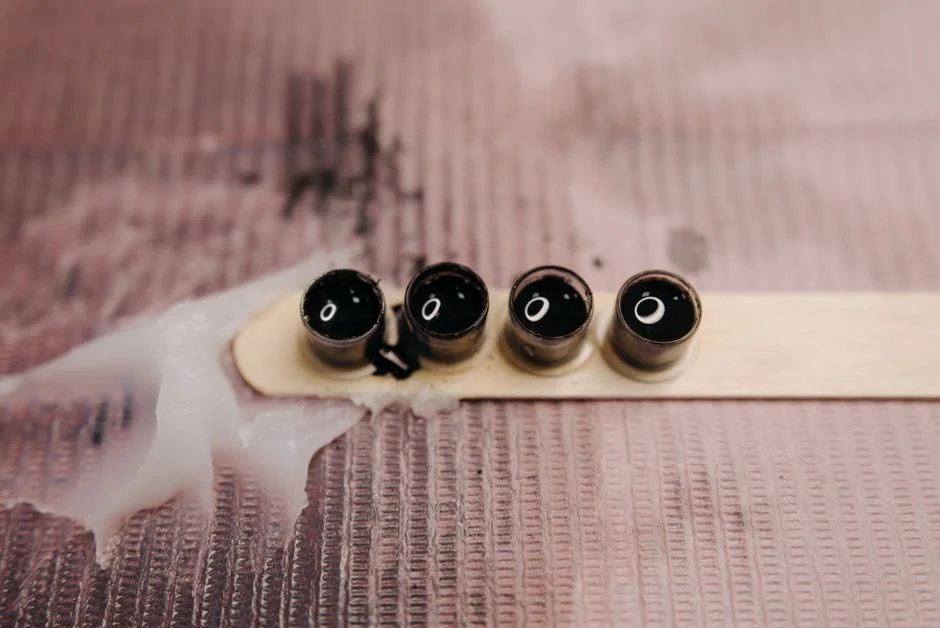
A fine needle or needle cluster is used to deposit cosmetic pigment into the upper skin layers of the lips. Industry and dermatological sources describe permanent makeup pigment as sitting more superficially than tattoo ink — in or near the papillary (uppermost) layer of the dermis — while traditional tattoo ink is driven deeper, into the reticular dermis, which is why tattoos last far longer without fading.
Before treatment, a topical numbing cream is typically applied to reduce discomfort; most people describe the sensation as pressure or mild stinging rather than significant pain, though sensitivity varies from person to person and cannot be described as painless.
A single session generally focuses on building base colour and shape, with most providers scheduling a follow-up touch-up session some weeks later once initial healing is complete, since a portion of the pigment is naturally lost during the healing process.
Lip Artmake vs Microblading vs Traditional Tattoo
These three procedures are often confused because they all involve implanting pigment with a needle. The table below summarises the key differences.
| Feature | Lip Artmake (Permanent Makeup) | Microblading | Traditional Tattoo |
|---|---|---|---|
| Typical area | Lips (also brows, eyeliner) | Eyebrows only | Any body area |
| Pigment depth | Upper/papillary dermis | Upper/papillary dermis | Deep (reticular) dermis |
| Tool | Rotary or digital pigmentation device | Manual hand-held blade of fine needles | Tattoo machine, heavier needle groupings |
| Longevity | Fades over roughly 1–5 years | Fades over roughly 1–3 years | Designed to be long-lasting/permanent |
| Typical healing time | Outer healing ~7–10 days; full settling 4–8 weeks | Similar outer healing window | Similar surface healing, but pigment is not expected to fade |
Cost of Lip Artmake in Tokyo
Pricing for lip artmake in Tokyo varies by clinic, by the pigmentation artist’s experience, by how many sessions are included in a package, and by whether touch-ups are bundled in. Because prices are revised periodically and can differ for foreign-registered patients, we do not publish fixed figures in this article.
Please see the BIOTOPE CLINIC official price page or contact us via LINE / WhatsApp for a current quote. A consultation is also the appropriate place to confirm exactly what is included — for example, whether a second session and any correction visit within a set period are covered in the quoted price.
Have a question about this treatment?
Message us on LINE or WhatsApp — our English-speaking team usually replies the same day.
Healing and Aftercare
What to Expect, Day by Day
Immediately after the session, lips typically look noticeably bolder or darker than the intended final shade — this is normal and not indicative of the eventual colour. Over the first four to seven days, a thin protective film or light scabbing usually forms and then flakes off, generally by around day five to seven; picking at this film is discouraged because it can pull out pigment unevenly.
Through the second and third weeks, colour often looks patchy or lighter than expected as the surface layer finishes shedding; this is a normal, if sometimes worrying, part of the process rather than a sign that the treatment has failed. By around weeks four to six, most people see the colour settle into a more even, true-to-tone appearance, with the final result of the initial treatment usually visible after three to four weeks — full internal healing of the lip tissue can continue for a further few weeks beyond that.
Aftercare Basics
Typical aftercare guidance includes keeping the area clean, applying the ointment provided by the clinic, avoiding excessive sun exposure, avoiding swimming pools or saunas, and avoiding spicy or very salty food while the skin is healing, since these can irritate freshly treated lips. Your provider will give you written aftercare instructions specific to the pigment and technique used — follow those over generic advice found online.
One lip-specific consideration worth knowing about in advance: the micro-trauma of the procedure can potentially trigger a cold sore outbreak in people who carry the herpes simplex virus (HSV-1), even if they have never previously had a visible cold sore. If you have a history of cold sores, mention this at your consultation so it can be discussed with the treating physician.
Who Is a Good Candidate?
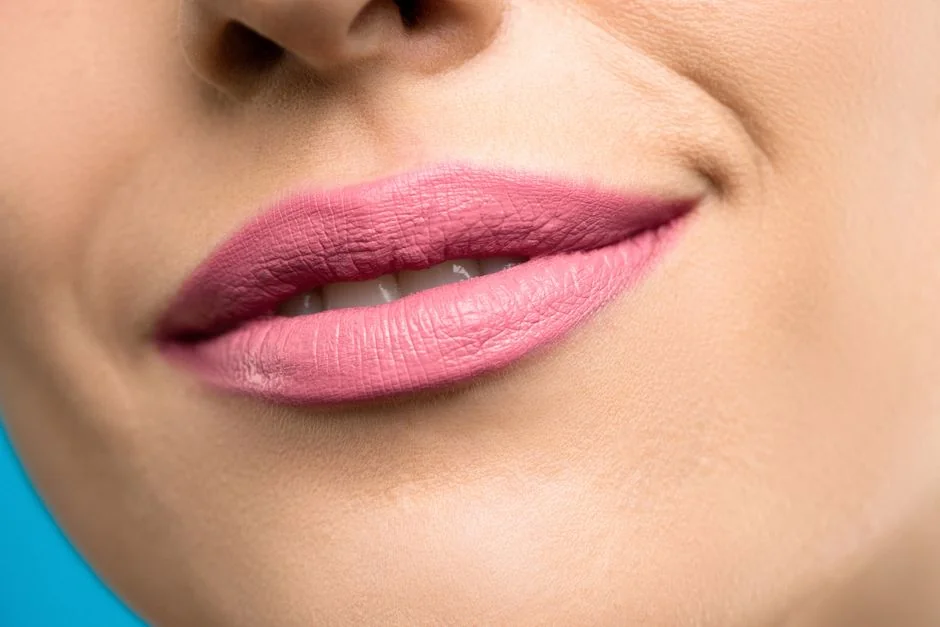
Good candidates are generally adults in good general health who want to enhance lip colour, correct asymmetry, or restore definition lost with age, and who understand that this is a semi-permanent cosmetic procedure requiring maintenance over time. A consultation and medical history review is the standard way a clinic confirms suitability for an individual.
Certain conditions are commonly treated as contraindications or reasons for caution in permanent makeup generally, including pregnancy and breastfeeding, use of blood-thinning medication, a personal history of keloid or hypertrophic scarring, active skin infection or cold sores in the treatment area, and certain autoimmune or bleeding disorders. Anyone in these categories should disclose this at consultation so the treating physician can advise whether treatment should be delayed, modified, or avoided.
Common Misconceptions
Two misunderstandings come up often. First, some people assume lip artmake behaves exactly like a tattoo and will look the same forever — in fact, because pigment sits more superficially and is subject to natural skin turnover, most permanent makeup is understood to fade over a period of roughly one to five years and typically requires touch-ups, unlike a deep-dermis tattoo.
Second, some visitors assume all cosmetic tattooing in Japan is regulated the same way. In September 2020, Japan’s Supreme Court ruled that decorative tattooing does not require a medical practitioner’s license, since it found tattooing to be an artistic skill distinct from medical practice. That ruling concerned tattoo artists working outside a medical context; it does not mean every provider offering artmake operates under physician supervision. This is precisely why our clinic group performs artmake within a medical clinic setting, under physician oversight, rather than at a standalone tattoo studio.
Where to Get Lip Artmake in Tokyo (Our Sister Clinic BIOTOPE)
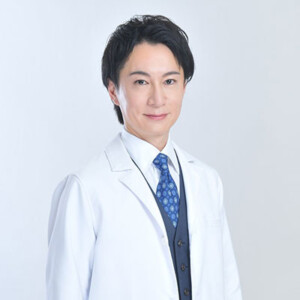
Kojimachi Dermatology & Plastic Surgery Clinic, our main clinic in Ichigaya (Chiyoda-ku), does not perform artmake. Within our clinic group, artmake is performed at BIOTOPE CLINIC in Shirokanedai (Minato-ku), directed by Dr. Jun Karibe, a board-certified plastic surgeon. Our English-speaking team covers both clinics and handles all English enquiries.
BIOTOPE CLINIC operates as a private-room clinic offering medical permanent makeup alongside general cosmetic dermatology and plastic surgery services, and is a short walk from Shirokanedai Station. Because the same physician directs both locations, patients who start their enquiry at Kojimachi are simply routed to BIOTOPE for the artmake portion of their care, with no need to explain their situation twice.
Frequently Asked Questions
- Q. Is lip artmake painful?
- A topical numbing cream is generally applied before treatment, and most people describe the sensation as pressure or mild stinging rather than sharp pain. Sensitivity varies between individuals, so it cannot be described as painless.
- Q. How long does lip artmake last before it needs a touch-up?
- Permanent makeup pigment sits more superficially than tattoo ink and is broken down through natural skin renewal, so most sources describe results fading over roughly one to five years. A touch-up session is typically needed to maintain colour over that period.
- Q. Can I get lip artmake if I get cold sores?
- The trauma of the procedure can potentially reactivate the herpes simplex virus in carriers, even without a prior history of visible cold sores. Disclose any history of cold sores at your consultation so the treating physician can advise on precautions.
Have a question about this treatment?
Message us on LINE or WhatsApp — our English-speaking team usually replies the same day.
Summary
Lip artmake is a semi-permanent cosmetic procedure that implants pigment into the upper layers of the lip skin to add or define colour, distinct from a conventional tattoo in both depth and expected longevity. Healing generally progresses from a bolder initial appearance through flaking and colour settling over several weeks, with most people seeing a stable result within about a month.
Suitability depends on individual health history, and candidates with certain conditions — including pregnancy, blood-thinning medication use, keloid history, or active cold sores — should discuss these with a physician beforehand. Within our clinic group, this treatment is available at BIOTOPE CLINIC in Shirokanedai, with our English-speaking team supporting enquiries from both Kojimachi and BIOTOPE.
24/7 Consultation & Booking
Book a Consultation or Treatment
Our English-speaking team responds via LINE or WhatsApp — usually the same day.
References
- U.S. Food and Drug Administration. Tattoos & Permanent Makeup: Fact Sheet. FDA Cosmetics Fact Sheets. 2024.
- Suleman S, Villegas M, Davis T, Stevens CS, Castaneda P. Chronic Granulomatous Reaction to Semi-permanent Eyebrow Tint. Cureus. 2023;15(8):e44070.
- The Japan Times. Tats not all, folks: Behind the Supreme Court’s tattoo ruling. 2020.
- Kojimachi Dermatology & Plastic Surgery Clinic / BIOTOPE CLINIC. Medical Permanent Makeup (メディカルアートメイク) service information. 2026.
Related Articles
You may also find these articles useful.
- Artmake Aftercare Guide: Healing Timeline & What to Avoid
- Artmake vs Microblading vs Tattoo: Key Differences in Tokyo
- Artmake Pain, Safety & Side Effects Guide
- Artmake Removal Tokyo: Laser and Revision Options Guide
- Artmake for Foreigners in Tokyo: English Clinic Guide
SUPERVISED BY
Dr. Jun Karibe
MD
Director
Education & Career
Certifications
Awards
MEDICAL REVIEW