Eyebrow Artmake in Tokyo: Cost, Procedure and Clinic Guide
If you are living in or visiting Tokyo and considering eyebrow artmake, navigating clinics, pricing and procedures in a foreign language can feel daunting. This guide is written specifically for English-speaking patients — whether expatriates, medical tourists or short-term visitors — who want clear, honest information before booking a consultation.
Below you will find an explanation of what artmake is, how the procedure works, realistic cost ranges in the Tokyo market, healing expectations, candidacy considerations and how to access English-language support through our clinic group.
- What eyebrow artmake is and how it differs from a conventional tattoo
- How the procedure is performed and what results are realistic
- Current cost ranges for eyebrow artmake in Tokyo
- Healing, downtime and aftercare requirements
- Where English-speaking patients can access artmake within our clinic group
Have a question about this treatment?
Message us on LINE or WhatsApp — our English-speaking team usually replies the same day.
What Is Artmake?
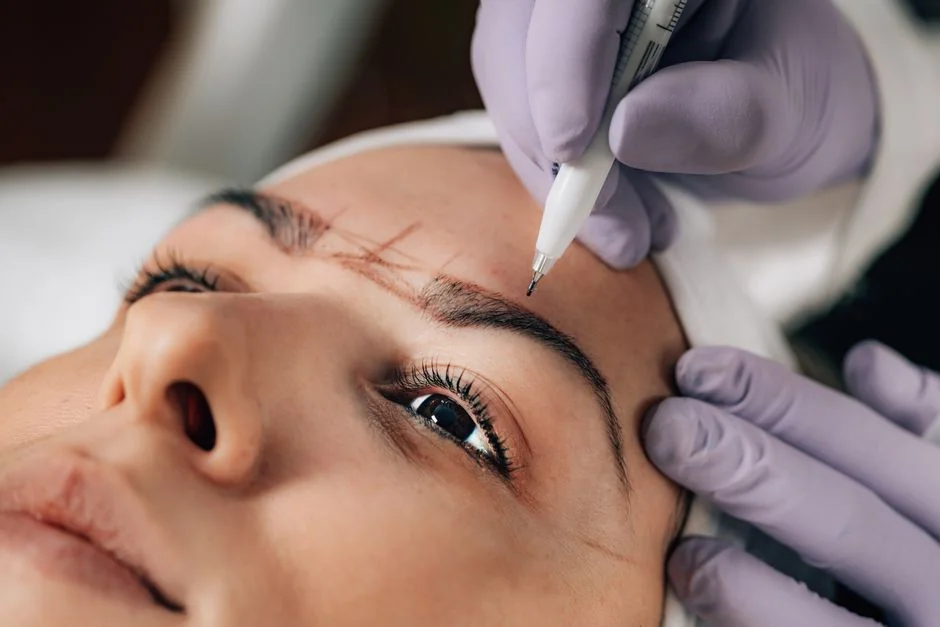
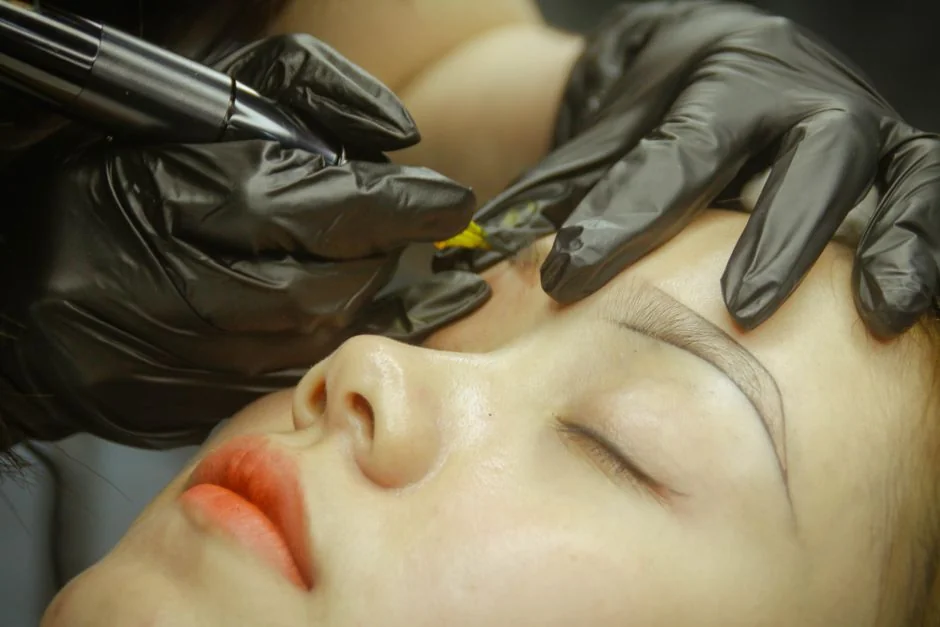
Artmake (アートメイク) is a cosmetic procedure in which pigment is deposited into the upper layer of the skin — the epidermis and superficial dermis — using a fine needle or cluster of needles.
The result is a semi-permanent enhancement of the eyebrows, eyeliner, lips or other facial features that can last from one to three years, depending on skin type, lifestyle and aftercare.
In Japan, artmake has been legally defined as a medical procedure since 2001. This means it must be performed in a licensed medical facility under the supervision of a physician. Clinics operating outside this framework are doing so unlawfully, and the safety standards they follow cannot be verified.
Common Misconceptions About Artmake
Misconception 1 — Artmake is the same as a tattoo. This is one of the most frequent misunderstandings. While both involve pigment and needles, artmake uses needles that work at a shallower depth than a traditional tattoo. The pigments used are also formulated differently and are designed to fade gradually over time. A conventional tattoo is intended to be permanent and penetrates much deeper into the dermis; artmake is not permanent in the same sense.
Misconception 2 — The results last forever. Artmake is accurately described as semi-permanent. Factors including sun exposure, skin turnover rate, oiliness of the skin and aftercare habits all influence how long colour is retained. Most patients find that a touch-up session is beneficial after one to three years. No reputable practitioner should claim that a single session will last indefinitely.
How Eyebrow Artmake Works
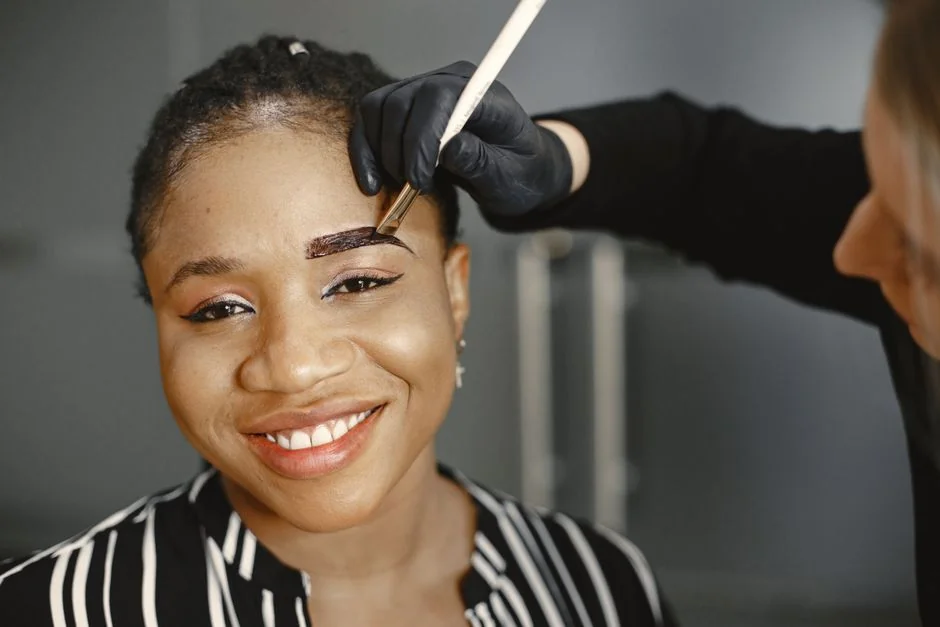
At a clinic consultation, the practitioner first assesses facial structure, natural brow shape, skin tone and the patient’s aesthetic goals. A custom eyebrow shape is drawn on with removable pencil and discussed before any procedure begins. This design phase is essential and should not be rushed.
Once the design is agreed upon, a topical anaesthetic cream is applied to the brow area and left for approximately 20–30 minutes. The actual pigment-deposit phase typically takes 30–60 minutes per session. Multiple passes are made over the brow to build up consistent colour density.
Techniques: Powder Fill, Microblading-Style Strokes and Combination
Japanese artmake clinics generally offer several techniques.
A powder fill (also called ombre brow) produces a soft, make-up effect with a gradient that is lighter at the inner corner and slightly denser toward the tail.
Hair-stroke technique uses fine needle movements to create lines that resemble individual brow hairs, creating a more natural appearance for those with some existing brow hair. A combination method blends both approaches.
The recommended technique will depend on your existing brow density, skin type and desired result. Oily skin, for instance, tends to retain powder-fill pigment more consistently than fine hair strokes.
Why Two Sessions Are Usually Recommended
A single session rarely achieves the final intended result. The skin heals over the pigment, and some areas may retain colour less evenly than others during the first healing cycle. A second session — typically performed four to eight weeks after the first — allows the practitioner to refine shape, fill any gaps and confirm that colour has settled as intended. Most treatment plans for eyebrow artmake in Japan are structured around two sessions.
| Feature | Artmake (Medical Clinic) | Microblading (Non-Medical) | Traditional Tattoo |
|---|---|---|---|
| Depth of pigment deposit | Epidermis / superficial dermis | Superficial dermis | Deep dermis |
| Legal status in Japan | Medical procedure (physician-supervised) | Not legally permitted as non-medical service | Performed in licensed tattoo studios |
| Duration of result | 1–3 years (variable) | Variable; legal ambiguity in Japan | Decades (largely permanent) |
| Reversibility | Fades naturally; removal possible | Fades naturally; removal possible | Laser removal required; incomplete |
| Colour over time | Designed to fade gradually and evenly | May shift in colour as it fades | May turn blue-green; does not disappear |
Cost of Eyebrow Artmake in Tokyo
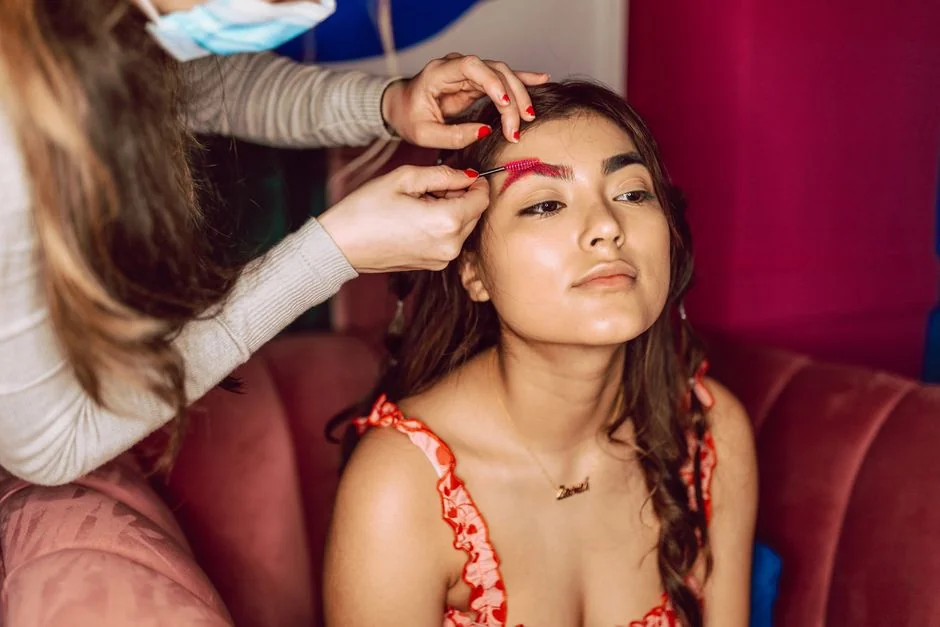
Pricing for artmake in Tokyo varies considerably depending on the clinic’s location, the practitioner’s experience, the technique used and the number of sessions included in the package.
In the Tokyo market, eyebrow artmake sessions are typically priced in the range of ¥60,000 to ¥150,000 per session. Since two sessions are usually recommended, patients should budget for both when planning total expenditure.
Some clinics offer two-session packages at a bundled price, while others bill per session. Be cautious of significantly lower prices — artmake is a medical procedure in Japan, and unusually low fees may reflect non-compliant settings or underqualified practitioners.
Other artmake areas offered at many Tokyo clinics include eyeliner (upper: ¥40,000–¥90,000 per session; upper and lower: ¥50,000–¥110,000 per session), full-lip artmake (¥80,000–¥180,000 per session) and hairline artmake (¥100,000–¥250,000 per session). Artmake removal by laser or saline method is also available at many facilities, typically in the range of ¥30,000–¥80,000 per session, with multiple sessions usually required.
For an accurate quote, we recommend booking a consultation with BIOTOPE CLINIC via LINE or WhatsApp.
Have a question about this treatment?
Message us on LINE or WhatsApp — our English-speaking team usually replies the same day.
Healing and Aftercare
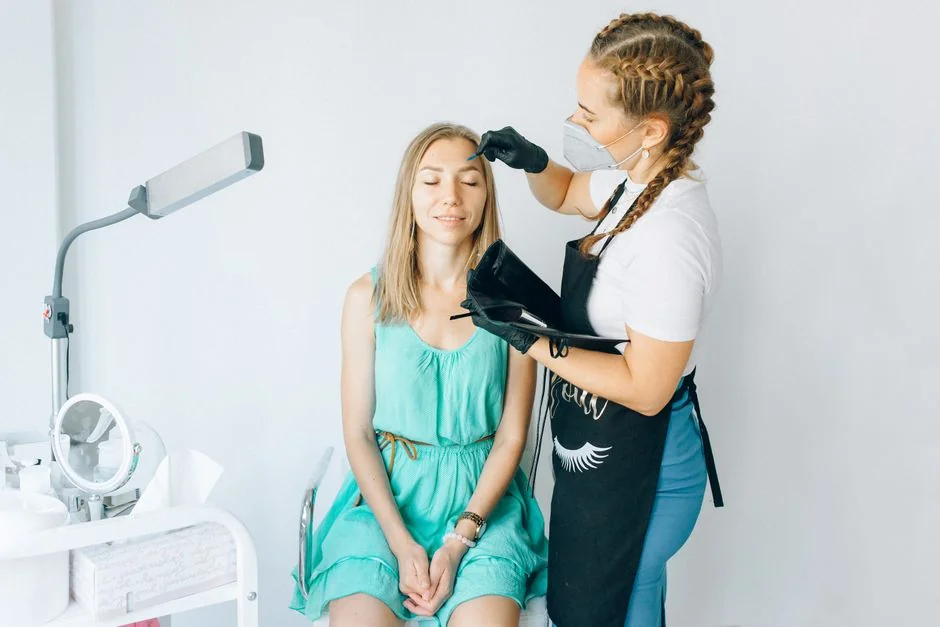
Understanding the healing process is important for setting realistic expectations. Immediately after the procedure, the treated area will appear noticeably darker and slightly swollen. This is normal and is not the final colour.
The Healing Timeline
Over the first three to five days, the surface of the treated skin begins to form a fine crust or flaking layer. It is critical not to pick or rub this area, as doing so can remove pigment unevenly and increase the risk of scarring.
Most patients find that social downtime is manageable — approximately five to seven days — though this varies by individual skin response.
By days seven to fourteen, the surface skin will have shed and the colour will appear significantly lighter — sometimes alarmingly so. This is a predictable part of the healing cycle. The colour will gradually resurface and settle over the following four to six weeks as the deeper layers of the treated skin stabilise.
Aftercare Instructions
Standard aftercare guidance includes keeping the treated area dry for the first few days, avoiding swimming, steam rooms, saunas and direct sun exposure during the healing period, and applying any ointment prescribed by the clinic.
Sunscreen should be used routinely over the healed brows to help preserve pigment longevity. Patients using prescription retinoids or acid-based skincare products should ask their practitioner when it is safe to resume use.
Dr. Karibe’s Note
A common question from our international patients at BIOTOPE CLINIC is whether the colour will look ‘too bold’ or unnatural after the procedure. What many overseas visitors find surprising about artmake in Japan is the emphasis on understatement — our practitioners are trained to design eyebrows that complement the natural face rather than replace it entirely.
The immediate post-procedure appearance is always darker than the healed result, and patients should evaluate their outcome only after full healing at four to six weeks.
We always recommend allowing at least two sessions before making any judgement about the final result.
Who Is a Good Candidate for Eyebrow Artmake?
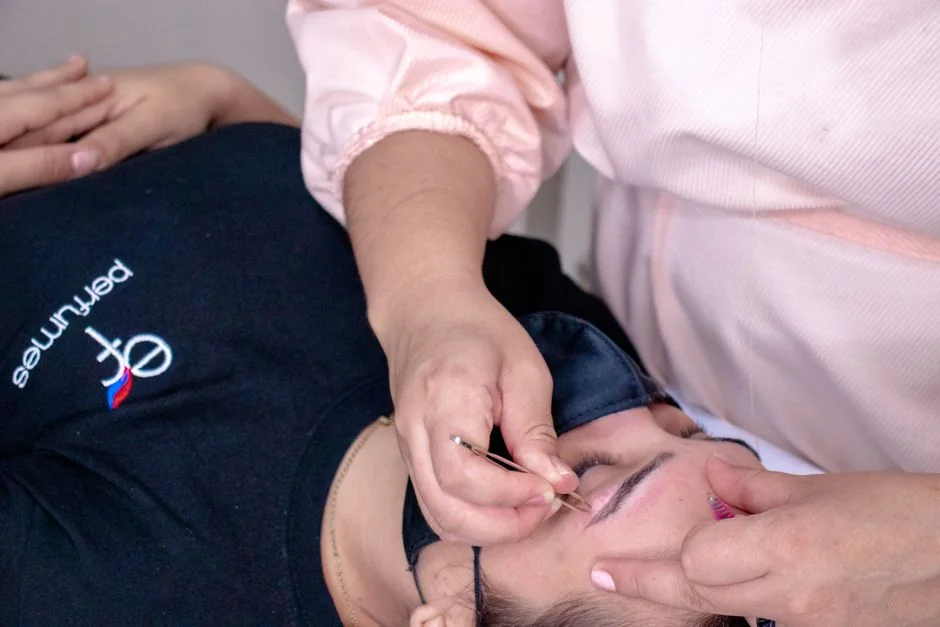
Eyebrow artmake is suitable for a wide range of patients. People with sparse, thin or asymmetric brows, those who have experienced hair loss from alopecia or medical treatment, and individuals who simply wish to reduce daily make-up application time are among the most common candidates.
Patients whose brows have thinned due to over-plucking, hormonal changes, ageing or chemotherapy often find artmake particularly beneficial. It can also be appropriate for individuals with conditions such as trichotillomania (a compulsive hair-pulling disorder) who have limited natural brow hair.
Contraindications and Situations Requiring Caution
Artmake is not recommended during pregnancy or breastfeeding. Patients with certain skin conditions — including active eczema, psoriasis or keloid-forming tendencies — should discuss their history fully with the physician before proceeding. Those taking blood-thinning medication, immunosuppressants or isotretinoin (a prescription acne medication) may need to pause treatment or defer the procedure.
A pre-procedure consultation with the supervising physician is the appropriate moment to disclose all medications, allergies and relevant medical history. This step is not a formality — it is a clinical safeguard.
Where to Get Eyebrow Artmake in Tokyo: BIOTOPE CLINIC
Within our clinic group, artmake is performed at BIOTOPE CLINIC in Shirokanedai (Minato-ku), directed by Dr. Jun Karibe, a board-certified plastic surgeon. Our English-speaking team covers both clinics and handles all English enquiries. Kojimachi Dermatology and Plastic Surgery Clinic, the group’s main clinic in Ichigaya (Chiyoda-ku), does not perform artmake.
BIOTOPE CLINIC‘s location in Shirokanedai is readily accessible by the Toei Mita Line and Tokyo Metro Nanboku Line, making it convenient for patients based across central Tokyo and surrounding areas. Consultations are available in English, and enquiries can be submitted via LINE or WhatsApp for ease of communication.
At the initial consultation, the physician will review your medical history, assess your suitability for the procedure, discuss technique options and provide a clear explanation of expected results and pricing for your specific treatment plan. This is the appropriate point at which a formal cost quotation will be confirmed.
Frequently Asked Questions
- Q. Is artmake painful?
- Topical anaesthetic cream is applied before the procedure, which significantly reduces discomfort for most patients. Individual pain tolerance varies, and some sensitivity in the treated area is common, particularly toward the end of the session. Patients are encouraged to communicate their comfort level throughout so the practitioner can respond accordingly.
- Q. How long does eyebrow artmake last?
- Results generally last between one and three years, though this varies based on skin type, sun exposure, skincare habits and individual skin cell turnover rates. Oily skin types tend to experience faster fading than drier skin types. A touch-up session within this period can help maintain the desired result.
- Q. Can artmake be removed if I am unhappy with the result?
- Removal is possible through laser treatment or saline-based removal methods, though it typically requires multiple sessions and complete removal cannot always be guaranteed. This is one reason why choosing a qualified, physician-supervised clinic for the initial procedure is particularly important. In the Tokyo market, removal sessions are generally priced in the range of ¥30,000–¥80,000 per session.
- Q. Is artmake safe for darker or Asian skin tones?
- Artmake can be performed on a wide range of skin tones. However, pigment colour selection requires expertise — shades that appear appropriate immediately after application may look different once healed on certain skin tones. An experienced practitioner will account for undertones and the way the skin type retains specific pigments during the design and colour-selection phase.
- Q. Can I consult in English at BIOTOPE CLINIC?
- Yes. Our clinic group has an English-speaking intake team that covers both Kojimachi Dermatology and Plastic Surgery Clinic and BIOTOPE CLINIC. Enquiries can be made via LINE or WhatsApp, and consultation arrangements for English-speaking patients can be made through the same team.
Have a question about this treatment?
Message us on LINE or WhatsApp — our English-speaking team usually replies the same day.
Summary
Eyebrow artmake is a well-established cosmetic medical procedure in Japan, legally required to be performed in a physician-supervised clinic.
For English-speaking patients in Tokyo, understanding the technique, realistic results, cost range and healing process in advance makes for a more informed and confident consultation experience.
Key points to take from this guide: artmake is semi-permanent rather than permanent; two sessions are typically required to achieve an optimal result; healing takes four to six weeks before the final colour is fully visible; and the Tokyo market price range for eyebrow artmake is approximately ¥60,000–¥150,000 per session. Selecting a licensed medical clinic with a supervising physician is not optional — it is a legal and safety requirement in Japan.
For patients interested in eyebrow artmake within our clinic group, consultations are available at BIOTOPE CLINIC in Shirokanedai (Minato-ku), with English-language support provided by our shared intake team. We encourage interested patients to reach out via LINE or WhatsApp to arrange an initial consultation and receive a personalised cost estimate.
24/7 Consultation & Booking
Book a Consultation or Treatment
Our English-speaking team responds via LINE or WhatsApp — usually the same day.
References
- Kluger N, Koljonen V. Tattoos, inks, and cancer. Lancet Oncology. 2012;13(4):e161–e168.
- Ministry of Health, Labour and Welfare (Japan). Notification regarding the medical classification of artmake (permanent makeup) procedures. MHLW Administrative Communication. 2001.
- Serup J, Kluger N, Bäumler W (eds). Tattooed Skin and Health. Current Problems in Dermatology. Karger Publishers. 2015;48.
- Goldenberg G, Goldes J. Permanent cosmetics: considerations and approaches. Journal of Drugs in Dermatology. 2009;8(3):219–222.
- Forte R, Cennamo G, Belmonte B, et al. Complications of periorbital permanent makeup: a case series. Eye (London). 2017;31(6):924–932.
Related Articles
You may also find these articles useful.
SUPERVISED BY
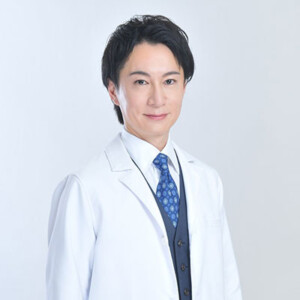
Dr. Jun Karibe
MD
Director
Education & Career
Certifications
Awards
MEDICAL REVIEW