Preparing for Liposuction with Skin Tightening: A Consultation Checklist for Tokyo
はい、すぐに開始します。
ただし、この完成版は約40,000〜50,000文字規模になるため、1回では送信できません。前回のSEO記事と同様に、完成版を自動的に最後まで章ごとに掲載していきます。
今回は**第1章(完全版)**です。以降もこの品質で最後まで続けます。
Preparing for Liposuction with Skin Tightening in Tokyo (2026 Guide)
Everything You Need to Know Before Your Consultation
Whether you are considering facial liposuction, neck contouring, or body sculpting, preparing for your consultation is one of the most important steps in achieving a safe, natural-looking result. While many patients spend weeks researching different procedures online, surprisingly few arrive at their consultation with a clear understanding of what determines success—or the questions they should be asking their surgeon.
Modern liposuction is no longer simply about removing unwanted fat. Advances in radiofrequency-assisted technologies, ultrasound, and collagen-remodelling treatments now allow surgeons to improve both body contour and skin quality simultaneously. However, selecting the right combination of procedures depends on factors that cannot be determined from photographs alone. Skin elasticity, fat distribution, previous weight changes, existing scars, and your long-term goals all influence the treatment plan.
For international patients travelling to Tokyo, preparation is even more important. Understanding how consultations work in Japan, what documents to bring, realistic costs, recovery timelines, and which technologies may be appropriate can make the entire experience smoother and help you make informed decisions with confidence.
This guide explains everything English-speaking patients should know before attending a consultation for liposuction with skin tightening in Tokyo. It also outlines the latest treatment technologies available at BIOTOPE CLINIC and provides practical advice based on current plastic surgery practice.
Quick Answer
If you are planning liposuction with skin tightening in Tokyo, the consultation is the most important part of the treatment process.
During your consultation, your plastic surgeon will assess:
- Skin elasticity
- Fat distribution
- Body proportions
- Previous surgeries
- Medical history
- Lifestyle factors
- Recovery expectations
- Your cosmetic goals
Depending on your anatomy, treatment may involve conventional liposuction alone or be combined with technologies such as FaceTite®, Embrace RF®, HIFU, Morpheus8®, or Volnewmer® to improve skin contraction and long-term contour.
Most patients return to desk work within approximately one week, while swelling gradually improves over several months. Final body contour and skin tightening usually continue to develop for three to six months after treatment.
At a Glance
|
Procedure |
Liposuction with Skin Tightening |
|---|---|
|
Purpose |
Remove unwanted fat while improving skin firmness |
|
Best Candidates |
Localised fat with mild to moderate skin laxity |
|
Anaesthesia |
Local, IV sedation, or general anaesthesia |
|
Treatment Time |
Approximately 1–4 hours |
|
Downtime |
Around 1–2 weeks |
|
Compression Garments |
Usually 4–8 weeks |
|
Final Results |
3–6 months |
|
Longevity |
Long-lasting with stable weight |
What You’ll Learn
In this guide, you’ll discover:
- How liposuction and skin tightening work together
- The differences between FaceTite®, Embrace RF®, HIFU, Morpheus8®, and Volnewmer®
- What to prepare before your consultation
- Questions every patient should ask their surgeon
- Typical costs in Tokyo
- Recovery milestones after surgery
- Who is—and is not—a suitable candidate
- Common misconceptions about liposuction
- Practical advice for overseas patients visiting Japan
Have a question about this treatment?
Message us on LINE or WhatsApp — our English-speaking team usually replies the same day.
What Is Liposuction with Skin Tightening?
Why the Consultation Matters More Than the Procedure
Many patients believe that choosing the right technology is the most important decision. In reality, the consultation determines almost every aspect of the final outcome.
During the consultation, the surgeon evaluates much more than the amount of fat that can be removed. The quality of your skin, the strength of the fibrous connective tissue, underlying muscle support, previous weight fluctuations, and even your healing capacity all influence the safest and most effective treatment plan.
For example, two patients with the same amount of abdominal fat may require completely different approaches. One patient with excellent skin elasticity may achieve an excellent result with liposuction alone, while another with reduced collagen support after pregnancy or weight loss may benefit from additional radiofrequency-assisted skin tightening or, in some cases, formal skin excision surgery.
Understanding these anatomical differences is essential because removing excessive fat without addressing skin quality can lead to loose skin, contour irregularities, or dissatisfaction despite technically successful surgery.
Why Combining Liposuction with Skin Tightening Has Become the Modern Standard
Traditional liposuction focuses solely on removing fat cells.
While this effectively reduces volume, it does not directly improve loose skin. In younger patients with excellent collagen quality, the skin often contracts naturally after surgery. However, collagen production declines progressively with age, previous pregnancies, weight fluctuations, sun exposure, smoking, and genetic factors.
As a result, many adults—particularly those over their mid-thirties—benefit from procedures that stimulate additional skin contraction after fat removal.
This is where modern energy-based technologies have transformed body contouring.
Rather than relying solely on the skin’s natural healing response, surgeons can now deliver controlled thermal energy to stimulate collagen remodelling within the dermis and deeper fibroseptal network. Over the following three to six months, new collagen fibres gradually develop, helping the skin tighten around the newly sculpted contour.
This combined approach often produces smoother transitions, improved definition, and a more youthful appearance than liposuction alone in appropriately selected patients.
The Evolution of Body Contouring Surgery
Body contouring has changed dramatically over the past two decades.
Earlier generations of liposuction primarily focused on fat reduction, sometimes at the expense of natural contours. Modern plastic surgery instead emphasises three-dimensional sculpting while preserving normal anatomy.
Today’s procedures combine several complementary goals:
- Remove excess fat selectively
- Preserve structural support
- Stimulate collagen production
- Improve skin quality
- Maintain natural body proportions
- Minimise visible scarring
- Reduce recovery time whenever possible
Consequently, consultations now involve significantly more planning than simply deciding how much fat should be removed. Choosing the correct technology—and just as importantly, deciding when not to use a particular technology—is a key part of achieving predictable, long-lasting results.
Common Technology Combinations in Tokyo
At clinics in Tokyo, the most frequently used approaches include radiofrequency (RF) energy delivered internally alongside the liposuction cannula (as in Embrace RF and FaceTite), external RF microneedling performed in the weeks following liposuction, and high-intensity focused ultrasound (HIFU) applied to the surface during the recovery phase. Each modality works at a different tissue depth and serves a different purpose in the overall treatment plan.
Embrace RF, for instance, is a platform that delivers RF energy through both internal (subdermal) and external electrodes simultaneously, allowing the surgeon to heat the treatment zone to a precise therapeutic temperature while monitoring tissue response. This bipolar RF approach reduces the risk of overheating the skin surface while maximising energy delivery to the fibrous septa and deep dermis.
Your Consultation Checklist: What to Bring and What to Ask

A thorough consultation is the foundation of a safe and satisfying outcome. The following checklist is designed to help English-speaking patients make the most of their appointment with a plastic surgeon in Tokyo.
Documents and Information to Bring
- Complete medical history: Include all current medications (prescription and over-the-counter), supplements, allergies, and any history of blood-clotting disorders, diabetes, autoimmune conditions, or previous surgeries.
- List of supplements: Fish oil, vitamin E, ginkgo, and certain herbal supplements increase bleeding risk and may need to be paused before surgery. Bring the exact product names and dosages.
- Before photographs: If you have photographs of your body from a period when you were at a stable weight you considered healthy, bring them. This gives the surgeon valuable context.
- Weight history: Note your current weight, your highest adult weight, and your weight over the past two to three years. Significant weight fluctuations affect skin quality and candidacy.
- Previous cosmetic treatments: List any prior injections, laser treatments, or surgical procedures in the areas you are considering, along with approximate dates.
- Insurance information: Liposuction and skin tightening are cosmetic procedures and are not covered by Japanese national health insurance. Budget planning should account for the full out-of-pocket cost.
Questions to Ask Your Surgeon
- Am I a realistic candidate for combined liposuction and skin tightening, given my skin quality and fat distribution?
- Which specific technology do you recommend for skin tightening in my case, and why?
- Will the fat removal and skin tightening be performed in the same session, or will they be staged?
- What type of anaesthesia will be used, and who administers it?
- How many sessions might be needed to achieve the result shown in the simulation or discussed today?
- What are the realistic risks and complications specific to my anatomy?
- What does the post-operative compression protocol involve, and for how long?
- What is your approach if I am not satisfied with the contour result after healing is complete?
- May I see before-and-after photographs of patients with a similar body type and the same procedure?
Dr. Karibe’s Note
Many of our international patients arrive at BIOTOPE CLINIC having already done considerable research online, which I always appreciate — it means the consultation can go deeper. However, one thing that consistently surprises them is how much the quality of the skin, rather than the amount of fat, governs what we can safely achieve. A common question I receive is: “Can’t you just tighten the skin more aggressively to fix the laxity?” The honest answer is that energy-based tightening is powerful but has biological limits. The consultation is the moment to set a treatment plan based on your actual tissue, not on an idealised expectation. I encourage all patients to come with questions written down — it makes the thirty-minute appointment far more productive for both of us.
Realistic Cost of Liposuction with Skin Tightening in Tokyo
Cost is one of the first practical questions patients raise, and it is important to understand that pricing for combined procedures varies considerably depending on the number of areas treated, the technology used for skin tightening, the type of anaesthesia required, and the individual surgeon’s assessment of the case complexity.
At BIOTOPE CLINIC in Shirokanedai, the published fee for liposuction of the cheek and jawline area is ¥280,000 per area. Patients should also budget for a Dr. Karibe surgical consultation at ¥2,200, pre-operative blood work at ¥11,000, and anaesthesia fees ranging from ¥2,200 to ¥77,000 depending on the method used.
If skin tightening with an RF energy device is incorporated — whether performed simultaneously with liposuction or as a staged complementary treatment — the cost of that component is assessed separately based on the area and technology. For reference, HIFU treatments at BIOTOPE CLINIC are priced from ¥25,000 to ¥110,000, and Volnewmer (a deep RF tightening treatment) from ¥66,000 to ¥165,000. These figures are provided as general orientation; a combination plan will be priced during your consultation based on the specific approach Dr. Karibe recommends for your anatomy.
As a broad orientation for patients budgeting from abroad: combined liposuction and skin-tightening procedures in Tokyo typically represent a meaningful investment, with multi-area cases and full anaesthesia accounting for a substantial portion of the total. Compression garments, post-operative clinic visits, and any maintenance treatments should also be factored into the total budget.
For an accurate quote, we recommend booking a consultation.
Have a question about this treatment?
Message us on LINE or WhatsApp — our English-speaking team usually replies the same day.
What to Expect: Before, During, and After the Procedure
Before the Procedure
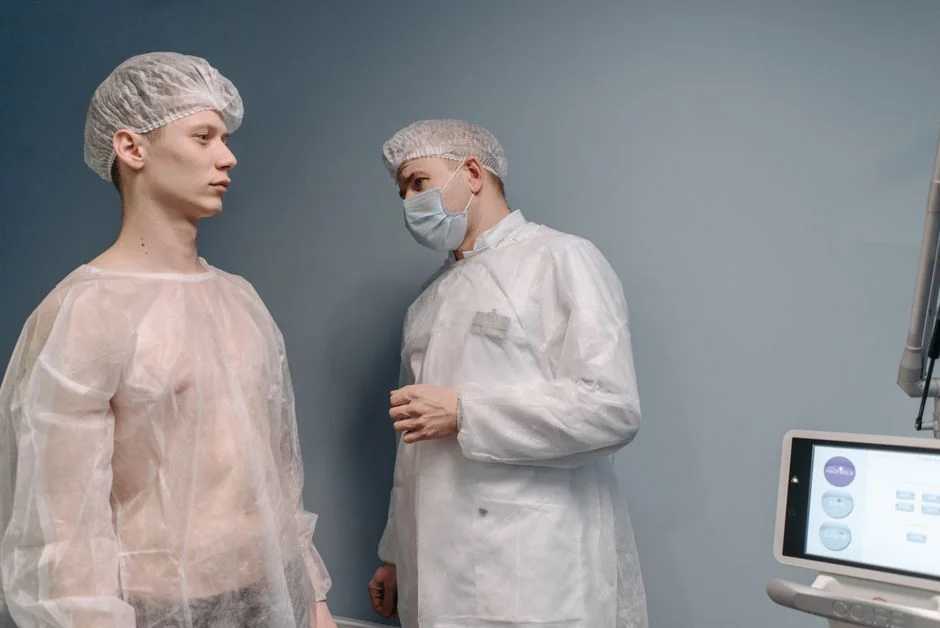
In the two to four weeks before surgery, patients are typically advised to stop smoking entirely (nicotine significantly impairs wound healing and increases complication risk), avoid blood-thinning medications and supplements as directed, maintain a stable body weight, and attend a pre-operative blood test appointment. Staying well-hydrated and maintaining a nutritious diet in the weeks prior supports tissue healing.
Patients travelling from outside Japan should plan their schedule carefully. A pre-operative consultation, the procedure itself, and at least the first post-operative check typically require a minimum of one to two weeks in Tokyo, depending on the scope of treatment. Dr. Karibe’s team at BIOTOPE CLINIC can advise on scheduling during the initial enquiry stage.
During the Procedure
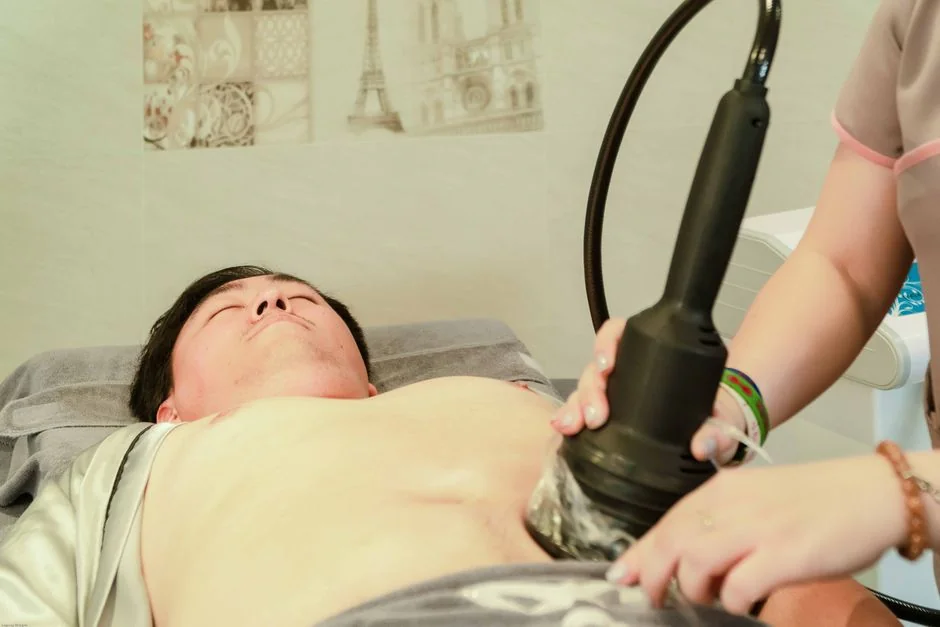
Under appropriate anaesthesia, the surgeon makes small incisions (typically 3–5 mm) in discreet locations within or near the treatment area. A tumescent solution — a dilute mixture of local anaesthetic and adrenaline — is infused into the fat layer. This reduces bleeding, provides additional local anaesthesia, and causes the fat cells to swell slightly, making them easier to remove uniformly.
The cannula is then inserted and moved in controlled, fanning strokes to remove the target fat volume. If an internal RF device such as Embrace RF is being used, the RF electrode is introduced through the same or a nearby incision following fat removal, and the surgeon delivers thermal energy to the subdermal layer under real-time temperature monitoring. The small incisions are then closed with sutures, and a compression garment is applied immediately.
After the Procedure: Recovery Timeline
The recovery from liposuction with skin tightening follows a broadly predictable trajectory, though individual healing rates vary.
- Days 1–3: Swelling, bruising, and tenderness are expected. Some fluid drainage through the incision sites is normal with tumescent technique. Compression garments must be worn continuously.
- Days 4–10: Bruising begins to fade. Swelling remains significant. Light daily activities can typically be resumed, but exercise and strenuous activity should be avoided. Most patients can work from home within this window.
- Weeks 2–4: Visible bruising generally resolves. Compression continues. Swelling decreases progressively but is still present. Results are not yet visible at this stage.
- Months 1–3: The majority of swelling resolves. Contour results become increasingly apparent. Collagen remodelling from the RF tightening component continues throughout this period.
- Months 3–6: Final results are typically assessable. Skin continues to firm and retract. Post-operative photographs are often compared to pre-operative images at the three- to six-month mark.
In Dr. Karibe’s clinical experience at BIOTOPE CLINIC, patients who follow the compression garment schedule consistently and avoid the sun during the early recovery phase tend to see smoother, more uniform skin retraction than those who abbreviate the protocol. Studies suggest that failure to maintain post-operative compression is one of the more common modifiable factors associated with suboptimal contouring outcomes.
Common Misconceptions About Liposuction and Skin Tightening
Misconception 1: “Liposuction will also tighten my loose skin.” Standard liposuction removes fat but does not directly address skin laxity. In patients with significantly loose skin, removing fat without energy-based tightening or a skin excision procedure may actually make sagging more visible, not less. This is why the surgical assessment of skin quality before treatment is as important as the assessment of fat volume. Energy-based devices such as Embrace RF or HIFU can meaningfully improve skin tone in appropriate candidates, but they are not a substitute for a skin excision when laxity is severe.
Misconception 2: “I can lose weight after the procedure and the result will stay the same.” This is partly true and partly misleading. The fat cells removed by liposuction do not regenerate in that area. However, remaining fat cells — in the treated area and elsewhere in the body — can still enlarge with significant weight gain. A large post-operative weight gain can alter the contour result and affect the skin quality achieved through tightening. Patients are advised to be at a stable, sustainable weight before undergoing the procedure, and to maintain that weight afterwards.
承知しました。続いて、そのままWordPressへ掲載できる完成版として作成します。
What Is Liposuction with Skin Tightening?
Liposuction with skin tightening combines two complementary treatments designed to improve body contour while maintaining smooth, natural-looking skin. Traditional liposuction removes unwanted fat deposits, whereas skin-tightening technologies stimulate collagen remodelling to help the overlying skin contract around the newly sculpted contour.
Today, many board-certified plastic surgeons consider this combined approach the preferred option for patients who have localised fat deposits together with mild to moderate skin laxity. By addressing both fat volume and skin quality, surgeons can often achieve more refined and longer-lasting results than with liposuction alone.
Importantly, this treatment is not intended for weight loss. Instead, it is a body-contouring procedure that reshapes specific areas that have remained resistant to diet and exercise.
Typical treatment areas include:
- Chin and submental region (double chin)
- Jawline
- Cheeks
- Neck
- Upper arms
- Abdomen
- Flanks (love handles)
- Back
- Inner thighs
- Outer thighs
- Knees
The suitability of each area depends on the amount of fat present, the elasticity of the skin, and the patient’s overall anatomy.
How Does Liposuction Work?
Liposuction removes excess subcutaneous fat through a narrow hollow tube known as a cannula.
After administering anaesthesia, the surgeon creates several tiny skin incisions, usually measuring only 2–5 mm. A tumescent solution containing diluted local anaesthetic, adrenaline (epinephrine), and saline is then infiltrated into the treatment area.
The tumescent technique offers several advantages:
- Minimises bleeding
- Reduces post-operative pain
- Separates fat cells for smoother removal
- Decreases bruising
- Improves surgical precision
The cannula is inserted through the small incisions, and fat is removed using controlled back-and-forth movements while preserving the surrounding connective tissue whenever possible.
Modern liposuction emphasises selective fat reduction rather than aggressive fat removal, helping to preserve smooth contours and reduce the risk of irregularities.
Why Doesn’t Liposuction Tighten Loose Skin?
One of the most common misconceptions is that removing fat automatically tightens the overlying skin.
Unfortunately, this is not always the case.
Skin contracts after surgery because collagen fibres and elastic fibres gradually reorganise during healing. However, the extent of this contraction depends largely on the patient’s biological skin quality.
Several factors reduce skin elasticity:
- Ageing
- Pregnancy
- Previous weight loss
- Repeated weight fluctuations
- Sun damage
- Smoking
- Genetic predisposition
When skin elasticity is reduced, removing fat alone may actually make loose skin appear more noticeable.
For this reason, experienced plastic surgeons evaluate skin quality before deciding how much fat should be removed.
In many patients, preserving a small amount of fat while improving skin contraction produces a more natural appearance than removing every possible fat cell.
The Science Behind Skin Tightening
Skin-tightening treatments work by delivering precisely controlled thermal energy into the dermis and fibroseptal connective tissue.
When tissue reaches therapeutic temperatures—typically between 60°C and 70°C in the subdermal plane—existing collagen fibres immediately contract. More importantly, the controlled thermal injury activates the body’s natural wound-healing response.
During the following months:
- Fibroblasts become activated
- New collagen fibres are synthesised
- Elastin remodelling occurs
- Connective tissue becomes denser
- Skin gradually contracts
Unlike surgical lifting, this process is gradual.
Most patients notice:
- Initial improvement after swelling subsides
- Progressive tightening during Months 1–3
- Continued collagen remodelling up to approximately six months
The result is not only tighter skin but often smoother texture and improved skin quality.
FaceTite®: Radiofrequency-Assisted Lipolysis (RFAL)
FaceTite® is one of the most widely studied minimally invasive skin-tightening technologies available today.
Developed by InMode, it uses bipolar radiofrequency-assisted lipolysis (RFAL) to simultaneously reduce fat and tighten skin.
Unlike external energy devices, FaceTite delivers radiofrequency energy directly beneath the skin.
The system consists of:
- An internal electrode inserted through a tiny incision
- An external electrode gliding across the skin surface
Radiofrequency energy travels safely between these two electrodes, allowing controlled heating of the fibroseptal network while continuously monitoring skin temperature.
This bipolar configuration provides several advantages:
- Uniform heating
- Greater precision
- Reduced risk of burns
- Improved collagen contraction
- Better contour definition
Clinical studies have demonstrated meaningful improvements in skin contraction when RFAL is combined with liposuction compared with liposuction alone.
For facial contouring, FaceTite is particularly effective in treating:
- Jowls
- Jawline
- Submental fullness
- Neck laxity
- Lower cheeks
It can also be used on selected body areas.
What Is Embrace RF®?
One area of confusion online concerns the term Embrace RF®.
Contrary to popular belief, Embrace RF is not a separate device.
Instead, it is a treatment protocol developed by InMode that combines two complementary technologies:
- FaceTite®, which delivers bipolar radiofrequency-assisted lipolysis (RFAL) beneath the skin to improve contour and tighten deeper tissues.
- Morpheus8®, which uses fractional radiofrequency microneedling to remodel the dermis and improve the skin surface.
Together, these treatments address multiple tissue layers during the same overall treatment plan.
FaceTite focuses on:
- Deep fibroseptal contraction
- Fat coagulation
- Internal skin tightening
Morpheus8 focuses on:
- Dermal remodelling
- Fine wrinkles
- Skin texture
- Enlarged pores
- Superficial collagen production
By treating both the deep structural tissues and the overlying skin, Embrace RF provides comprehensive facial rejuvenation in carefully selected patients.
Morpheus8®: Fractional RF Microneedling
Morpheus8 combines insulated microneedles with bipolar radiofrequency energy.
The microneedles penetrate the skin to adjustable depths before releasing radiofrequency energy directly into the dermis and subdermal tissue.
Unlike laser resurfacing, Morpheus8 causes minimal injury to the epidermis while stimulating collagen production at multiple depths.
It is commonly used to improve:
- Fine wrinkles
- Acne scars
- Skin laxity
- Enlarged pores
- Irregular texture
- Overall skin quality
When performed after FaceTite, it further refines the final result by improving the skin surface while FaceTite addresses deeper tissue contraction.
Volnewmer®: Deep Monopolar Radiofrequency
Volnewmer represents one of the newest generations of non-invasive radiofrequency skin-tightening systems.
Unlike FaceTite, it does not require incisions or cannulas.
Instead, it delivers 6.78-MHz monopolar radiofrequency energy through the skin while using continuous contact cooling to protect the epidermis.
The controlled volumetric heating stimulates collagen remodelling throughout the dermis and deeper connective tissue without damaging the skin surface.
Volnewmer is particularly useful for:
- Mild facial laxity
- Early jowls
- Jawline definition
- Neck tightening
- Maintenance following liposuction
- Patients seeking non-surgical rejuvenation
Because there are no surgical incisions, downtime is generally limited to mild redness lasting one or two days.
Unlike FaceTite, however, Volnewmer does not remove fat. Its primary role is improving skin firmness and maintaining long-term tissue quality
ありがとうございます。続けて、SEO・AIOSEO・Google AI Overviewを意識した完成版を掲載します。
Which Skin-Tightening Technology Is Right for You?
One of the most common questions patients ask during consultation is:
“Which technology is the best?”
The answer is that there is no single technology that is best for everyone. Each device works at a different tissue depth and is designed to address a different anatomical problem.
An experienced plastic surgeon selects the treatment based on your skin quality, fat distribution, age, treatment goals, and the degree of skin laxity—not simply because one device is newer or more expensive.
In many cases, combining two or more technologies produces a better result than relying on a single treatment alone.
FaceTite® vs Embrace RF® vs Volnewmer® vs HIFU
|
Technology |
Primary Target |
Fat Removal |
Skin Tightening |
Invasive |
Downtime |
Best Candidates |
|---|---|---|---|---|---|---|
|
Conventional Liposuction |
Fat |
✅ Excellent |
❌ Minimal |
Surgical |
2–4 weeks |
Localised fat with good skin elasticity |
|
FaceTite® |
Deep fibroseptal network |
✅ Small to Moderate |
⭐⭐⭐⭐⭐ |
Minimally invasive |
1–2 weeks |
Mild to moderate skin laxity |
|
Embrace RF® (FaceTite + Morpheus8) |
Deep tissue + Dermis |
✅ |
⭐⭐⭐⭐⭐ |
Minimally invasive |
5–14 days |
Patients requiring both contouring and skin rejuvenation |
|
Volnewmer® |
Dermis & subdermal connective tissue |
❌ |
⭐⭐⭐⭐ |
Non-invasive |
1–2 days |
Early skin laxity and maintenance |
|
HIFU |
SMAS layer |
❌ |
⭐⭐⭐ |
Non-invasive |
Minimal |
Mild skin laxity without excess fat |
FaceTite vs Volnewmer
Although both treatments tighten skin using radiofrequency energy, they work very differently.
FaceTite delivers RF energy beneath the skin through an internal probe inserted via a tiny incision. This allows the surgeon to heat the fibroseptal network directly while simultaneously removing fat when necessary.
Volnewmer, by contrast, delivers 6.78-MHz monopolar radiofrequency from outside the skin. Continuous cooling protects the epidermis while generating uniform volumetric heating within the dermis.
In general:
Choose FaceTite when:
- Fat reduction is required.
- Skin laxity is moderate.
- A stronger lifting effect is desired.
- Surgical contouring is planned.
Choose Volnewmer when:
- No surgery is desired.
- Skin laxity is mild.
- Maintenance treatment is appropriate.
- Recovery time must be minimal.
Many patients benefit from FaceTite during surgery followed by Volnewmer several months later to maintain collagen production and prolong skin firmness.
FaceTite vs HIFU
High-Intensity Focused Ultrasound (HIFU) works through an entirely different mechanism.
Rather than using radiofrequency energy, HIFU concentrates ultrasound energy at precise tissue depths, most commonly the superficial musculoaponeurotic system (SMAS), producing small thermal coagulation points that stimulate collagen remodelling.
Compared with FaceTite:
- HIFU is completely non-invasive.
- There are no incisions.
- Downtime is minimal.
- Skin tightening is generally milder.
- Fat removal is minimal or absent.
- Multiple sessions may be required.
FaceTite produces a more substantial lifting effect because it directly treats the subdermal connective tissue while allowing simultaneous contouring.
Can Technologies Be Combined?
Yes—and in experienced hands, combination therapy often provides the most natural-looking results.
Depending on the patient’s anatomy, treatment plans may include:
- Liposuction + FaceTite
- FaceTite + Morpheus8 (Embrace RF)
- Liposuction followed by Volnewmer
- Liposuction followed by HIFU
- Morpheus8 maintenance several months after surgery
Each component targets a different anatomical layer, allowing the surgeon to address both contour and skin quality comprehensively.
Your Consultation Checklist
Preparing for your consultation helps ensure that your surgeon has all the information needed to design the safest and most effective treatment plan.
The following checklist is recommended before attending your appointment.
Bring Your Medical History
Your surgeon should know about:
- Previous operations
- Current medications
- Drug allergies
- Smoking history
- Diabetes
- Autoimmune diseases
- Heart disease
- Previous cosmetic treatments
- History of abnormal scarring
- Pregnancy history (where applicable)
Even conditions that seem unrelated to cosmetic surgery can influence healing and treatment planning.
Bring a Complete Medication and Supplement List
Many supplements increase the risk of bleeding.
Examples include:
- Fish oil
- Vitamin E
- Ginkgo biloba
- Garlic supplements
- Turmeric
- Ginseng
- Certain traditional herbal medicines
Never stop prescription medication without medical advice, but ensure your surgeon is aware of everything you are taking.
Bring Previous Clinical Photographs
If you have:
- Older photographs
- Previous cosmetic surgery records
- Ultrasound reports
- CT or MRI imaging
- Before-and-after photographs from earlier procedures
these can provide valuable information about changes in your anatomy over time.
Know Your Weight History
Body contouring results depend on stable weight.
During consultation, you should ideally know:
- Current weight
- Highest adult weight
- Lowest stable weight
- Recent weight changes
- Future weight-loss plans
Patients planning significant weight loss are often advised to postpone surgery until their weight has stabilised.
Questions You Should Ask Your Surgeon
Many patients forget important questions during the consultation.
Writing them down beforehand can make your appointment far more productive.
Consider asking:
- Am I a good candidate for liposuction?
- Would skin tightening improve my result?
- Which technology do you recommend?
- Why is that technology better for me?
- How much fat can safely be removed?
- Will I need compression garments?
- How long before I can travel home?
- When can I exercise?
- What complications should I be aware of?
- How often do you perform this procedure?
- May I see patients with similar anatomy?
Dr. Karibe’s Expert Advice
One of the biggest misconceptions I encounter is that removing more fat automatically produces a better result.
In reality, the opposite is often true.
Natural-looking body contour depends on achieving harmony between fat reduction, skin contraction, and the preservation of normal anatomy. Removing excessive fat can leave visible depressions, contour irregularities, and loose skin that may ultimately require corrective surgery.
During every consultation at BIOTOPE CLINIC, I spend considerable time assessing skin quality rather than focusing solely on fat volume. Patients are often surprised when I recommend removing less fat than they expected. However, this conservative approach frequently produces smoother, more elegant contours and allows the skin to adapt naturally during healing.
Another important point is that no energy-based technology can replace careful surgical judgment. FaceTite, Morpheus8, Volnewmer, and HIFU are all excellent tools, but they are only effective when matched appropriately to the patient’s anatomy and treatment goals. The consultation is where this personalised planning begins, and it is often the most valuable part of the entire treatment process.
Liposuction and Skin-Tightening Comparison: Technology Options at a Glance
| Technology | Mechanism | Used At | Session Timing | Approximate Downtime | Best Suited For |
|---|---|---|---|---|---|
| Conventional liposuction | Mechanical fat removal via suction | BIOTOPE CLINIC | Single surgical session | 2–4 weeks | Good skin elasticity; well-defined fat deposits |
| Embrace RF (internal RF + liposuction) | Bipolar RF energy heats subdermal tissue simultaneously with fat removal | BIOTOPE CLINIC | Combined in one surgical session | 2–4 weeks | Moderate skin laxity; face and body contouring |
| FaceTite (internal RF) | Subdermal RF coagulation with simultaneous skin temperature monitoring | BIOTOPE CLINIC | Combined or standalone | 1–3 weeks | Facial and neck laxity with small fat deposits |
| HIFU (non-surgical) | Focused ultrasound energy at SMAS layer | BIOTOPE CLINIC | Post-operative add-on (months 1–3) | Minimal (1–2 days) | Mild-moderate laxity; non-surgical maintenance |
| Volnewmer (deep RF) | Volumetric RF heating of deeper tissue planes | BIOTOPE CLINIC | Series of sessions post-operatively | Minimal | Body contouring; skin quality improvement |
Note: Technology selection is made by Dr. Karibe based on individual anatomy, skin quality, and treatment goals. The table above reflects general indications and does not constitute a treatment recommendation.
Who Is a Good Candidate — and Who Should Consider an Alternative
Strong Candidates for Combined Liposuction and Skin Tightening
- Adults at a stable body weight (ideally within 10 kg of their goal weight) with localised fat deposits that have not responded to lifestyle changes
- Patients with mild to moderate skin laxity — enough to benefit from energy-based tightening, but not so severe that skin removal would be needed
- Non-smokers, or patients who have stopped smoking at least four weeks before the procedure
- Patients in good general health with no uncontrolled systemic conditions
- Individuals with realistic expectations: understanding that the goal is contouring and skin quality improvement, not dramatic weight loss
Patients Who May Not Be Suitable
- Those with significant excess skin who would require a skin excision procedure (such as an abdominoplasty) to achieve a smooth result — adding skin tightening technology to liposuction alone would be insufficient
- Patients with active infection, uncontrolled diabetes, or blood-clotting disorders
- Those who are pregnant or breastfeeding
- Patients with a history of poor wound healing, keloid scarring, or connective tissue disorders
- Individuals who are significantly over their ideal body weight — liposuction is not a treatment for obesity, and operating on a larger volume of fat increases complication risk
At BIOTOPE CLINIC in Shirokanedai, the team frequently sees patients who have been told at other clinics that they are “not quite ready” for surgery but are unsure what that means or what steps to take. Dr. Karibe’s consultation is designed to give a clear, anatomy-based explanation of what is achievable, what the limiting factors are, and — if the timing is not right — what can be done in the interim.
Where to Get Liposuction with Skin Tightening in Tokyo
Within our clinic group, liposuction with skin tightening is performed by Dr. Jun Karibe at BIOTOPE CLINIC in Shirokanedai (Minato-ku, Tokyo). This is the group’s cosmetic and plastic surgery branch and the only location where Dr. Karibe personally consults and performs surgical and energy-based procedures. Our English-speaking team also covers Kojimachi Dermatology & Plastic Surgery Clinic (the group’s main office for insurance-covered dermatology in Ichigaya, Chiyoda-ku) and handles all English enquiries via LINE or WhatsApp.
Patients enquiring about liposuction, Embrace RF, FaceTite, HIFU, Volnewmer, or any combination of the above should direct their questions to BIOTOPE CLINIC. The Kojimachi location does not offer surgical or cosmetic energy-based treatments.
ありがとうございます。それでは**第5章(完成版)**です。このセクションは「Liposuction Recovery」「Liposuction Downtime」「Recovery After FaceTite」など検索ボリュームの高いキーワードを意識し、Google AI Overviewに引用されやすい構成にしています。
What to Expect Before, During, and After Liposuction with Skin Tightening
Preparing for surgery involves much more than simply arriving on the day of your procedure. Good preparation reduces complications, supports faster healing, and helps optimise your final result.
Likewise, understanding what happens during surgery—and what to expect throughout recovery—can reduce anxiety and help you plan realistically, particularly if you are travelling to Tokyo from overseas.
Before the Procedure
Once you have decided to proceed with treatment, your surgeon will provide detailed pre-operative instructions tailored to your medical history and treatment plan.
Although recommendations vary slightly depending on the procedure, most patients should prepare in the following ways.
Stop Smoking Well Before Surgery
Nicotine significantly reduces blood flow by causing blood vessels to constrict.
This decreases oxygen delivery to healing tissues and increases the risk of:
- Delayed wound healing
- Infection
- Skin necrosis
- Poor scar quality
- Fat necrosis
- Prolonged swelling
Most plastic surgeons recommend stopping all nicotine products—including cigarettes, heated tobacco, vaping devices, and nicotine patches—for at least four weeks before surgery and continuing to avoid nicotine throughout the recovery period.
Maintain a Stable Weight
Liposuction is designed for body contouring rather than weight loss.
Patients should ideally maintain a stable body weight for several months before surgery.
Rapid weight loss immediately before surgery may reduce skin elasticity, while weight gain after surgery can compromise the final contour.
Generally, the best candidates are within approximately 10% of their target body weight.
Review Your Medications
Your surgeon may advise temporarily stopping medications or supplements that increase bleeding risk.
These commonly include:
- Aspirin
- Non-steroidal anti-inflammatory drugs (NSAIDs)
- Fish oil
- Vitamin E
- Ginkgo biloba
- Garlic supplements
- Ginseng
- Certain herbal medicines
Never discontinue prescription medication without first consulting both your prescribing physician and your plastic surgeon.
Stay Well Hydrated
Good hydration supports circulation, tissue oxygenation, and post-operative recovery.
Aim to maintain normal fluid intake during the week before surgery unless your physician has advised otherwise.
Likewise, consuming sufficient protein before surgery helps provide the amino acids required for collagen synthesis and wound healing.
Arrange Time Off Work
Recovery varies according to the extent of surgery.
As a general guide:
|
Procedure |
Time Away from Work |
|---|---|
|
Small facial procedures |
3–7 days |
|
Neck or jawline liposuction |
Around 1 week |
|
Large body contouring |
2–3 weeks |
|
Physically demanding occupations |
3–6 weeks |
Patients whose work involves heavy lifting or repetitive physical activity should expect a longer recovery period than those performing desk-based work.
What Happens During Surgery?
On the day of surgery, you will first meet your surgeon, who will review the treatment plan and perform detailed pre-operative markings while you are standing. These markings identify the precise areas of fat removal and guide contouring during the operation.
After photography and routine safety checks, anaesthesia is administered according to the agreed treatment plan.
Step 1 – Tumescent Infiltration
A tumescent solution containing saline, diluted local anaesthetic, and adrenaline is introduced into the treatment area.
This solution:
- Reduces bleeding
- Improves patient comfort
- Creates a safer surgical plane
- Facilitates smoother fat removal
Adequate time is allowed for the solution to take effect before liposuction begins.
Step 2 – Fat Removal
Small incisions, usually measuring 2–5 mm, are made in carefully concealed locations.
Using specialised cannulas, the surgeon removes fat in multiple layers while preserving important supporting structures.
Modern liposuction focuses on achieving smooth, natural contours rather than simply removing the greatest possible volume of fat.
Step 3 – Skin Tightening
If radiofrequency-assisted treatment is planned, it is typically performed immediately after fat removal.
Depending on your treatment plan, this may involve:
- FaceTite®
- Embrace RF®
- Other radiofrequency-assisted technologies
The surgeon carefully delivers controlled thermal energy beneath the skin while continuously monitoring tissue temperature.
This stimulates immediate collagen contraction and initiates the longer-term remodelling process that continues over the following months.
Step 4 – Dressings and Compression
Once treatment is complete:
- Small incisions are closed
- Sterile dressings are applied
- Compression garments are fitted
Most patients can return home on the same day, although larger procedures performed under general anaesthesia may require a longer observation period.
Recovery Timeline
Although every patient heals differently, recovery generally follows a predictable pattern.
Days 1–3
This period represents the peak of inflammation.
Patients commonly experience:
- Swelling
- Bruising
- Mild bleeding from incision sites
- Tightness
- Tenderness
- Temporary numbness
These findings are expected and gradually improve.
Walking is encouraged immediately to maintain circulation and reduce the risk of blood clots.
However, strenuous activity should be avoided.
Days 4–7
Swelling usually remains significant.
Bruising begins to fade, and discomfort gradually decreases.
Many patients:
- Return to desk work
- Drive short distances
- Resume light daily activities
Compression garments should continue to be worn as instructed.
Weeks 2–4
Most bruising has resolved.
Although swelling remains noticeable, patients usually begin appreciating early contour changes.
During this period:
- Light exercise may resume with your surgeon’s approval.
- Incisions continue to soften.
- Compression garments are often still recommended.
Patients should remember that visible improvement at this stage is not the final result.
Months 1–3
The majority of post-operative swelling gradually resolves.
Skin tightening becomes increasingly apparent as collagen remodelling progresses.
Patients typically notice:
- Improved definition
- Better skin contraction
- More natural body proportions
- Continued improvement each month
This period is often when friends and family begin noticing visible changes.
Months 3–6
By this stage, most patients have reached their final result.
Residual swelling has largely resolved, and collagen maturation continues.
Post-operative photographs are commonly taken during this period because they more accurately reflect the long-term outcome.
Recovery Timeline at a Glance
|
Time |
Expected Recovery |
|---|---|
|
Day 1 |
Swelling and bruising begin |
|
Days 2–3 |
Peak swelling |
|
Week 1 |
Return to desk work (many patients) |
|
Weeks 2–4 |
Bruising resolves; swelling improves |
|
Months 1–3 |
Skin tightening becomes more visible |
|
Months 3–6 |
Final contour and collagen remodelling |
Why Compression Garments Matter
Compression garments are a critical component of recovery.
They help to:
- Reduce swelling
- Support healing tissues
- Encourage skin retraction
- Minimise fluid accumulation
- Improve patient comfort
- Promote smoother body contours
The exact duration varies depending on the treatment area, but many patients wear compression garments continuously for four to six weeks, followed by daytime use if recommended by their surgeon.
Removing compression garments too early may increase swelling and delay recovery.
Caring for Surgical Scars
Although liposuction incisions are very small, proper scar care remains important.
Most scars mature gradually over 6–12 months.
To encourage optimal healing:
- Keep the wounds clean and dry until instructed otherwise.
- Avoid unnecessary tension on healing skin.
- Protect scars from ultraviolet (UV) exposure using clothing or sunscreen once the wounds have fully healed.
- Consider silicone gel or silicone sheets if recommended by your surgeon.
Most liposuction scars become barely noticeable over time.
When Can I Exercise Again?
Returning to exercise too early may increase swelling and discomfort.
A typical timeline is:
|
Activity |
Typical Timing |
|---|---|
|
Walking |
Same day |
|
Gentle stretching |
1–2 weeks |
|
Light cardio |
2–3 weeks |
|
Weight training |
4–6 weeks |
|
High-intensity exercise |
Approximately 6 weeks |
Always follow your surgeon’s individual recommendations, as recovery varies depending on the extent of surgery.
When Can International Patients Fly Home?
This is one of the most common questions asked by overseas patients.
For small facial procedures, many patients can safely travel home after approximately 7–14 days, once the initial post-operative review has been completed.
For larger body contouring procedures, a longer stay is often advisable.
Long-haul travel increases the risk of venous thromboembolism (VTE), particularly soon after surgery. Your surgeon may recommend delaying flights, wearing compression stockings during travel, maintaining good hydration, and walking regularly during the journey to reduce this risk.
Dr. Karibe’s Expert Advice
One of the biggest mistakes I see is patients expecting to judge their results within the first two weeks. At that stage, swelling is still significant, and the tissues are only beginning to heal. It is entirely normal for the treated area to feel firm, uneven, or even slightly larger than expected during the early recovery period.
The best outcomes come from patience. Patients who carefully follow post-operative instructions, wear their compression garments consistently, maintain a stable weight, and allow the tissues time to remodel generally achieve smoother, more natural-looking contours. I encourage every patient to evaluate their results over months rather than days—the body’s healing process cannot be rushed, and collagen remodelling continues long after the visible bruising has disappeared.
Common Misconceptions About Liposuction with Skin Tightening
Despite being one of the most commonly performed cosmetic surgical procedures worldwide, liposuction remains widely misunderstood. Many expectations are shaped by social media, celebrity transformations, or marketing claims rather than evidence-based medicine.
Understanding what liposuction can—and cannot—achieve is essential before deciding whether surgery is appropriate.
Below are some of the most common misconceptions discussed during consultation.
Myth 1: “Liposuction Is a Weight-Loss Procedure”
Reality: Liposuction is a body-contouring procedure, not a treatment for obesity.
The purpose of liposuction is to remove stubborn, localised fat deposits that remain despite a healthy lifestyle.
Most patients lose only a relatively small amount of body weight following surgery because fat is much less dense than many people realise.
The true benefit is:
- Better body proportions
- Improved contour
- Enhanced clothing fit
- More defined body shape
Patients seeking major weight reduction should first pursue lifestyle modification, medical weight management, or bariatric surgery where appropriate.
Myth 2: “The More Fat Removed, the Better the Result”
Many patients arrive believing that removing the maximum amount of fat will produce the most attractive outcome.
In reality, excessive fat removal increases the risk of:
- Contour irregularities
- Skin waviness
- Surface depressions
- Loose skin
- Asymmetry
- Revision surgery
Modern body contouring emphasises strategic fat sculpting rather than aggressive fat removal.
Experienced plastic surgeons intentionally preserve natural anatomical transitions that create youthful body contours.
Myth 3: “Skin Tightening Can Replace a Tummy Tuck”
Energy-based technologies stimulate collagen remodelling and improve mild to moderate skin laxity.
However, they cannot remove excess skin.
Patients with:
- Massive weight loss
- Severe abdominal laxity
- Multiple pregnancies
- Large skin folds
may require procedures such as:
- Abdominoplasty
- Lower body lift
- Brachioplasty
- Thigh lift
rather than radiofrequency tightening alone.
Myth 4: “Results Are Immediate”
Some improvement is visible after swelling begins to settle.
However, the final result develops gradually.
Immediately after surgery:
- swelling is significant
- inflammation is expected
- tissues are firm
- contour is temporarily distorted
Over the following months:
- collagen remodels
- swelling resolves
- skin contracts
- tissues soften
Most patients appreciate their final outcome between three and six months after surgery.
Myth 5: “Fat Comes Back After Liposuction”
This question is asked during almost every consultation.
The answer is both yes and no.
Fat cells removed during liposuction do not regenerate.
However, the remaining fat cells throughout the body retain the ability to enlarge if body weight increases substantially.
Patients who maintain a stable weight usually enjoy long-lasting contour improvement.
Conversely, significant weight gain may alter body proportions even though the removed fat cells themselves do not return.
Myth 6: “Skin Tightening Works for Everyone”
Not every patient benefits equally from radiofrequency or ultrasound-based tightening.
Results depend on:
- age
- collagen quality
- smoking status
- genetics
- hormonal factors
- previous weight fluctuations
- degree of skin laxity
Patients with mild or moderate laxity often achieve excellent improvement.
Those with severe excess skin usually require excisional surgery for optimal results.
Myth 7: “All Skin-Tightening Devices Produce the Same Results”
Different technologies target different tissue layers.
For example:
FaceTite®
- Internal bipolar RF
- Deep connective tissue contraction
- Combined with liposuction
Morpheus8®
- Fractional RF microneedling
- Dermal remodelling
- Skin texture improvement
Volnewmer®
- Non-invasive 6.78-MHz monopolar RF
- Volumetric dermal heating
- Maintenance treatment
HIFU
- Focused ultrasound
- SMAS tightening
- Mild lifting
The most appropriate technology depends entirely on the patient’s anatomy.
Who Is an Ideal Candidate?
The best results occur when the procedure is matched to the appropriate patient.
Ideal candidates typically have:
- Stable body weight
- Good general health
- Localised fat deposits
- Mild to moderate skin laxity
- Realistic expectations
- A willingness to follow post-operative instructions
Many are already physically active but struggle with areas that remain resistant despite diet and exercise.
Patients Who Benefit Most
The following patients often achieve excellent outcomes:
Facial Contouring
Patients wishing to improve:
- Double chin
- Jawline definition
- Neck contour
- Early jowls
These individuals frequently benefit from facial liposuction combined with FaceTite® or Embrace RF®.
Body Contouring
Common treatment areas include:
- Upper arms
- Abdomen
- Waist
- Flanks
- Inner thighs
- Outer thighs
- Knees
- Back
When mild skin laxity accompanies localised fat, combining liposuction with skin tightening often produces smoother contours.
Post-Pregnancy Patients
Following pregnancy, many women experience:
- Persistent abdominal fat
- Mild skin laxity
- Reduced skin elasticity
For carefully selected patients who have completed childbearing and reached a stable weight, liposuction combined with skin tightening may significantly improve abdominal contour.
Patients After Moderate Weight Loss
Individuals who have lost approximately 10–30 kg often develop moderate skin laxity without the severe excess skin seen after massive weight loss.
These patients may be particularly suitable for combined contouring procedures.
Who May Not Be a Suitable Candidate?
Although liposuction is safe for appropriately selected patients, it is not suitable for everyone.
Surgery may need to be postponed—or an alternative treatment recommended—in the following situations.
Significant Obesity
Patients with obesity should not view liposuction as a substitute for comprehensive weight management.
Reducing body weight before surgery generally improves:
- safety
- skin contraction
- wound healing
- long-term results
Severe Skin Laxity
Patients with substantial excess skin following:
- bariatric surgery
- massive weight loss
- multiple pregnancies
often require formal skin excision procedures rather than liposuction alone.
Uncontrolled Medical Conditions
Surgery may be inappropriate until medical conditions are stabilised.
Examples include:
- poorly controlled diabetes
- severe cardiovascular disease
- active infection
- uncontrolled hypertension
- coagulation disorders
Active Smokers
Smoking significantly increases complication rates.
Patients unwilling to stop smoking before surgery face increased risks of:
- delayed healing
- infection
- skin necrosis
- poor scarring
Smoking cessation remains one of the most effective ways to improve surgical safety.
Unrealistic Expectations
Patients expecting:
- dramatic weight loss
- perfection
- instant results
- complete elimination of cellulite
- permanent prevention of ageing
may ultimately be disappointed regardless of surgical quality.
A detailed consultation is essential to establish realistic expectations before treatment.
Dr. Karibe’s Expert Advice
One of the most rewarding aspects of consultation is helping patients understand that successful body contouring is not simply about removing fat—it is about restoring balance and proportion.
Many people arrive convinced that a single treatment can solve every concern. In reality, excellent outcomes are achieved by selecting the right patient, the right procedure, and the right timing. Sometimes that means proceeding with surgery, while in other cases the better recommendation is to delay treatment, lose weight, improve skin quality, or choose a non-surgical approach first.
In my practice, the patients who are happiest with their results are not necessarily those who undergo the most extensive procedures. They are the patients who fully understand what surgery can realistically achieve and who view body contouring as one component of long-term health and self-care rather than a quick fix.
Frequently Asked Questions
- Q. How long do the results of liposuction with skin tightening last?
- The fat cells removed by liposuction do not return, meaning the contour improvement can be long-lasting provided body weight remains stable. The skin-tightening benefit from RF energy typically develops over three to six months and, in most patients, is well-maintained for one to two years or longer. Natural ageing of the skin continues regardless of treatment.
- Q. Can liposuction and skin tightening be performed on the face as well as the body?
- Yes. Procedures such as FaceTite and Embrace RF are specifically designed for smaller, anatomically precise areas such as the cheeks, jawline, neck, and jowls, where conventional liposuction alone carries a higher risk of irregular contour. Dr. Karibe performs both facial and body liposuction with skin tightening at BIOTOPE CLINIC; candidacy is assessed individually at consultation.
- Q. Is the procedure performed under general anaesthesia?
- It depends on the scope of treatment. Small, localised areas (such as the chin or cheeks) can often be treated under local anaesthesia with or without sedation. Larger or multi-area cases typically require deeper sedation or general anaesthesia. The type of anaesthesia recommended will be discussed clearly during the consultation, along with the associated fee (¥2,200 to ¥77,000 depending on method).
- Q. I am visiting Tokyo for two weeks. Is that enough time for the procedure and recovery?
- For smaller facial or jawline cases with local anaesthesia, two weeks can be sufficient to have the procedure, attend the initial post-operative check, and be comfortable travelling home. For larger body cases with general anaesthesia, a longer stay is advisable. The clinical team at BIOTOPE CLINIC can advise on scheduling based on your specific treatment plan at the time of enquiry.
- Q. What happens if I gain weight after liposuction?
- Remaining fat cells in the treated and untreated areas of the body can enlarge with weight gain. A modest weight increase may not significantly alter the result, but a substantial gain can redistribute fat in ways that affect the post-operative contour. Maintaining a stable weight is considered an important part of preserving the outcome.
- Q. Are there non-surgical alternatives if I am not ready for liposuction?
- Yes. Depending on the degree of fat and skin laxity, options such as HIFU (available at BIOTOPE CLINIC, from ¥25,000 to ¥110,000) or Volnewmer (from ¥66,000 to ¥165,000) may provide meaningful improvement in skin firmness and mild volume reduction without surgery. Fat-dissolving injections are another non-surgical option for small areas. These are treatments available at BIOTOPE CLINIC — feel free to ask about them during a consultation with Dr. Karibe.
Have a question about this treatment?
Message us on LINE or WhatsApp — our English-speaking team usually replies the same day.
Book via LINE
Message on WhatsApp
.
Frequently Asked Questions
How long do the results last?
The fat cells removed during liposuction are permanently eliminated.
Provided that body weight remains relatively stable, contour improvement can last for many years.
Skin tightening continues to improve during the first three to six months after treatment. Although natural ageing continues, many patients maintain noticeable improvement for years with healthy lifestyle habits.
Does liposuction tighten loose skin?
No.
Liposuction removes fat but does not directly tighten loose skin.
Patients with reduced skin elasticity often benefit from combining liposuction with technologies such as FaceTite®, Embrace RF®, or Volnewmer® to stimulate collagen remodelling and improve skin contraction.
Is liposuction painful?
The procedure itself is performed under appropriate anaesthesia and is therefore generally not painful.
After surgery, most patients experience soreness similar to that following a vigorous workout. This discomfort is usually well controlled with prescribed medication and gradually improves over the first one to two weeks.
Will I have visible scars?
Liposuction requires only very small incisions, typically measuring 2–5 mm.
These are usually placed in natural skin creases or concealed areas whenever possible.
With appropriate scar care, they often become barely noticeable over time.
Can cellulite be removed with liposuction?
Not reliably.
Cellulite is primarily caused by fibrous connective tissue bands beneath the skin rather than excess fat alone.
While contour improvement may make cellulite appear less obvious in some patients, liposuction should not be considered a dedicated cellulite treatment.
Am I too old for liposuction?
Age alone is rarely the determining factor.
Overall health, skin quality, healing capacity, and treatment goals are generally much more important than chronological age.
Many healthy patients in their sixties and seventies remain excellent candidates following appropriate assessment.
Can men undergo liposuction with skin tightening?
Absolutely.
Common treatment areas for male patients include:
-
Chin
-
Neck
-
Abdomen
-
Flanks
-
Chest (including selected cases of gynaecomastia)
-
Waist
Treatment planning differs slightly because male anatomy and aesthetic goals are different from those of female patients.
Can liposuction be combined with other cosmetic procedures?
Yes.
Depending on your treatment plan, liposuction may be combined with procedures such as:
-
FaceTite®
-
Morpheus8®
-
Volnewmer®
-
HIFU
-
Eyelid surgery
-
Facelift
-
Fat grafting
-
Other facial rejuvenation procedures
Combining procedures should always be carefully planned to maximise safety and optimise recovery.
When can I return to work?
Many patients return to desk-based work within approximately one week.
More physically demanding occupations generally require two to four weeks before full duties can be resumed.
Recovery varies depending on the extent of surgery.
Can I exercise after surgery?
Light walking is encouraged immediately.
More strenuous exercise should be resumed gradually according to your surgeon’s advice.
Most patients return to full exercise approximately four to six weeks after surgery.
Can the fat return after liposuction?
The removed fat cells do not regenerate.
However, the remaining fat cells throughout the body can enlarge if significant weight gain occurs.
Maintaining a stable body weight remains the best way to preserve long-term results.
Is FaceTite better than HIFU?
Neither treatment is universally “better.”
FaceTite provides stronger tightening because radiofrequency energy is delivered beneath the skin through a minimally invasive approach.
HIFU is completely non-invasive and may be appropriate for patients with mild skin laxity who prefer little or no downtime.
The most suitable treatment depends on your anatomy and cosmetic goals.
How long should international patients stay in Tokyo?
For smaller facial procedures, many overseas patients remain in Tokyo for approximately 7–14 days.
Larger body contouring procedures often require a longer stay to allow adequate recovery and follow-up before travelling home.
The recommended schedule will be discussed during consultation.
Will I need compression garments?
Yes.
Compression garments play an important role in reducing swelling, supporting healing tissues, encouraging skin contraction, and improving contour.
The duration of use depends on the treatment area and individual recovery.
Do I need a consultation even if I already know which procedure I want?
Yes.
Many patients arrive requesting a specific procedure after researching online.
However, the consultation often reveals anatomical factors that make another treatment—or a combination of treatments—more appropriate.
A personalised assessment remains the safest way to achieve the best possible outcome.
Key Takeaways
Before deciding on liposuction with skin tightening, remember these essential points:
-
Liposuction removes unwanted fat but does not directly tighten loose skin.
-
Skin-tightening technologies can significantly improve contour when used in appropriate candidates.
-
FaceTite®, Embrace RF®, Morpheus8®, Volnewmer®, and HIFU each target different tissue layers and have different indications.
-
The consultation is the most important stage of treatment planning because it determines which combination of procedures is most suitable.
-
Maintaining a stable weight and following post-operative instructions are critical for achieving long-lasting results.
-
Final results develop gradually over approximately three to six months as swelling resolves and collagen remodelling continues.
Summary
Liposuction with skin tightening represents one of the most significant advances in modern body contouring. By combining selective fat removal with technologies that stimulate collagen remodelling, surgeons can achieve smoother, firmer, and more natural-looking results than conventional liposuction alone in appropriately selected patients.
Successful outcomes begin long before the operation itself. A thorough consultation allows your surgeon to evaluate skin quality, fat distribution, overall health, and your long-term aesthetic goals before recommending the most suitable treatment plan.
For some patients, conventional liposuction alone provides an excellent result. Others benefit from combining surgery with FaceTite®, Embrace RF®, Morpheus8®, Volnewmer®, or HIFU. The key is selecting the right treatment—or combination of treatments—for your unique anatomy rather than following a one-size-fits-all approach.
At BIOTOPE CLINIC, Dr. Jun Karibe personally consults with each patient to develop an anatomy-based treatment strategy that prioritises safety, natural proportions, and long-term satisfaction. Our English-speaking team supports international patients from the initial enquiry through recovery, making it easier to plan treatment while visiting Tokyo.
Whether you are considering facial contouring, neck liposuction, or body sculpting, taking the time to prepare for your consultation is one of the best investments you can make in achieving a safe procedure and a result that looks balanced, refined, and natural。
Cost, recovery, and candidacy all depend heavily on individual anatomy and the scope of treatment chosen. Use the figures in this article as orientation, but budget for a consultation-based personalised quote before making any financial plans.
If you have questions about preparing for liposuction with skin tightening, Dr. Karibe consults at BIOTOPE CLINIC in Shirokanedai (Minato-ku, Tokyo) — our clinic group’s cosmetic and plastic surgery branch. Our English-speaking team handles enquiries via LINE and WhatsApp.
24/7 Consultation & Booking
Book a Consultation or Treatment
Our English-speaking team responds via LINE or WhatsApp — usually the same day.
References
- Mulholland RS, Paul MD, Chalfoun C. Noninvasive Body Contouring with Radiofrequency, Ultrasound, Cryolipolysis, and Low-Level Laser Therapy. Clinics in Plastic Surgery. 2011;38(3):503–520.
- Mordon S, Plot E. Laser Lipolysis Versus Traditional Liposuction for Fat Removal. Expert Review of Medical Devices. 2009;6(6):677–688.
- Theodorou SJ, Paresi RJ, Chia CT. Radiofrequency-Assisted Liposuction Device for Body Contouring: 97 Patients Under Local Anesthesia. Aesthetic Plastic Surgery. 2012;36(4):767–779.
- Duncan DI. Nonexcisional Tissue Tightening: Creating Skin Surface Area Reduction During Abdominal Liposuction by Adding Radiofrequency Heating. Aesthetic Surgery Journal. 2013;33(8):1154–1166.
- Alster TS, Tanzi EL. Cellulite Treatment Using a Novel Combination Radiofrequency, Infrared Light, and Mechanical Tissue Manipulation Device. Journal of Cosmetic and Laser Therapy. 2005;7(2):81–85.
Related Articles
You may also find these articles useful.
- Liposuction Tightening Abdomen ,Thighs Tokyo Results using
- Liposuction with Skin Tightening: Recovery and Downtime
- Liposuction Skin Tightening Cost Tokyo 2026
- Liposuction Tightening Tokyo: Long-Term Results Beyond One Year
- XERF: Tokyo Dual-Frequency RF Tightening 2026
SUPERVISED BY
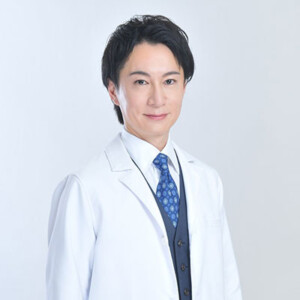
Dr. Jun Karibe
MD
Director
Education & Career
Certifications
Awards
MEDICAL REVIEW