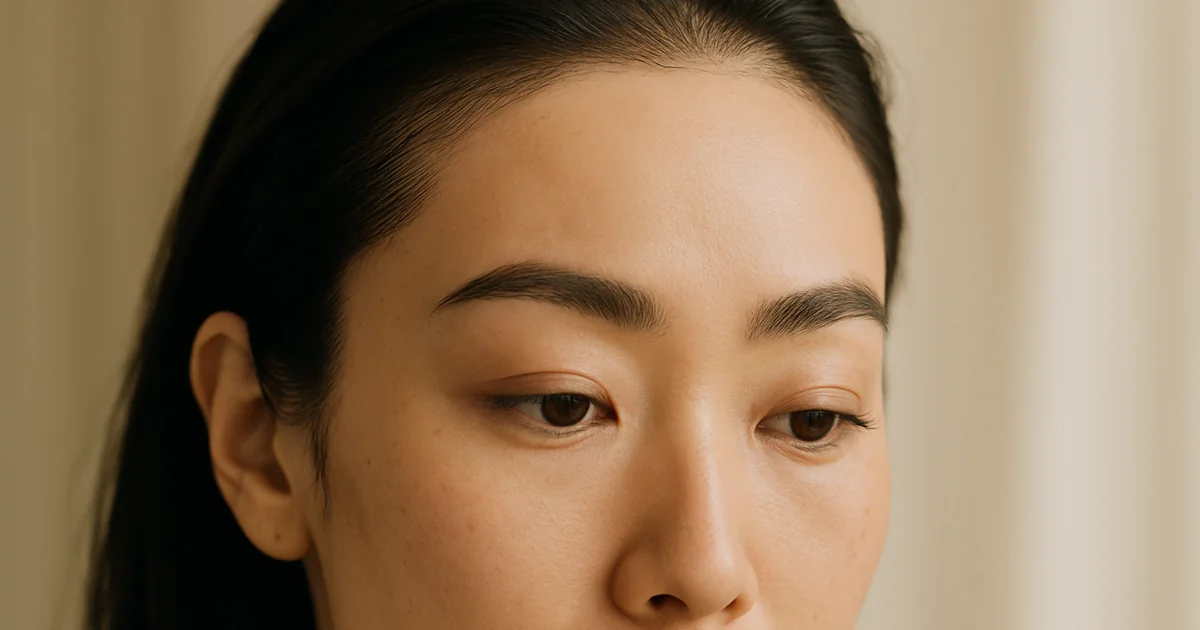
Hairline Artmake in Tokyo: A Complete Guide to Forehead Reduction and Density Enhancement
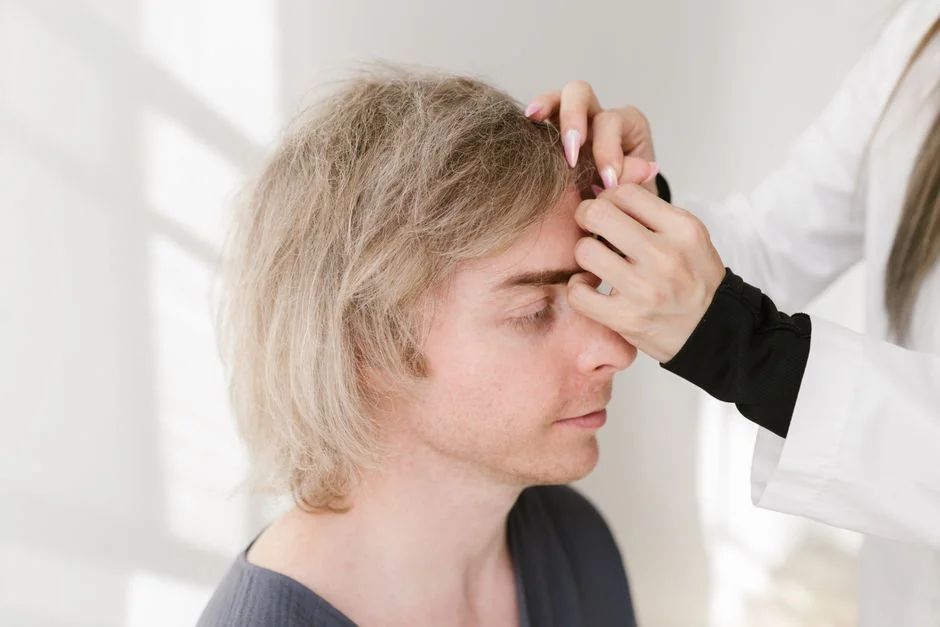
For many people, a high forehead, a receding hairline, or thinning temples can affect how they feel about their appearance — and finding a solution that looks genuinely natural is rarely straightforward.
Hairline artmake offers a non-surgical option that has become increasingly sought after in Tokyo, both by local patients and by international visitors looking for high-quality cosmetic treatments in Japan.
This guide explains exactly how hairline artmake works, what results are realistic, how much it typically costs in Tokyo, and what to expect during the healing process — so that readers can make a well-informed decision before booking a consultation.
What you’ll learn in this article:
- What hairline artmake is and how it differs from a conventional tattoo
- How the technique creates the appearance of forehead reduction or added hair density
- Realistic cost ranges for hairline artmake in Tokyo
- Healing timeline, aftercare, and how long results typically last
- Who is a suitable candidate and where to access the treatment through our clinic group
Have a question about this treatment?
Message us on LINE or WhatsApp — our English-speaking team usually replies the same day.
What Is Artmake?
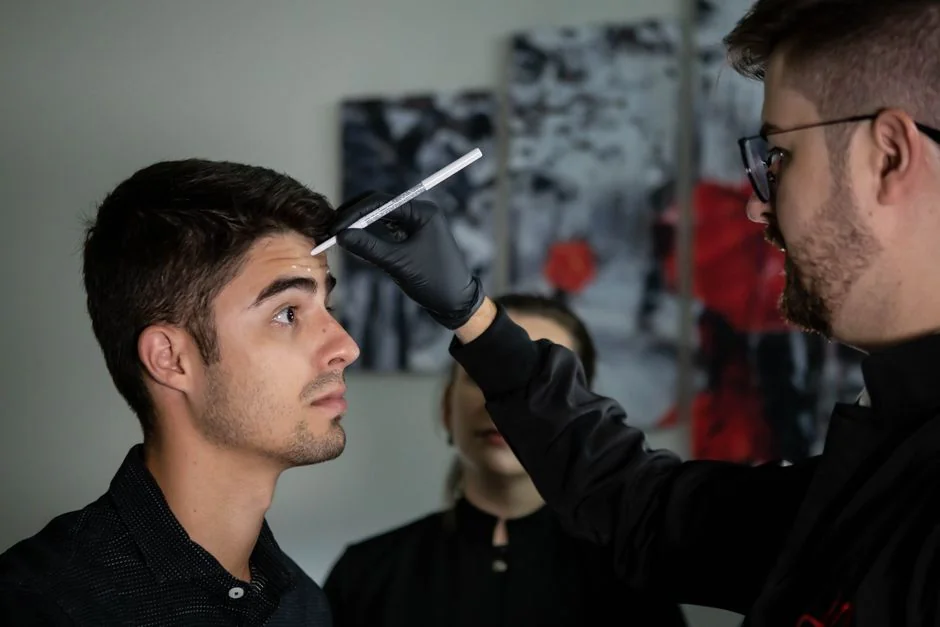
Artmake (アートメイク) is a cosmetic pigmentation technique in which semi-permanent pigment is deposited into the upper dermis — the layer of skin just beneath the surface — using fine needles or a specialised device.
It is closely related to micropigmentation and permanent makeup, though the term “artmake” is used specifically within the Japanese cosmetic medicine context, where the procedure is regulated and must be performed by or under the supervision of a licensed medical professional.
Unlike a conventional decorative tattoo, which drives pigment deep into the dermis for a truly permanent result, artmake targets a shallower skin layer.
This means the pigment gradually fades over one to several years as the skin naturally regenerates — making adjustments, touch-ups, and eventual removal considerably more straightforward than with a standard tattoo.
Hairline Artmake Specifically
Hairline artmake focuses on the scalp-to-forehead boundary and the temples. Rather than filling in the forehead with solid colour, the technique replicates the appearance of individual hair follicles and fine hair strands along the hairline. The result — when performed well — is a softer, lower-appearing hairline that frames the face more proportionately, or a denser-looking hairline that reduces the visibility of thinning areas.
It is important to understand that artmake does not stimulate real hair growth. It creates a visual impression of density and a defined hairline through pigment, not through any biological change to the hair follicle.
How the Technique Works
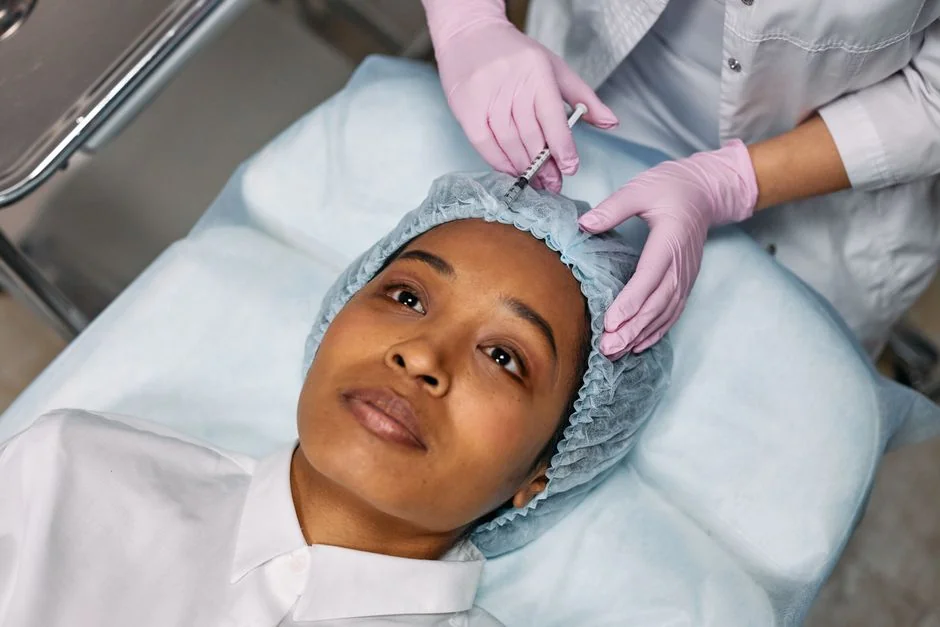
During a hairline artmake session, the practitioner first maps the desired hairline shape with reference to the patient’s facial proportions — taking into account forehead height, face shape, and natural hair direction. This design stage is critical, because an unnaturally uniform or geometrically precise hairline can look artificial.
Pigment is then introduced into the skin using a device fitted with very fine needles. For hairline work, practitioners typically use a hair-stroke technique: each needle pass mimics the direction and angle of a natural hair, producing individual marks rather than a filled block of colour.
Scalp micropigmentation (SMP) — a related approach that uses stippled dot patterns to imitate closely cropped hair follicles — may also be incorporated, particularly for patients concerned primarily with density rather than hairline shape.
Number of Sessions
Most patients require two sessions, spaced approximately four to eight weeks apart.
The first session lays down the initial pigment; the second session allows the practitioner to refine colour depth, fill any areas where pigment did not retain evenly, and perfect the overall result once the skin has healed. Some patients with more advanced hairline recession may benefit from a third session.
Pigment Colour Matching
Selecting the correct pigment tone is one of the most technically demanding aspects of hairline artmake. Hair colour varies subtly — particularly as natural hair contains multiple tones — and the pigment must be chosen to blend with the patient’s existing hair at multiple viewing distances and in different lighting conditions.
Experienced practitioners use blended pigments and vary needle pressure to avoid a flat, monochromatic effect.
Dr. Karibe’s Note
A common question from our international patients at BIOTOPE CLINIC is whether artmake pigments chosen for Japanese hair tones will suit non-Asian hair. In practice, the pigment palette available in Japan is quite comprehensive, and we routinely work with patients whose natural hair ranges from deep black through to lighter brown.
What matters most is the consultation — bringing clear photographs of your natural hair colour in daylight, and discussing your expectations honestly, gives our team the information needed to select a pigment blend that integrates naturally with your individual colouring.
Common Misconceptions About Hairline Artmake
Artmake Is Not the Same as a Tattoo
The most widespread misunderstanding is that artmake and a conventional tattoo are interchangeable. They are not. A standard tattoo uses ink deposited deep into the dermis — it is intended to be permanent and is very difficult to remove. Artmake uses pigment placed in a shallower skin layer, fades naturally over time, and can be removed or adjusted with laser treatment or saline removal techniques if needed. The visual result is also different: artmake pigments are formulated to remain closer to natural tissue tones, whereas tattoo inks may shift to blue or green hues over time.
Results Are Not Instant and They Do Change
Immediately after a session, the treated area will appear darker and more defined than the intended final result. As the skin heals over the following two to four weeks, the pigment softens considerably — typically by 20–40%. Patients who judge the result in the first week are often either alarmed by how dark it looks, or later disappointed when the initial colour fades more than expected. Evaluating the true outcome should wait until at least four weeks after each session.
Cost of Hairline Artmake in Tokyo
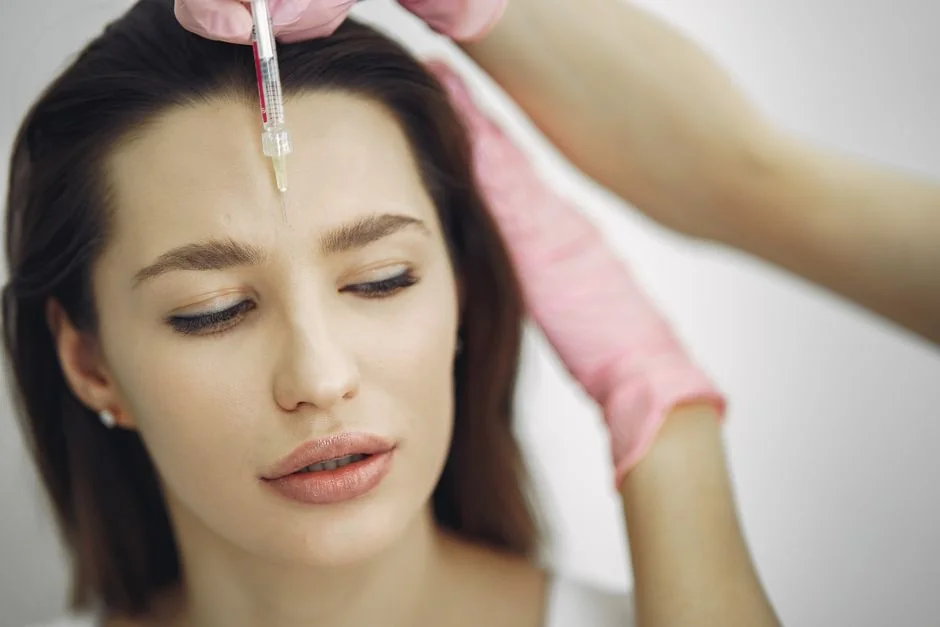
Pricing for hairline artmake in Tokyo reflects the complexity of the treatment area: the hairline requires precise design work, careful blending, and typically involves a larger surface area than eyebrow or eyeliner artmake. In the Tokyo market, sessions are typically priced in the range of ¥100,000 to ¥250,000 per session.
As two sessions are usually recommended, the full initial treatment course commonly falls in the range of ¥200,000 to ¥500,000, though this varies depending on the extent of the hairline being treated, the clinic’s pricing structure, and whether the temple areas require additional work.
Touch-up sessions, which many patients choose to book every one to three years to maintain colour and definition, are generally priced lower than the initial course. Artmake removal — should it ever be needed — involves laser or saline techniques and, in the Tokyo market, typically costs in the range of ¥30,000 to ¥80,000 per removal session, with multiple sessions usually required depending on pigment depth and colour.
For an accurate quote, we recommend booking a consultation with BIOTOPE CLINIC via LINE or WhatsApp.
Have a question about this treatment?
Message us on LINE or WhatsApp — our English-speaking team usually replies the same day.
Healing Timeline and Aftercare
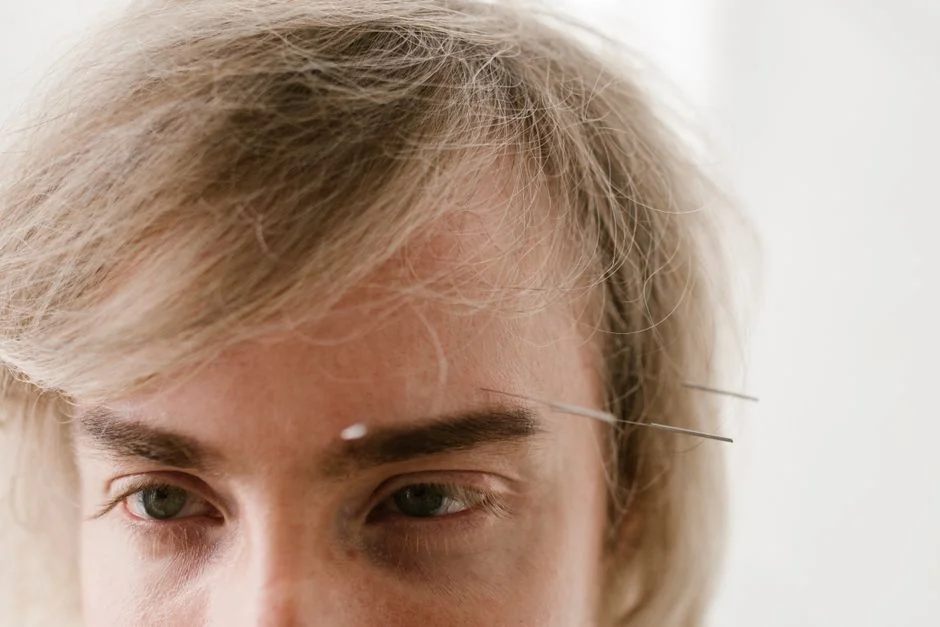
Understanding the healing process helps set realistic expectations and ensures the best possible outcome.
Immediately After Treatment
Mild redness, sensitivity, and swelling in the treated area are normal and typically resolve within 24 to 48 hours. The pigment will appear noticeably darker than the intended final colour — this is expected and temporary.
Days 3–7: Scabbing and Flaking
Fine crusting or flaking may develop as the skin heals. It is essential not to pick, scratch, or rub the area, as premature removal of surface crusts can disrupt pigment retention and create patchy results. Keeping the scalp dry during this phase — avoiding swimming, saunas, and vigorous exercise that causes heavy sweating — supports optimal healing.
Weeks 2–4: Colour Settling
As the outer skin layers fully renew, the pigment appears lighter and the hair-stroke definition softens. This is the normal progression and does not indicate the treatment has failed. The second session, typically scheduled four to eight weeks after the first, is where the practitioner refines and deepens the result.
Long-Term Maintenance
Hairline artmake typically lasts between one and three years before a touch-up is advisable, though longevity varies with skin type, sun exposure, and individual metabolism. Patients with oilier skin types or those with significant sun exposure to the scalp area may find the pigment fades more quickly. Regular use of SPF on the scalp and forehead helps preserve colour between sessions.
Who Is a Good Candidate?
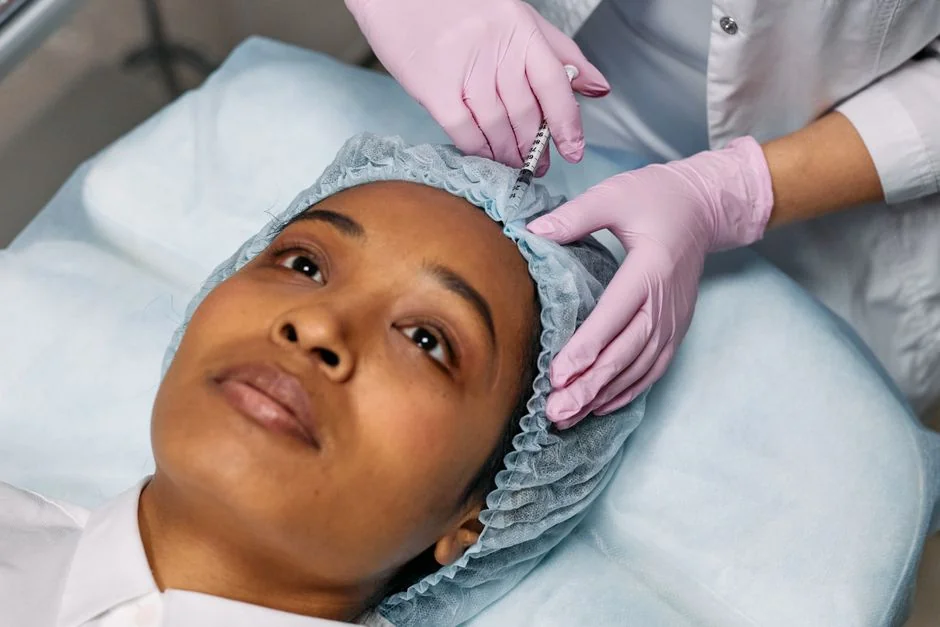
Hairline artmake is well suited to individuals who have a naturally high forehead they would like to appear lower without surgery, those experiencing early-stage hairline recession or thinning at the temples, and patients who have previously had hair transplant surgery and wish to refine the hairline appearance or fill in any areas of sparse growth. It is also used medically in patients who have experienced hair loss from alopecia or as a result of chemotherapy, where recreating a natural hairline can be of significant psychological benefit.
Candidates should have realistic expectations: artmake creates a visual impression of density and a defined hairline, but it does not halt actual hair loss or generate new hair. For patients with progressive hair loss conditions, a medical evaluation to manage the underlying cause is advisable before or alongside artmake treatment.
Who May Not Be Suitable
Individuals who are pregnant or breastfeeding, those taking medications that significantly affect skin healing (such as certain retinoids or anticoagulants), or those with active skin conditions — including psoriasis, eczema, or active scalp infection — in the treatment area are generally advised to postpone artmake until these factors have been addressed. A pre-treatment consultation is essential to assess individual suitability.
Artmake vs Microblading vs Scalp Tattoo: A Comparison
| Feature | Hairline Artmake | Microblading (Hairline) | Conventional Scalp Tattoo |
|---|---|---|---|
| Pigment depth | Upper dermis (shallow) | Upper dermis (shallow) | Deep dermis (permanent depth) |
| Longevity | 1–3 years (semi-permanent) | 1–2 years (semi-permanent) | Permanent (very difficult to remove) |
| Removal options | Laser or saline; feasible | Laser or saline; feasible | Laser; multiple sessions, incomplete |
| Colour shift risk | Low (pigment formulated to fade neutrally) | Low to moderate | Higher risk of blue/green shift over time |
| Medical regulation (Japan) | Must be performed under medical supervision | Legally requires medical supervision in Japan | Regulated as tattooing; separate legal framework |
| Typical Tokyo cost per session | ¥100,000–¥250,000 | Varies; often similar to artmake | Varies widely; different provider category |
| Healing time | 7–14 days to surface heal | 7–14 days to surface heal | 2–4 weeks typically |
Where to Get Hairline Artmake in Tokyo — BIOTOPE CLINIC
Within our clinic group, artmake is performed at BIOTOPE CLINIC in Shirokanedai (Minato-ku), directed by Dr. Jun Karibe, a board-certified plastic surgeon. Our English-speaking team covers both clinics and handles all English enquiries.
Kojimachi Dermatology and Plastic Surgery Clinic, located in Ichigaya (Chiyoda-ku), is the main clinic of the group and provides a wide range of dermatological and plastic surgery services — but artmake itself is not offered at that location.
Patients wishing to enquire about artmake, book a consultation, or ask questions in English are warmly directed to reach out via LINE or WhatsApp, and the same English-speaking intake team will assist regardless of which clinic’s services are being enquired about.
BIOTOPE CLINIC’s artmake services are provided within a regulated medical setting, in keeping with Japanese law, which requires that artmake be performed under medical supervision. This offers patients an important layer of safety and clinical oversight that is not present at non-medical beauty salons.
Frequently Asked Questions
- Q. Is hairline artmake painful?
- Discomfort varies among individuals. A topical anaesthetic cream is applied before the procedure to reduce sensitivity, and most patients describe the sensation as a mild scratching or light pressure rather than sharp pain. The scalp is generally more sensitive than the forehead, so some areas along the hairline may feel more noticeable than others. Practitioners can pause and reapply anaesthetic if needed.
- Q. How long does a hairline artmake session take?
- A single session typically takes between two and three hours, including the initial design consultation, anaesthetic application time, and the pigmentation process itself. The design and mapping stage should not be rushed, as getting the hairline shape correct before any pigment is applied is critical to the outcome.
- Q. Can hairline artmake be combined with a hair transplant?
- Yes, and the two treatments can complement each other well. Artmake is often used to refine the hairline appearance following a hair transplant — particularly to fill in any sparse areas between transplanted follicles or to soften the transition zone. Practitioners generally recommend waiting until the transplanted hair has fully grown in (typically 12 months post-surgery) before assessing whether artmake refinement would be beneficial.
- Q. Will the pigment look natural on non-Asian hair colours?
- With careful colour matching at consultation, hairline artmake can be adapted to a wide range of natural hair colours, including lighter browns. The key is the consultation process — patients are encouraged to bring photographs of their natural hair in daylight and to discuss their colouring openly with the practitioner. Pigments are typically blended, not applied as a single flat shade, to achieve a more realistic multi-tonal result.
- Q. How do I maintain the result long term?
- Protecting the treated area from prolonged direct sun exposure is the most important maintenance step, as UV radiation accelerates pigment fading. Applying SPF to the forehead and scalp regularly — particularly in summer — helps preserve colour. Most patients book a touch-up session every one to two years to refresh and redefine the hairline as the pigment naturally fades.
Have a question about this treatment?
Message us on LINE or WhatsApp — our English-speaking team usually replies the same day.
Summary
Hairline artmake is a well-established semi-permanent cosmetic procedure that can meaningfully improve the appearance of a high forehead or thinning hairline without surgery.
The technique replicates the look of individual hair strands and follicles using pigment deposited in the upper skin layer — producing results that, with skilled application and proper aftercare, appear natural and integrate well with existing hair.
Realistic expectations are essential: results fade gradually over one to three years, two sessions are typically required for the optimal outcome, and the treated area will look darker and more defined in the days immediately following treatment before settling to its true colour.
In the Tokyo market, sessions are typically priced in the range of ¥100,000 to ¥250,000, and the total cost of an initial two-session course generally falls between ¥200,000 and ¥500,000 depending on the treatment area and individual requirements.
For English-speaking patients in Tokyo — whether expatriates, visitors, or medical tourists — the Kojimachi Clinic group offers access to artmake through BIOTOPE CLINIC in Shirokanedai, with English-language support available from the shared intake team at both clinics. Prospective patients are encouraged to begin with a consultation to discuss their hairline goals, assess suitability, and receive an accurate, personalised treatment plan.
24/7 Consultation & Booking
Book a Consultation or Treatment
Our English-speaking team responds via LINE or WhatsApp — usually the same day.
References
- Goldenberg G, Shaoul R. Scalp micropigmentation and hairline artmake: clinical considerations and patient selection. Journal of Cosmetic Dermatology. 2021.
- Traquina AC. Micropigmentation as a treatment for scalp alopecia: outcomes and patient satisfaction. Dermatologic Surgery. 2016.
- Serup J, Hutton Carlsen K, Sepehri M. Tattoo complaints and complications: diagnosis and clinical spectrum. Current Problems in Dermatology. 2015.
- Forbat E, Al-Niaimi F. Laser removal of cosmetic tattoos: a review of current techniques and clinical considerations. Lasers in Medical Science. 2018.
- Japanese Society of Aesthetic Dermatology. Guidelines on micropigmentation and artmake procedures in clinical settings. 2020.
Related Articles
You may also find these articles useful.
- FAGA Treatment Tokyo: Regenerative Hair Loss Solutions
- Acne Treatment at Tokyo Dermatologist: What to Expect
- Artmake for Foreigners in Tokyo: English-Speaking Clinic
SUPERVISED BY
Dr. Jun Karibe
MD
Director
Education & Career
Certifications
Awards
MEDICAL REVIEW