What Is a Deep Plane Facelift?
If you are exploring surgical facial rejuvenation options in Japan, the deep plane facelift stands out for the depth — both anatomical and in terms of achievable change — of what it can accomplish.
Expatriates, medical tourists, and long-term residents in Tokyo are increasingly asking about this technique, drawn by Japan’s surgical standards, relative cost accessibility compared to the United States, and the growing availability of English-language care.
This article explains what the procedure involves, what the evidence says about results, what it costs in Tokyo, and how to access consultations in English.
- What separates a deep plane facelift from a standard SMAS facelift, and why the distinction matters
- What clinical evidence says about satisfaction rates, longevity, and realistic expectations
- Typical price ranges for deep plane facelift surgery in Tokyo in 2025–2026
- What recovery looks like week by week, and when you can expect to return to daily life
- Where to arrange English-language facelift consultations in Japan
Have a question about this treatment?
Message us on LINE or WhatsApp — our English-speaking team usually replies the same day.
What Is a Deep Plane Facelift?
All modern facelift techniques address the SMAS — the superficial musculoaponeurotic system, a fibromuscular layer that connects the facial muscles to the overlying skin.
In a conventional SMAS facelift, the surgeon tightens this layer from above by folding it (plication), trimming it (SMASectomy), or securing it with sutures, then redrapings the skin. Results improve the lower face, but the deep retaining ligaments — fibrous anchors that hold the cheek fat pads and jowls in their descended position — remain untouched and continue their downward pull over time.
A deep plane facelift works beneath the SMAS entirely. The surgeon releases those retaining ligaments directly, then lifts the entire composite unit of skin, fat, and SMAS as a single block, repositioning it vertically toward where it sat in younger years. Because the tissues travel together rather than being pulled in opposing directions, the skin surface is not placed under tension. This is the mechanism that produces the natural, rested result the technique is known for — and that addresses midface descent, nasolabial folds, and jowls more completely than procedures operating above the ligaments.
The deep plane technique was first described by Dr. Sam Hamra and published in the peer-reviewed surgical literature in 1992. Over the following three decades it has become a benchmark for surgeons treating moderate to advanced facial ageing.
Deep Plane vs. SMAS Facelift: Key Differences
| Feature | SMAS Facelift | Deep Plane Facelift |
|---|---|---|
| Anatomical plane of dissection | Above the SMAS layer | Beneath the SMAS layer |
| Retaining ligament release | Minimal or none | Direct release of deep ligaments |
| Tissue movement | Skin and SMAS lifted separately | Skin, fat, and SMAS lifted as one composite unit |
| Skin surface tension | Higher — skin pulled independently | Lower — skin rides on the lifted composite |
| Best suited for | Mild to moderate ageing, typically 40s to early 50s | Moderate to advanced ageing; significant jowls and midface descent |
| Typical longevity | Approximately 5–10 years | Approximately 10 years or more |
| Surgical complexity | Moderate | High — requires specialised deep-anatomy training |
What Results Can You Expect?
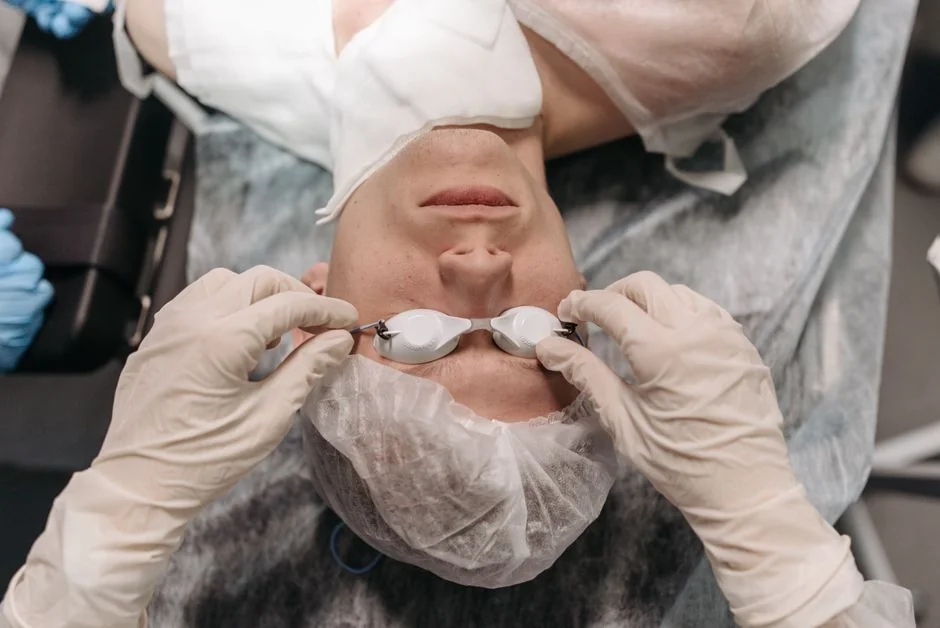
Clinical evidence for deep plane outcomes has grown substantially. A study published in Plastic and Reconstructive Surgery in October 2025 evaluated the technique in 61 Asian patients aged 38–75, with a mean follow-up of 19 months. Clinical reports indicate that 98% of participants were satisfied or highly satisfied with their results. Complication rates were low: superficial skin changes behind the ears occurred in approximately 3% of cases, hypertrophic scarring in 1.6%, and temporary facial nerve weakness (neurapraxia) in 1.6%; there were no haematomas in that cohort. This data is particularly relevant to patients considering surgery in Japan, given the comparable anatomy.
A 2024 systematic review published in Cureus, analysing outcomes across more than 11,300 facelift patients, reported an overall complication rate of 1.8%, with haematoma — the most frequently discussed surgical risk — occurring in 1.1% of cases and infection in 0.3%. As with any surgical procedure, individual risk is influenced by patient health, surgeon experience, and facility standards.
On longevity, a 2026 study published in Facial Plastic Surgery & Aesthetic Medicine — reviewing approximately 1,000 deep plane procedures over 30 years — found that the mean interval between a primary deep plane facelift and any revision surgery was 10.9 years.
Patients who underwent their first facelift at or before the age of 53 waited an average of 12.4 years before seeking further work. These figures reflect only patients who sought revision, not the full treated population; longevity in any individual depends on skin quality, genetics, sun exposure, and lifestyle.
Good candidates are generally in their 40s to 60s with moderate to significant facial sagging — particularly jowl formation, midface descent, and deepening nasolabial folds. Patients who smoke must be willing and able to stop for a minimum of four weeks before and after surgery, as nicotine impairs wound healing and significantly increases complication risk. Those with uncontrolled diabetes, active autoimmune conditions, or blood-clotting disorders may not be suitable candidates.
The Cost of a Deep Plane Facelift in Japan
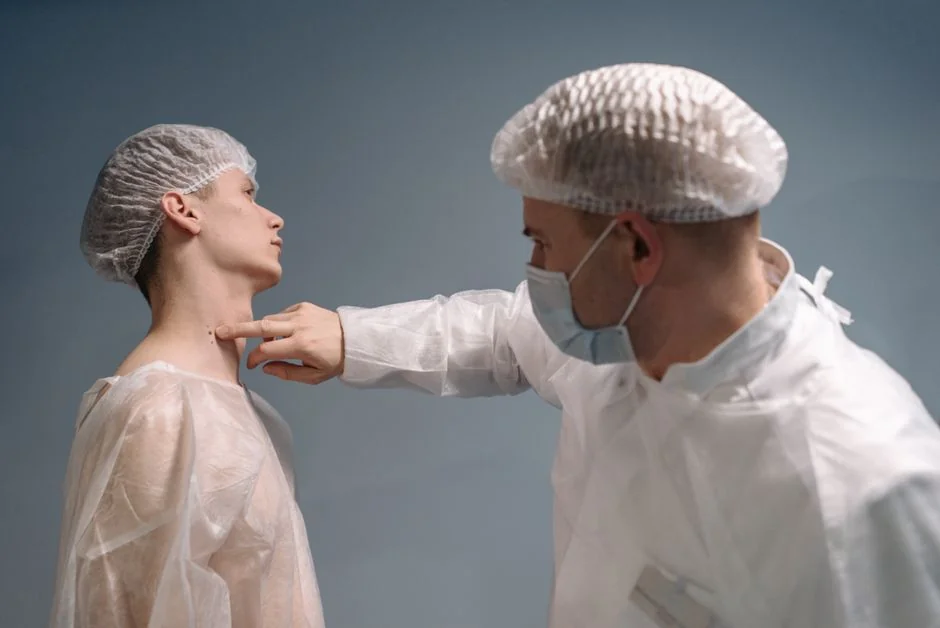
Deep plane facelifts are classed as cosmetic procedures under Japan’s healthcare system and are not covered by national health insurance (健康保険). All fees are self-pay (自由診療).
Based on publicly listed fees at Tokyo clinics in 2025–2026, a deep plane facelift — typically including a neck-lift component — generally ranges from approximately ¥1,500,000 to ¥3,500,000 or more. The range reflects real differences in scope: a face-and-neck procedure involving extended ligament release is more time-intensive than a limited approach. Other cost drivers include the surgeon’s experience and credentials, facility and operating room fees, anaesthesia type and duration, and the number of follow-up visits included in the package. Anaesthesia and consumables are frequently listed separately and can add 10–20% to the headline price.
By international comparison, Tokyo sits at a significantly lower price point than the United States, where leading specialists commonly cite $35,000–$75,000 for a deep plane procedure. Japan’s combination of rigorous surgical training standards, competitive pricing, and improving English-language accessibility makes it an increasingly considered destination for medical tourism in this category.
Fees vary considerably based on the individual surgical plan, and published prices represent starting points rather than fixed quotes. For an accurate current quote tailored to your anatomy and goals, please book a consultation.
Have a question about this treatment?
Message us on LINE or WhatsApp — our English-speaking team usually replies the same day.
What to Expect: Before, During, and After
Before the procedure
Consultations include a detailed review of medical history, current medications, and smoking status. Anticoagulants, aspirin, and supplements that increase bleeding risk (including vitamin E and fish oil at high doses) are typically paused two weeks before surgery. Pre-operative blood tests, and cardiac clearance if indicated by age or history, are standard at reputable surgical facilities. Photographs taken from standardised angles are used to plan the surgery and create a baseline for comparison.
During the procedure
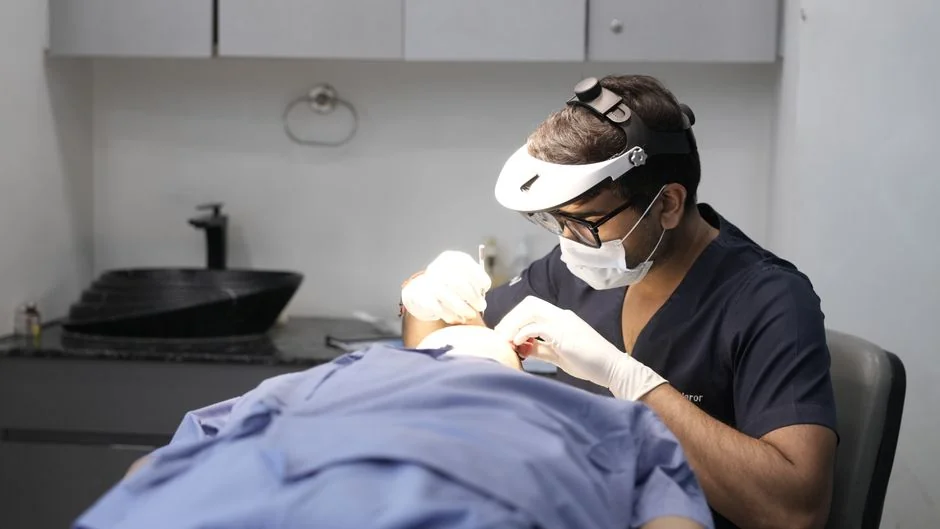
A deep plane facelift is performed under general anaesthesia or deep intravenous sedation in a fully monitored surgical environment, and typically takes three to five hours. Incisions are placed in the natural crease in front of the ear, around the earlobe, and into the hairline — the same positions used for SMAS facelifts — keeping post-operative scarring well concealed once healed. An overnight hospital stay is common in Japan.
Recovery week by week
Swelling and bruising peak in the first several days and then begin to subside. Most patients can return to desk-based work within two to three weeks, once cosmetics can conceal residual discolouration. Public-facing roles and social engagements generally require three to four weeks. Strenuous exercise is restricted for four to six weeks. Final results — with all residual swelling resolved — become visible over three to six months as tissues settle into their new position.
What People Often Get Wrong About Deep Plane Facelifts
“A deep plane facelift will look pulled or unnatural.”
The “windswept” or artificially tight appearance associated with older facelifts results from techniques that redrape skin under direct lateral tension. The deep plane approach specifically avoids this: by releasing the underlying retaining ligaments and lifting the composite layer as a unit, the skin itself is not under tension. When performed by a surgeon with the relevant training, the result tends to look like a rested, naturally younger version of the patient — not a different face. This is one reason the technique is frequently requested by patients who have seen over-operated results from older procedures and want to avoid that outcome.
“Recovery from a deep plane facelift is significantly more difficult than from a SMAS lift.”
Because the deep plane operates below the SMAS layer and minimises surface trauma to the skin, many patients experience bruising and swelling that is comparable to — and sometimes less marked than — a skin-tension SMAS procedure, in which the skin is pulled independently under higher mechanical force. The overall timeline of approximately two to three weeks before returning to desk work is broadly consistent across modern facelift techniques, though individual experiences vary. The deeper nature of the dissection does demand a skilled surgeon, but that pertains to the technical difficulty of the procedure itself, not the patient’s experience of recovery.
Where to Get a Deep Plane Facelift Consultation in Tokyo
Within the clinic group led by Dr. Jun Karibe — a board-certified plastic surgeon certified by the Japan Society of Plastic and Reconstructive Surgery — both BIOTOPE CLINIC (Shirokanedai, Minato-ku) and Kojimachi Dermatology & Plastic Surgery Clinic (Ichigaya, Chiyoda-ku) offer English-language consultation with Dr. Karibe’s team. Cosmetic and aesthetic plastic surgery of the face, including facelift consultations, is handled at BIOTOPE CLINIC in Shirokanedai. The Kojimachi location focuses on insurance-covered dermatology and general plastic surgery. Both clinics accept English-language enquiries via LINE and WhatsApp.
Patients travelling to Japan specifically for surgery are encouraged to arrange a video consultation before arrival to discuss their goals, review photographs, and begin surgical planning. This avoids unnecessary in-person trips and allows time to address questions about anaesthesia, recovery logistics, and accommodation planning.
For patients who are not yet ready for surgery, or who prefer a non-invasive option to assess results before committing to an operation, HIFU (high-intensity focused ultrasound) treatments for skin lifting and tightening are available at BIOTOPE CLINIC in Shirokanedai. This is a non-surgical option worth discussing during a consultation with Dr. Karibe’s team.
Frequently Asked Questions
- Q. How is a deep plane facelift different from a thread lift?
- A thread lift is a non-surgical procedure in which dissolvable sutures are inserted under the skin to mechanically lift soft tissue. Results are temporary — typically lasting one to two years — and the degree of change is modest compared with surgery. A deep plane facelift is a surgical procedure that repositions the underlying anatomical layers of the face for lasting rejuvenation. The two are not equivalent in either effect or longevity, and are suited to different stages of facial ageing.
- Q. Is the deep plane facelift appropriate for Asian facial anatomy?
- Published research specifically addressing Asian patients supports both the safety and effectiveness of the deep plane technique when performed with appropriate technical modifications. A 2025 study in Plastic and Reconstructive Surgery reported high satisfaction rates and a low complication profile in a 61-patient Asian cohort. That said, individual anatomy varies, and a thorough pre-operative consultation is essential to determine the most suitable approach for your face.
- Q. Will I need time off work if I travel from overseas for surgery?
- Yes. Most patients plan a minimum of two to three weeks in Japan before flying home, allowing initial healing and the first follow-up appointment. Flying long-haul in the very early post-operative period carries risks related to swelling and haematoma formation; your surgeon will advise on a safe departure timeline. Staying nearby for the first week is strongly recommended.
- Q. Can a deep plane facelift be combined with other procedures?
- It frequently is. Common combinations include upper or lower blepharoplasty (eyelid surgery), fat grafting to restore volume in hollowed areas, and CO2 laser resurfacing for skin texture improvement. Combining procedures extends anaesthesia time and may affect recovery; your surgeon will advise on what is appropriate and safe in a single session versus staged across separate visits.
Have a question about this treatment?
Message us on LINE or WhatsApp — our English-speaking team usually replies the same day.
If you have questions about deep plane facelift surgery, both BIOTOPE CLINIC (Shirokanedai, Minato-ku) and Kojimachi Dermatology & Plastic Surgery Clinic (Ichigaya, Chiyoda-ku) offer English-language consultation with Dr. Karibe and his team. Deep plane facelift consultations and surgery are handled at BIOTOPE CLINIC in Shirokanedai. English enquiries: LINE or WhatsApp.
24/7 Consultation & Booking
Book a Consultation or Treatment
Our English-speaking team responds via LINE or WhatsApp — usually the same day.
References
- Meretsky CR, Hausner P, Flynn BP, Schiuma AT. A Systematic Review and Comparative Analysis of Reconstructive Rhytidectomy: Advantages, Disadvantages, and Patient Outcomes. Cureus. 2024.
- Deep Plane Face Lift in Asian Patients. Plastic and Reconstructive Surgery. October 2025. PMID: 40183553.
- Levin M, Frankel A. Thirty Years of Deep Plane Facelifts: Characterizing Outcomes and Longevity. Facial Plastic Surgery & Aesthetic Medicine. 2026.
Related Articles
You may also find these articles useful.
- Deep Plane Facelift in Tokyo, Japan: Cost & Clinics
- Embrace RF vs HIFU vs Deep Plane Facelift: Tokyo Guide
- FaceTite vs Surgical Facelift in Tokyo: Which to Choose
- Non-Surgical Facelift Tokyo for Foreigners: Complete Guide
SUPERVISED BY

Dr. Jun Karibe
MD
Director
Education & Career
Certifications
Awards
MEDICAL REVIEW